Complete Guide to Production Monitoring Software for Modern Factories
Manufacturing has always been about output. But how you track, measure, and improve that output is what separates a factory that grows from one that simply gets by. Production monitoring software is the technology that bridges the gap between what is happening on your shop floor and the decisions you need to make to keep things running at their best. This guide walks you through everything you need to know about it, from what it does to why your factory needs it right now.
What Exactly Is Production Monitoring Software?
At its core, production monitoring software is a digital platform that automatically collects data from machines, production lines, and shop floor equipment and presents it in real time through dashboards, alerts, and reports. It replaces manual log sheets, verbal shift handovers, and end-of-day spreadsheets with live, accurate data that anyone in the organization can access from anywhere.
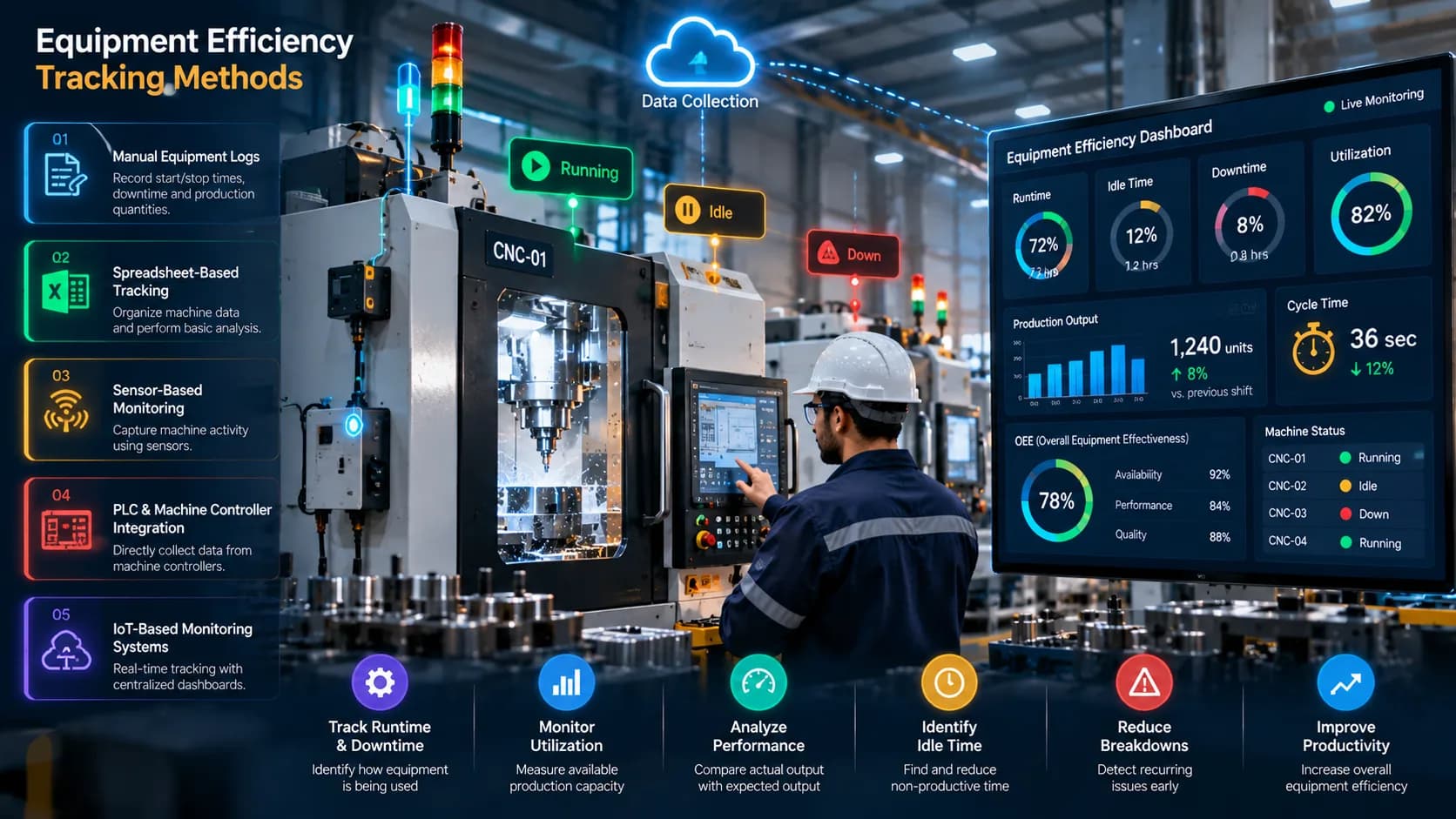
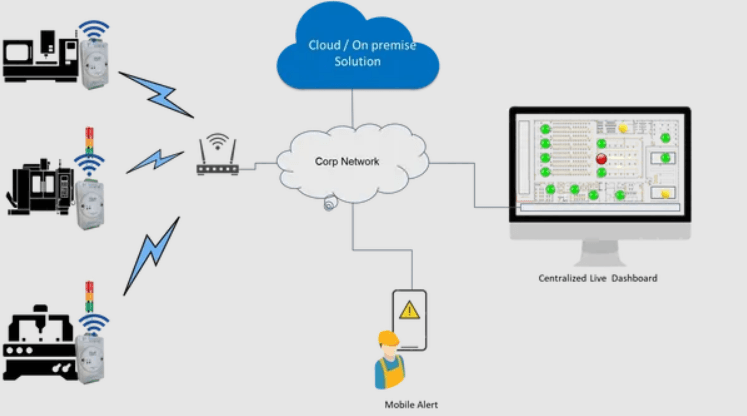
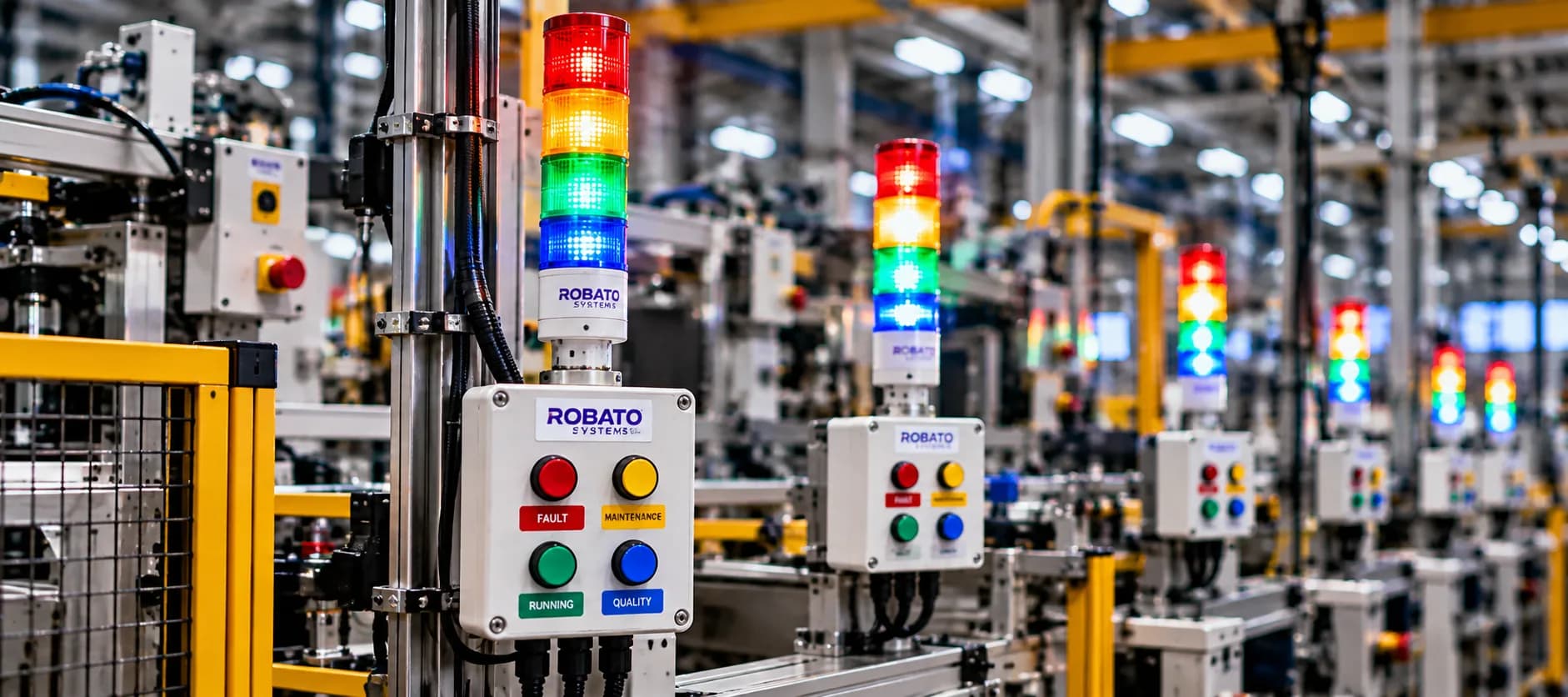
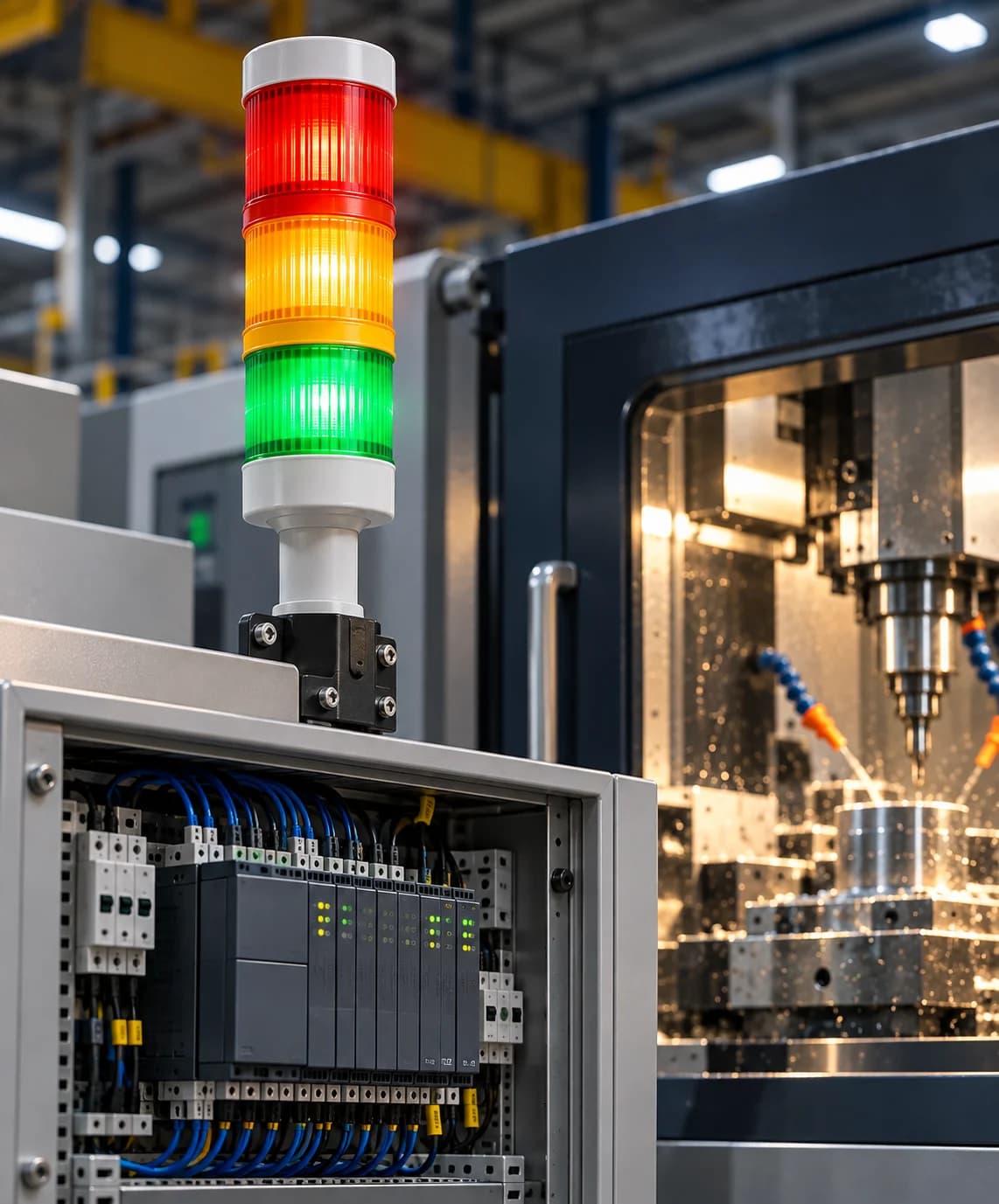
The software connects to machines through sensors, counters, PLCs, and IIoT edge devices. Once connected, it begins tracking output counts, machine status, downtime events, shift performance, and quality metrics without requiring any manual input from operators. The data flows automatically, continuously, and accurately from the machine to the screen.
The Core Features Every Factory Should Know About
Modern production monitoring software does far more than count parts. Here is what a comprehensive platform covers.
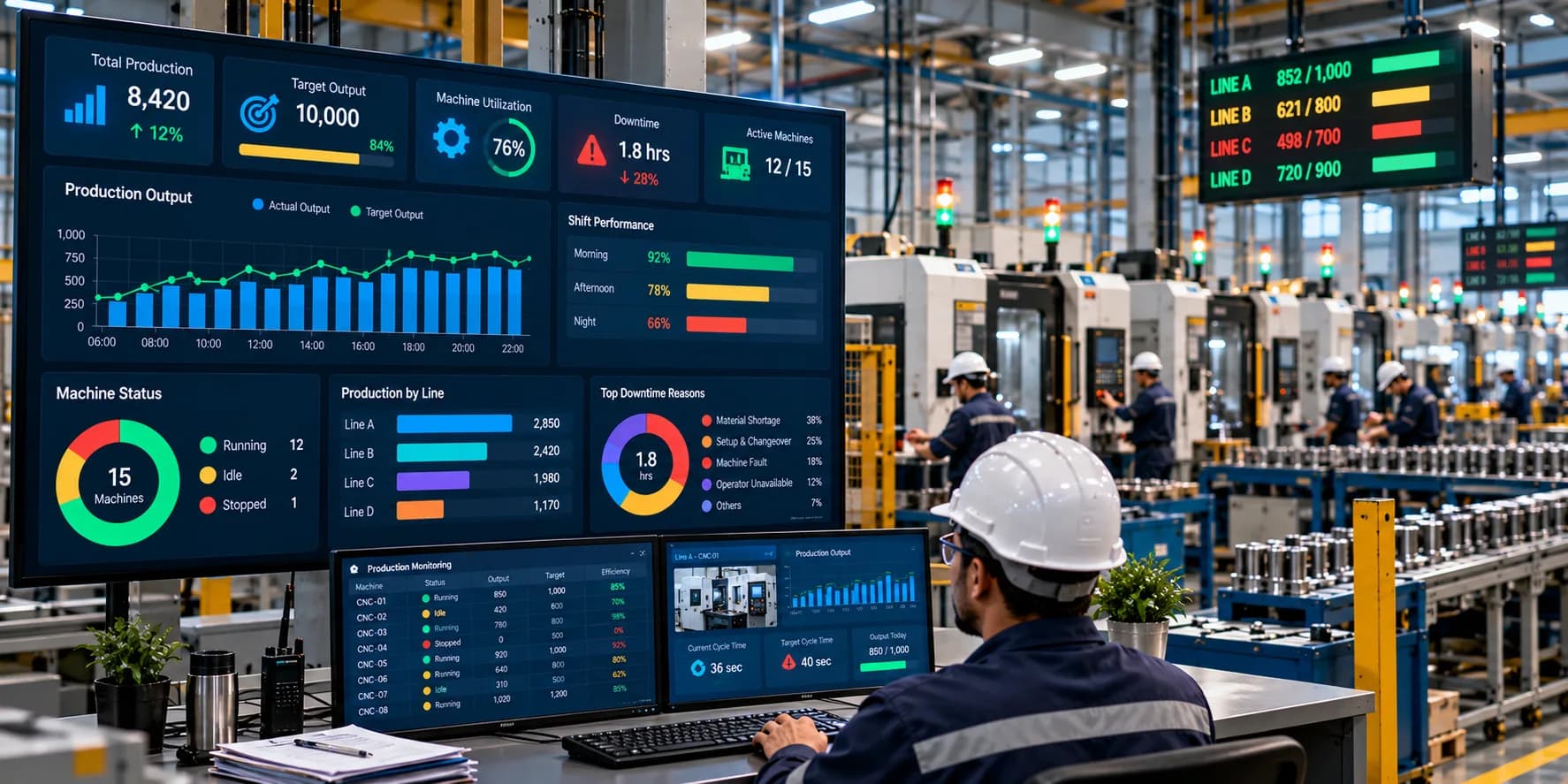
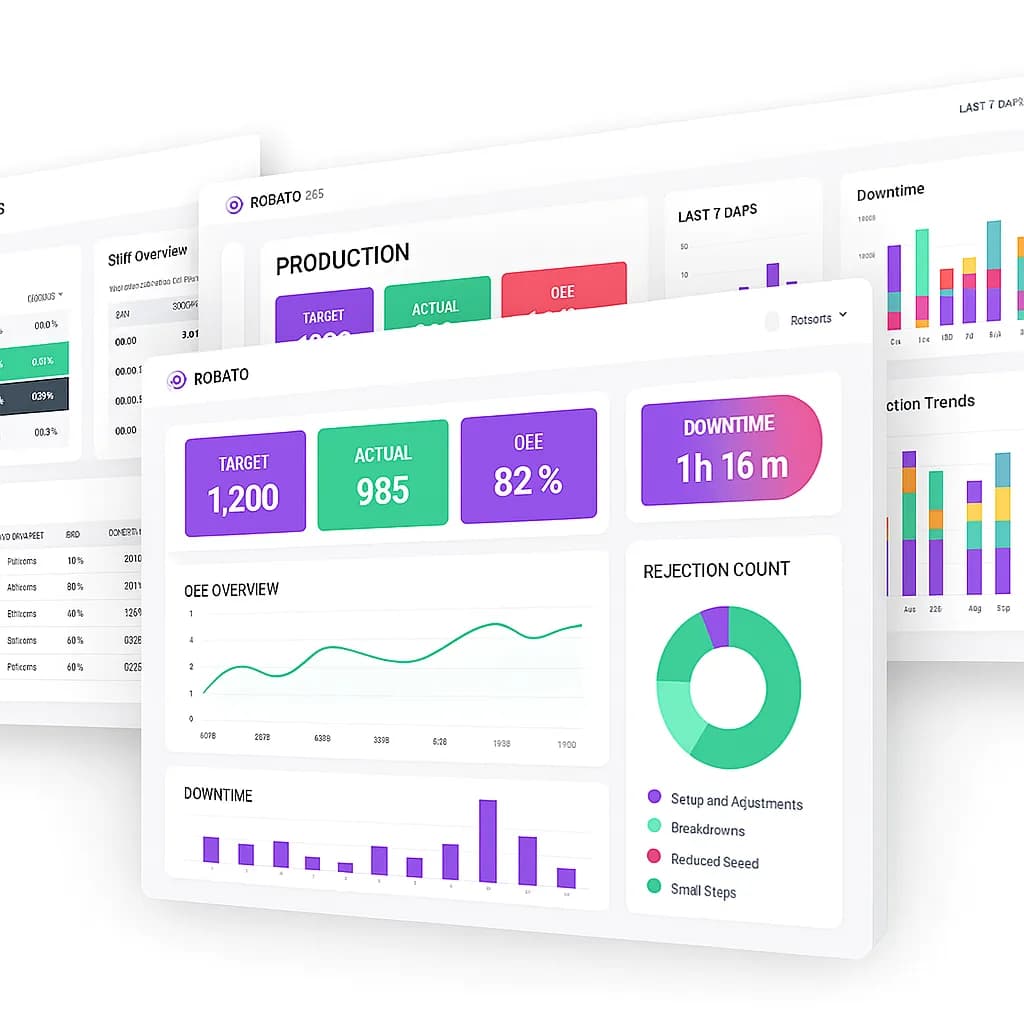
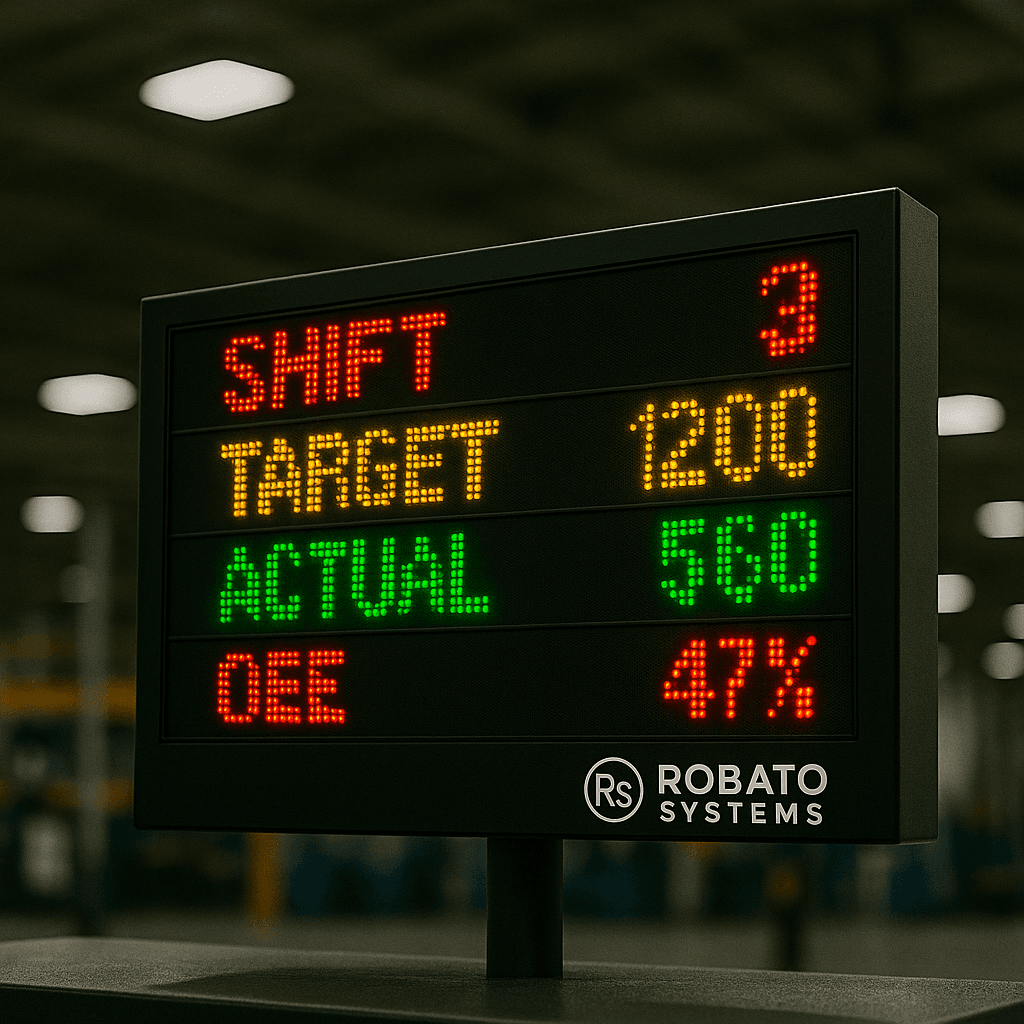
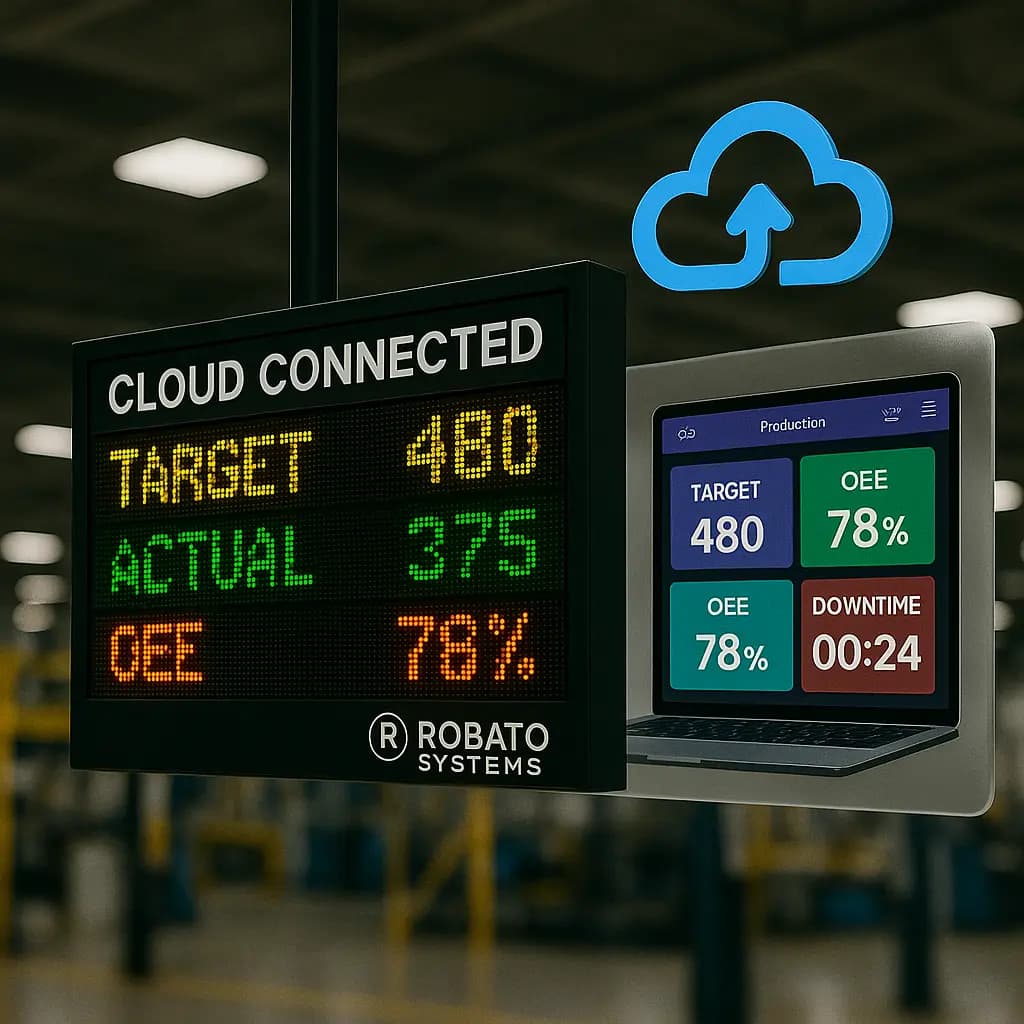
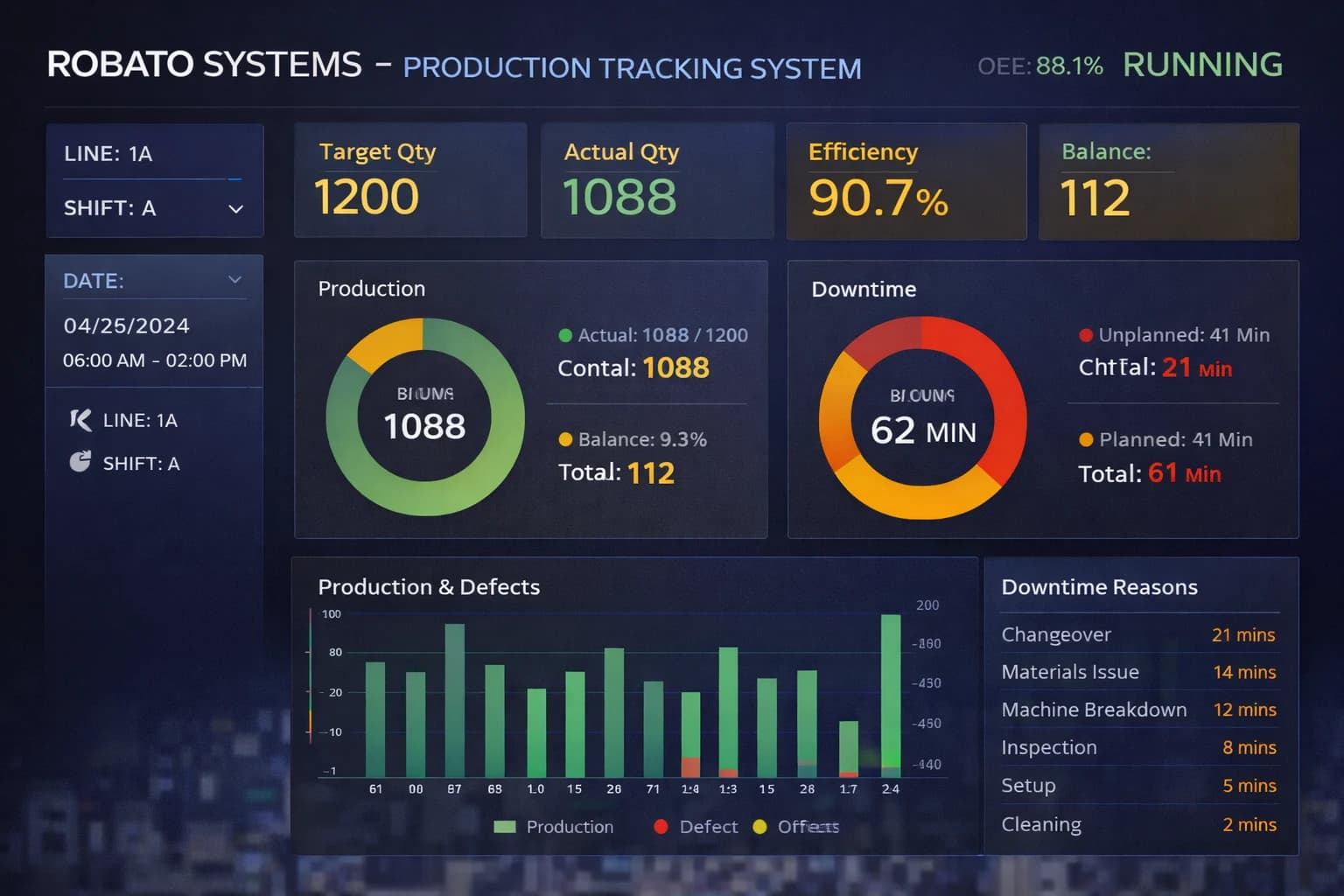
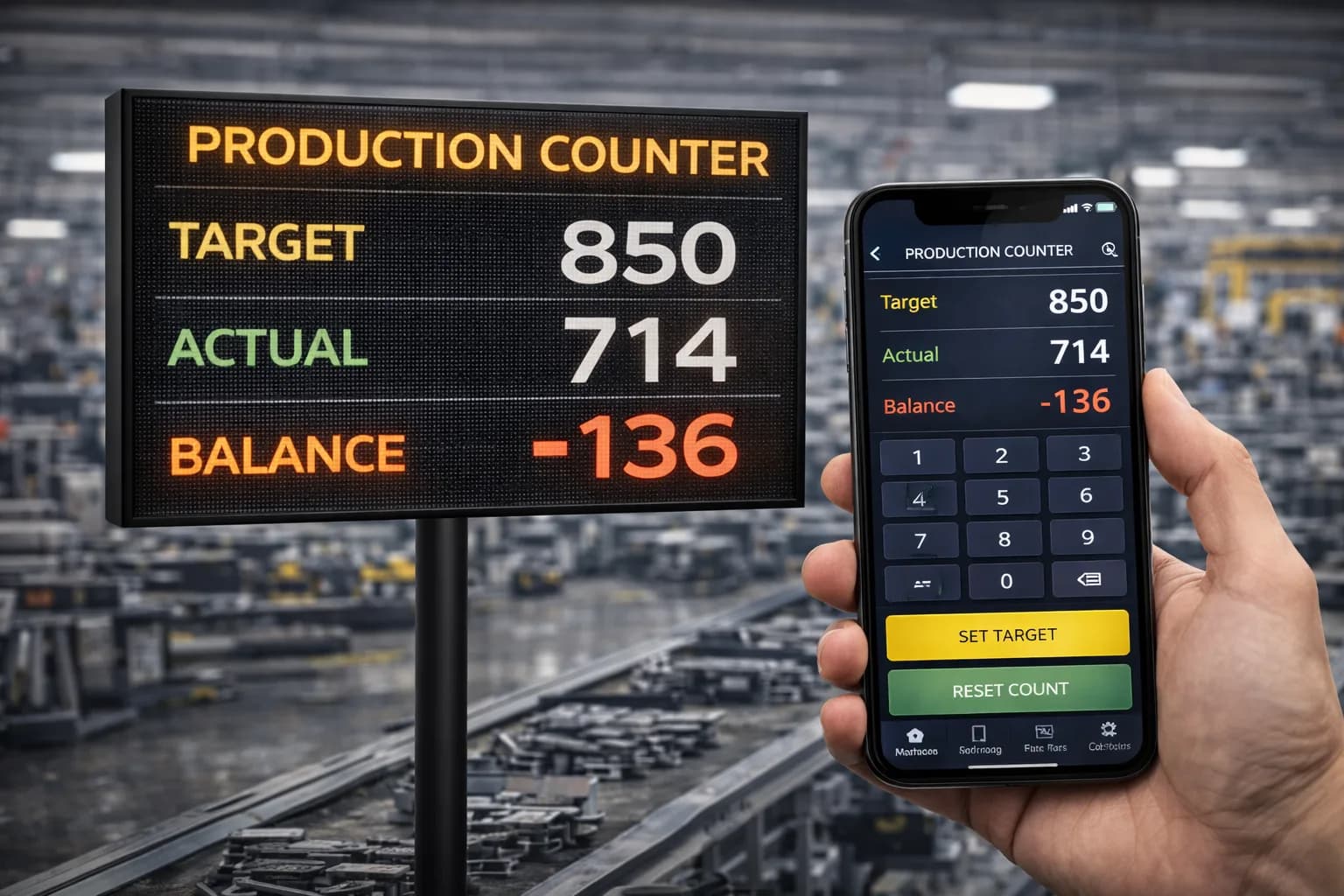
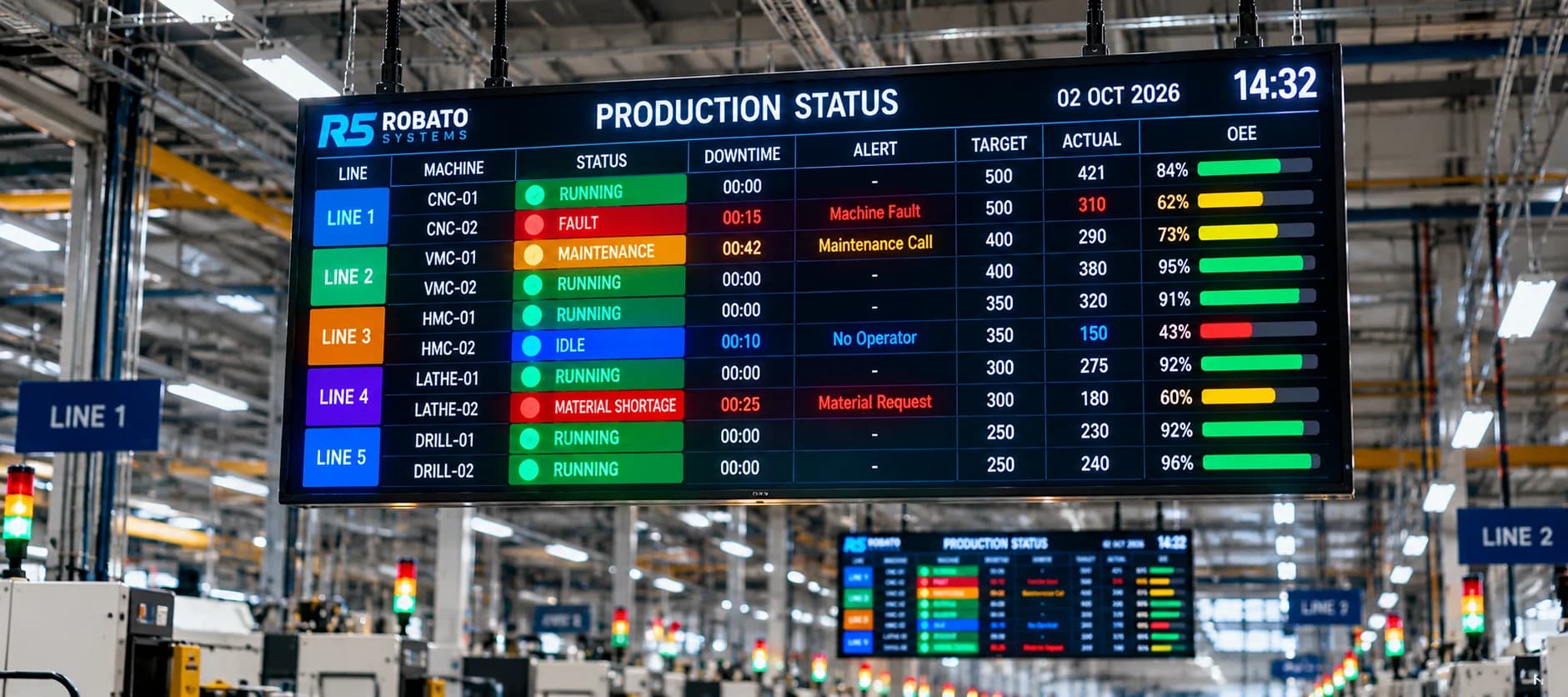
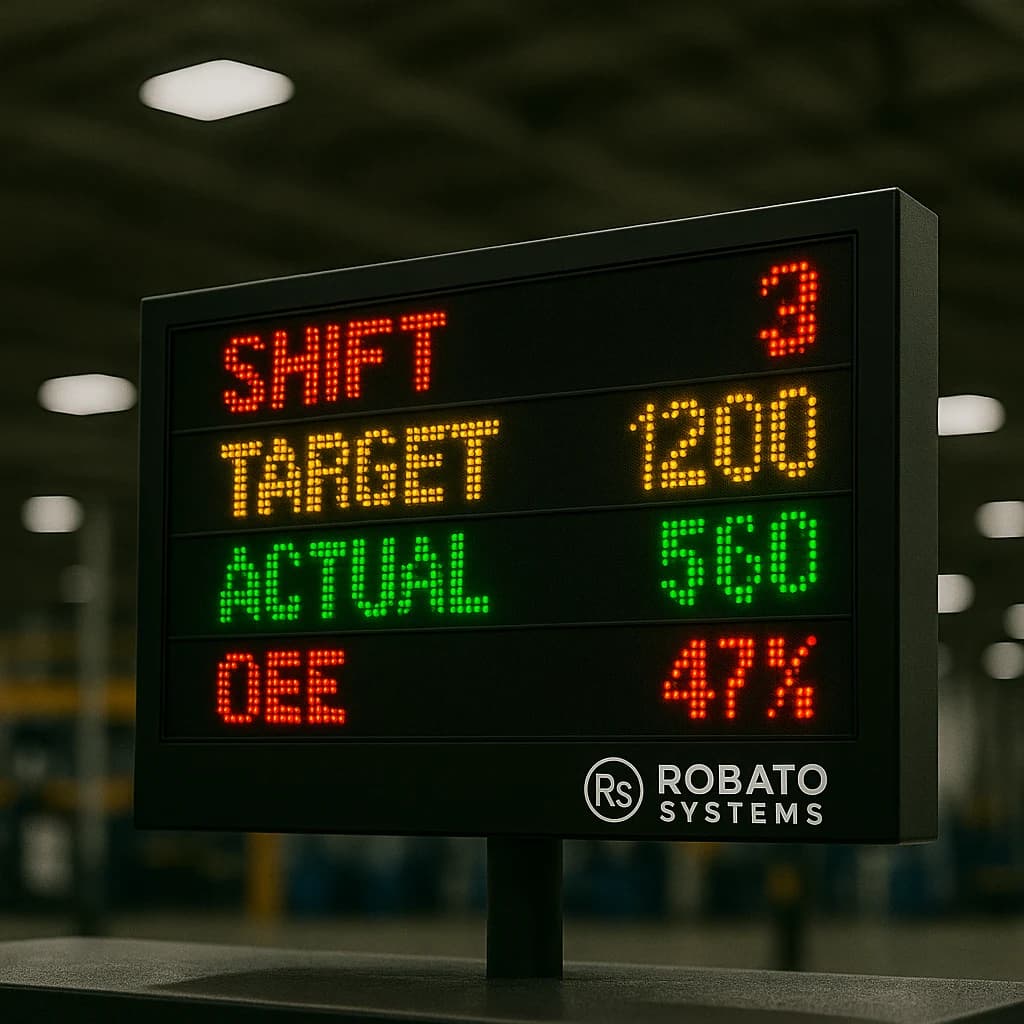
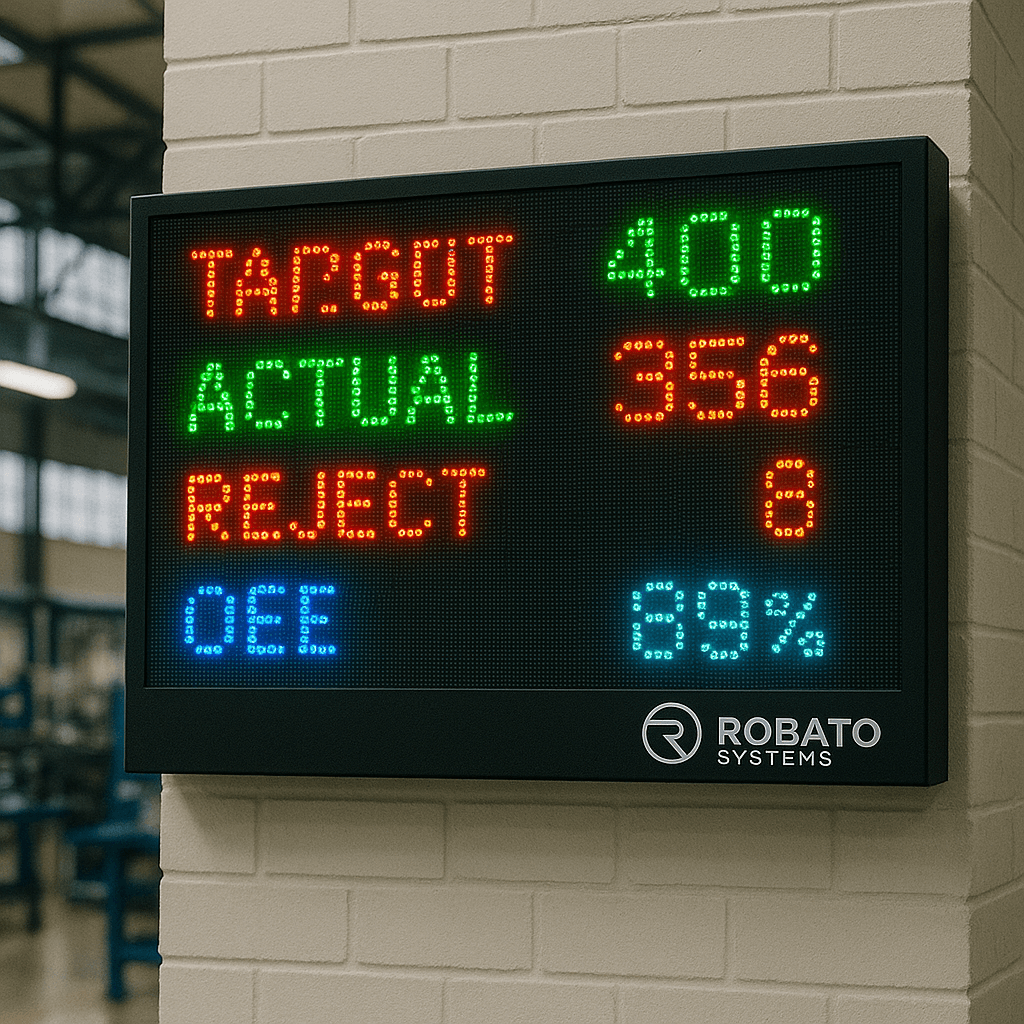
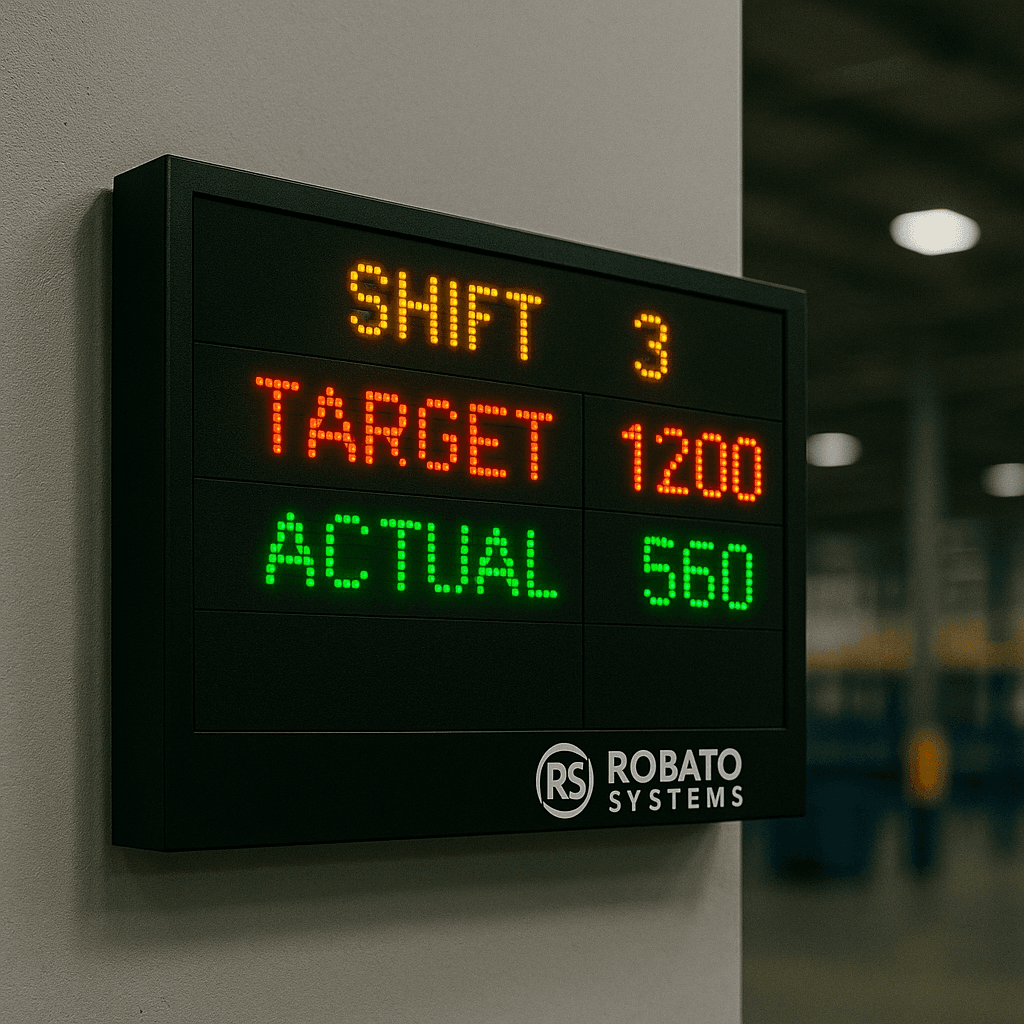
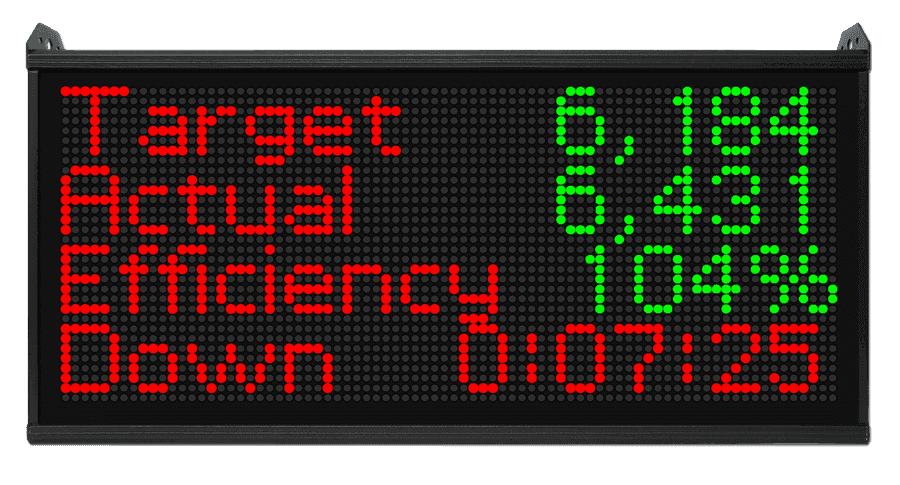
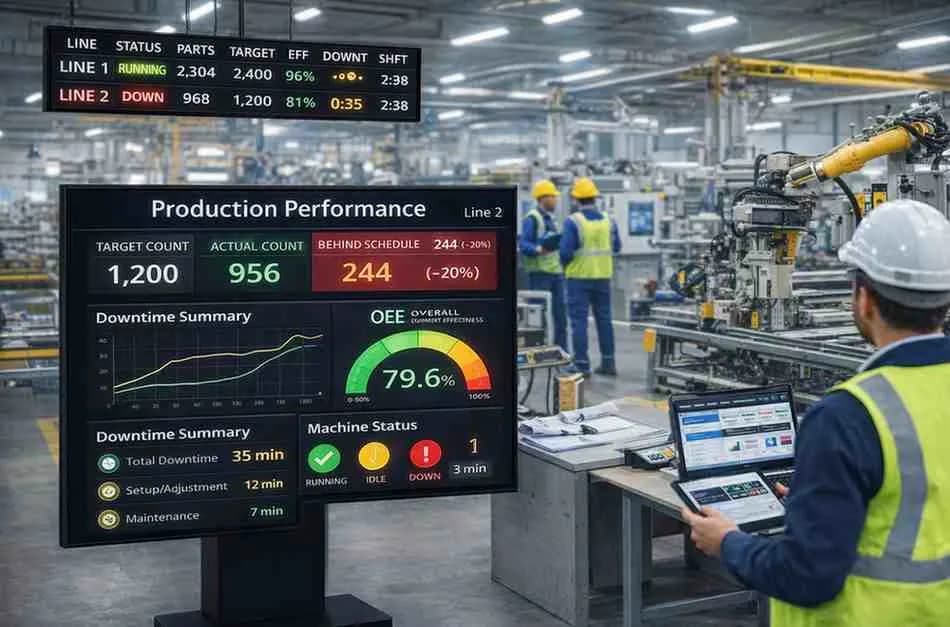
Target versus actual tracking shows the gap between scheduled output and real output in real time. The moment performance starts falling behind, the shortfall is visible on every dashboard and display across the facility.
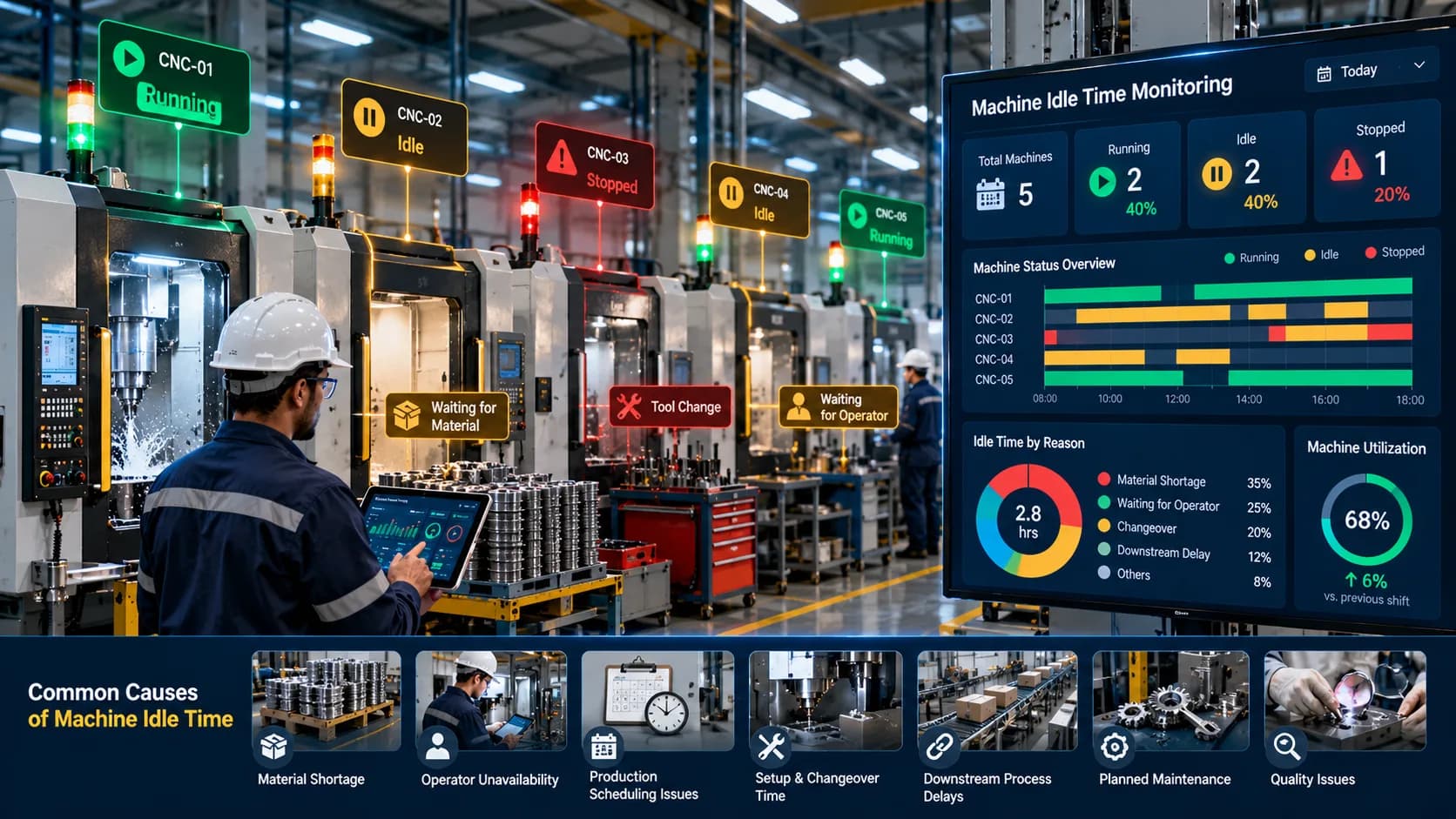
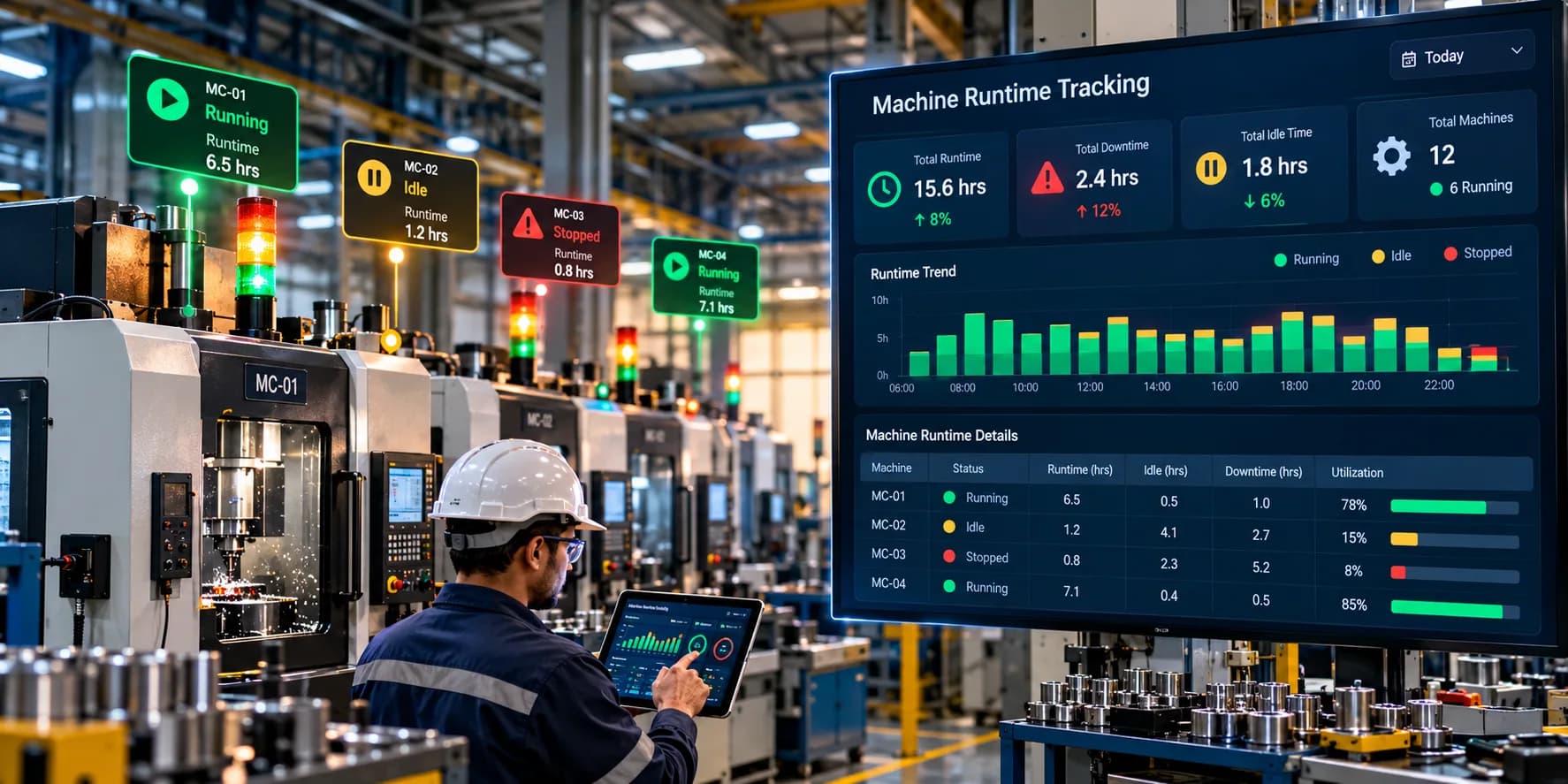
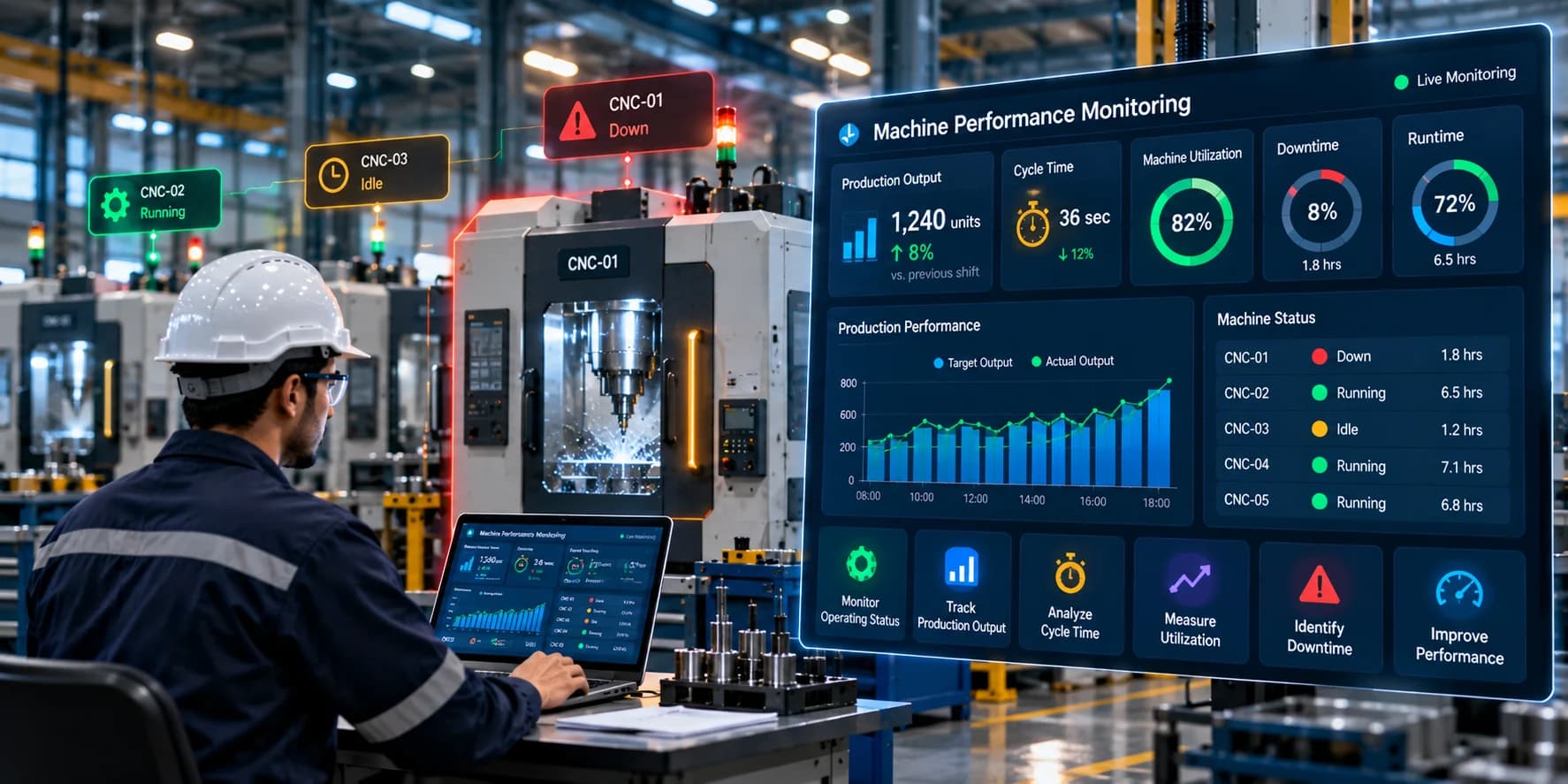
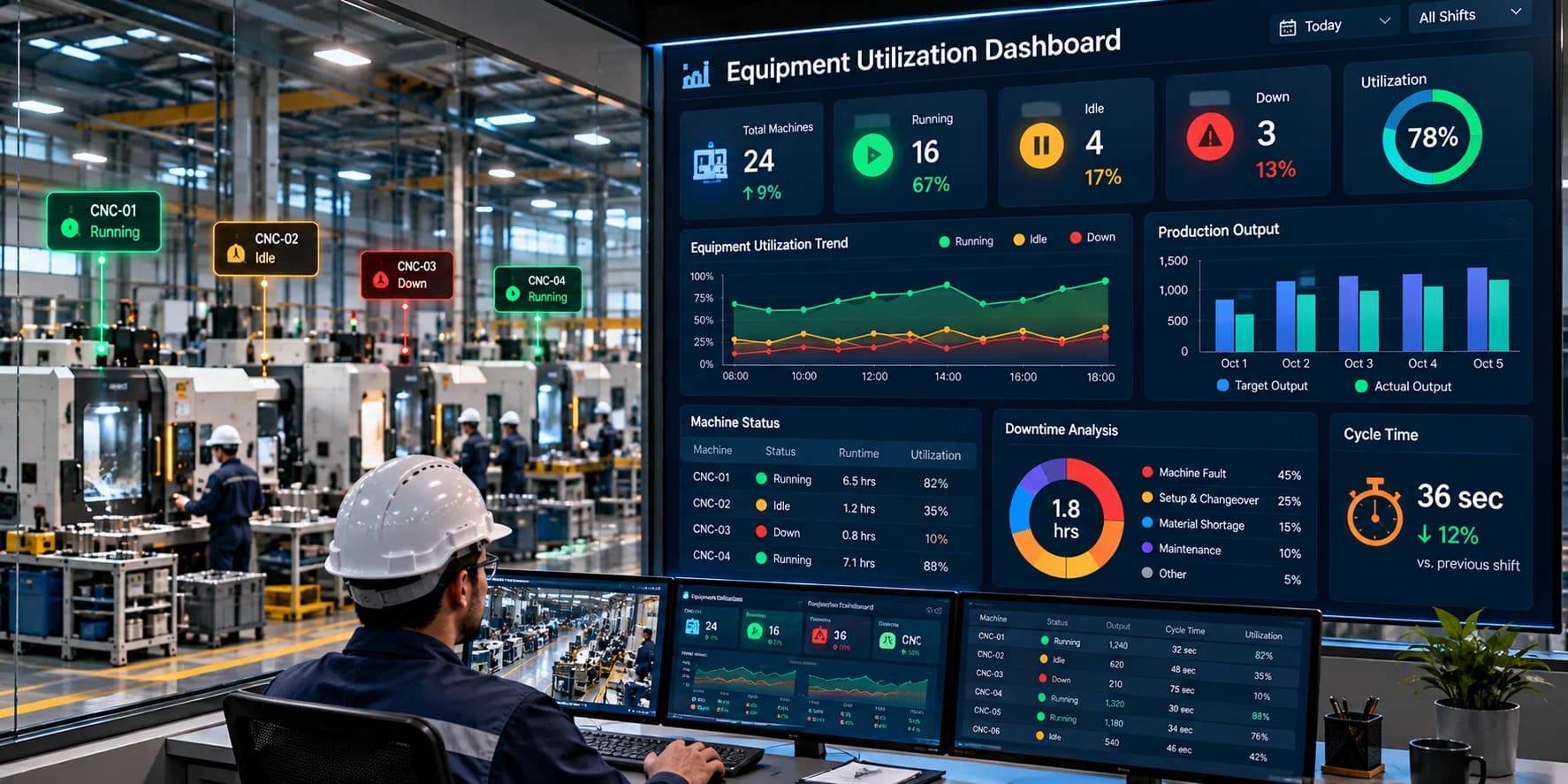
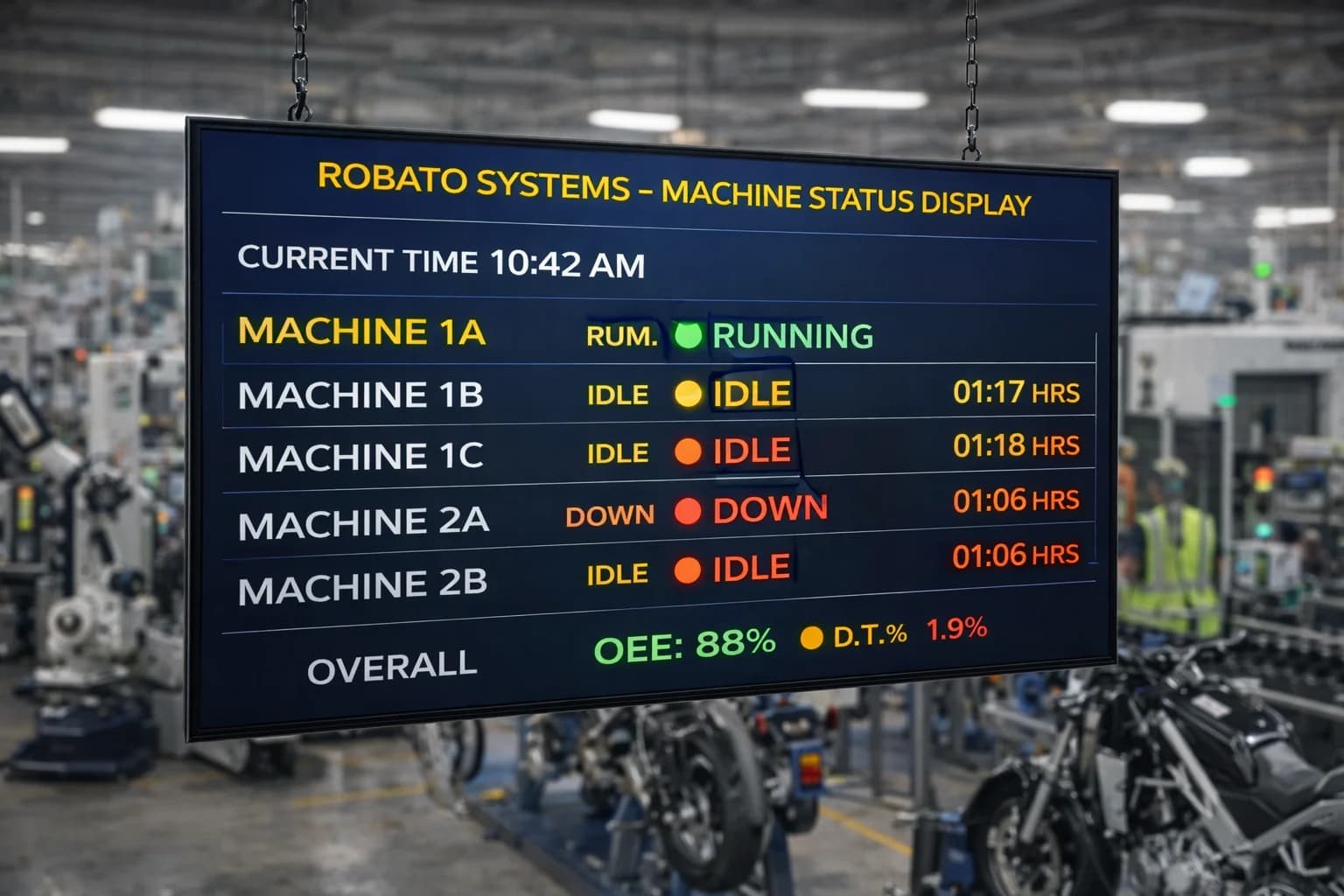
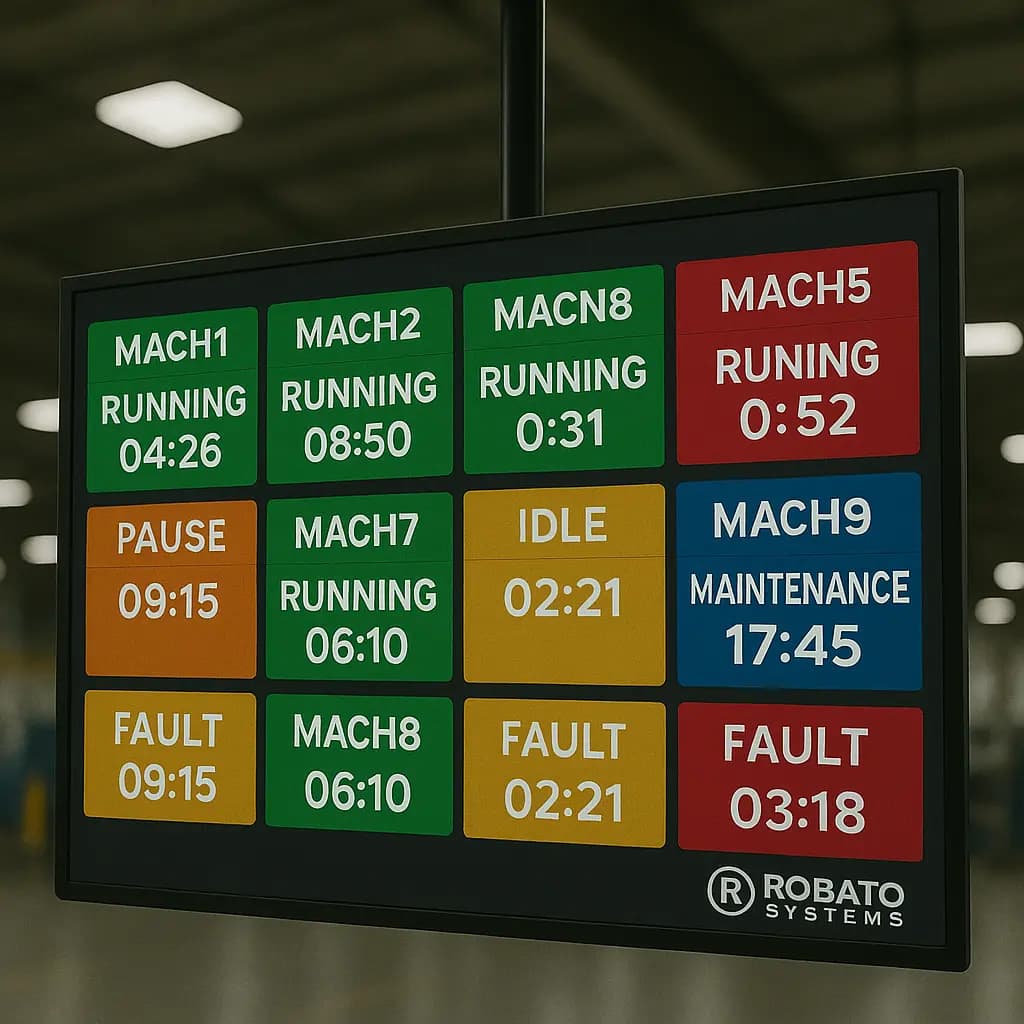
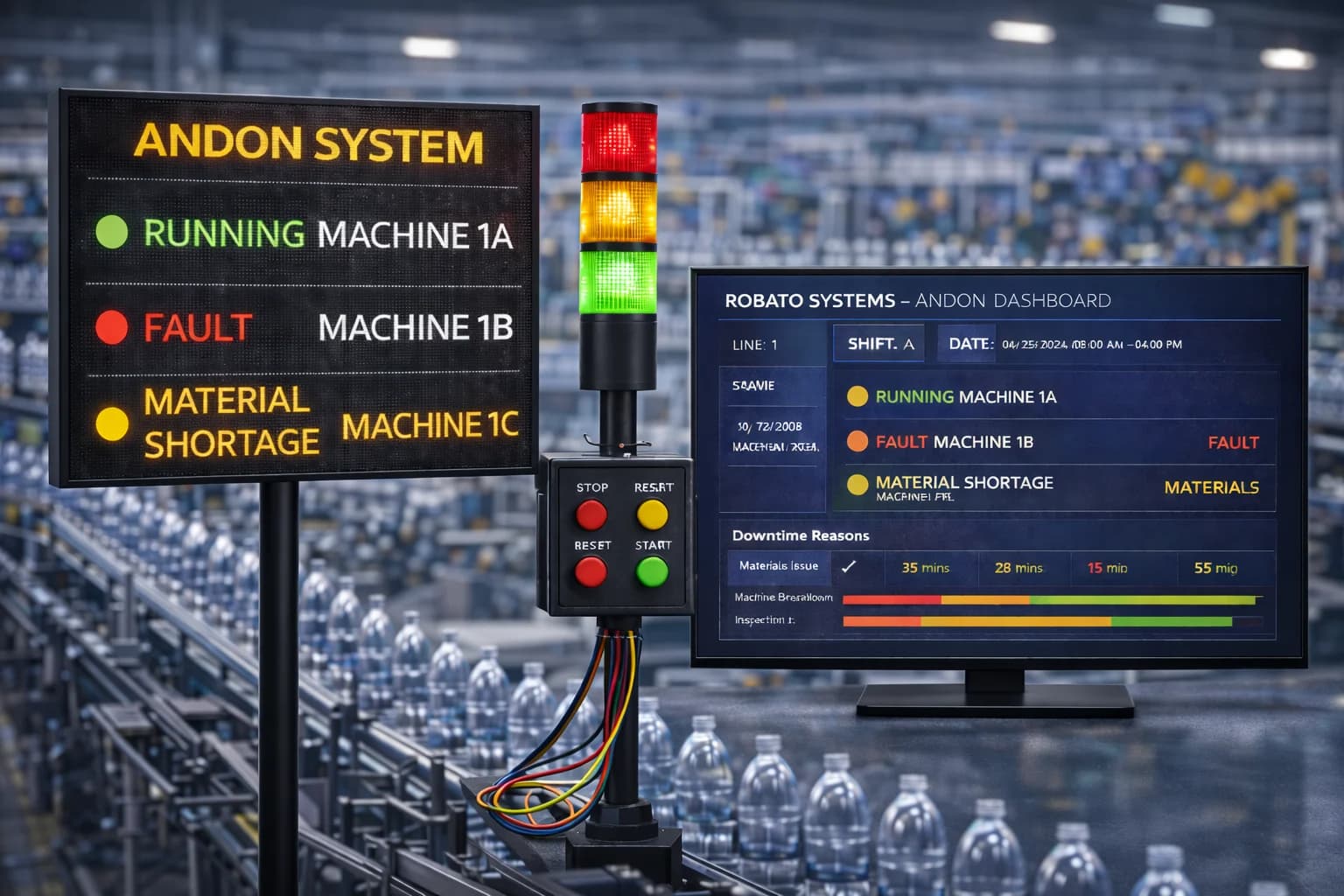
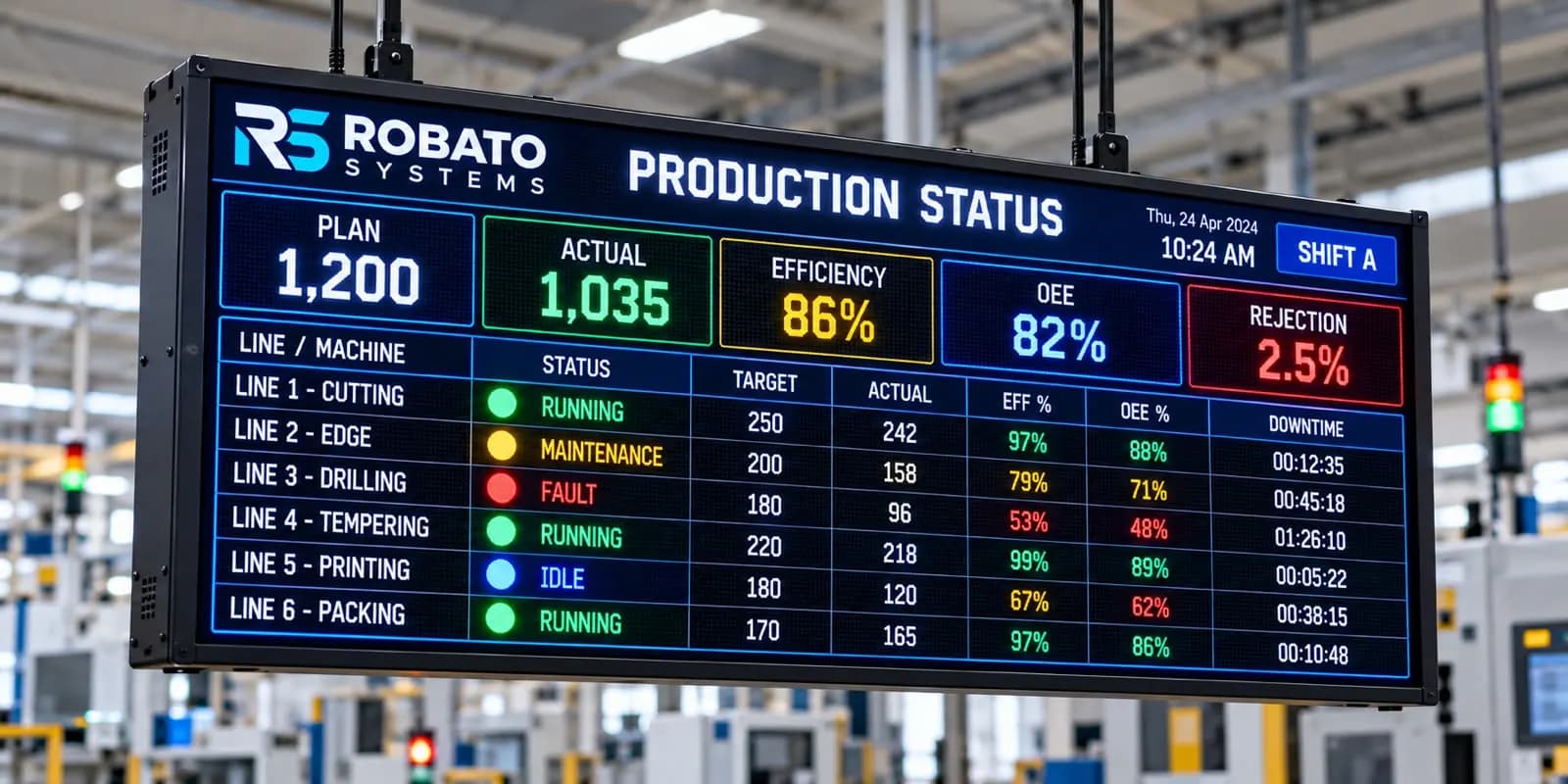
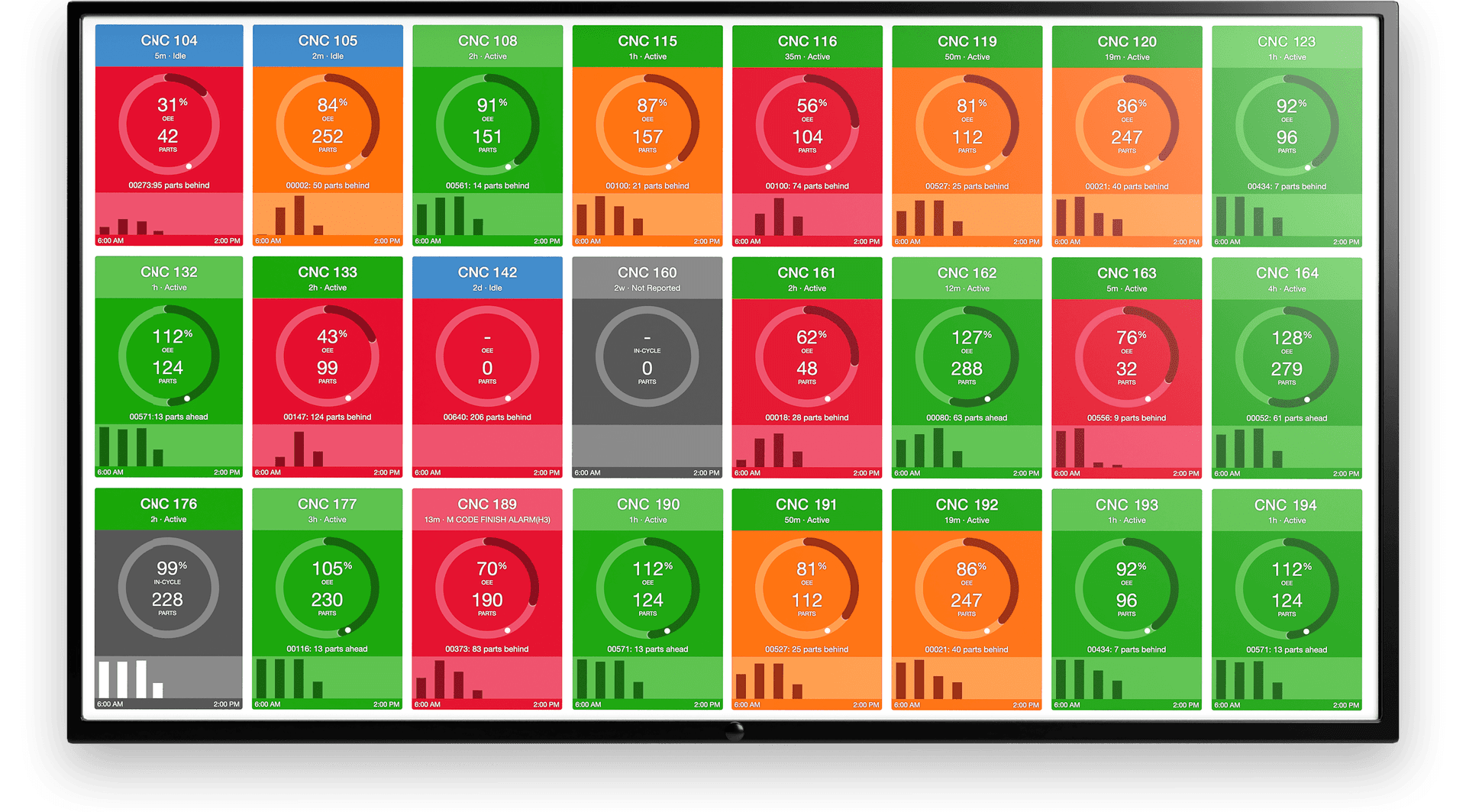
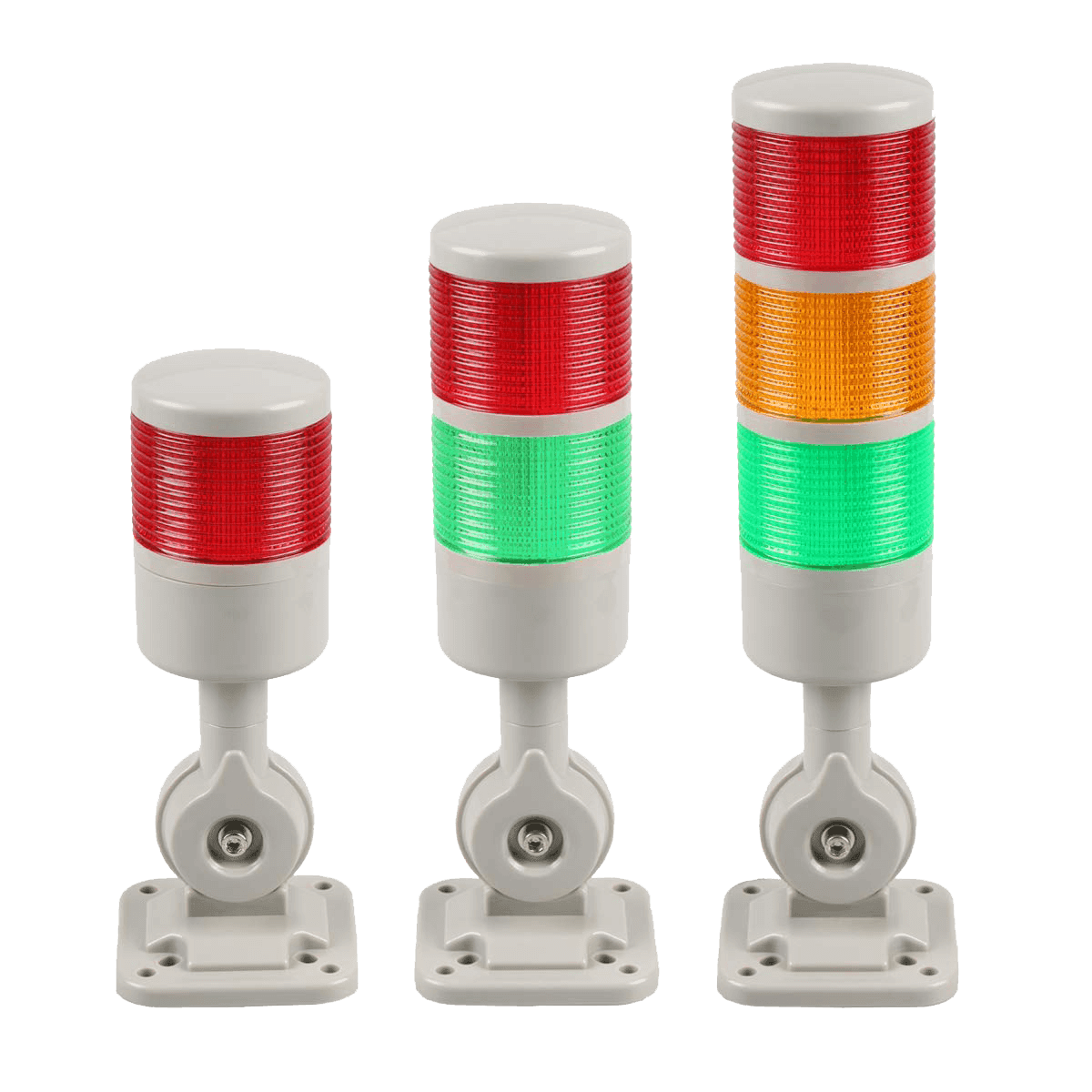
Machine status monitoring records whether each machine is running, idle, or in a breakdown state. Every status change is timestamped, creating a detailed activity log for every machine across every shift.
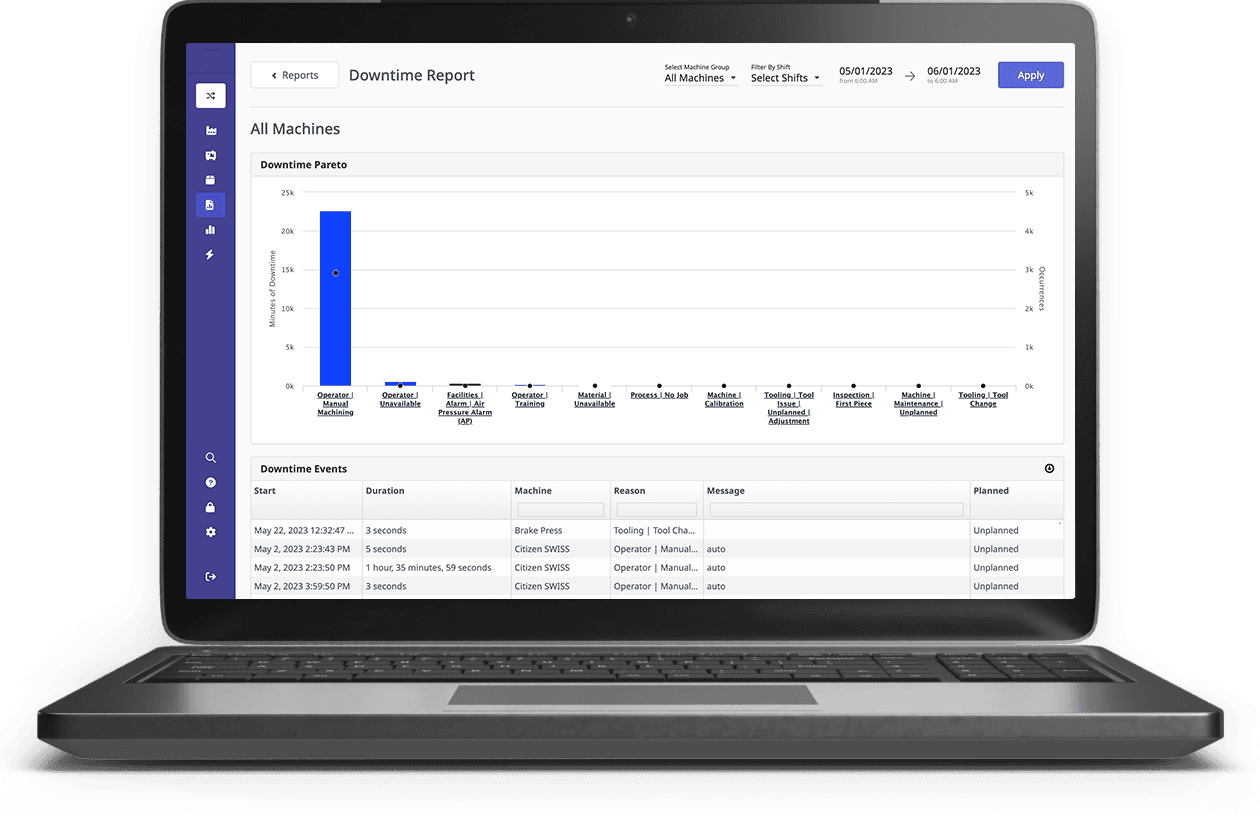
Downtime tracking captures the exact moment a machine stops, how long it remains stopped, and the reason for the stoppage. This turns downtime from a vague problem into a documented, measurable event that can be analyzed and addressed systematically.
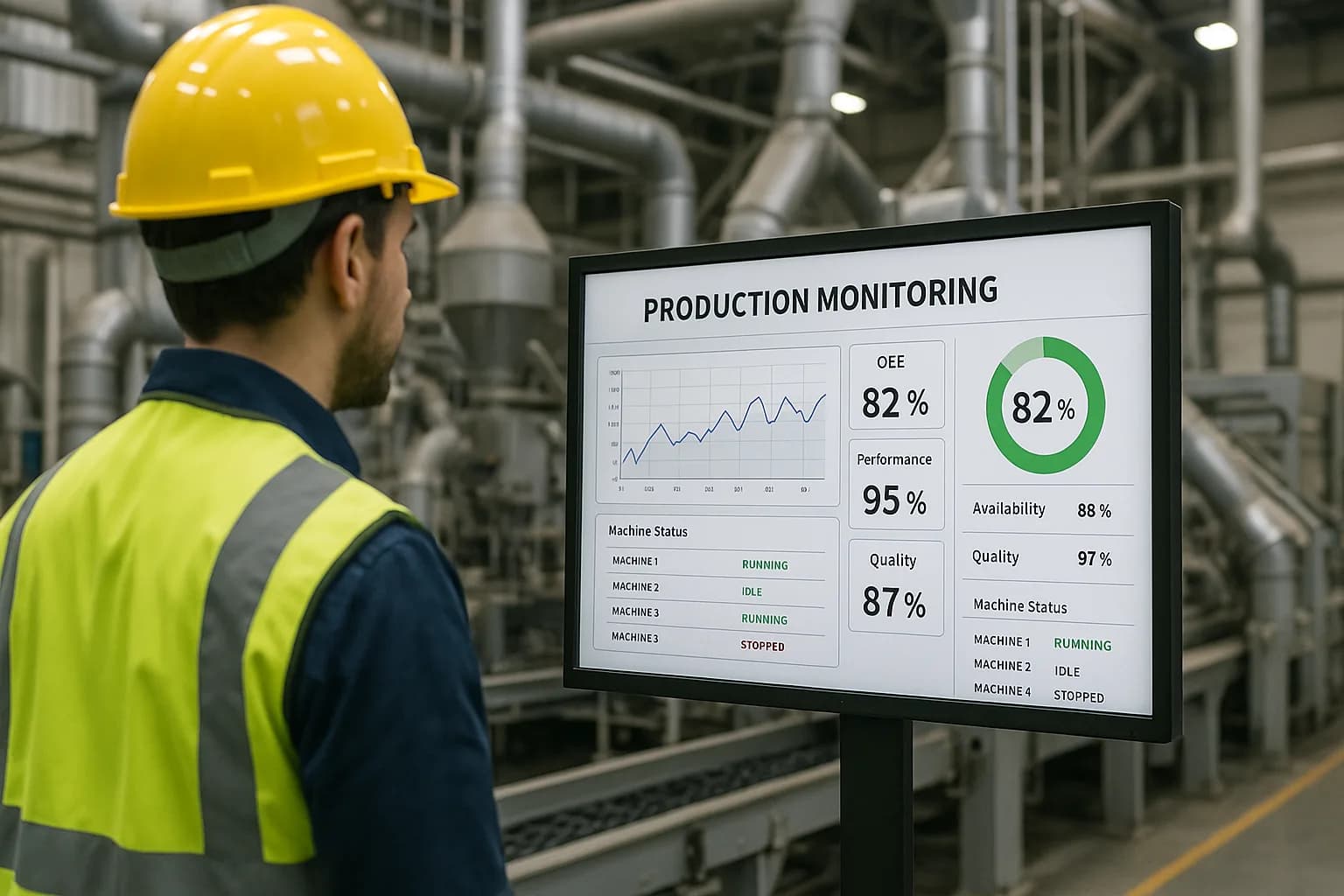
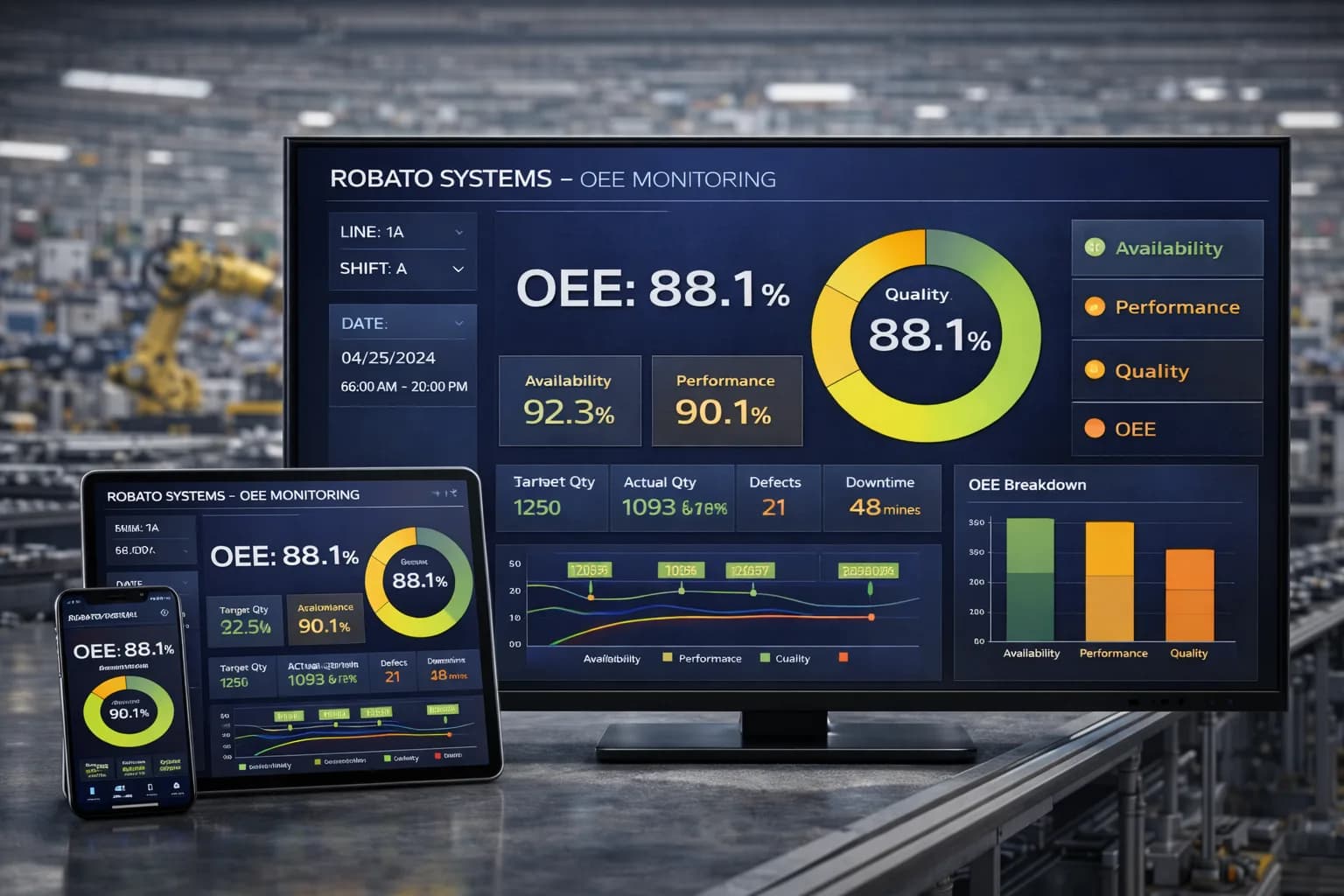
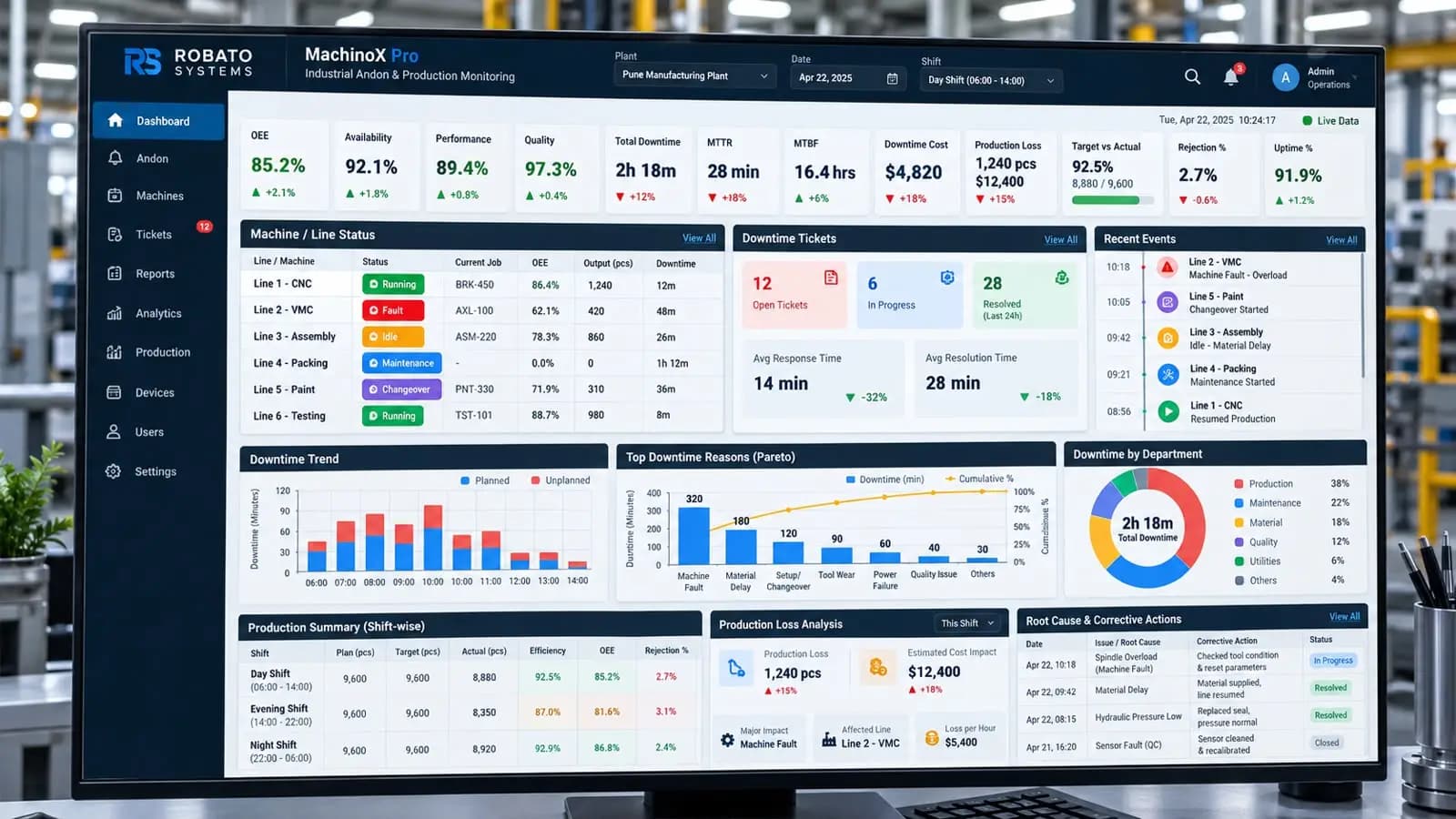
OEE calculation combines availability, performance, and quality into a single metric that reflects true machine effectiveness. It is the most widely used KPI in manufacturing, and production monitoring software calculates it automatically from live machine data.
Shift and operator performance reporting allows managers to compare output across different shifts, operators, and time periods, identifying patterns that would otherwise remain hidden in paper records.
Cloud, On-Premise, or Both
One of the most important decisions when choosing production monitoring software is the deployment model. Cloud-based platforms offer remote access from any device, quick setup, automatic updates, and multi-plant visibility from a single dashboard. They are ideal for businesses that want to get started quickly without investing in on-site server infrastructure.
On-premise deployments give factories full control over their data within their own network, which is often preferred in regulated industries with strict data security requirements. Hybrid configurations combine local data collection at the machine level with cloud-level reporting and analytics for management teams, offering the best of both approaches.
Where the Data Goes Once It Is Collected
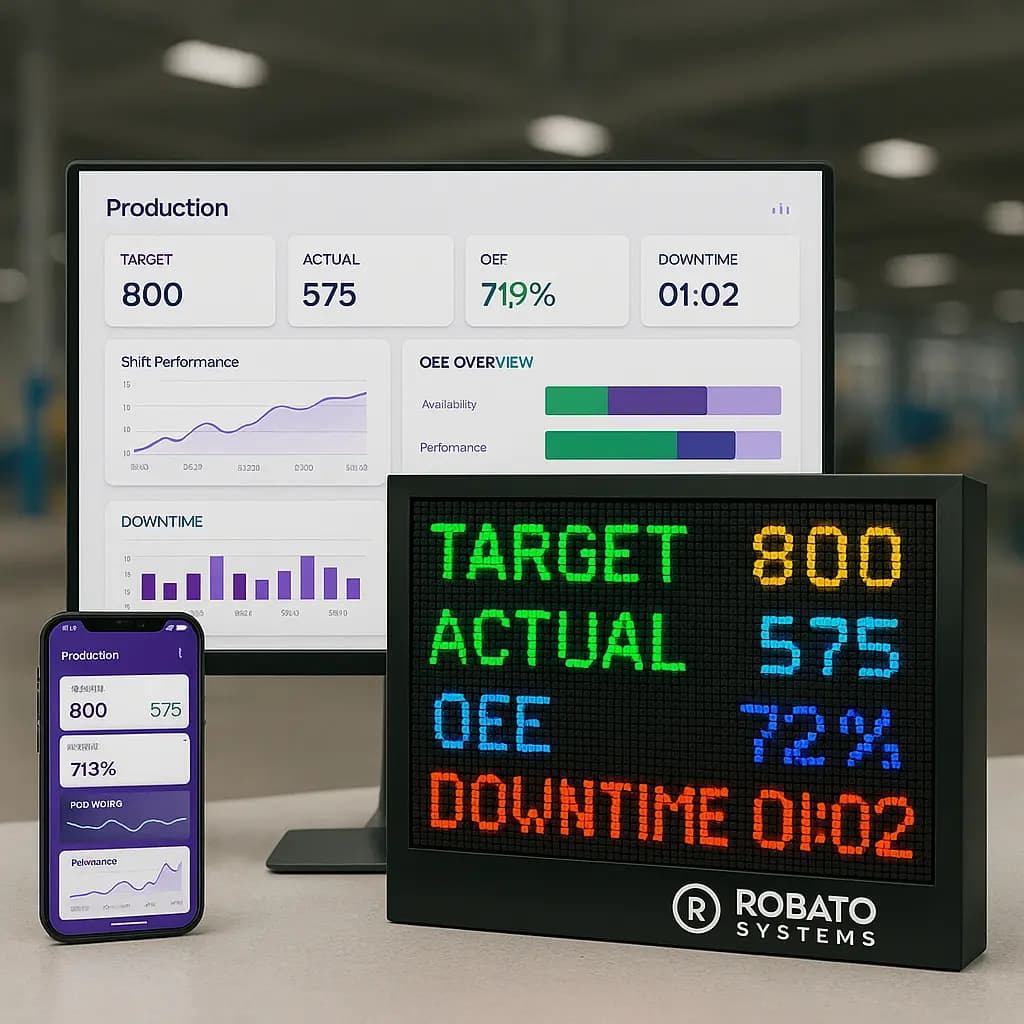
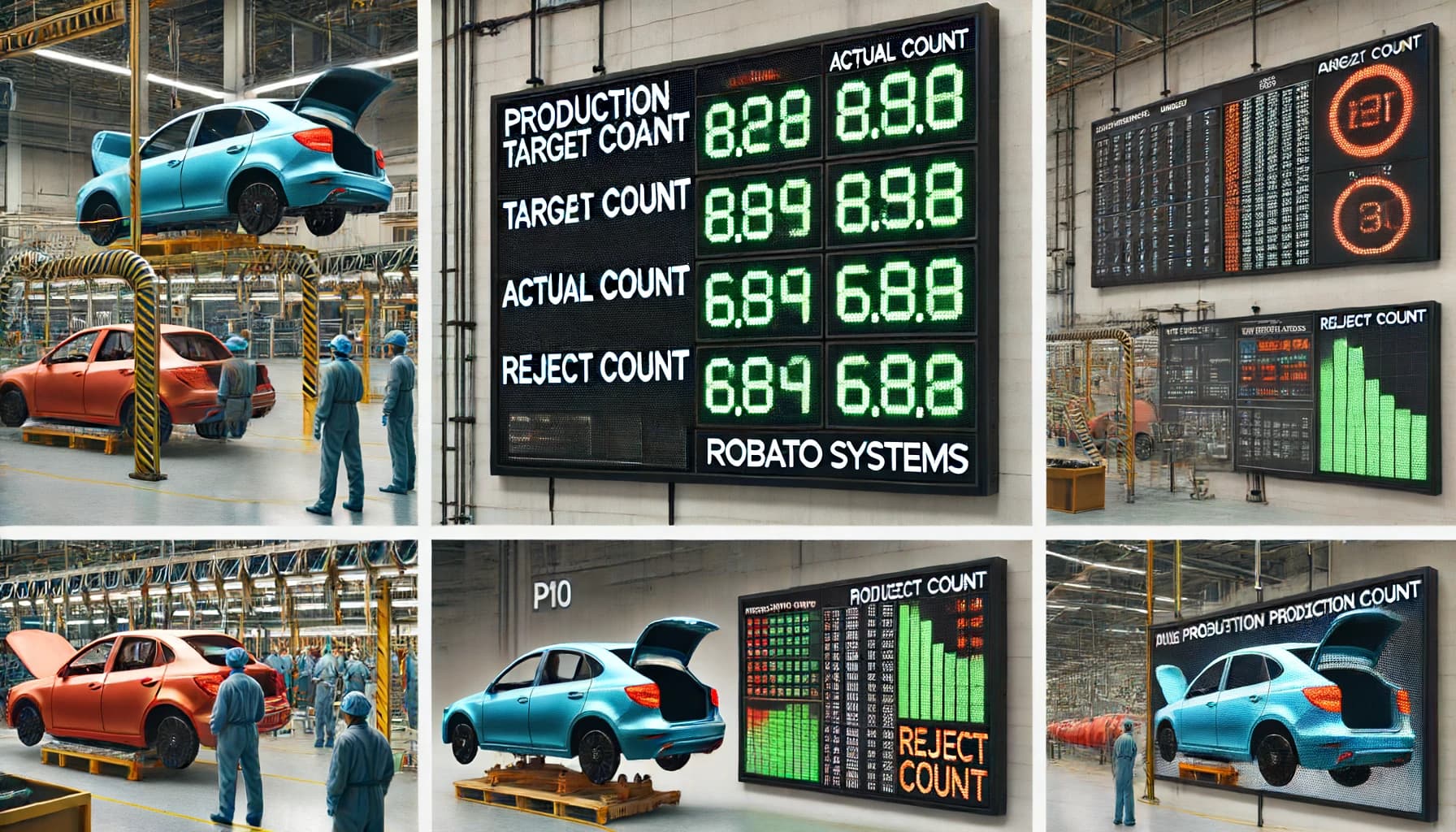
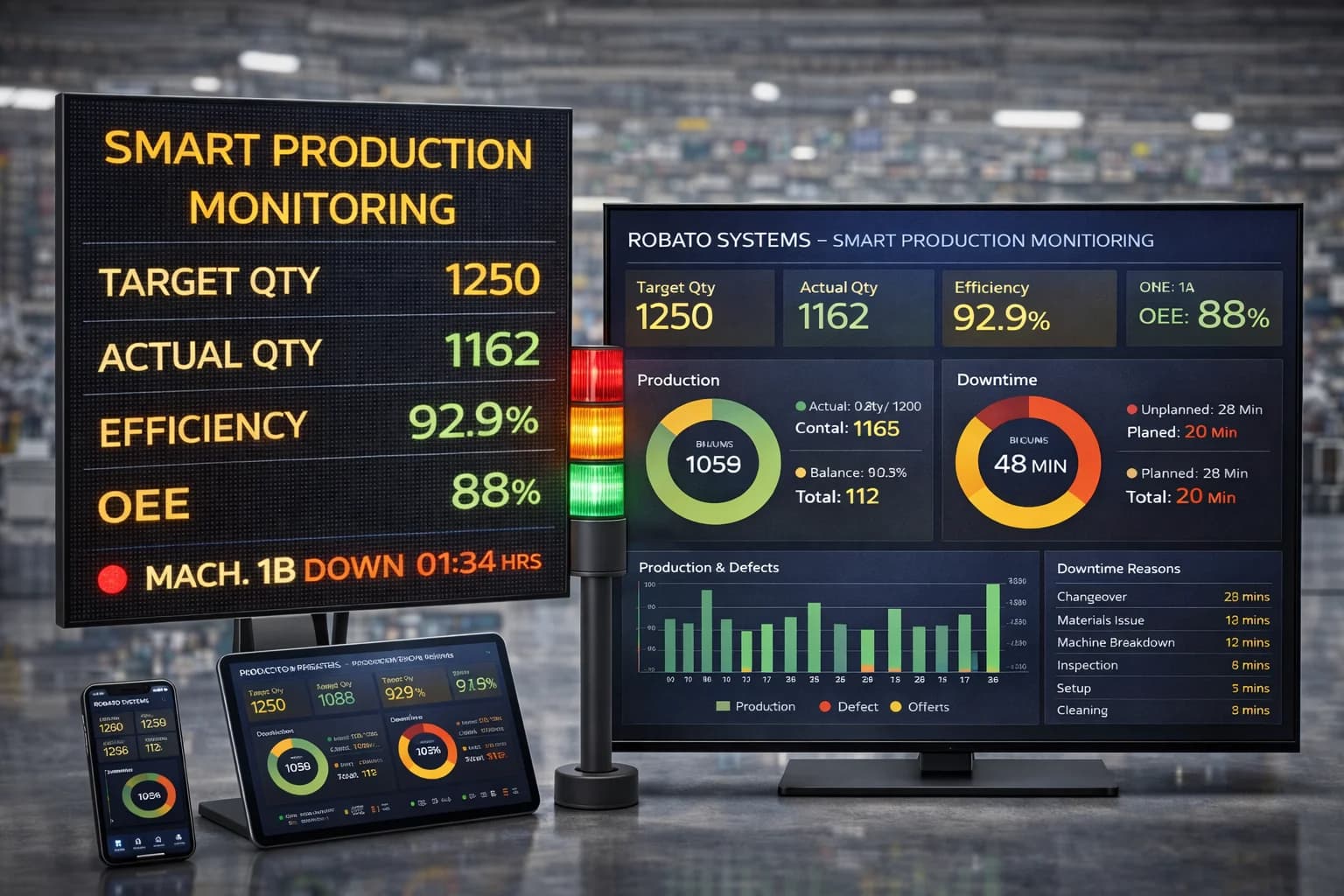
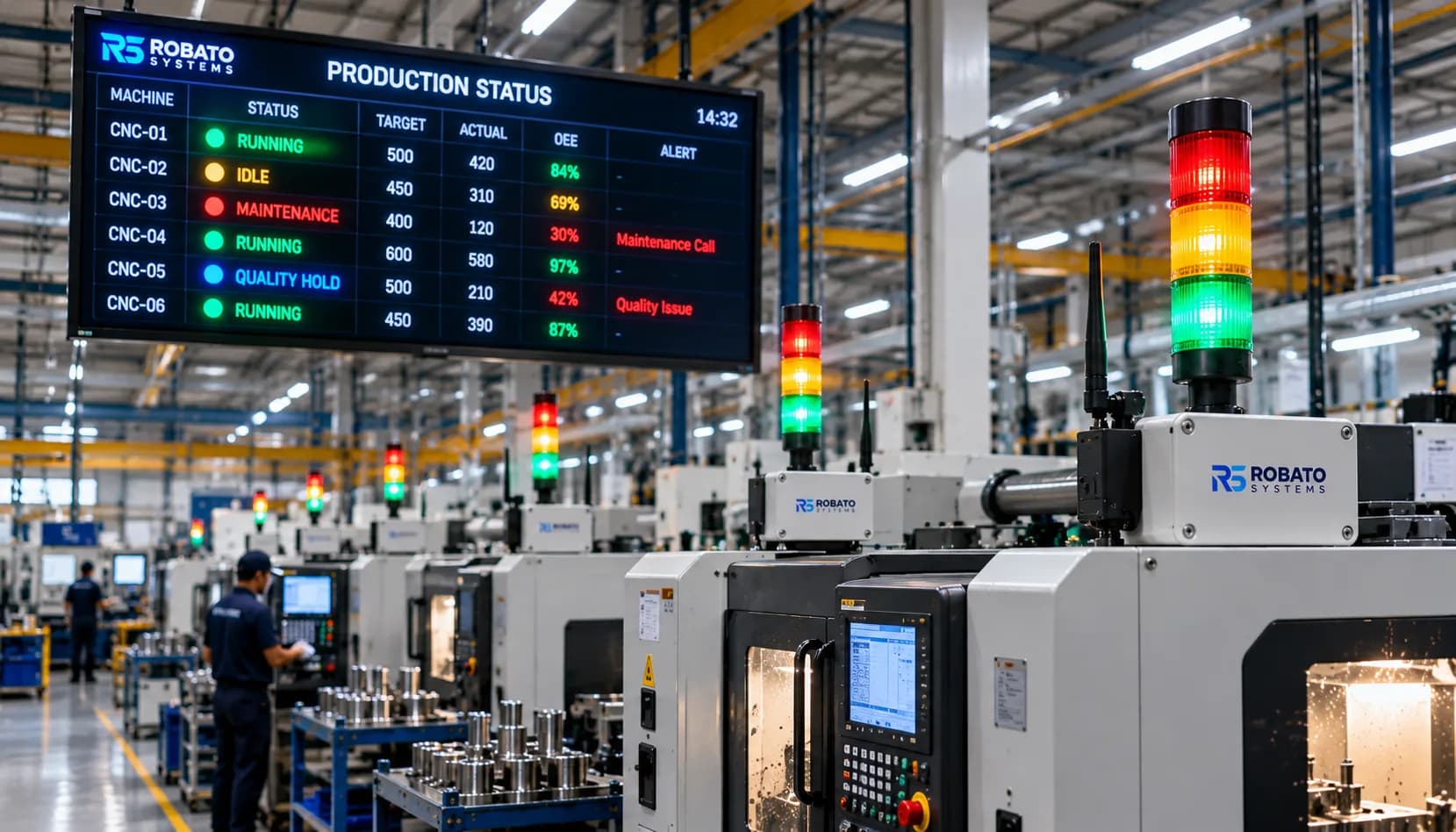
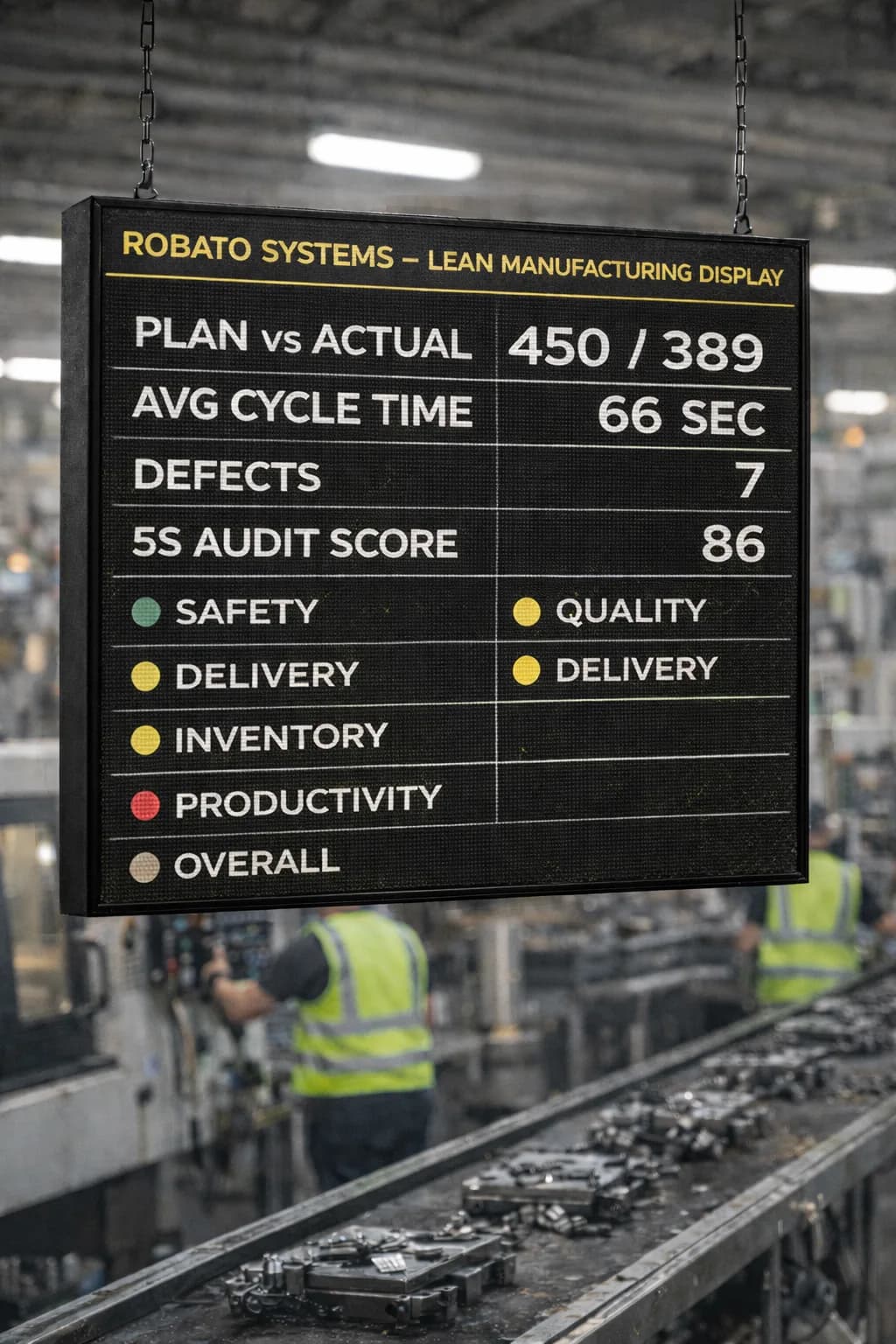
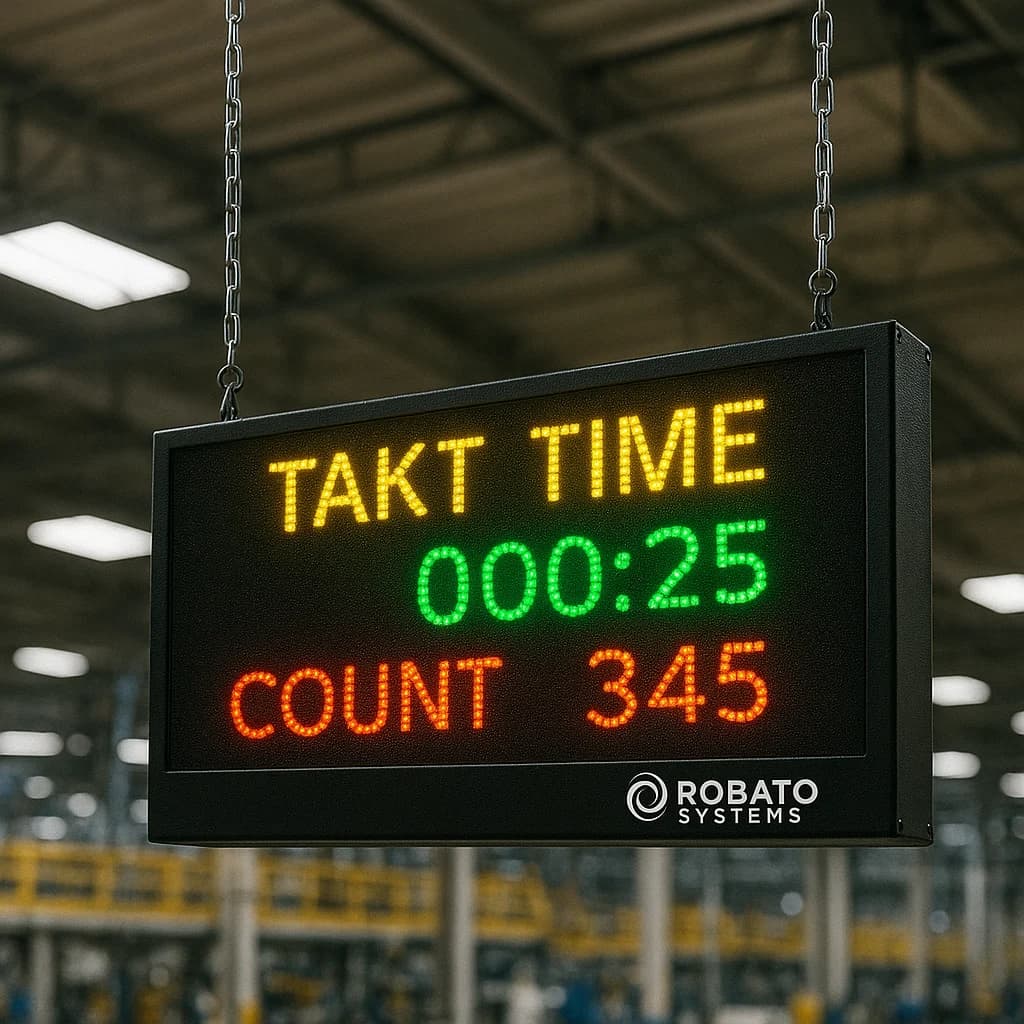
The real power of production monitoring software lies not just in collecting data but in making it visible to the right people at the right time. Live dashboards can be displayed on LED production boards mounted on the shop floor, keeping operators and supervisors aligned in real time. Smart TV dashboards in offices and meeting rooms bring management into the picture without requiring them to physically walk the floor.
Mobile apps and cloud portals extend that visibility further, allowing plant managers and leadership teams to monitor output, downtime, and OEE across multiple facilities simultaneously from a phone, tablet, or laptop. Automated alerts notify the right person the moment a machine stops or output falls below target, so problems are addressed in minutes rather than discovered at the end of a shift.
Who Benefits and How
Production monitoring software is not limited to large enterprises with hundreds of machines. It is equally valuable in mid-sized factories running a few dozen machines, contract manufacturers managing multiple customer jobs simultaneously, and single-plant operations looking to improve efficiency without adding headcount.
Operators benefit from clear visual targets on shop floor displays. Supervisors benefit from real-time shift performance data. Plant managers benefit from OEE trends and downtime analysis that guide maintenance priorities. Senior leadership benefits from multi-plant visibility that was previously impossible without traveling between sites.
The Shift From Reactive to Proactive
Perhaps the most significant impact of production monitoring software is the shift it enables in how factory management operates. Without it, most decisions are reactive. A machine breaks down, production stops, and the team scrambles to respond. With it, patterns become visible before they turn into problems. A machine that consistently underperforms on the night shift gets attention before it causes a missed delivery. A recurring downtime reason gets addressed before it becomes a breakdown.
That shift from reactive firefighting to proactive, data-driven management is what makes production monitoring software one of the most valuable investments a modern factory can make.