Why Every Factory Needs a Production Monitoring System Right Now
Walk into any high-performing factory today and you will find one thing that sets it apart from the rest. Not just better machines or a larger workforce, but a smarter way of tracking everything that happens on the shop floor in real time. A production monitoring system is the backbone of that intelligence. It connects machines, operators, and managers through live data, giving every stakeholder in a manufacturing environment an accurate, up-to-the-minute picture of what is happening and what needs attention. For factories still relying on manual logs and end-of-shift reports, the gap is growing wider every single day.
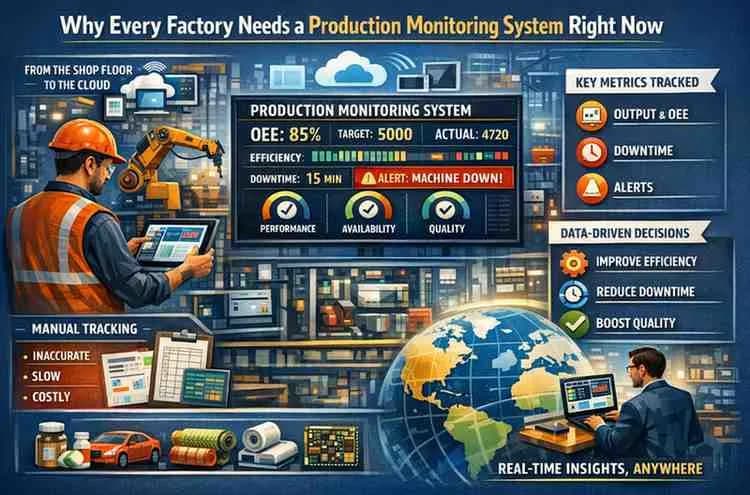
Manual Tracking Is Costing You More Than You Think
Most factories that have not yet adopted a production monitoring system are still running on spreadsheets, paper logs, and verbal updates passed from one shift to the next. The problem with this approach is not just inefficiency. It is the blind spots it creates.
By the time a supervisor realizes a machine has been underperforming, an entire shift's output has already been affected. By the time a production report is compiled, the data in it is already hours old. Decisions made on stale information are rarely the right ones, and in a competitive manufacturing environment, wrong decisions have a direct impact on delivery timelines, customer satisfaction, and profit margins.
What a Production Monitoring System Actually Tracks
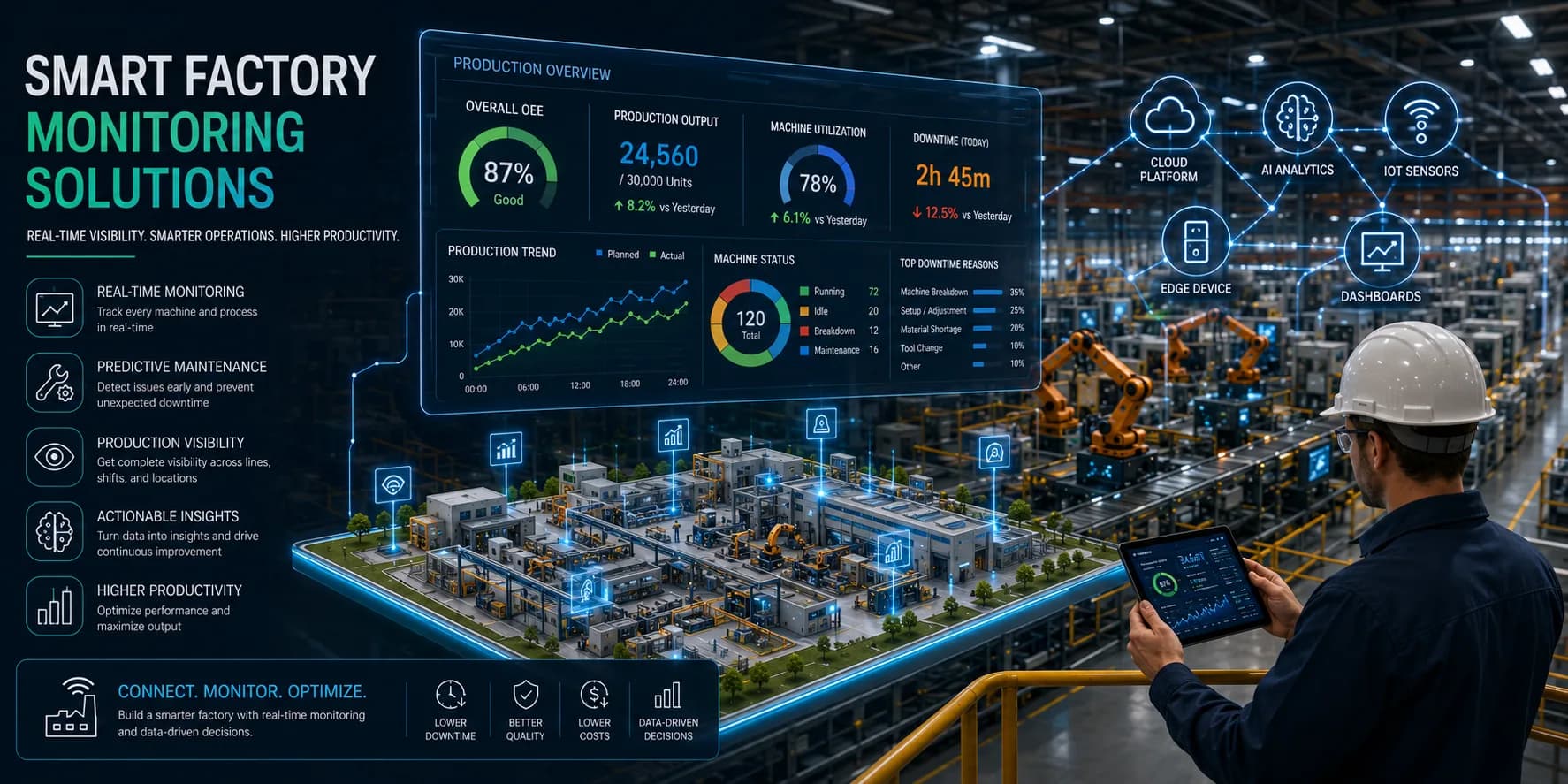
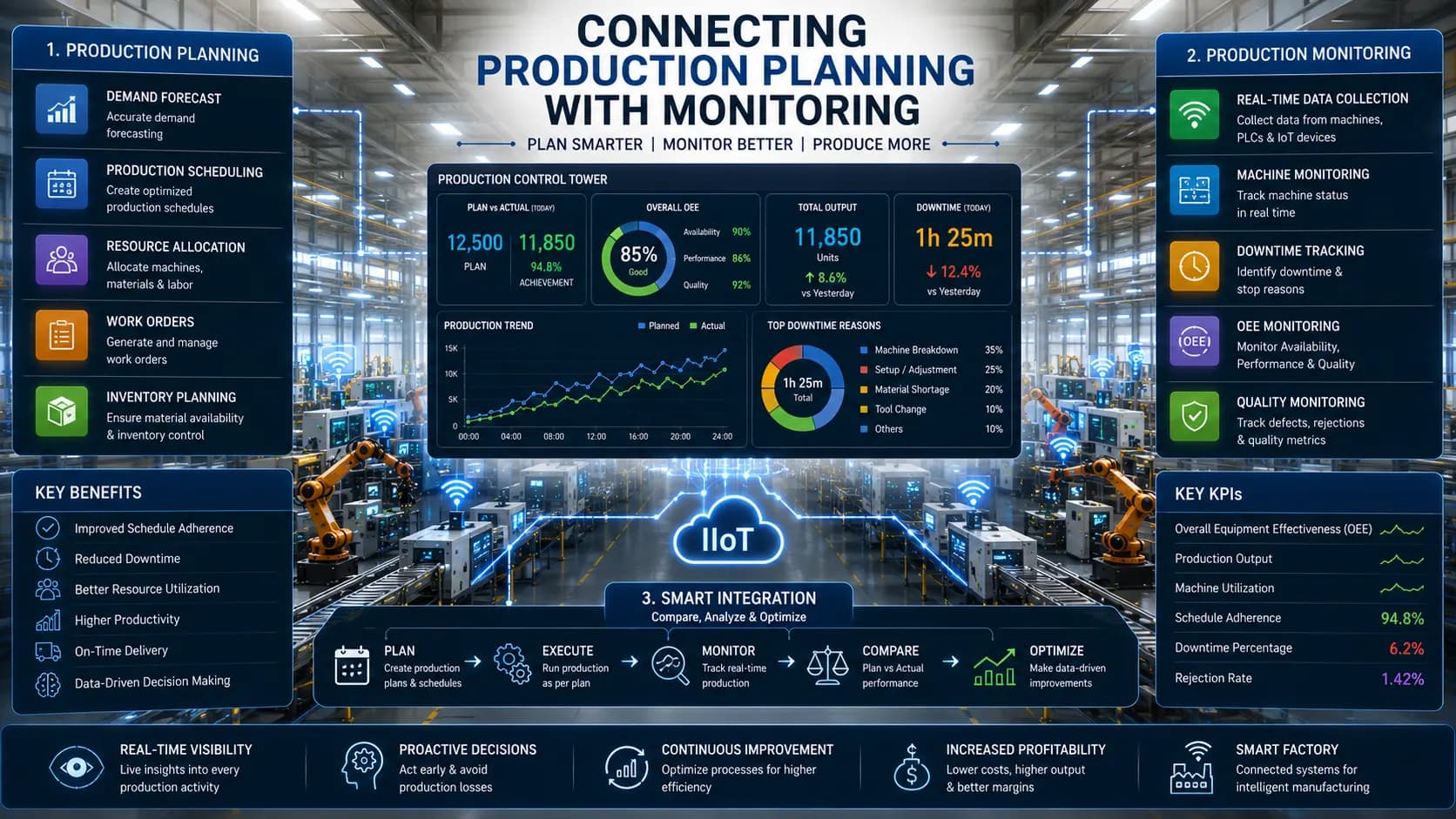
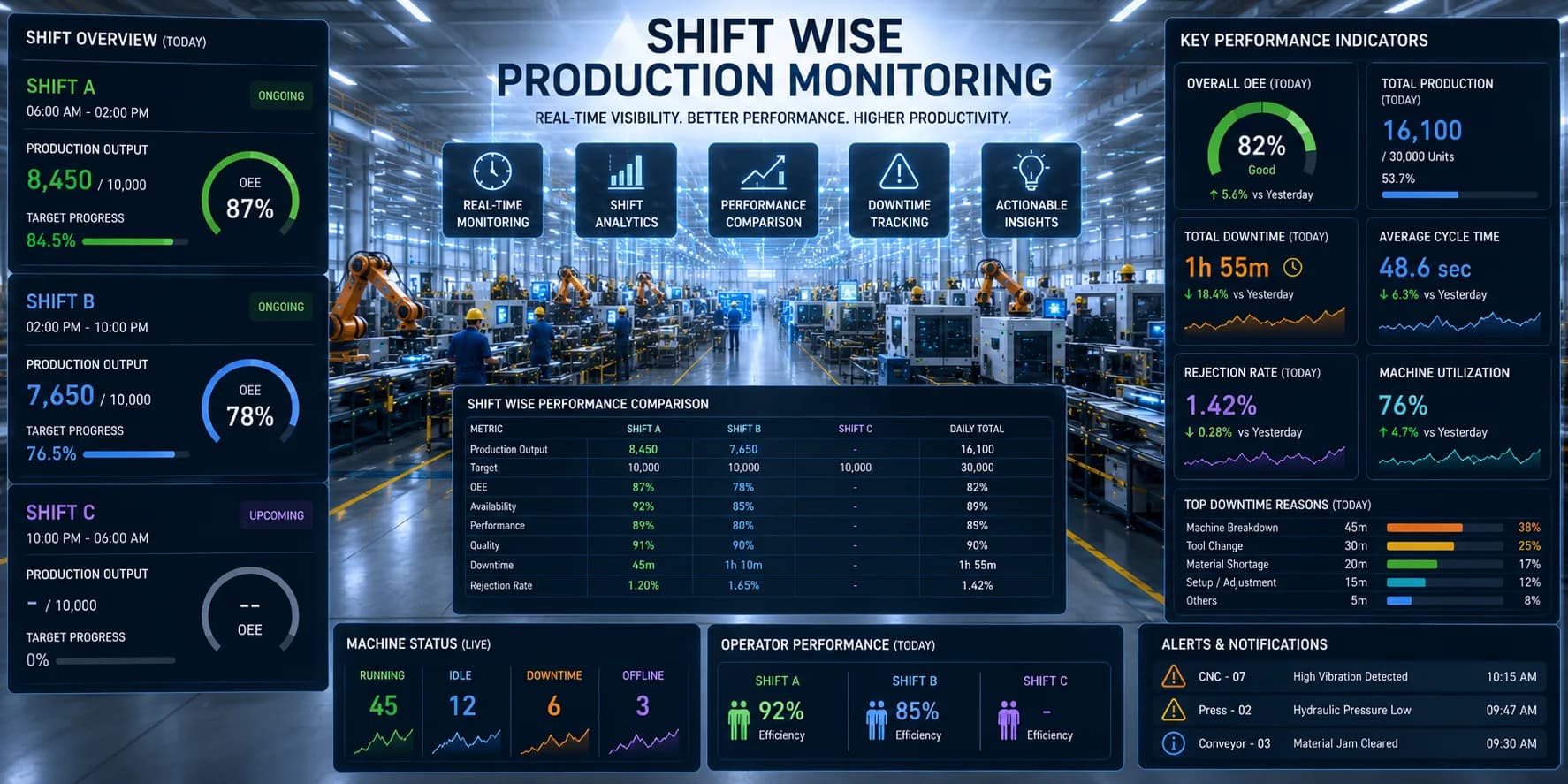
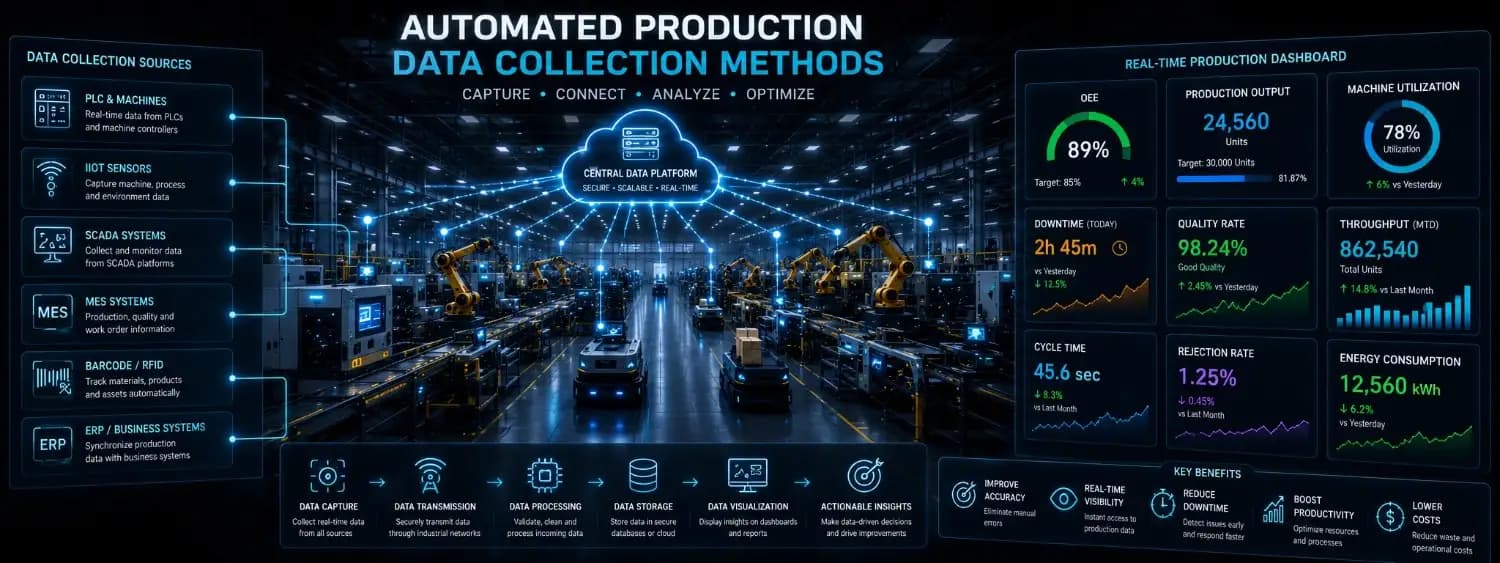
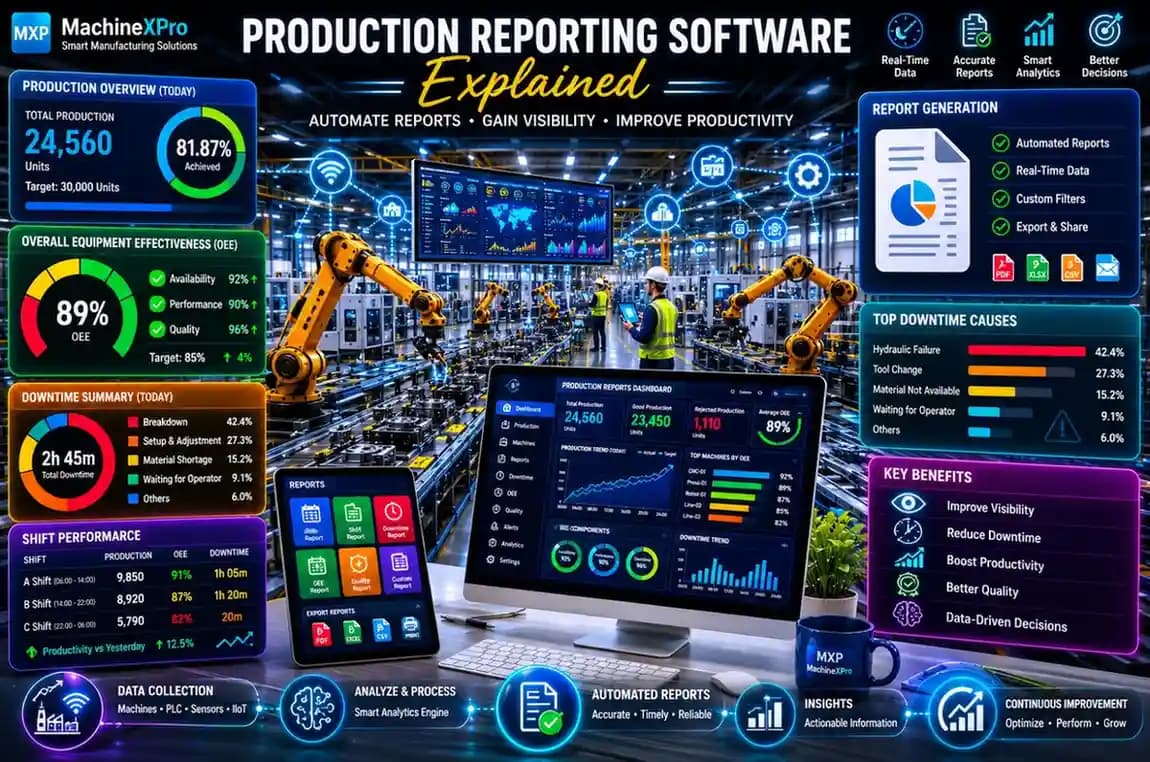
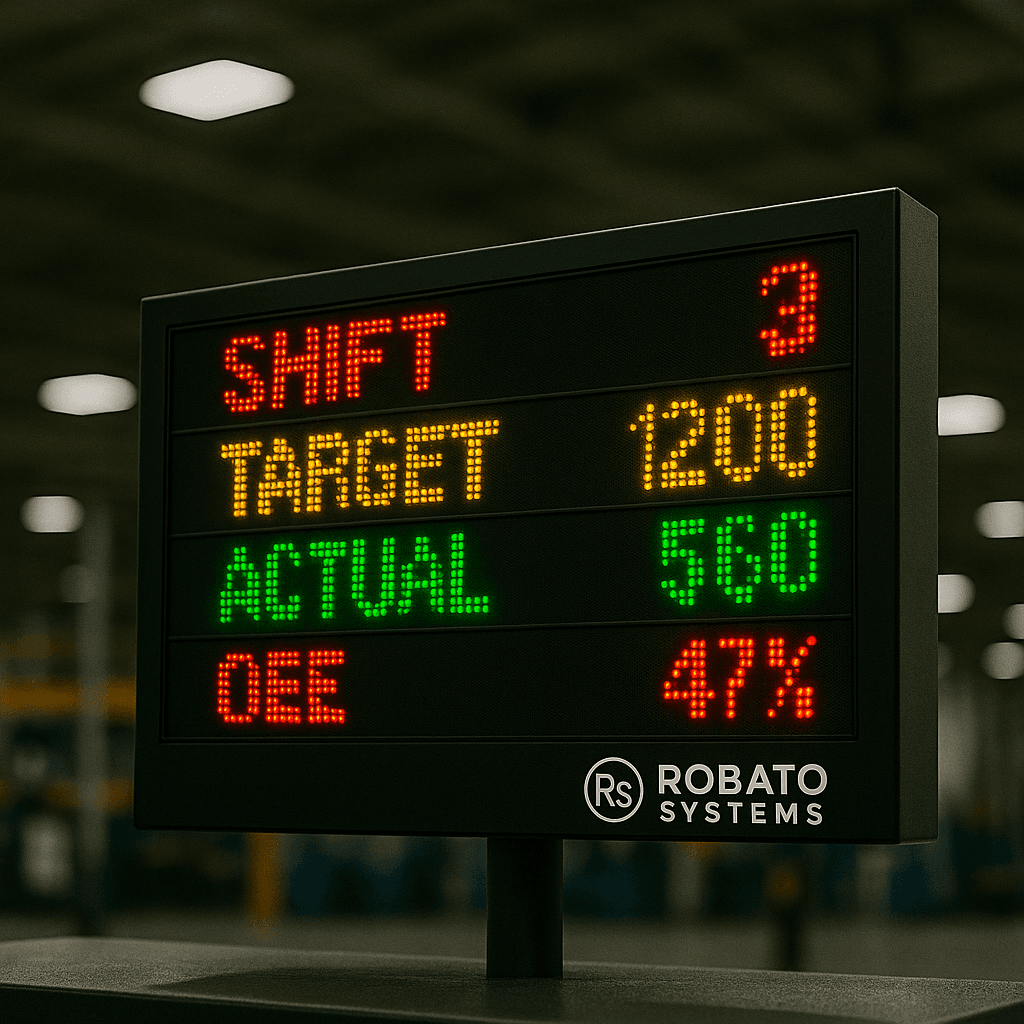
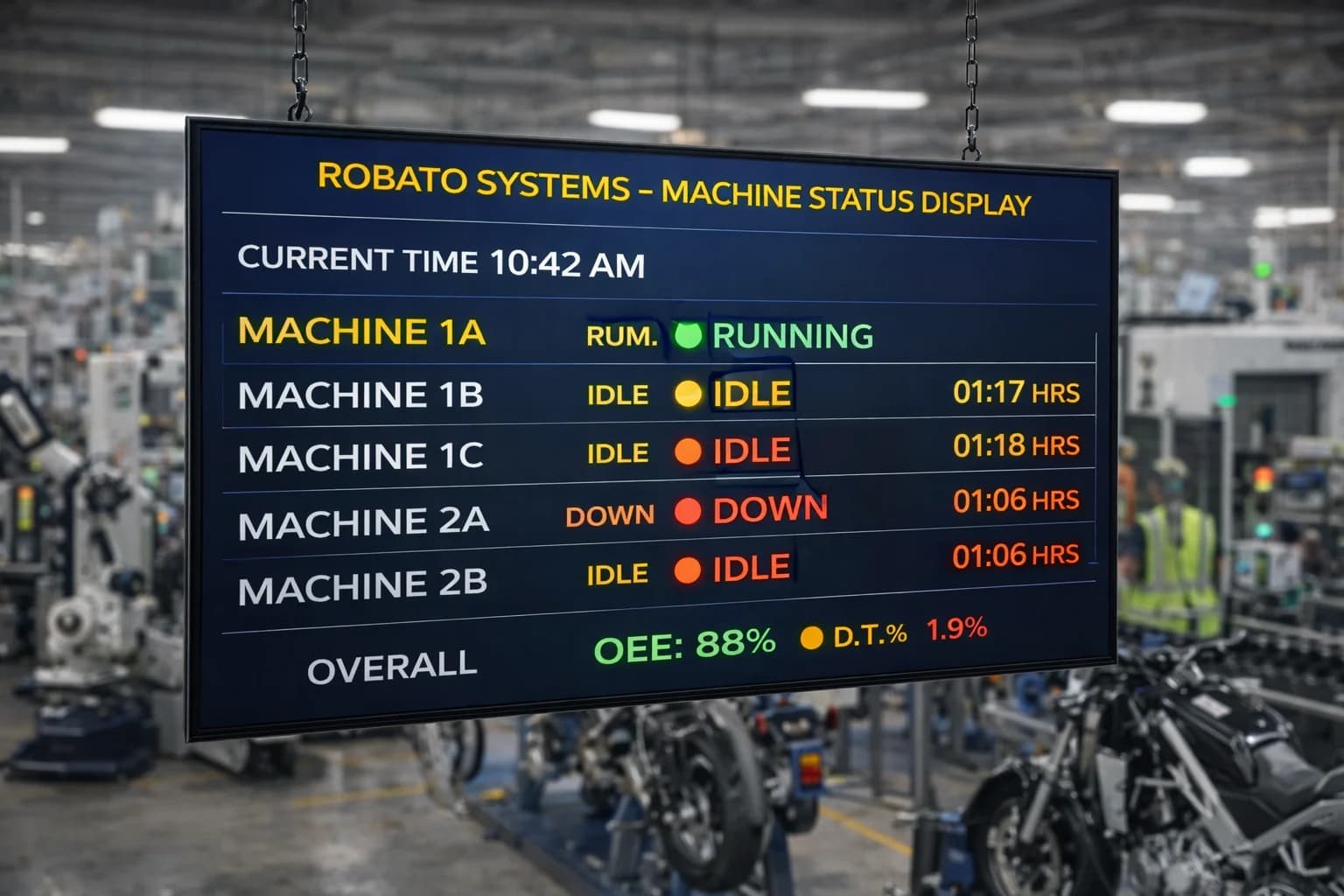
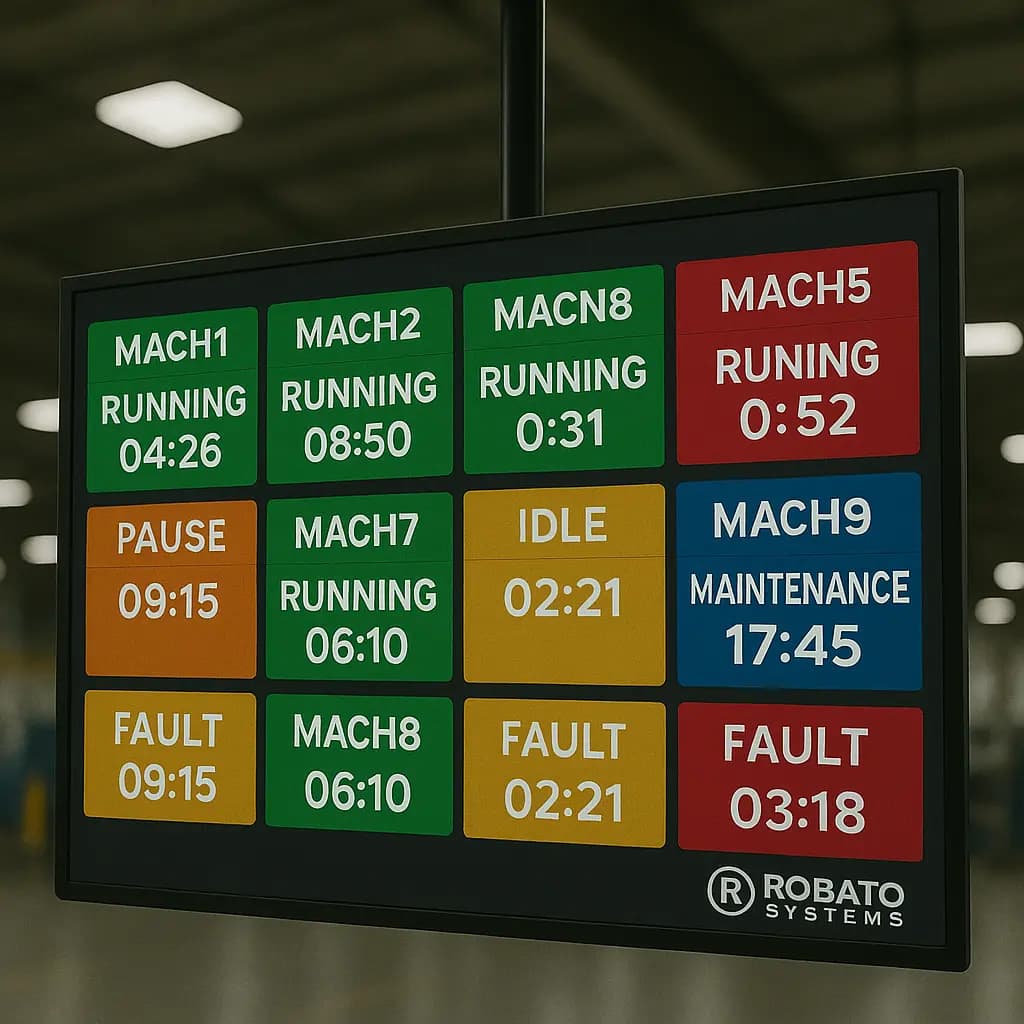
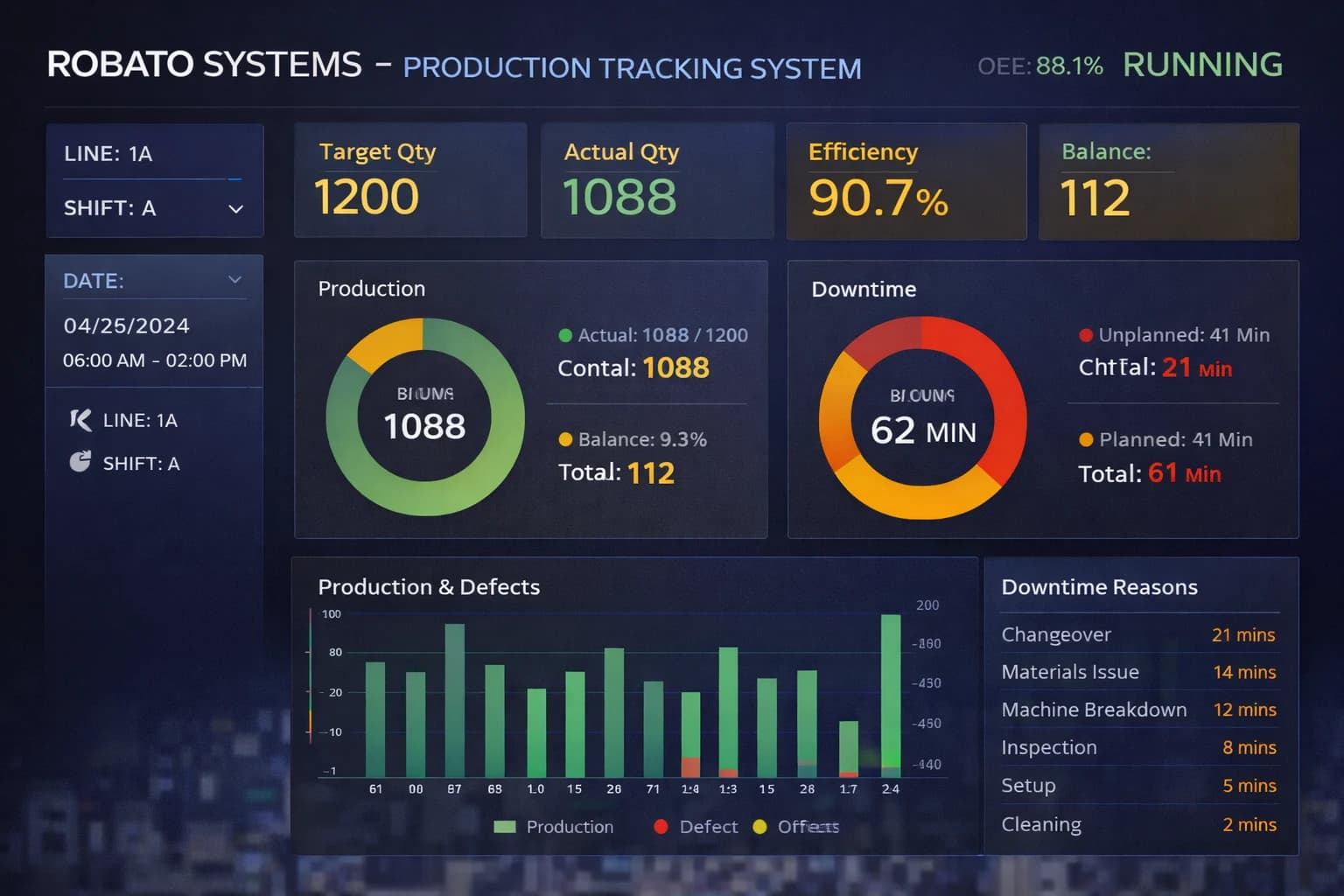
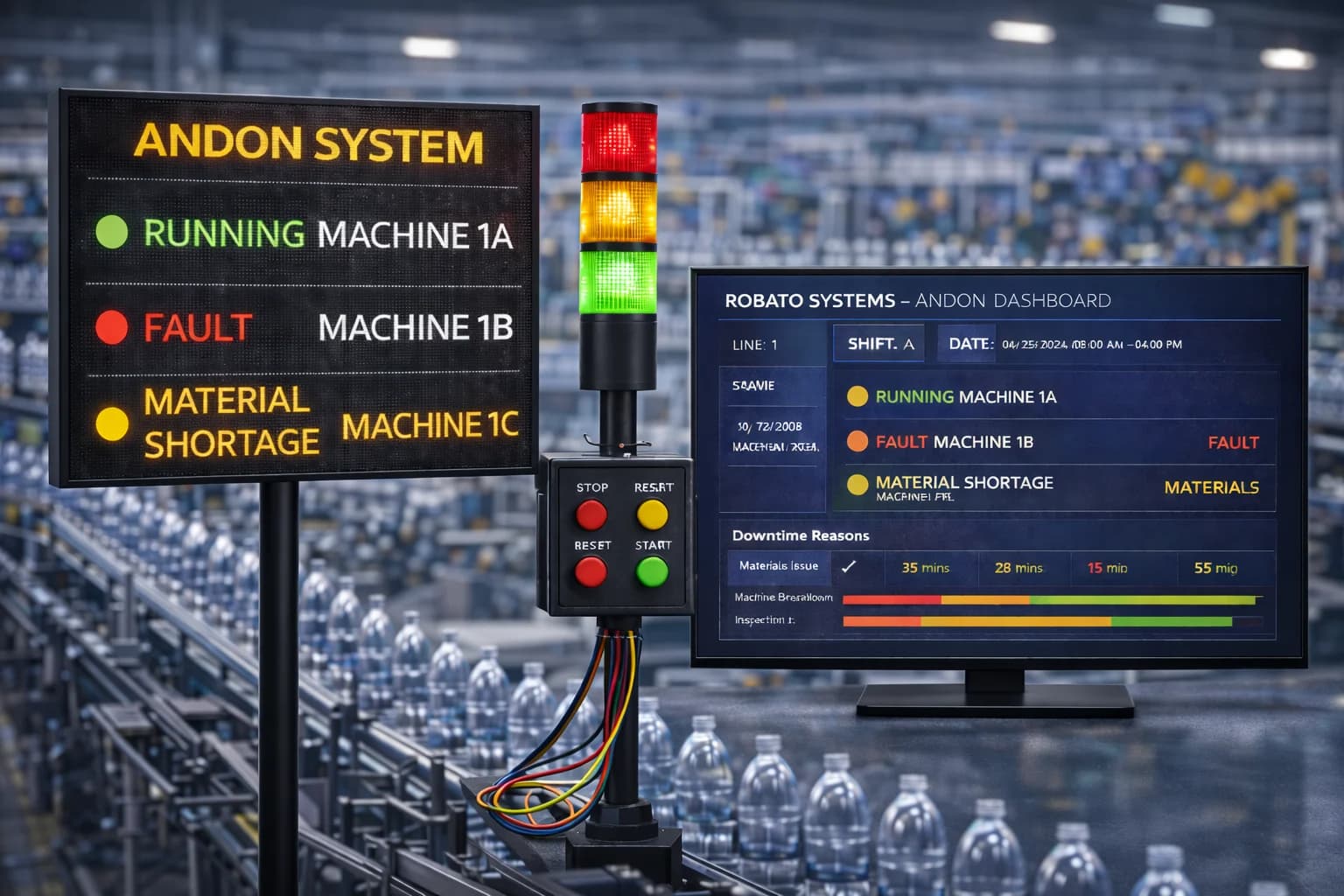
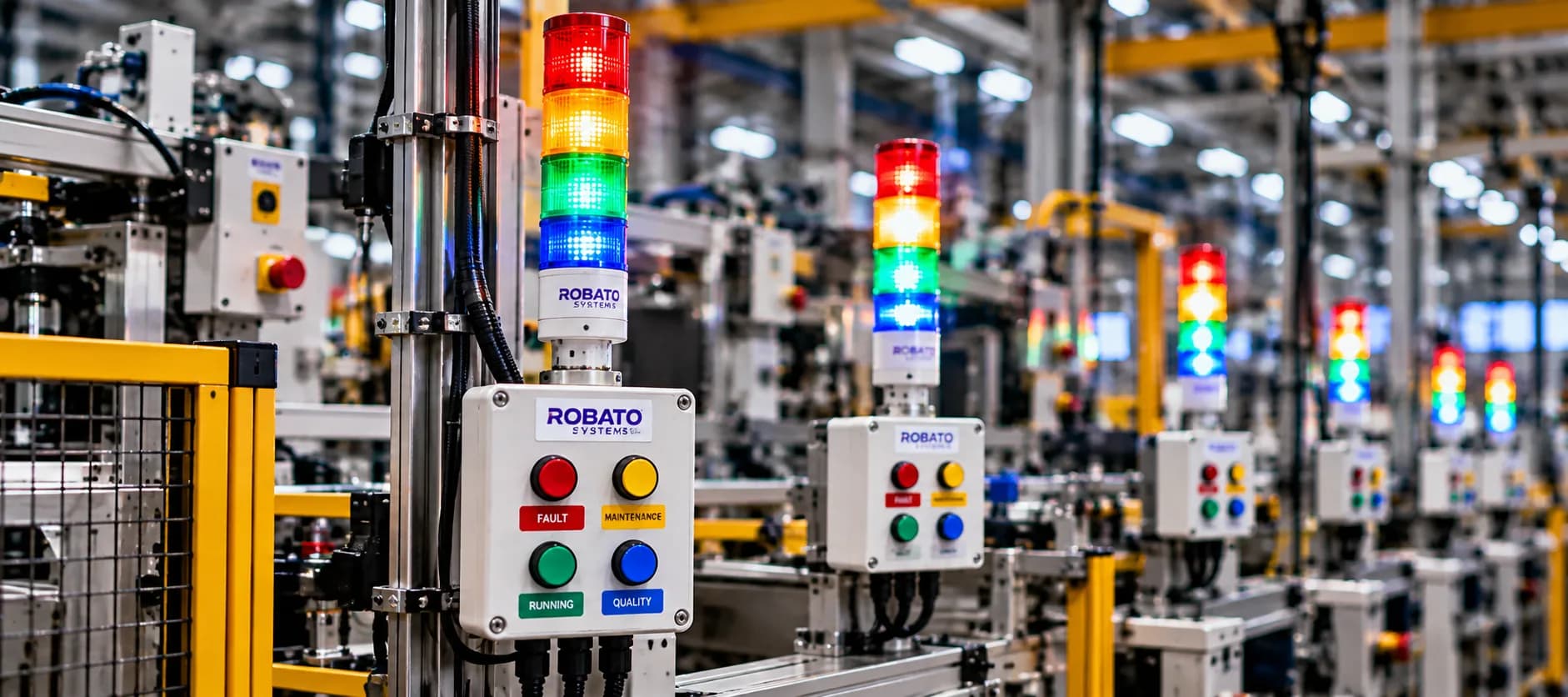
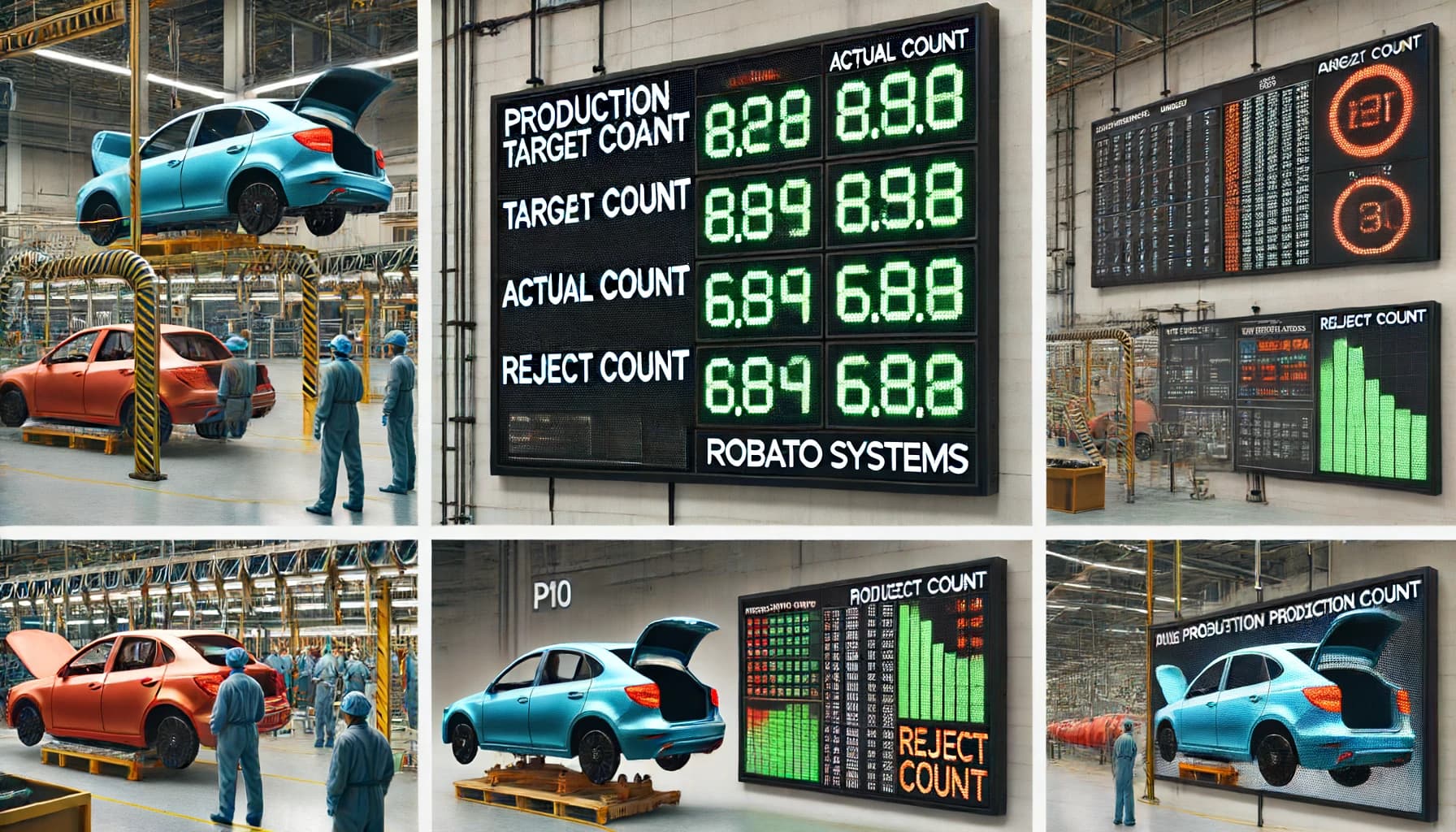
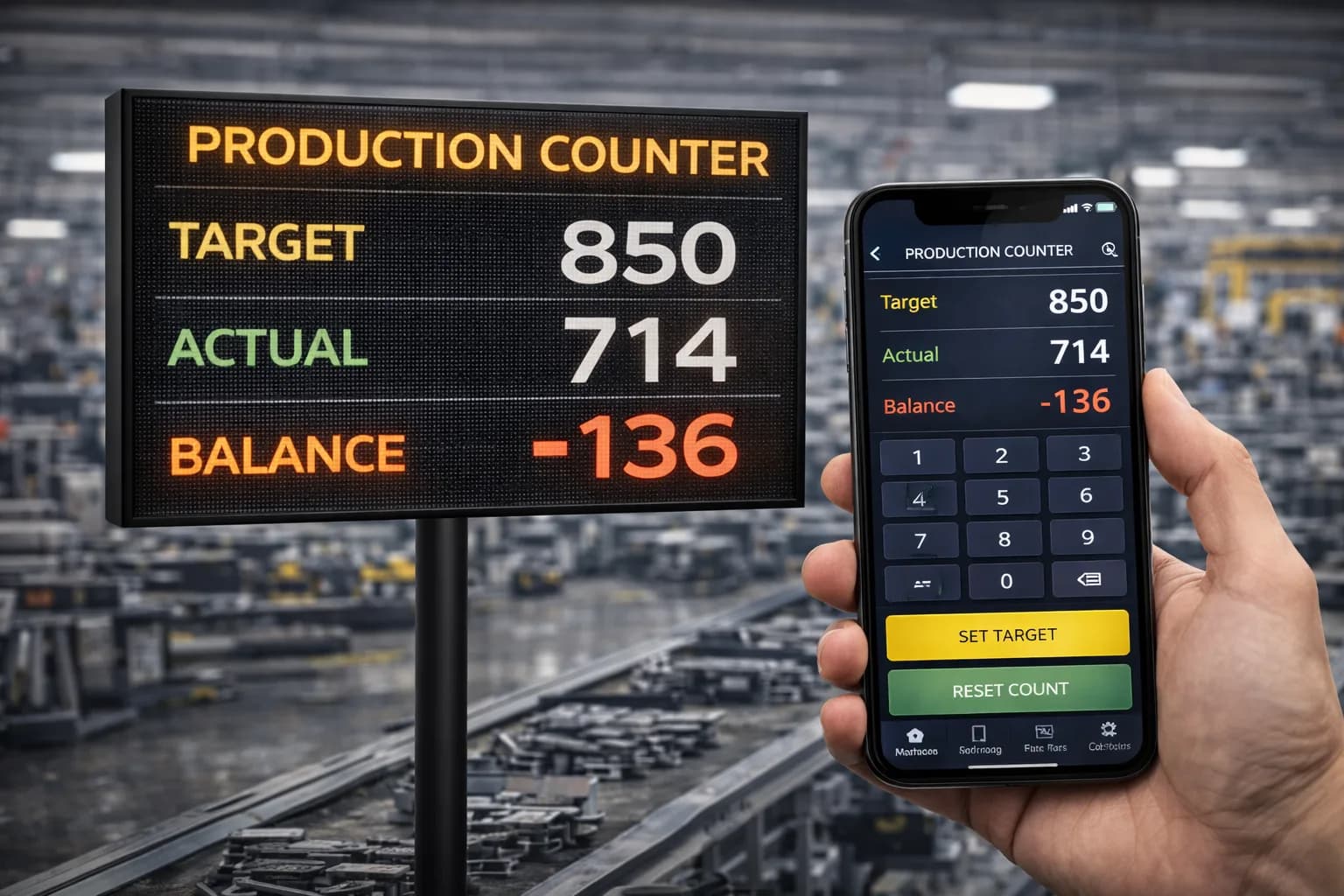
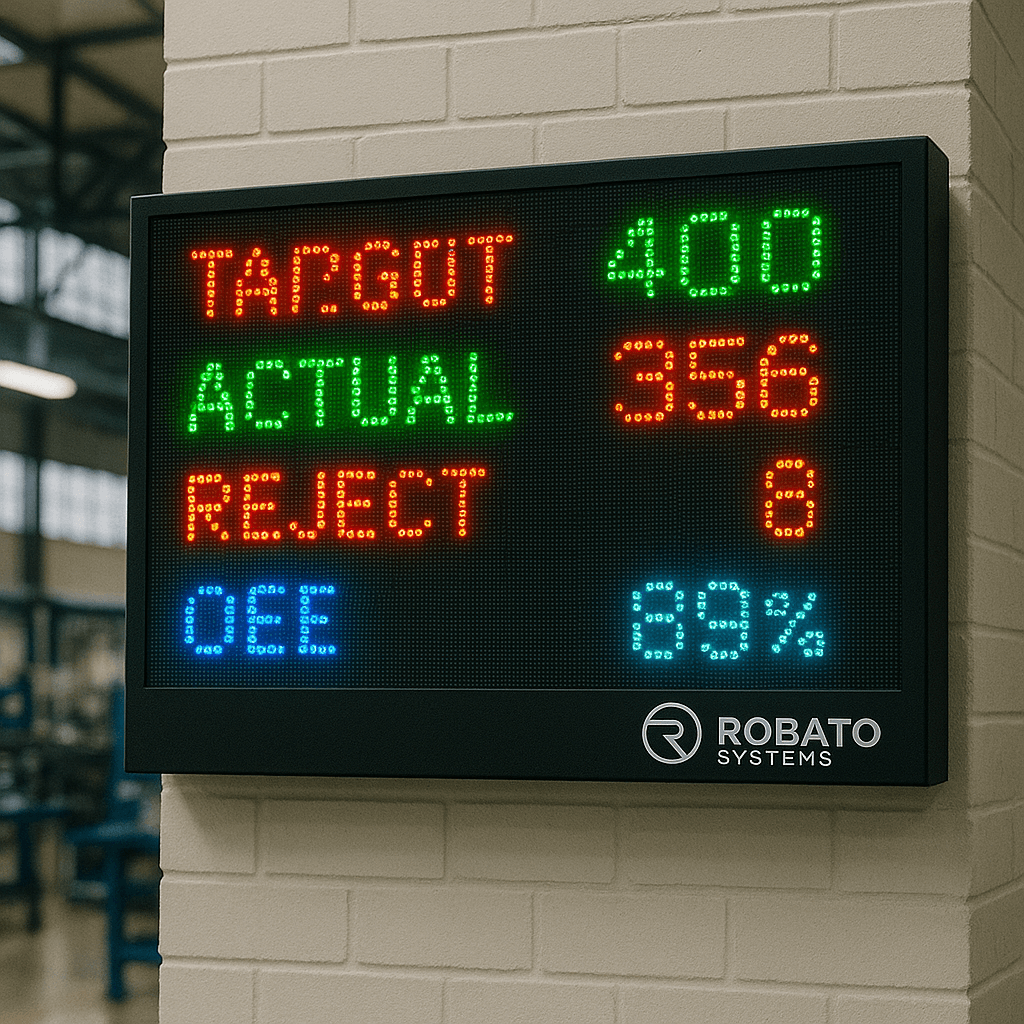
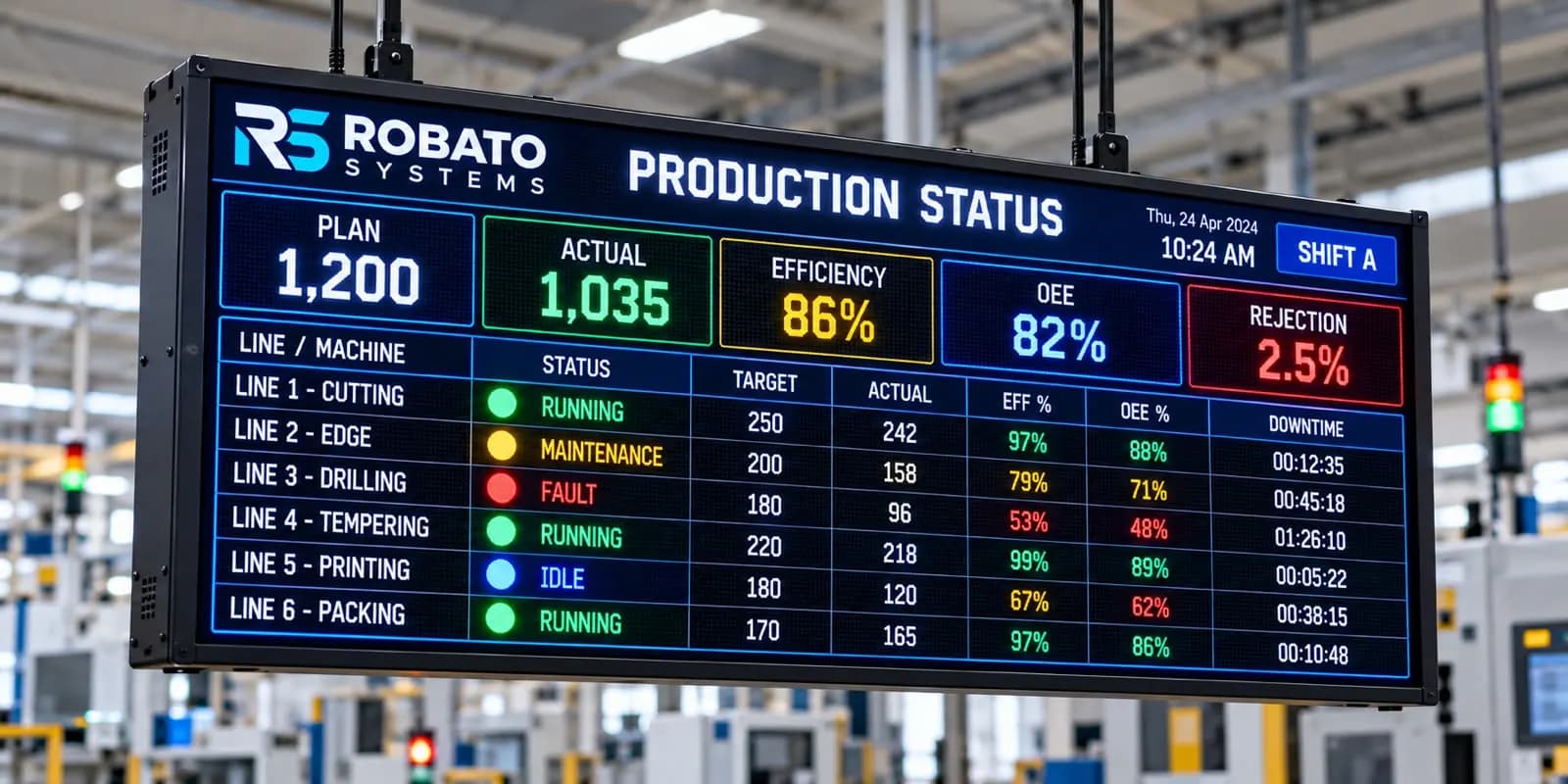
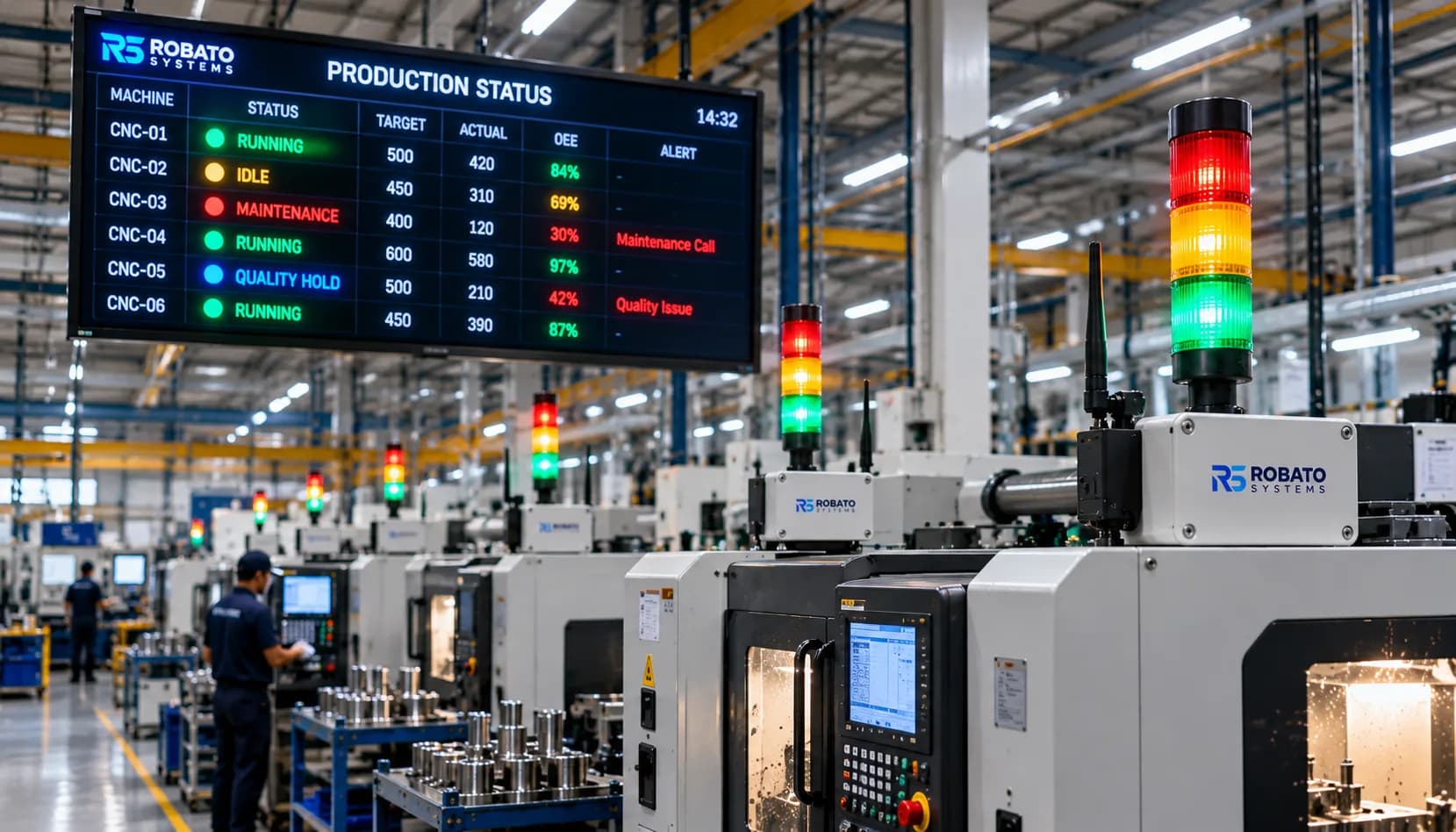
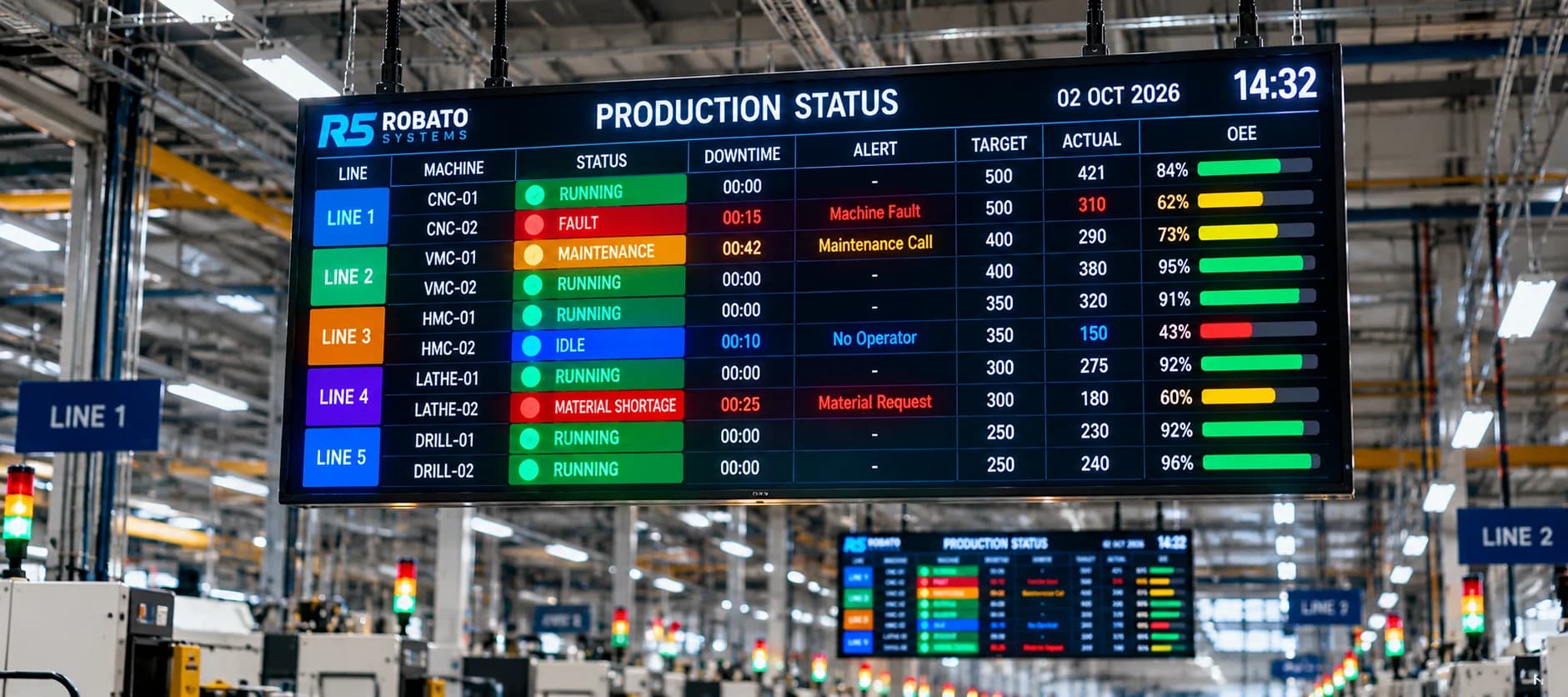
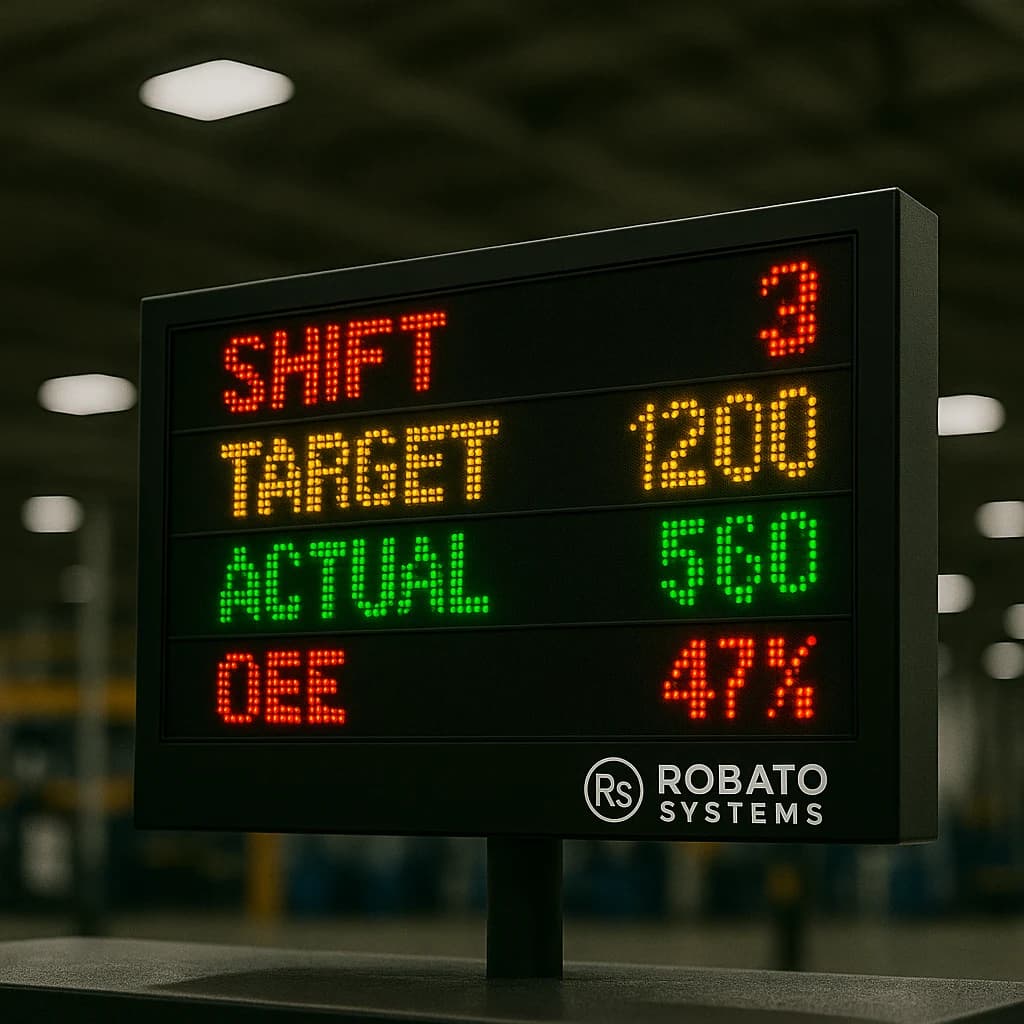
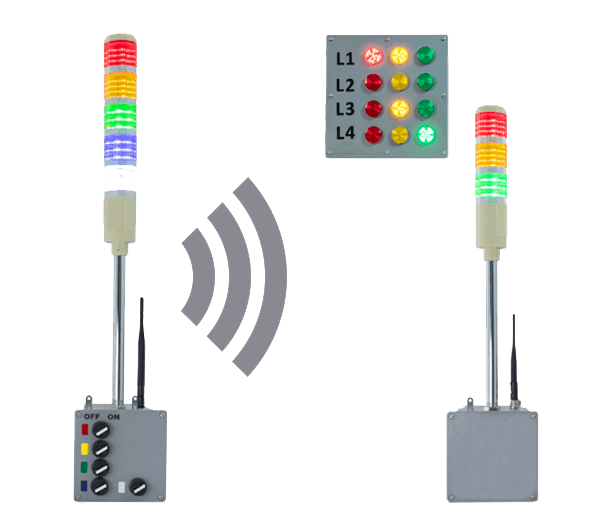
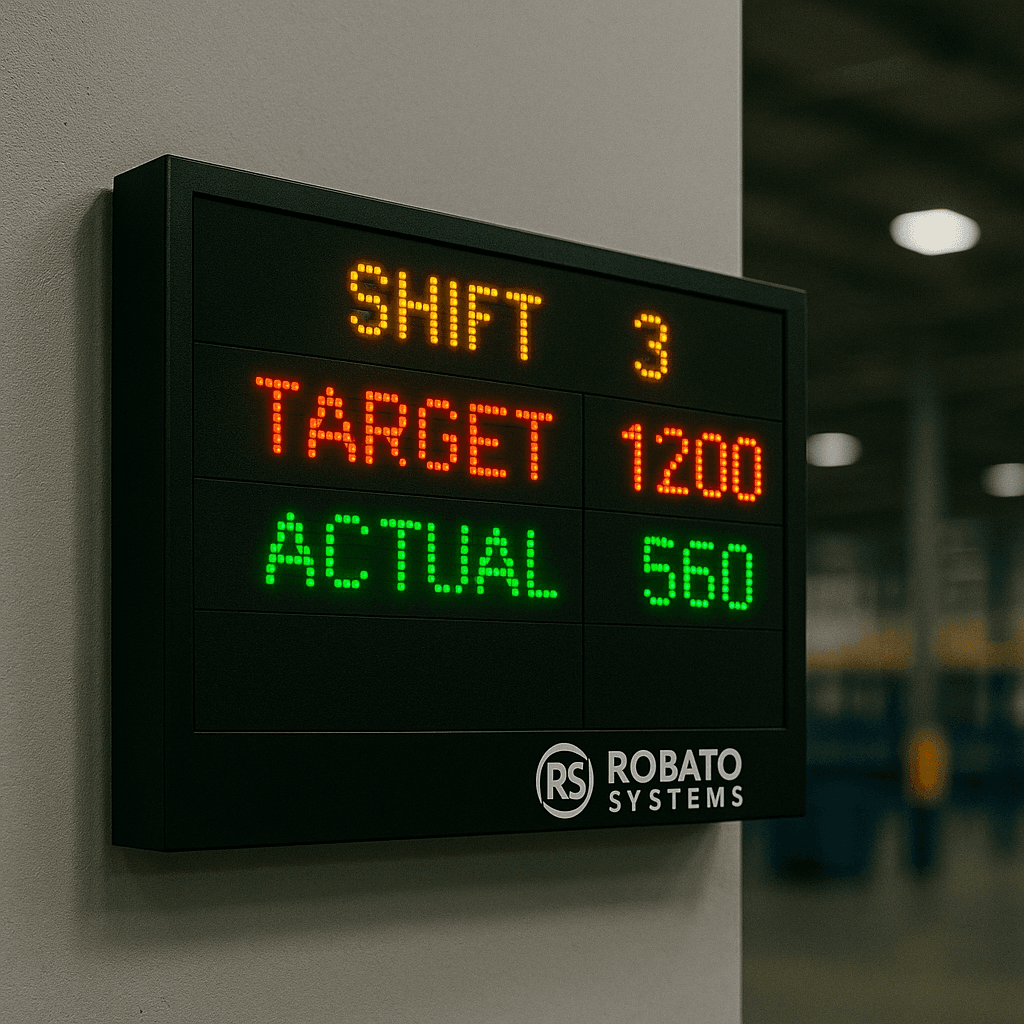
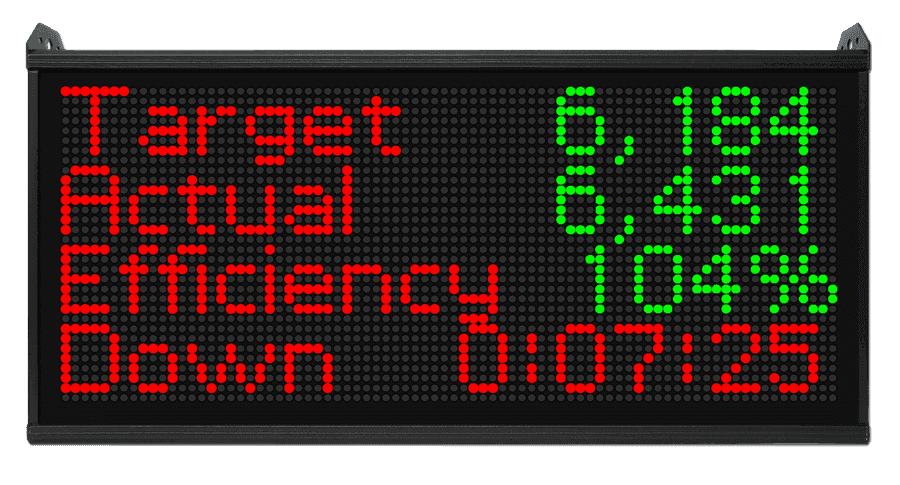
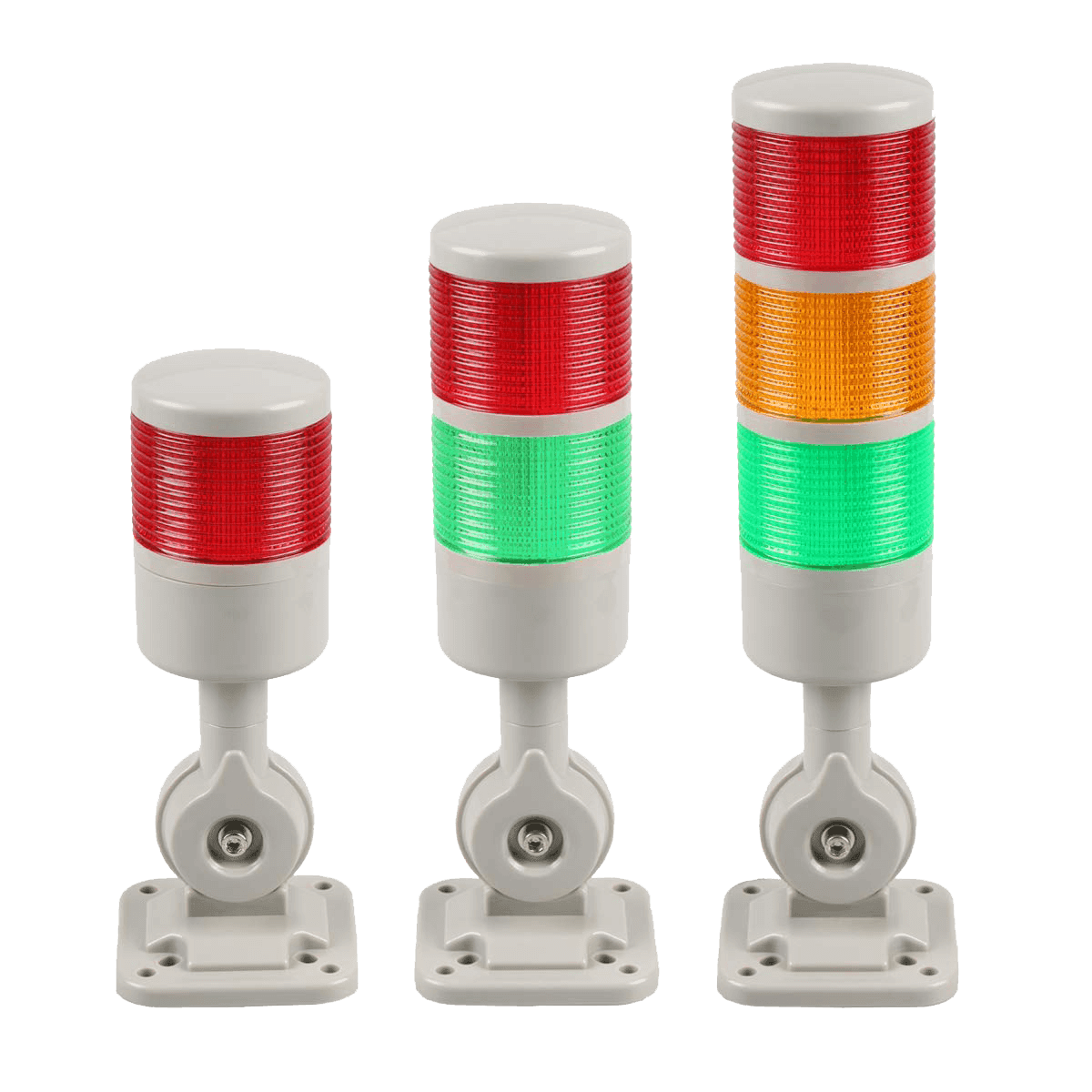
A modern production monitoring system does far more than simply count how many units a machine has produced. It tracks target output versus actual output in real time, highlights the gap between the two, and flags when performance is falling behind schedule. It monitors machine status continuously, distinguishing between running, idle, and breakdown states without requiring any manual input from operators.
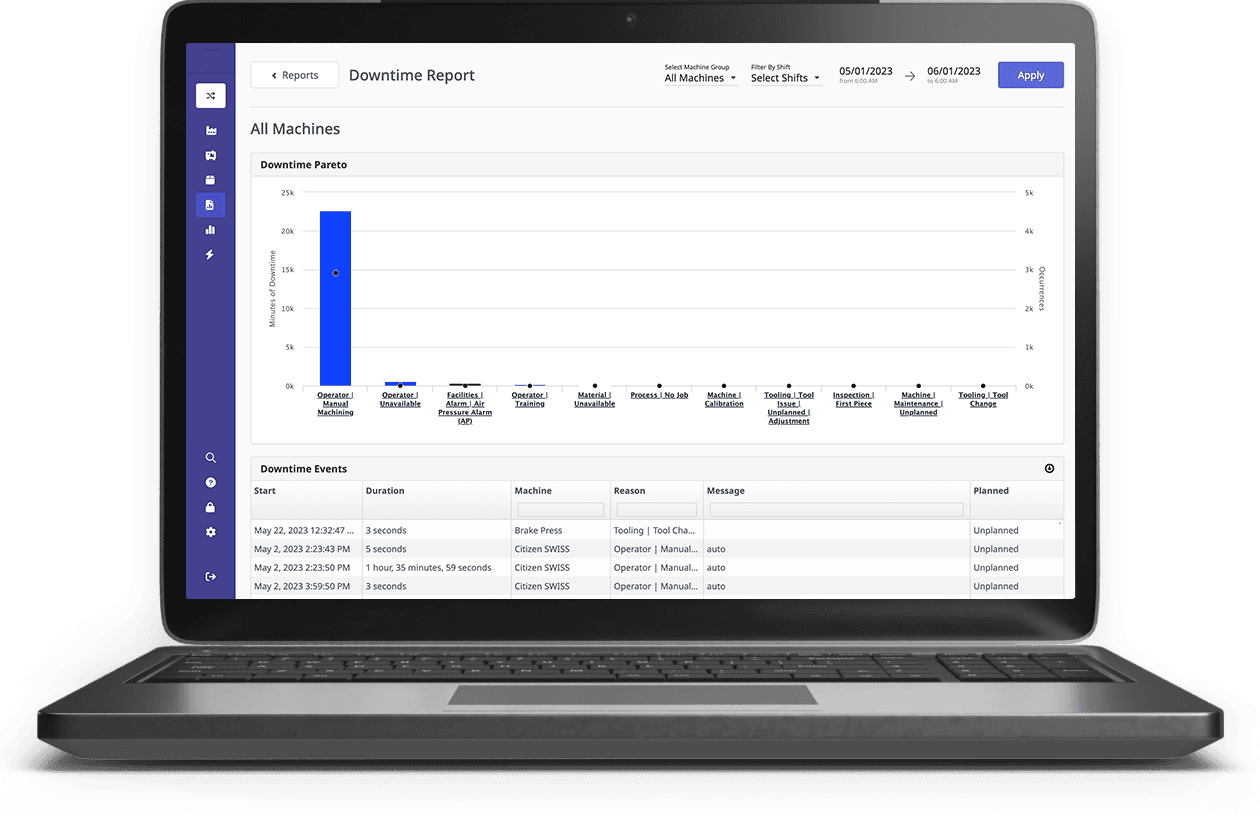
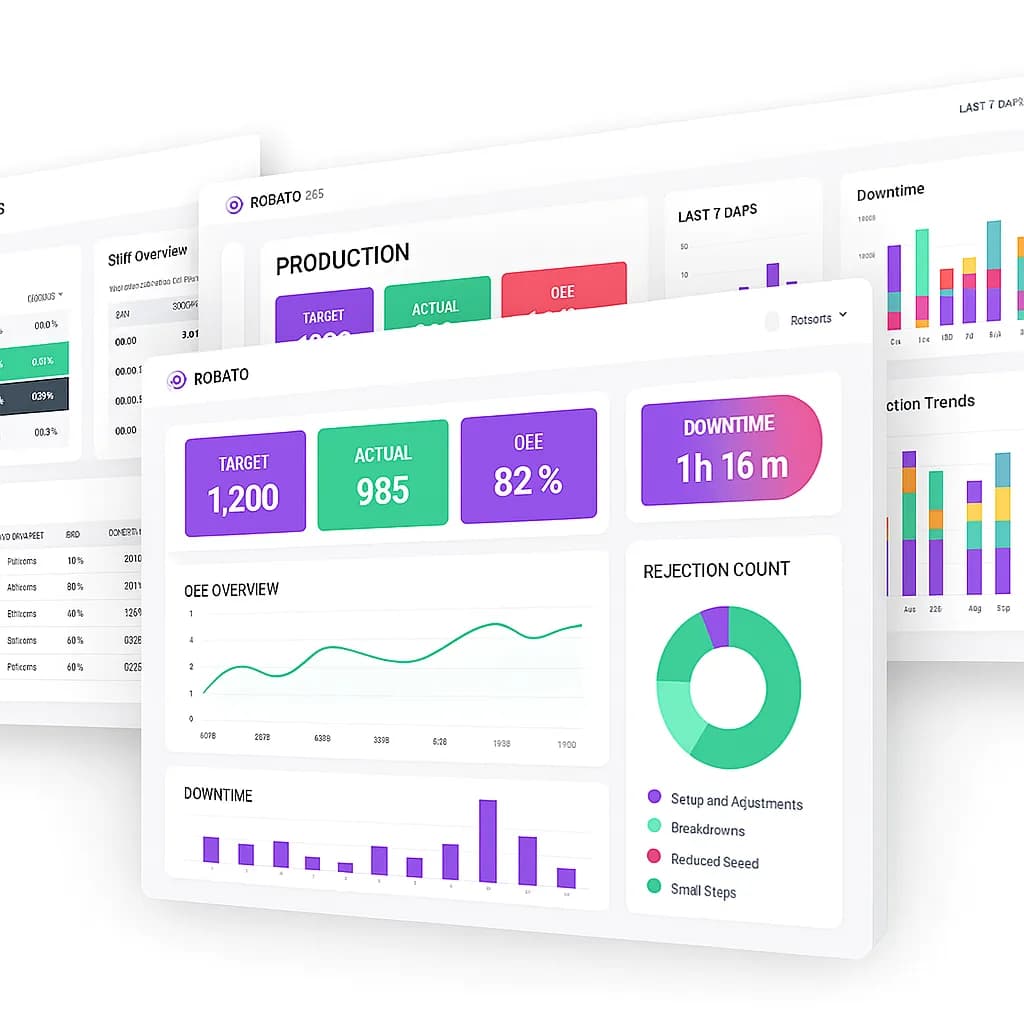
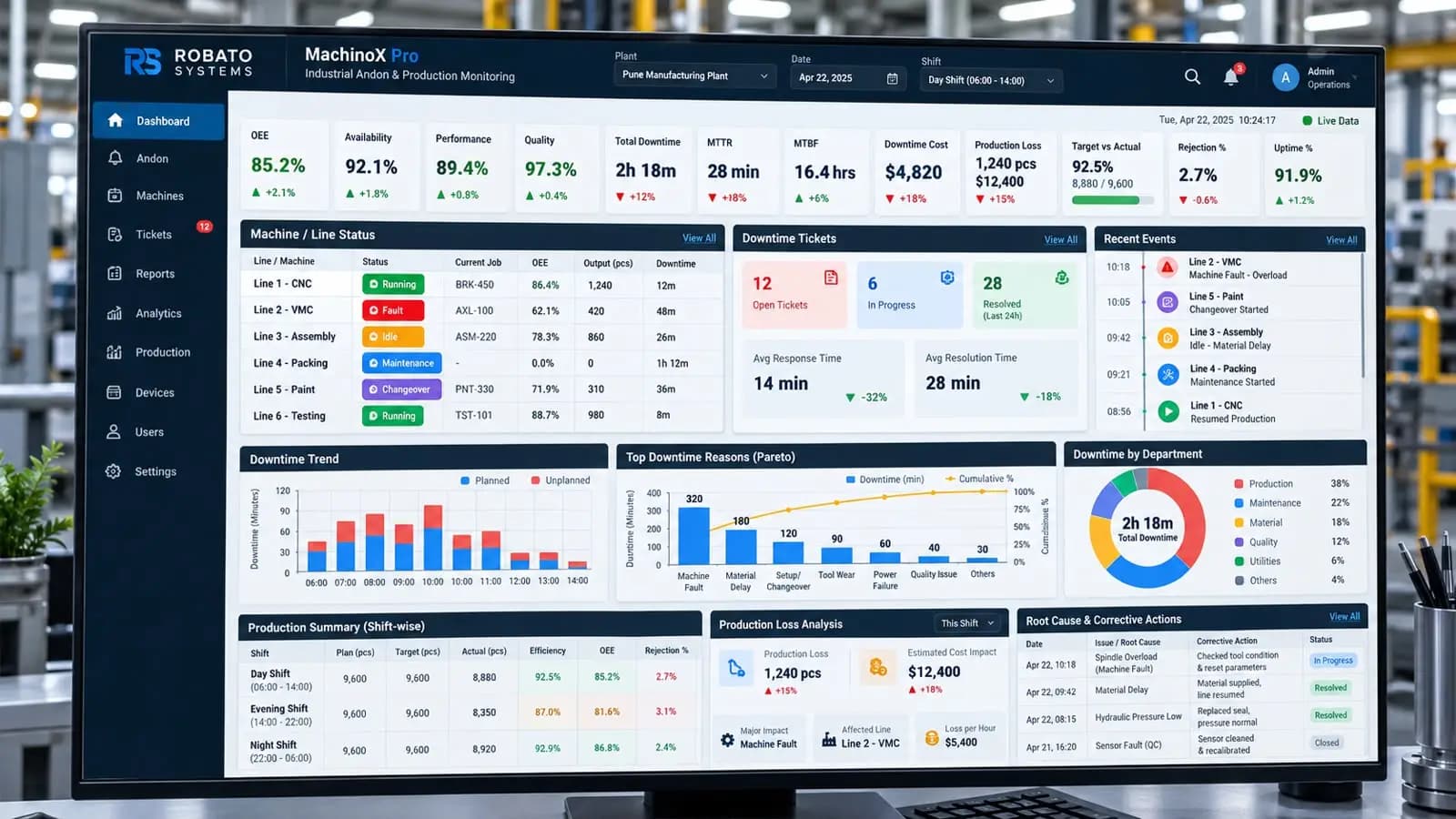
It also tracks downtime with precision, recording the exact moment a machine stops, how long it remains stopped, and the reason for the stoppage. This level of detail transforms downtime from a vague operational problem into a documented, measurable event that can be analyzed, addressed, and prevented in the future.
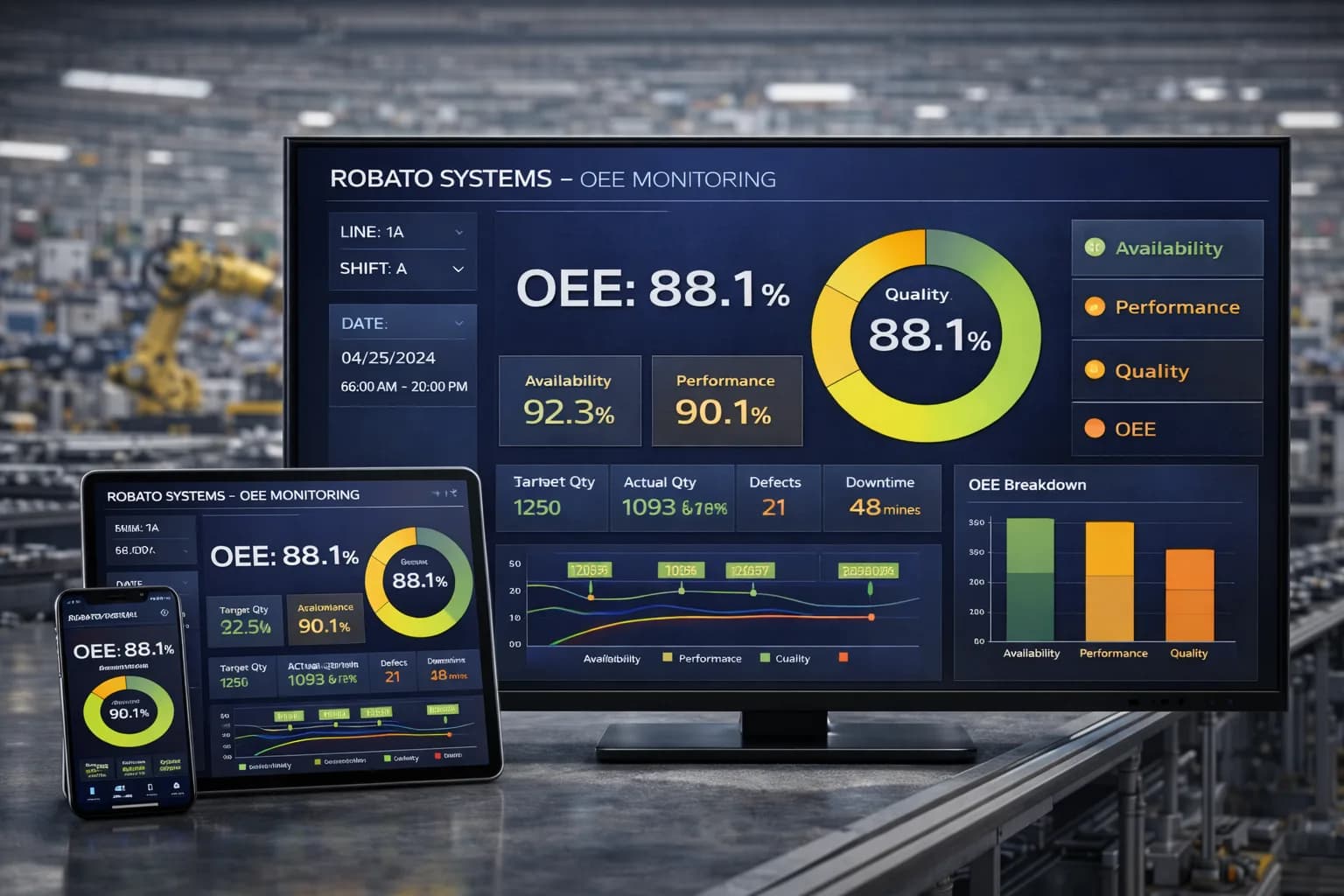
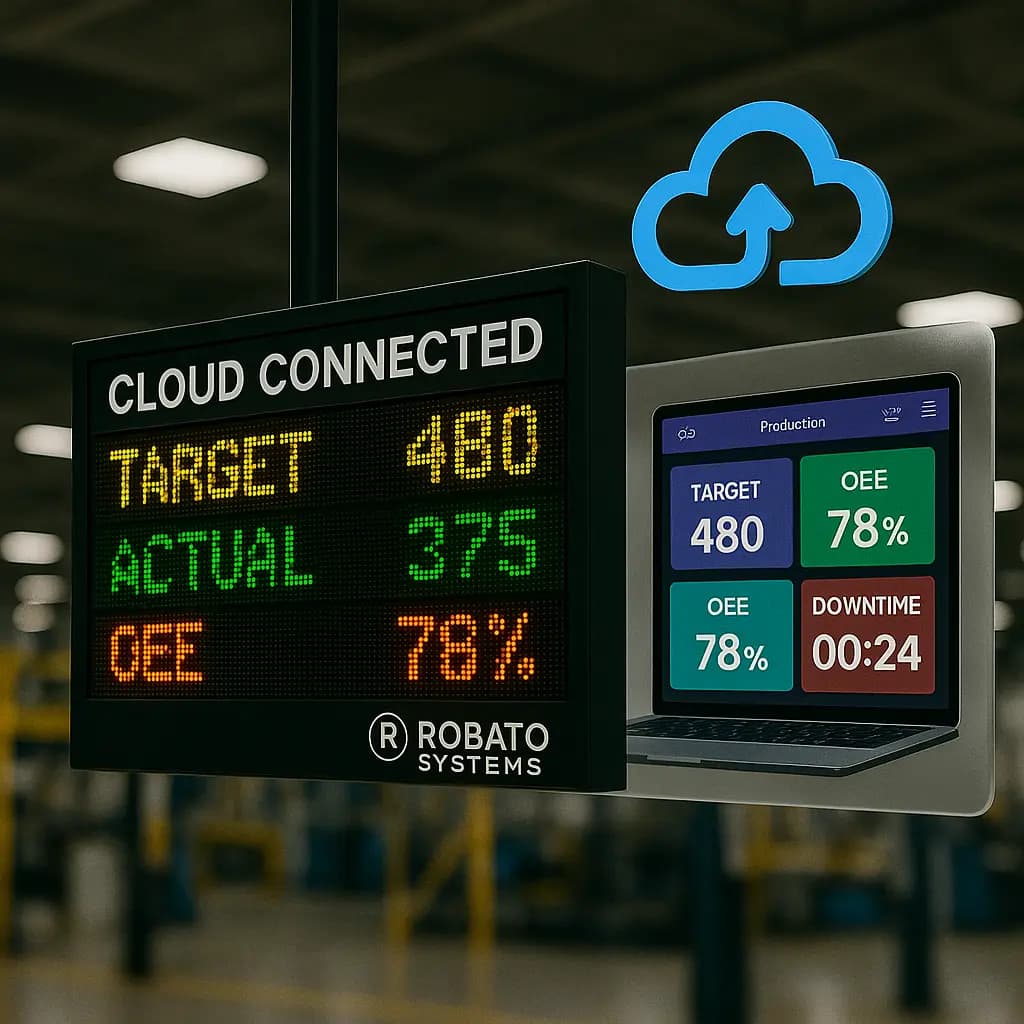
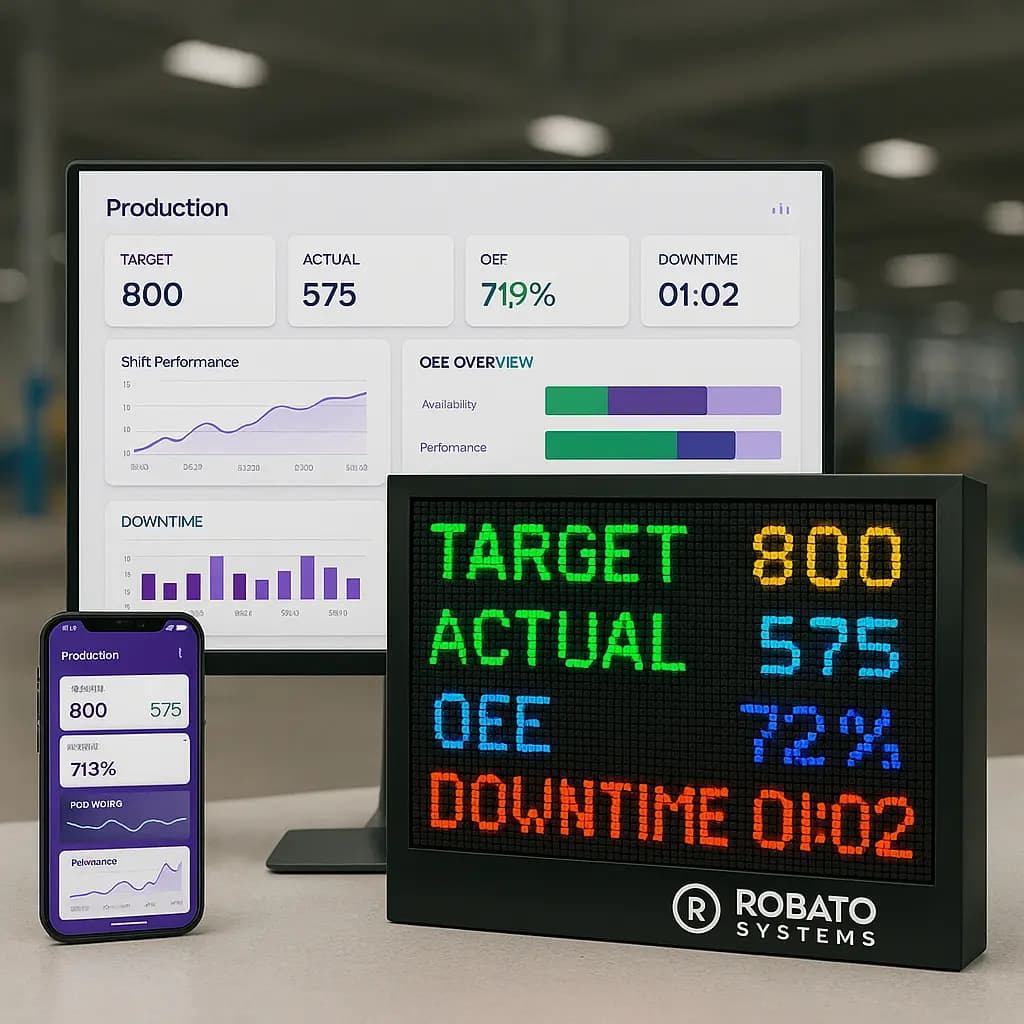
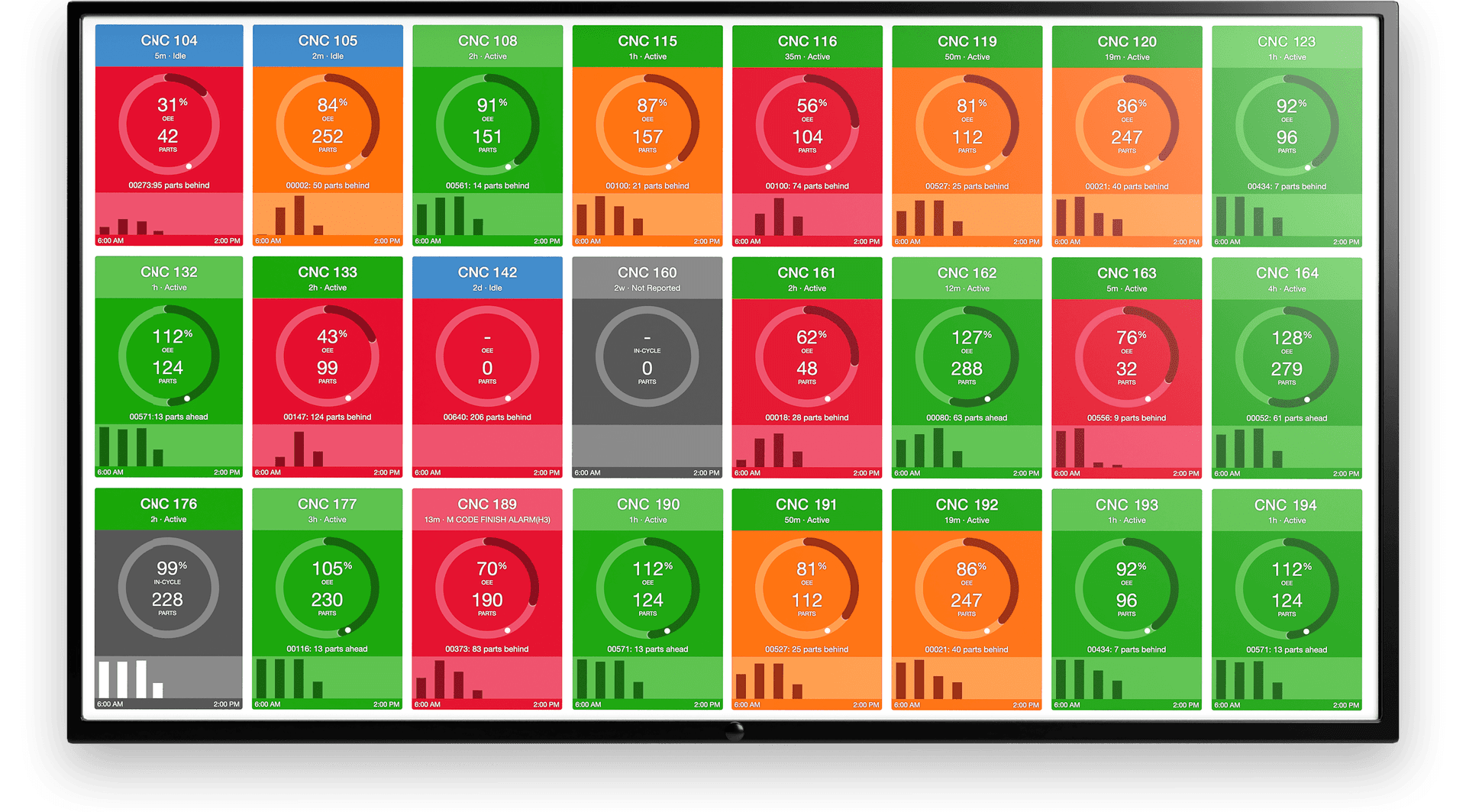
On top of that, it calculates OEE, which stands for Overall Equipment Effectiveness, the single most important KPI in manufacturing. OEE combines availability, performance, and quality into one clear metric that tells you exactly how efficiently your machines are being used.
From the Shop Floor to the Cloud
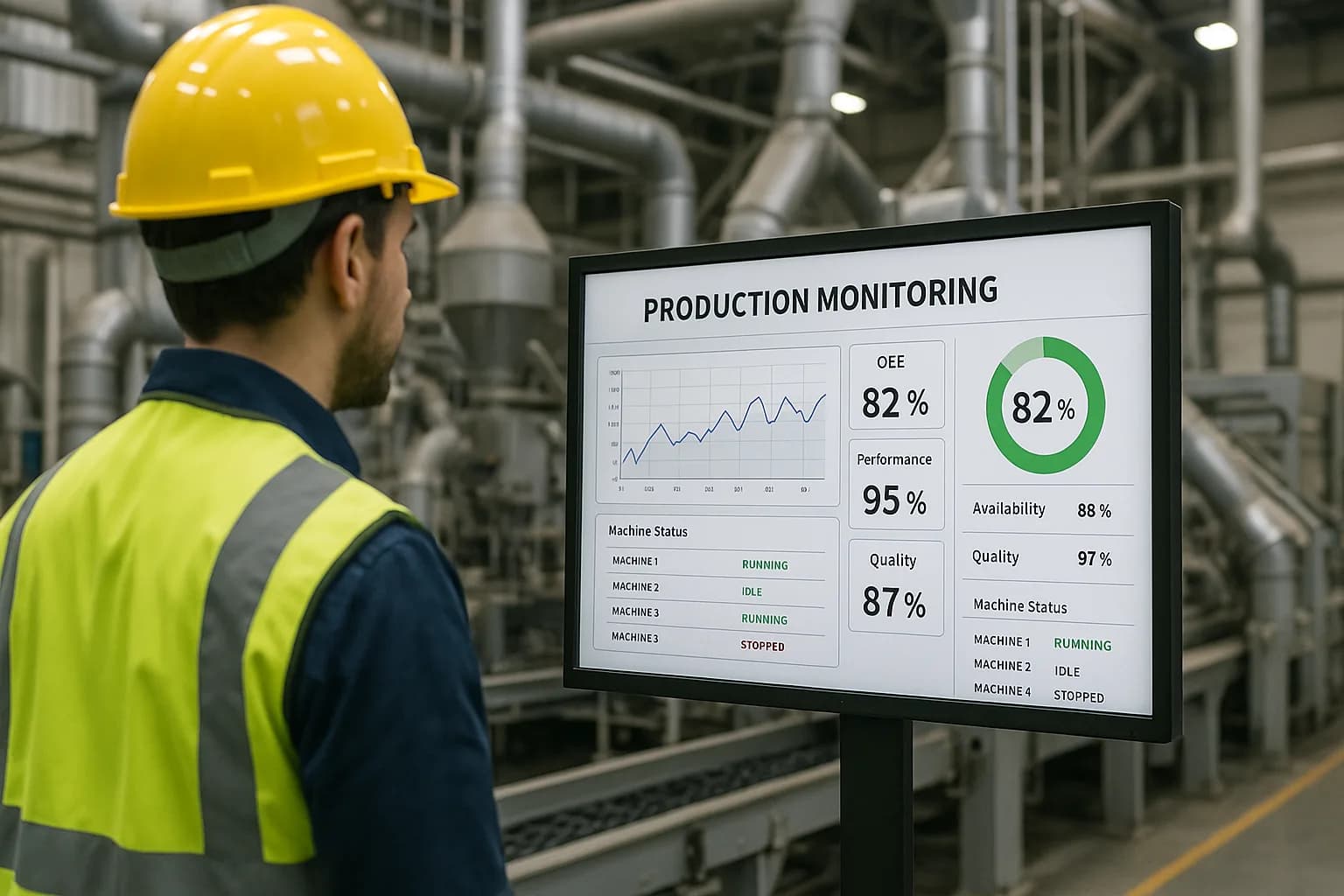
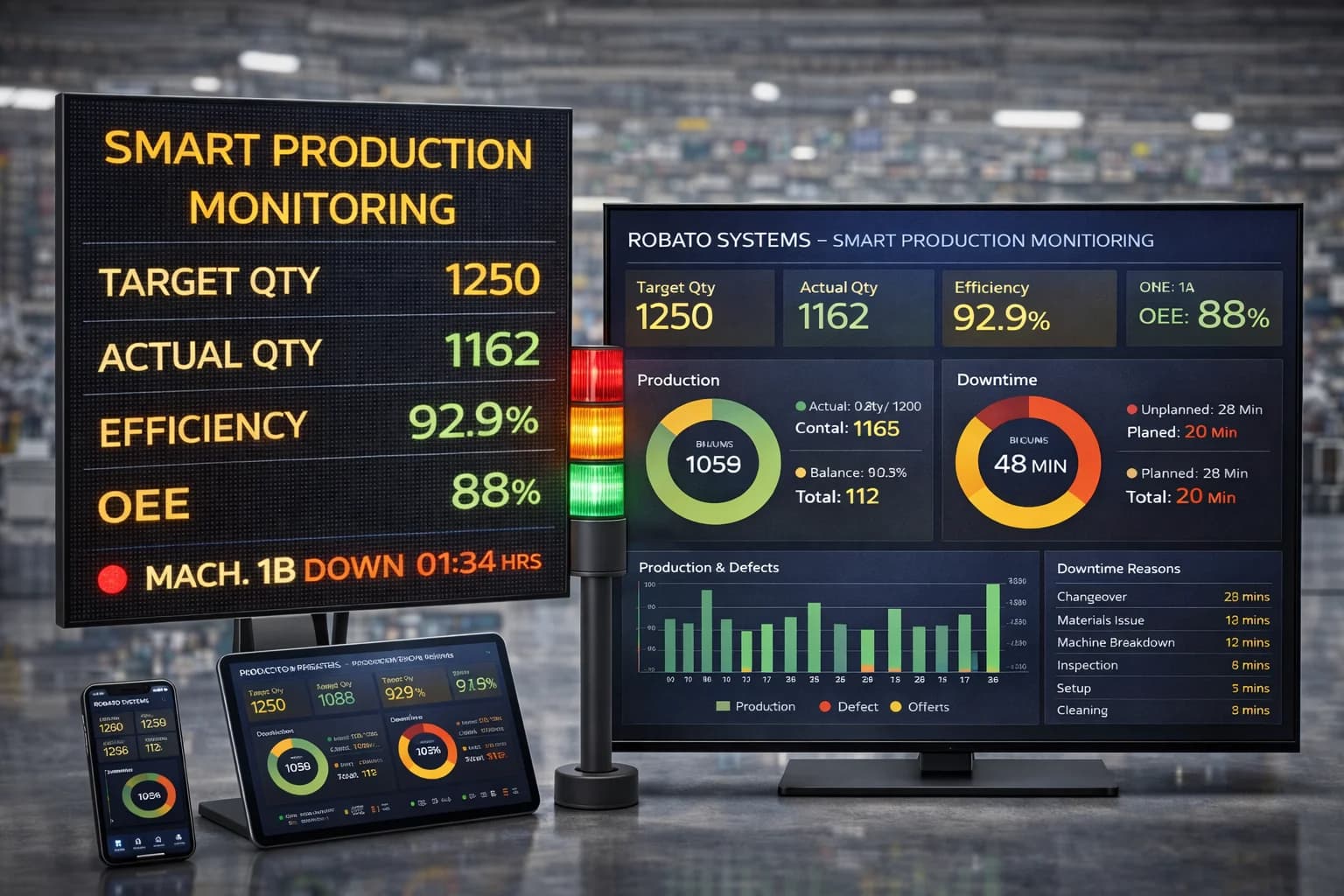
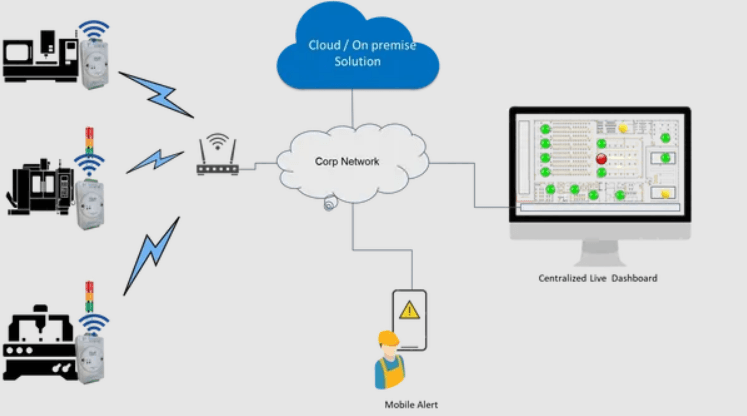
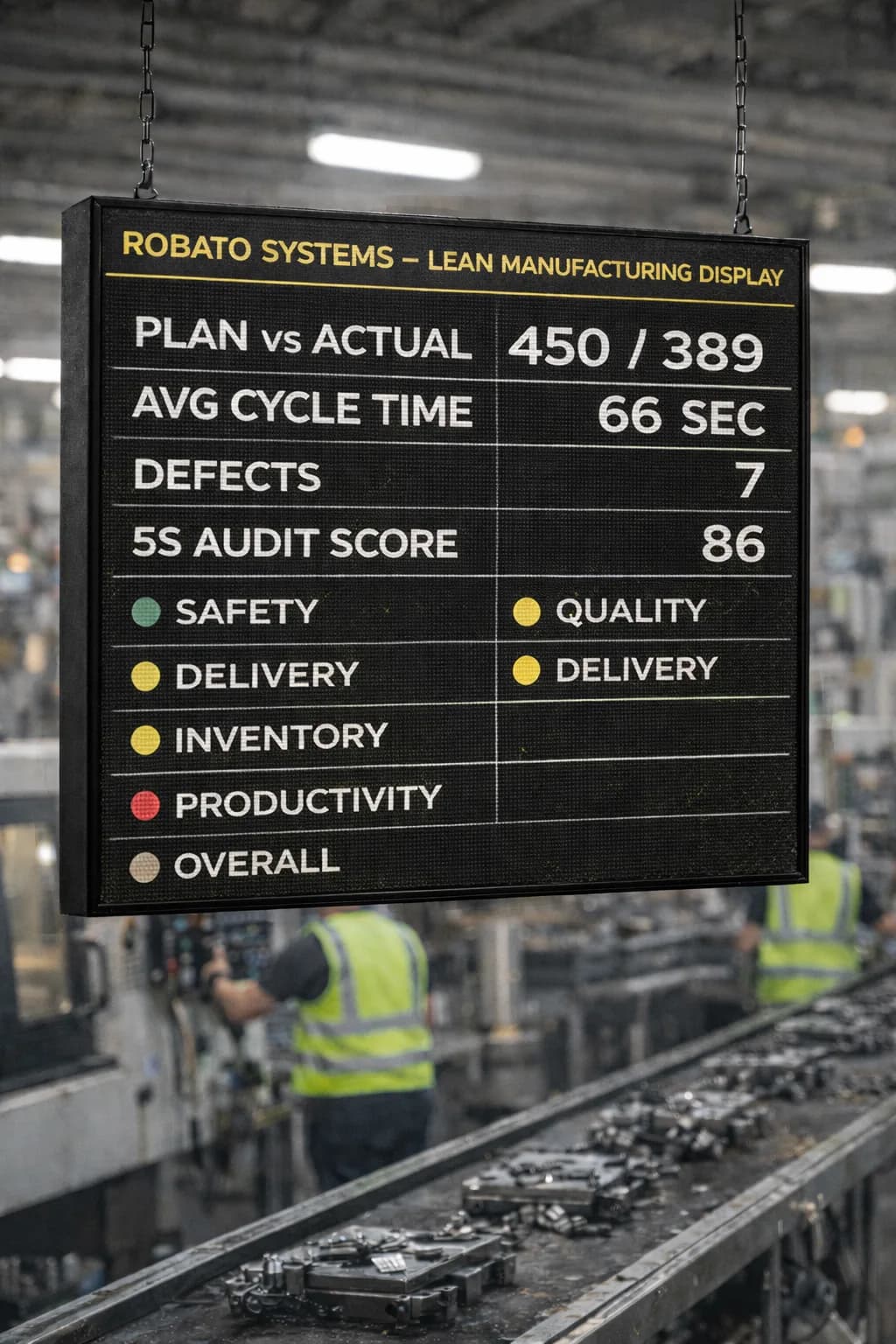
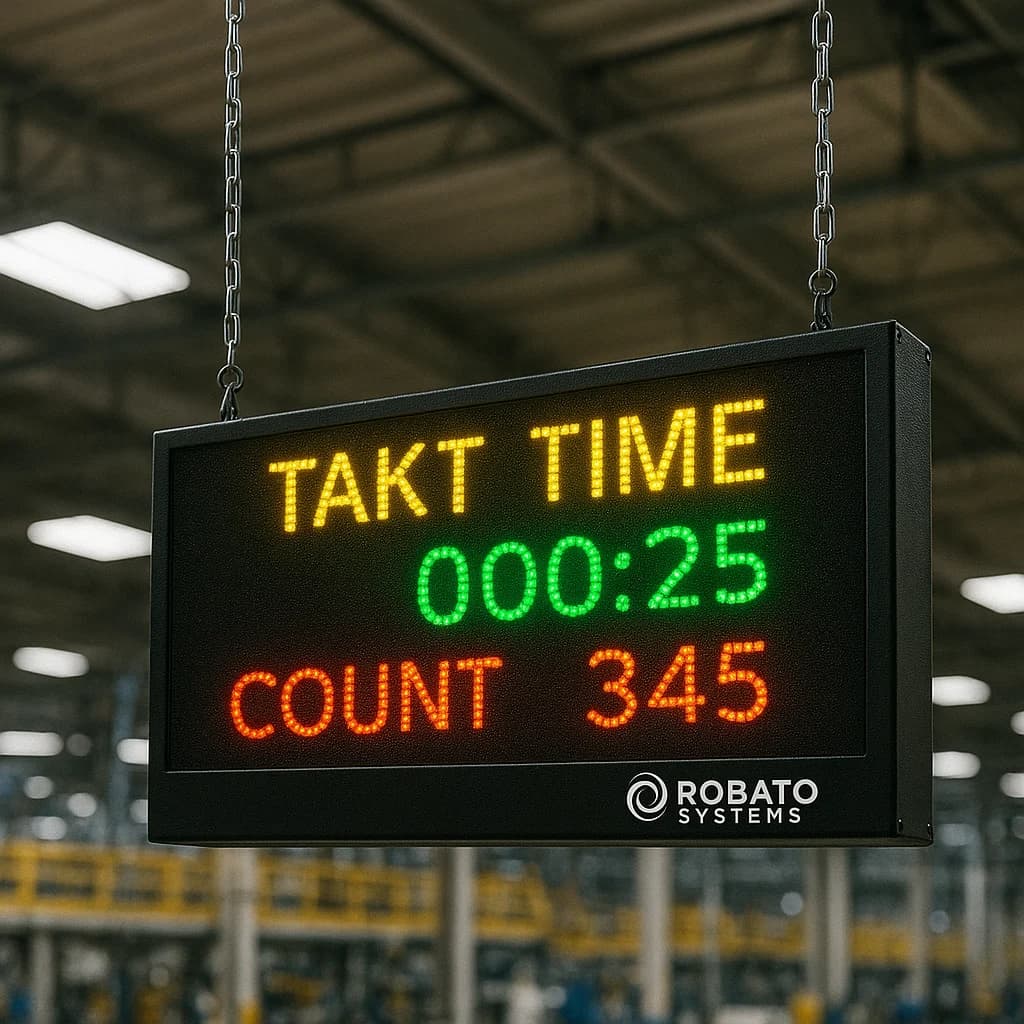
One of the most powerful aspects of today's production monitoring systems is their ability to make factory data accessible from anywhere. Live dashboards can be displayed on LED boards mounted on the shop floor, on Smart TVs in supervisors' offices, on Android apps on a manager's phone, and on cloud-based platforms accessible from any device anywhere in the world.
This means a production head sitting in a head office can see live output data from multiple plants simultaneously. A maintenance engineer can receive an instant alert the moment a machine stops unexpectedly. A shift supervisor can check performance against target without walking the entire floor. The information flows automatically, continuously, and accurately without anyone having to chase it.
Industries That Cannot Afford to Go Without It
Production monitoring systems are not limited to large-scale automotive manufacturers. They are equally essential in pharmaceutical factories where batch accuracy is critical, in textile mills where machine utilization directly affects delivery schedules, in electronics manufacturing where quality defects need to be caught immediately, and in FMCG production environments where high volumes demand consistent throughput.
Any facility where machines produce output on a shift basis stands to benefit significantly from real-time production visibility.
The Setup Is Simpler Than Most Expect
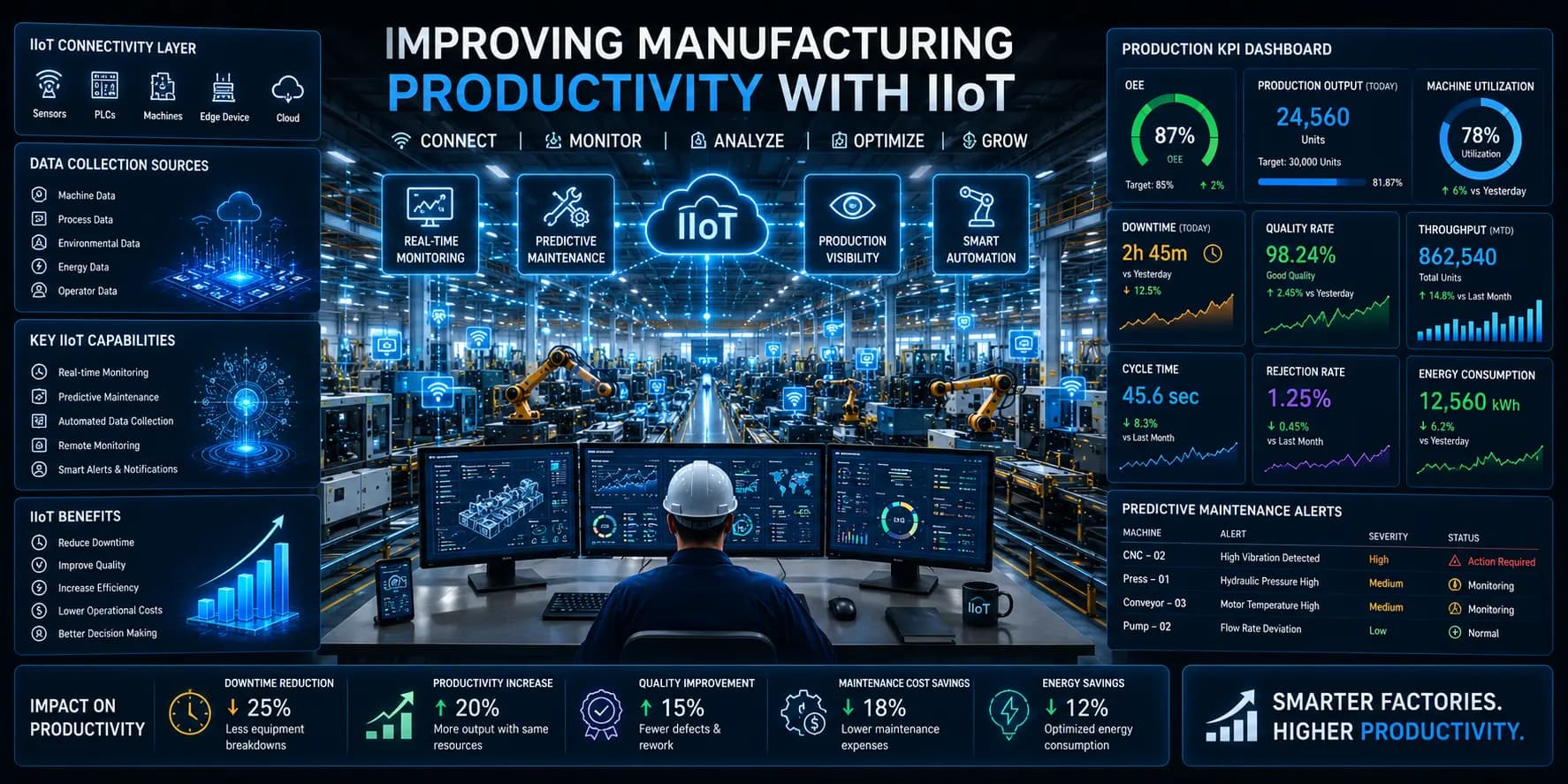
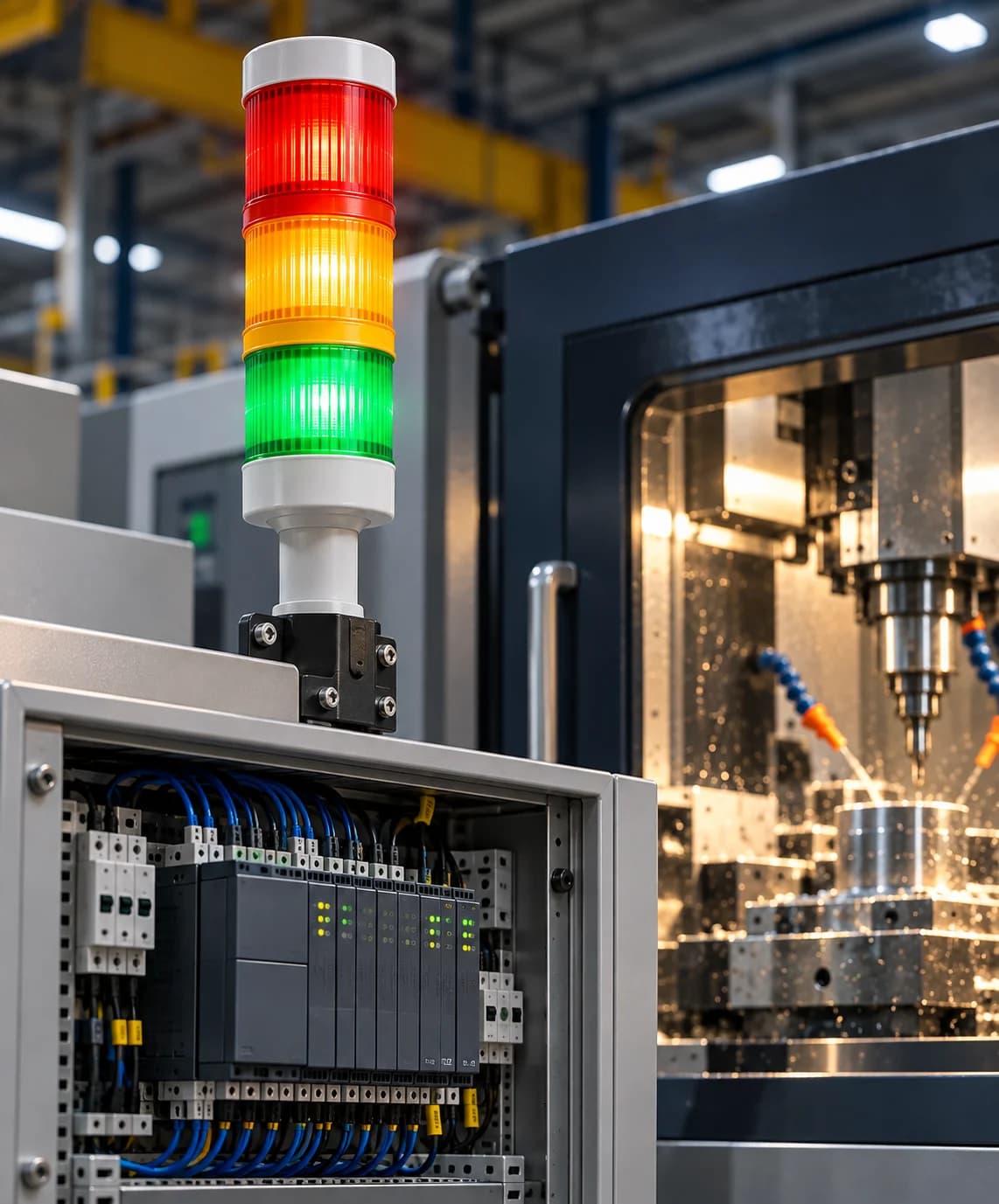
A common reason factories delay adopting a production monitoring system is the assumption that implementation will be complex, disruptive, or expensive. The reality is quite different. Modern systems use sensors, proximity detectors, photoelectric sensors, and PLC integrations to collect cycle counts and machine signals automatically. There is no need to replace existing machines or overhaul existing infrastructure.
Once the hardware is connected, the software takes over. Data flows from the machines to the dashboards in real time, and the system begins delivering insights from the very first shift.
Data-Driven Decisions Start Here
The true value of a production monitoring system is not just the data it collects. It is the decisions that data makes possible. When a factory manager can see exactly which machine is underperforming, which shift consistently misses targets, and which downtime reasons recur most frequently, they have everything they need to act with precision rather than guesswork.
That shift from reactive management to proactive, data-driven decision-making is what separates factories that grow from those that simply survive.