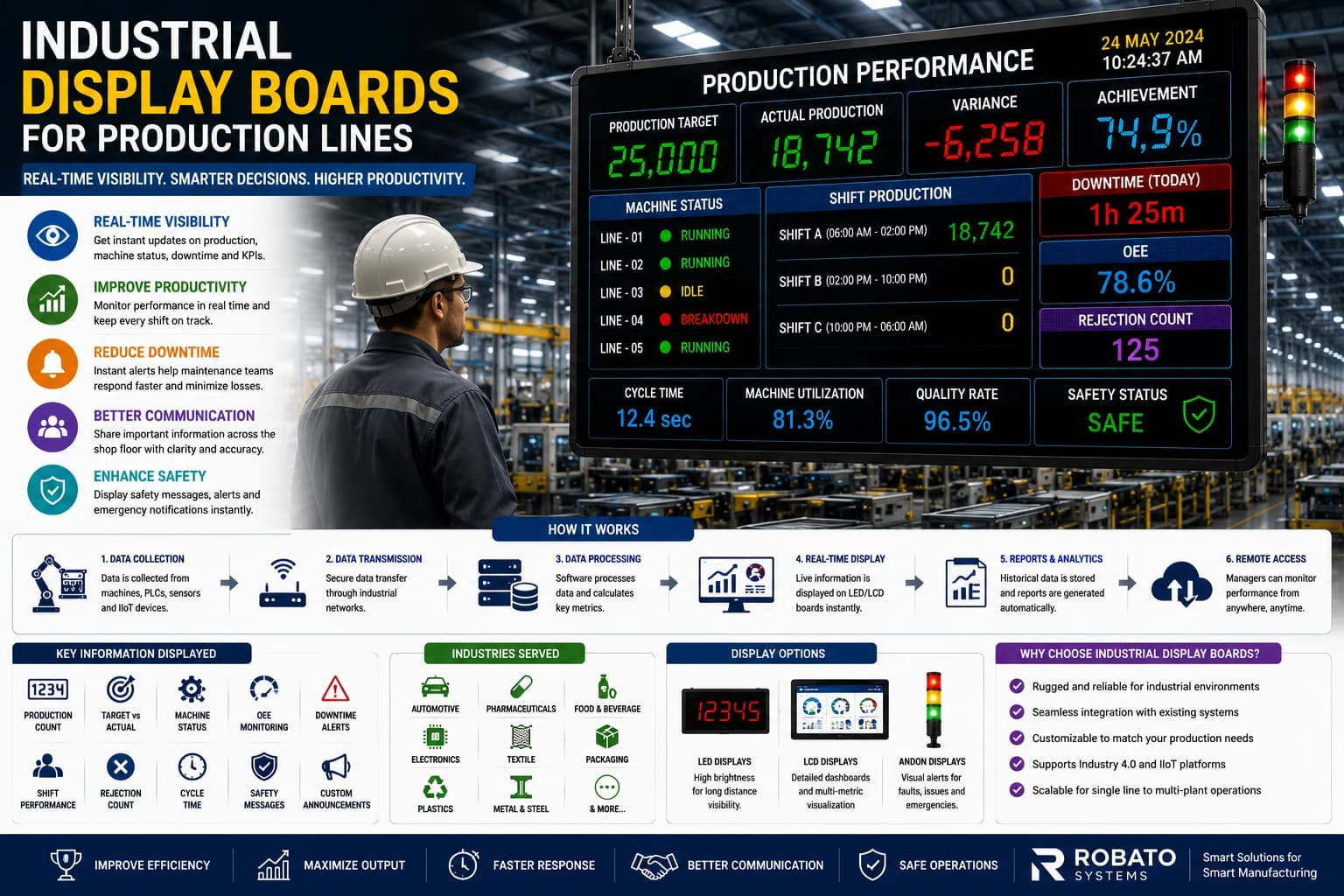
Industrial Display Boards for Production Lines
Manufacturing environments are fast-paced, data-driven, and highly dependent on real-time communication. Operators, supervisors, maintenance teams, and production managers all need immediate access to accurate production information to keep operations running efficiently. Relying on paper reports, whiteboards, or verbal communication often creates delays, increases the risk of errors, and reduces overall productivity.
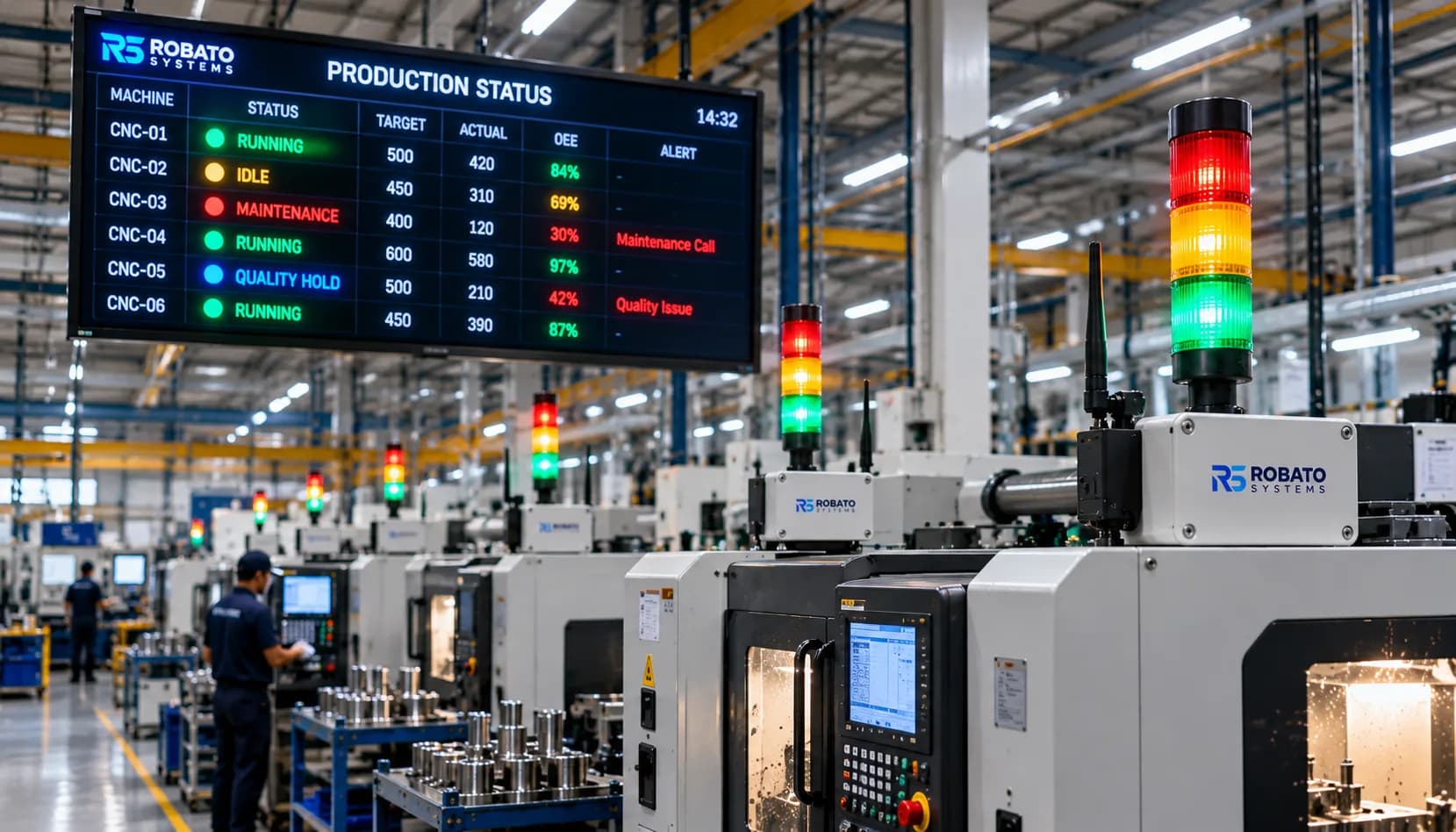
An Industrial Display Board solves these challenges by providing a centralized visual platform for displaying live production data, machine status, quality metrics, safety alerts, and operational KPIs. Installed throughout production lines, these display boards ensure that critical information is visible to everyone, enabling faster decision-making and improving coordination across departments.
As manufacturers continue their Industry 4.0 journey, industrial display boards have evolved into intelligent communication systems that integrate with PLCs, Industrial IoT (IIoT) devices, MES, ERP platforms, and production monitoring software. They are no longer just information screens—they are essential tools for building smarter, more connected manufacturing operations.
What is an Industrial Display Board?
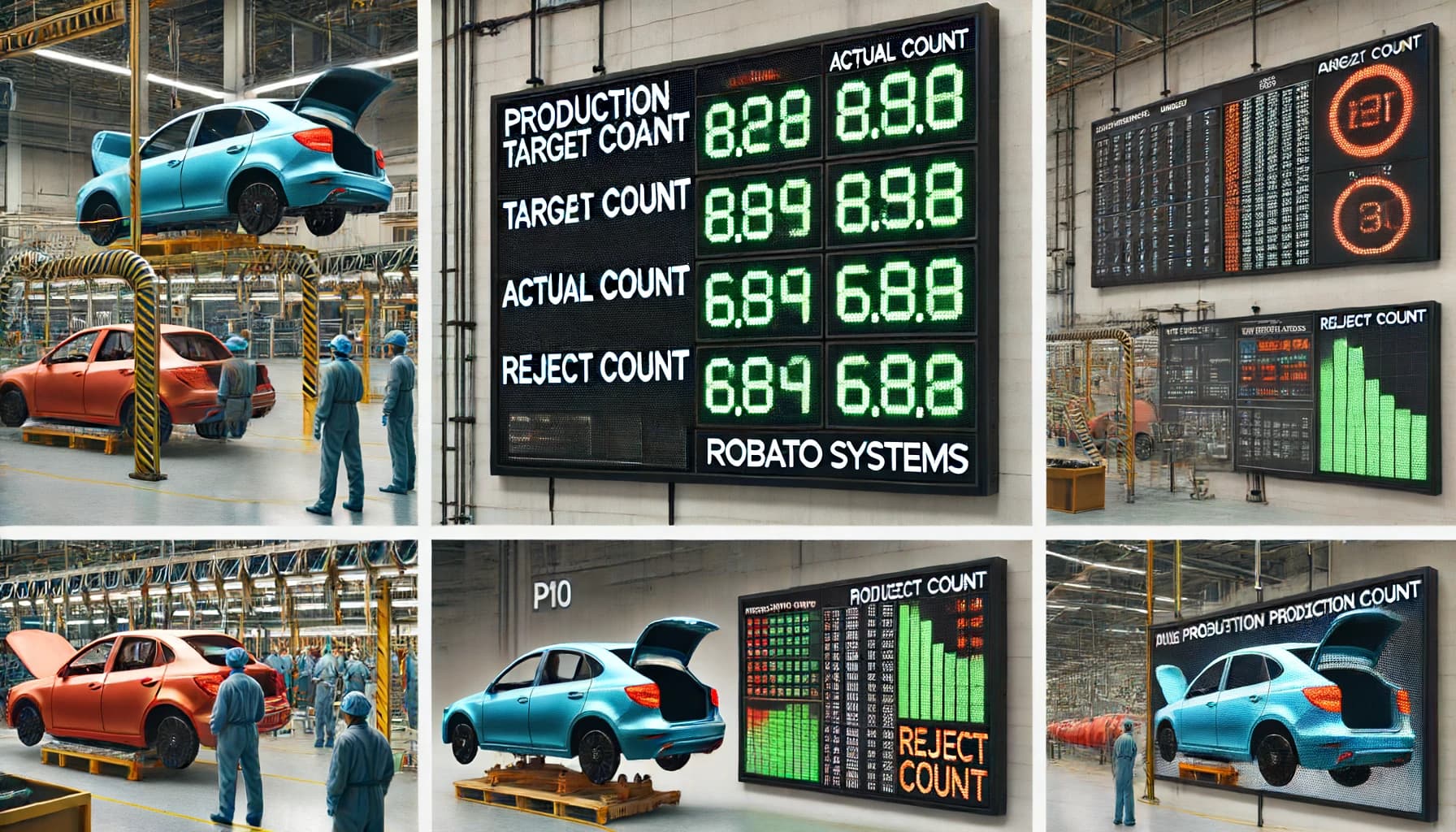
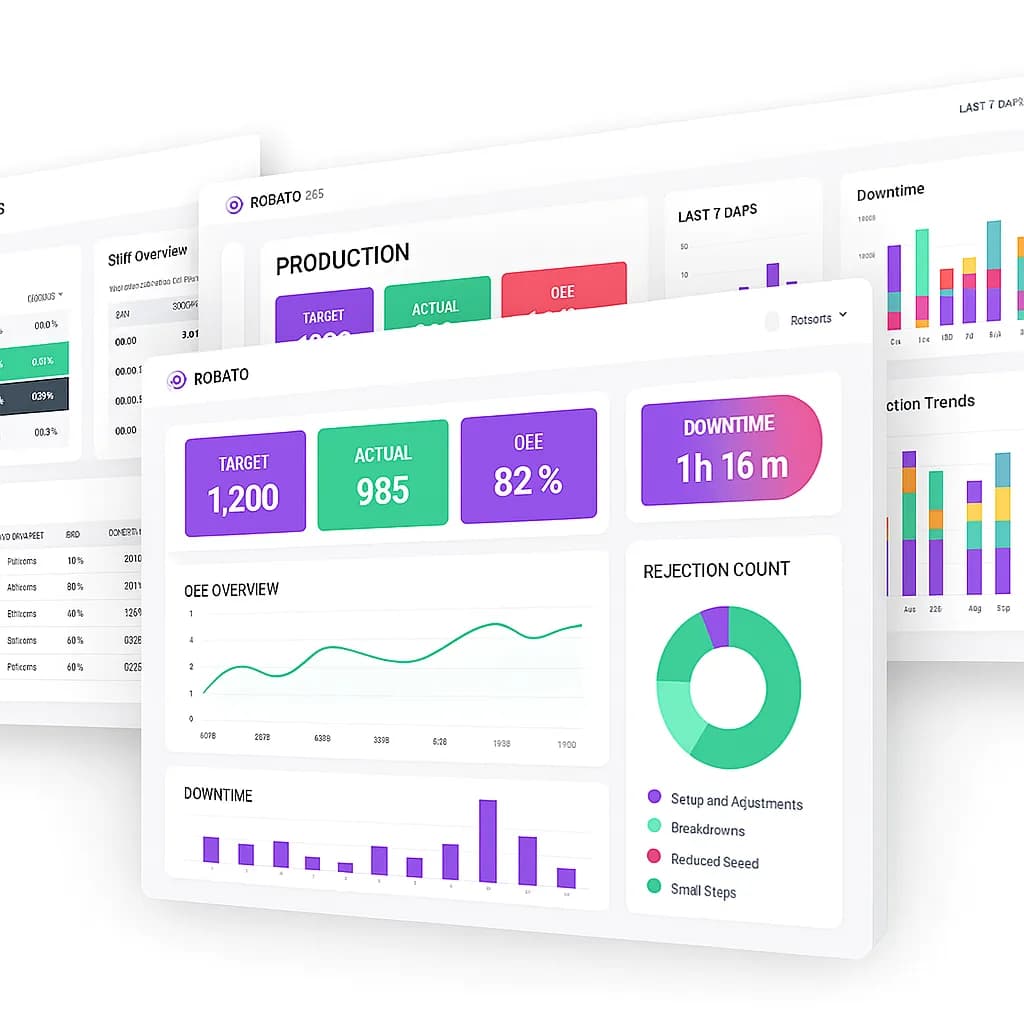
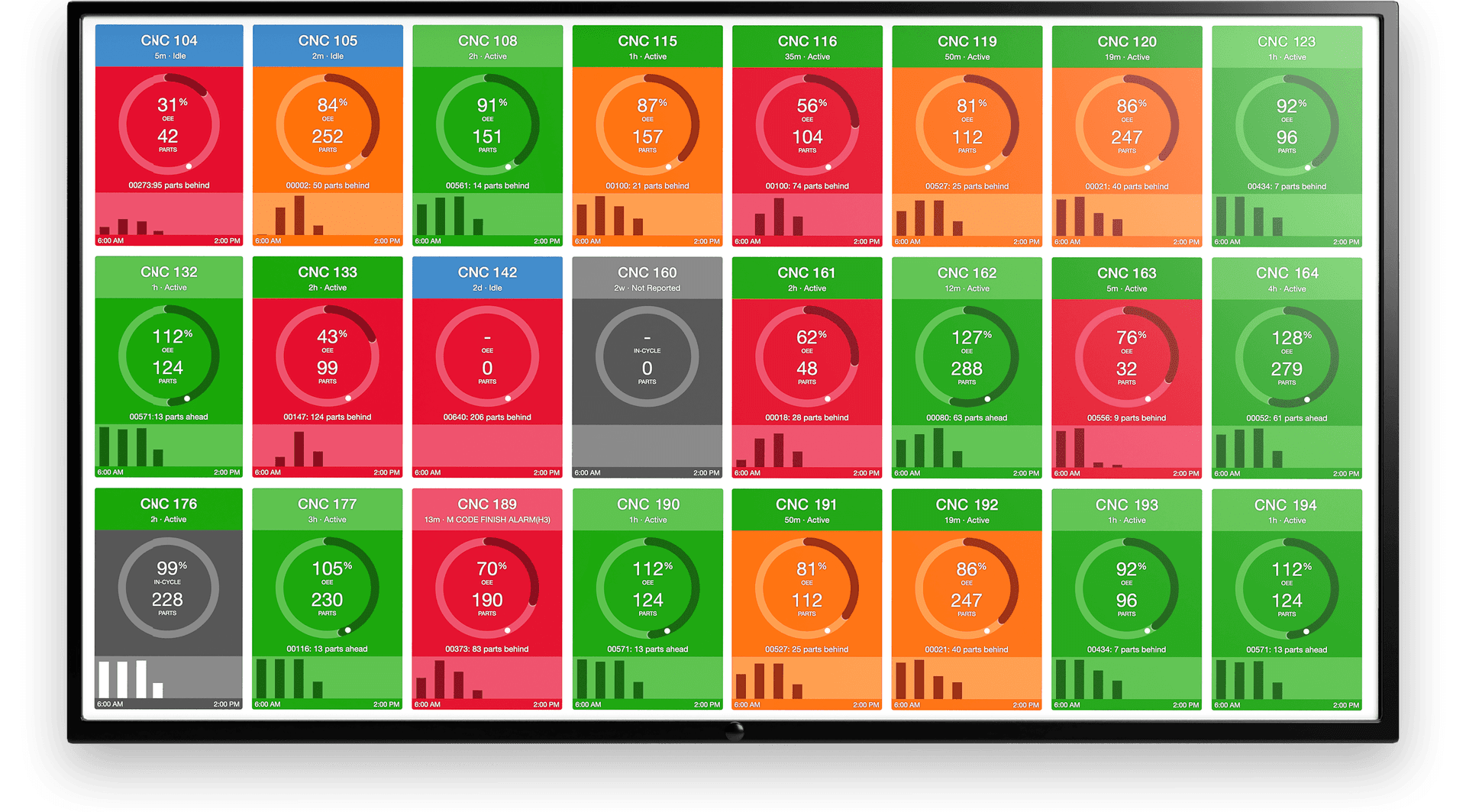
An Industrial Display Board is a rugged digital display designed specifically for factory and industrial environments. It automatically displays real-time production and operational information collected from manufacturing machines, sensors, and software systems.
Unlike traditional notice boards or manually updated production charts, industrial display boards refresh automatically, ensuring that displayed information is always current and accurate.
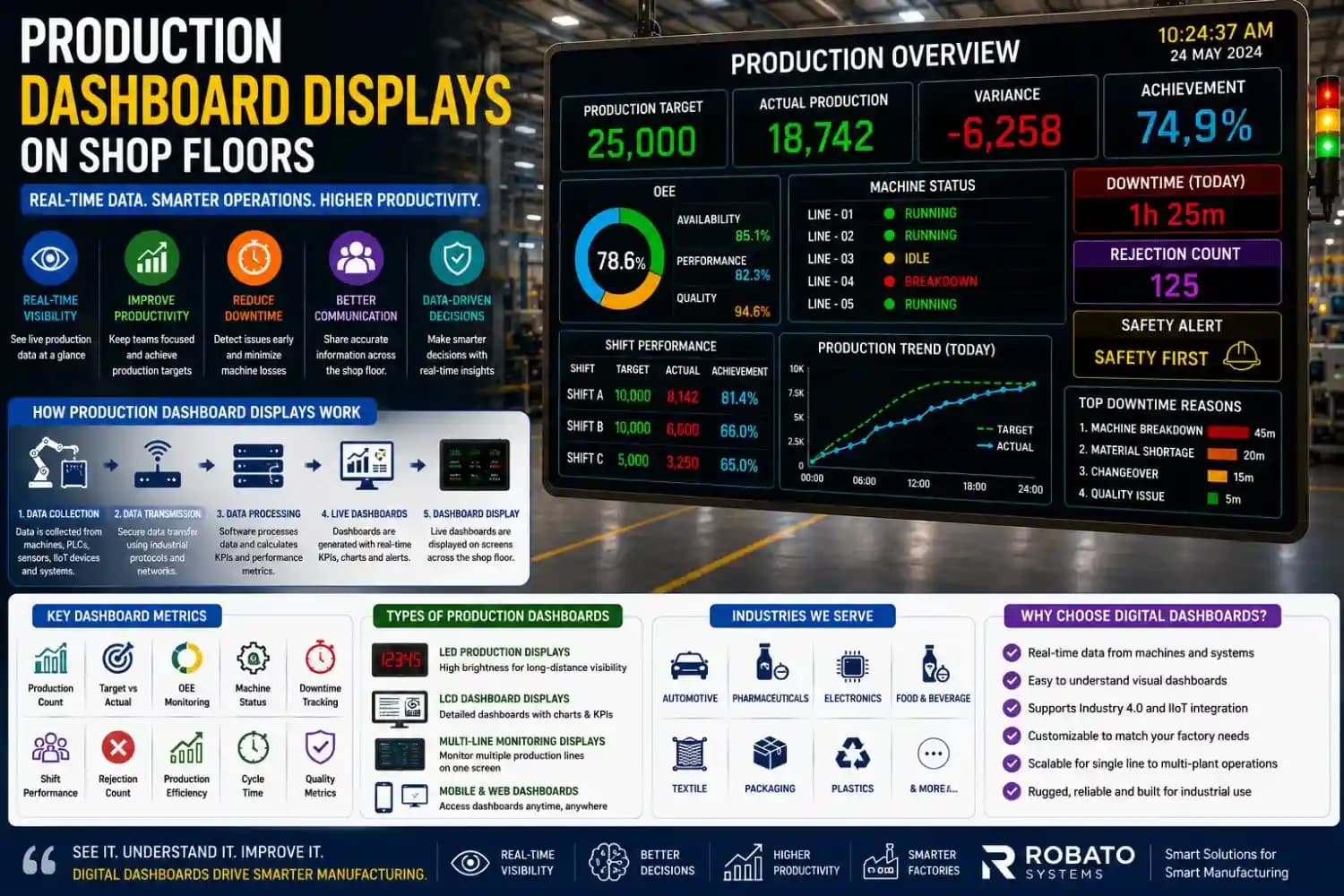
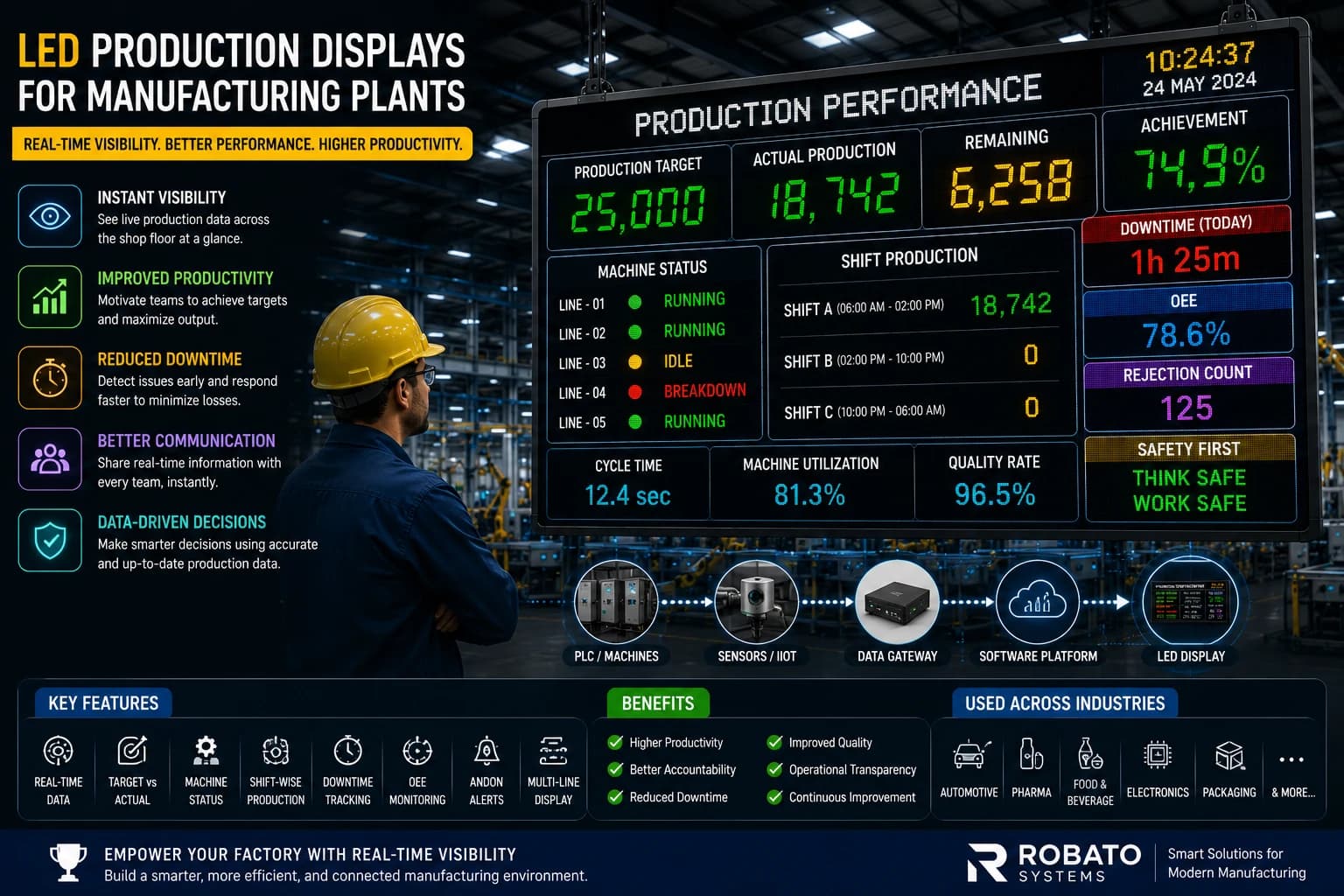
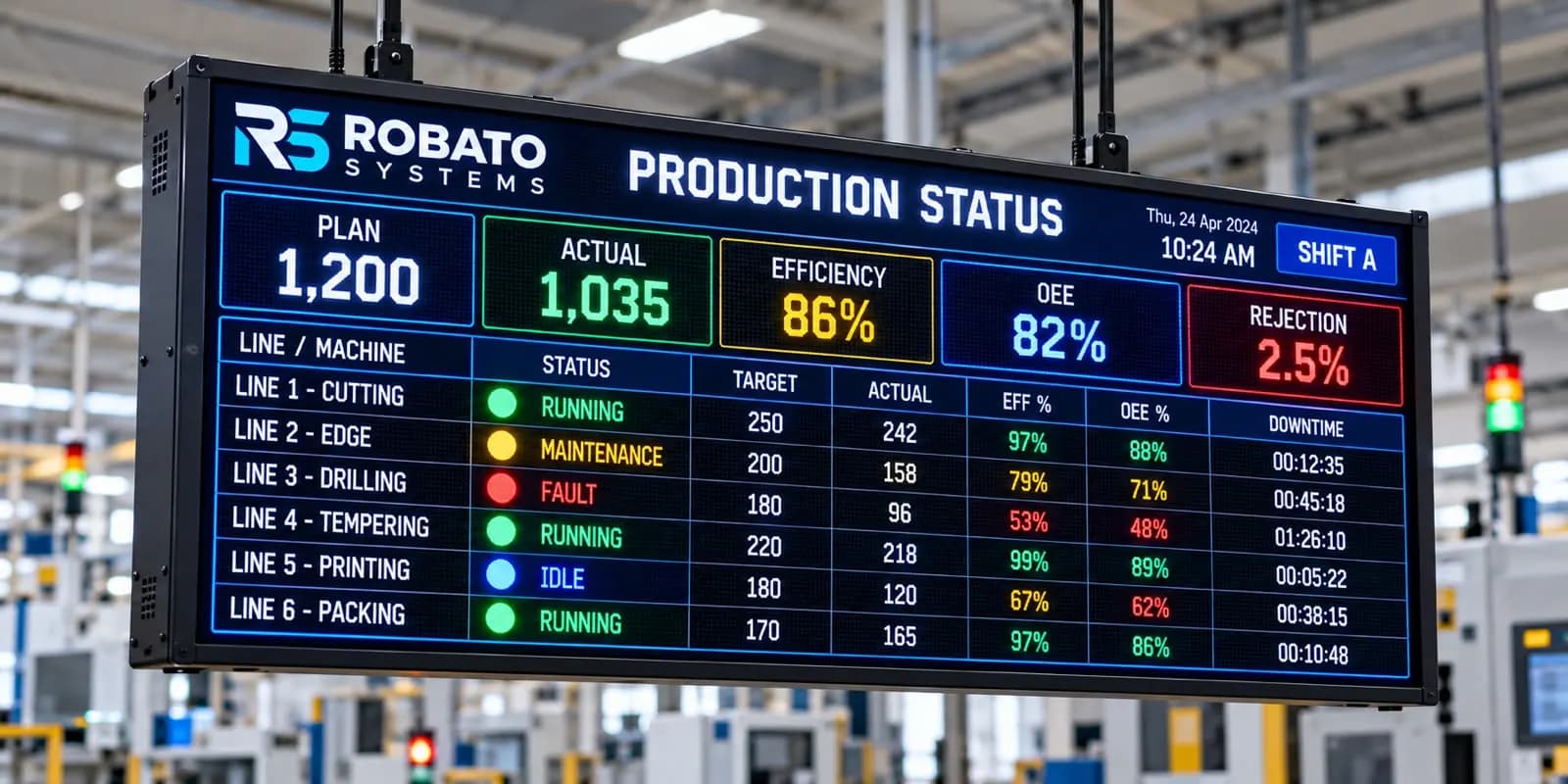
Typical information displayed includes:
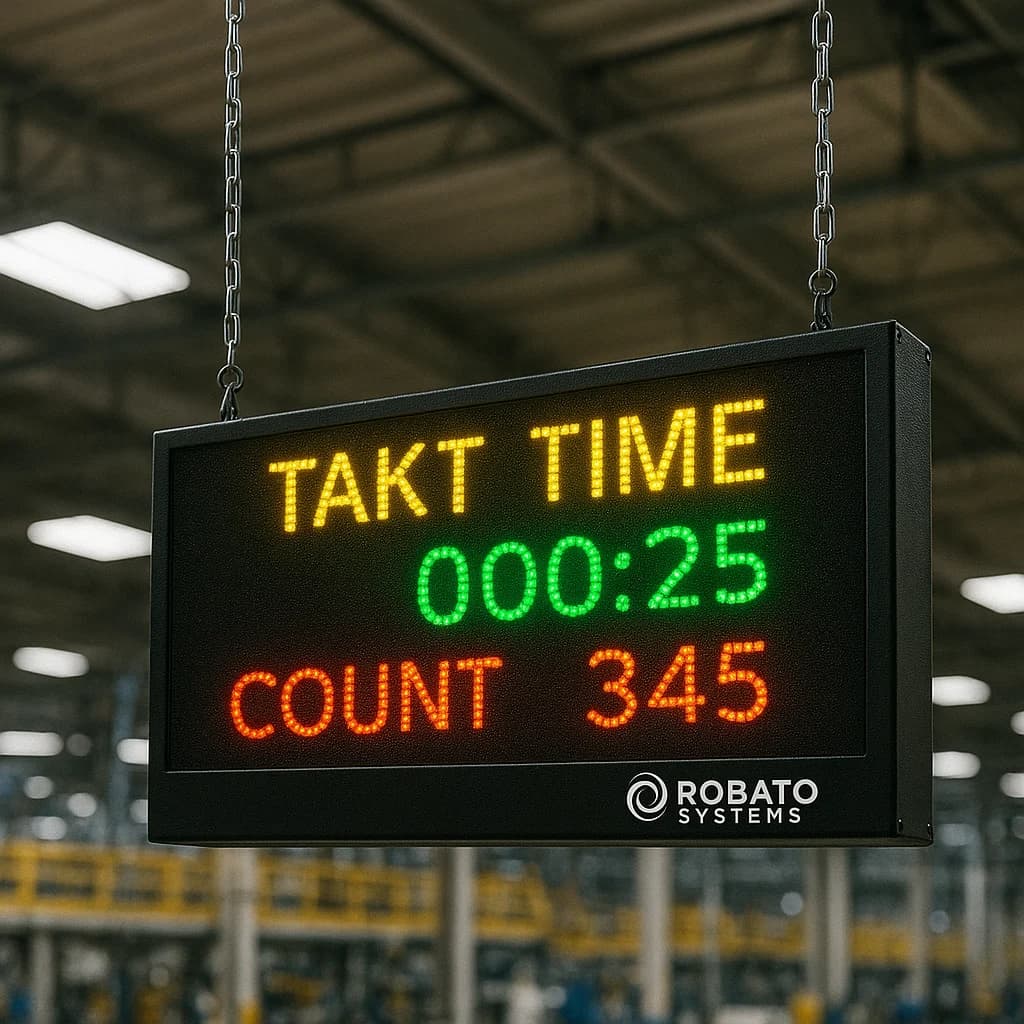
- Production count
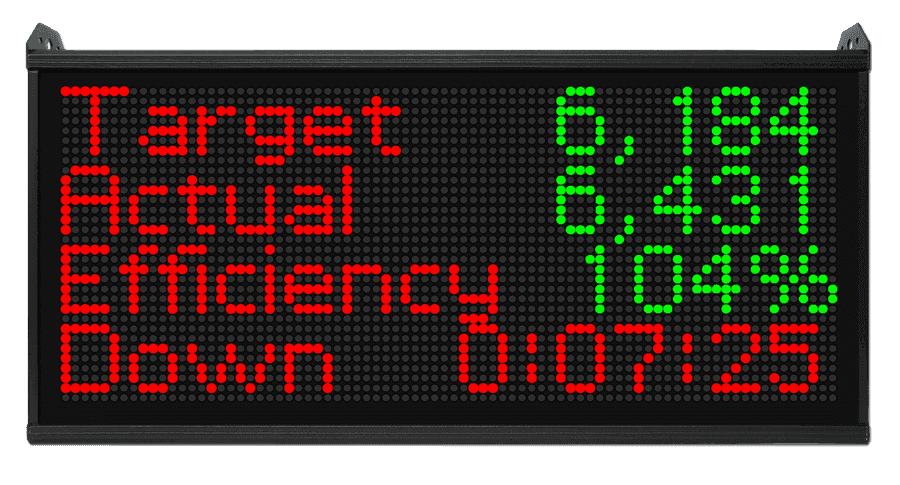
- Target vs actual production
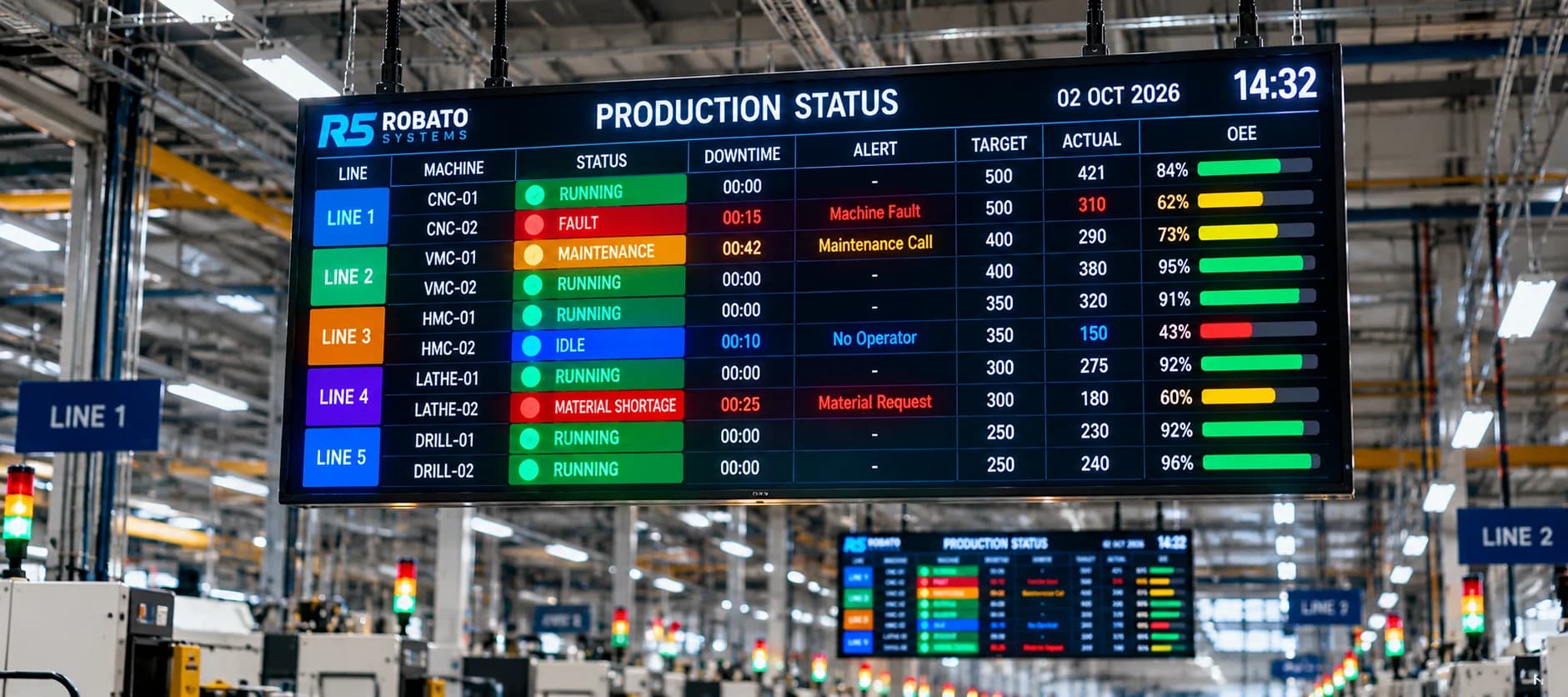
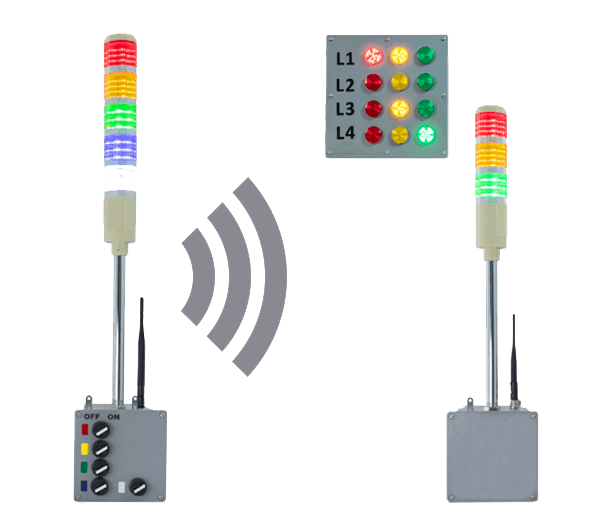
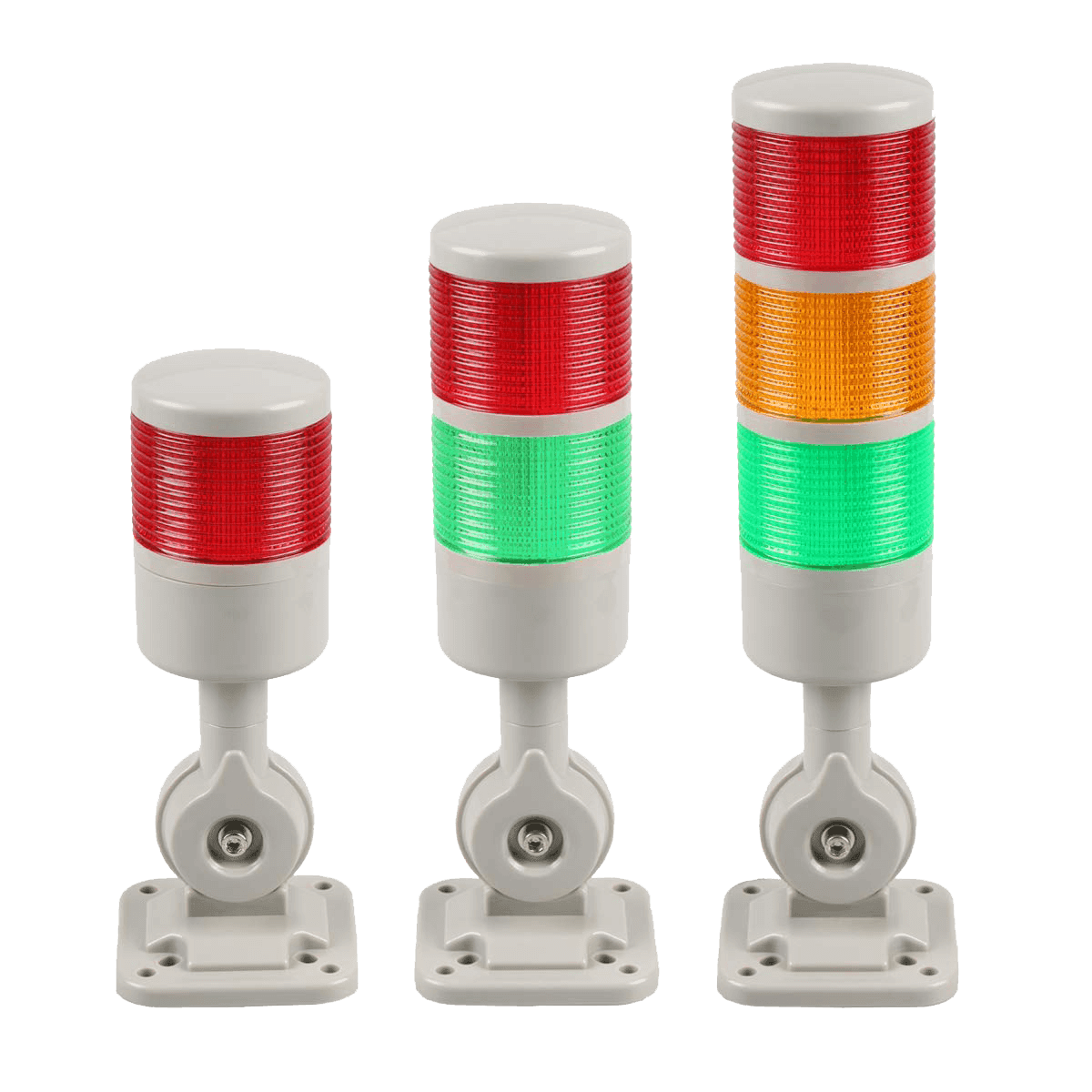
- Machine status
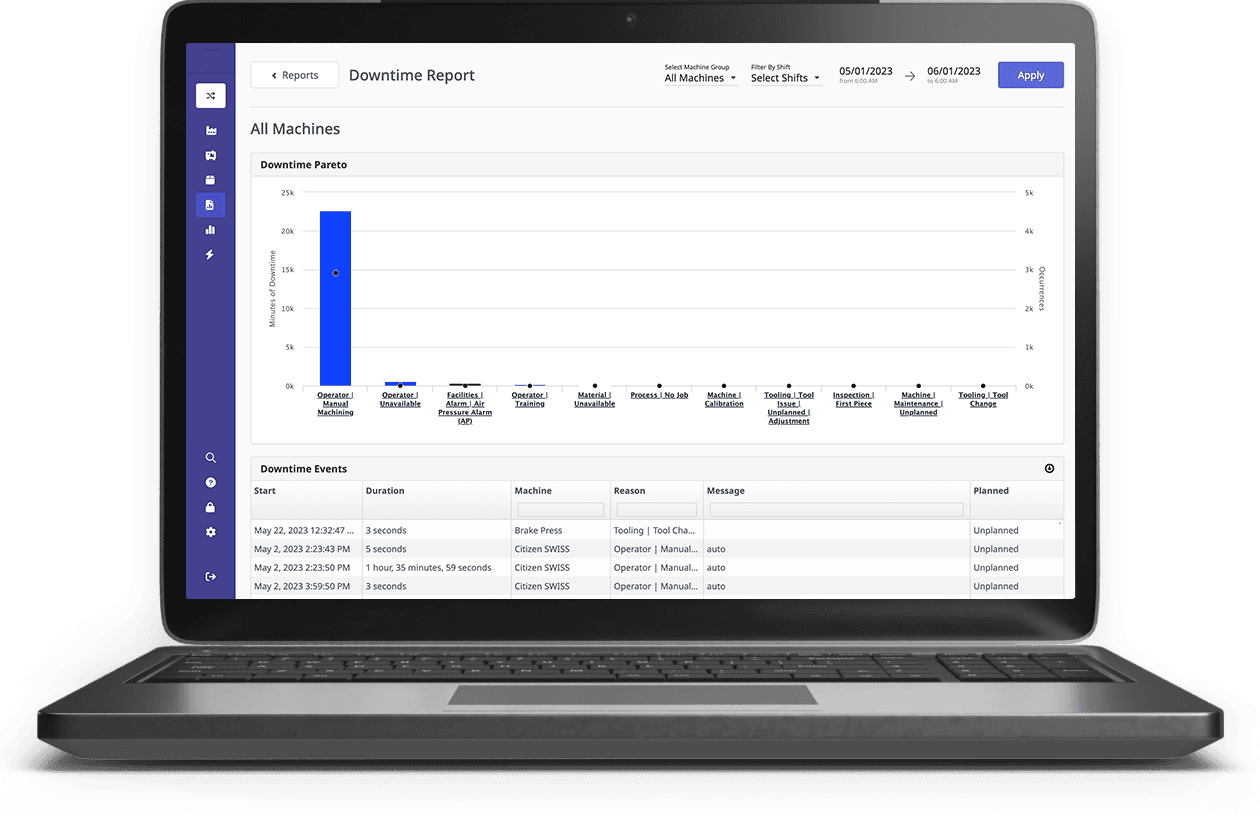
- Downtime alerts
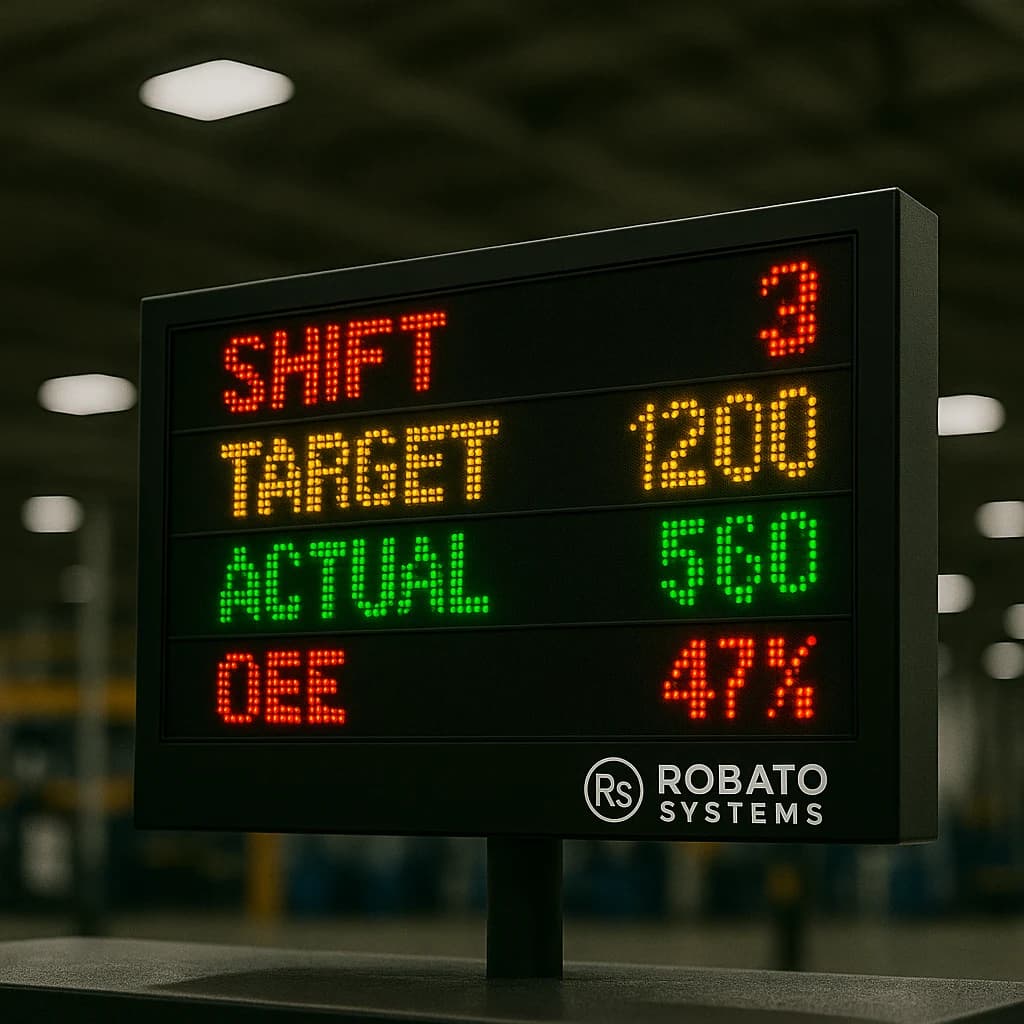
- Shift performance Overall Equipment Effectiveness (OEE)
- Rejection count
- Safety messages
- Maintenance alerts
- Production efficiency
- Factory announcements
These displays create a transparent manufacturing environment where everyone can monitor production performance at a glance.
Why Industrial Display Boards are Essential
Modern manufacturing depends on instant access to operational information. Delayed communication can lead to longer downtime, missed production targets, and lower productivity.
Industrial display boards help manufacturers by:
- Improving production visibility
- Reducing communication delays
- Supporting faster decision-making
- Increasing operator accountability
- Enhancing safety awareness
- Improving production efficiency
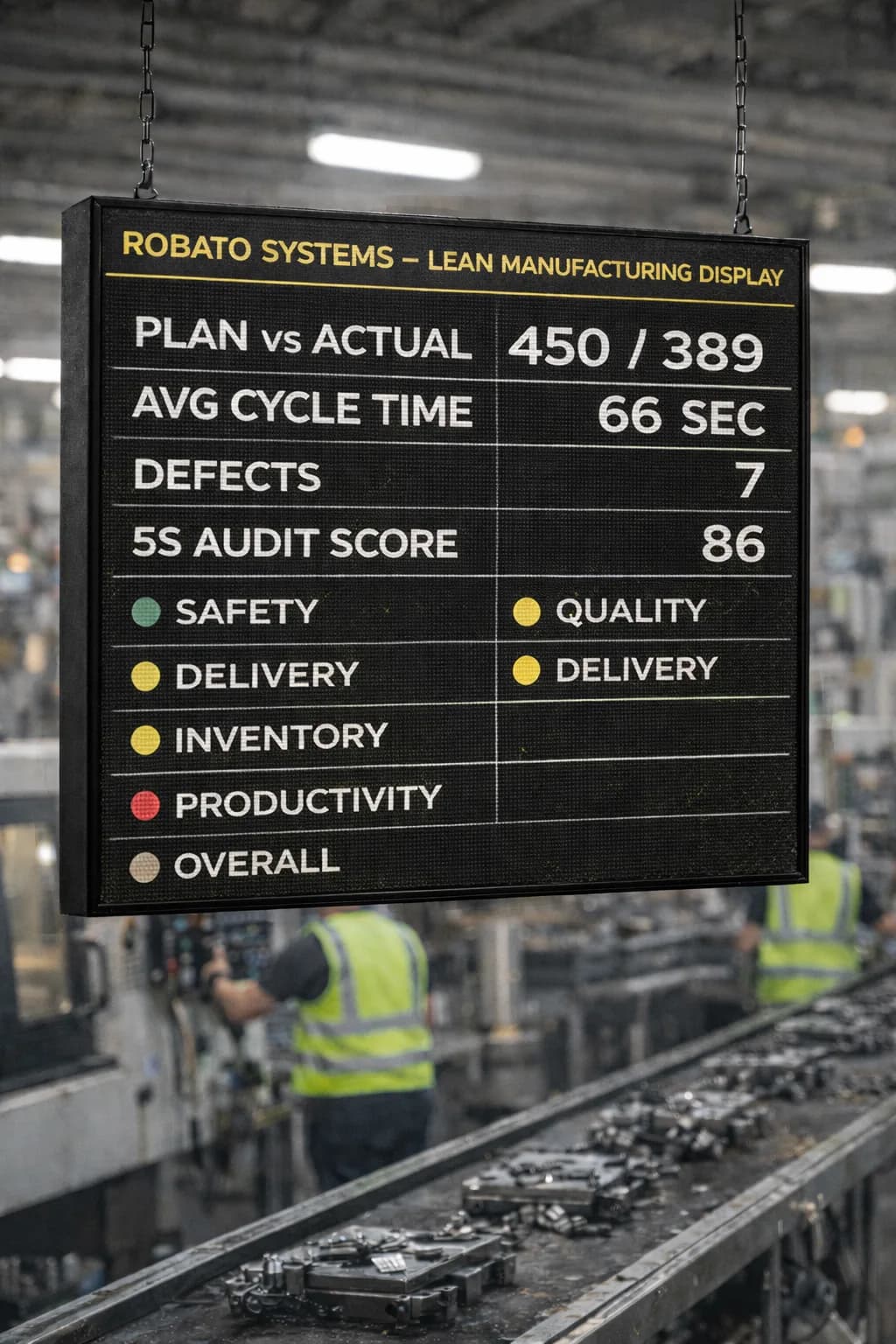
- Supporting Lean manufacturing initiatives
By making important production information visible across the shop floor, manufacturers create a culture of transparency and continuous improvement.
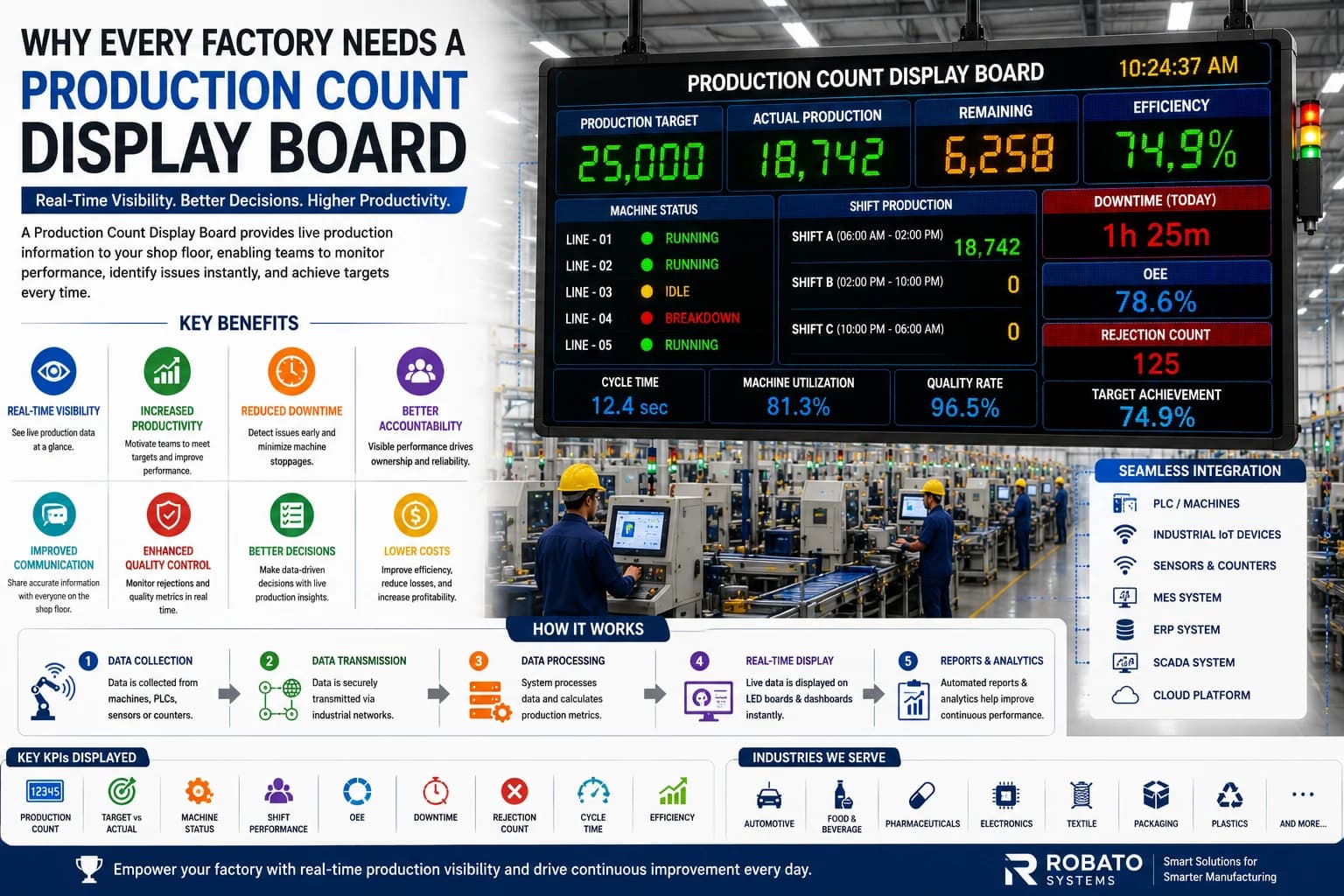
How Industrial Display Boards Work
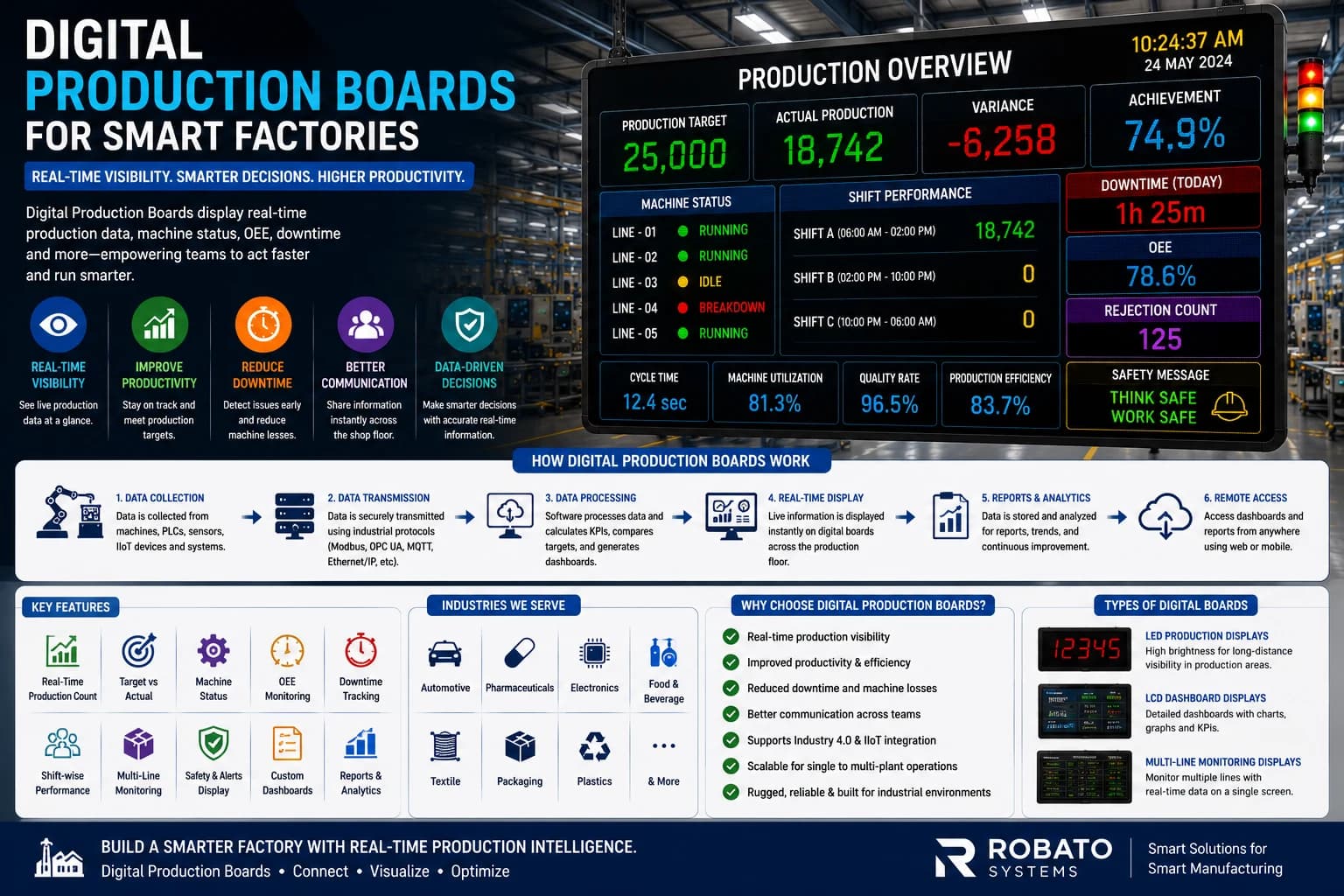
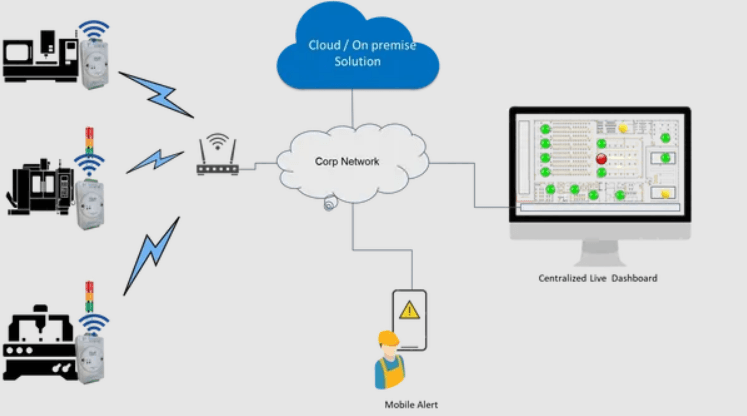
Industrial display boards function through automated data collection and real-time visualization.
Step 1: Data Collection
Production and operational data is collected from:
- PLCs
- Industrial IoT sensors
- Machine controllers
- Barcode scanners
- RFID systems
- MES software
- ERP platforms
- SCADA systems
Step 2: Data Processing
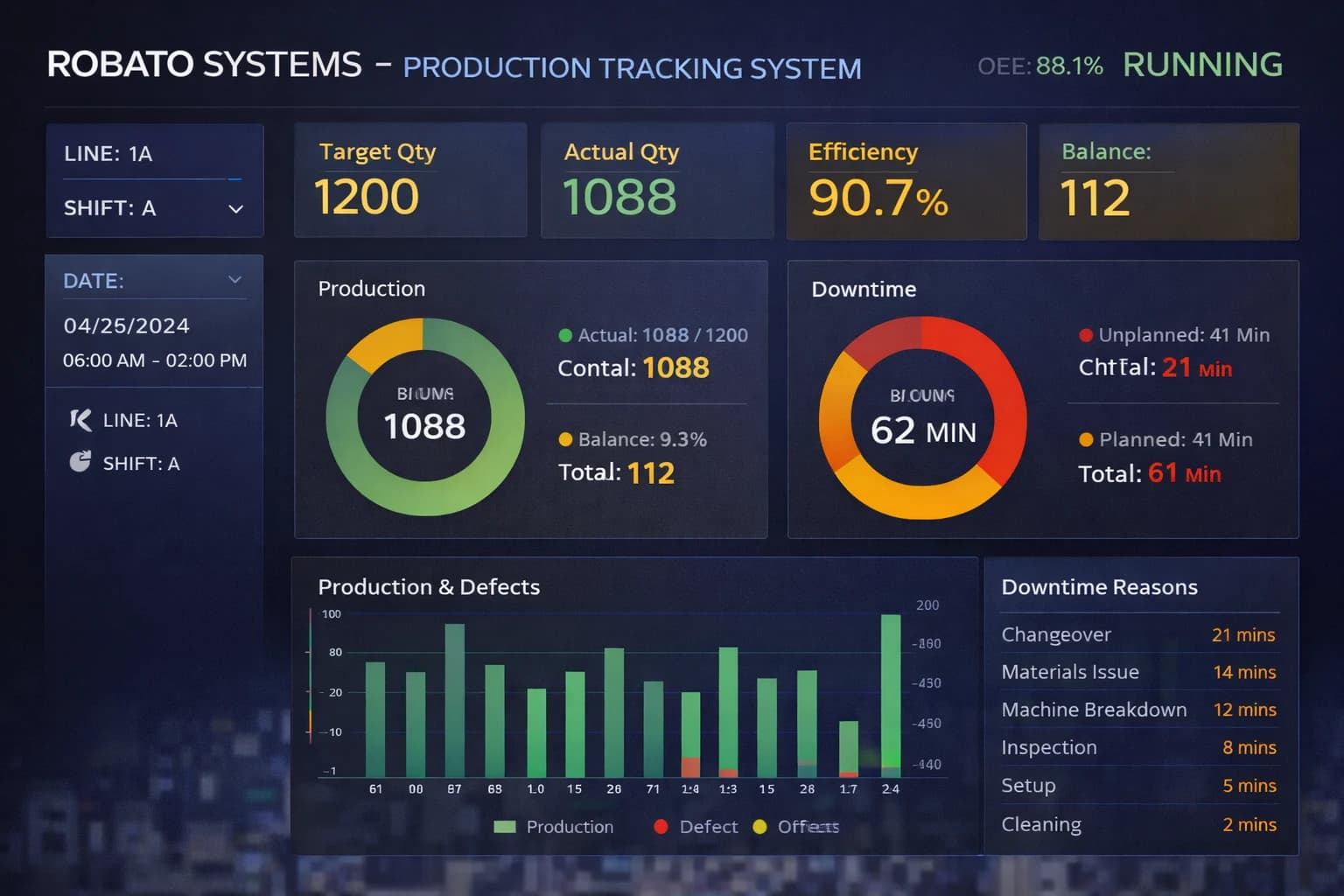
Production monitoring software processes incoming data and calculates important manufacturing KPIs such as:
- Production output
- Machine utilization
- OEE
- Downtime
- Production efficiency
Step 3: Live Display
The processed information is displayed instantly on industrial LED or LCD display boards installed throughout the production facility.
Displays update automatically whenever new production data is received.
Key Features of Industrial Display Boards
Real-Time Production Display
Show current production quantities and progress throughout the manufacturing shift.
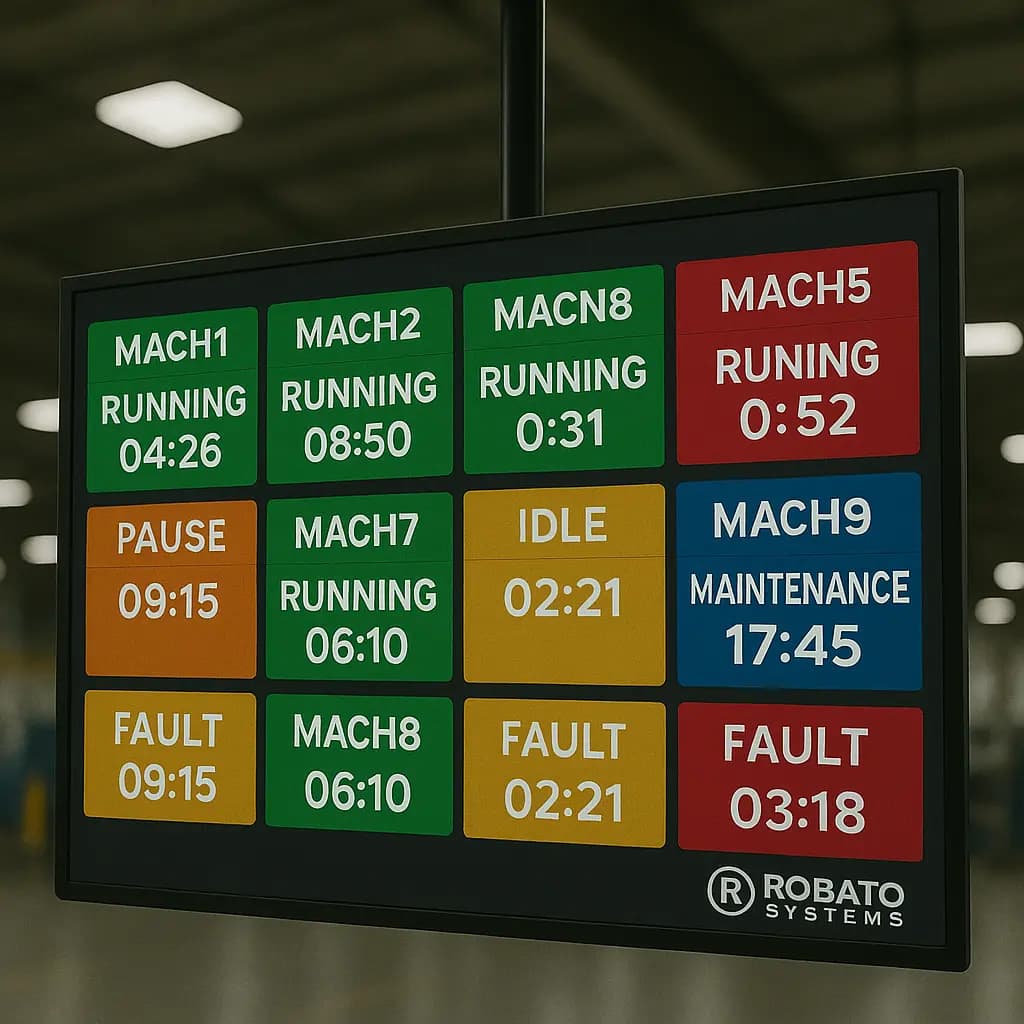
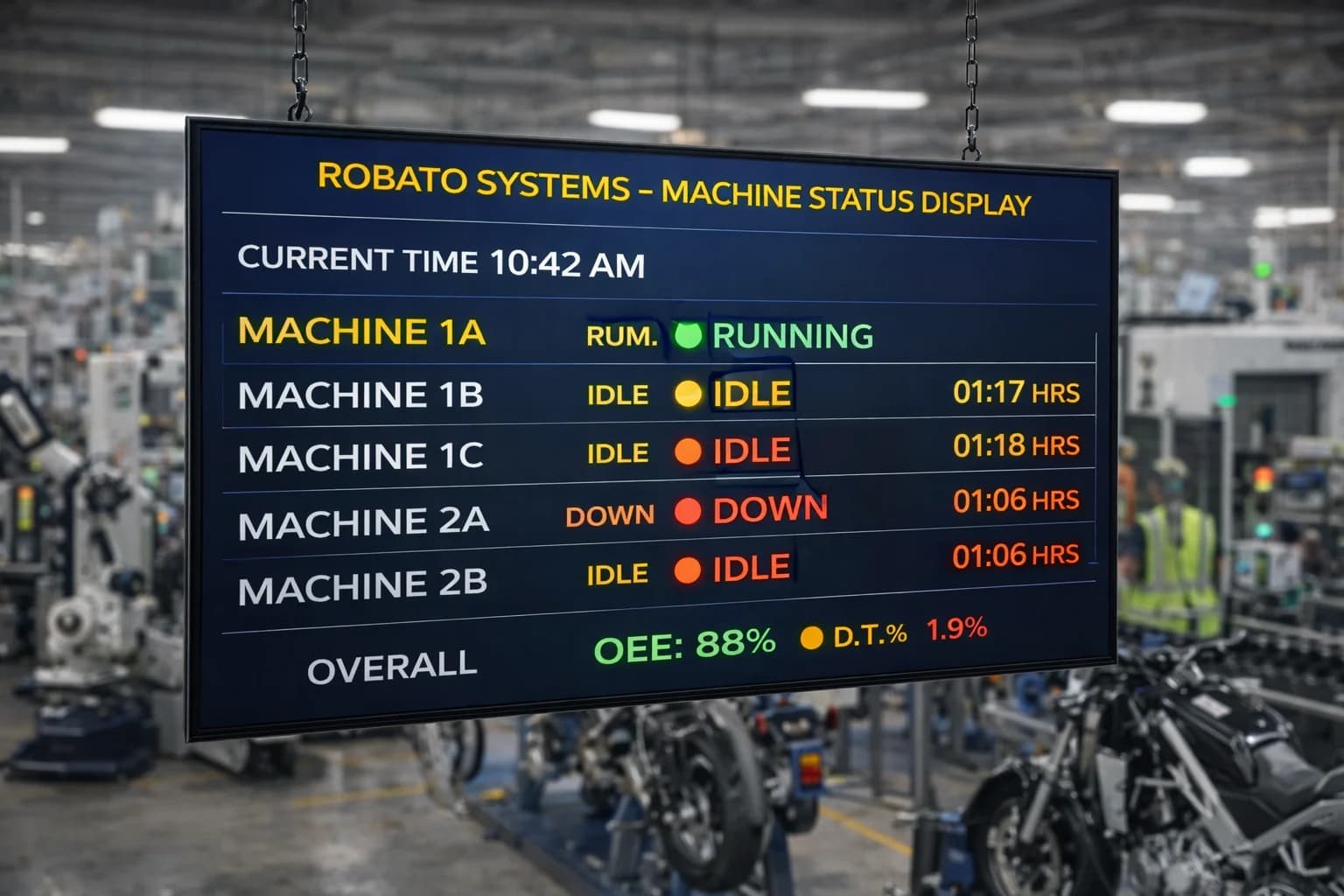
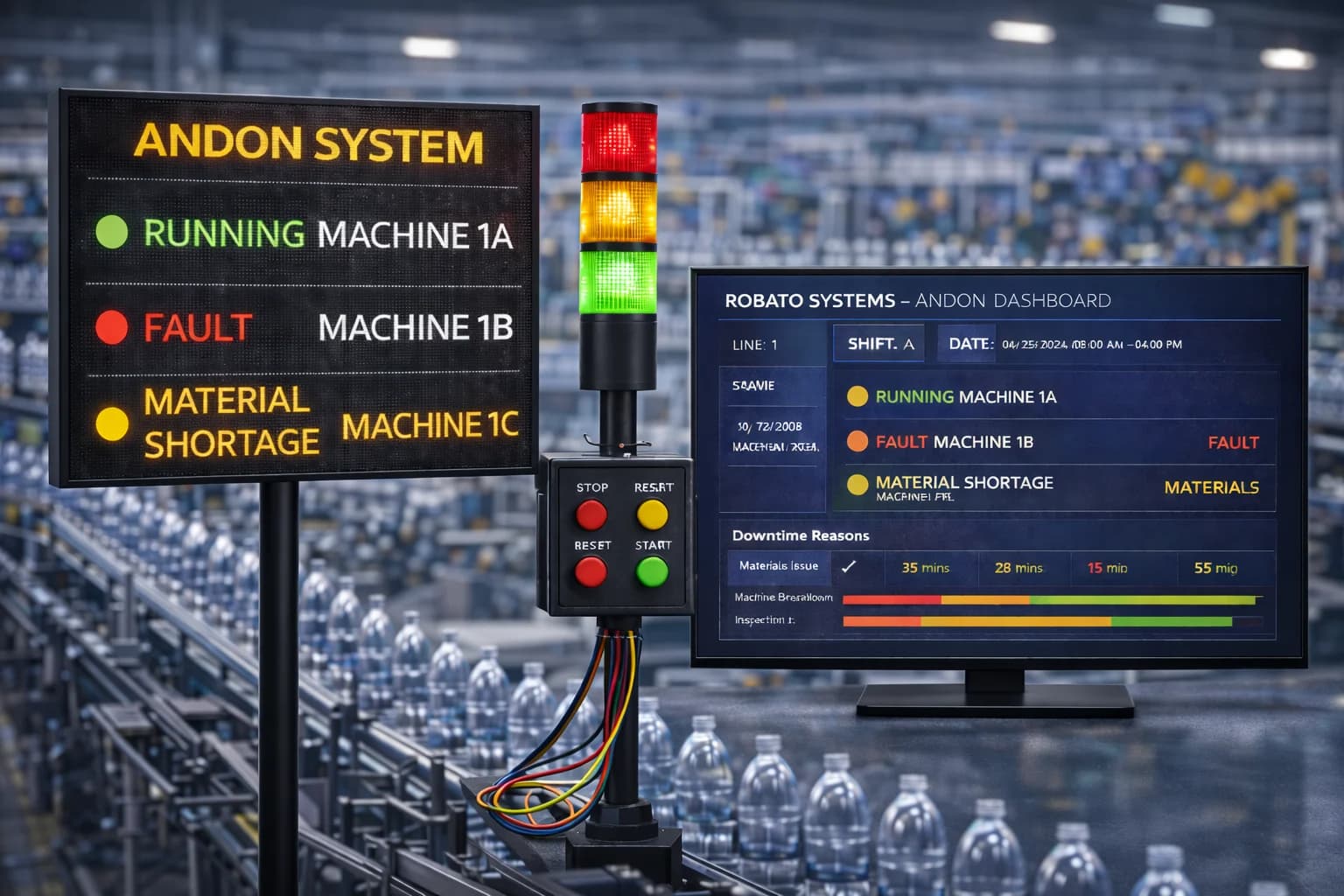
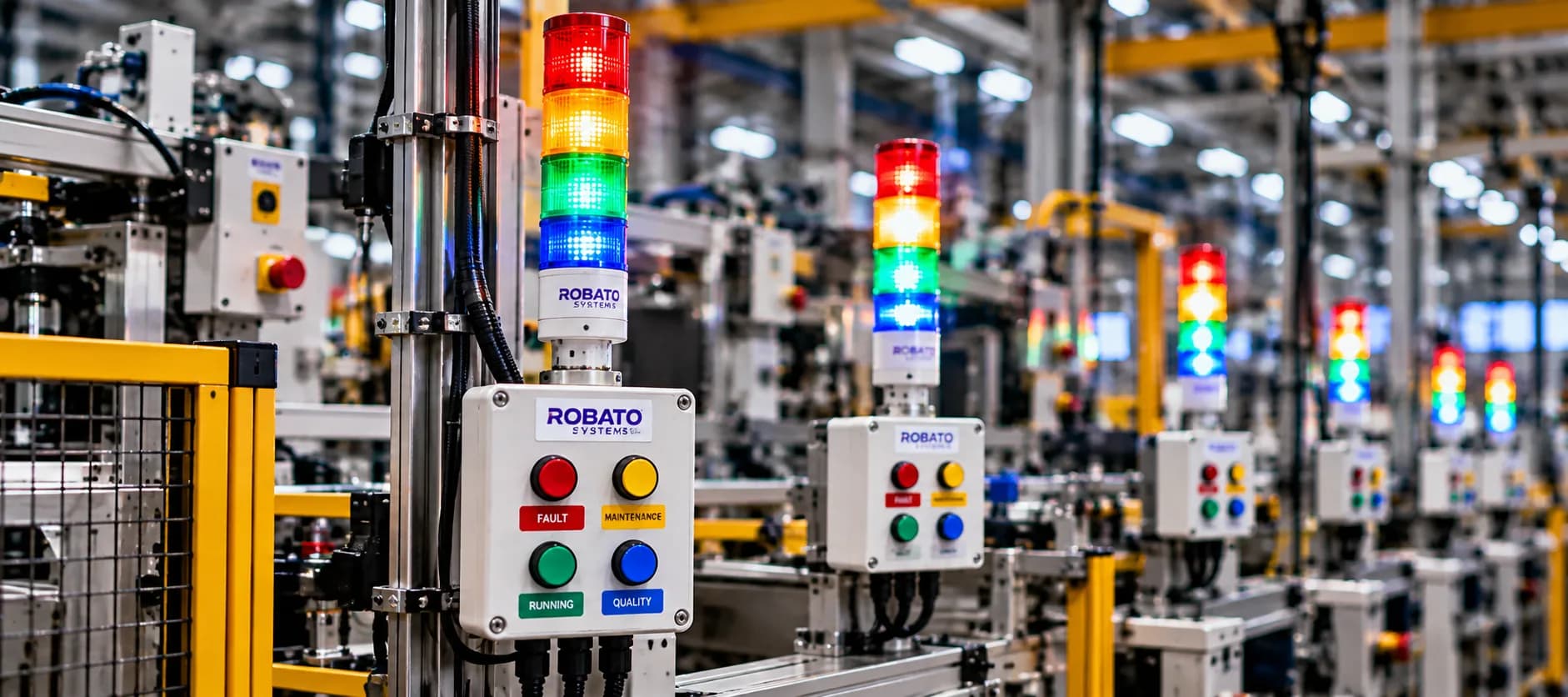
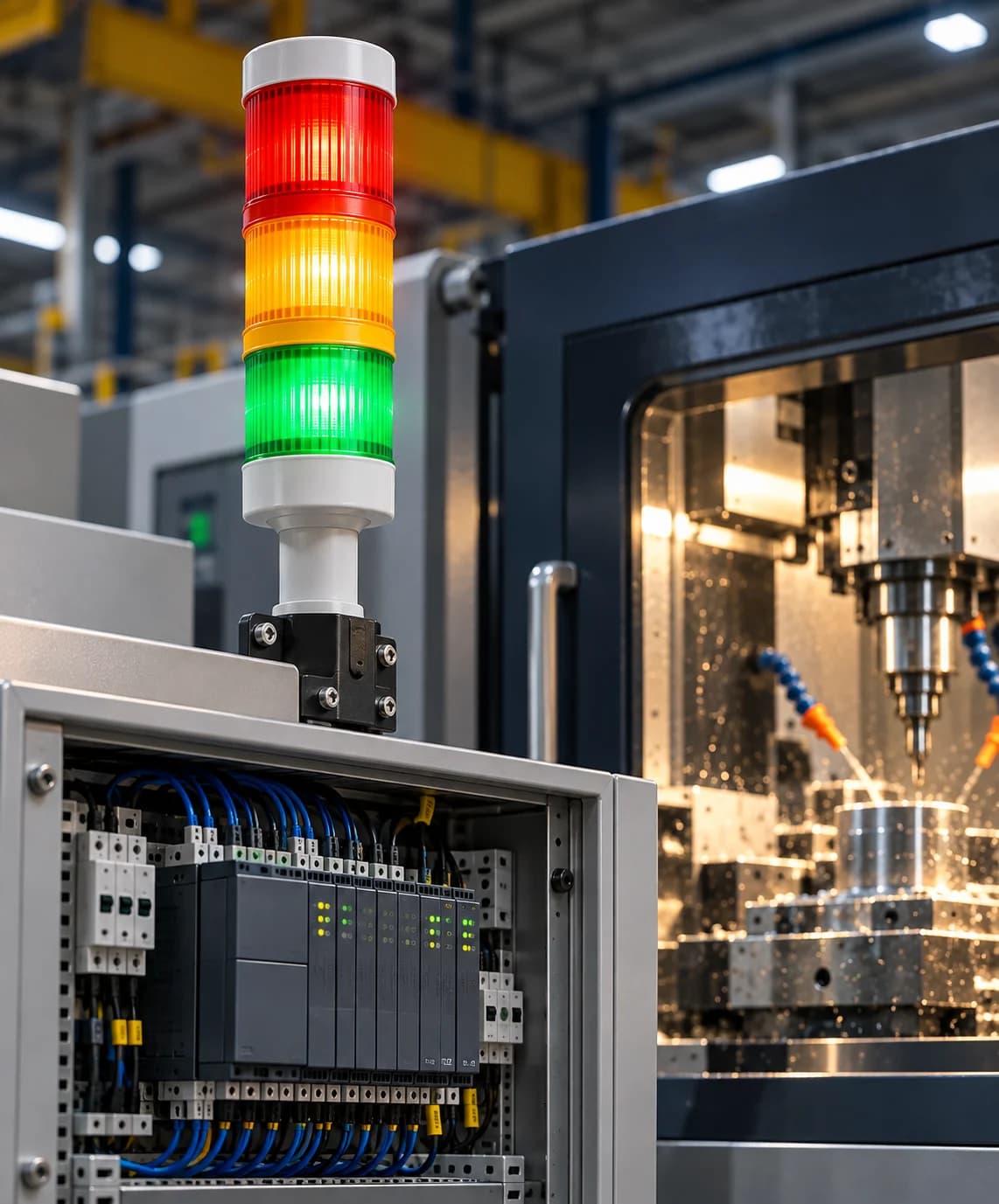
Machine Status Monitoring
Display equipment conditions including:
- Running
- Idle
- Breakdown
- Maintenance
- Setup
Immediate visibility helps maintenance teams respond faster.
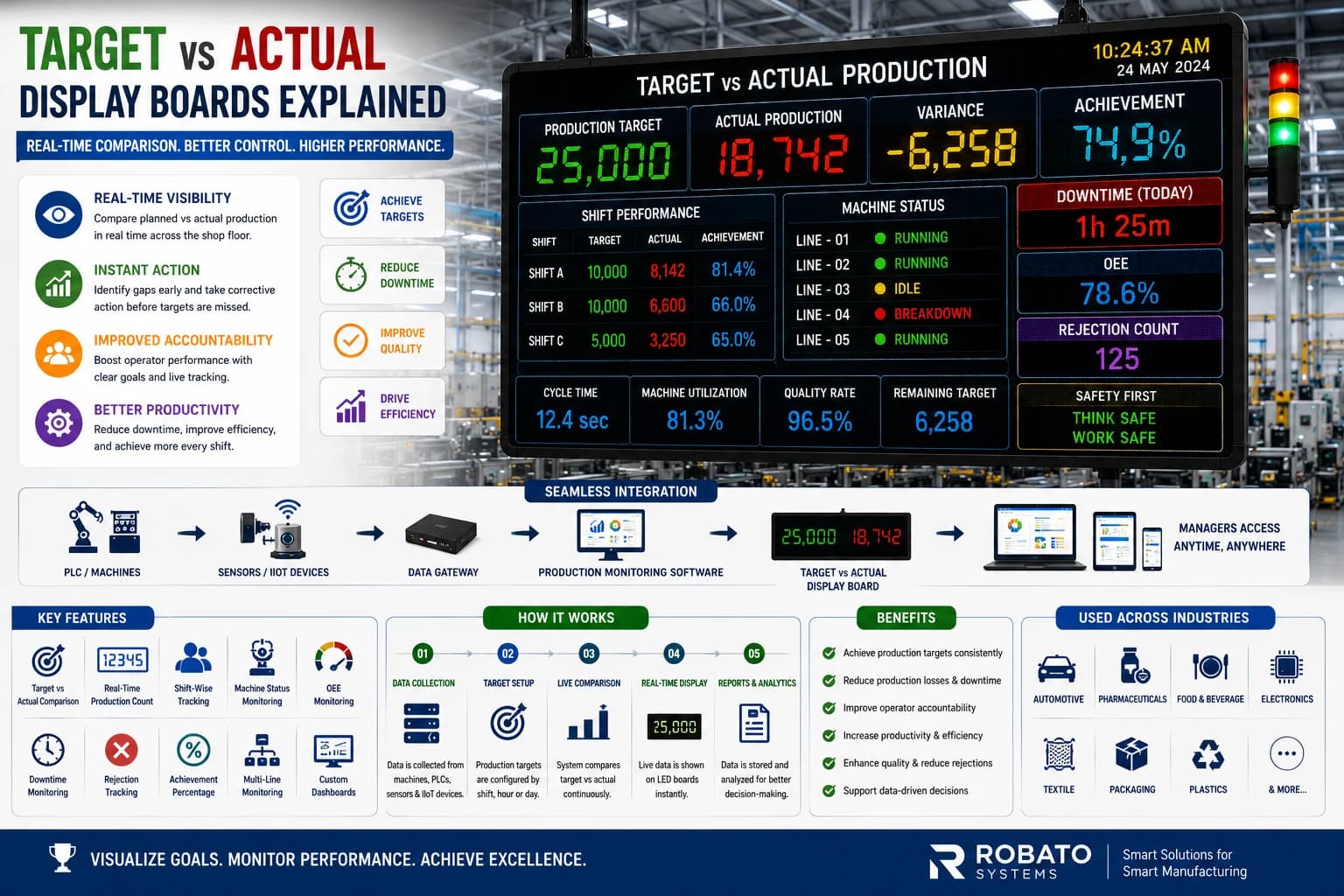
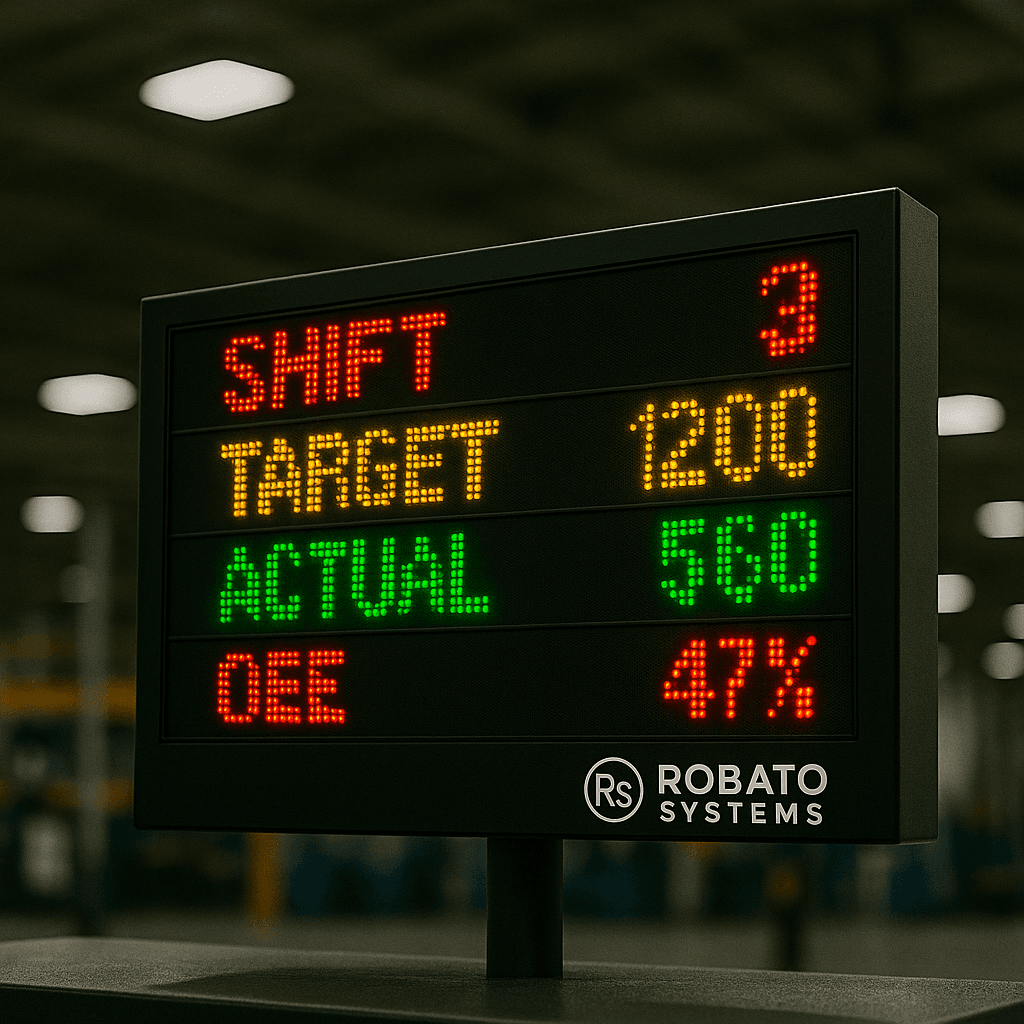
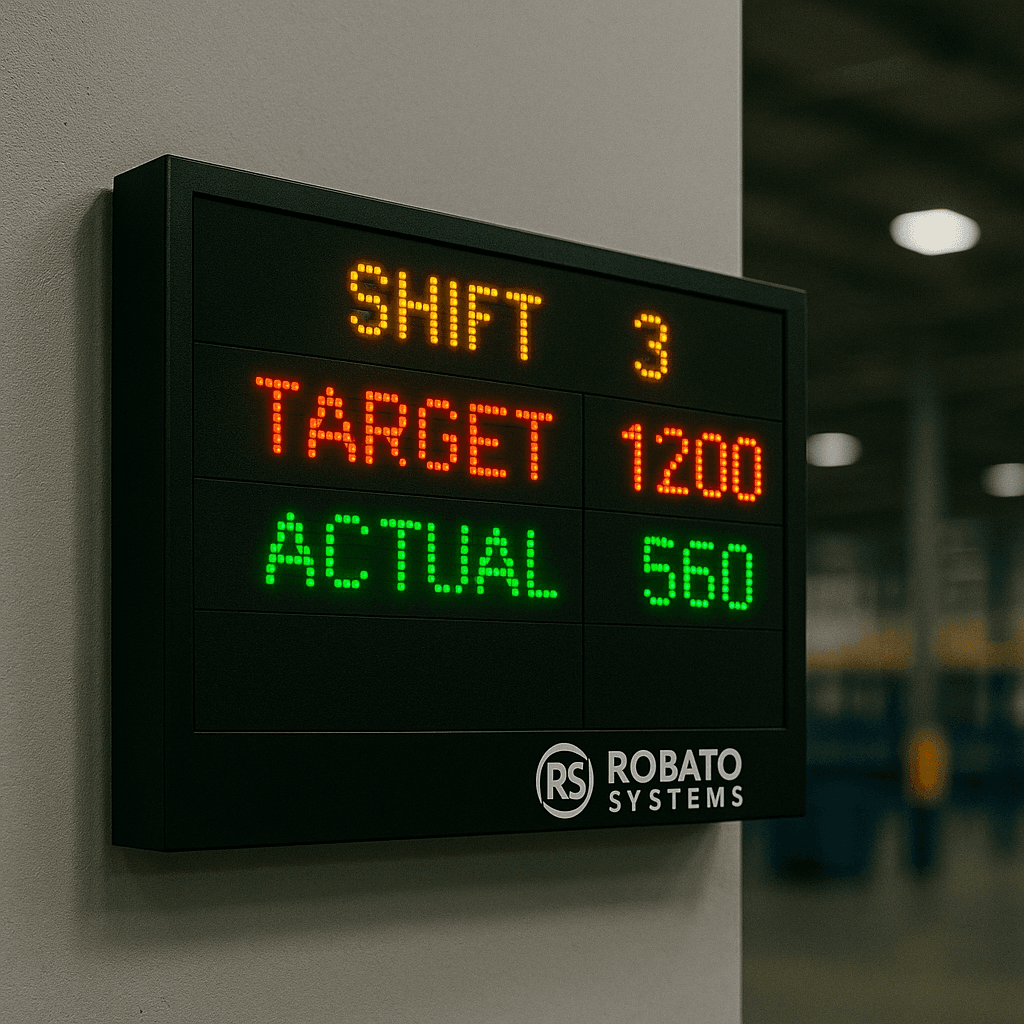
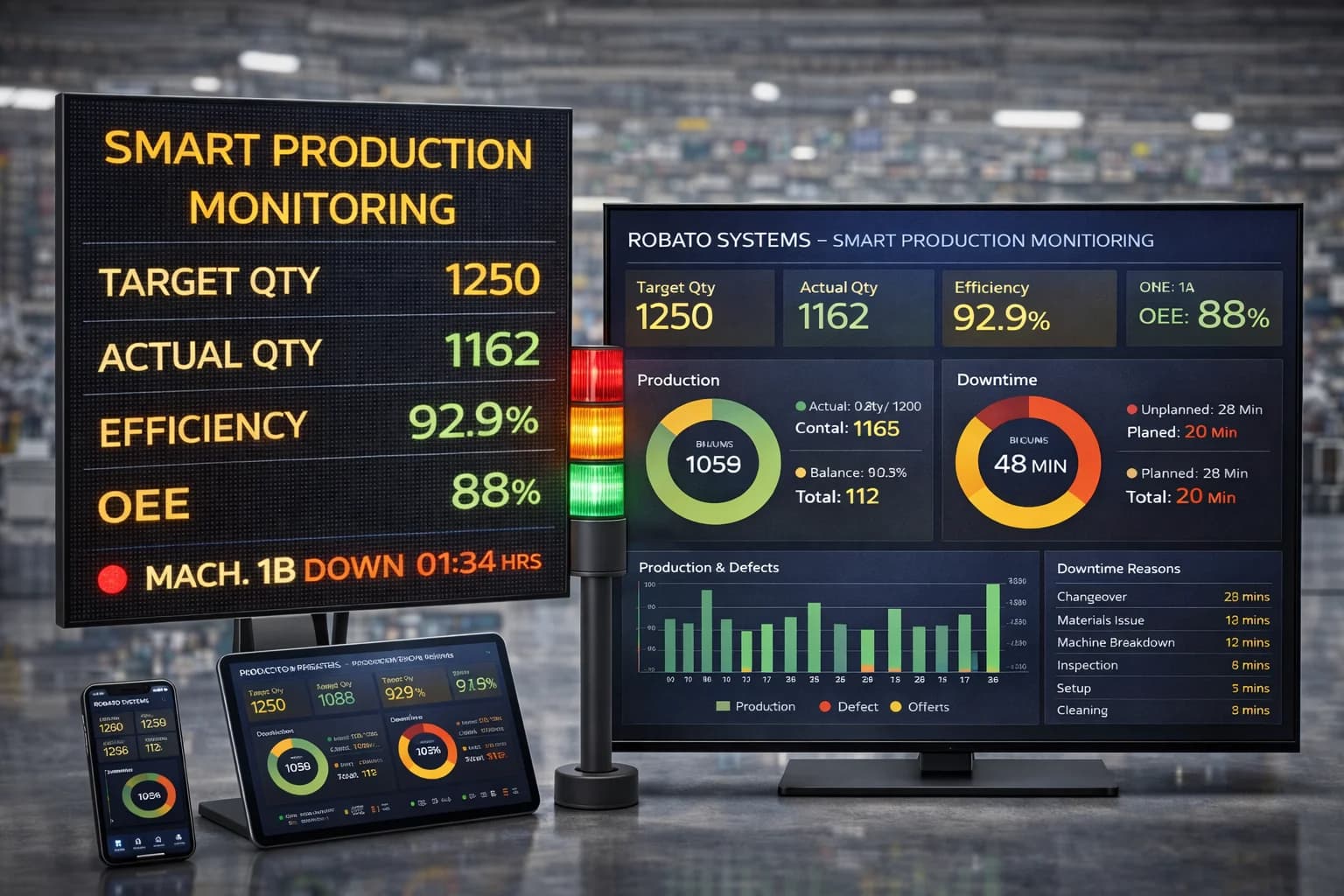
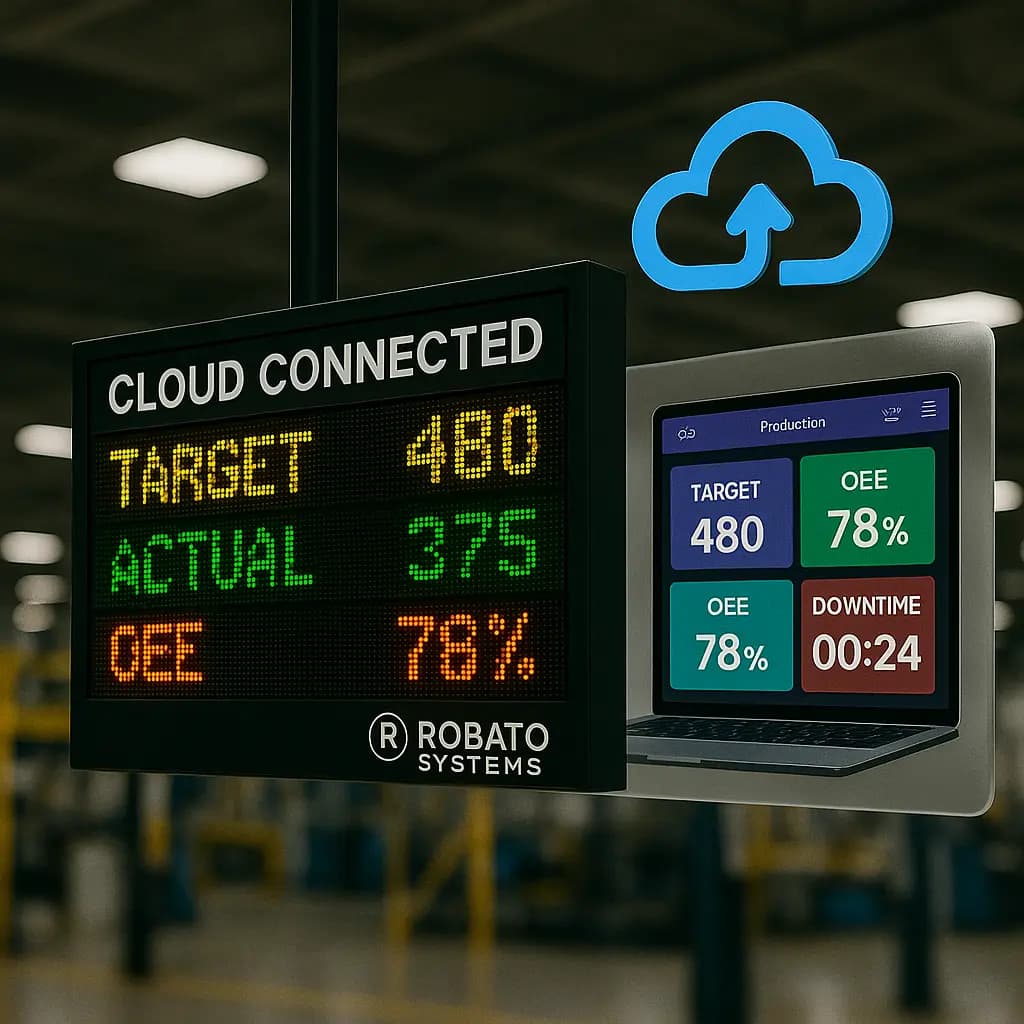
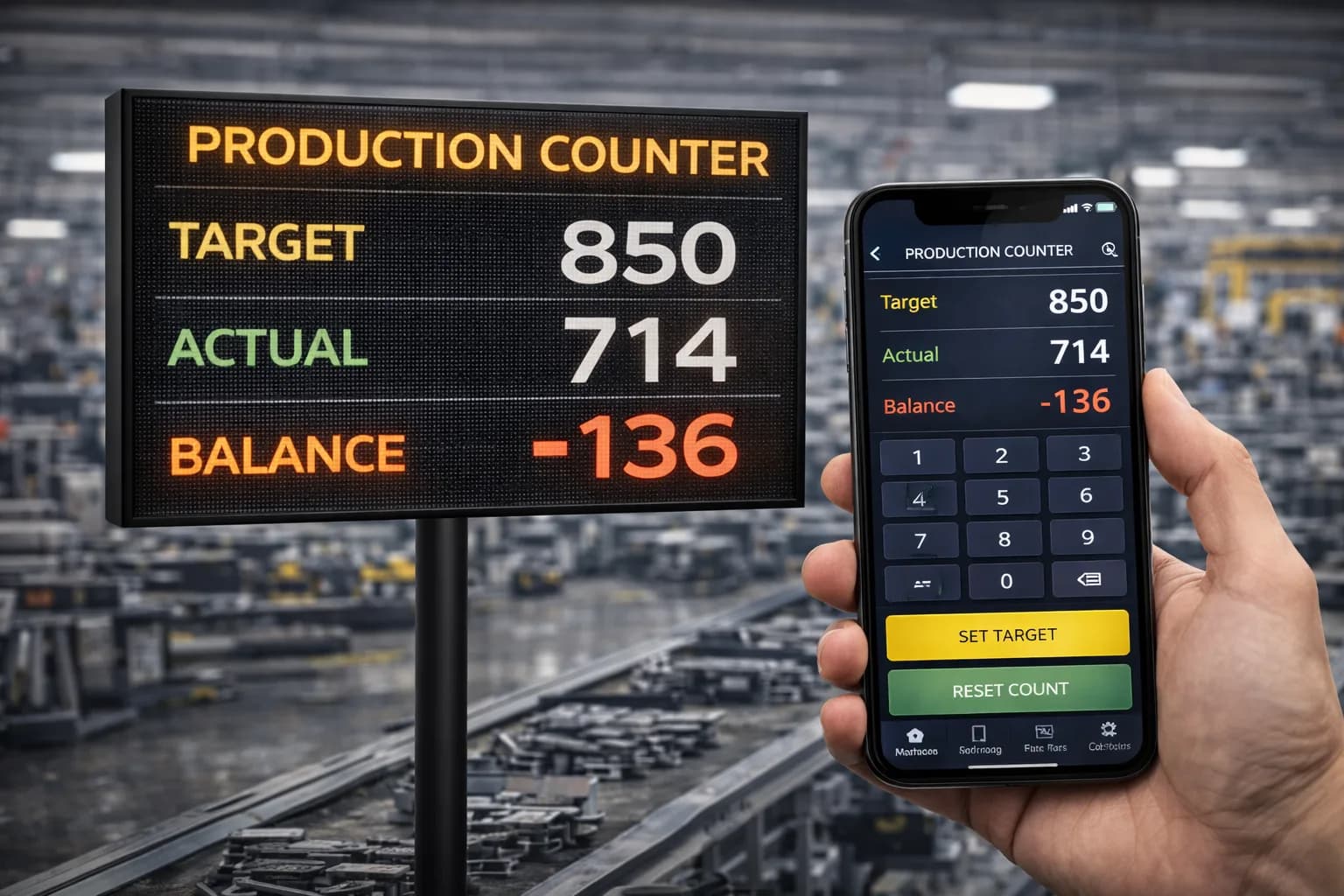
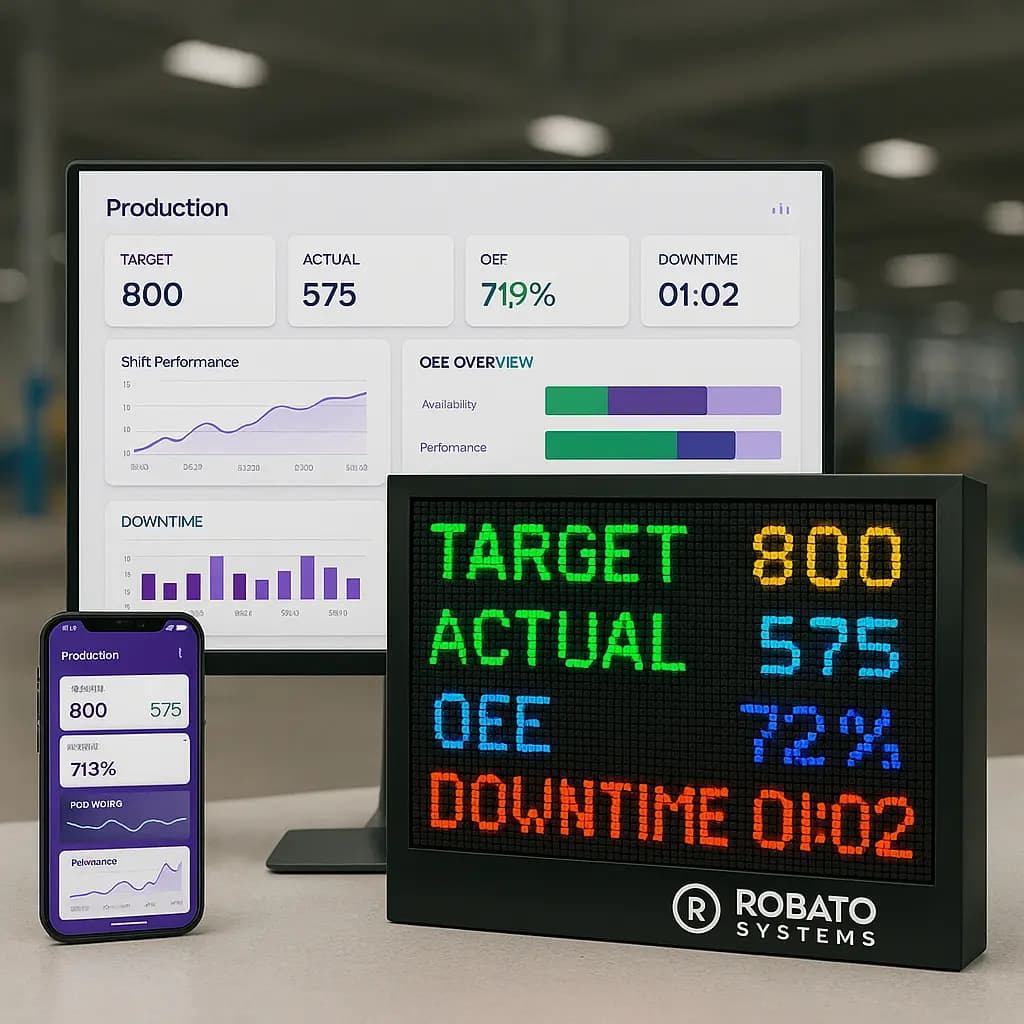
Target vs Actual Production
Compare planned production with actual output continuously.
This helps supervisors detect production delays early.
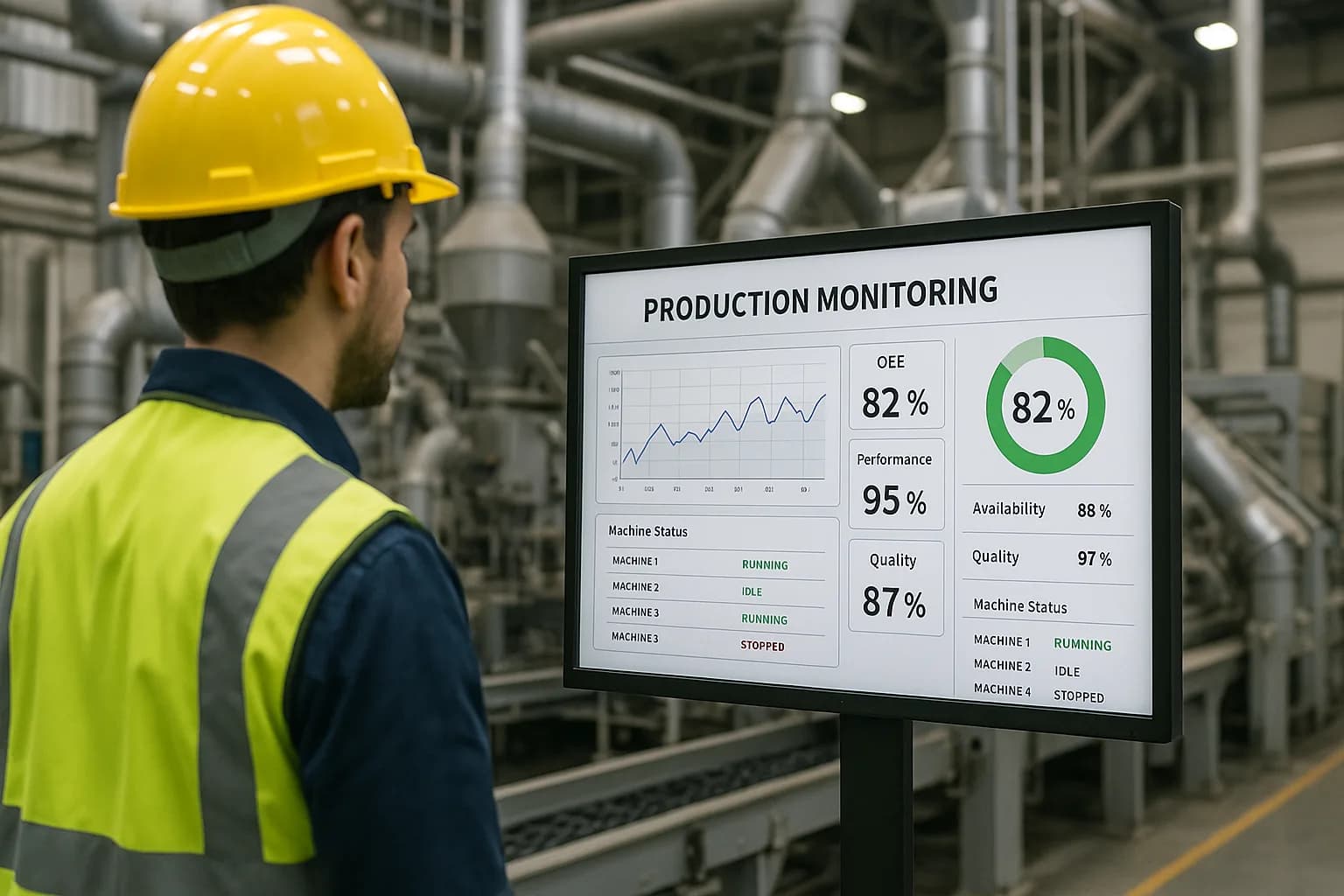
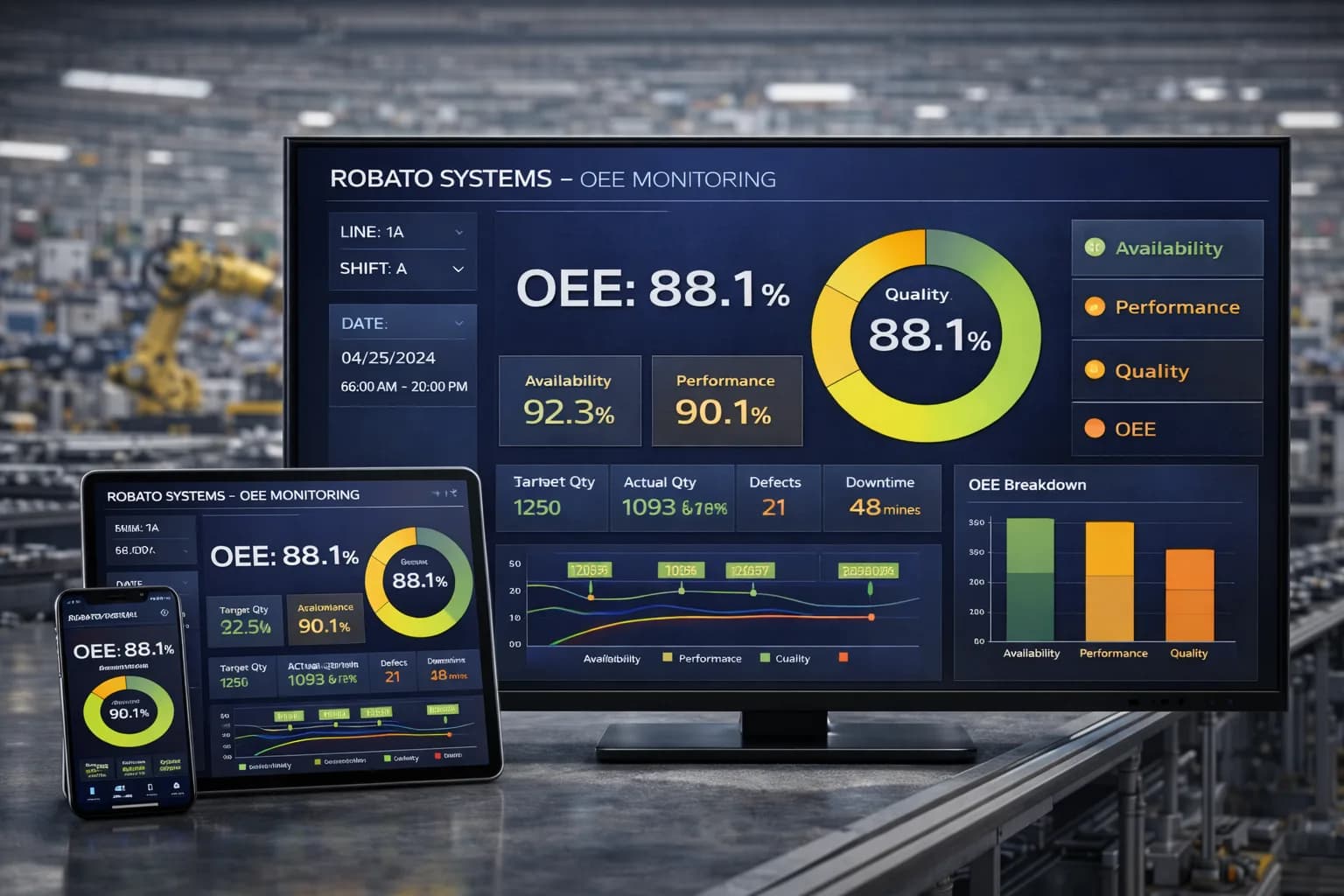
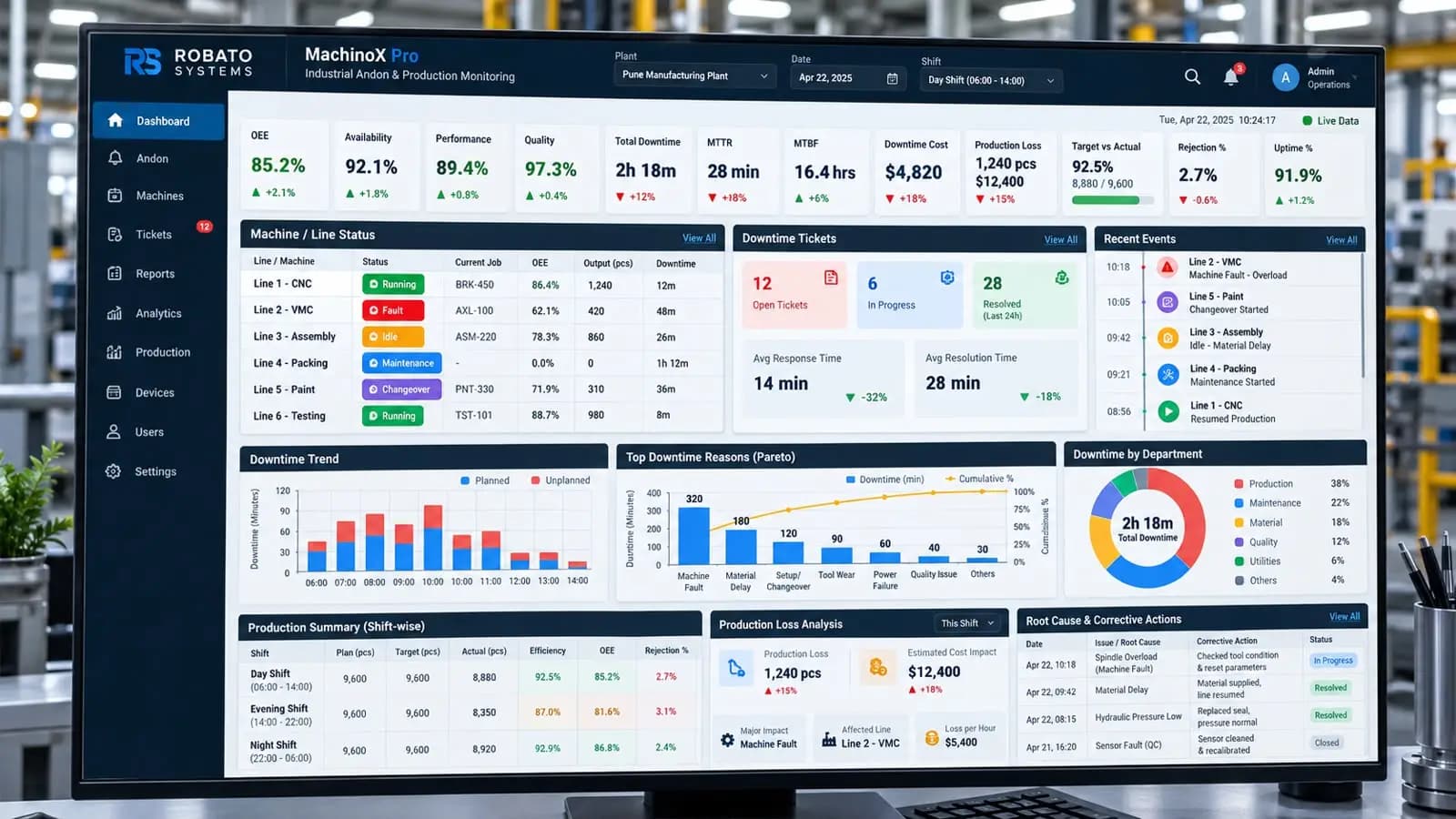
OEE Dashboard
Display:
- Availability
- Performance
- Quality
- Overall Equipment Effectiveness
These KPIs provide insight into equipment productivity.
Downtime Alerts
Automatically display machine stoppages and maintenance notifications.
This minimizes production interruptions.
Shift Performance Monitoring
Track production separately for each manufacturing shift.
Metrics include:
- Shift output
- Efficiency
- Downtime
- Quality performance
Safety Communication
Industrial display boards can display:
- Safety reminders
- Emergency notifications
- Evacuation instructions
- Workplace announcements
Multi-Line Monitoring
Monitor multiple production lines simultaneously using one centralized display.
Ideal for large manufacturing facilities.
Benefits of Industrial Display Boards
Improved Operational Visibility
Everyone on the production floor has access to real-time manufacturing information.
Faster Decision-Making
Managers can respond immediately to production issues instead of waiting for manual reports.
Increased Productivity
Visible production goals encourage operators to maintain output throughout the shift.
Better Communication
Display boards eliminate reliance on verbal communication and manual reporting.
Reduced Downtime
Maintenance teams receive instant alerts whenever machine issues occur.
Improved Quality Management
Quality KPIs and rejection counts help identify manufacturing defects early.
Greater Accountability
Production performance is visible to operators, supervisors, and management.
This encourages ownership and continuous improvement.
Enhanced Lean Manufacturing
Industrial display boards support Lean principles by improving visual management and reducing waste.
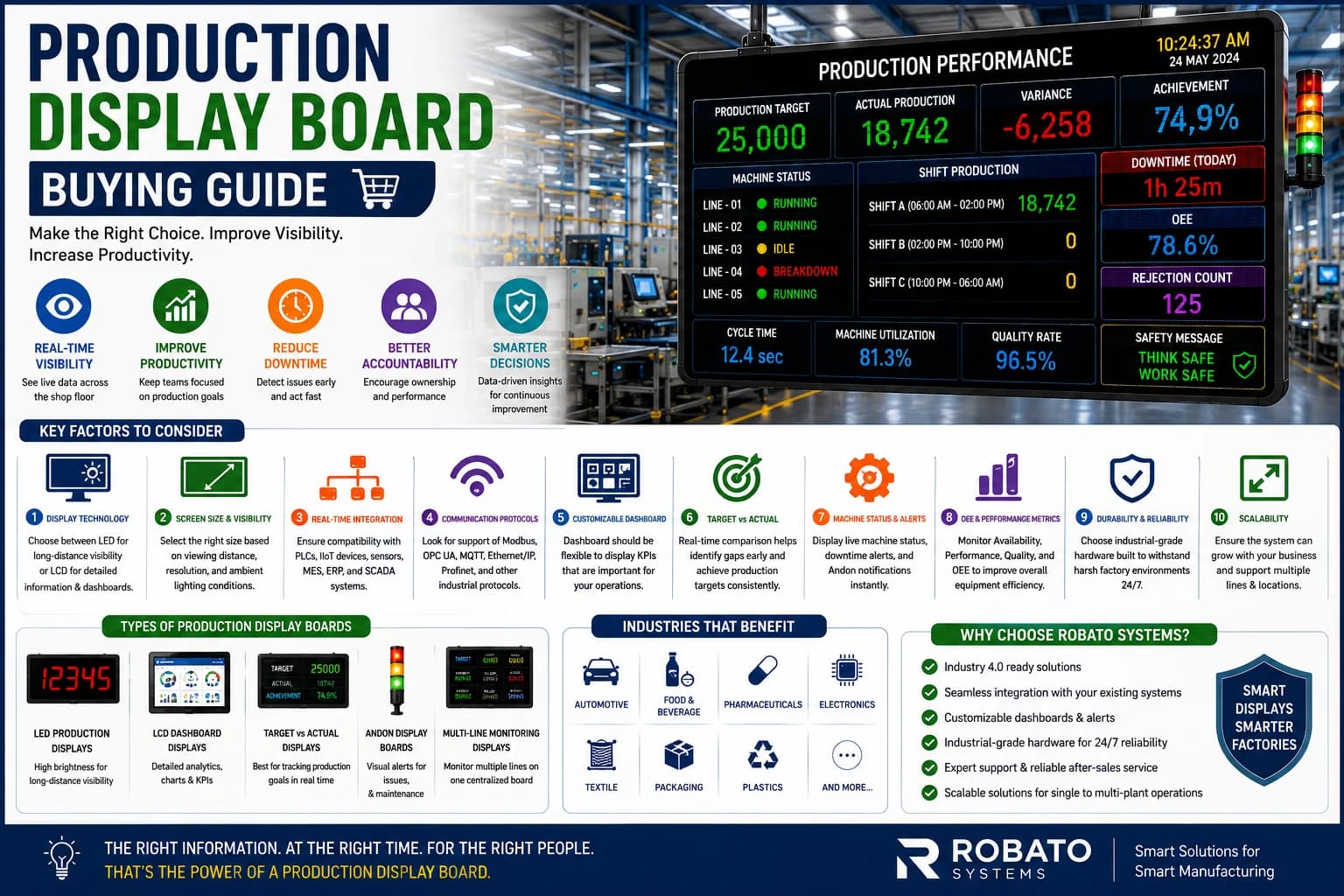
Types of Industrial Display Boards
LED Industrial Display Boards
High-brightness displays suitable for large production halls.
Excellent visibility over long distances.
LCD Industrial Displays
Ideal for displaying dashboards, graphs, and detailed production information.
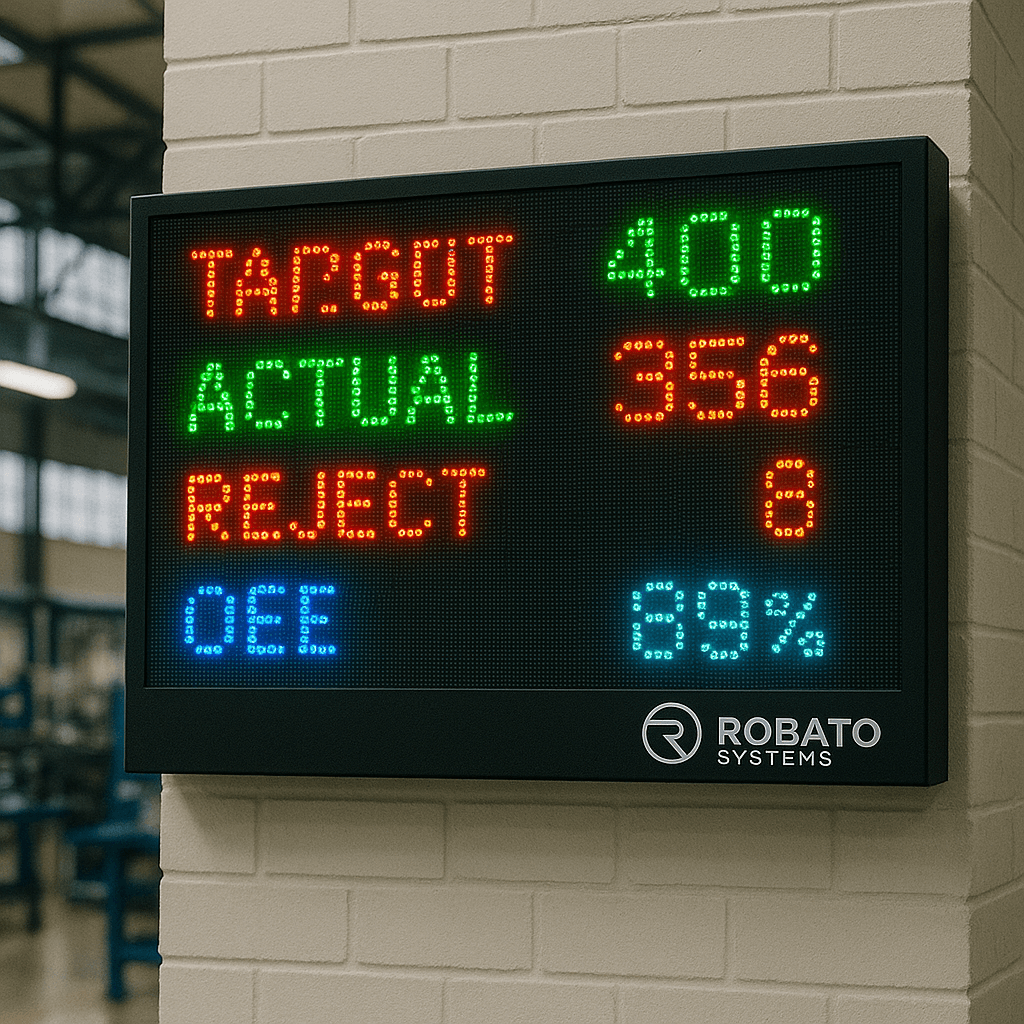
Target vs Actual Boards
Specialized displays for monitoring production targets against actual output.
OEE Display Boards
Designed specifically for displaying equipment performance metrics.
Custom Production Displays
Configured to display manufacturing information specific to each production environment.
Applications Across Manufacturing Industries
Industrial display boards are widely used in:
Automotive Manufacturing
Monitor assembly lines, production counts, and machine performance.
Food & Beverage Industry
Display packaging, filling, and bottling performance.
Pharmaceutical Manufacturing
Track batch production and packaging operations.
Electronics Manufacturing
Monitor PCB assembly, testing, and quality metrics.
Textile Manufacturing
Display weaving, knitting, and fabric production.
Plastic & Injection Molding
Track molding cycles, production counts, and machine utilization.
Packaging Industry
Monitor packaging speed and production output.
Industrial Display Boards and Industry 4.0
Industrial display boards play a vital role in connected manufacturing.
They integrate with:
- Industrial IoT platforms
- Production Monitoring Systems
- MES software
- ERP systems
- SCADA platforms
- Cloud dashboards
These integrations provide manufacturers with complete visibility across production operations.
Best Practices for Implementation
Automate Data Collection
Connect directly with machines and PLCs to eliminate manual updates.
Display Relevant KPIs
Focus on information such as:
- Production target
- Actual production
- OEE
- Machine status
- Downtime
- Rejection count
- Shift efficiency
Install Displays Strategically
Ensure displays are visible from operator workstations and production aisles.
Keep Displays Simple
Use large fonts, color coding, and intuitive layouts for quick interpretation.
Integrate with Existing Systems
Connect industrial display boards with ERP, MES, SCADA, and production monitoring software.
Common Challenges
Legacy Equipment Integration
Older machines may require retrofit sensors or Industrial IoT gateways.
Display Visibility
Poor placement can reduce effectiveness.
Displays should be positioned for maximum visibility across production areas.
Data Accuracy
Reliable sensors and proper calibration ensure accurate production information.
Employee Training
Operators should understand displayed KPIs and know how to respond to production alerts.
Future Trends
Industrial display boards continue evolving with digital manufacturing technologies.
Artificial Intelligence
AI-powered analytics will identify production bottlenecks automatically.
Predictive Maintenance
Displays will warn operators before equipment failures occur.
Cloud-Based Monitoring
Production information will synchronize with remote dashboards.
Digital Twins
Virtual factory models will display live manufacturing data.
Mobile Integration
Production dashboards will be accessible simultaneously on display boards and mobile devices.
These technologies will further improve manufacturing efficiency and operational transparency.
Why Choose Robato Systems for Industrial Display Boards?
Robato Systems provides advanced Industrial Display Board solutions designed for demanding manufacturing environments. Our systems integrate with PLCs, Industrial IoT devices, MES, ERP, and SCADA platforms to display accurate real-time production information across your facility.
Our customizable display solutions support production counting, target vs actual monitoring, OEE visualization, machine status tracking, downtime alerts, safety messaging, and production dashboards. Built for Industry 4.0, Robato Systems helps manufacturers improve productivity, enhance communication, reduce downtime, and create smarter production environments.
Whether you operate a single production line or multiple manufacturing plants, our industrial display boards are scalable and tailored to your operational requirements.
Conclusion
An Industrial Display Board is far more than a digital screen—it is a critical visual communication tool that helps manufacturers improve production visibility, streamline communication, and optimize factory performance.
By displaying real-time production data, machine status, quality metrics, and key performance indicators, industrial display boards enable faster decision-making, increase productivity, and support continuous improvement initiatives.
As manufacturing continues to embrace Industry 4.0 and smart factory technologies, industrial display boards have become an essential investment for organizations seeking greater operational efficiency, improved workforce engagement, and sustainable production growth.
Frequently Asked Questions (FAQs)
What is an industrial display board?
An industrial display board is a digital display system that shows real-time production data, machine status, quality metrics, and manufacturing KPIs in factory environments.
What are the benefits of industrial display boards?
They improve production visibility, enhance communication, reduce downtime, increase productivity, and support better decision-making.
What information can industrial display boards display?
Production counts, target vs actual output, OEE, machine status, downtime, shift performance, quality metrics, safety alerts, and factory announcements.
Can industrial display boards integrate with ERP and PLC systems?
Yes. Modern industrial display boards integrate with PLCs, ERP, MES, SCADA, Industrial IoT devices, and cloud-based platforms.
Which industries use industrial display boards?
Automotive, electronics, pharmaceuticals, food processing, textiles, plastics, packaging, and many other manufacturing industries.