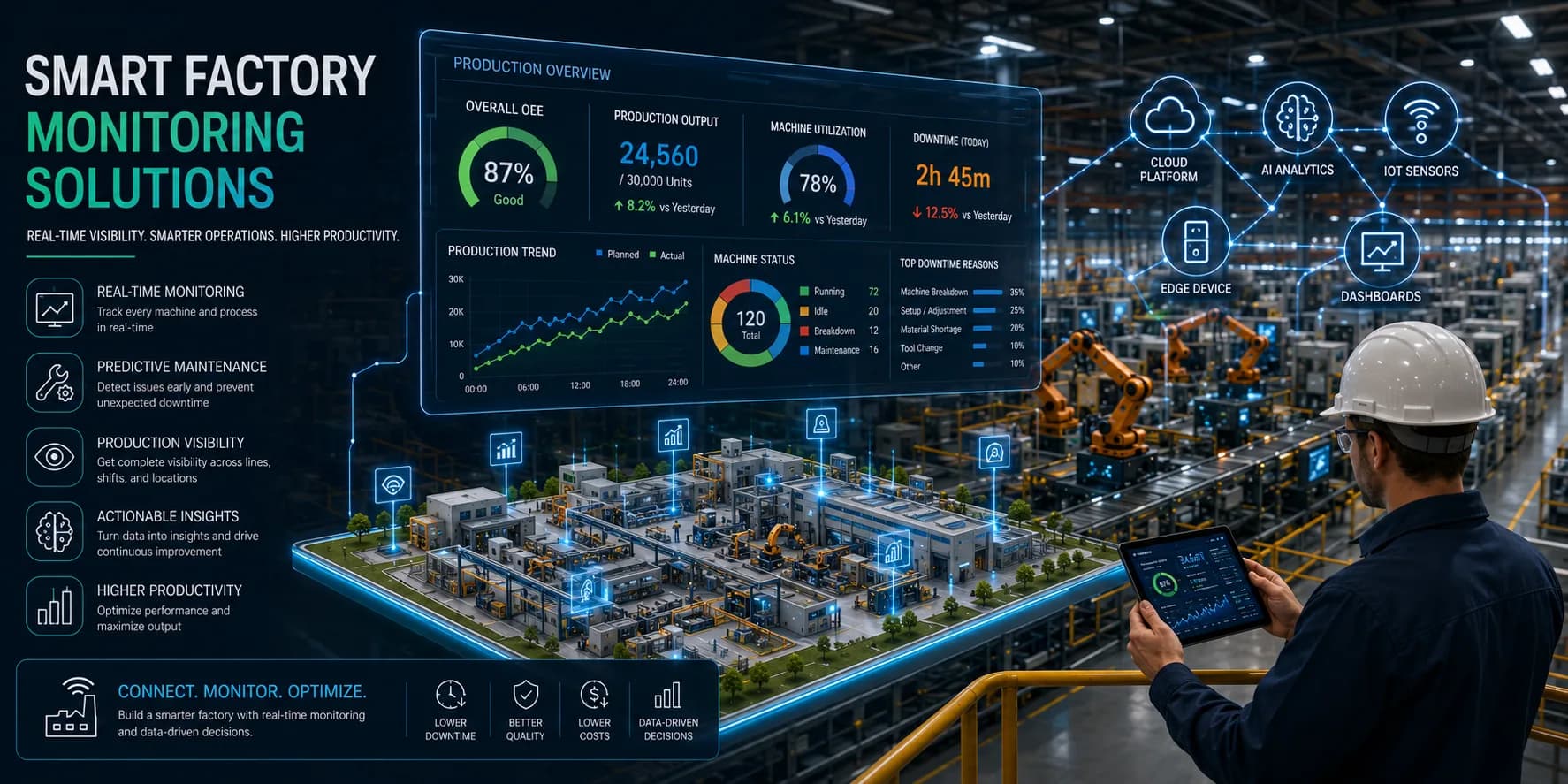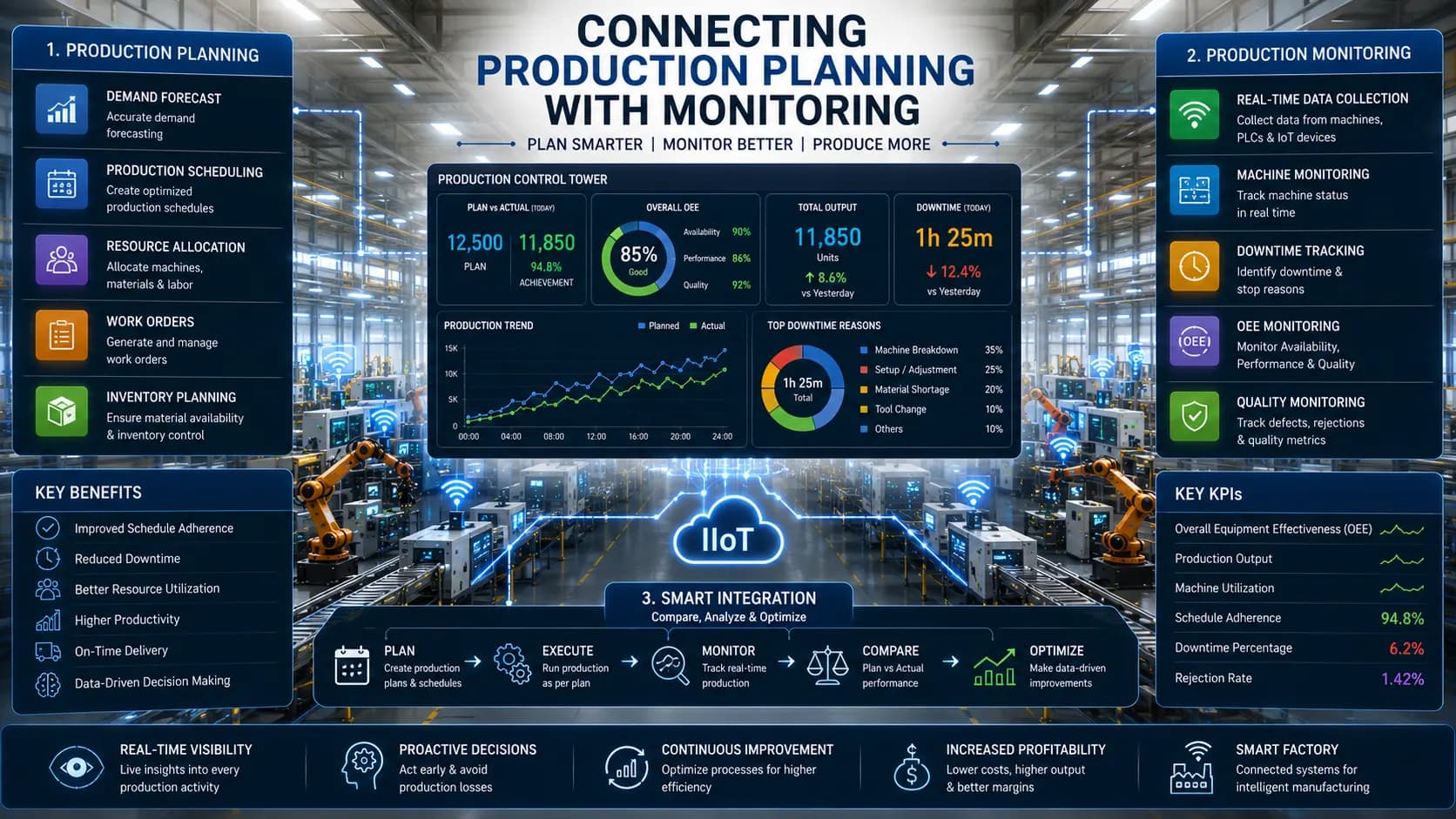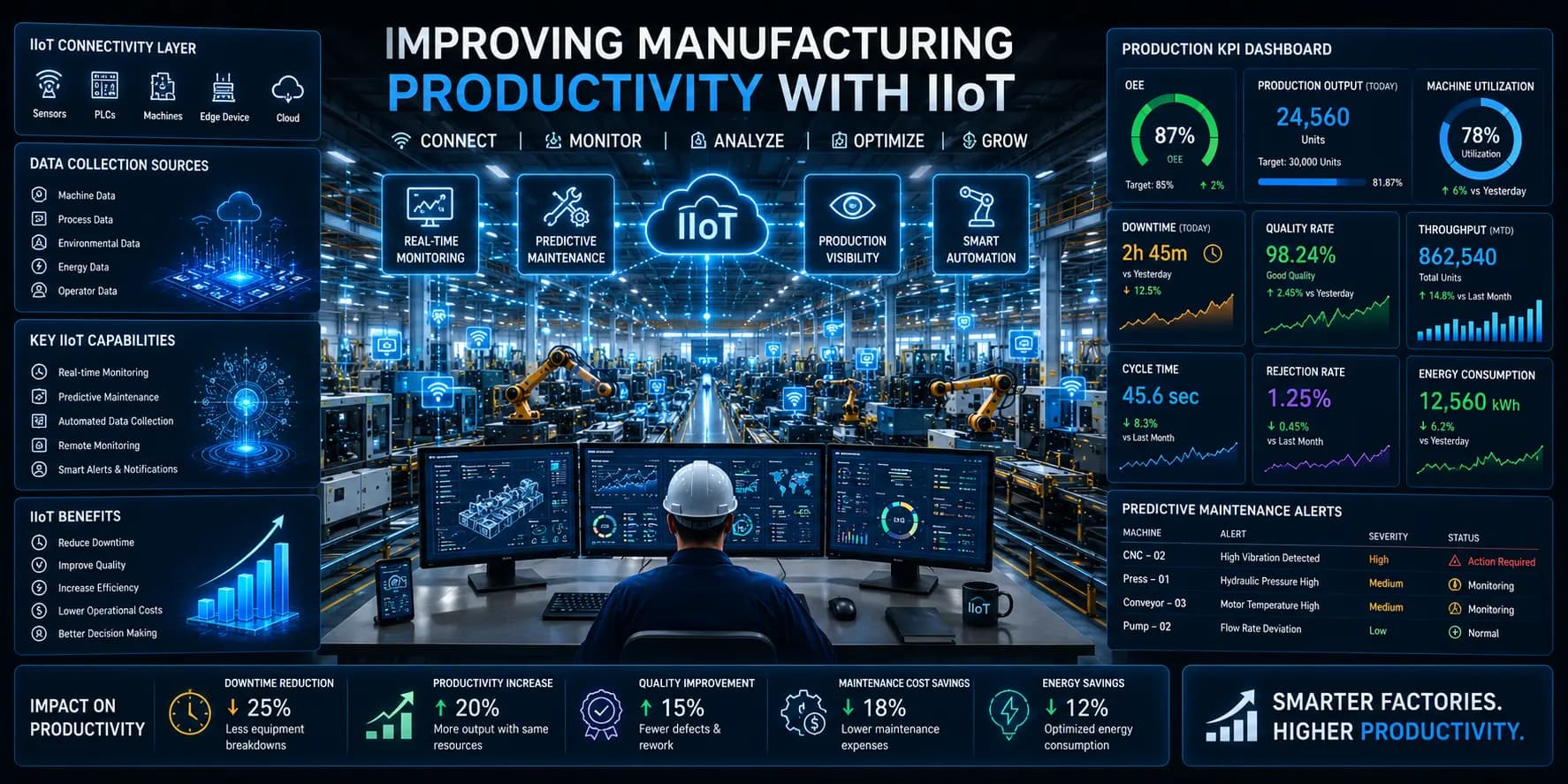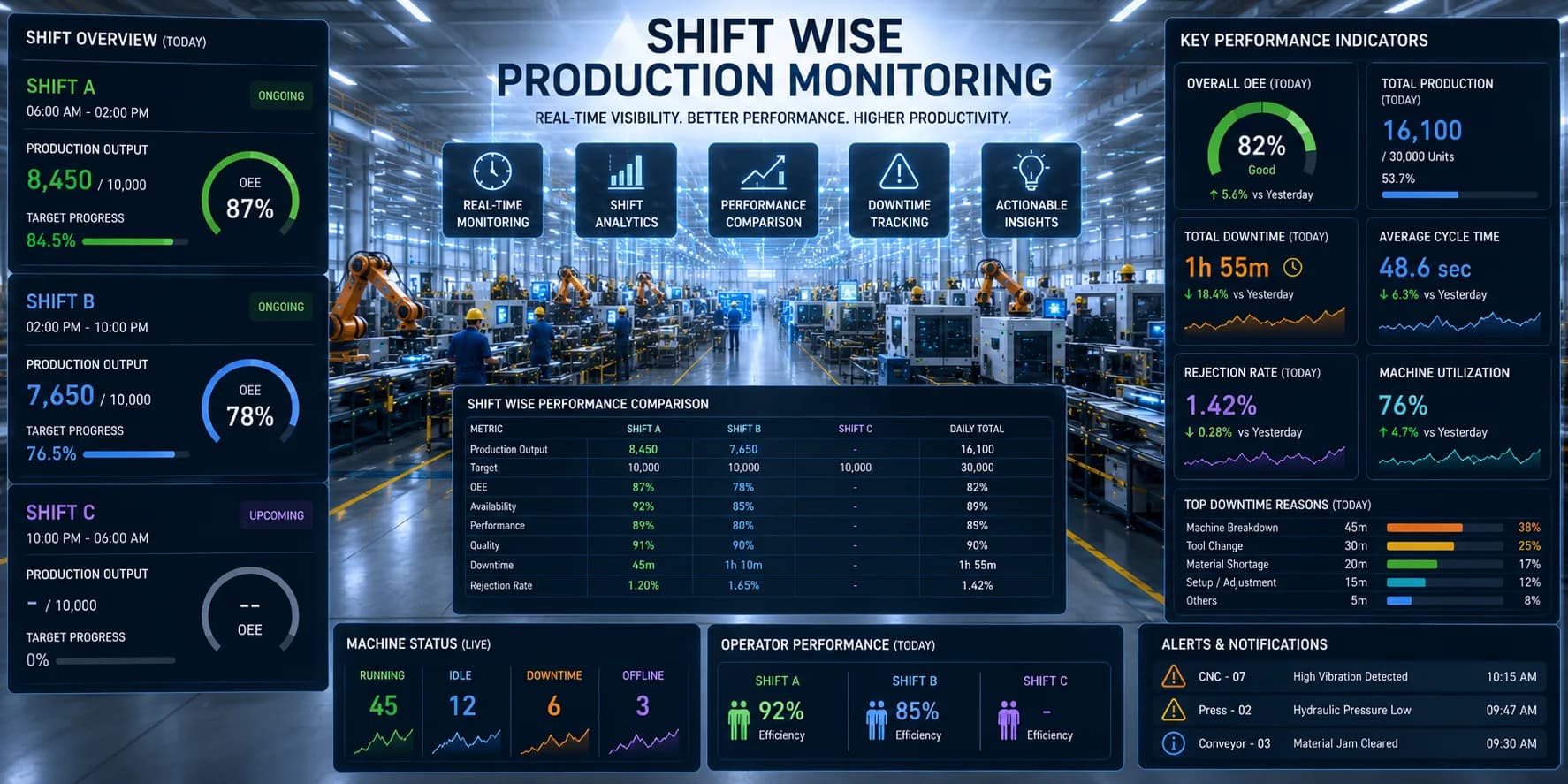
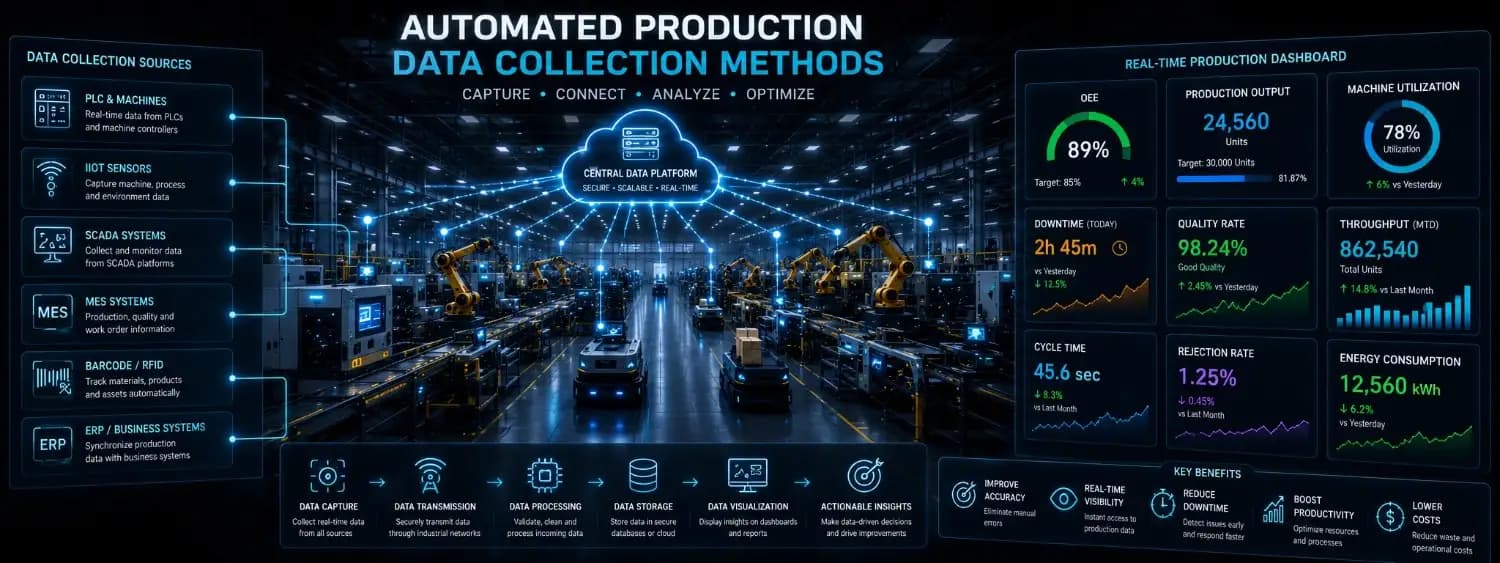
Automated Production Data Collection Methods
In today's competitive manufacturing landscape, accurate and timely data is critical for operational success. Manufacturers must continuously monitor production performance, machine status, quality metrics, and equipment efficiency to remain productive and profitable. Traditional manual reporting methods are often slow, inaccurate, and inefficient. This is why Production Data Collection has become a fundamental component of modern manufacturing.
Automated production data collection enables manufacturers to gather real-time information directly from machines, PLCs, sensors, and industrial systems without human intervention. By eliminating manual data entry and providing accurate production insights, organizations can improve decision-making, reduce downtime, and optimize manufacturing performance.
As Industry 4.0 adoption continues to grow, automated production data collection serves as the foundation for smart factories and data-driven operations.
What is Production Data Collection?
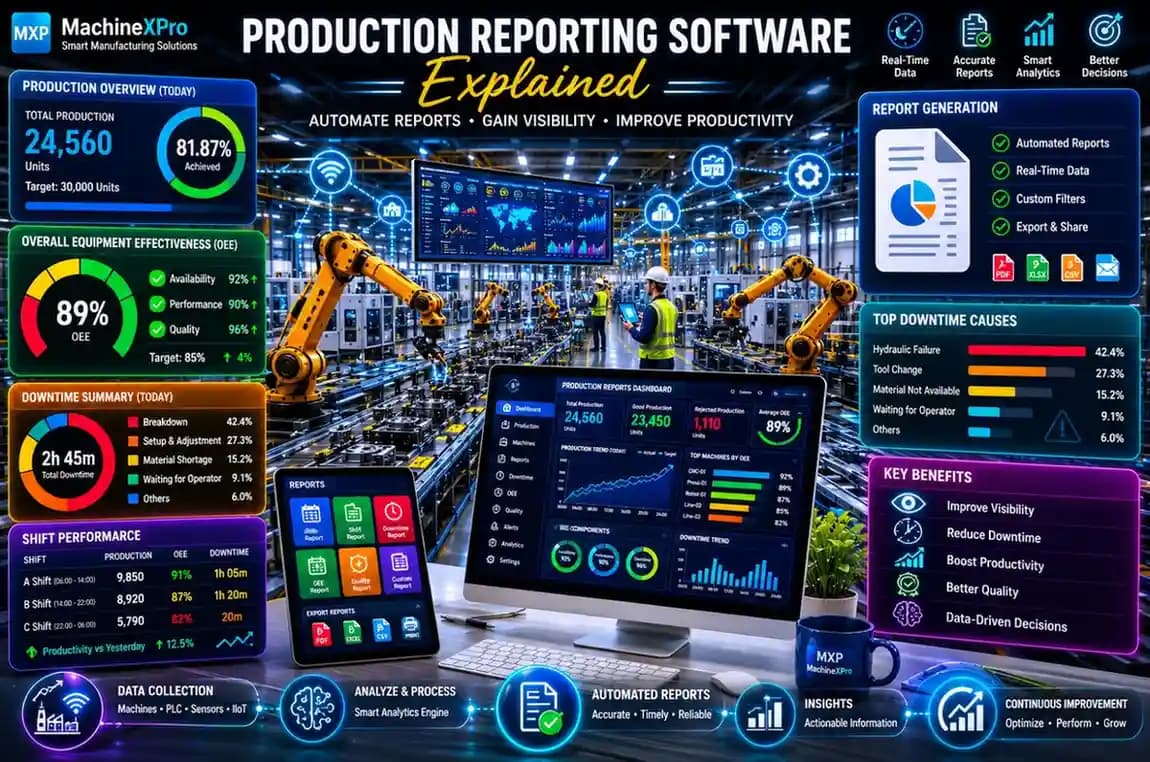
Production Data Collection refers to the process of capturing, storing, and analyzing information generated during manufacturing operations. This data helps manufacturers monitor production performance, machine utilization, quality levels, and overall efficiency.
Production data may include:
- Production counts
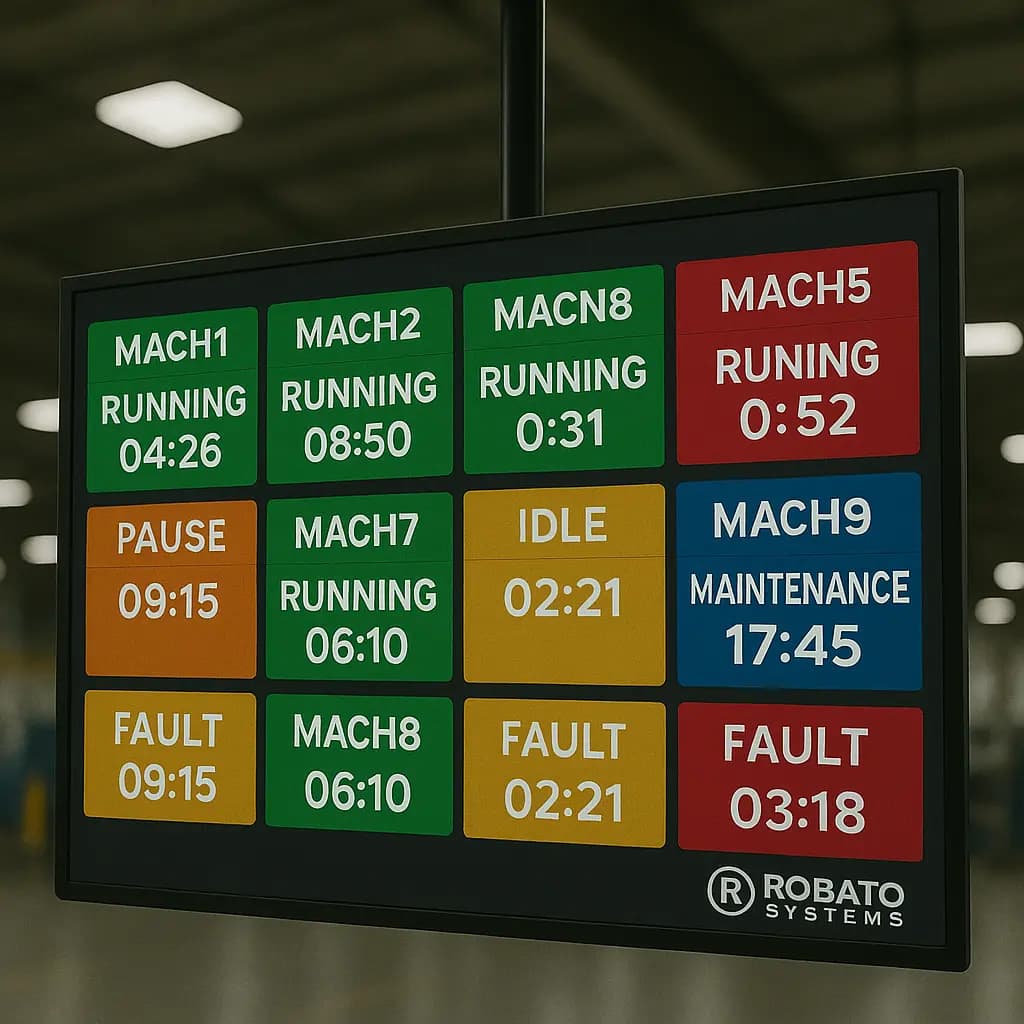
- Machine status
- Cycle times
- Downtime events
- OEE metrics
- Quality data
- Operator performance
- Energy consumption
- Production targets
When collected automatically, this information provides real-time visibility into manufacturing processes and enables faster decision-making.
Why Automated Data Collection is Important
Manual production reporting often creates several challenges:
- Human errors
- Delayed reporting
- Inconsistent records
- Lack of real-time visibility
- Increased administrative effort
Automated production data collection eliminates these issues by providing accurate and continuous information directly from production equipment.
Benefits include:
- Higher data accuracy
- Faster reporting
- Better production visibility
- Reduced downtime
- Improved productivity
- Enhanced decision-making
These advantages make automated data collection essential for modern manufacturing operations.
How Automated Production Data Collection Works
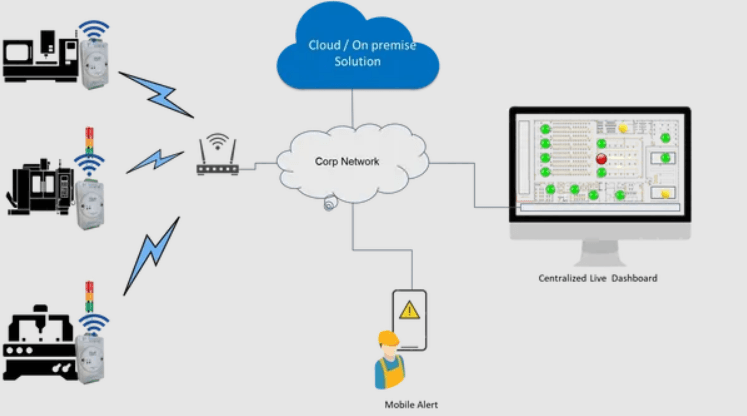
Automated production data collection systems gather information from multiple sources throughout the factory.
The process typically includes:
Data Acquisition
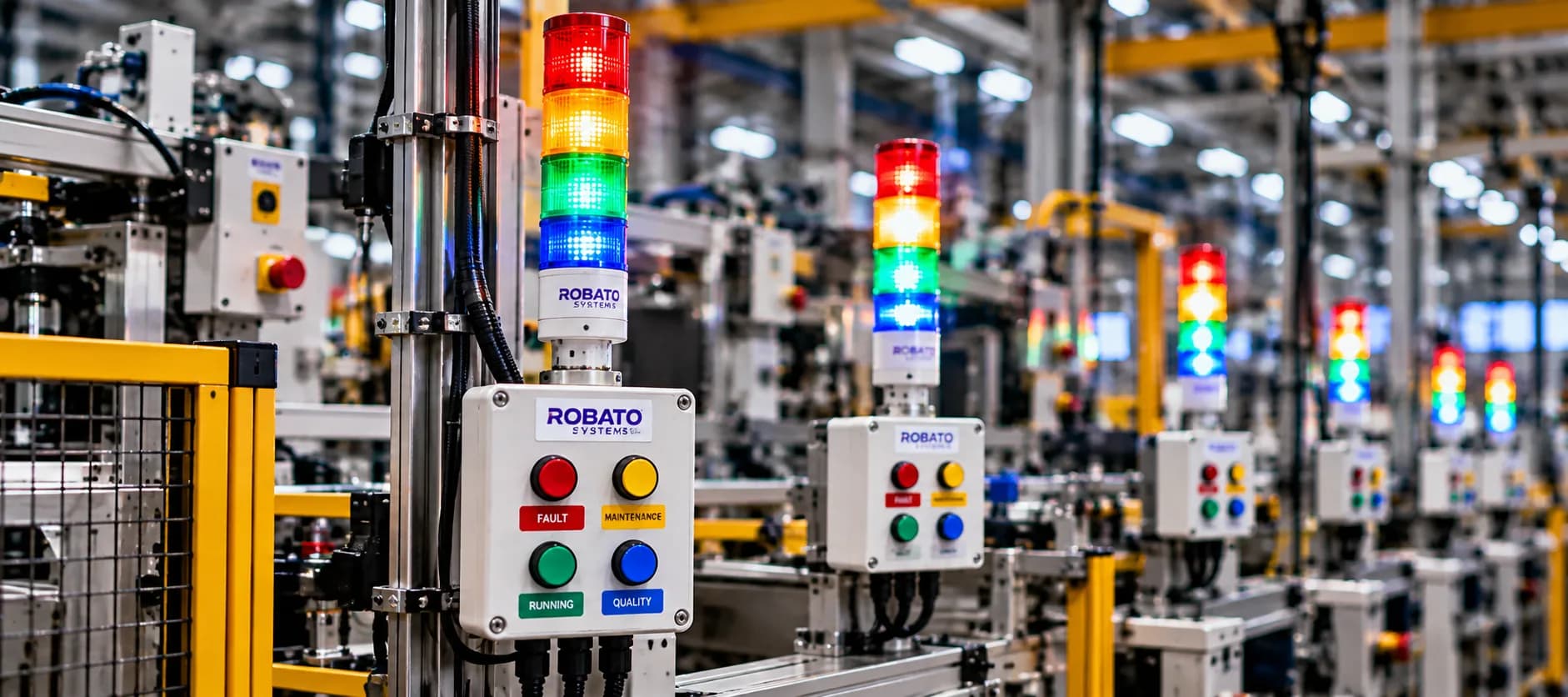
Sensors and industrial devices collect machine and process data.
Data Transmission
Information is transmitted through industrial networks and communication protocols.
Data Processing
Collected information is analyzed and organized.
Visualization
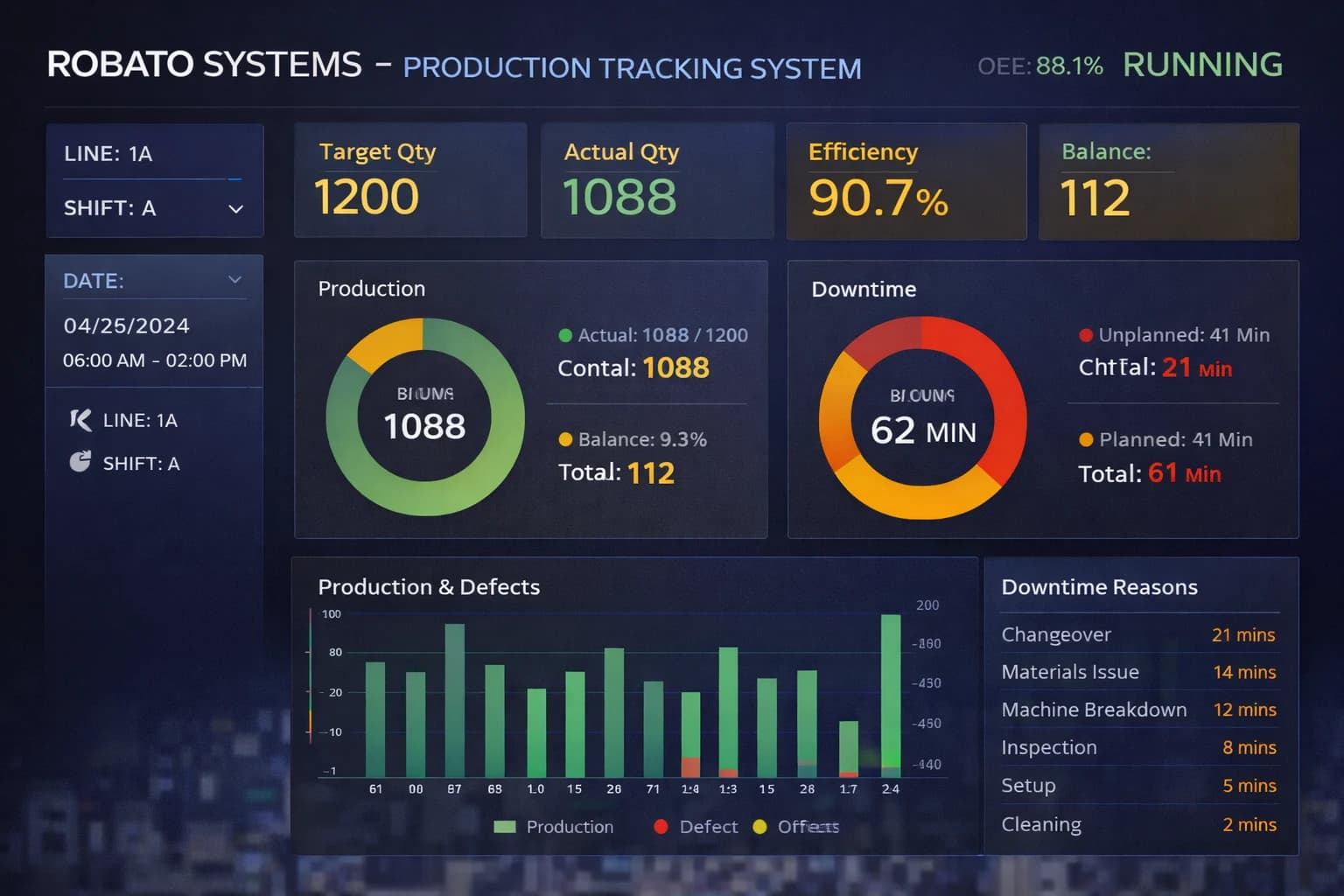
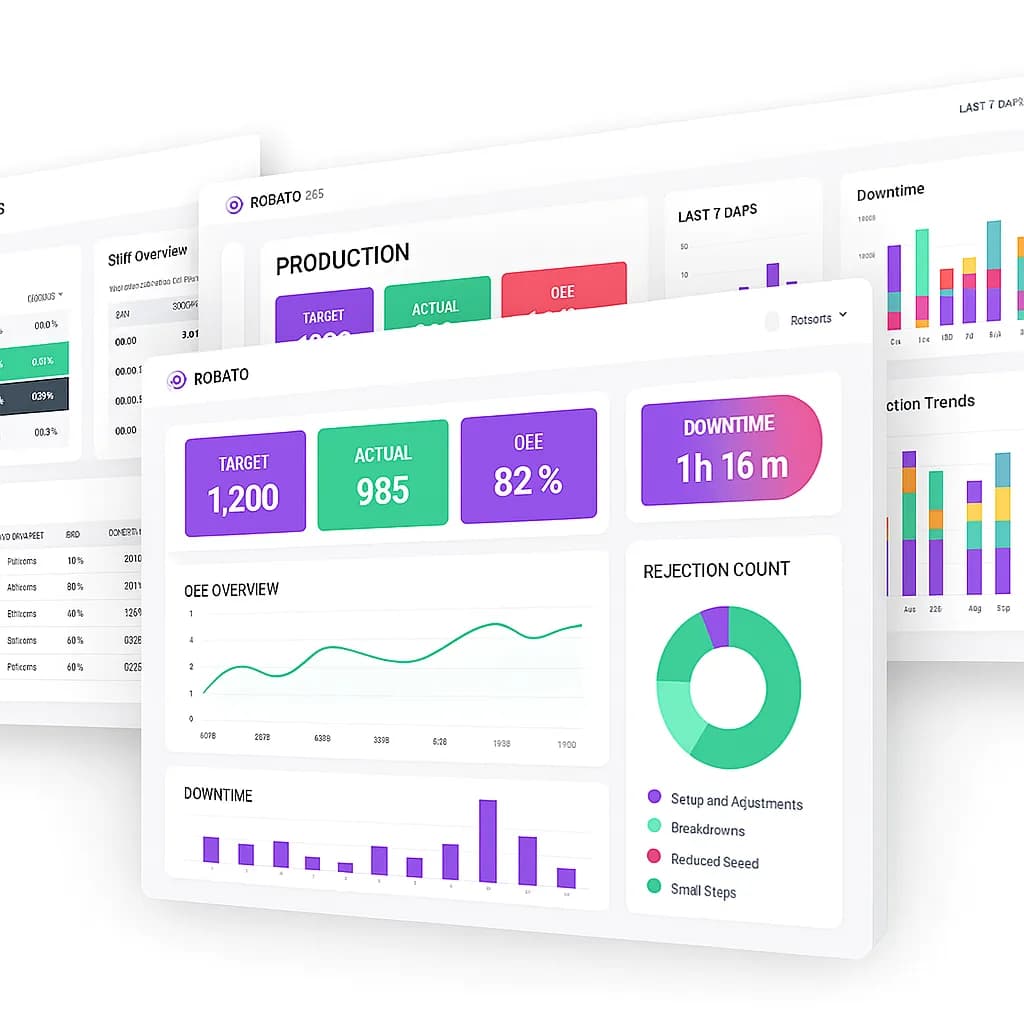
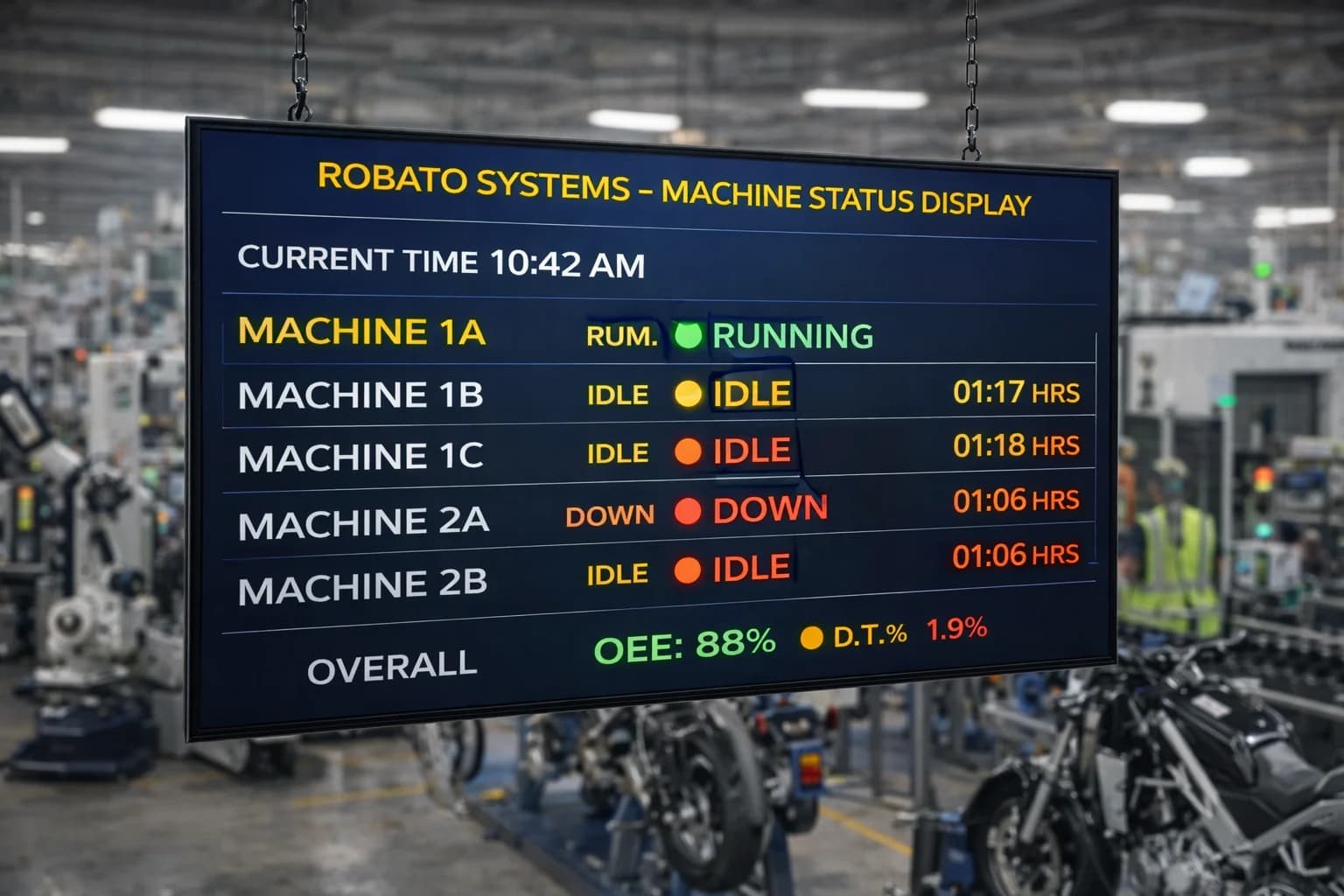
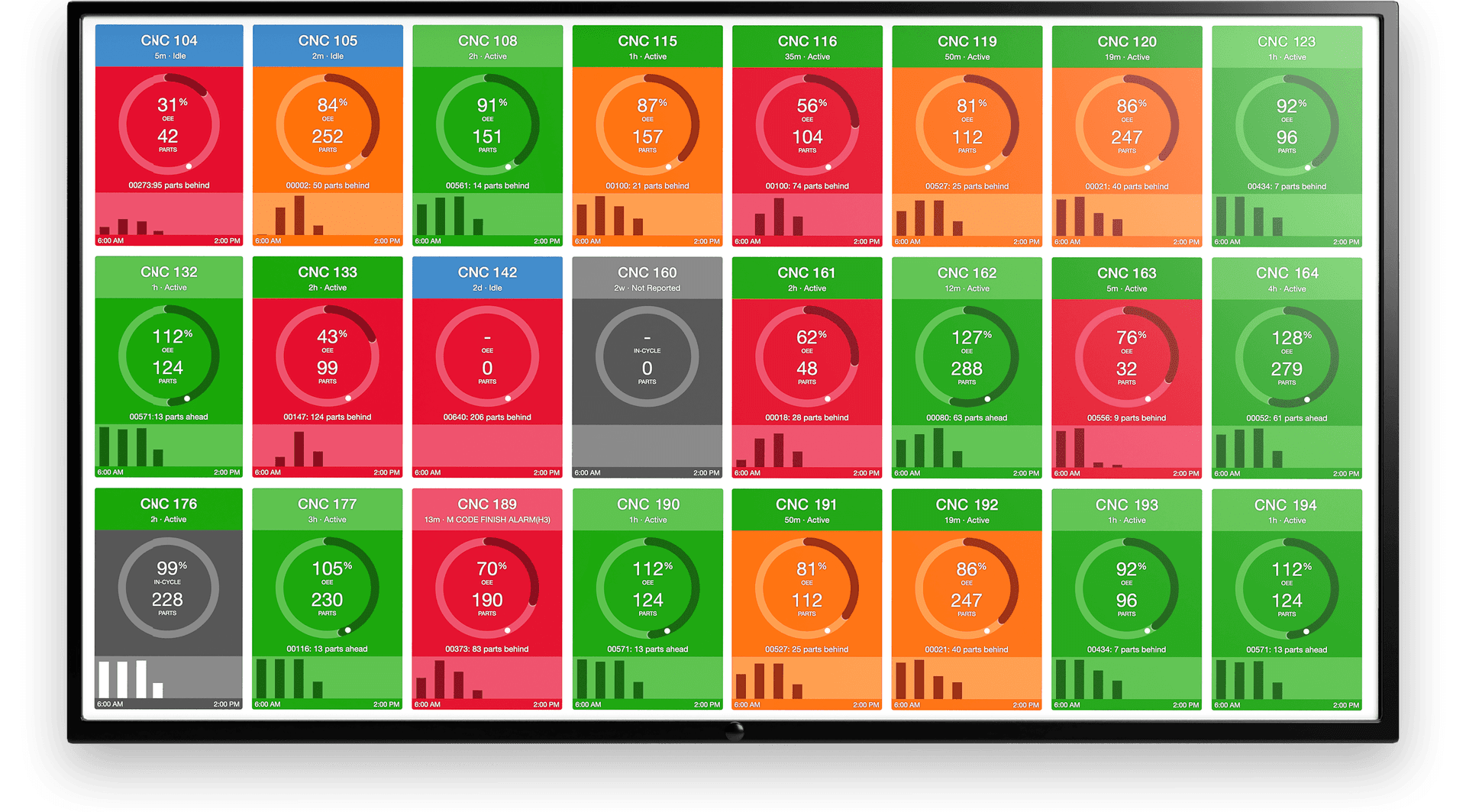
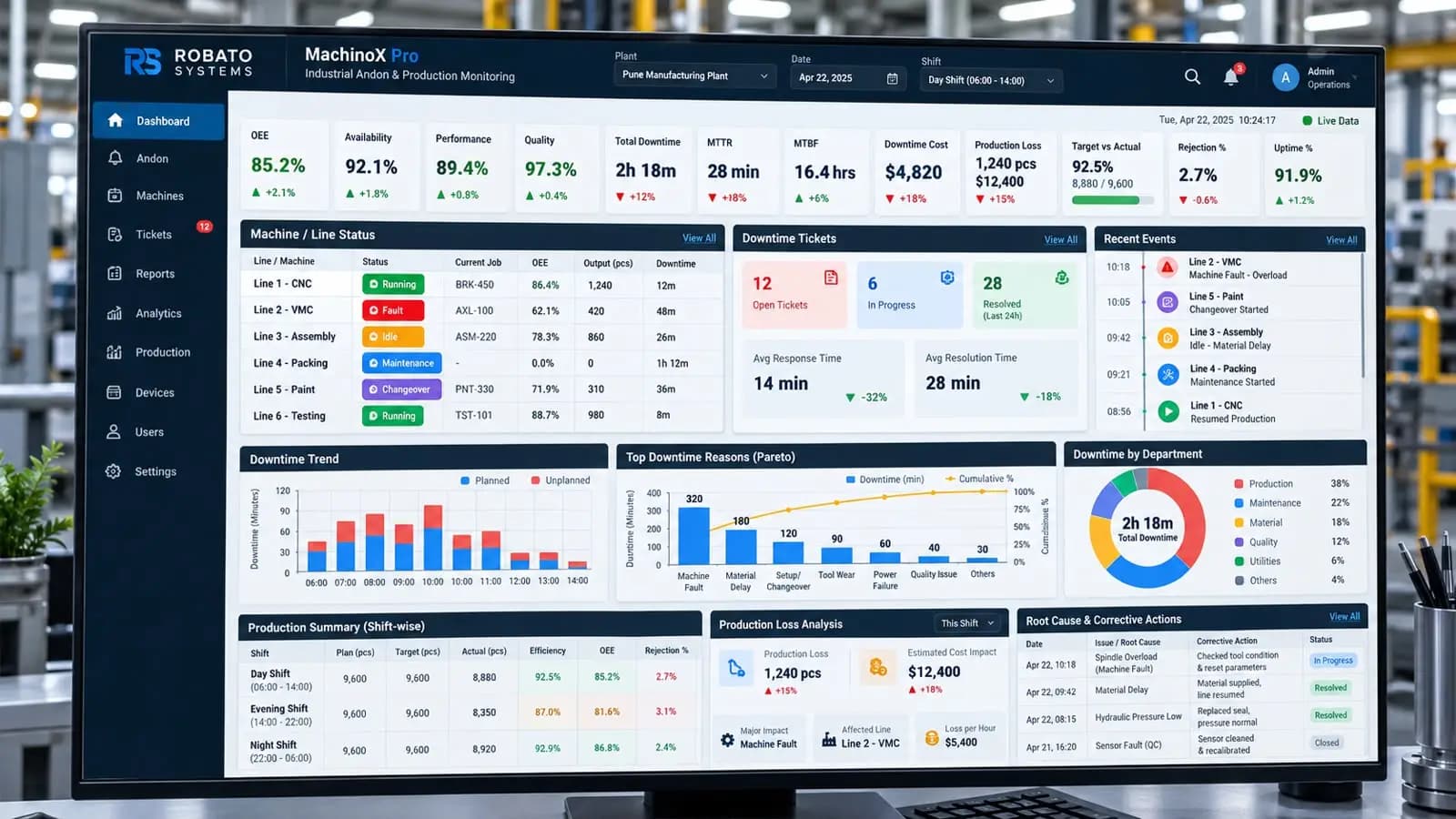
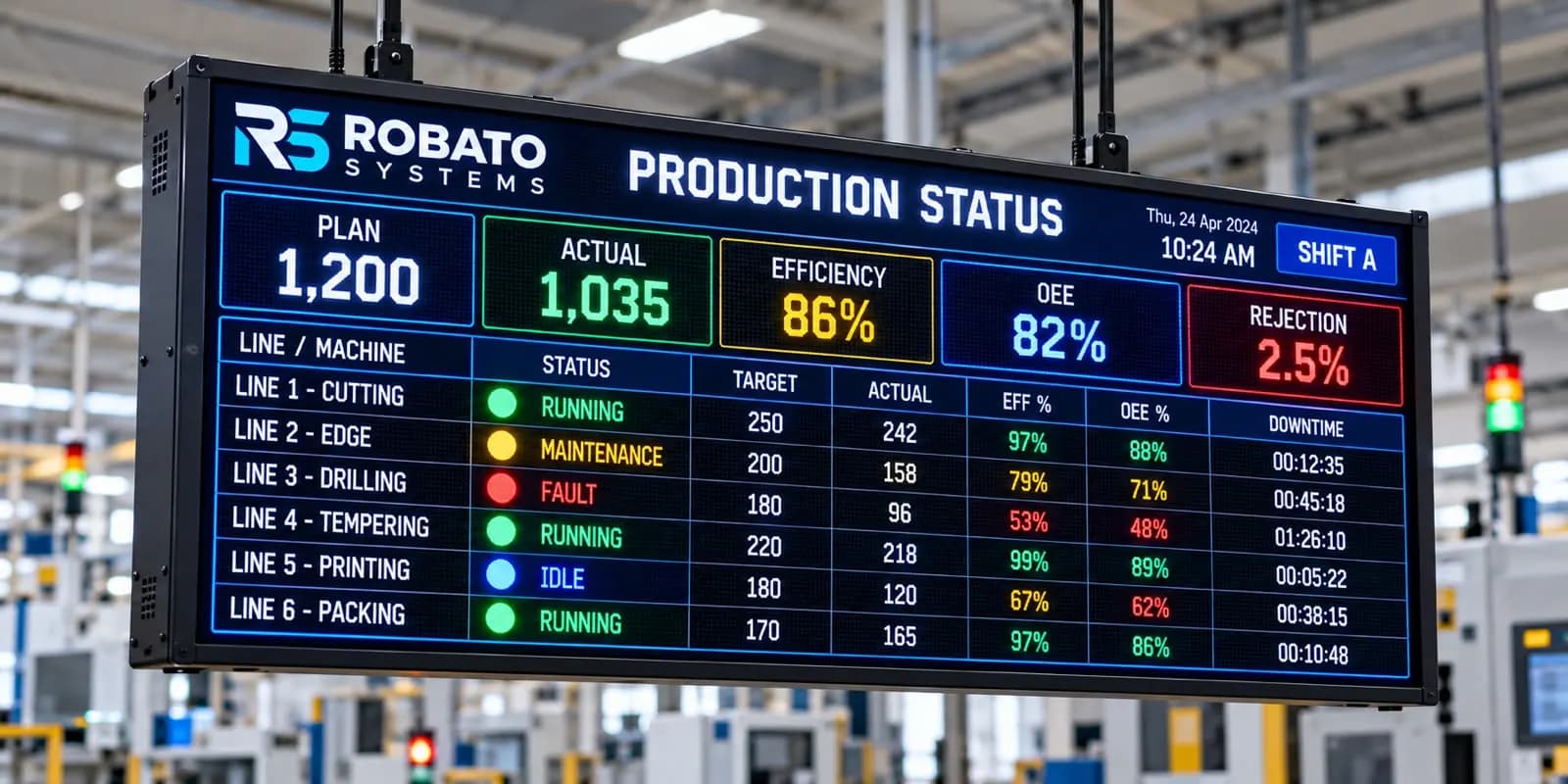
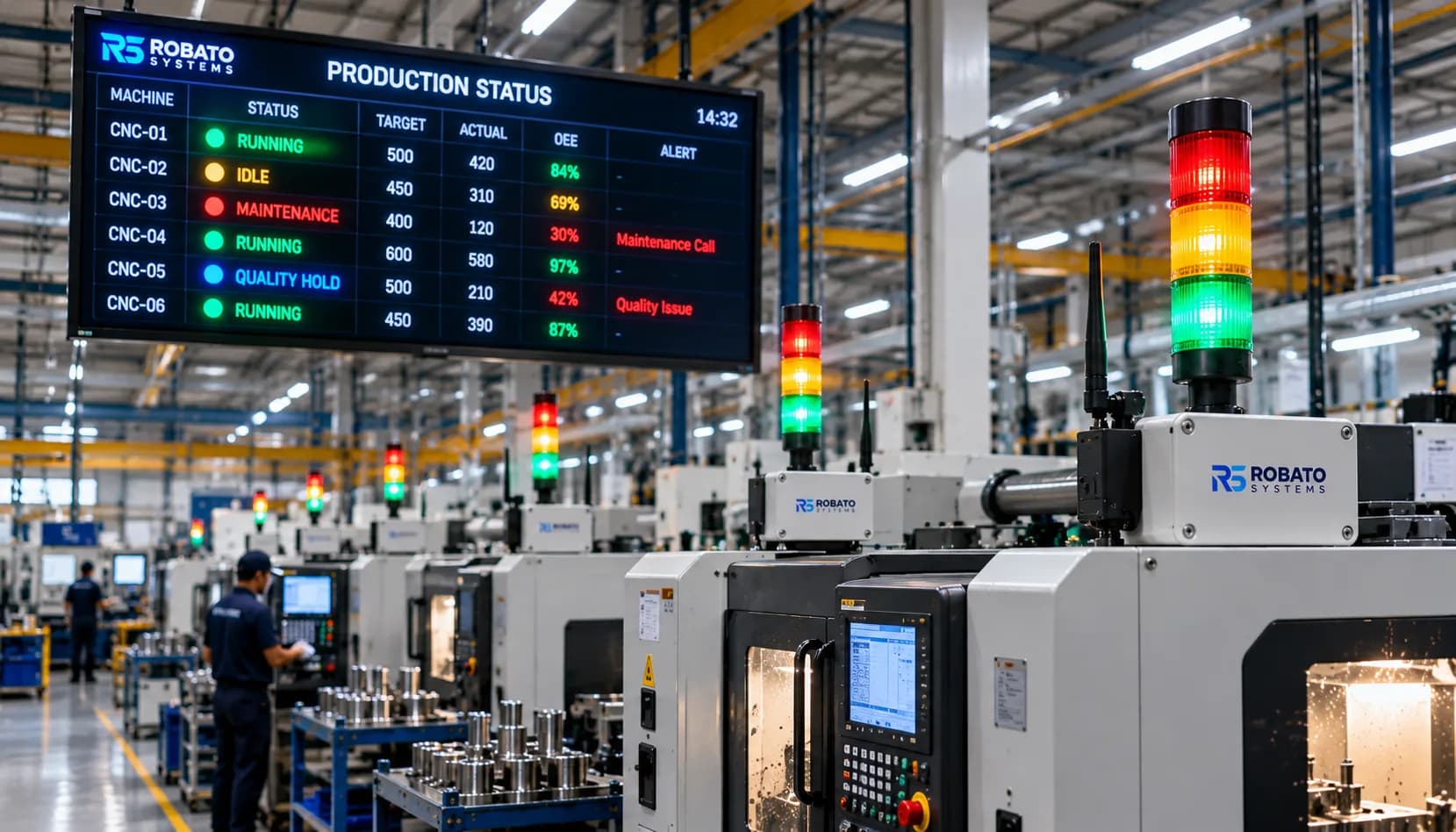
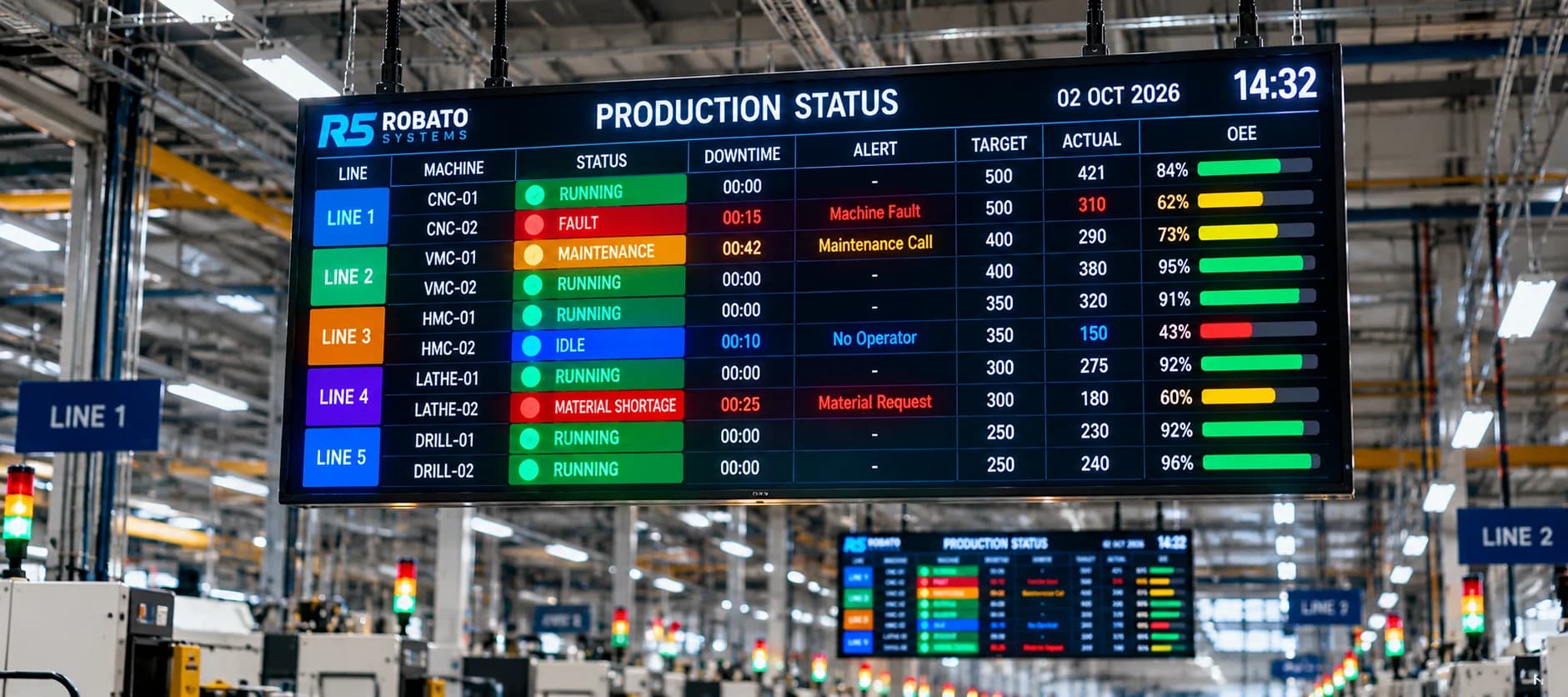
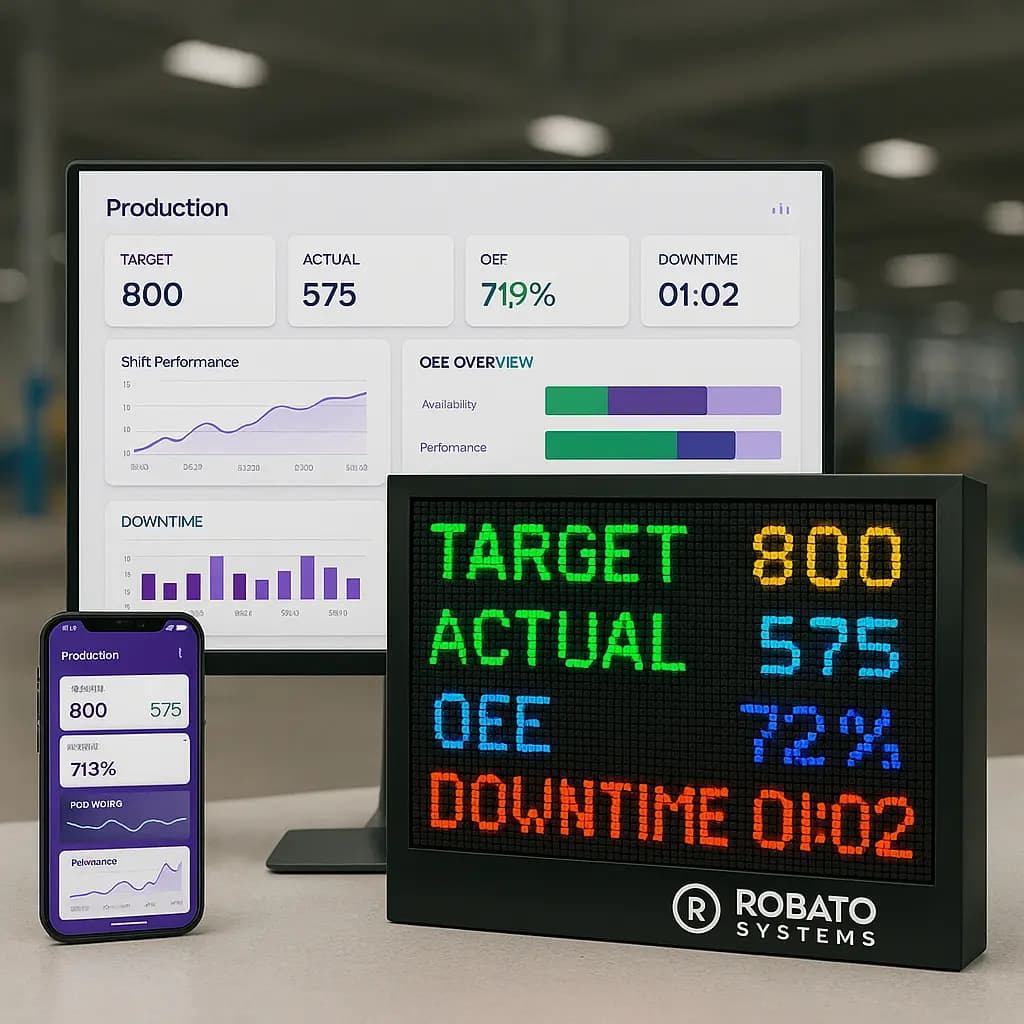
Data is displayed on dashboards and reports.
Analytics
Advanced software converts raw information into actionable insights.
This automated workflow ensures that production information is available in real time.
Common Automated Production Data Collection Methods
PLC-Based Data Collection
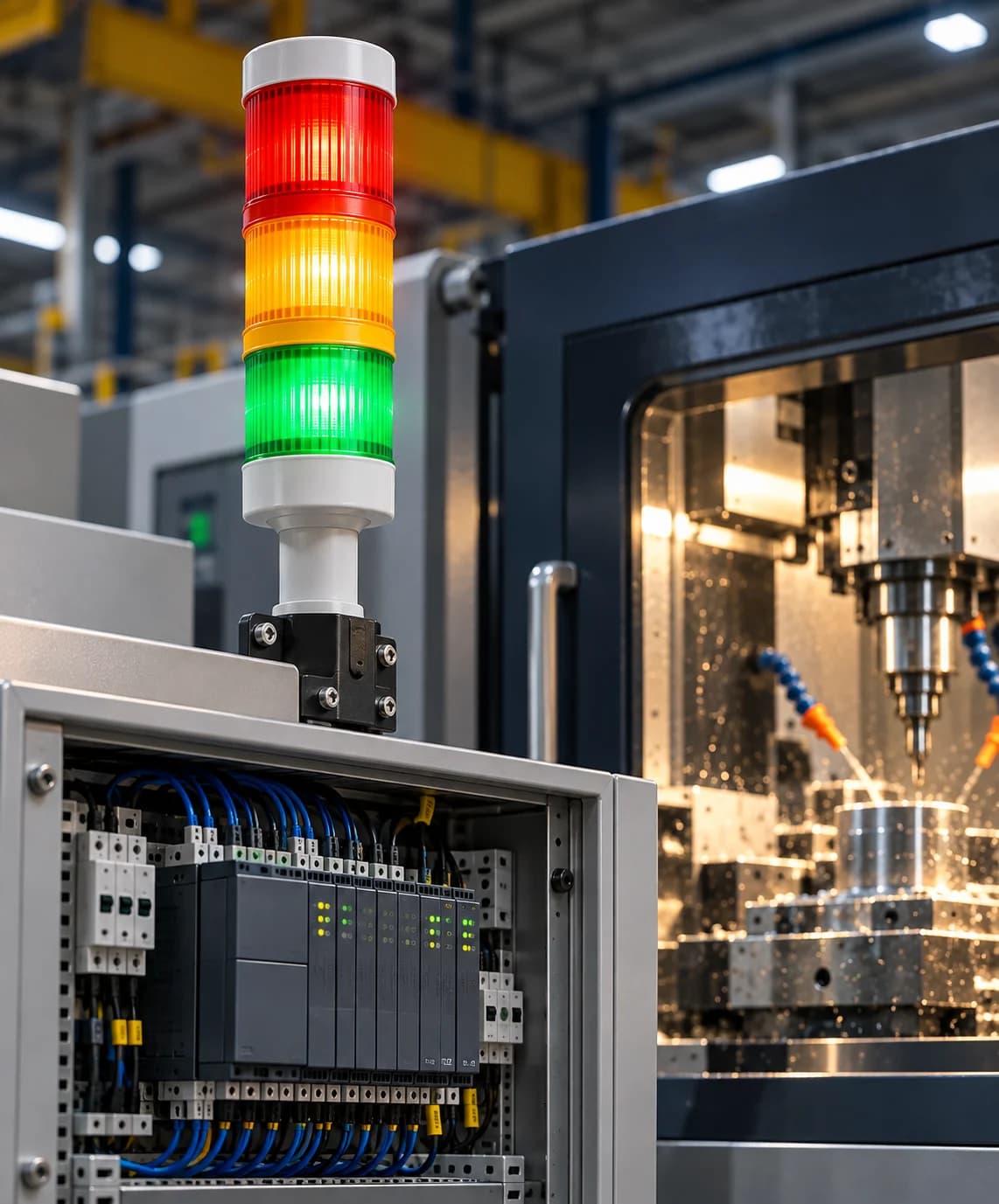
Programmable Logic Controllers (PLCs) are widely used in manufacturing equipment.
Production data collected from PLCs includes:
- Machine status
- Production counts
- Cycle times
- Alarm conditions
- Operational parameters
PLC integration provides reliable and accurate production information.
Benefits
- Real-time machine monitoring
- Improved accuracy
- Easy integration with existing equipment
Industrial IoT (IIoT) Sensors
Industrial IoT devices play a major role in modern data collection systems.
IIoT sensors can monitor:
- Temperature
- Pressure
- Vibration
- Humidity
- Energy consumption
- Machine performance
These devices continuously transmit data to monitoring platforms.
Benefits
- Real-time visibility
- Remote monitoring
- Predictive maintenance support
Machine Connectivity Solutions
Many modern machines include built-in communication interfaces that enable direct data collection.
Common communication protocols include:
- Modbus
- OPC UA
- MQTT
- Ethernet/IP
- Profinet
Machine connectivity ensures seamless data transfer across production systems.
Benefits
- Faster deployment
- Reliable communication
- Enhanced interoperability
SCADA Systems
Supervisory Control and Data Acquisition (SCADA) systems collect and visualize production data from industrial equipment.
SCADA platforms provide:
- Real-time monitoring
- Alarm management
- Historical data analysis
- Process control
Benefits
- Improved operational visibility
- Better process control
- Enhanced reporting
MES Integration
Manufacturing Execution Systems (MES) help bridge the gap between shop floor operations and business systems.
MES platforms collect:
- Production output
- Work orders
- Operator activity
- Quality information
Benefits
- Improved traceability
- Better production planning
- Enhanced operational control
Barcode and QR Code Systems
Barcode and QR code technologies automate production tracking and inventory management.
Applications include:
- Material tracking
- Product identification
- Batch tracking
- Inventory control
Benefits
- Faster data capture
- Reduced errors
- Improved traceability
RFID-Based Data Collection
Radio Frequency Identification (RFID) technology enables automatic tracking of products, materials, and assets.
RFID systems provide:
- Contactless data collection
- Real-time asset tracking
- Improved inventory visibility
Benefits
- Enhanced tracking accuracy
- Reduced manual effort
- Faster production workflows
Benefits of Automated Production Data Collection
Improved Data Accuracy
Automated systems eliminate errors associated with manual entry.
Real-Time Production Visibility
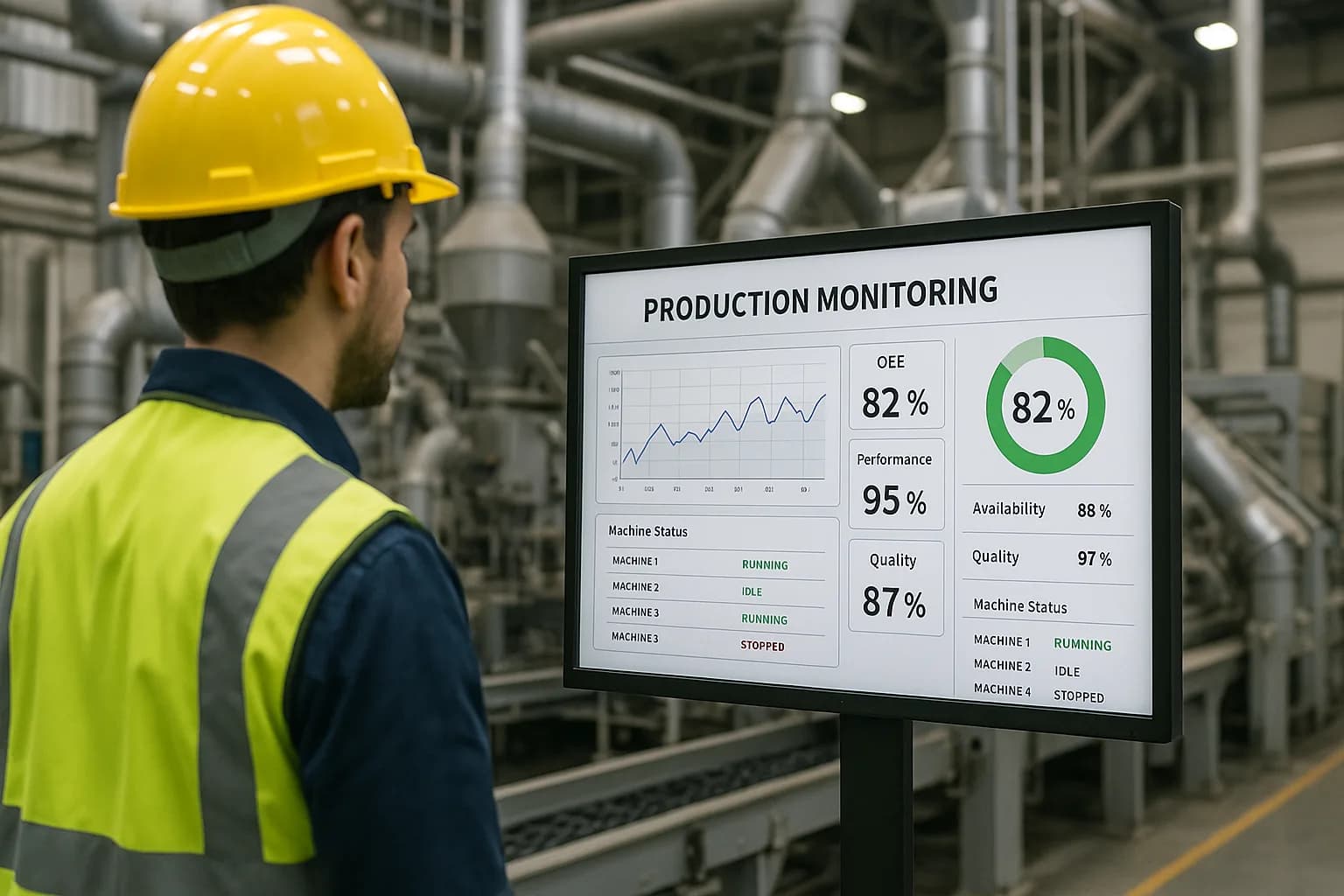
Managers gain instant access to production performance data.
Increased Productivity
Accurate information helps optimize production processes and resource utilization.
Reduced Downtime
Real-time monitoring enables faster response to machine failures.
Better Decision-Making
Data-driven insights improve operational planning and execution.
Enhanced Quality Control
Continuous monitoring helps identify defects and process deviations early.
Lower Operational Costs
Improved efficiency reduces waste and production losses.
Stronger Compliance and Traceability
Accurate records support quality standards and regulatory requirements.
Key Production Metrics Collected Automatically
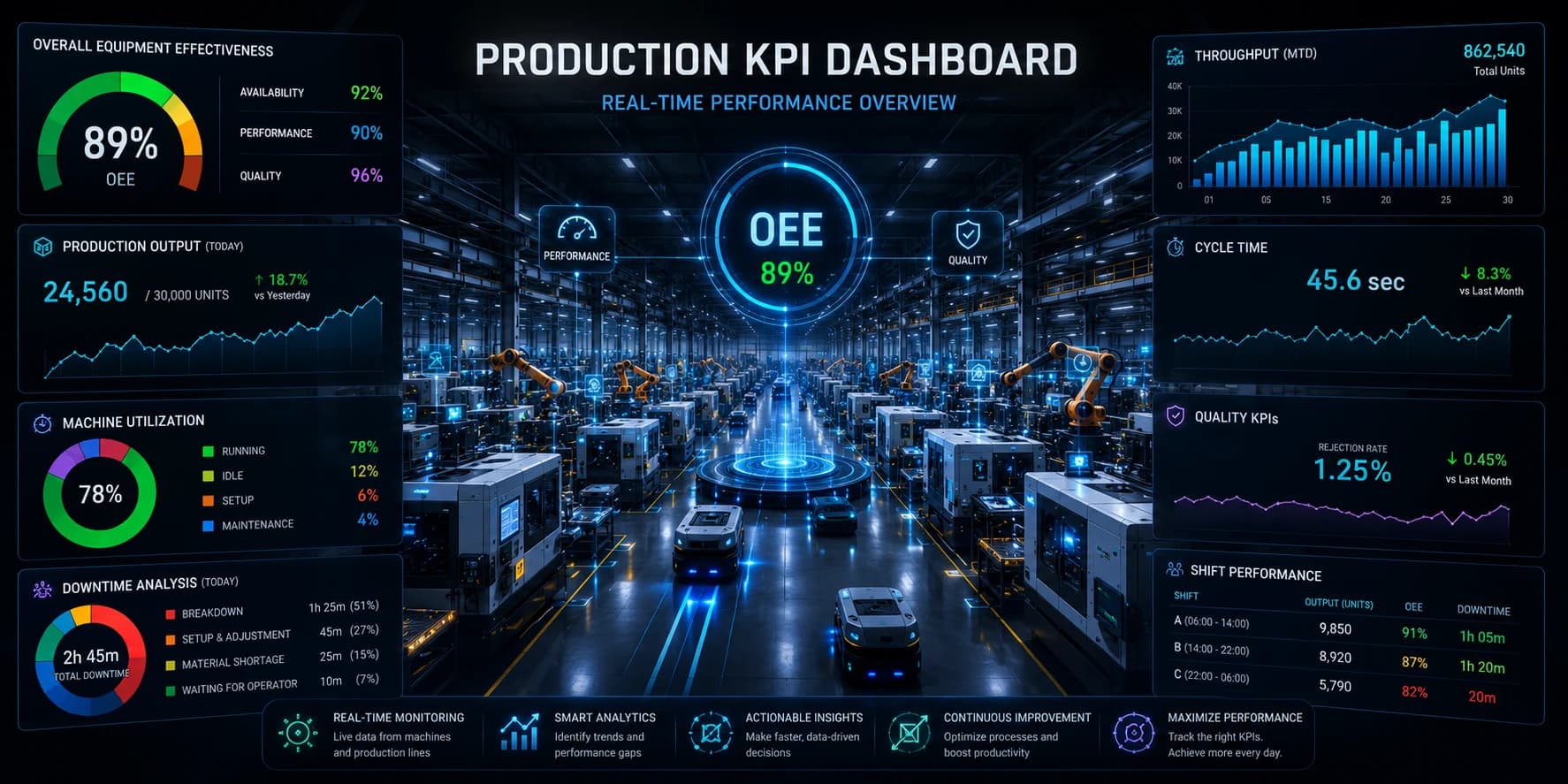
Automated systems typically track:
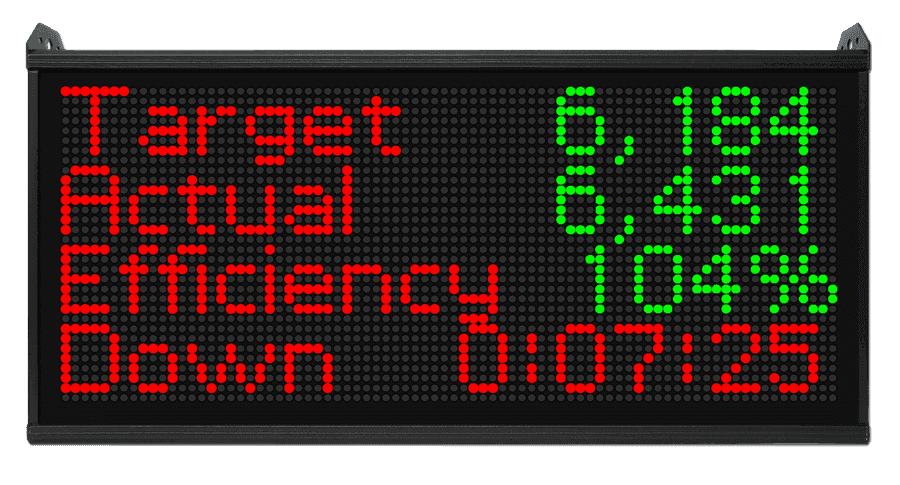
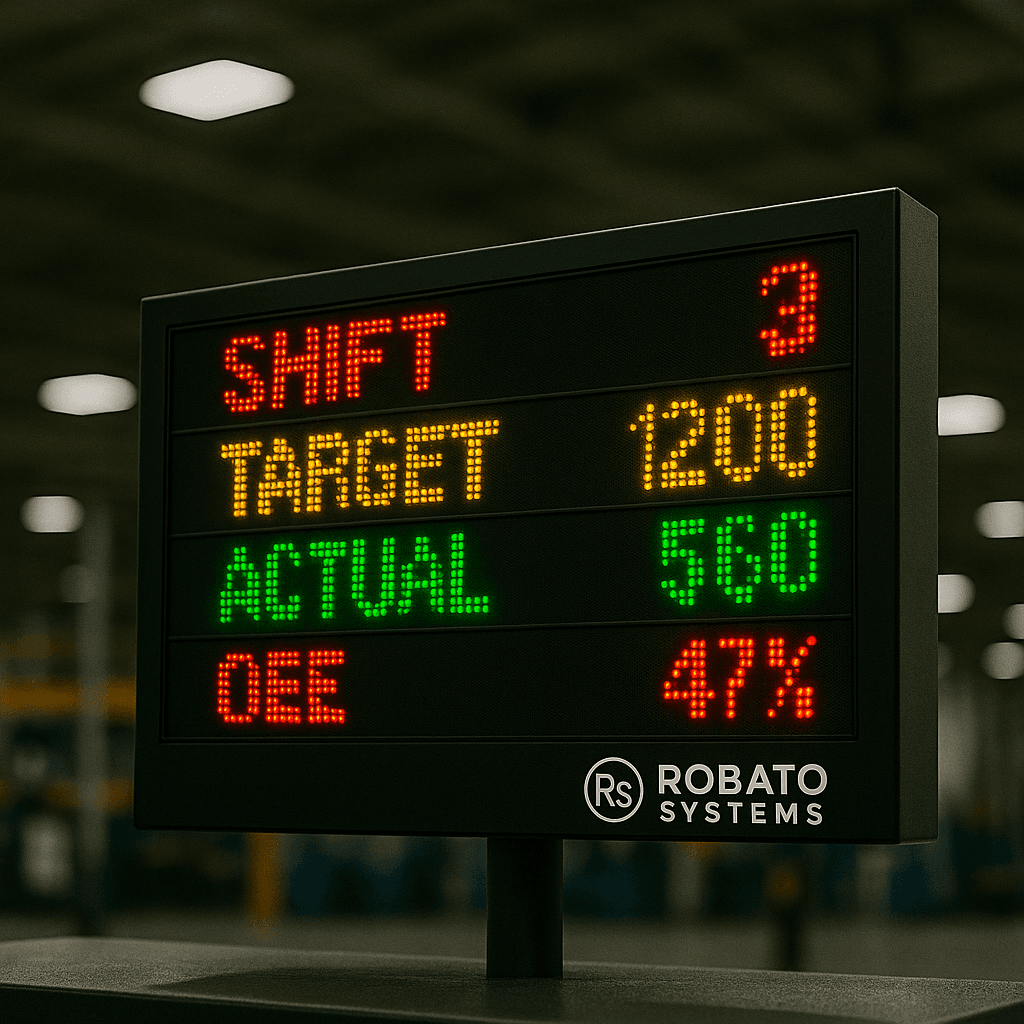
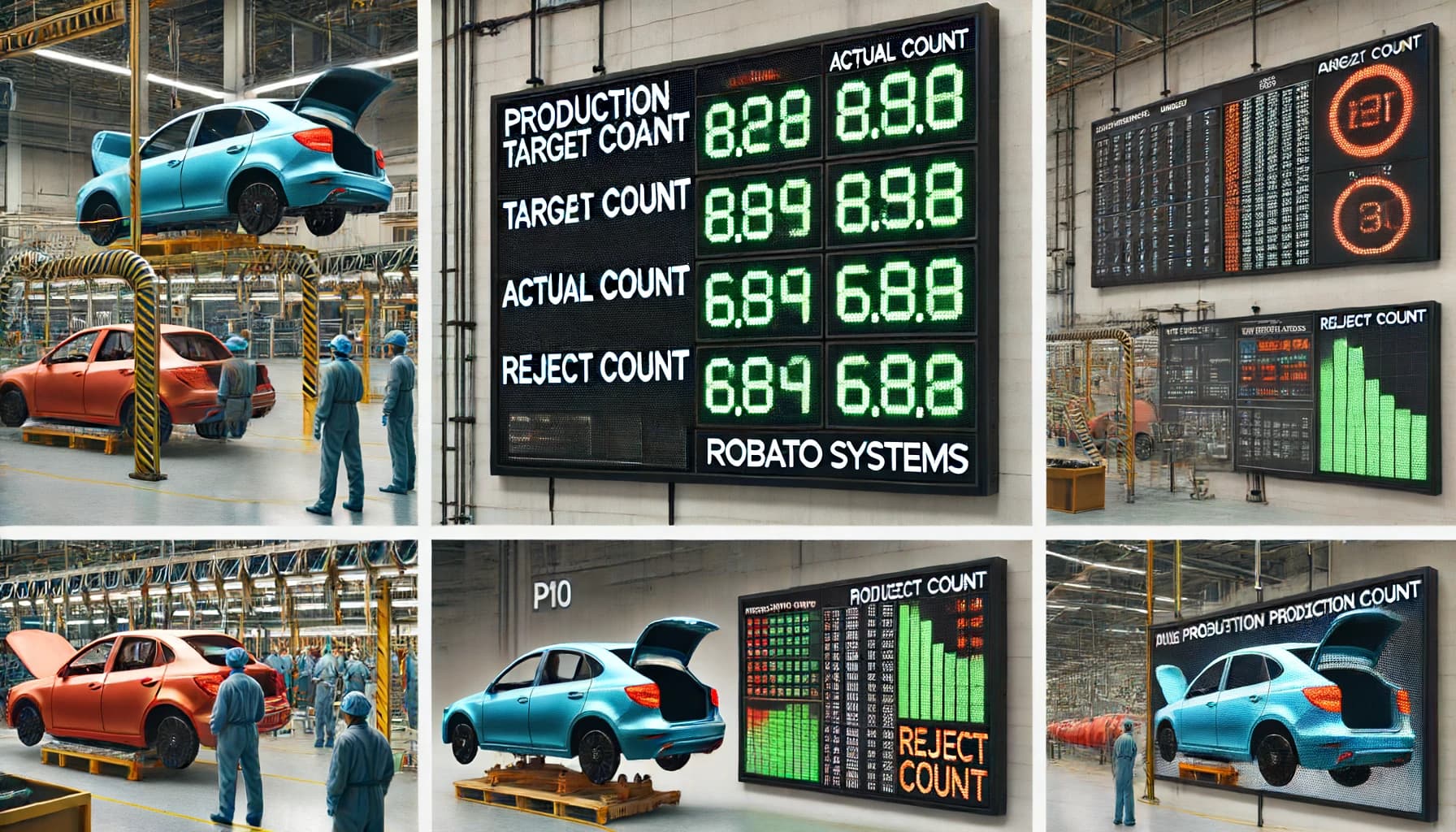
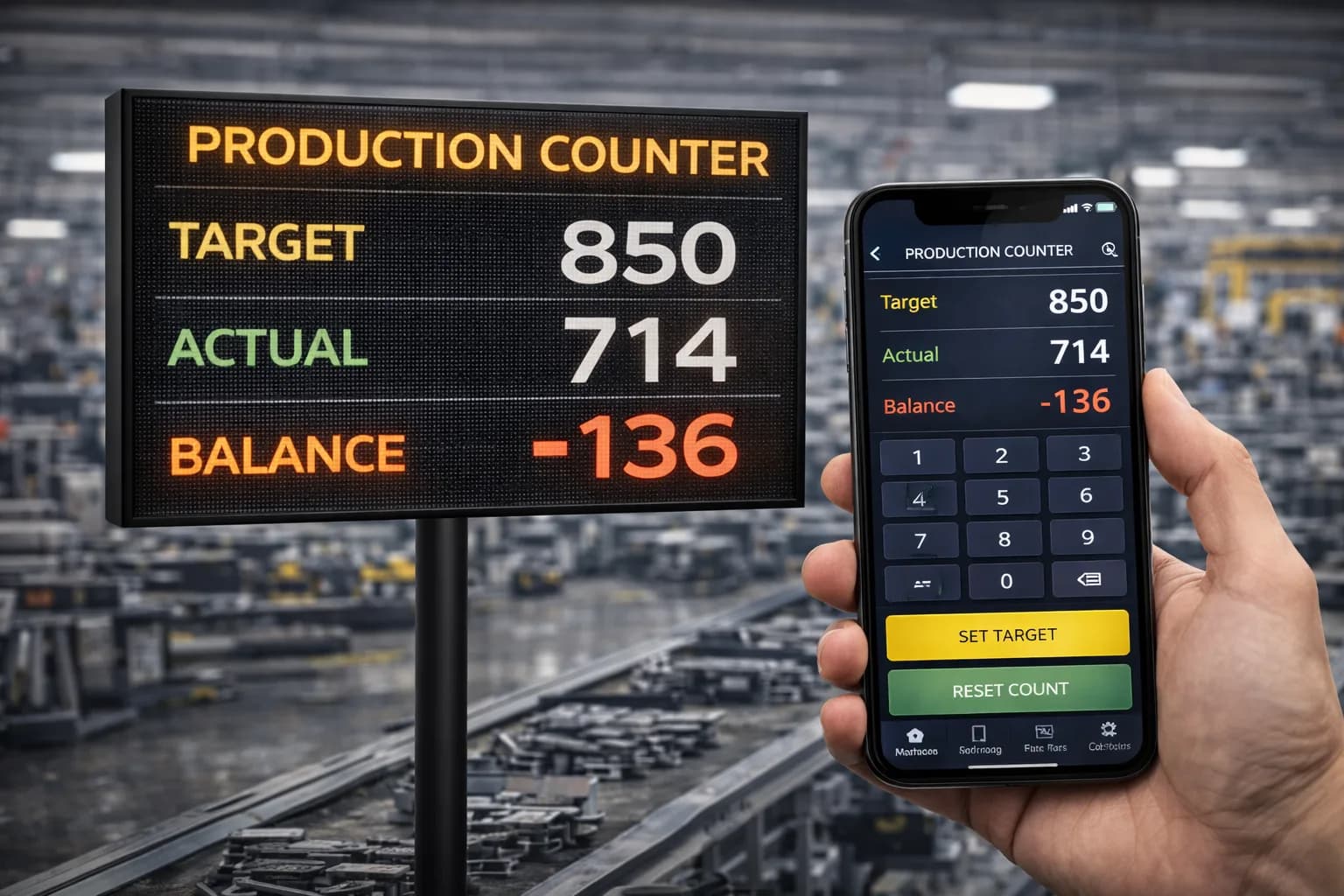
Production Output
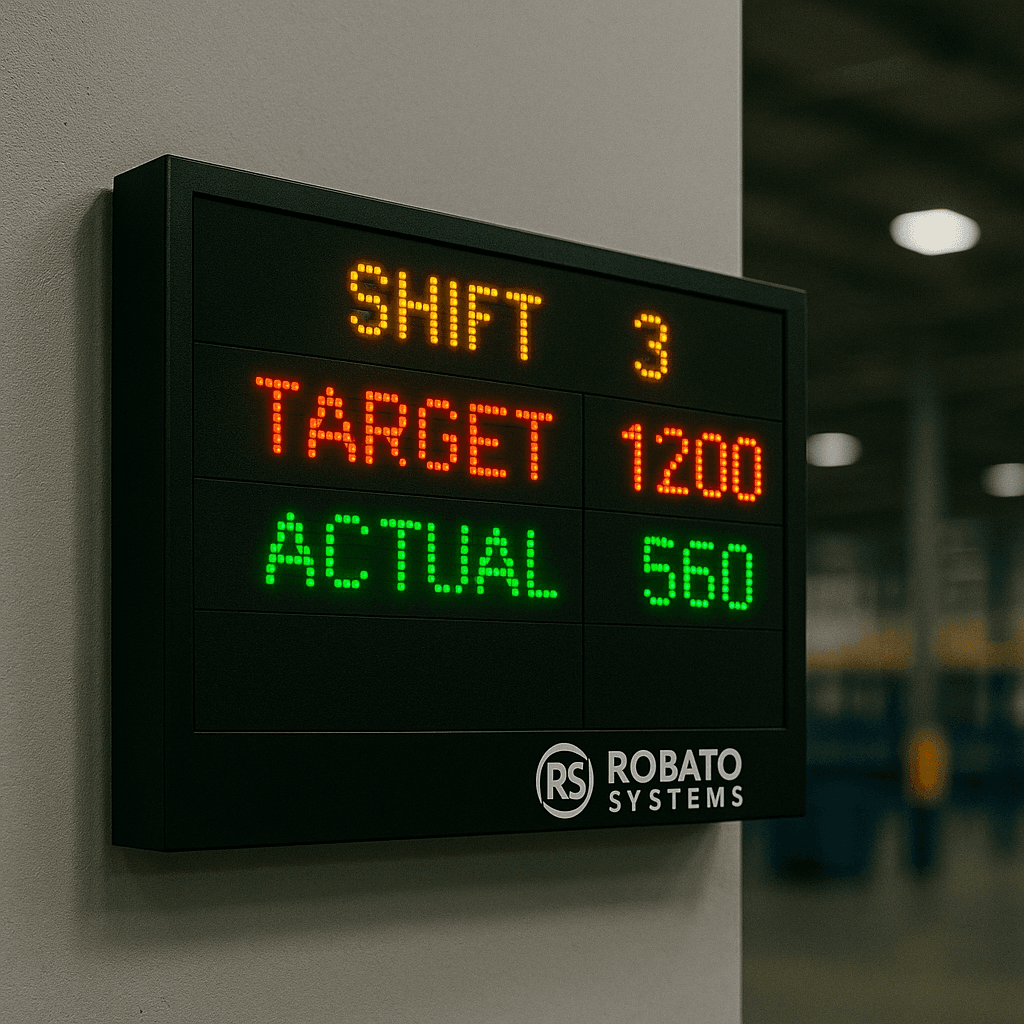
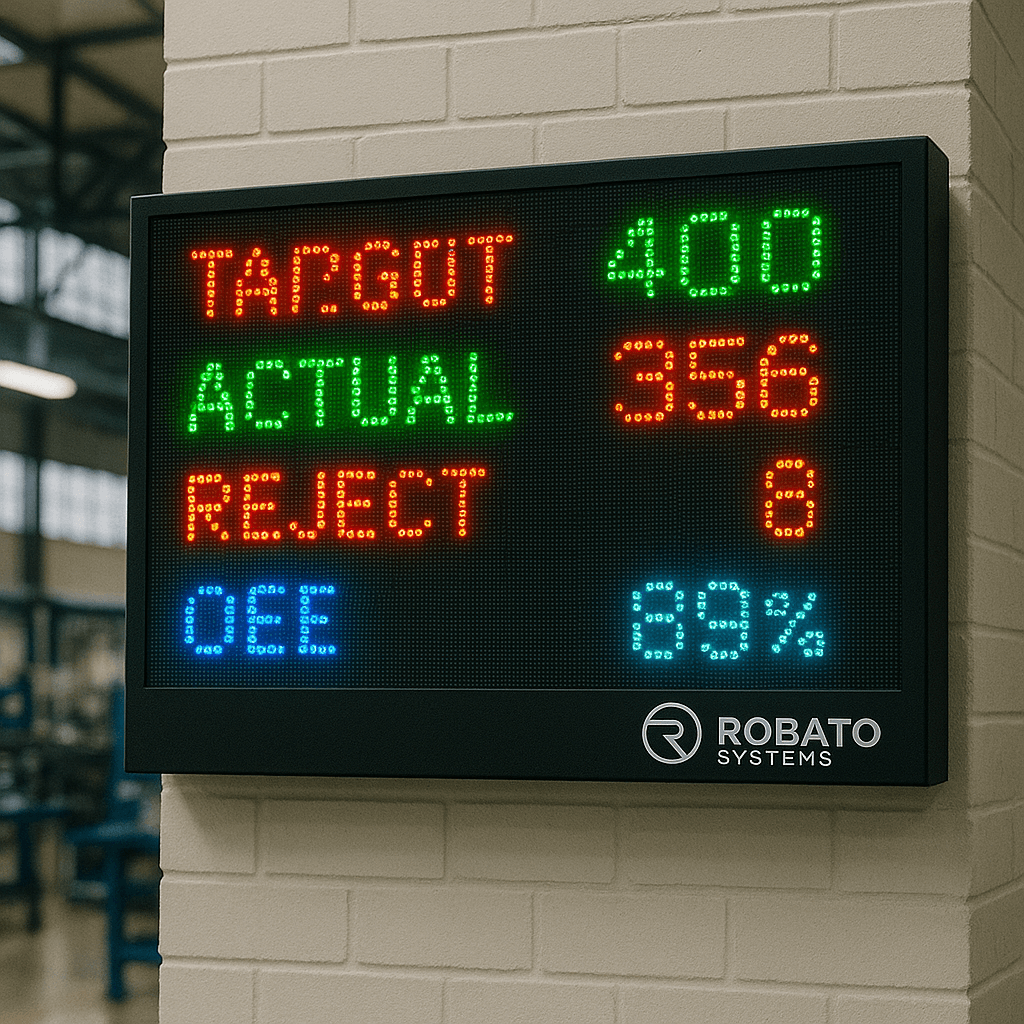
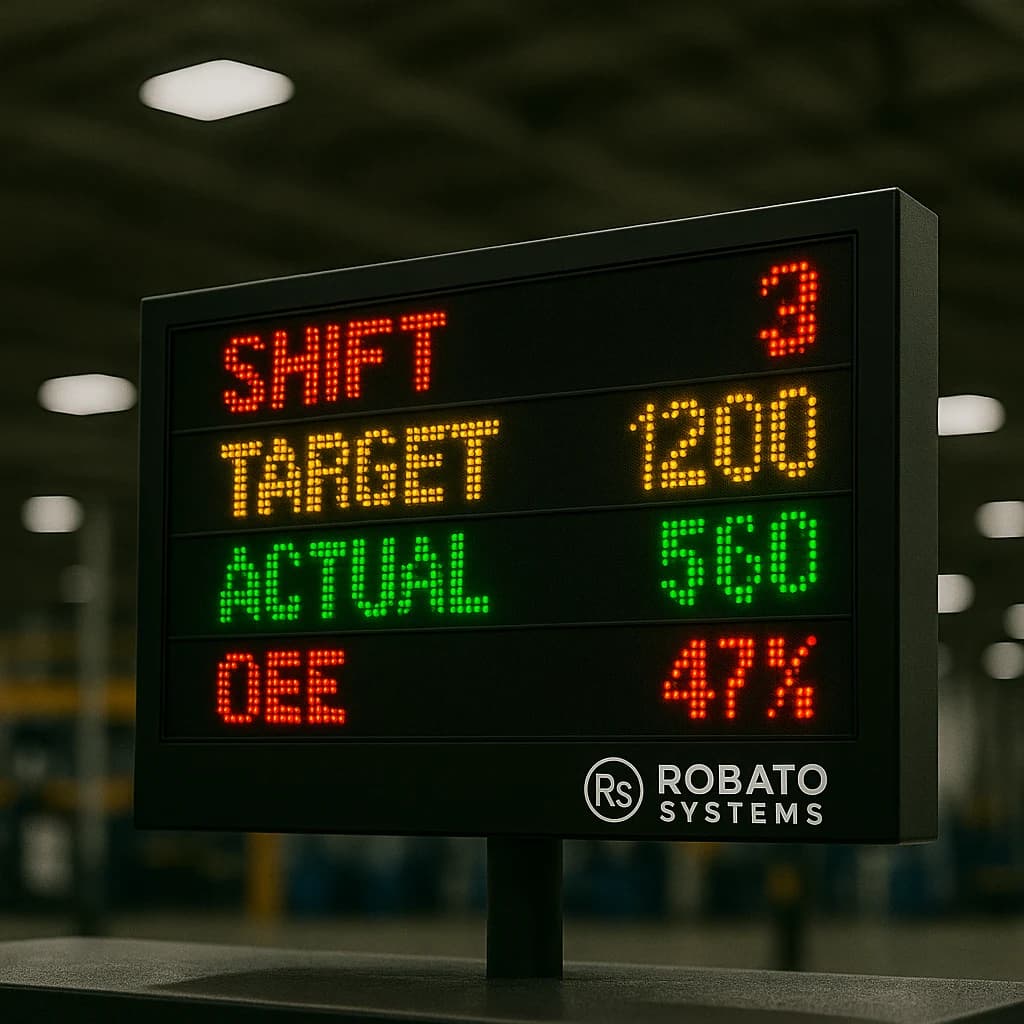
Actual production versus target production.
Machine Utilization
Equipment operating efficiency.
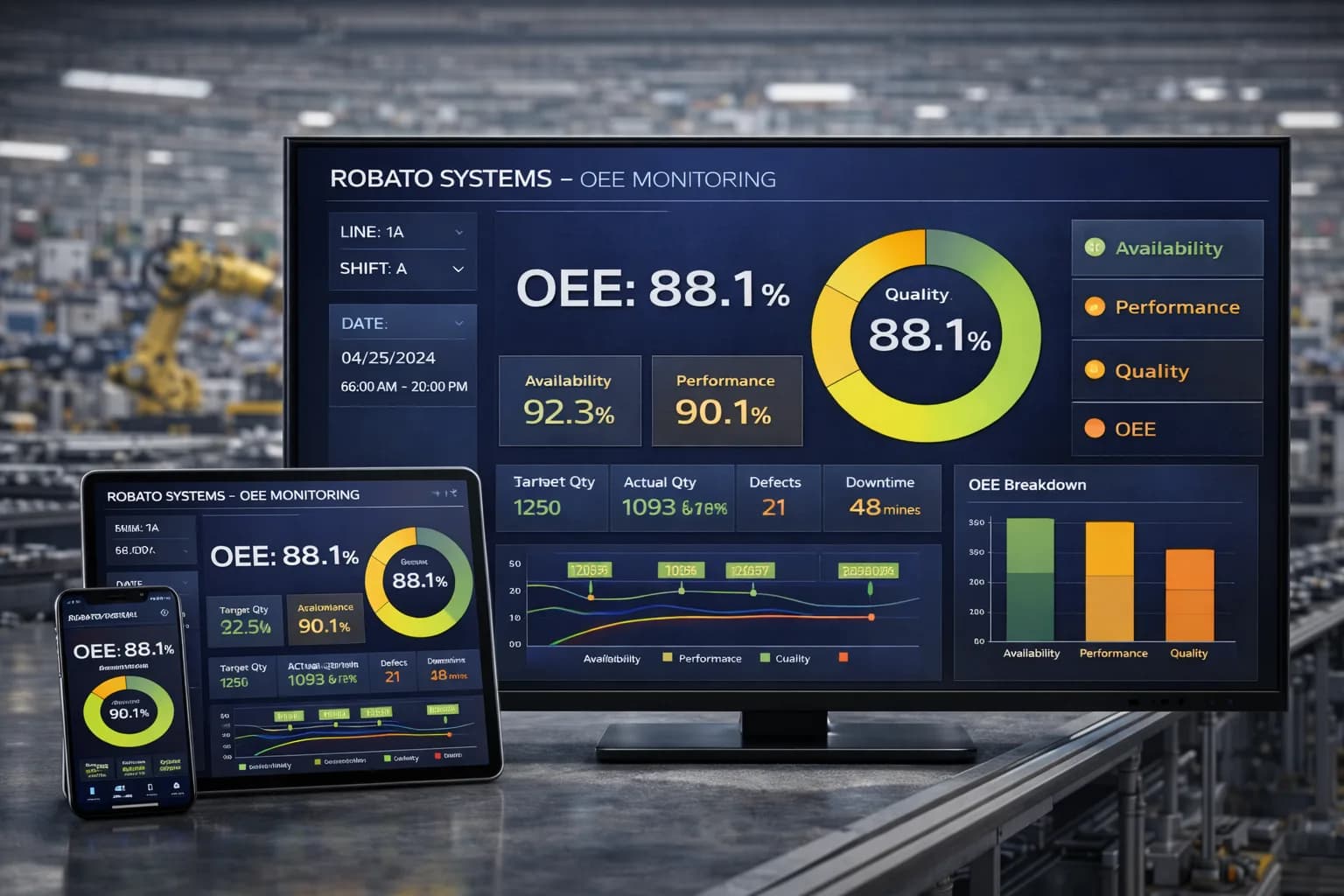
Overall Equipment Effectiveness (OEE)
Measures availability, performance, and quality.
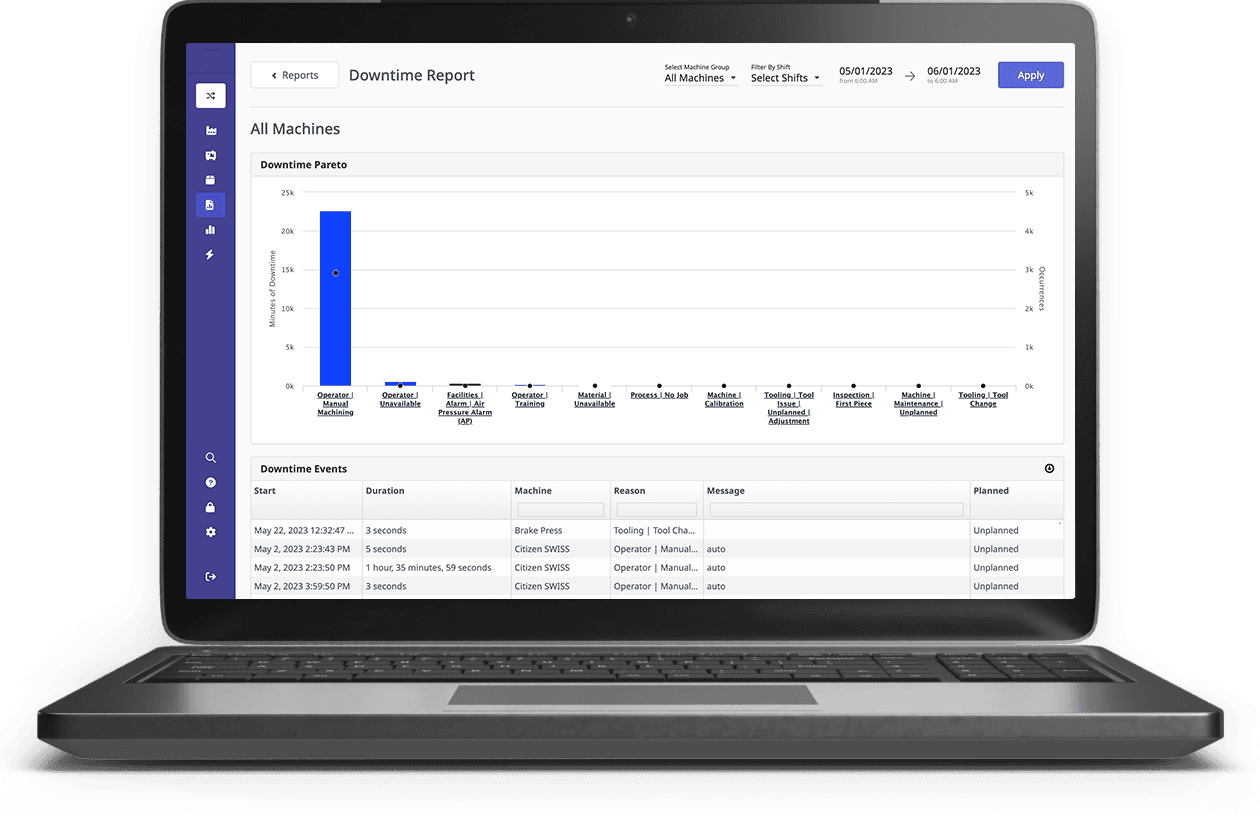
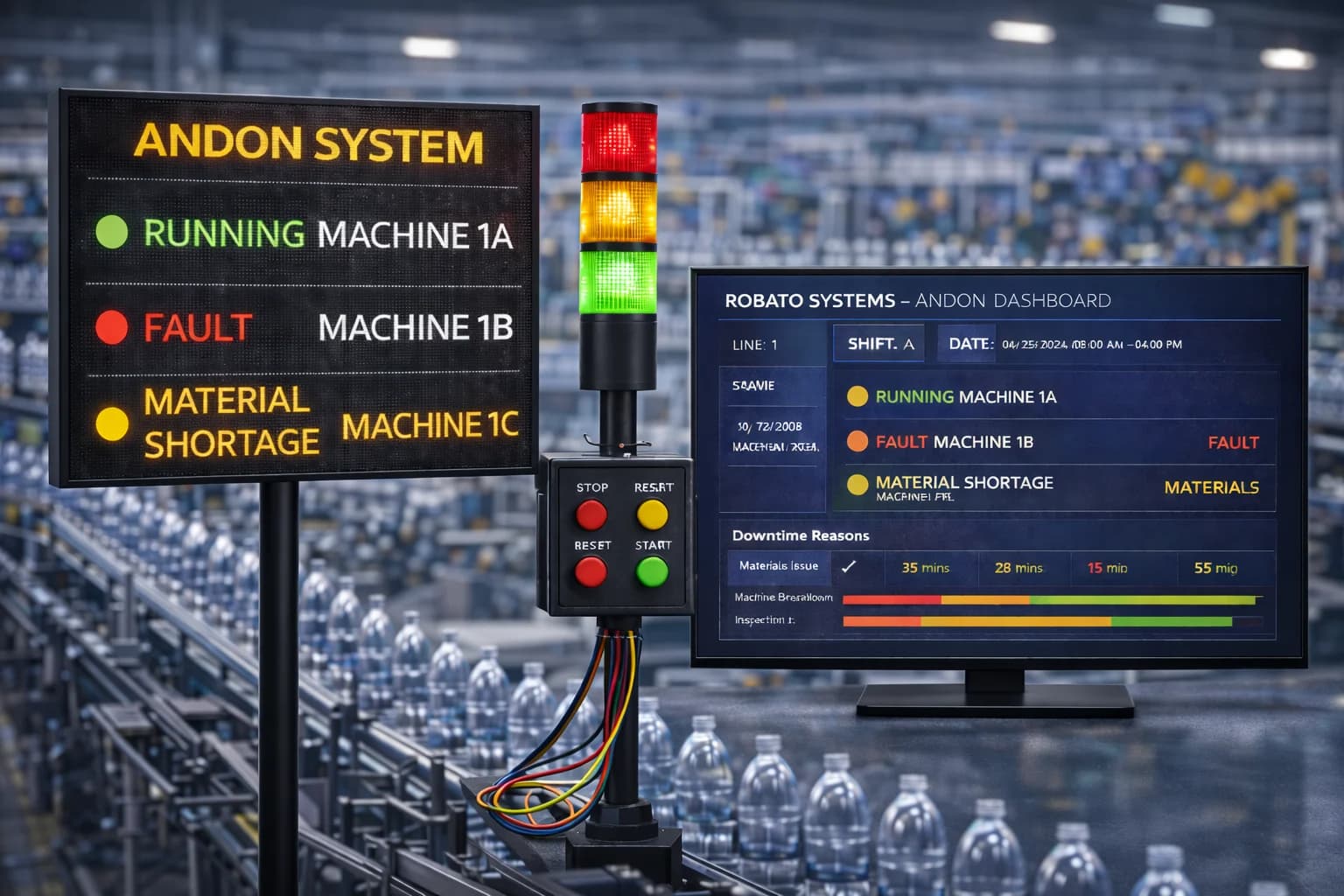
Downtime Events
Machine stoppages and failure analysis.
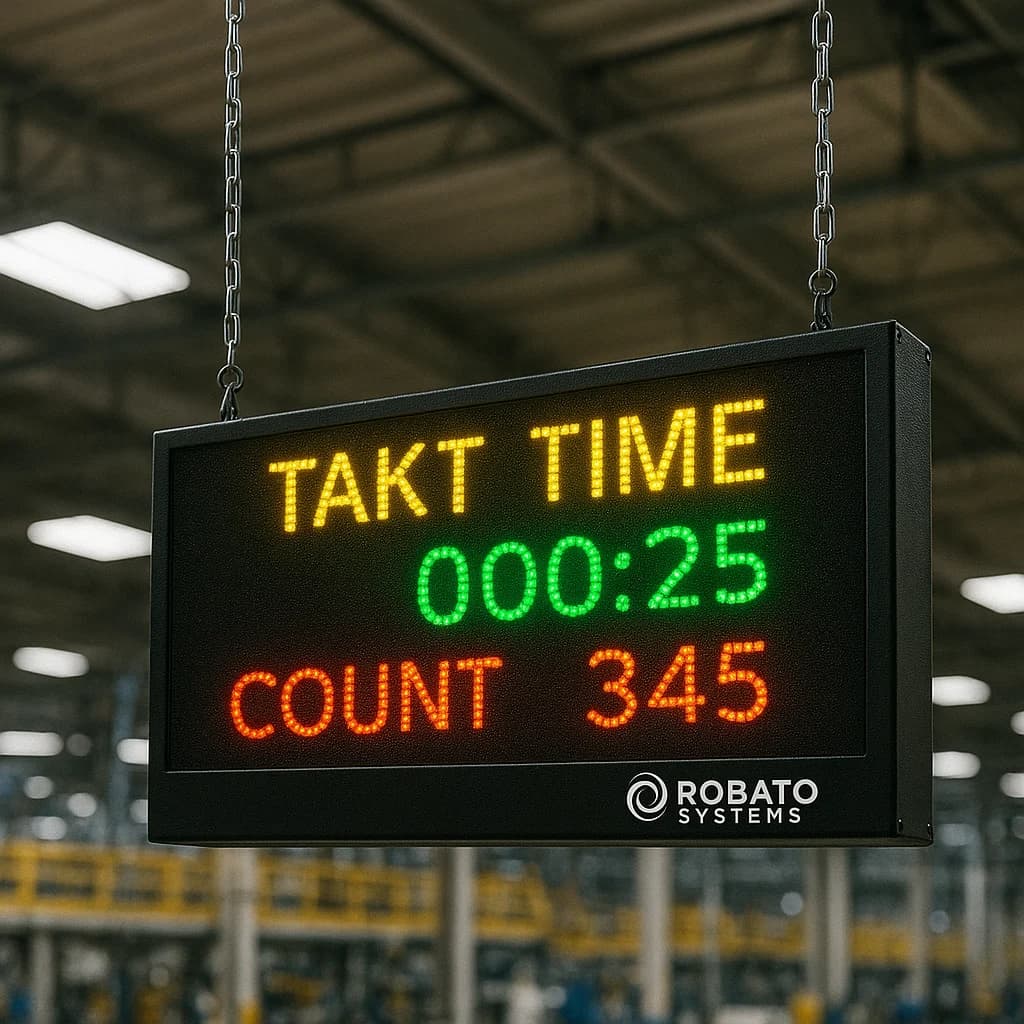
Cycle Time
Production speed and process efficiency.
Quality Metrics
Defect rates and rejection percentages.
Energy Consumption
Machine and facility energy usage.
These metrics help manufacturers optimize performance and reduce inefficiencies.
Production Data Collection and Industry 4.0
Industry 4.0 relies heavily on connected systems and real-time information.
Automated production data collection supports:
- Smart factory initiatives
- Industrial IoT connectivity
- Predictive maintenance
- Manufacturing analytics
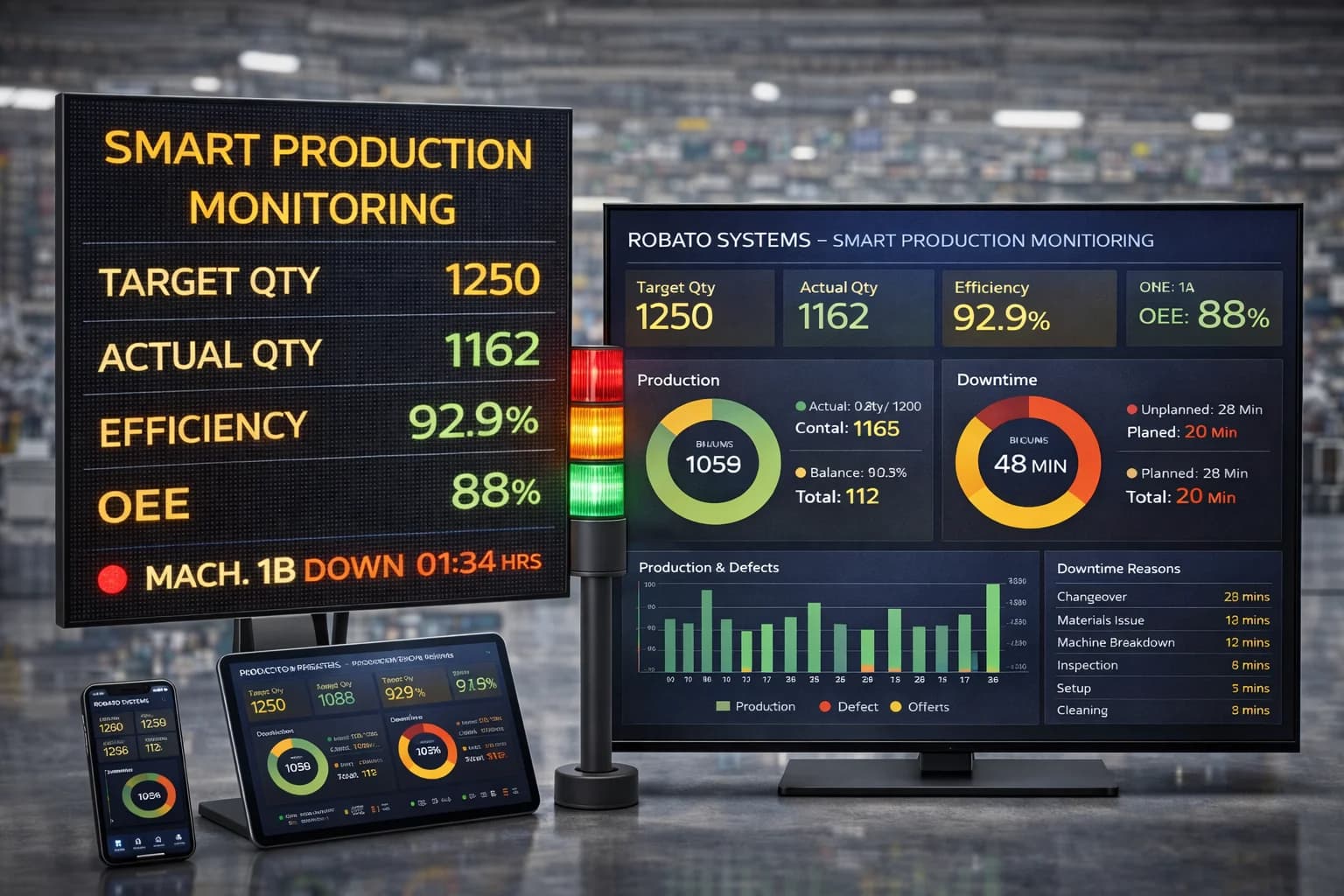
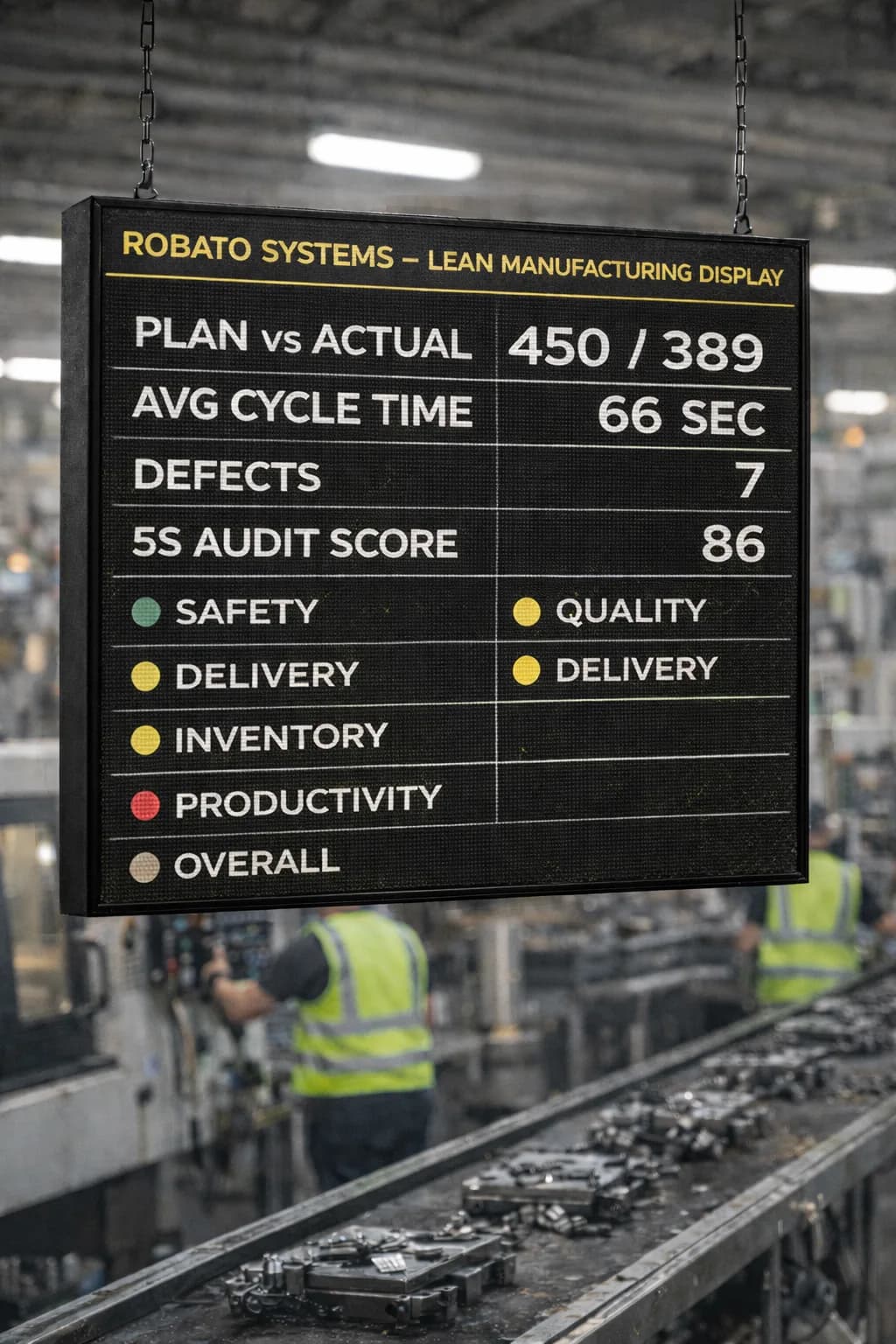
- Production monitoring dashboards
- Data-driven decision-making
Without accurate production data, Industry 4.0 technologies cannot deliver their full value.
Best Practices for Implementing Automated Data Collection
Identify Critical Data Points
Focus on information that directly impacts production performance.
Connect Key Equipment
Prioritize machines that contribute most to productivity.
Standardize Data Collection Methods
Ensure consistency across production lines.
Use Real-Time Dashboards
Provide immediate visibility into manufacturing operations.
Integrate with Existing Systems
Connect data collection platforms with:
- ERP systems
- MES software
- SCADA platforms
- Maintenance systems
Continuously Analyze Data
Use collected information to identify improvement opportunities.
Challenges in Production Data Collection
Although automated systems provide significant benefits, manufacturers may face challenges such as:
Legacy Equipment Integration
Older machines may require additional hardware or gateways.
Data Quality Issues
Poor sensor calibration can affect accuracy.
Cybersecurity Concerns
Connected systems require strong security measures.
Large Data Volumes
Managing and analyzing big data can be complex.
Proper planning and implementation help overcome these challenges.
Future Trends in Production Data Collection
Modern manufacturing is evolving rapidly with technologies such as:
Artificial Intelligence
AI-powered analytics improve production insights and forecasting.
Edge Computing
Real-time processing occurs closer to machines.
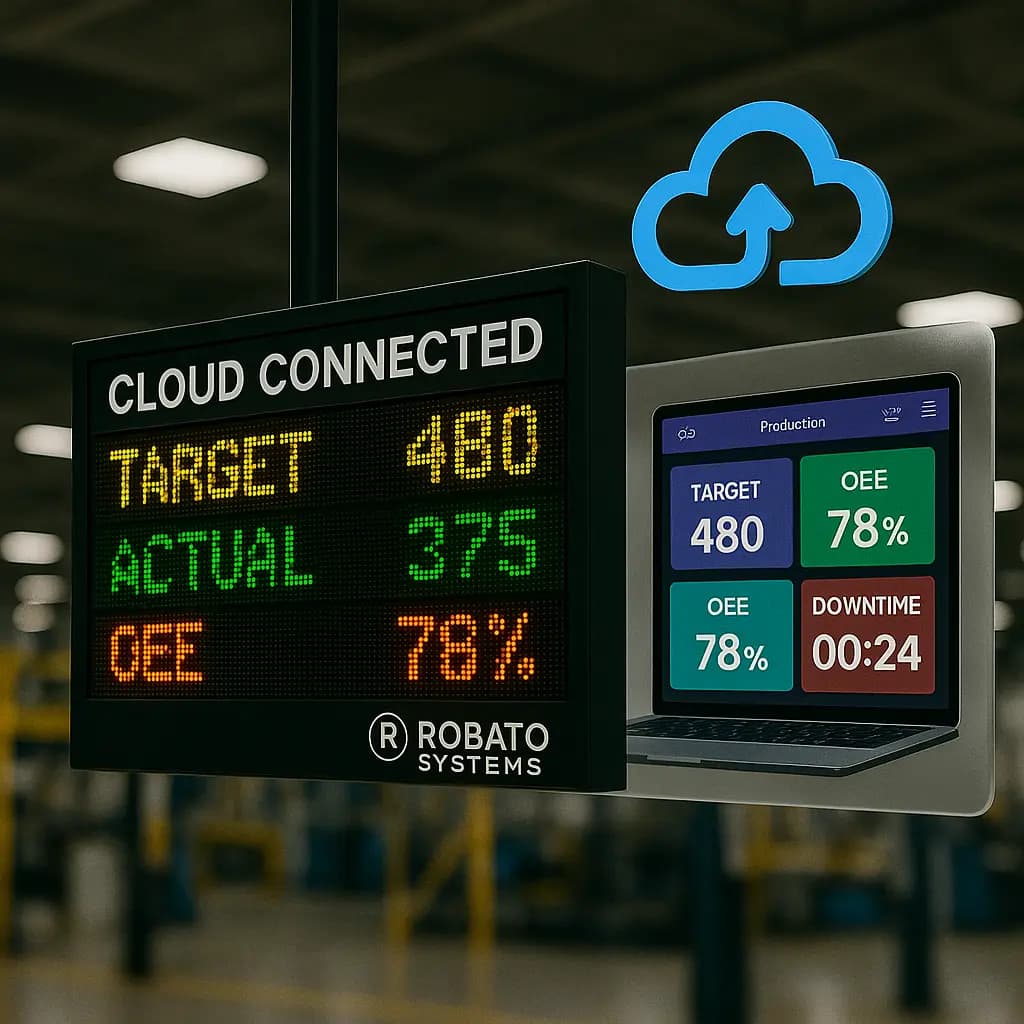
Cloud-Based Monitoring
Production data becomes accessible from anywhere.
Digital Twins
Virtual factory models use real-time data for simulation and optimization.
Advanced IIoT Devices
Smarter sensors provide more accurate and detailed production information.
These innovations are making production data collection faster, smarter, and more valuable.
Conclusion
Production Data Collection is the foundation of modern manufacturing and Industry 4.0 initiatives. Automated data collection methods provide accurate, real-time information that helps manufacturers improve productivity, reduce downtime, and optimize operations.
By leveraging PLCs, Industrial IoT devices, RFID systems, SCADA platforms, and MES software, organizations can gain complete visibility into production performance and make better decisions.
As manufacturing continues to evolve toward smart factories, automated production data collection will remain one of the most important tools for achieving operational excellence and long-term competitiveness.
Frequently Asked Questions (FAQs)
What is production data collection?
Production data collection is the process of capturing and analyzing manufacturing information such as production output, machine status, downtime, and quality metrics.
Why is automated production data collection important?
It improves accuracy, reduces manual effort, provides real-time visibility, and supports better decision-making.
Which technologies are used for automated production data collection?
Common technologies include PLCs, Industrial IoT sensors, SCADA systems, MES software, RFID, and barcode systems.
How does production data collection support Industry 4.0?
It provides the real-time information needed for smart factories, predictive maintenance, manufacturing analytics, and automation.
What are the benefits of automated production data collection?
Benefits include improved productivity, reduced downtime, better quality control, enhanced visibility, and lower operational costs.