Benefits of Real-Time Production Monitoring
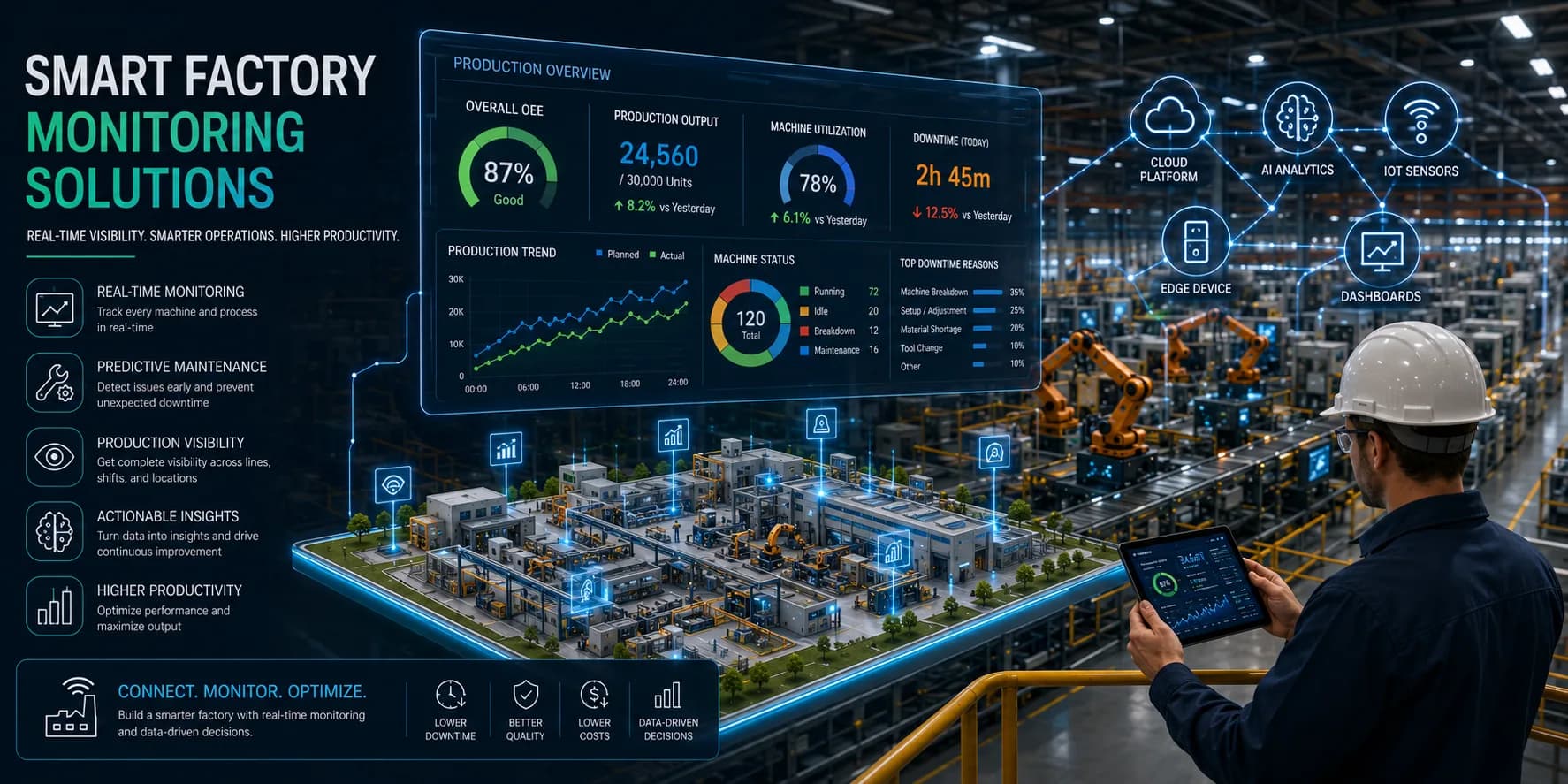
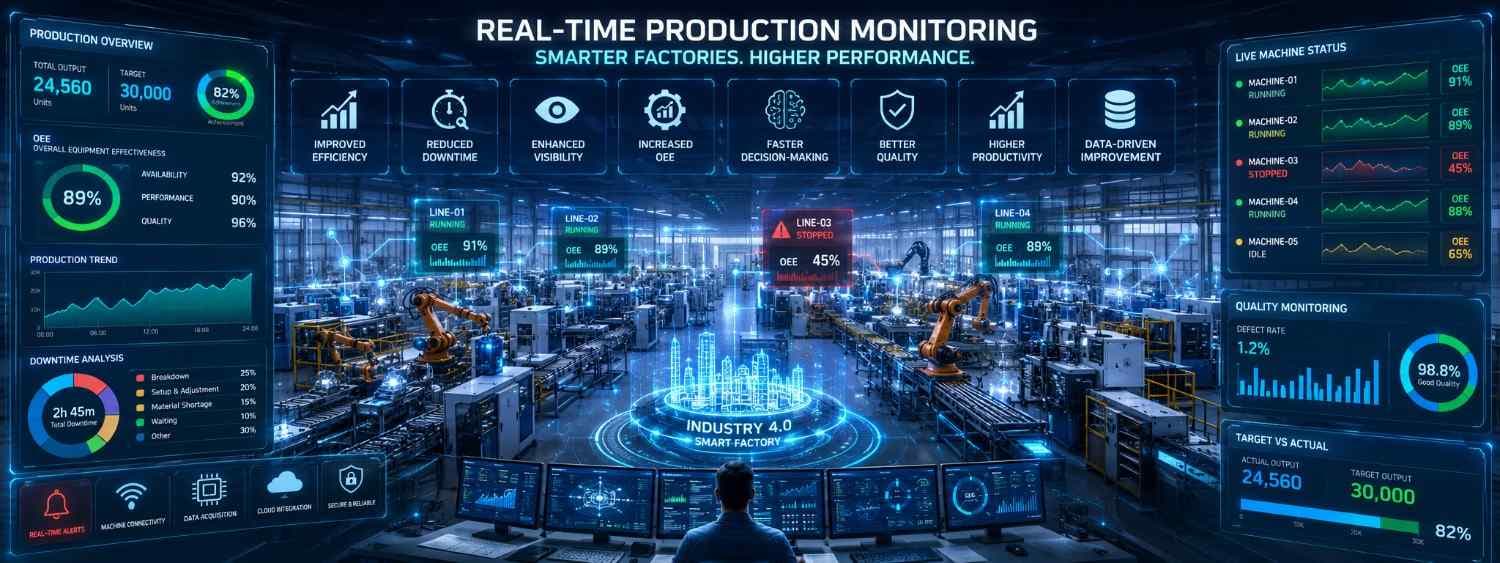
Manufacturing industries are rapidly embracing digital transformation to improve productivity, minimize downtime, and enhance operational efficiency. One of the most impactful technologies driving this change is Real-Time Production Monitoring. By providing instant visibility into machine performance, production output, and shop floor activities, manufacturers can make faster decisions and optimize their processes continuously.
Traditional production reporting methods often rely on manual entries and delayed information, making it difficult to identify issues before they impact productivity. Real-time production monitoring eliminates these limitations by delivering live insights that enable proactive decision-making and smarter manufacturing operations.
What is Real-Time Production Monitoring?
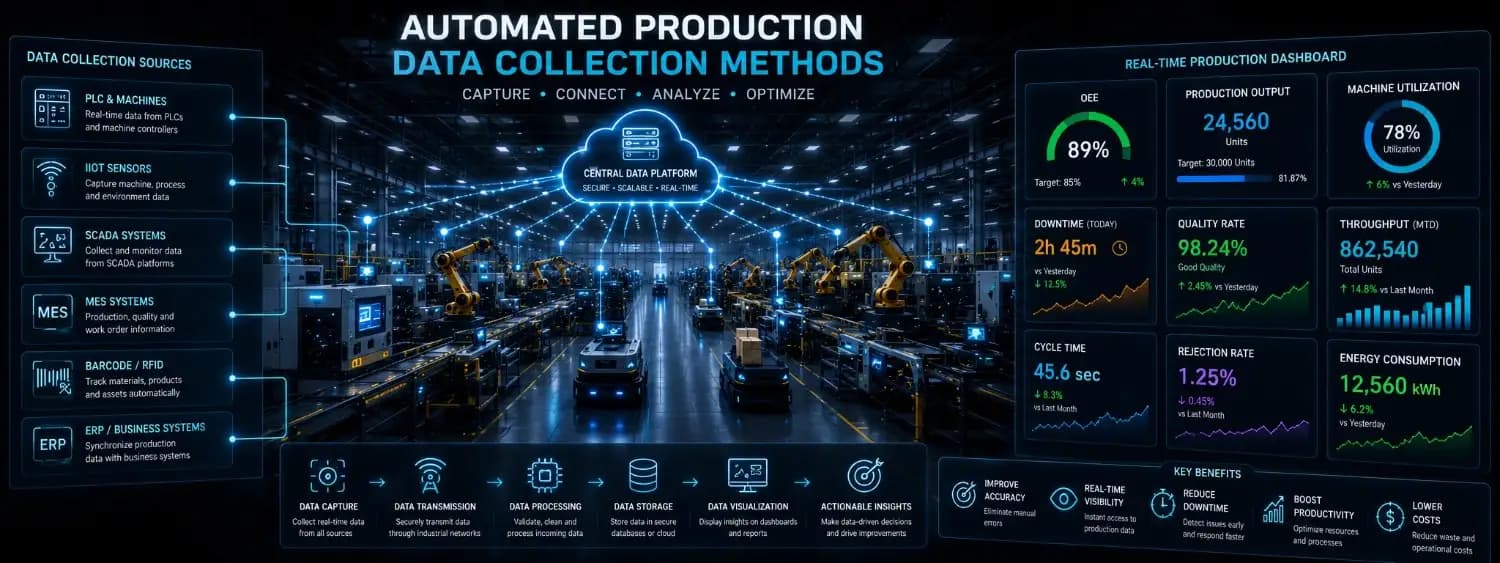
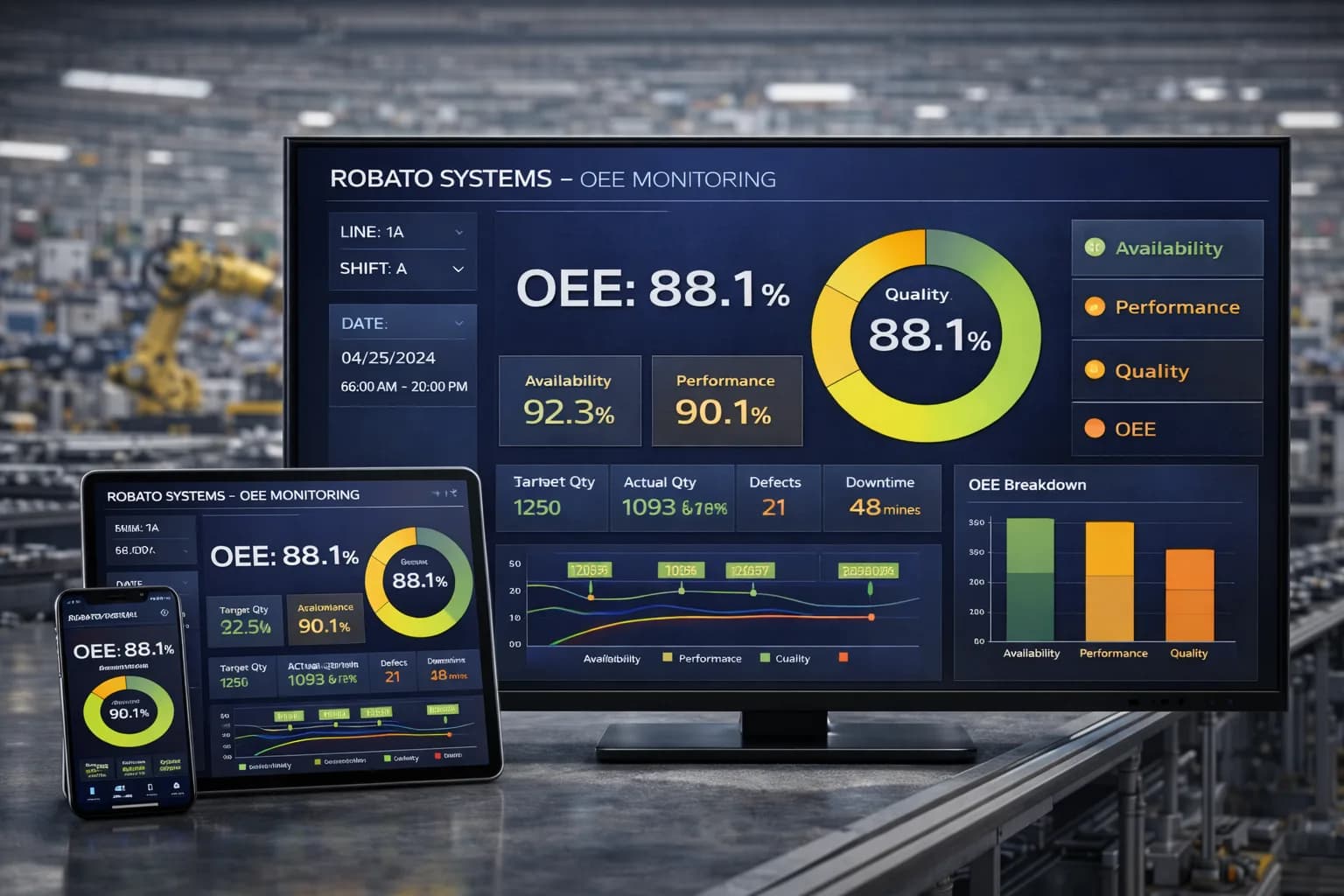
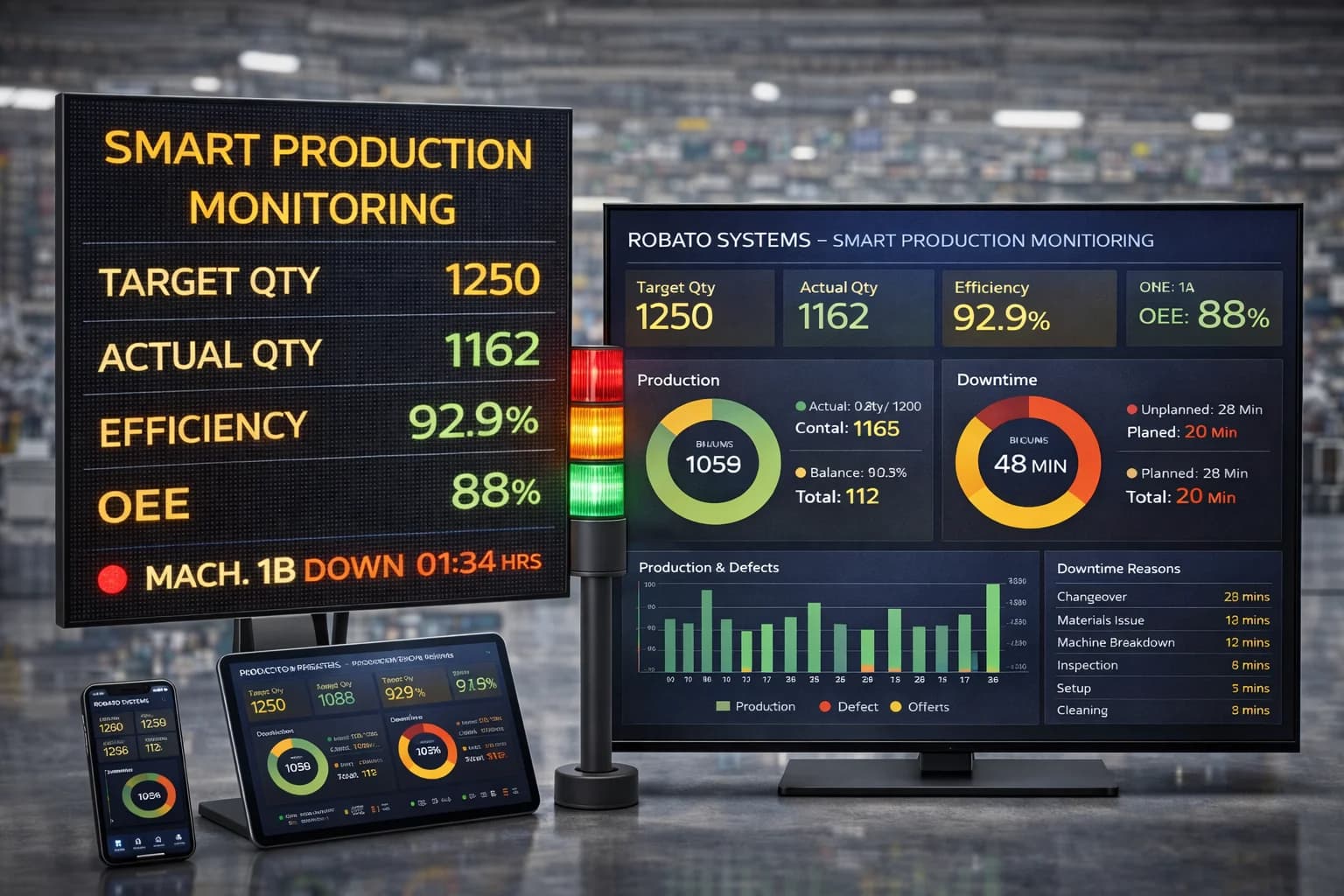
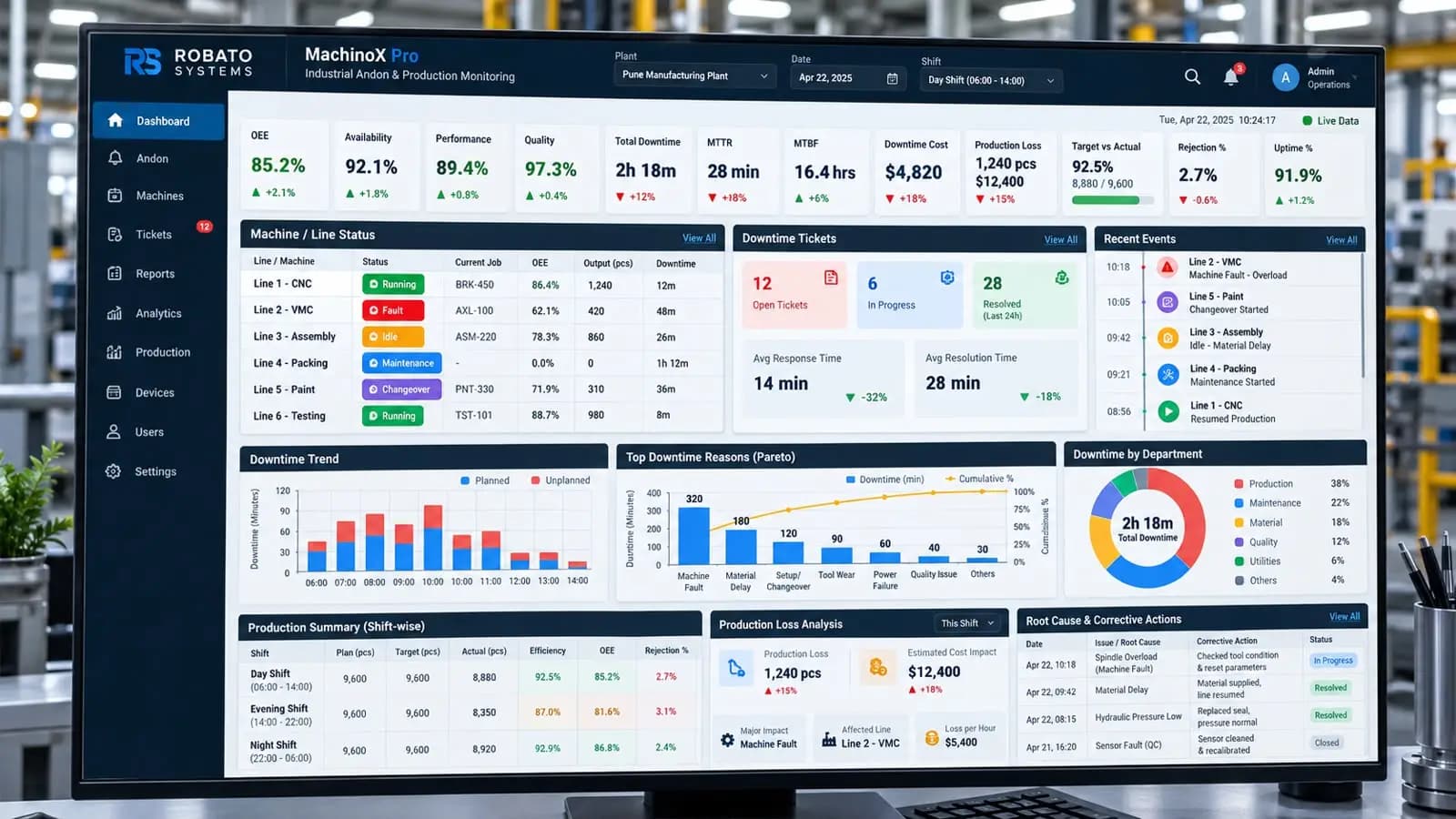
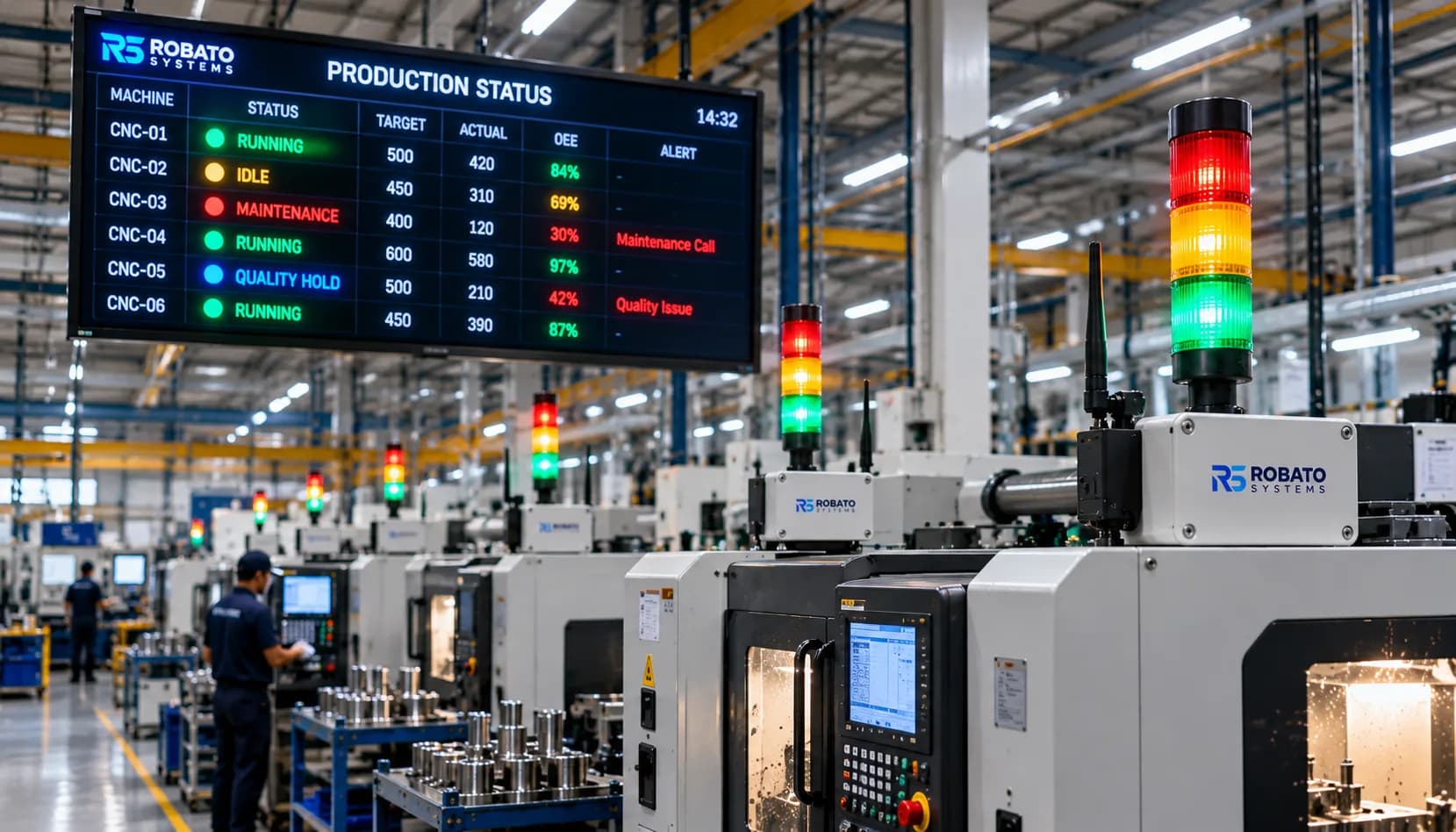
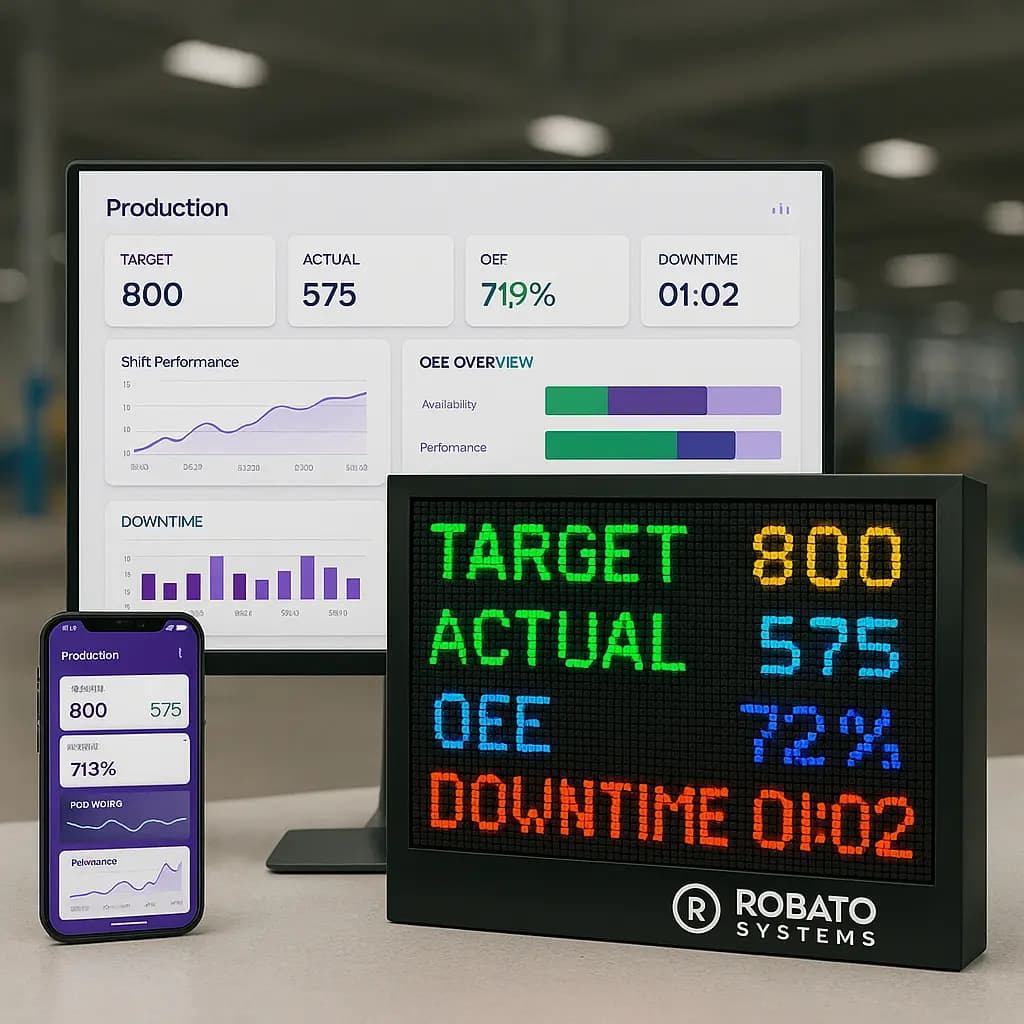
Real-time production monitoring refers to the continuous collection, analysis, and visualization of production data as manufacturing processes occur. Using sensors, PLCs, Industrial IoT devices, and production monitoring software, manufacturers can instantly access information about:
- Machine status
- Production output
- Downtime events
- Cycle times
- Operator performance
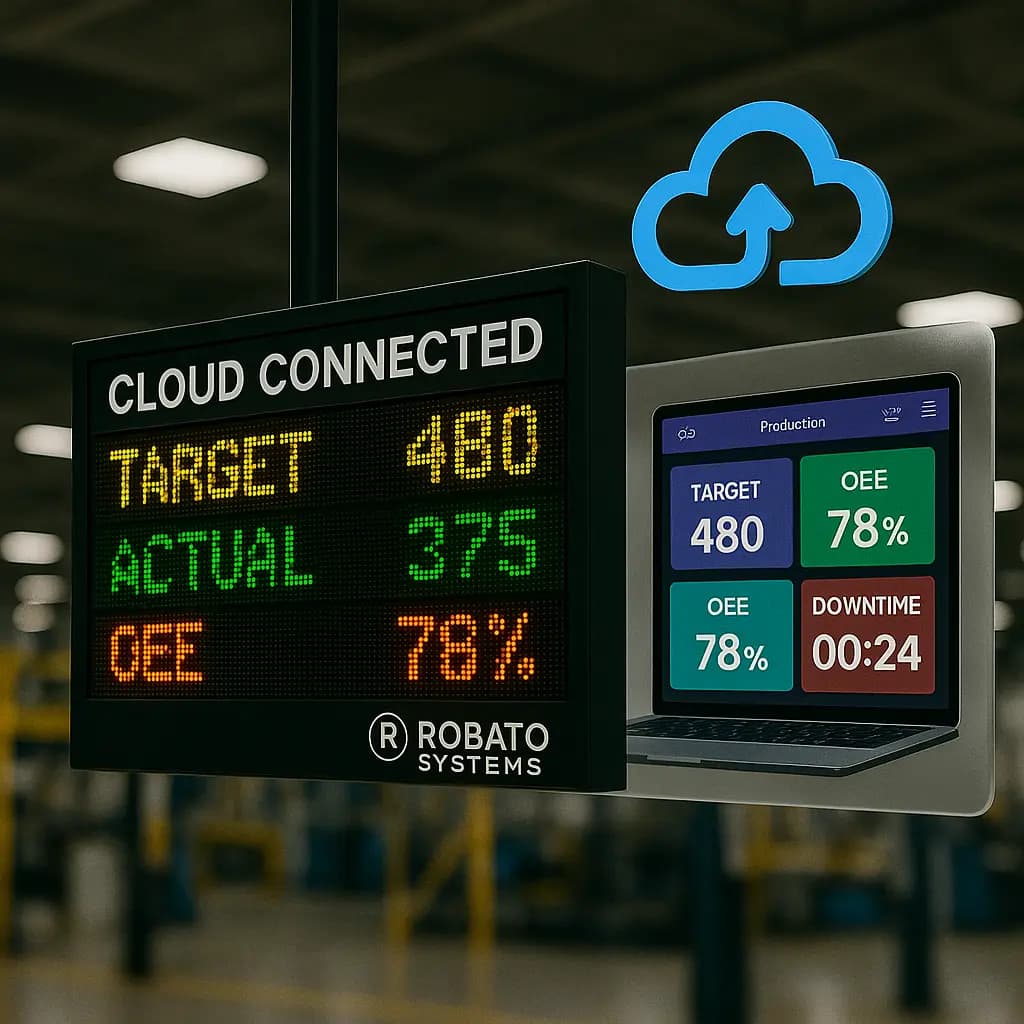
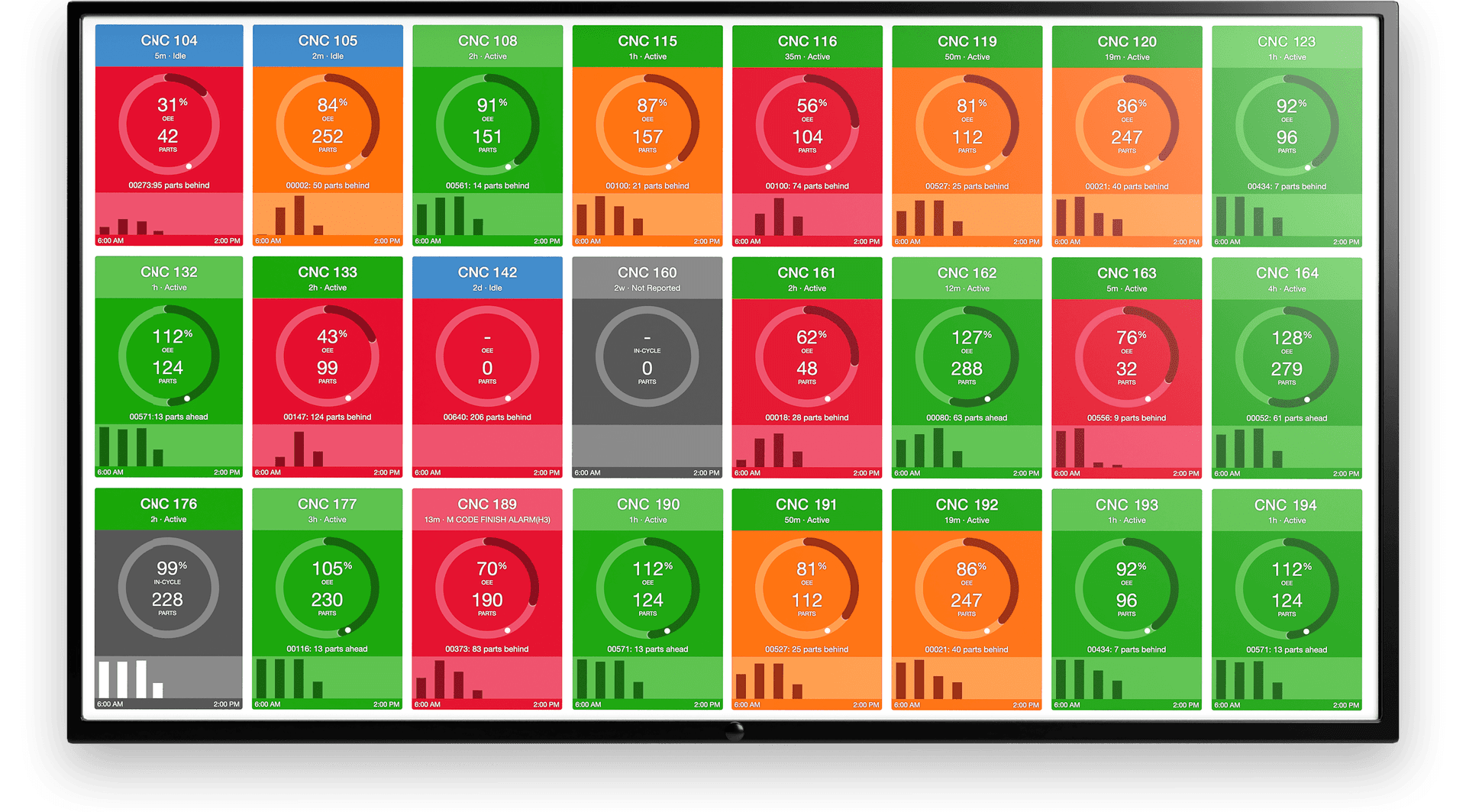
- Overall Equipment Effectiveness (OEE)
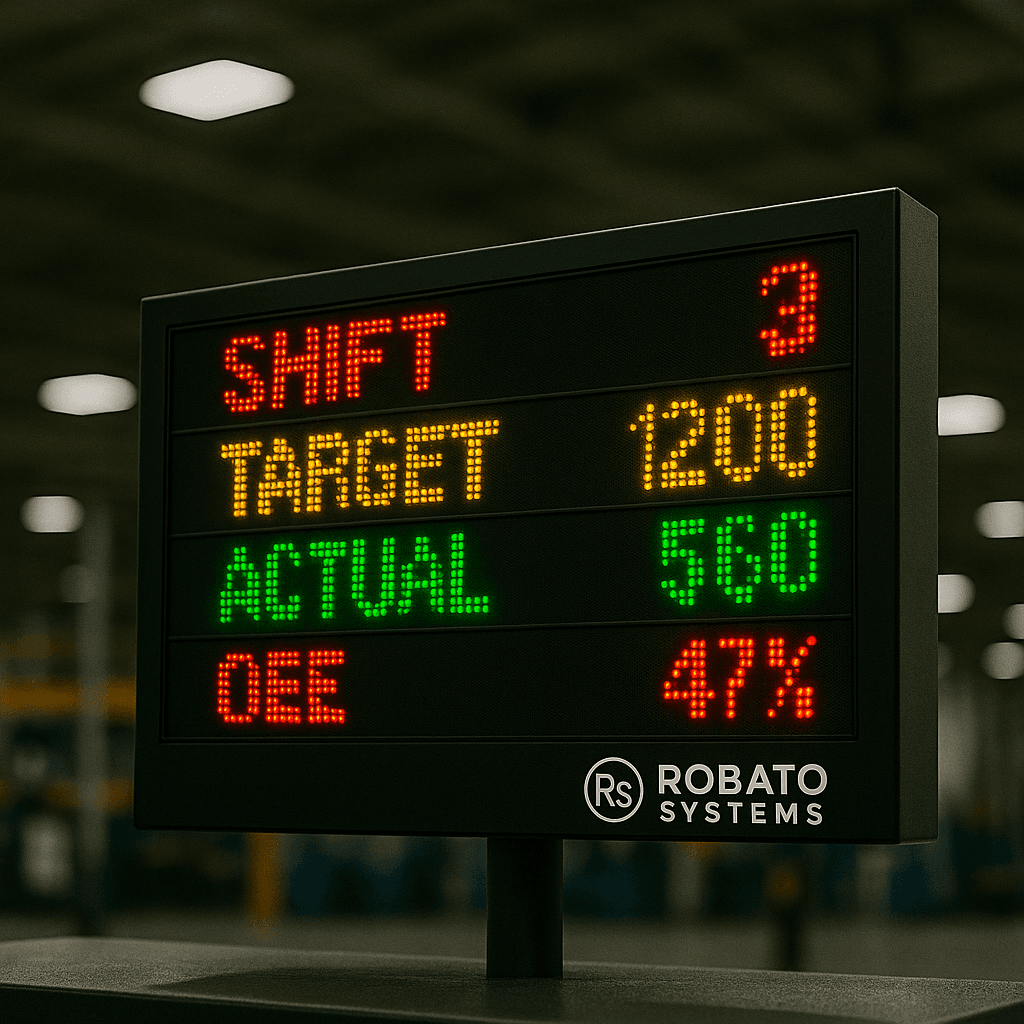
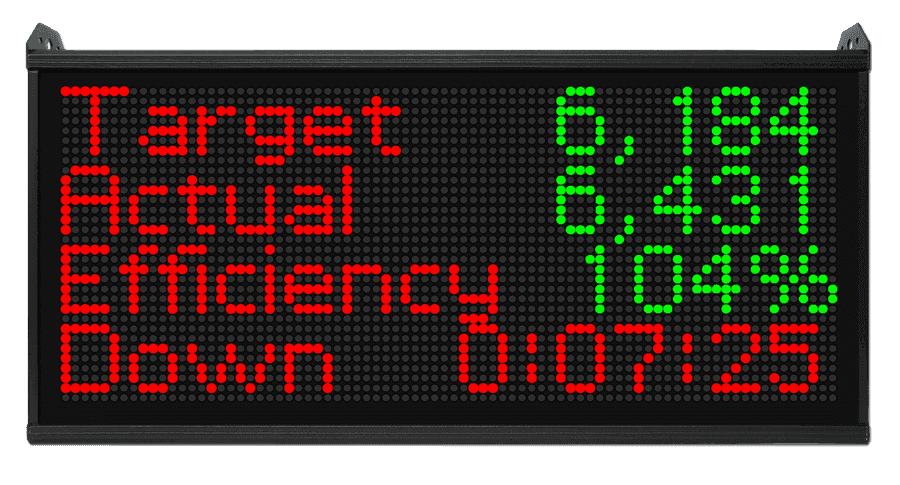
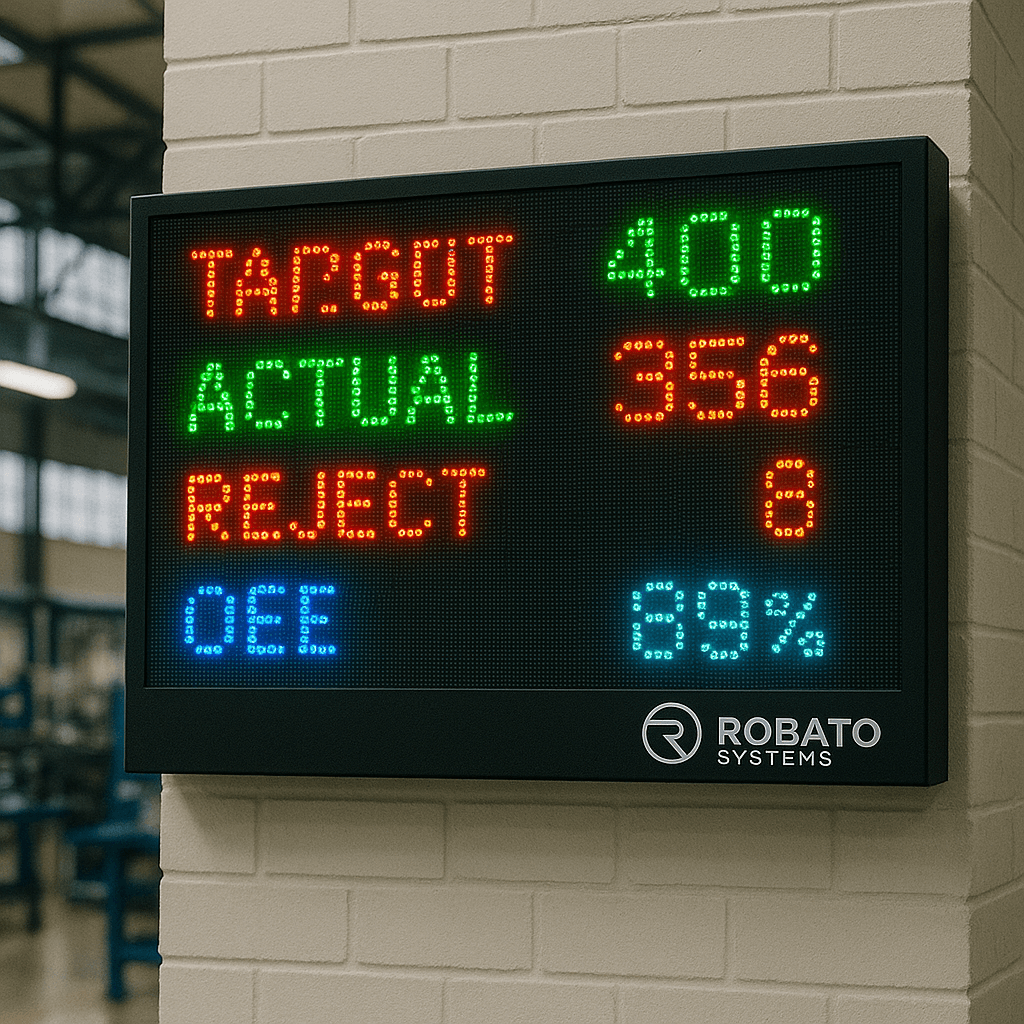
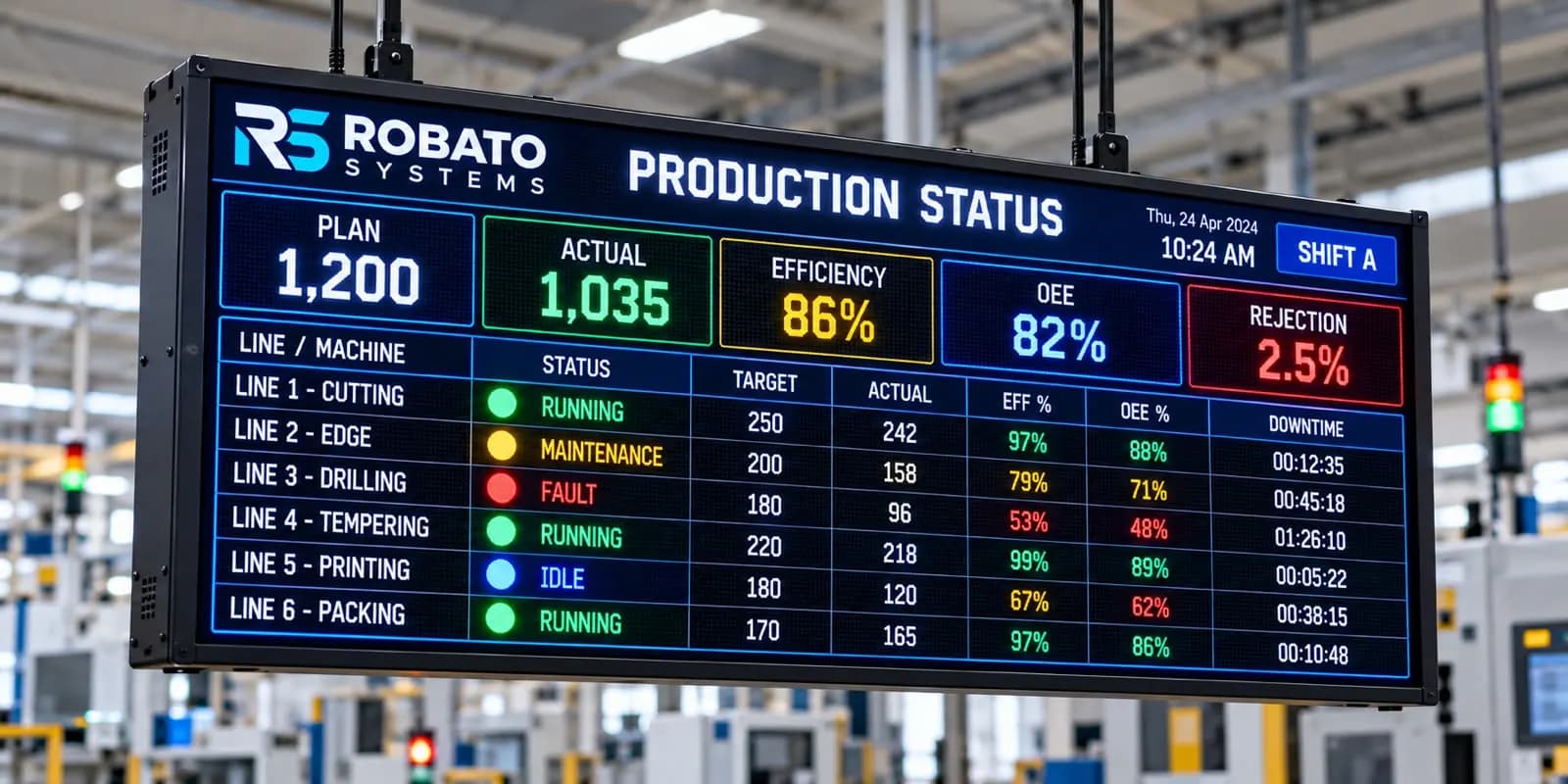
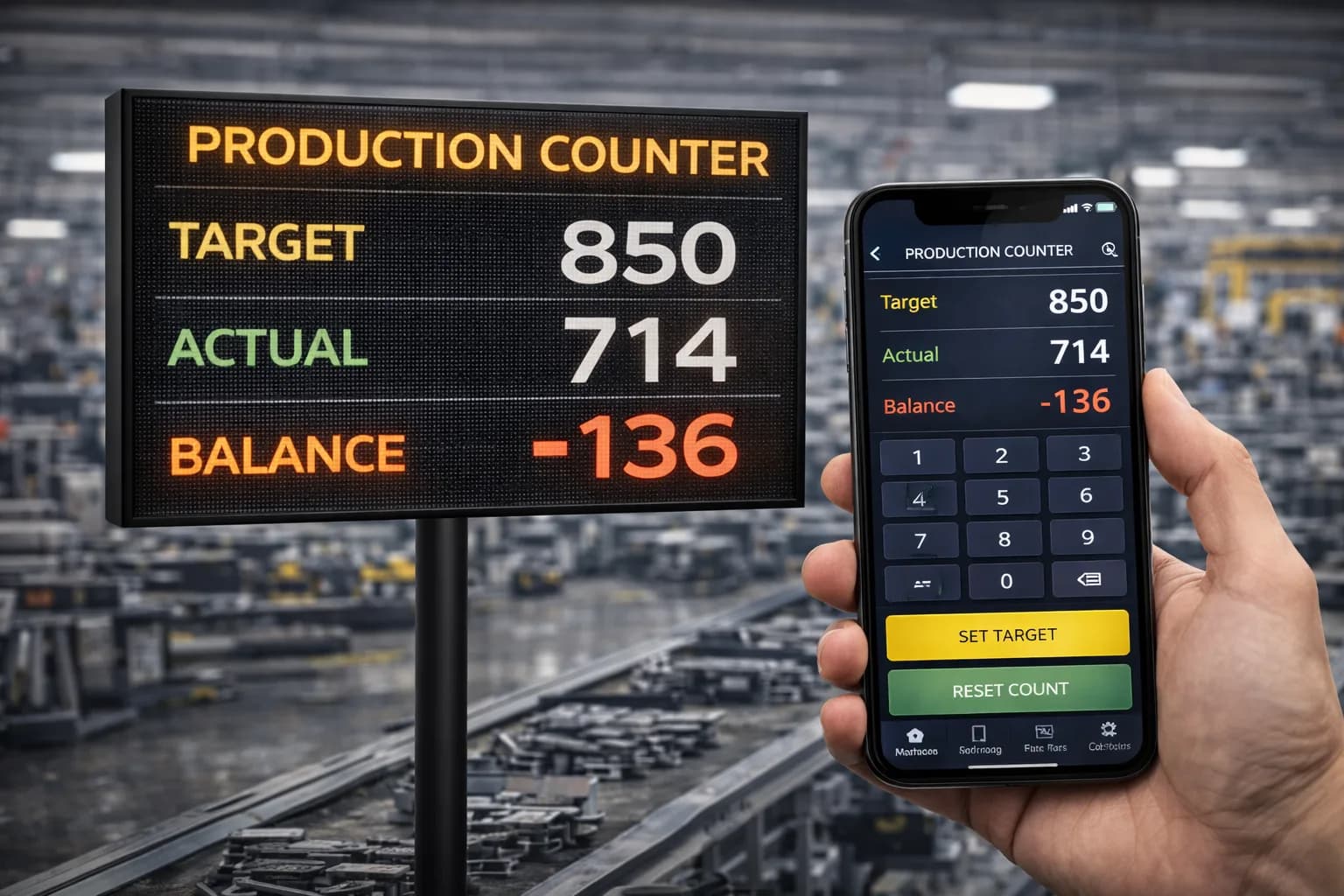
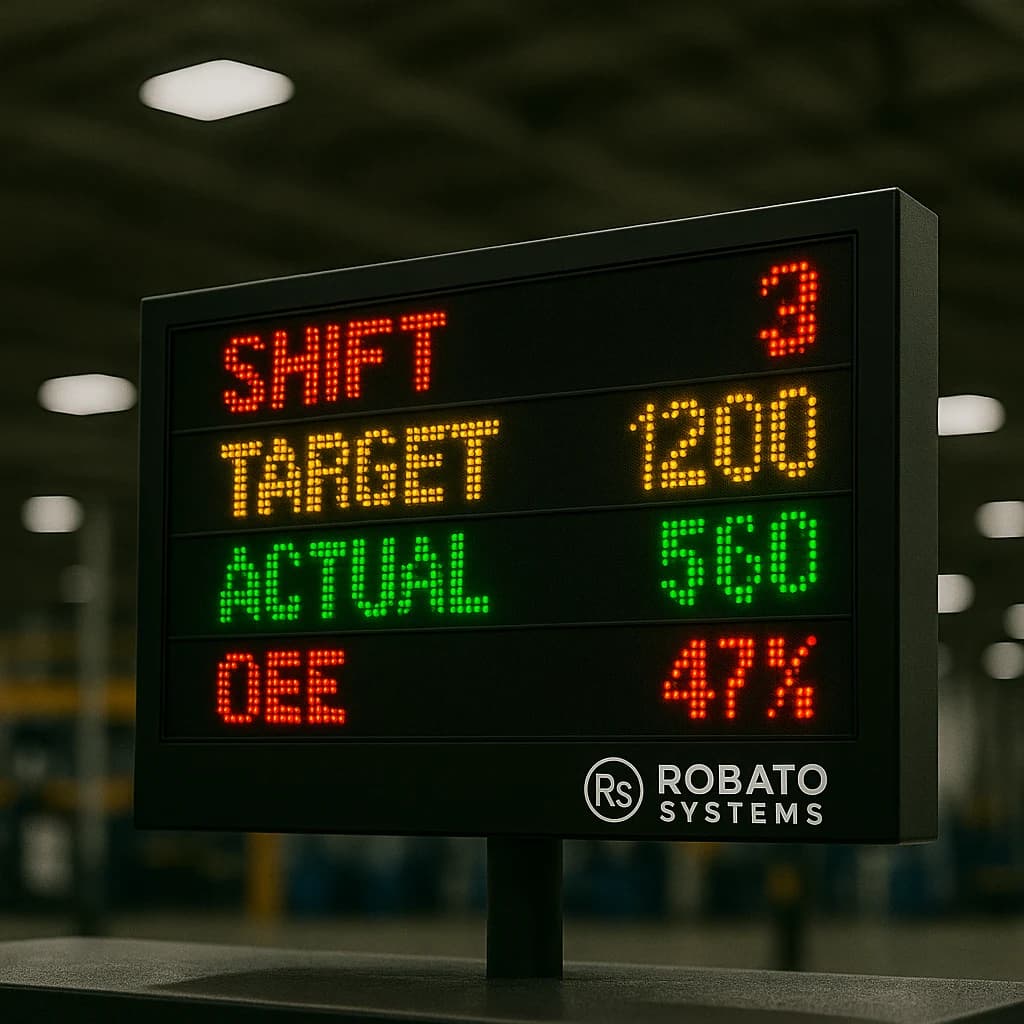
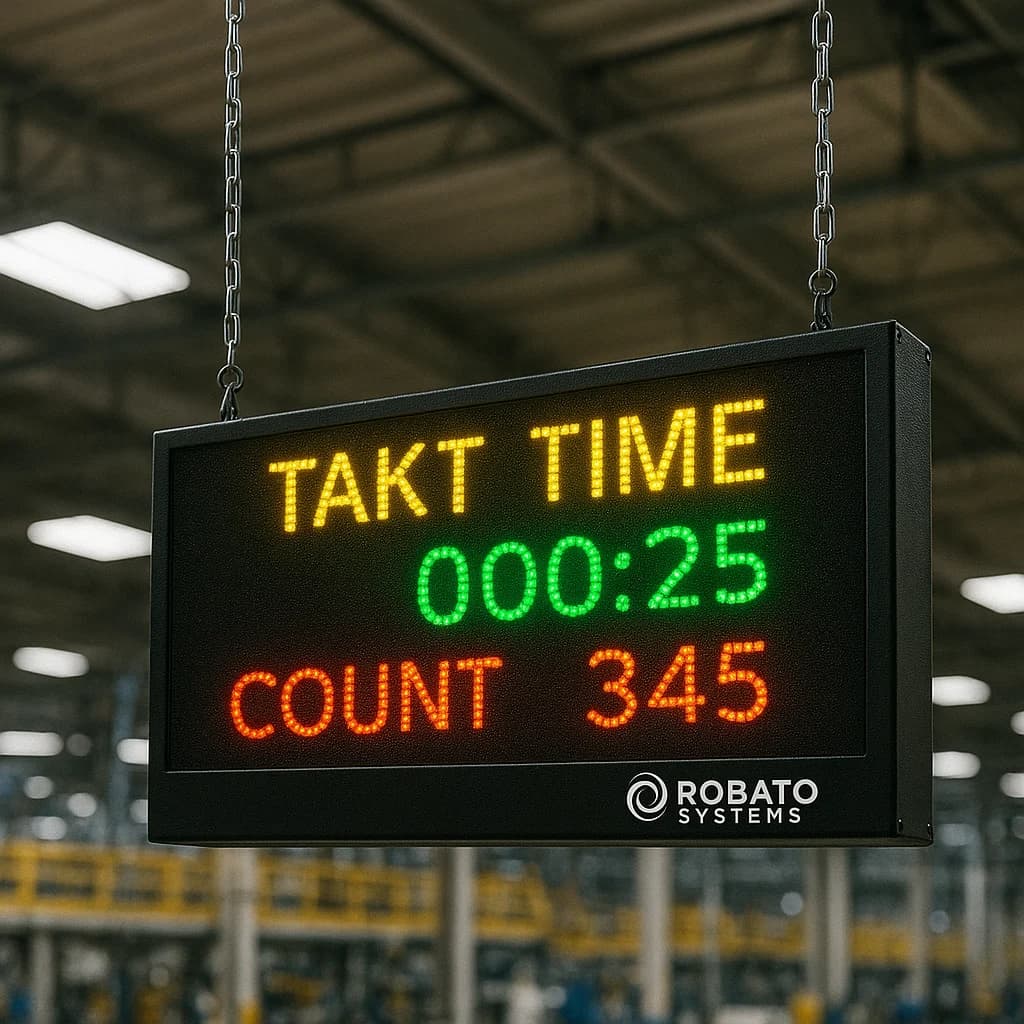
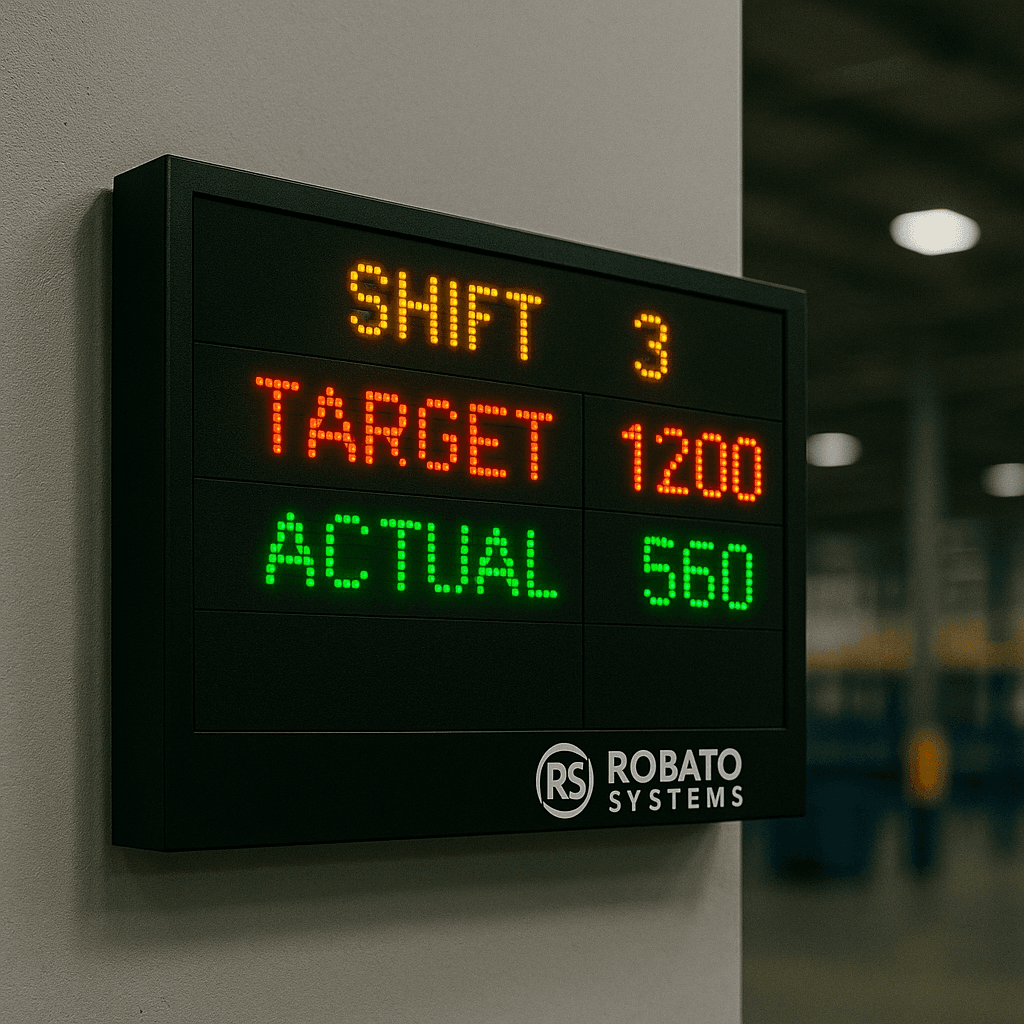
- Production targets versus actual production
This live visibility helps organizations detect problems early and maintain efficient operations across the factory floor.
Why Real-Time Monitoring Matters in Manufacturing
Modern factories cannot afford delays caused by unexpected machine failures, inefficient processes, or inaccurate reporting. Real-time monitoring provides immediate information that helps production teams respond quickly and maintain consistent output.
With increasing demand for quality and productivity, manufacturers require systems that deliver actionable insights rather than historical data alone.
Key Benefits of Real-Time Production Monitoring
1. Improved Production Efficiency
Real-time monitoring helps manufacturers identify bottlenecks and inefficiencies instantly. Managers can monitor machine performance and production rates continuously, allowing them to optimize processes and maximize output.
Benefits include:
- Better machine utilization
- Faster cycle times
- Reduced idle periods
- Increased production throughput
2. Reduced Machine Downtime
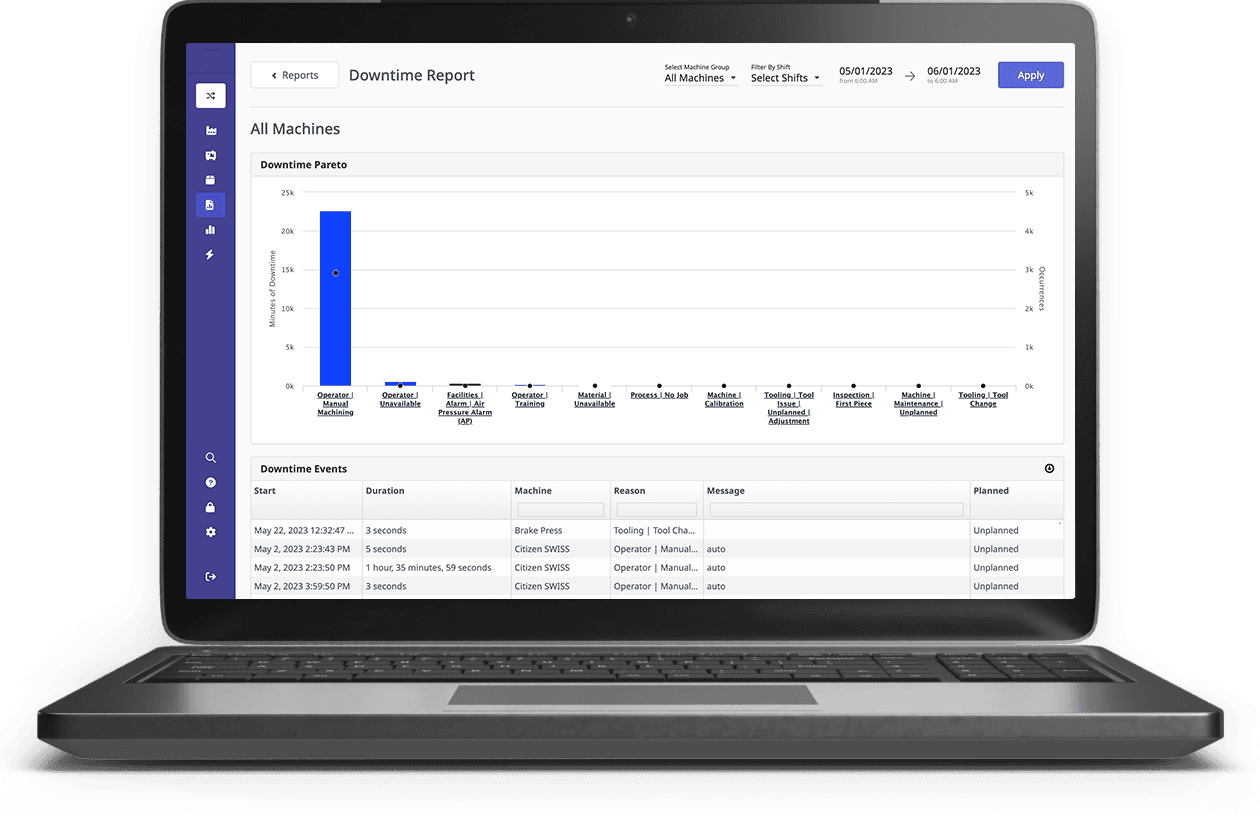
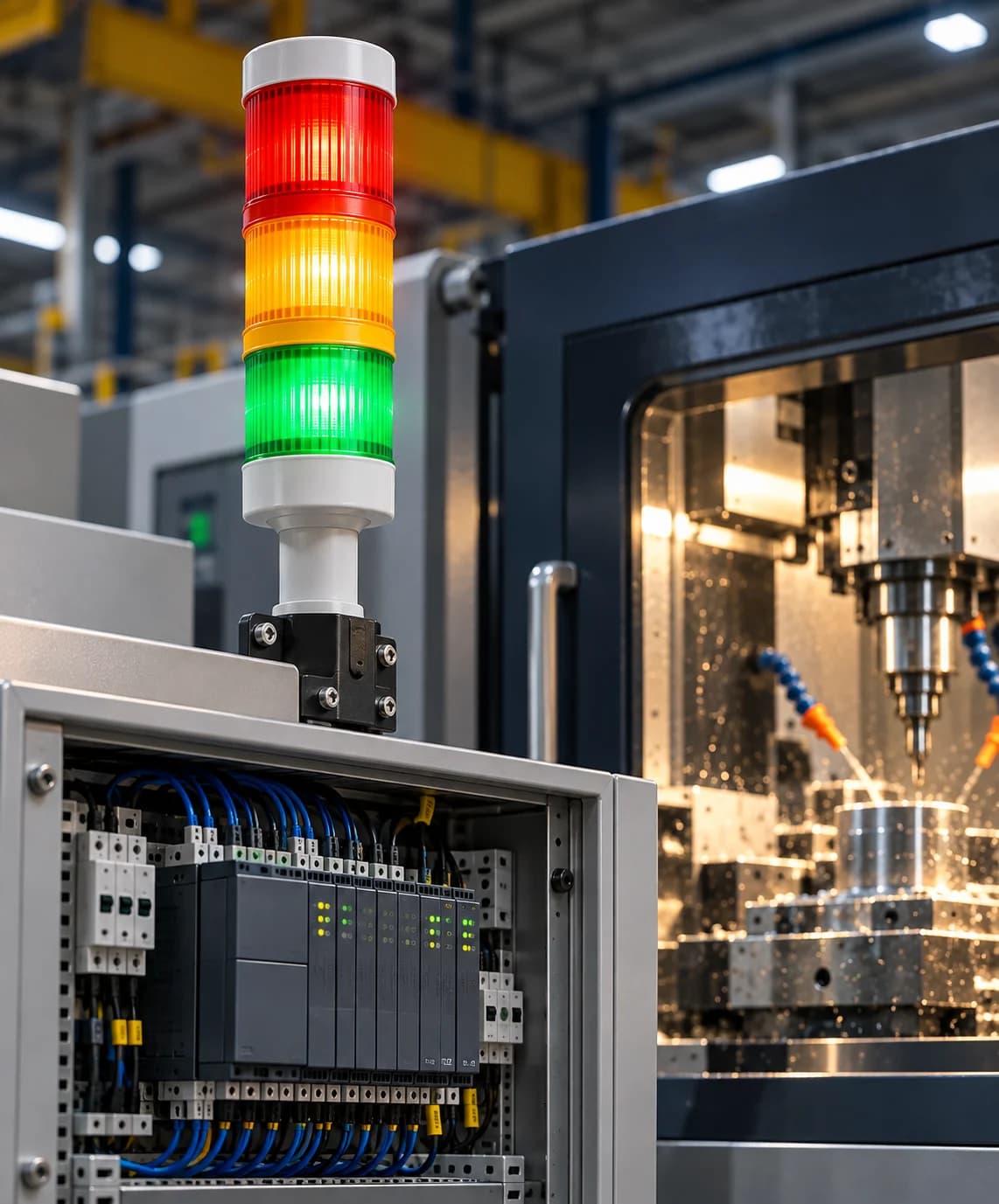
Unexpected downtime can significantly affect productivity and profitability. Real-time monitoring systems immediately detect machine stoppages and send alerts to operators or maintenance teams.
This enables:
- Faster troubleshooting
- Reduced response times
- Lower maintenance costs
- Improved equipment availability
As a result, manufacturers experience fewer production interruptions and higher operational efficiency.
3. Enhanced Production Visibility
One of the biggest advantages of real-time production monitoring is complete visibility across the shop floor.
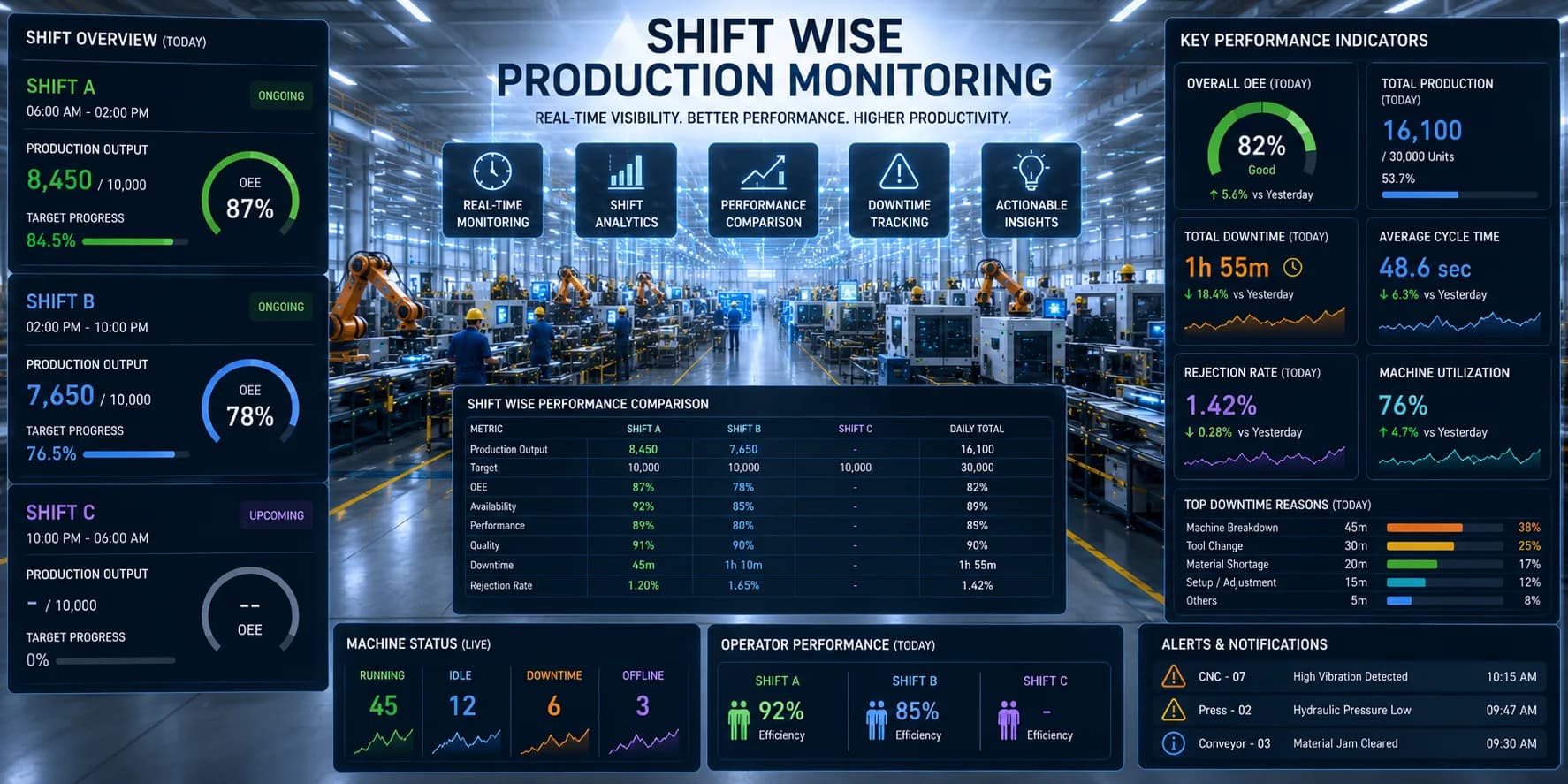
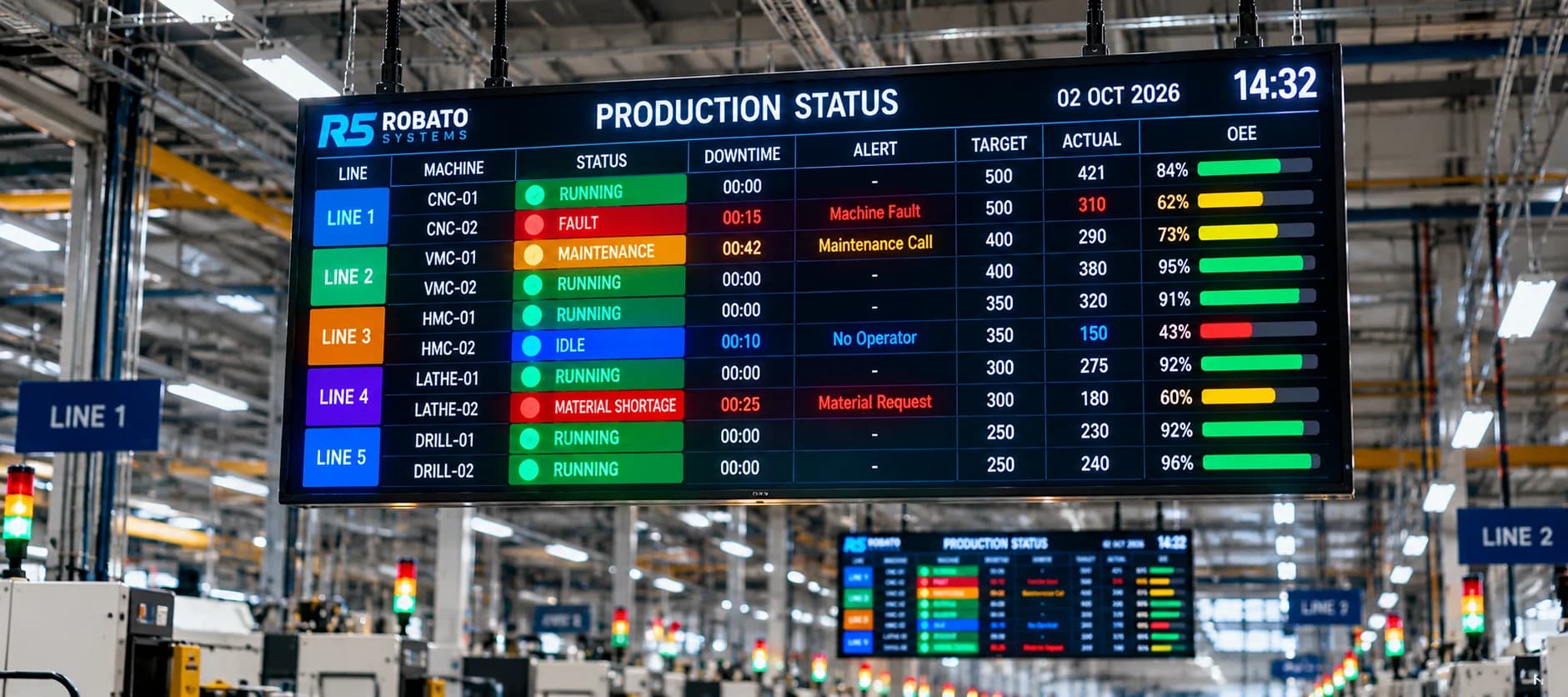
Managers can monitor:
- Multiple production lines
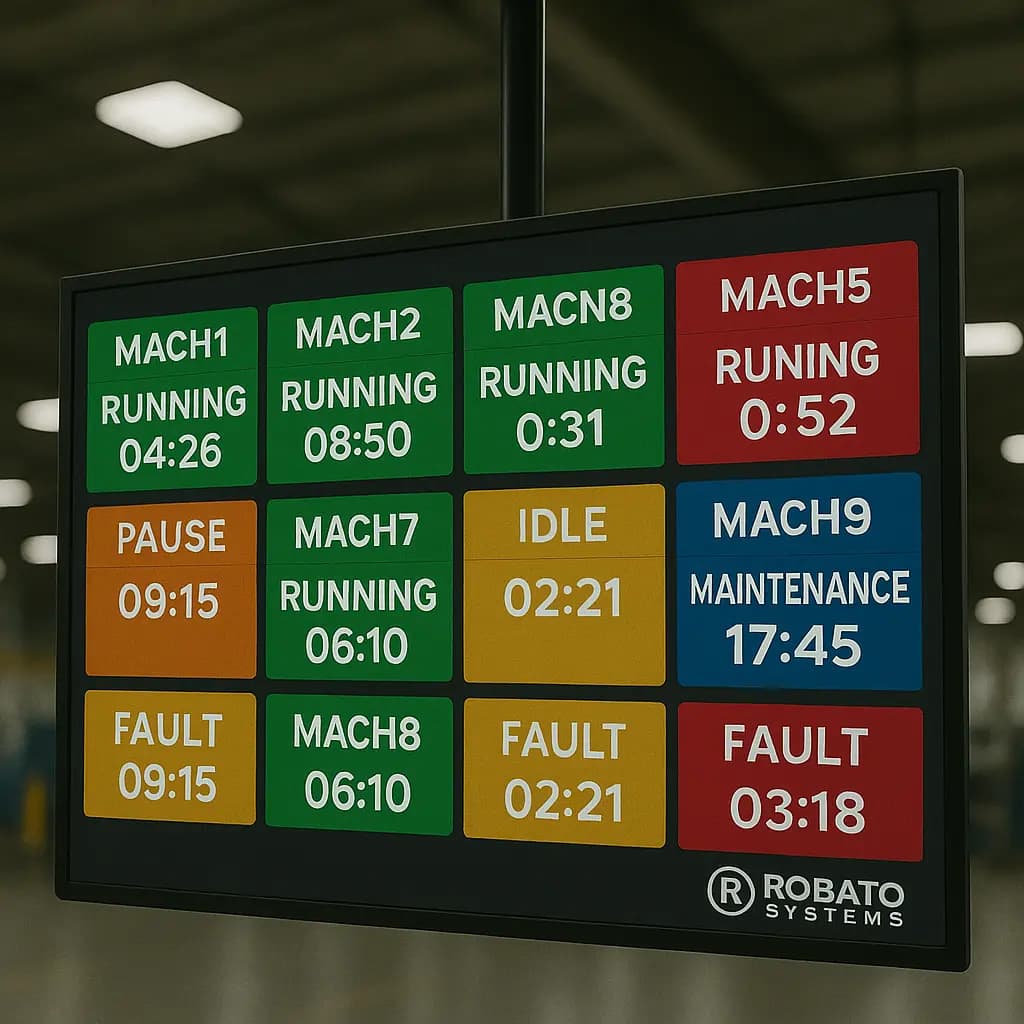
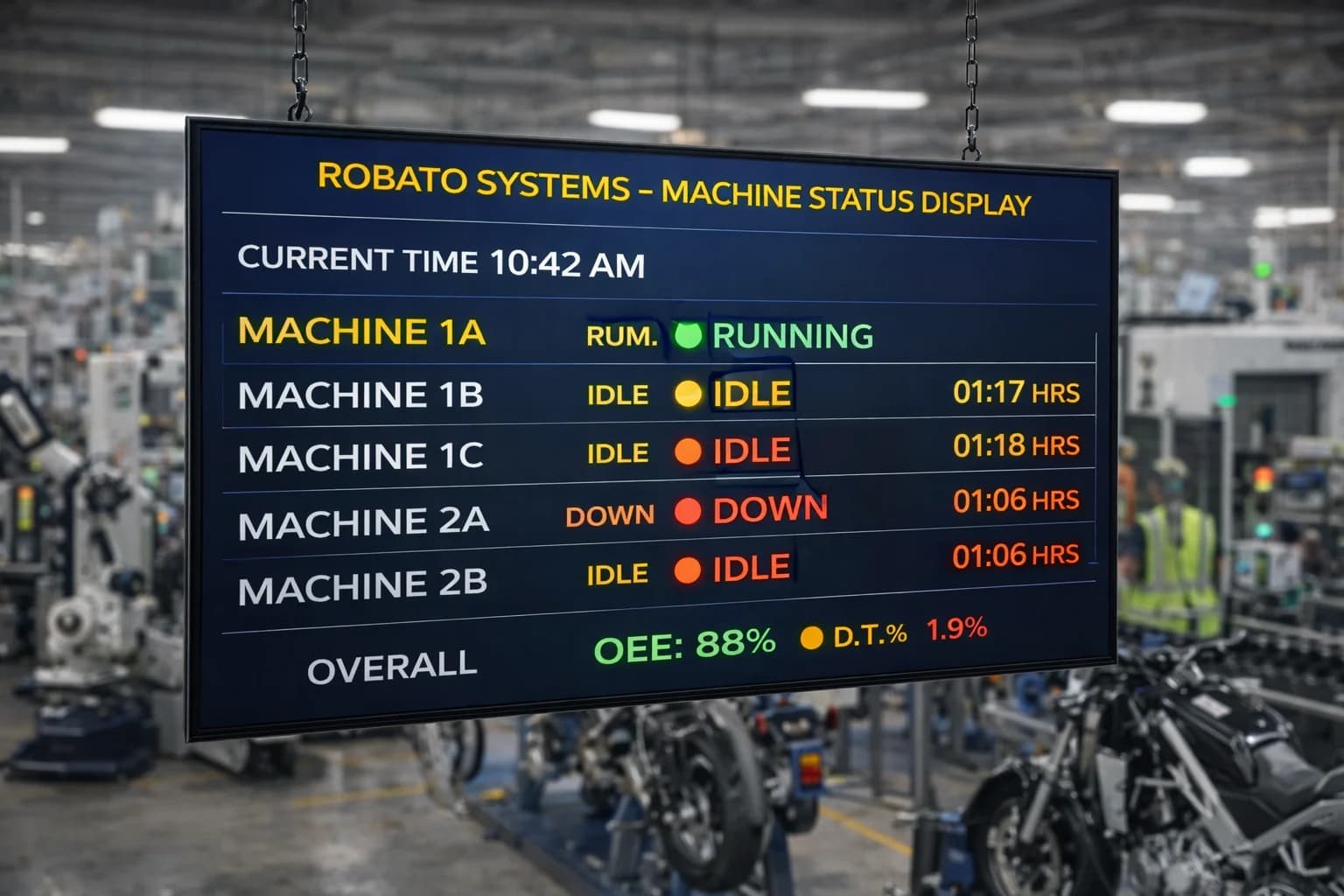
- Machine status
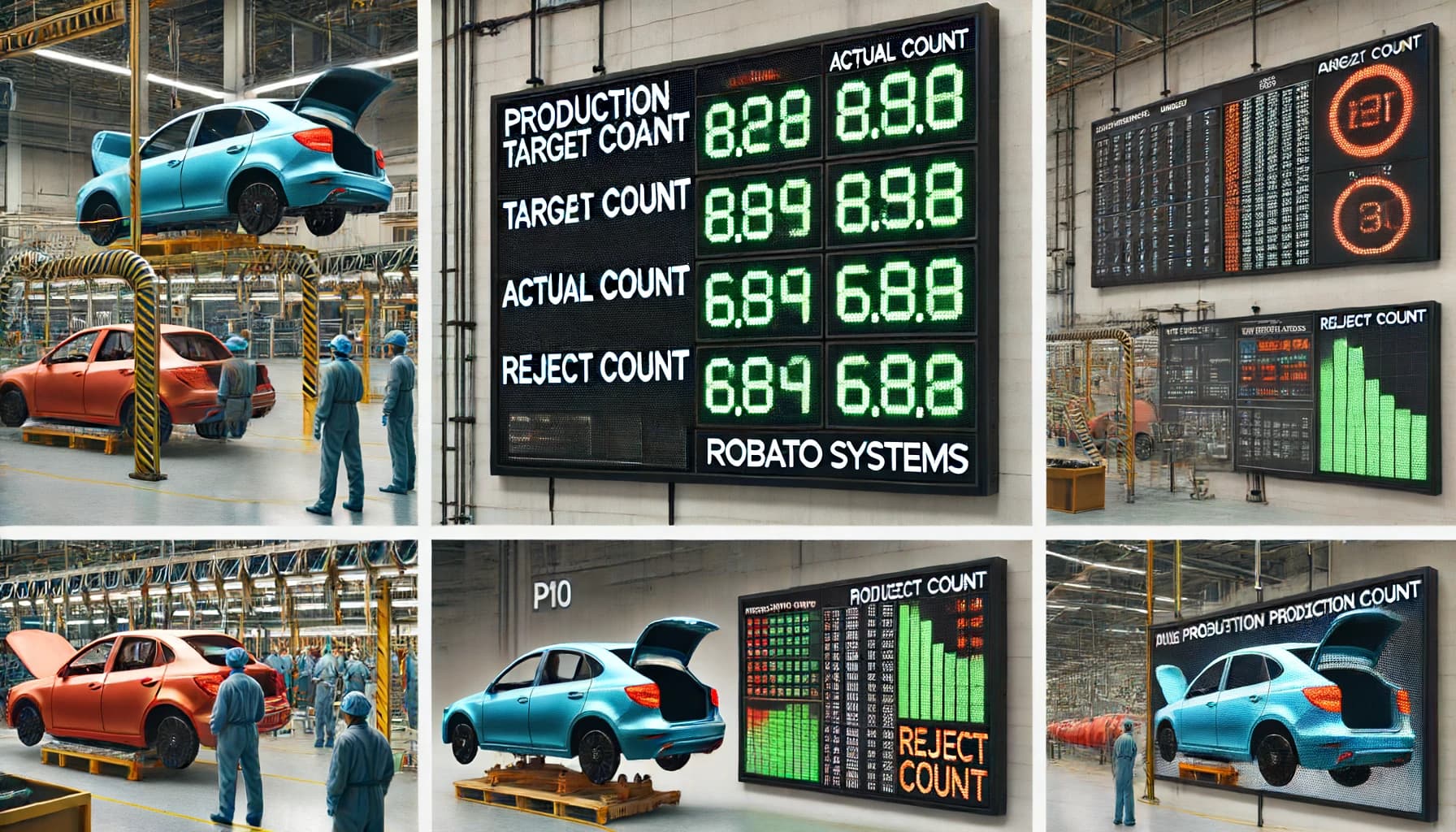
- Production counts
- Shift performance
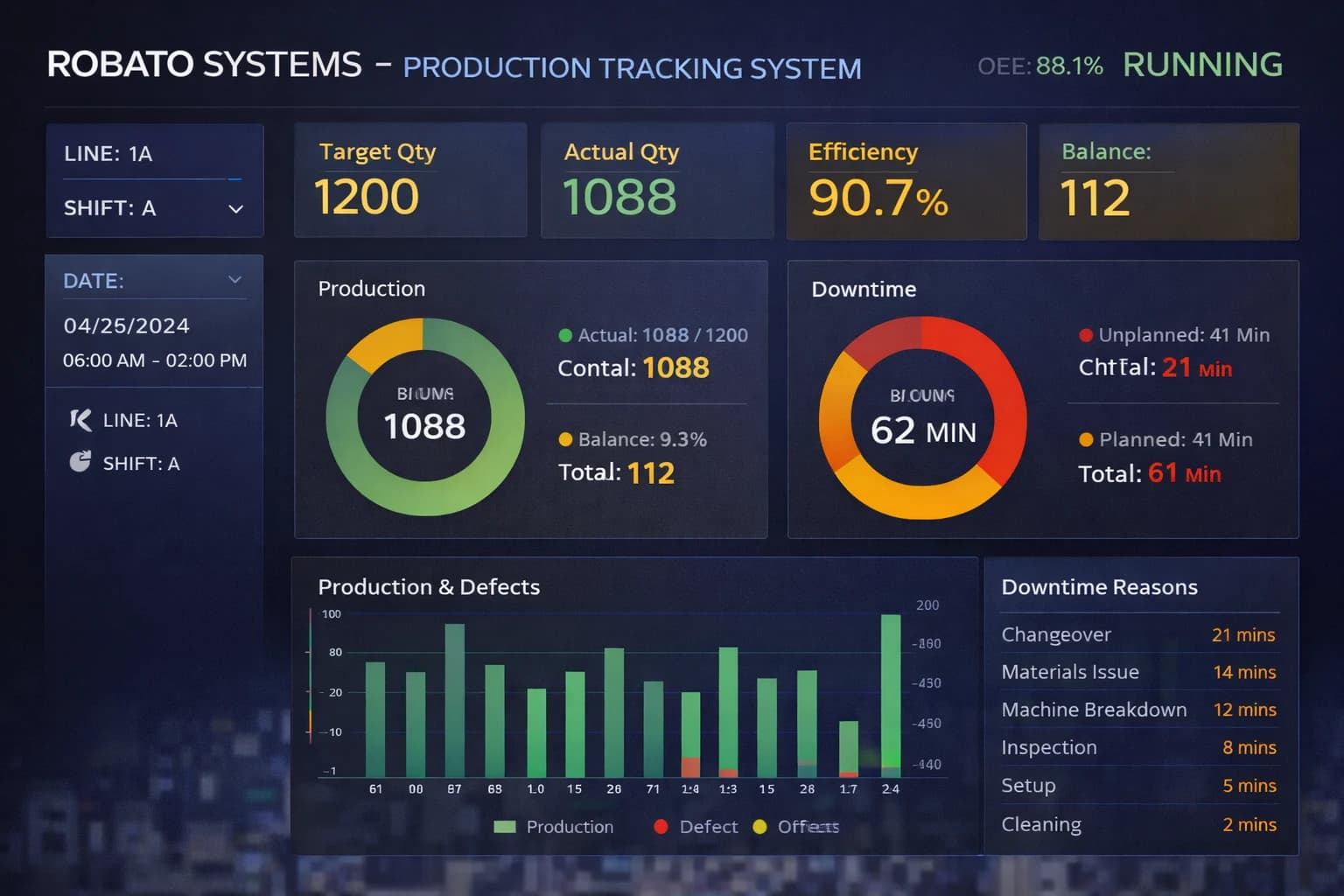
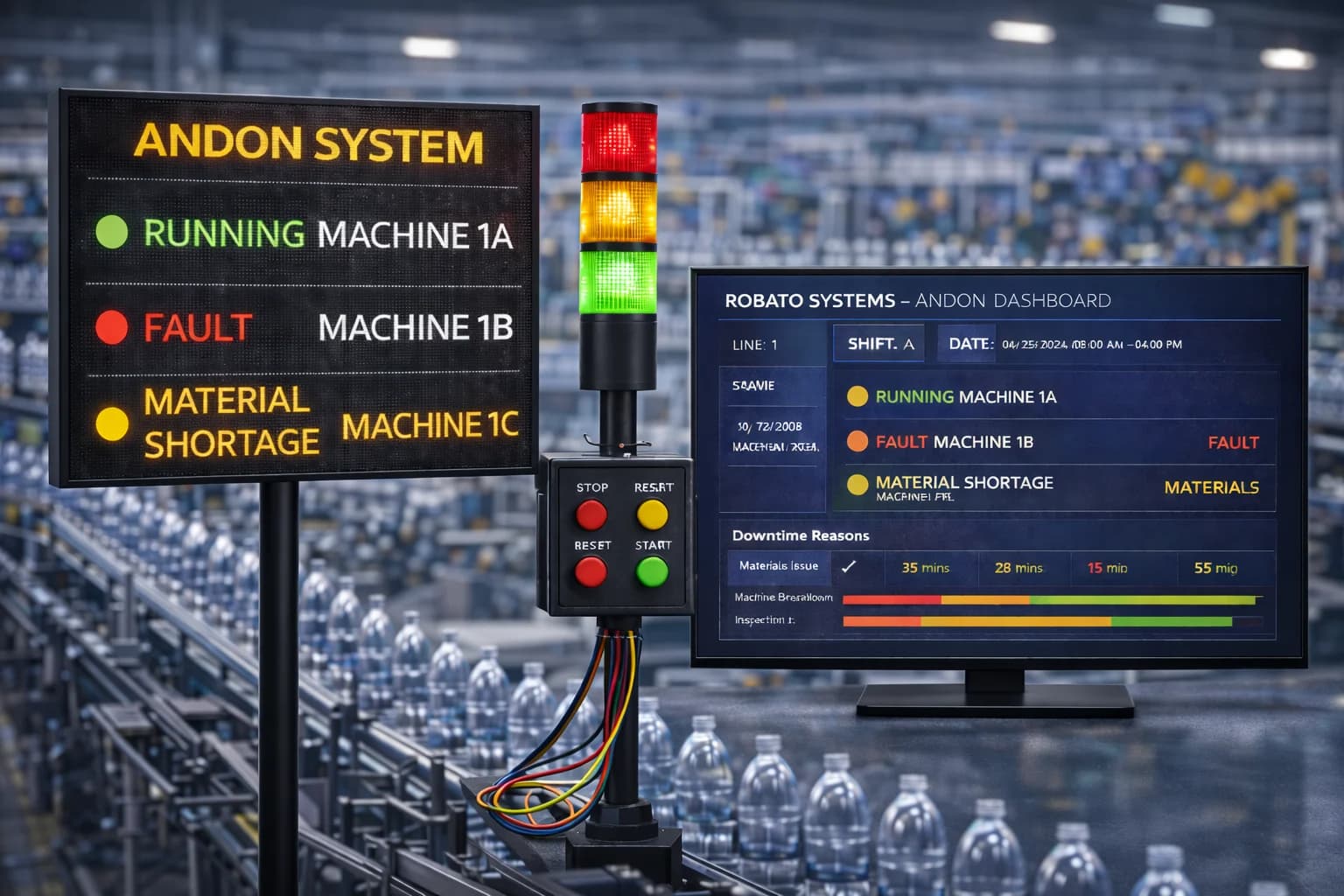
- Downtime reasons
- Quality metrics
This centralized visibility improves coordination and ensures smooth operations.
4. Increased Overall Equipment Effectiveness (OEE)
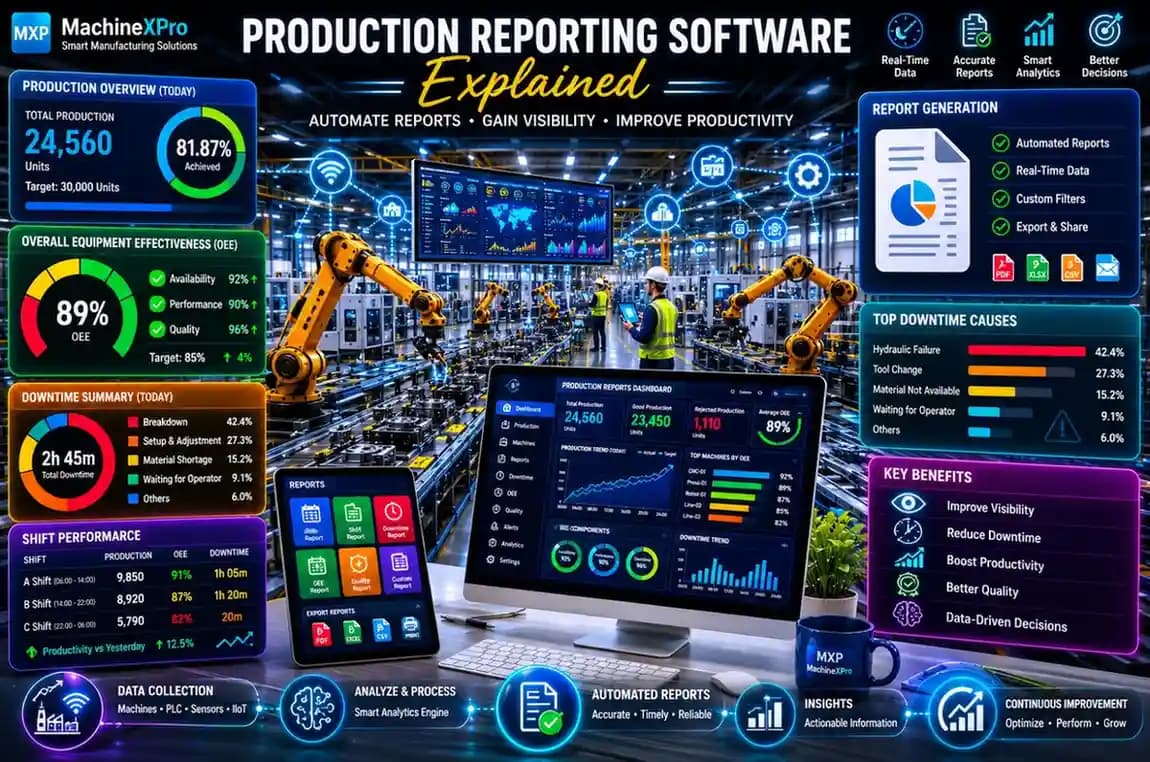
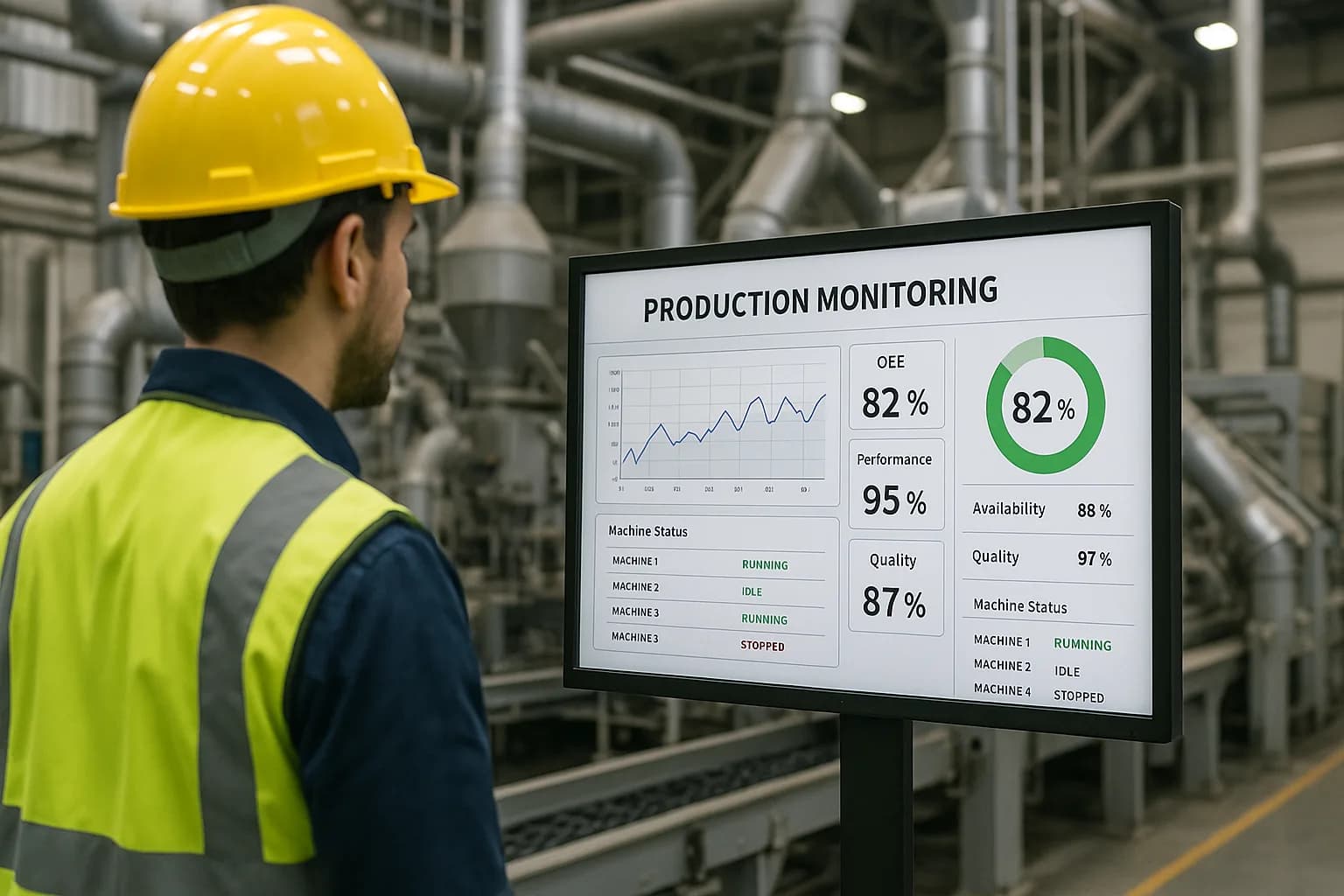
OEE is one of the most important manufacturing KPIs. Real-time monitoring systems continuously track:
Availability
Measures machine uptime.
Performance
Compares actual speed with ideal speed.
Quality
Tracks defect-free production.
By analyzing these factors, manufacturers can identify losses and continuously improve OEE.
5. Faster Decision-Making
Delayed information often results in delayed actions. Real-time production data empowers managers to make informed decisions immediately.
Whether adjusting production schedules or addressing machine issues, quick access to data helps minimize disruptions and maintain productivity.
6. Better Production Planning
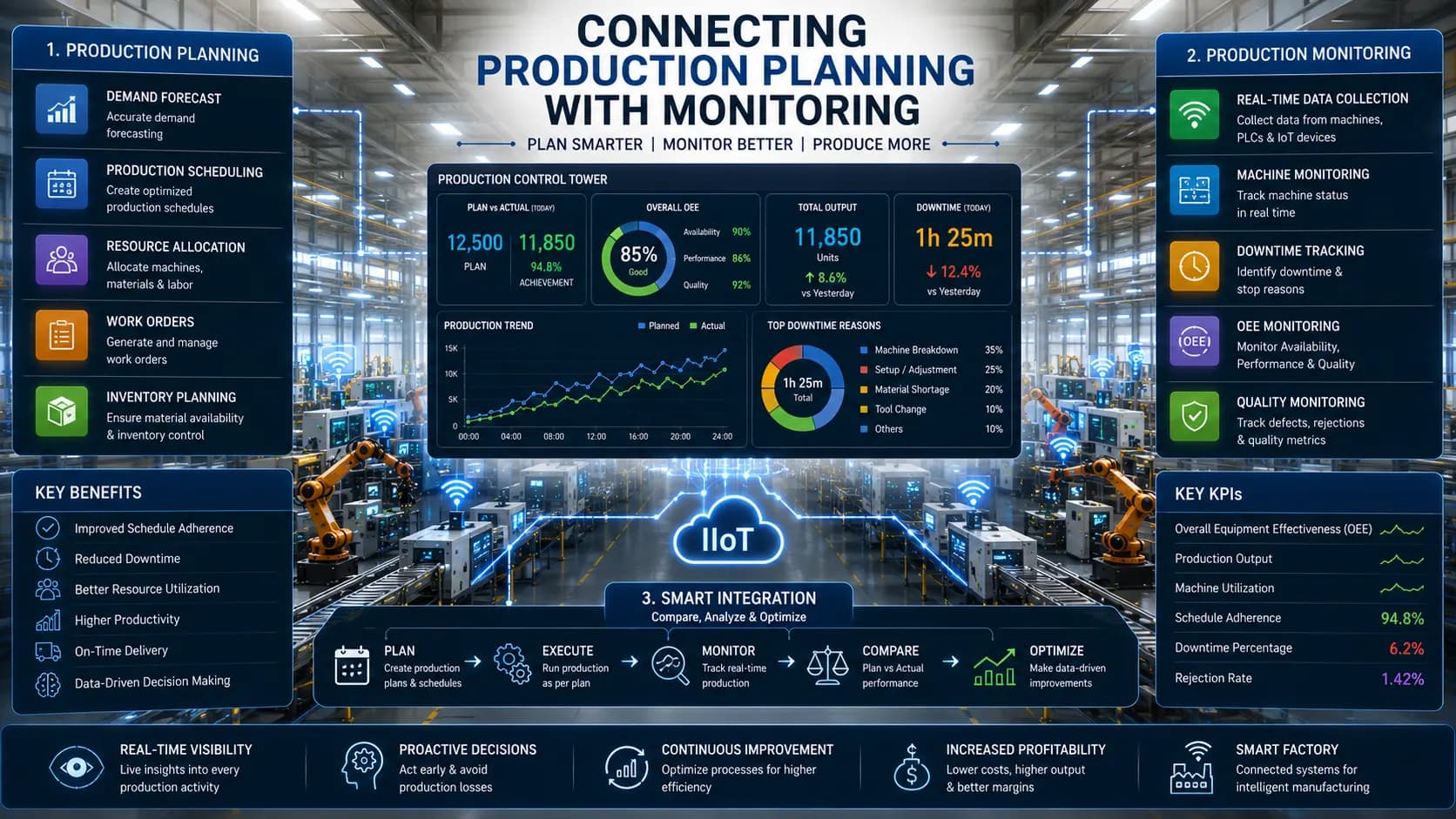
Accurate production information enables better planning and scheduling. Real-time insights allow manufacturers to:
- Meet production targets
- Optimize resource allocation
- Improve inventory planning
- Reduce production delays
This results in more efficient manufacturing operations and higher customer satisfaction.
7. Accurate Production Data Collection
Manual data entry often leads to inaccuracies and incomplete records. Real-time monitoring automates data collection directly from machines and PLCs.
Advantages include:
- Elimination of human errors
- Reliable production records
- Consistent reporting
- Improved traceability
Accurate data serves as the foundation for analytics and continuous improvement.
8. Improved Quality Control
Monitoring production processes in real time helps detect abnormalities before they affect product quality.
Manufacturers can:
- Identify defects quickly
- Reduce rework and scrap
- Maintain quality standards
- Improve customer satisfaction
Early problem detection minimizes losses and ensures consistent product quality.
9. Increased Manufacturing Productivity
Real-time monitoring enables manufacturers to maximize output while minimizing waste.
Key productivity improvements include:
- Higher machine utilization
- Reduced downtime
- Faster response to issues
- Better operator performance
- Optimized workflows
These improvements contribute directly to increased profitability.
10. Data-Driven Continuous Improvement
Continuous improvement initiatives depend on accurate and timely information. Real-time monitoring provides valuable insights for:
- Root-cause analysis
- Performance benchmarking
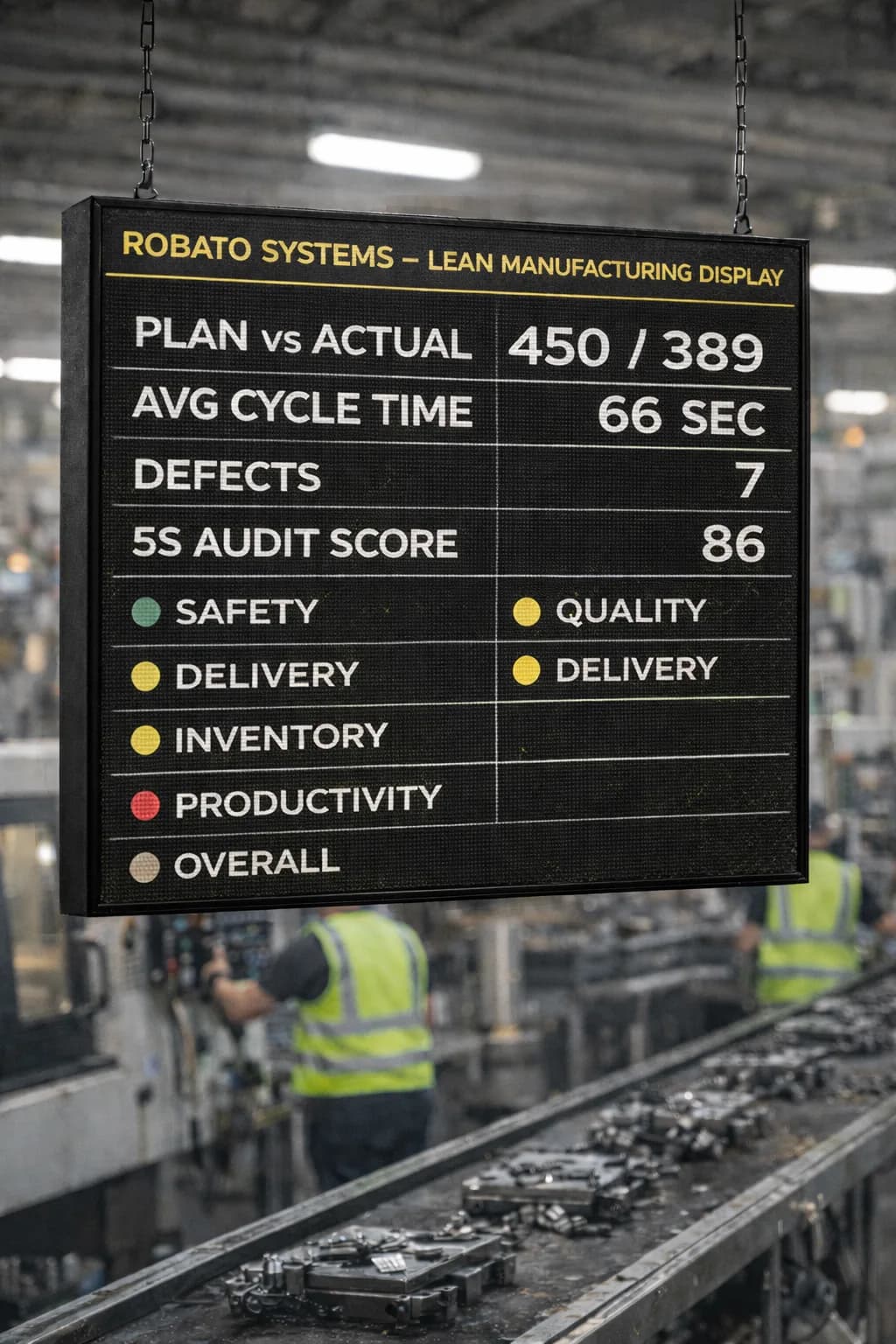
- Lean manufacturing initiatives
- Predictive maintenance strategies
Manufacturers can continuously refine processes and achieve long-term operational excellence.
Components of a Real-Time Production Monitoring System
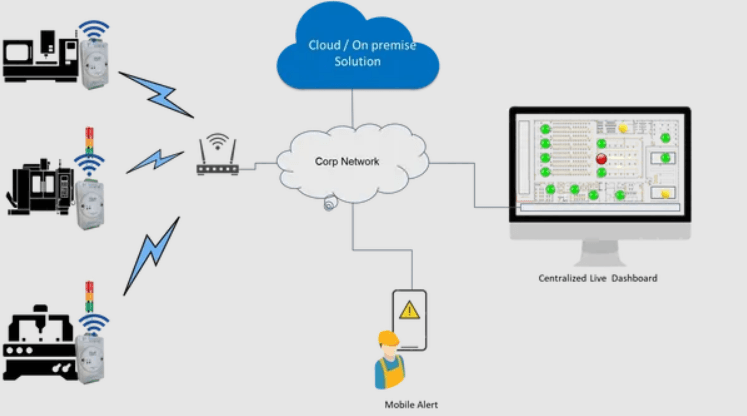
A typical system consists of:
Industrial Sensors
Collect machine and process data.
PLC and Machine Connectivity
Transmit information from production equipment.
Data Acquisition Modules
Capture and process production signals.
Production Monitoring Software
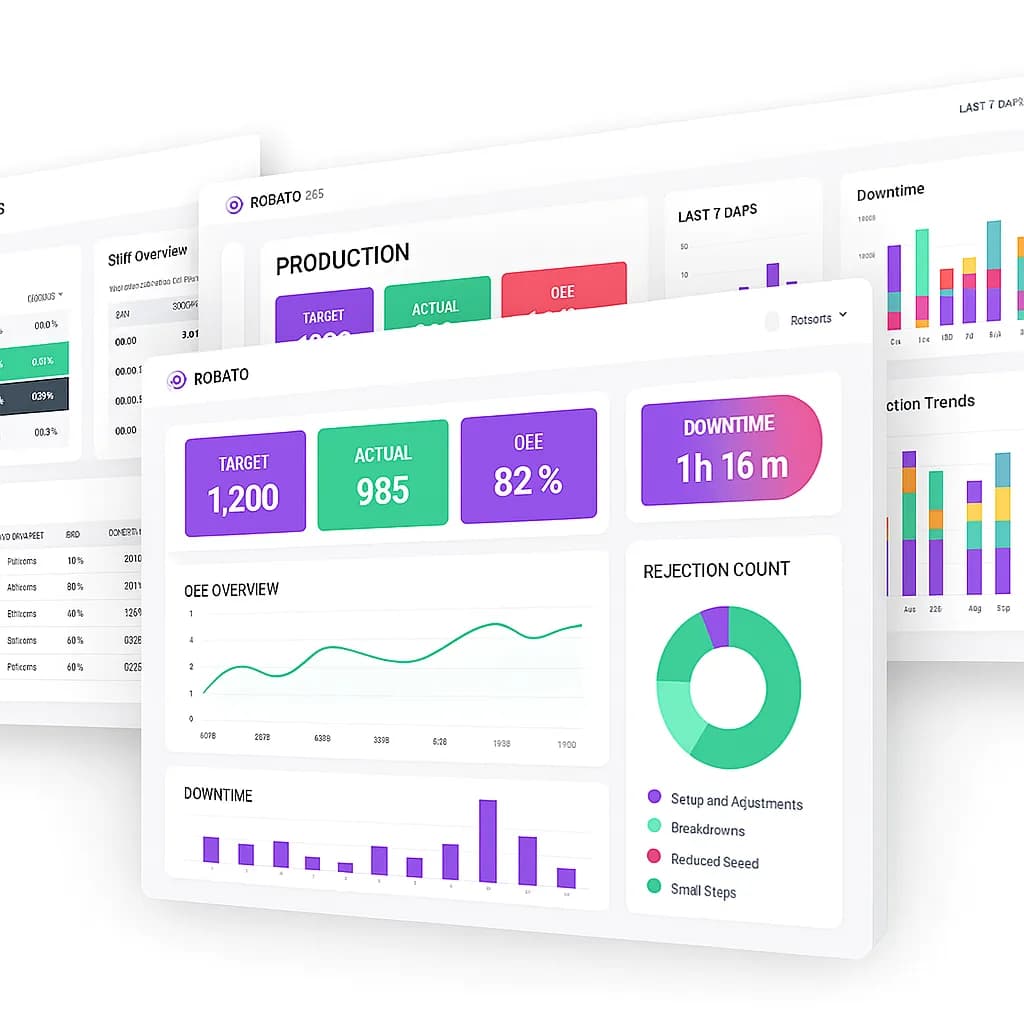
Displays data through dashboards and reports.
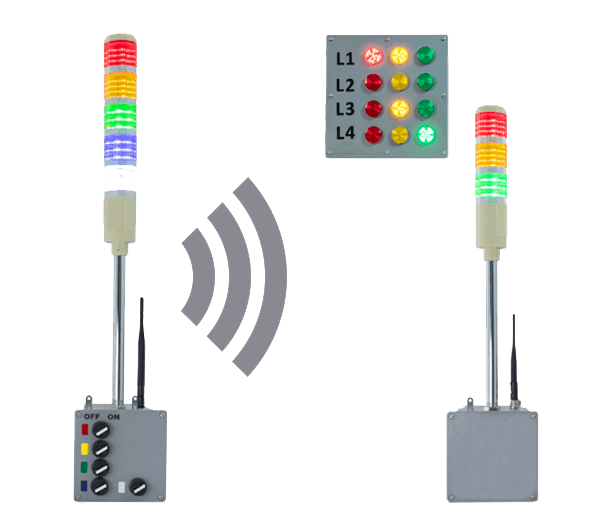
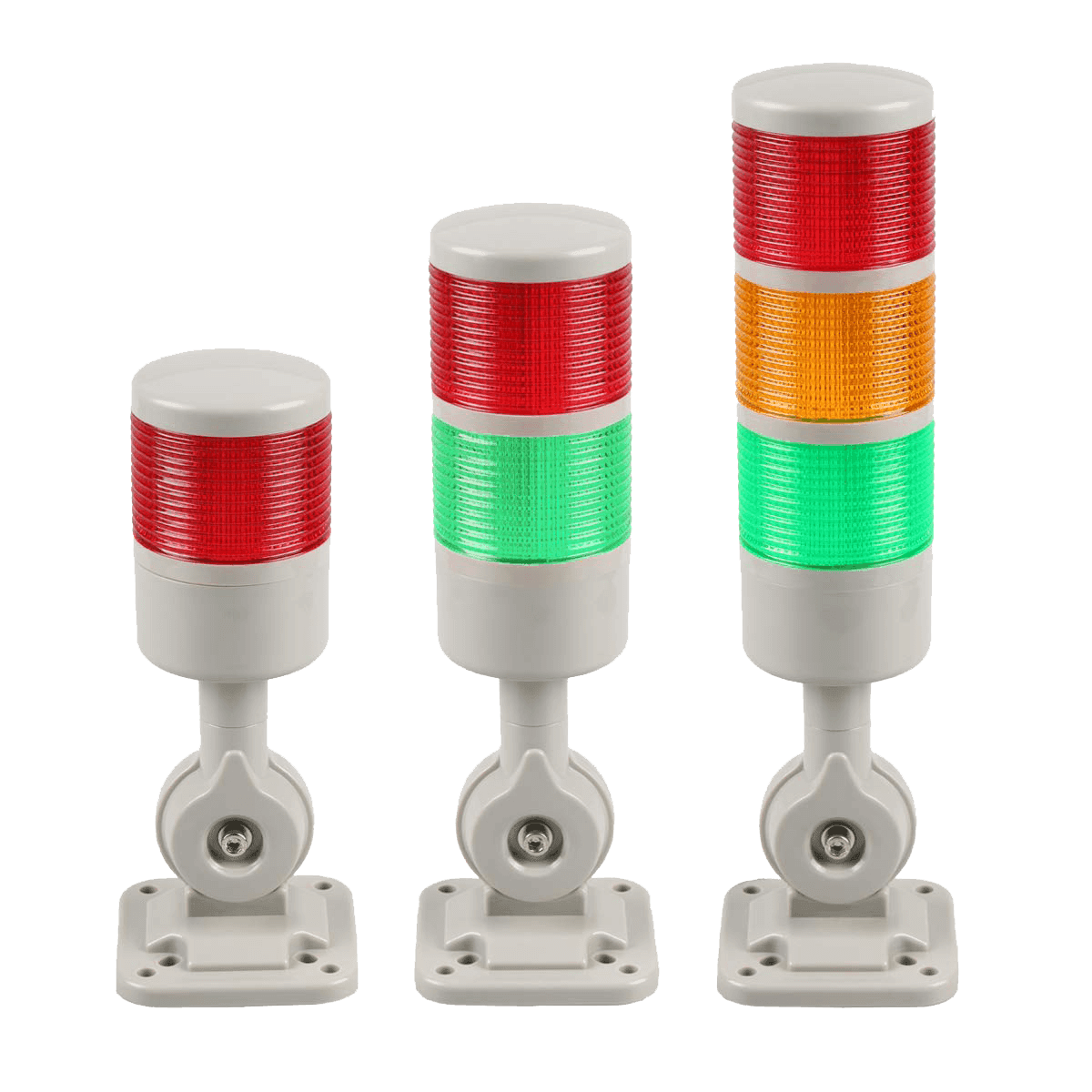
Alert and Notification Systems
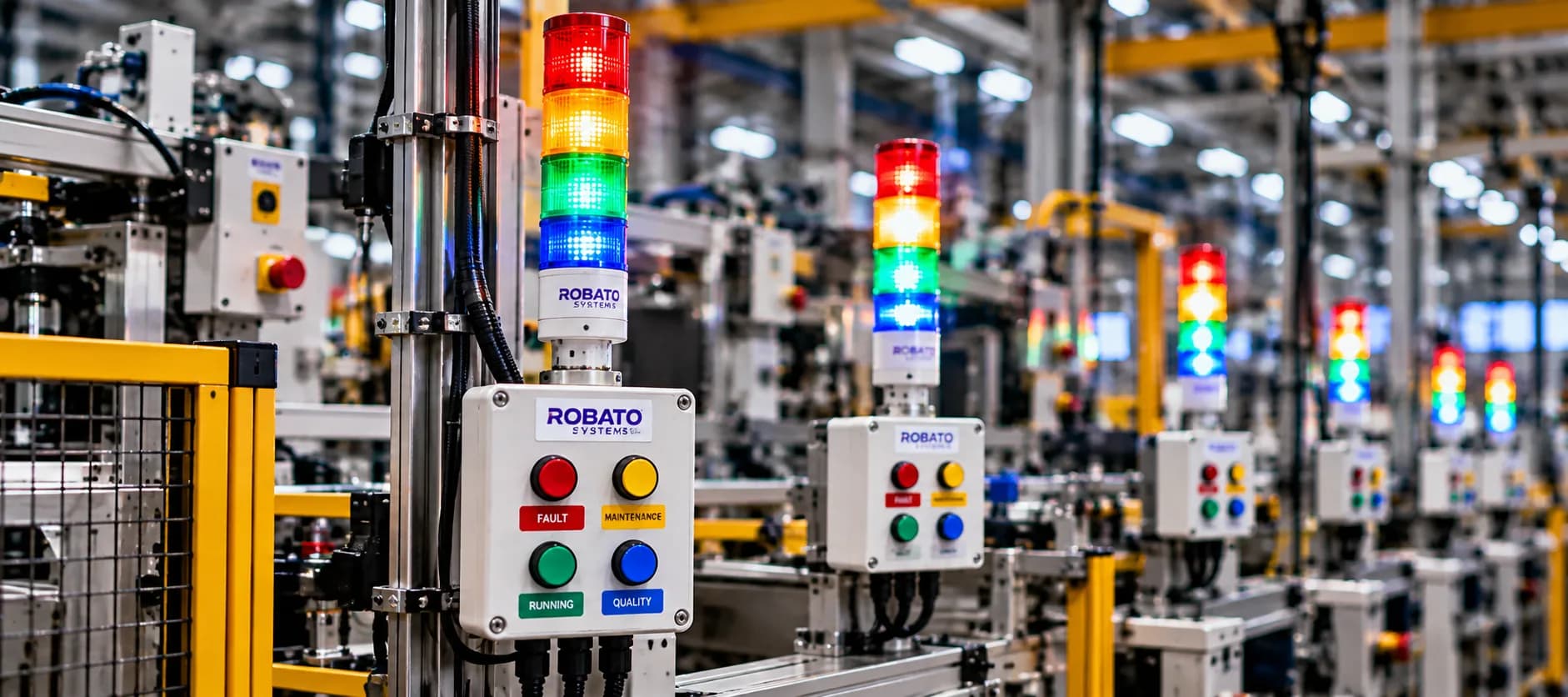
Provide instant warnings during machine stoppages or abnormalities.
Analytics Dashboard
Offers performance analysis and KPI tracking.
Industries Benefiting from Real-Time Production Monitoring
Automotive Manufacturing
Monitor assembly line productivity and machine utilization.
Pharmaceutical Industry
Ensure compliance and improve batch production efficiency.
Food and Beverage Industry
Maintain quality and optimize production processes.
Packaging Industry
Reduce downtime and maximize throughput.
Textile Industry
Monitor machine performance and production targets.
Electronics Manufacturing
Improve efficiency and minimize defects.
Real-Time Production Monitoring and Industry 4.0
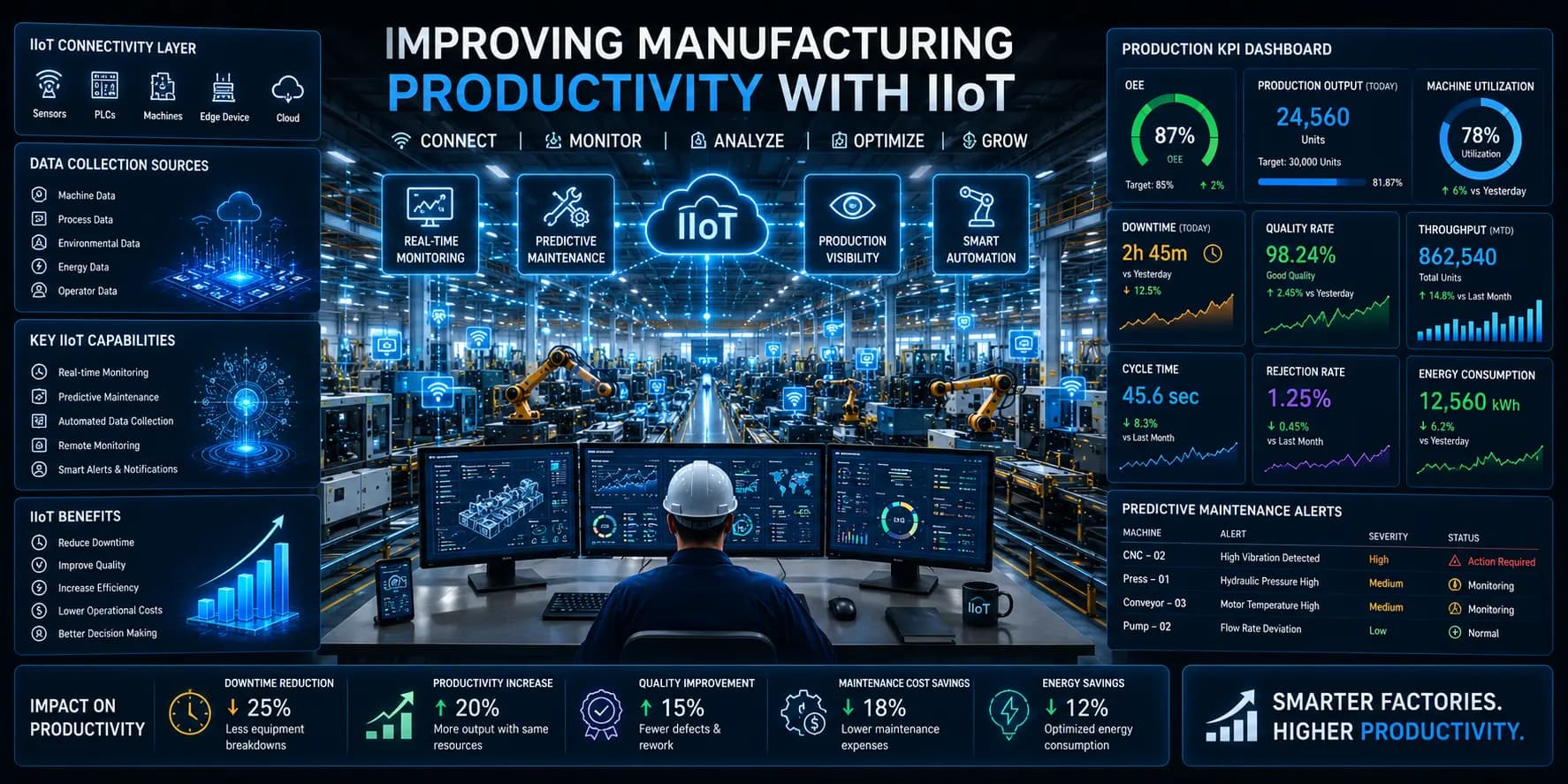
Industry 4.0 relies heavily on data-driven operations. Real-time production monitoring supports smart factories by enabling:
- Industrial IoT connectivity
- Automated data collection
- Smart dashboards
- Manufacturing analytics
- Predictive maintenance
- Digital transformation
These capabilities allow manufacturers to create more intelligent, connected, and efficient production environments.
How to Implement Real-Time Production Monitoring
To successfully deploy a monitoring solution, manufacturers should:
Assess Existing Processes
Identify critical machines and performance indicators.
Connect Machines and PLCs
Enable seamless data collection.
Define Key Performance Metrics
Track production output, downtime, and OEE.
Use Interactive Dashboards
Provide clear visualization of production performance.
Analyze and Optimize
Continuously improve processes based on real-time insights.
Conclusion
Real-Time Production Monitoring has become a critical component of modern manufacturing. By providing instant visibility into production activities, manufacturers can reduce downtime, improve efficiency, increase OEE, and make better decisions.
As smart factories and Industry 4.0 continue to evolve, real-time monitoring systems will play an even greater role in helping organizations achieve higher productivity and operational excellence. Investing in real-time production monitoring is no longer optional—it's essential for staying competitive in today's manufacturing landscape.
Frequently Asked Questions (FAQs)
What is real-time production monitoring?
Real-time production monitoring is the continuous tracking and analysis of production data to provide instant visibility into machine performance, output, and efficiency.
How does real-time production monitoring improve productivity?
It helps manufacturers identify bottlenecks, reduce downtime, optimize machine utilization, and make faster decisions.
What data can be monitored in real time?
Manufacturers can monitor machine status, production counts, downtime events, cycle times, OEE, and operator performance.
Why is real-time monitoring important for Industry 4.0?
It provides the data foundation required for smart factories, predictive maintenance, and digital transformation initiatives.
Can real-time production monitoring integrate with ERP and MES systems?
Yes. Modern monitoring solutions can integrate with ERP, MES, SCADA, and Industrial IoT platforms for seamless information flow.