Best OEE Tracking Software for Factories: What to Look For and Why It Matters
Every factory manager has faced the same frustrating moment. The shift ends, the numbers come in, and output is short of target, again. The problem is rarely the machines themselves. It is the lack of visibility into what those machines were doing every minute of the working day. The best OEE tracking software changes this entirely by giving factories real-time, automated insight into exactly how their equipment is performing across every shift, every line, and every location. This article tells you what to look for and why choosing the right system matters more than most manufacturers realize.
What Separates Good OEE Software From a Great One
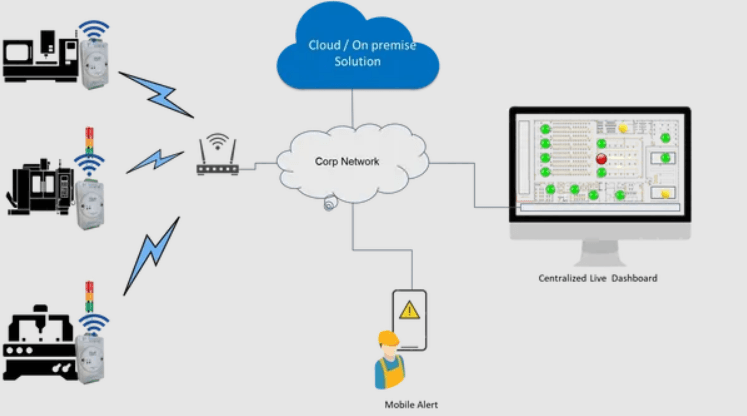
Not all OEE tracking software is built the same way. The most basic solutions simply calculate an OEE score from manually entered data. The best ones automate the entire data collection process, connect directly to machines, and deliver live dashboards that update continuously without any human input.
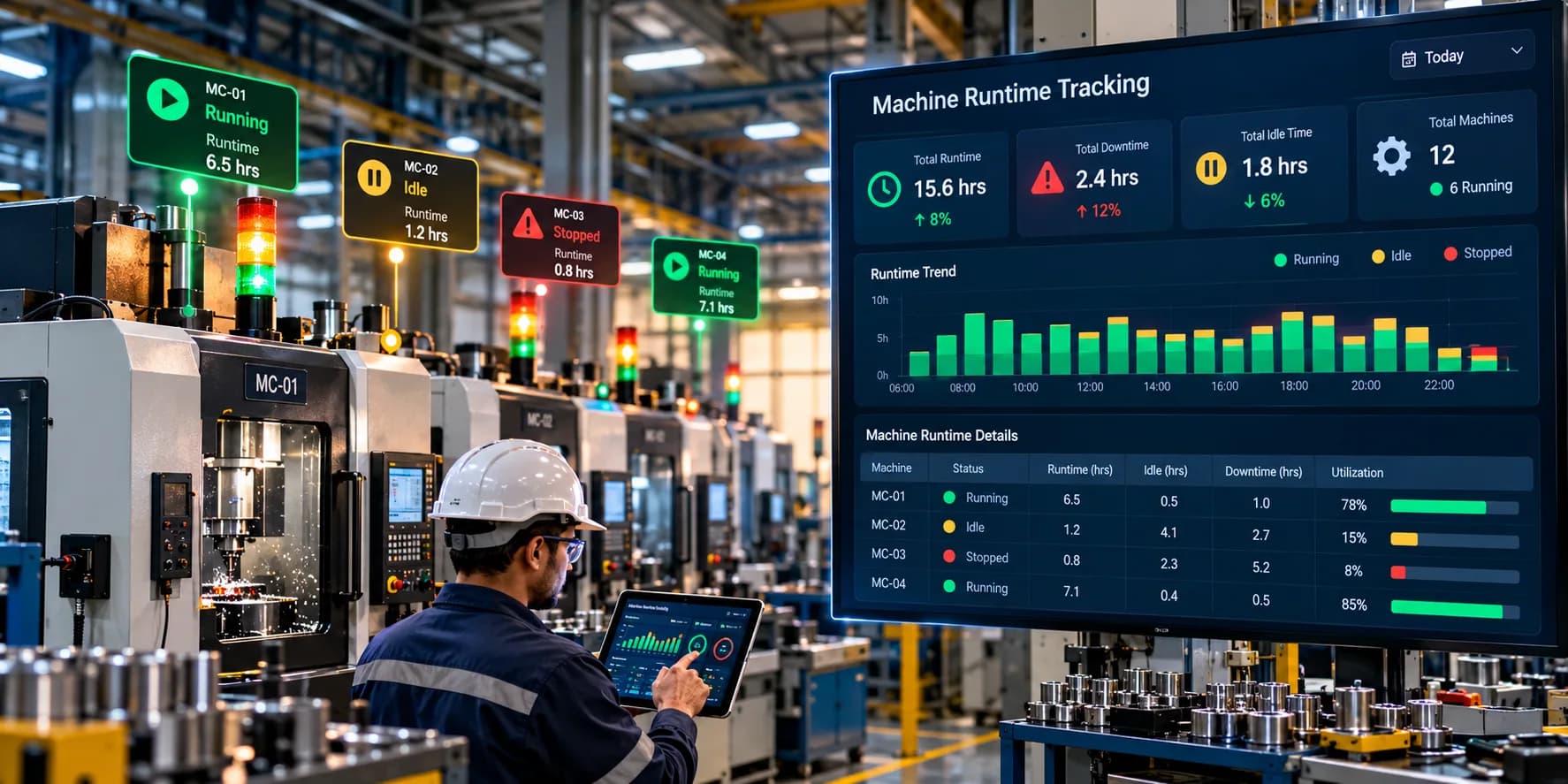
The difference between these two approaches is significant. Manual data entry is slow, inconsistent, and prone to the kind of human error and bias that makes the resulting OEE figure unreliable. Automated data collection from sensors, PLCs, and smart counters captures every micro-stoppage, every speed loss, and every quality rejection with precision, producing an OEE figure that accurately reflects what actually happened on the shop floor rather than what someone remembered to write down.
When evaluating OEE tracking software, the single most important question to ask is how the data is collected. If the answer is manual entry, you are not getting the full picture.
Real-Time Visibility That Reaches Every Level of the Factory
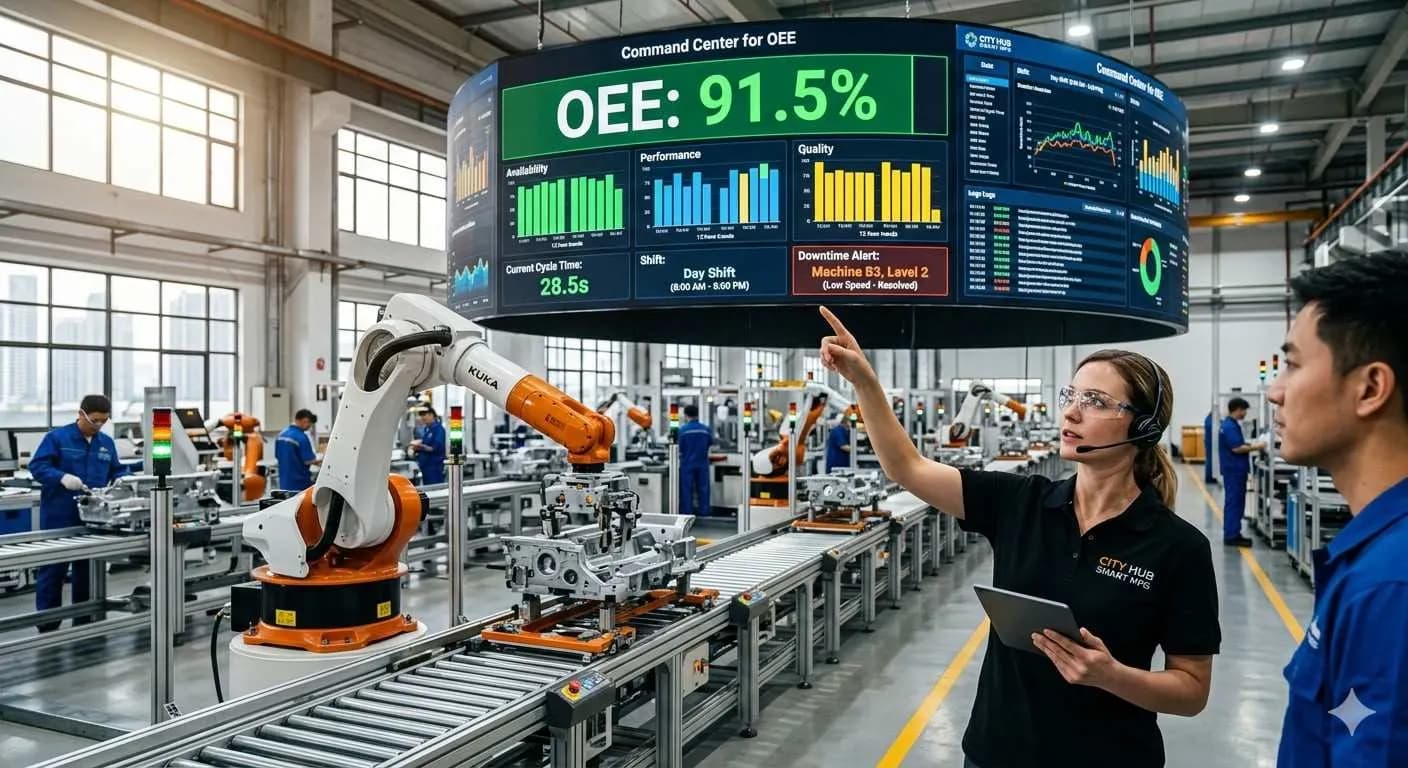
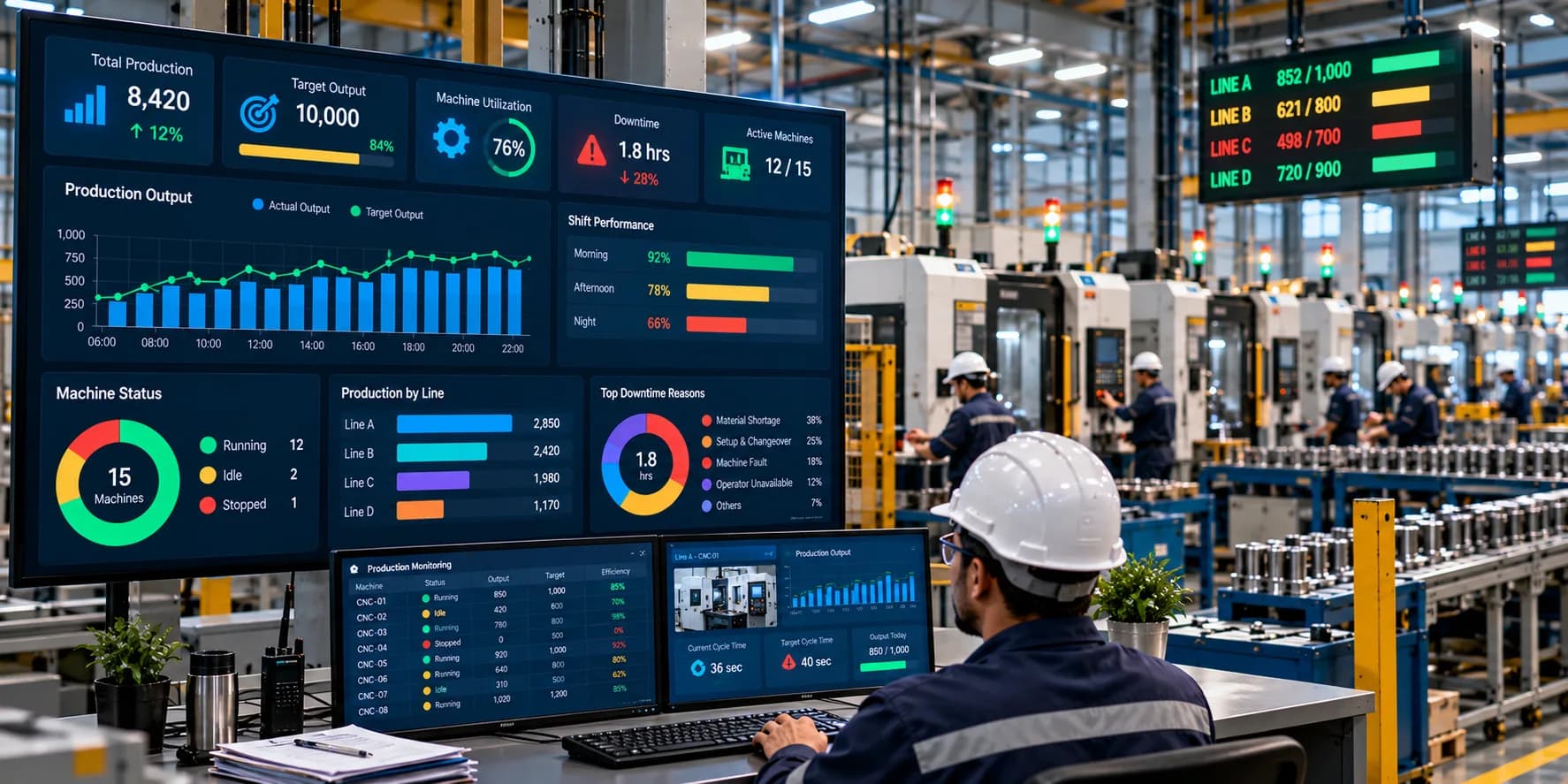
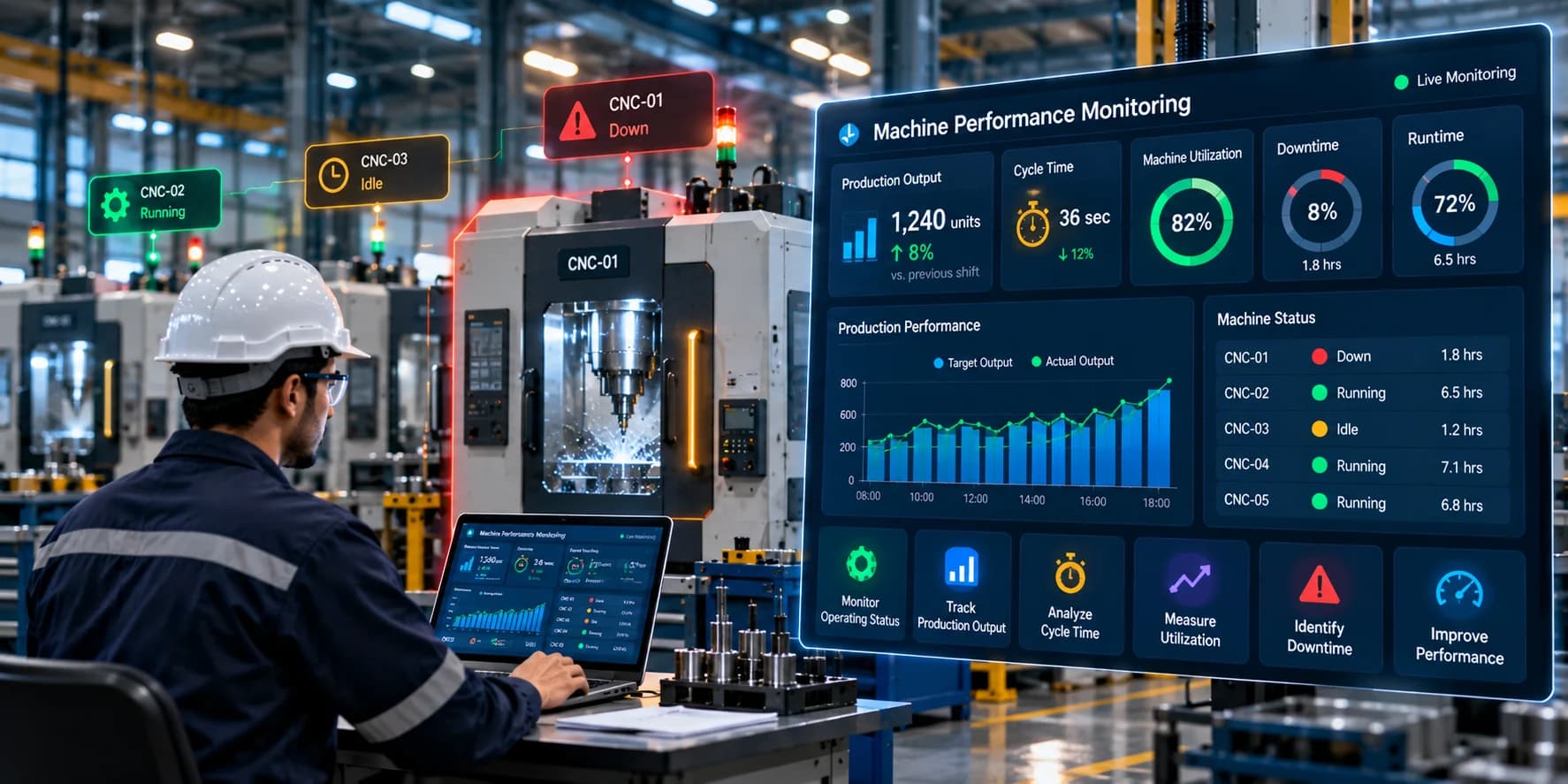
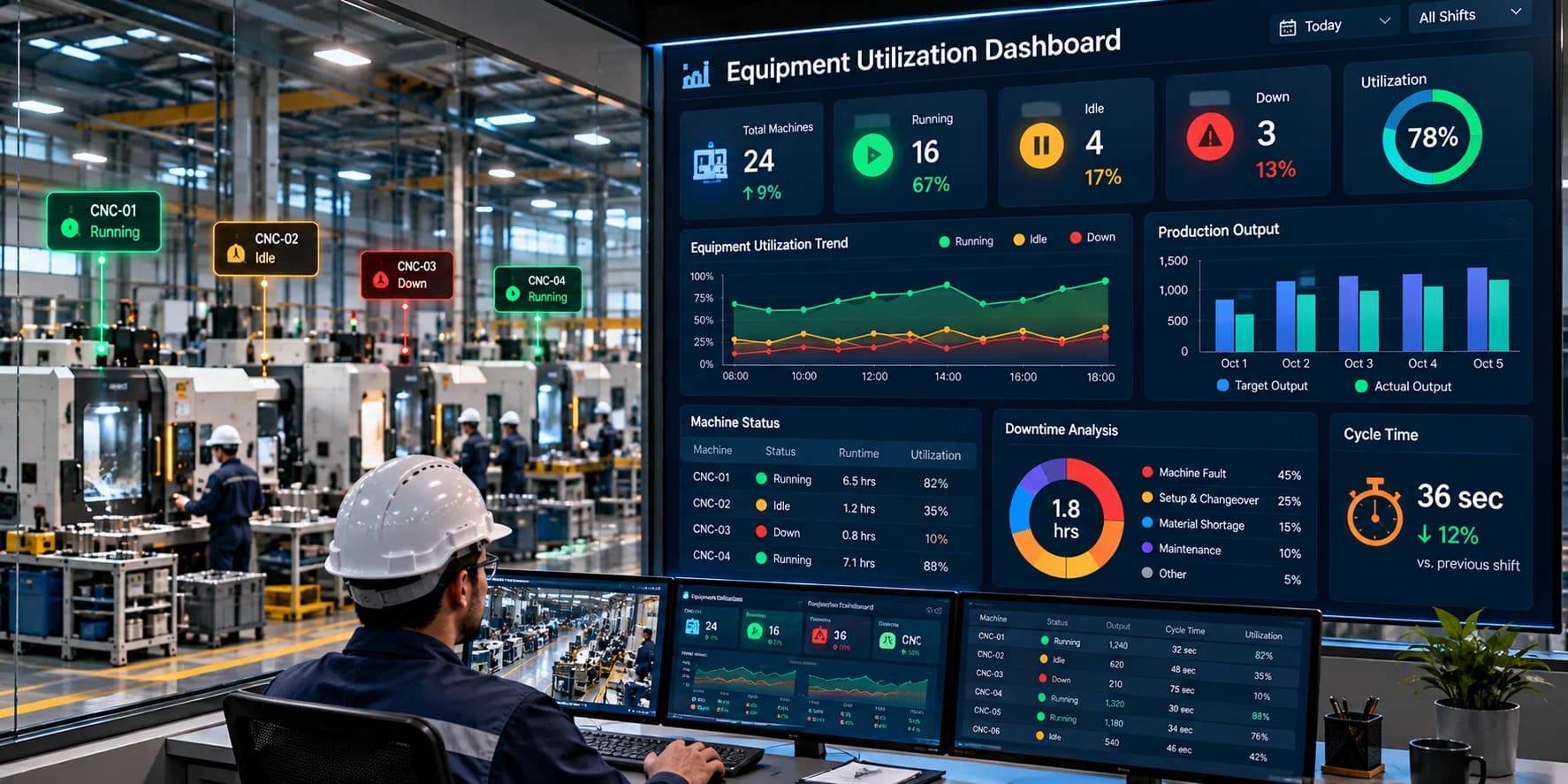
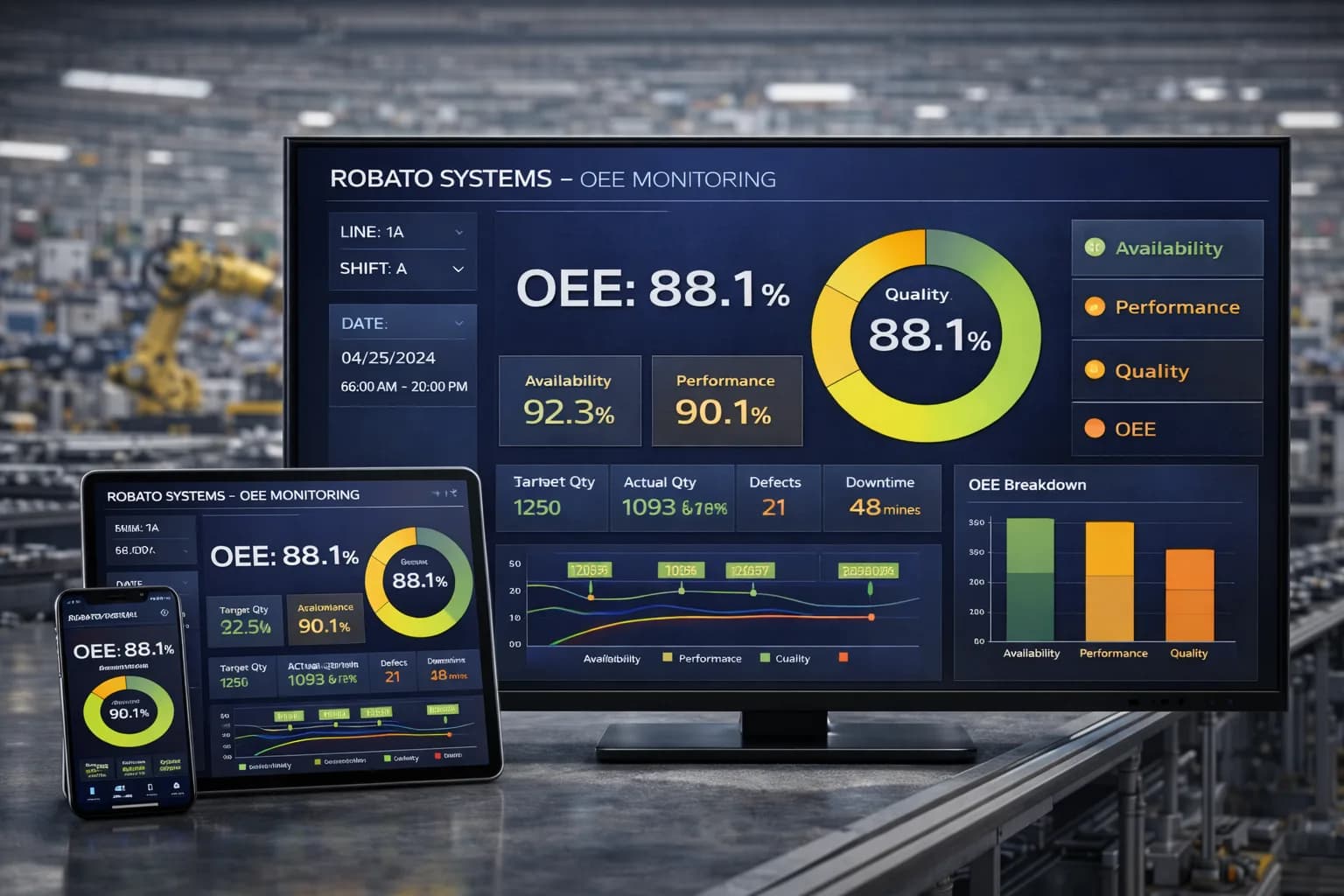
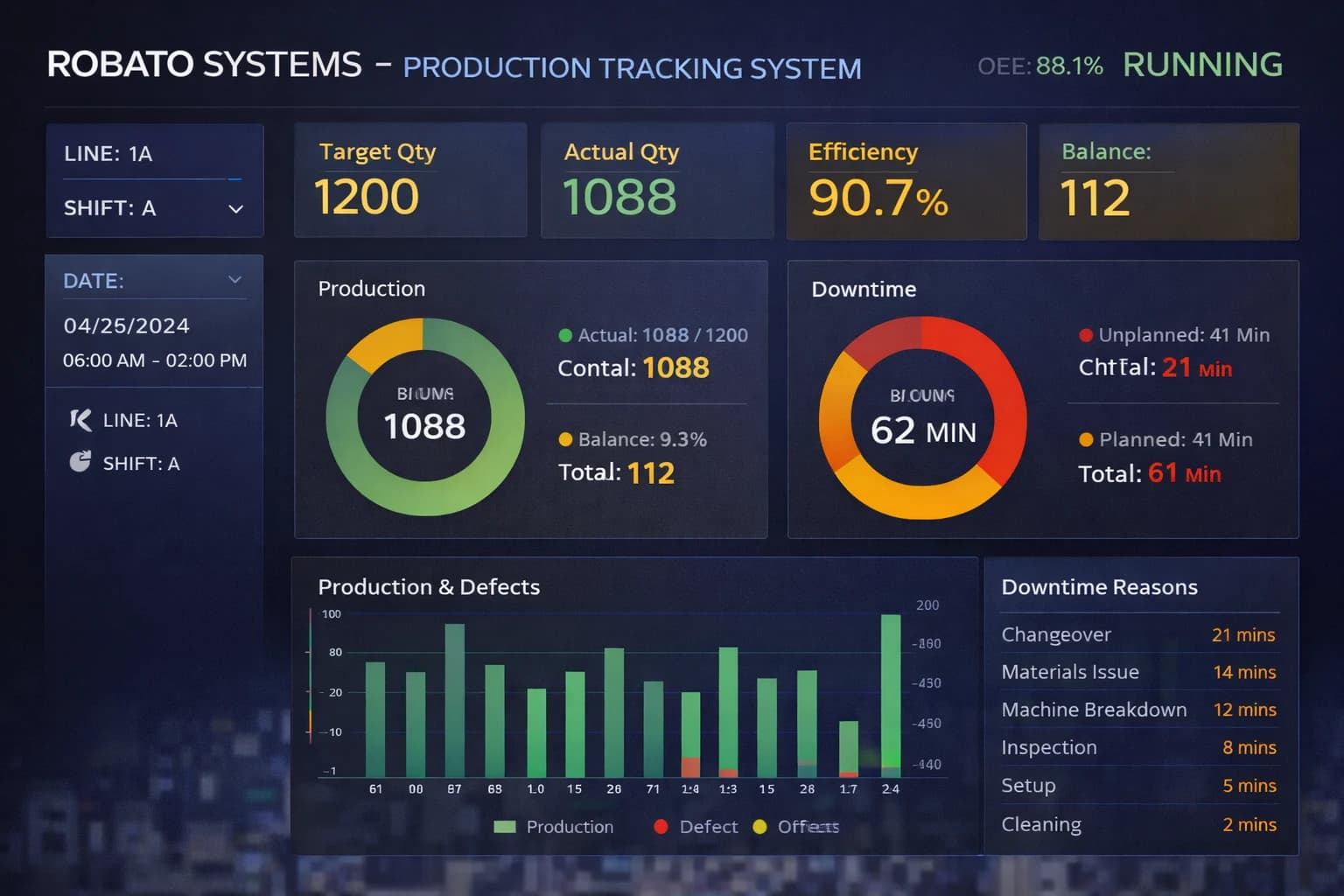
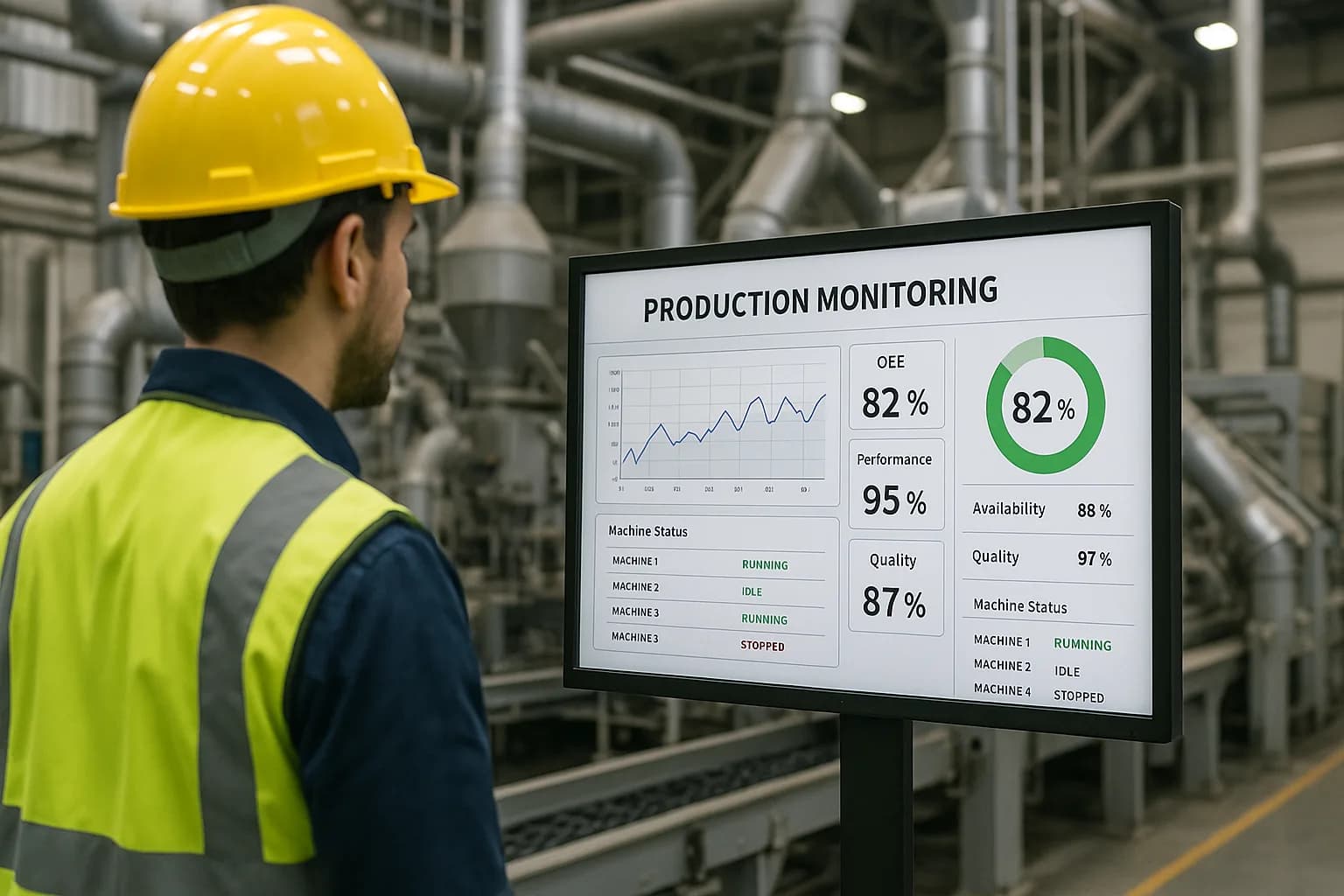
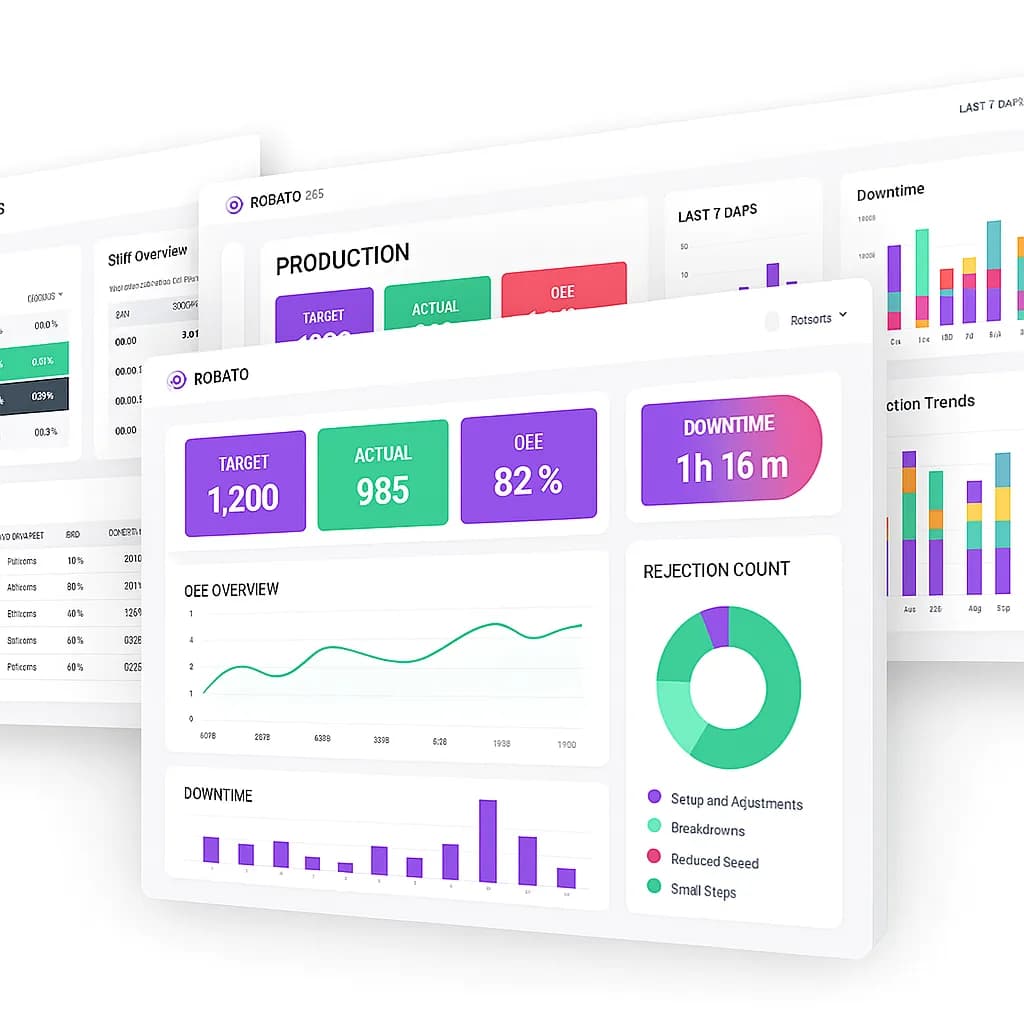
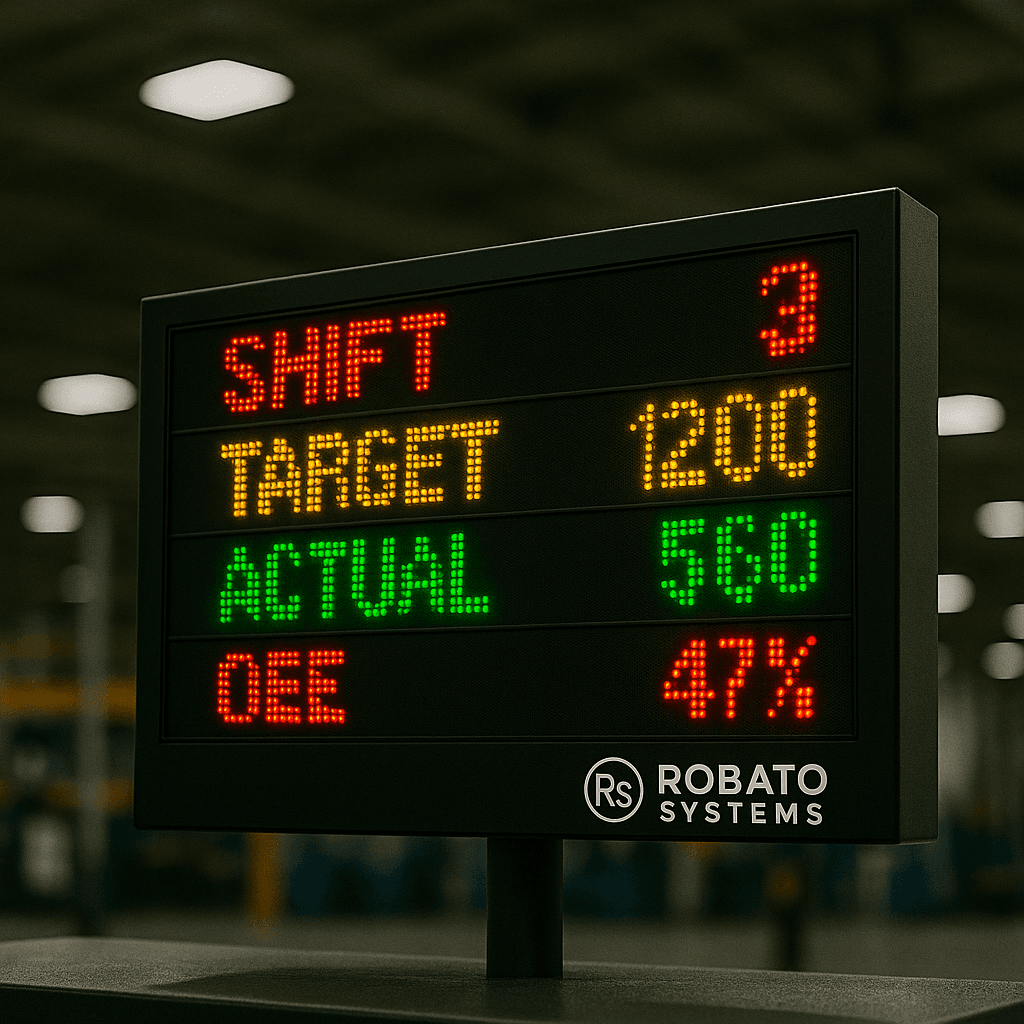
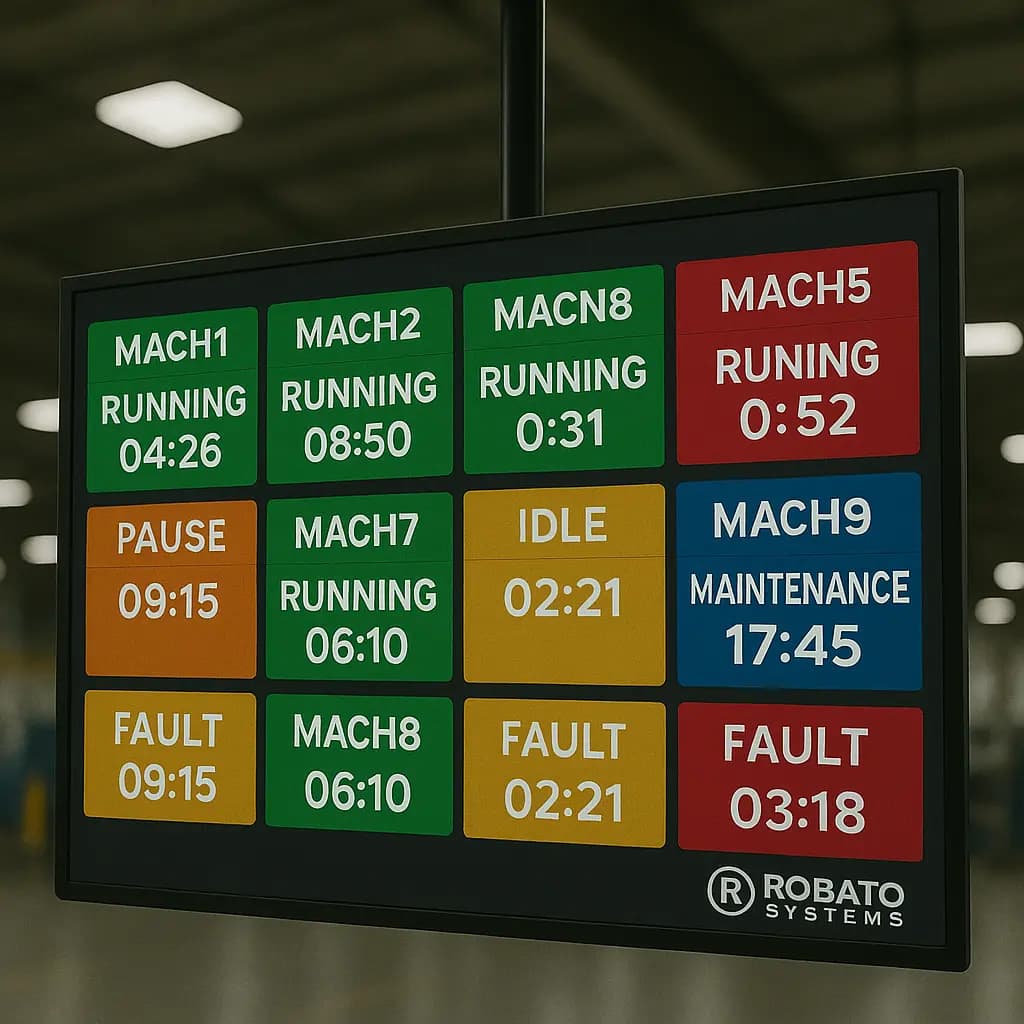
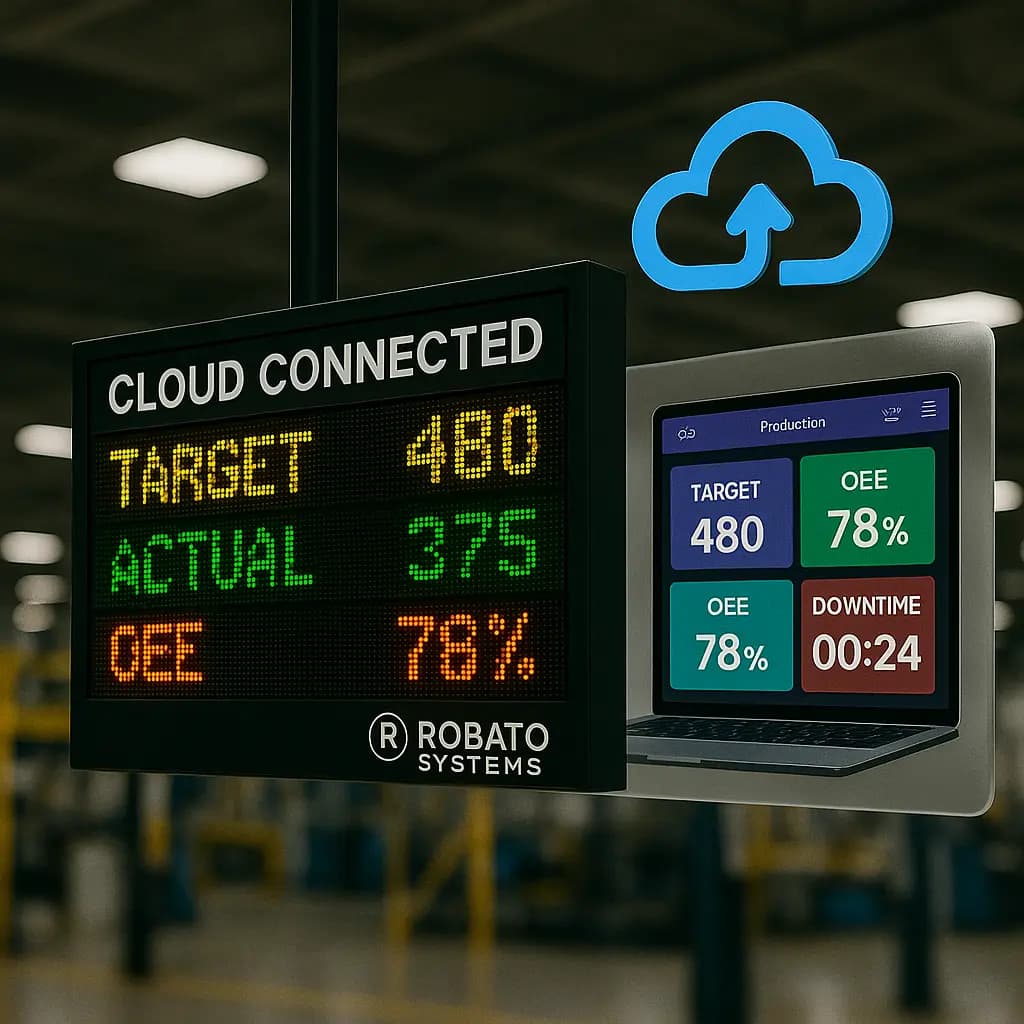
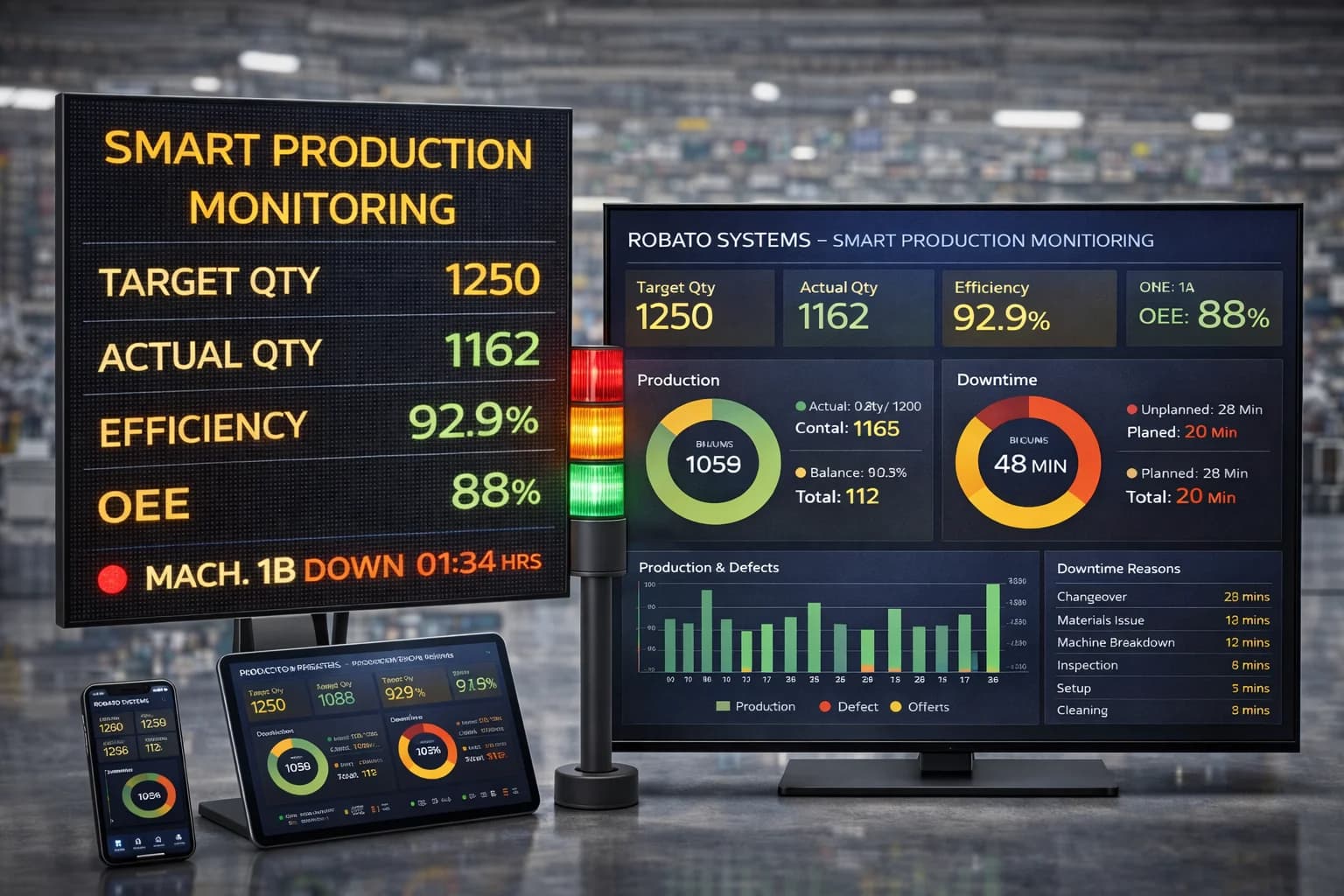
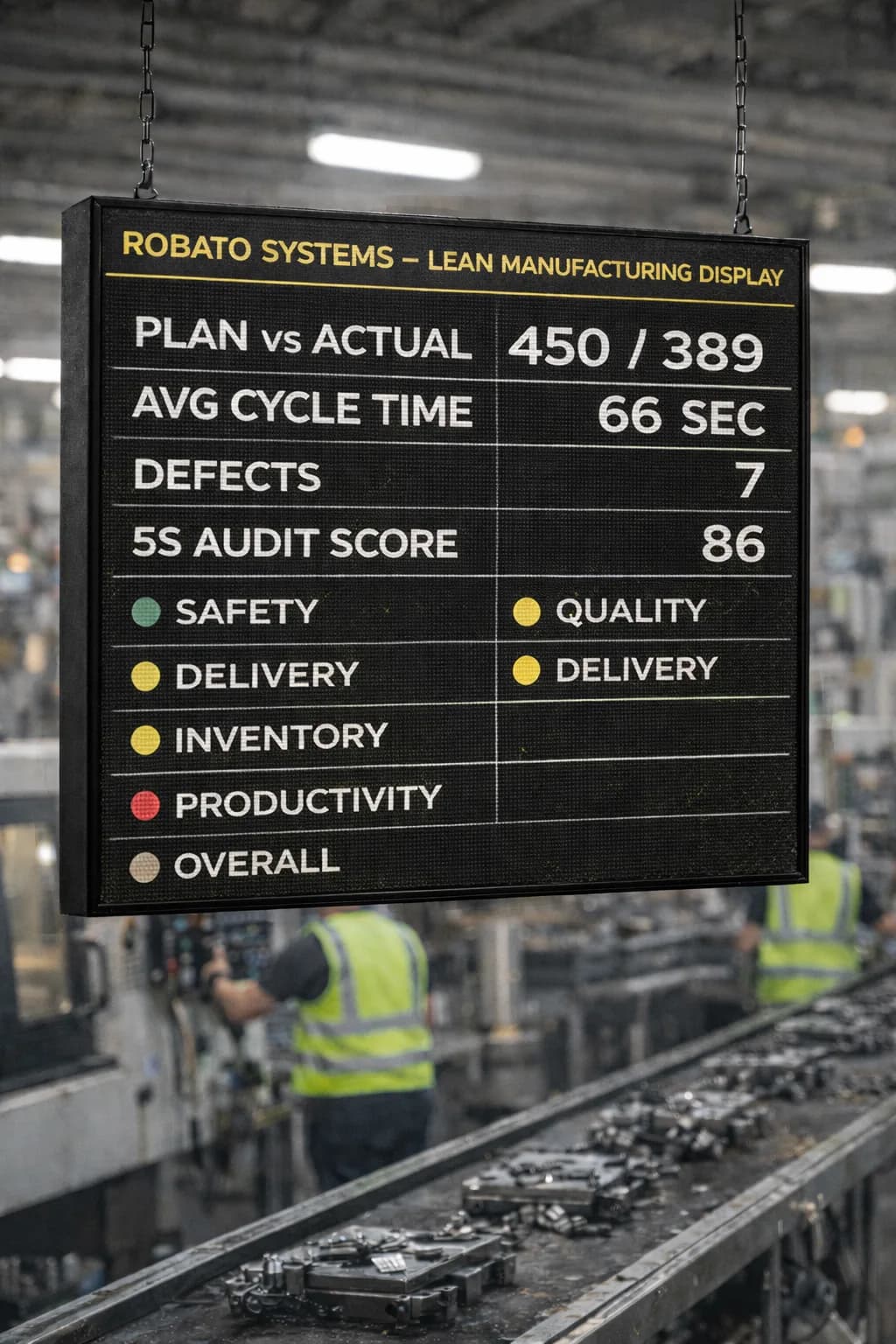
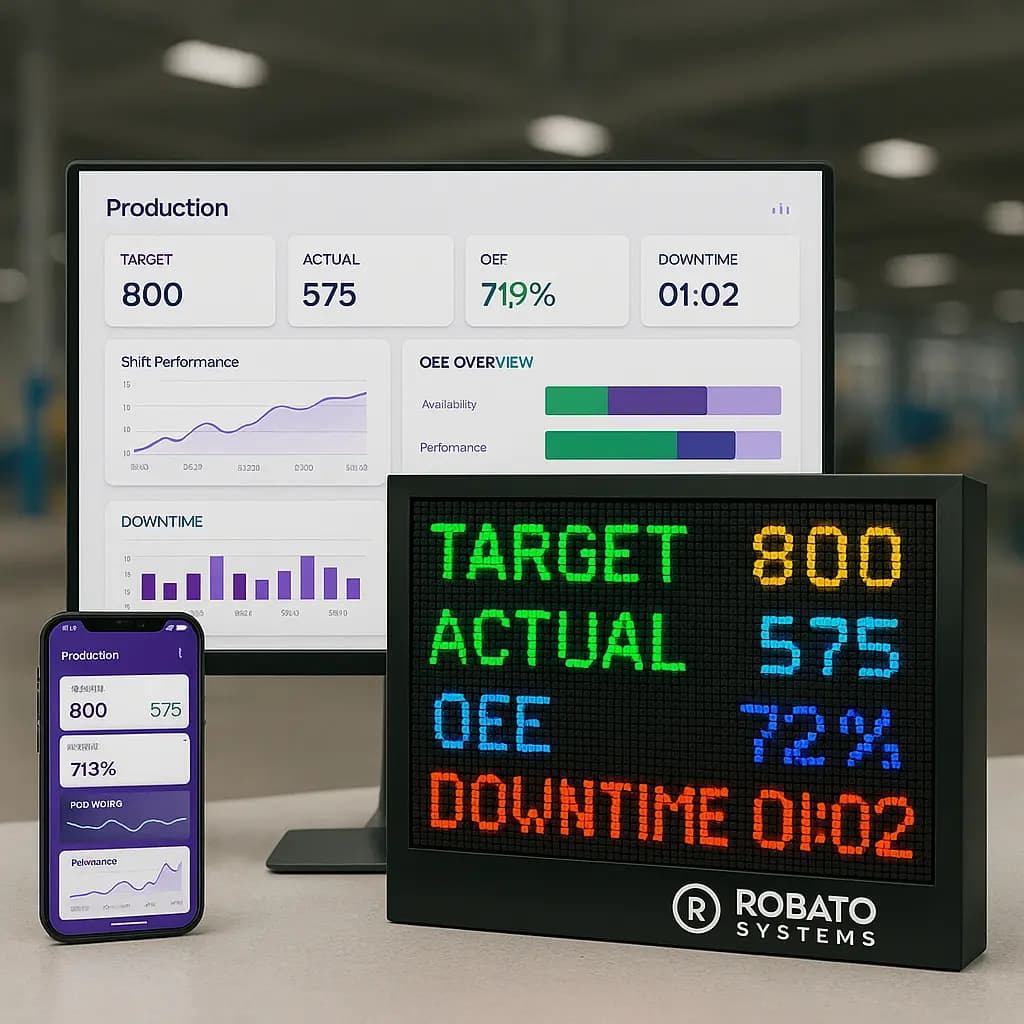
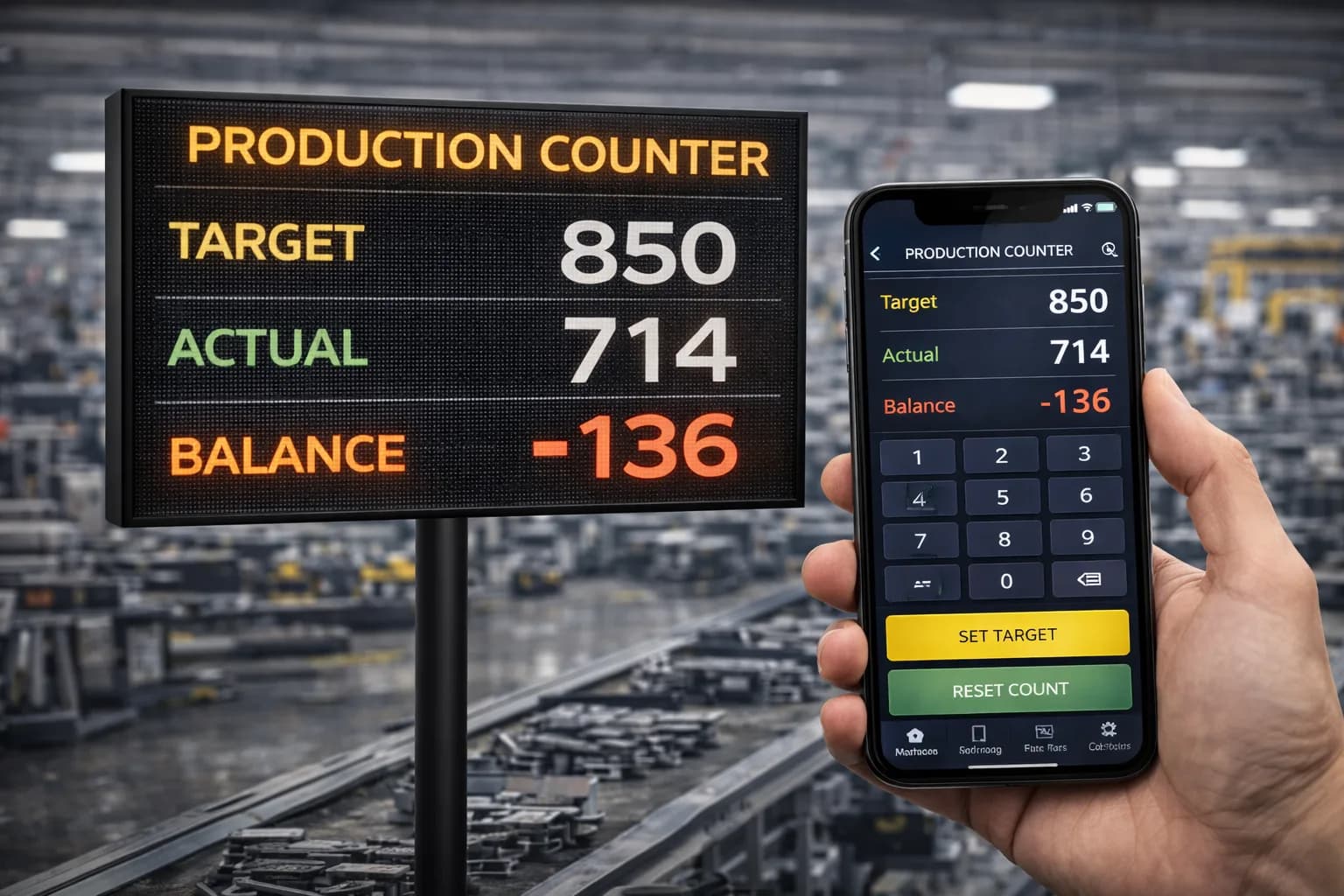
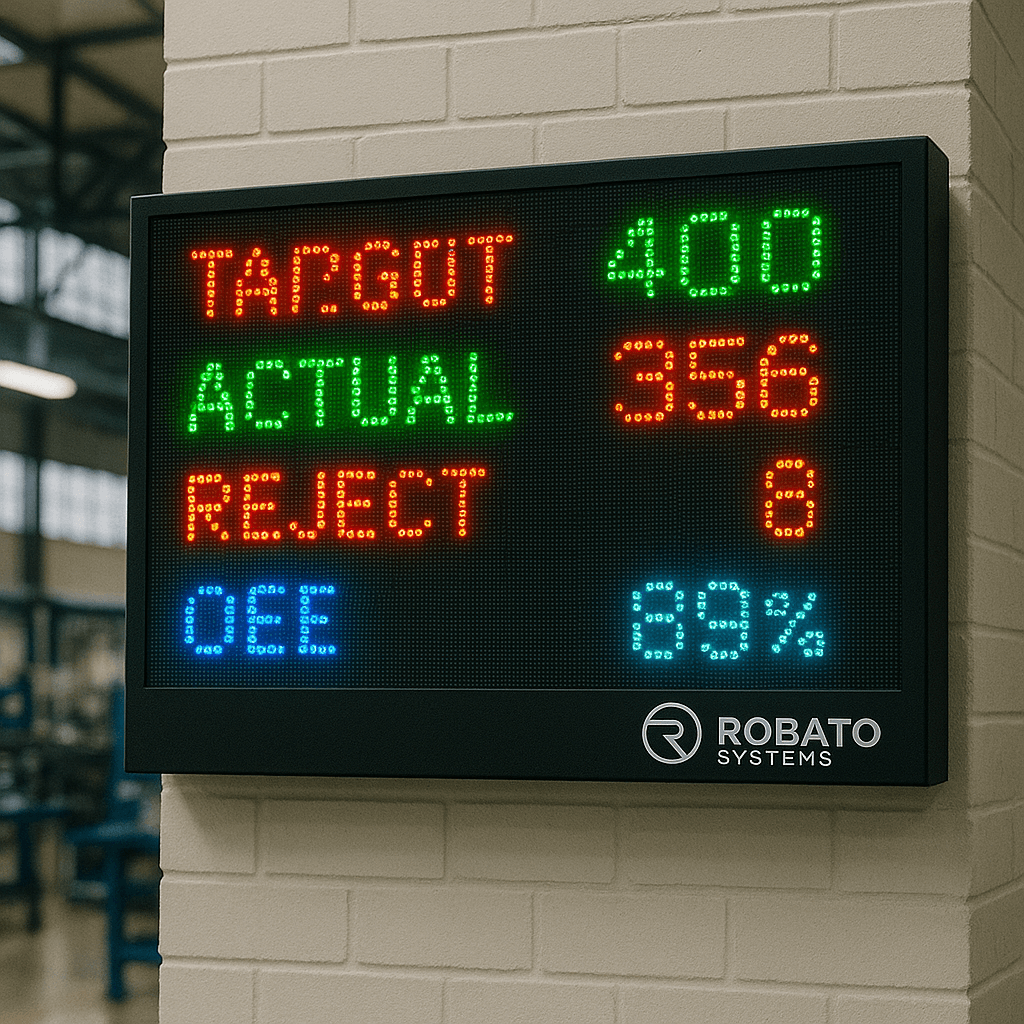
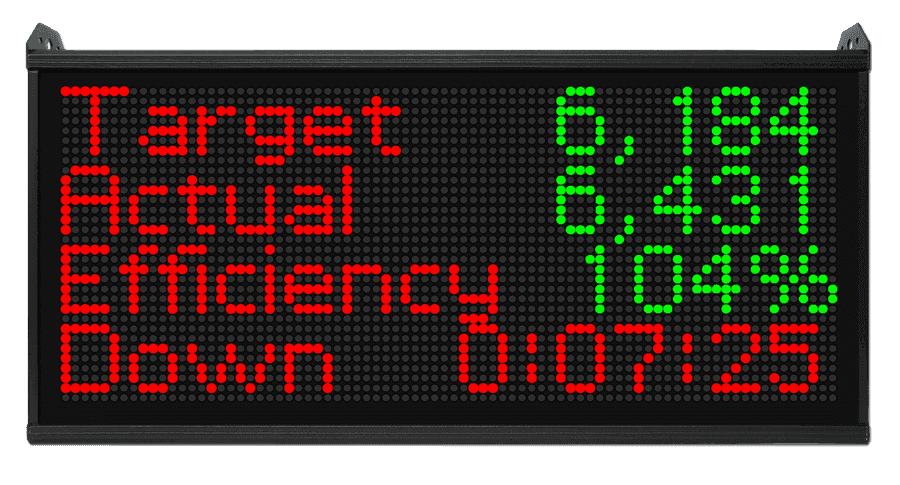
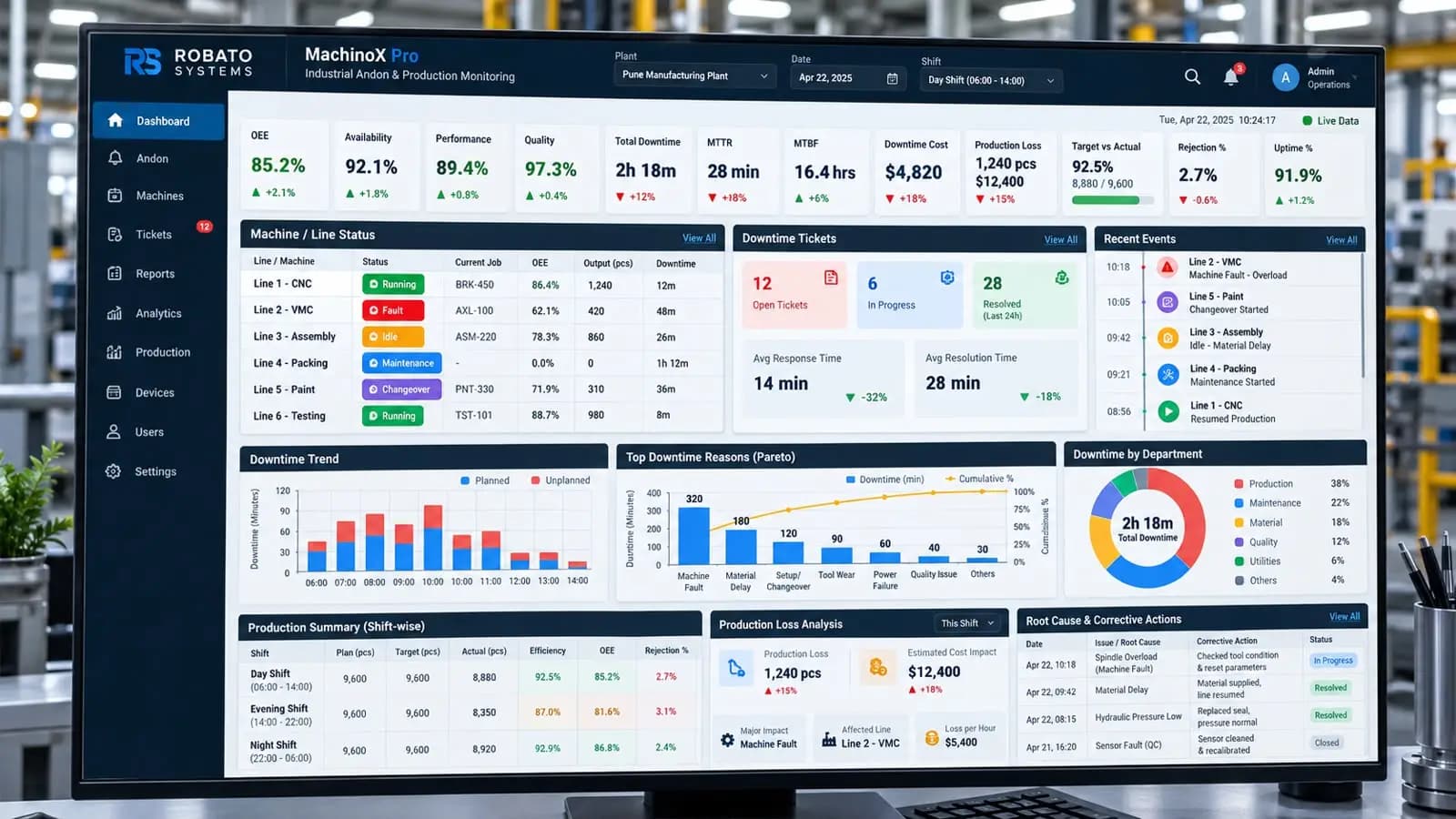
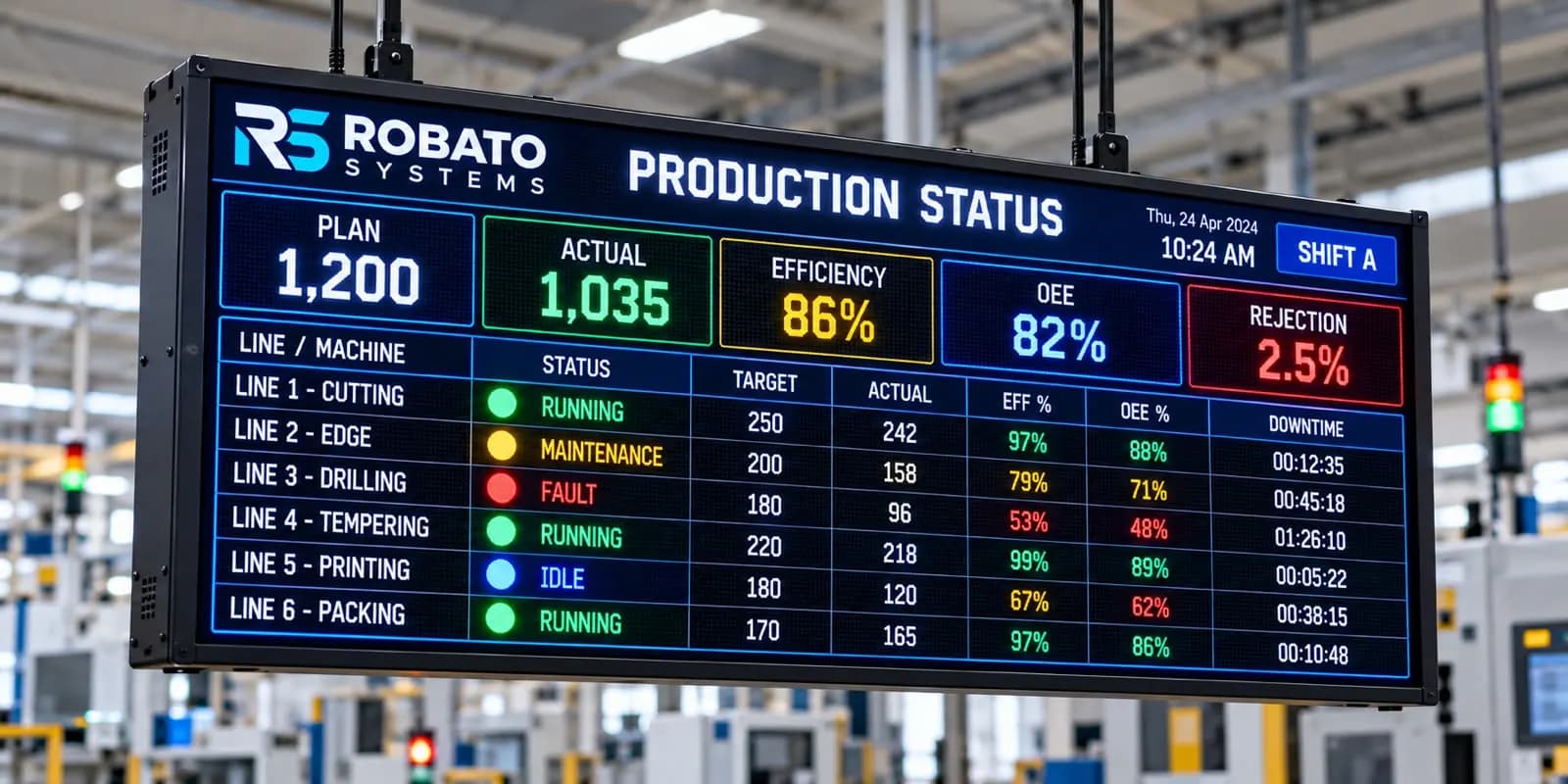
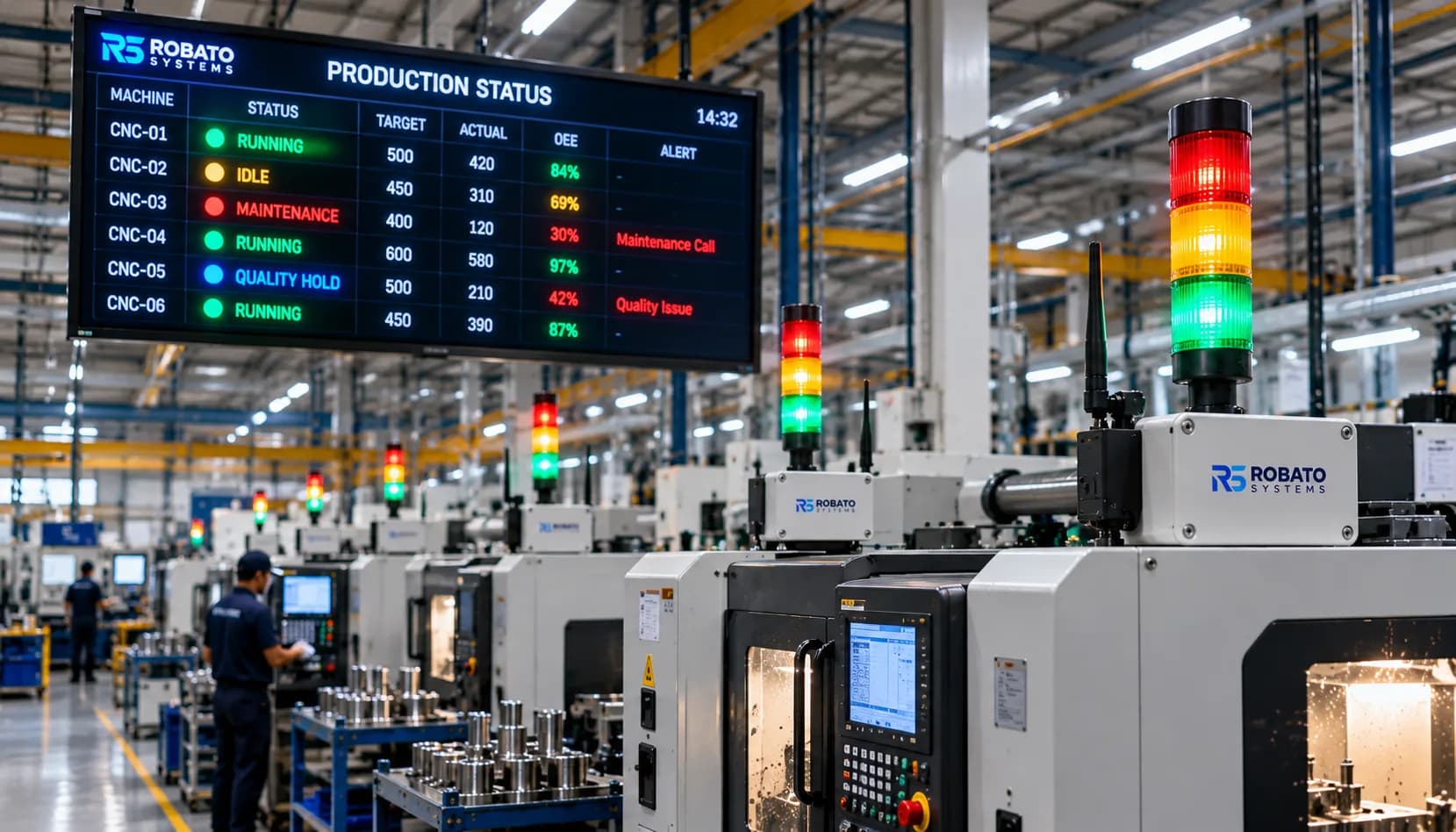
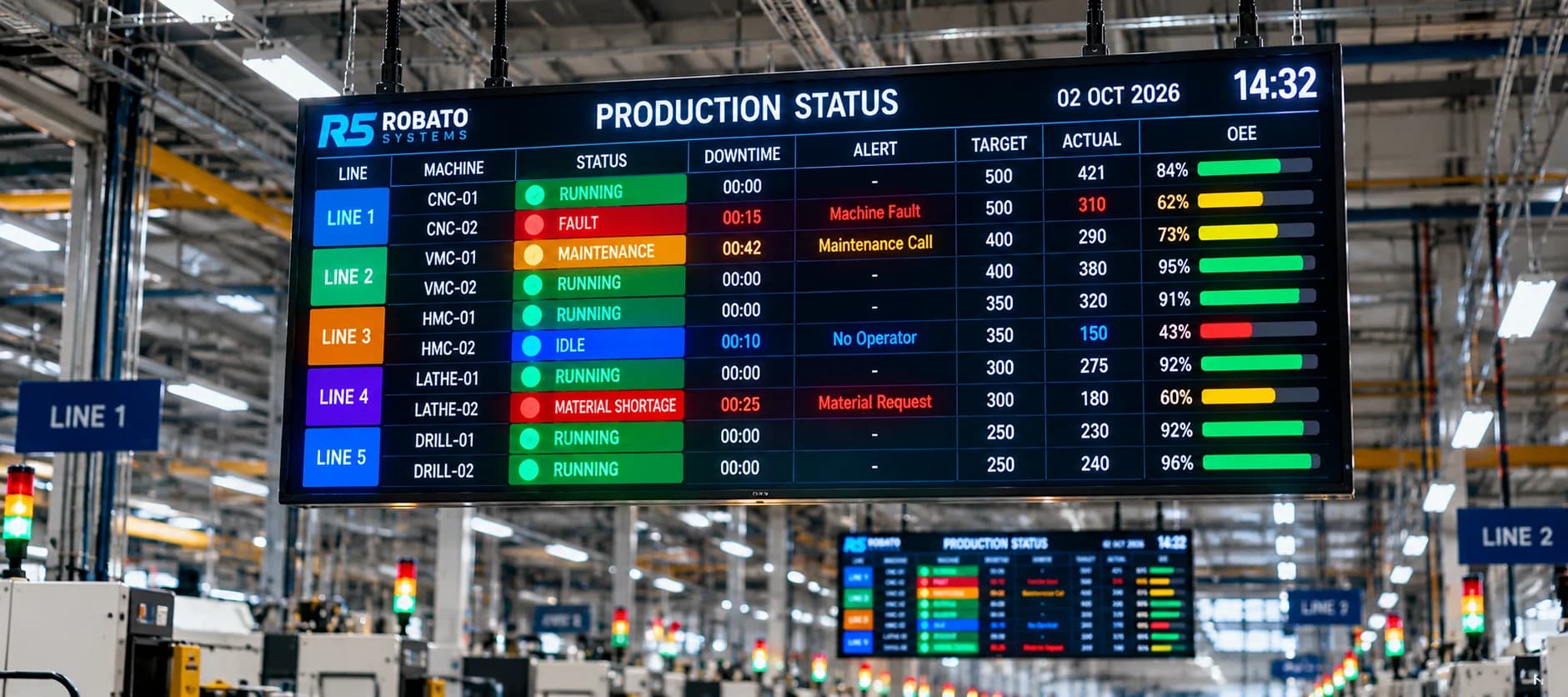
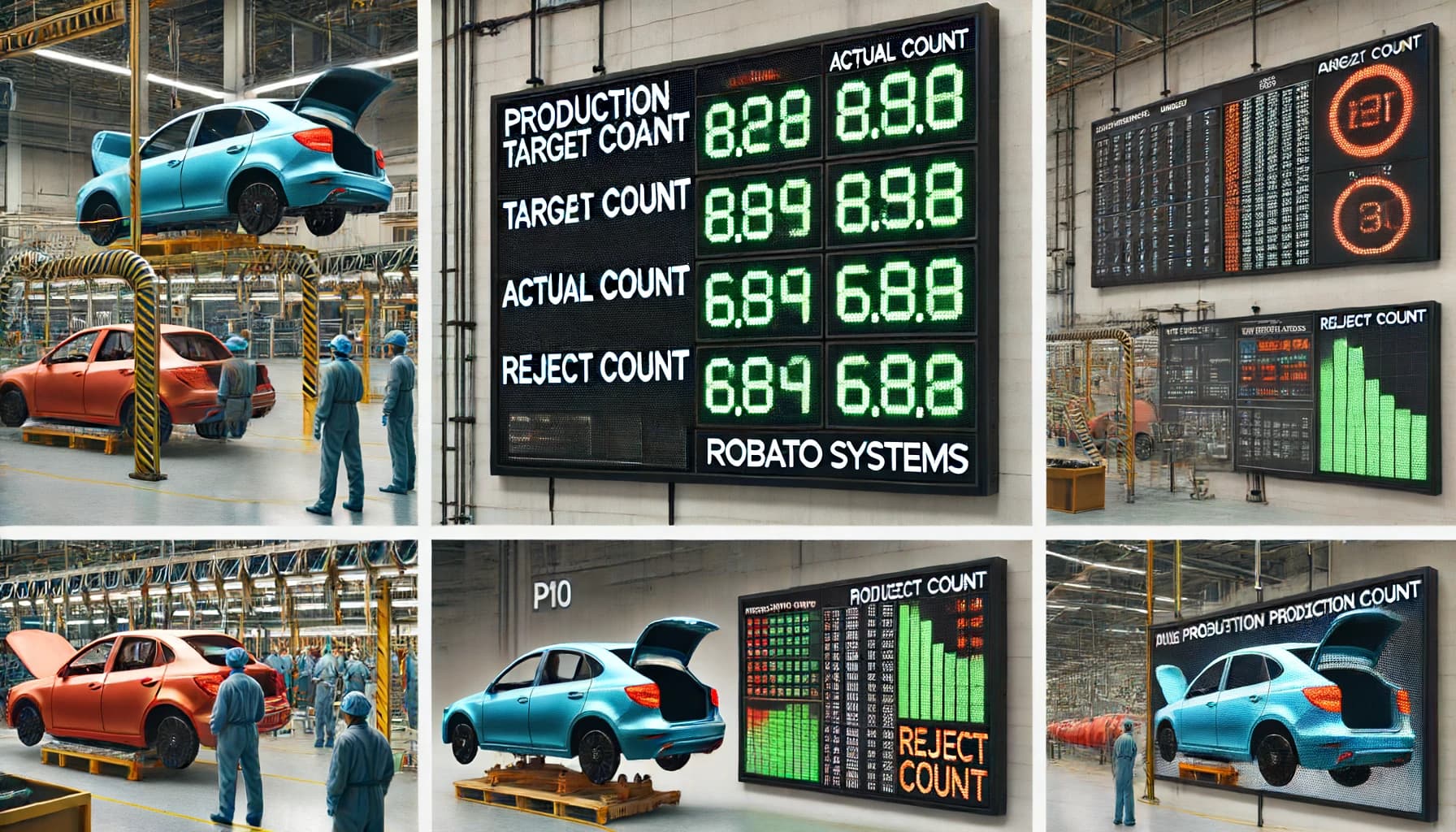
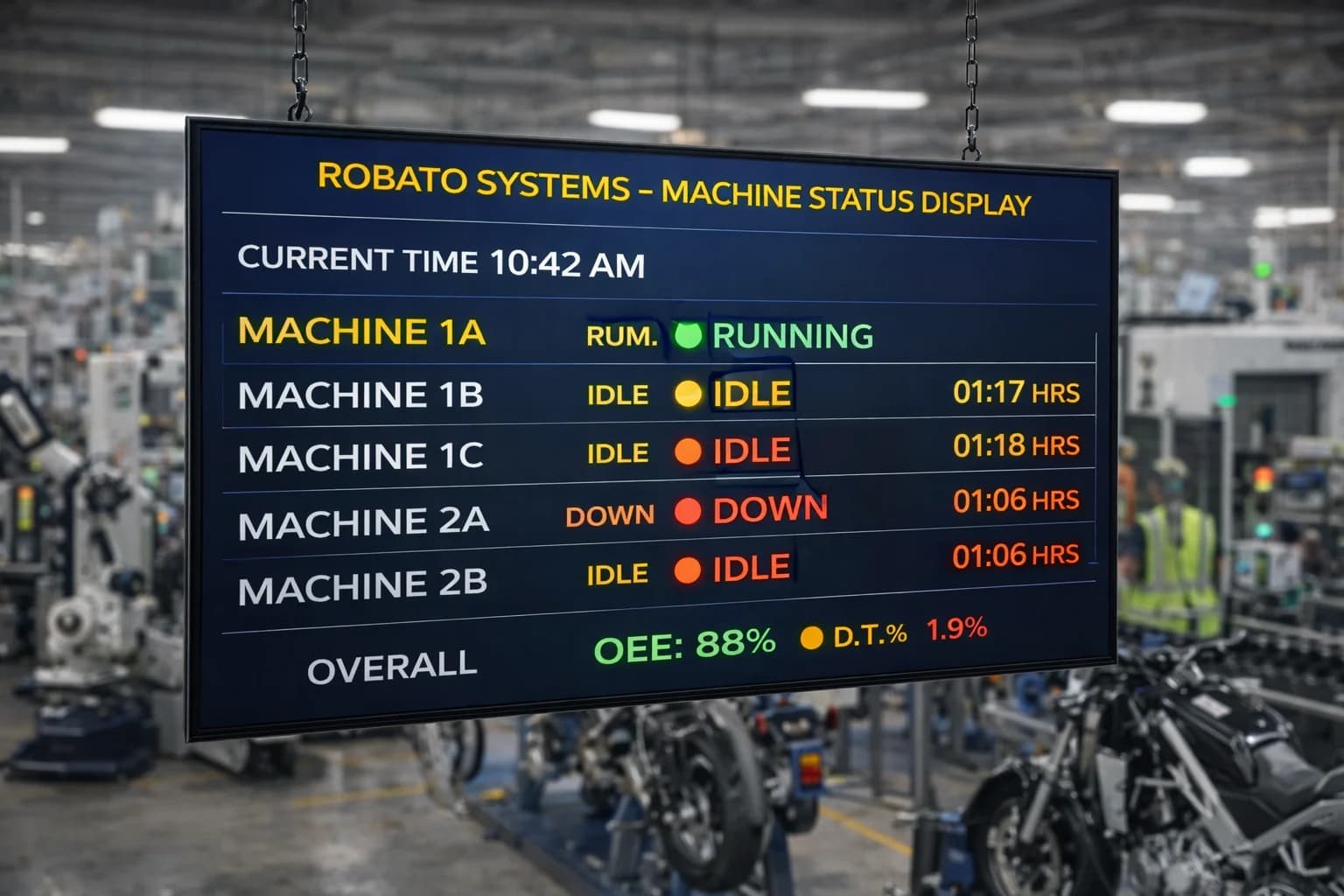
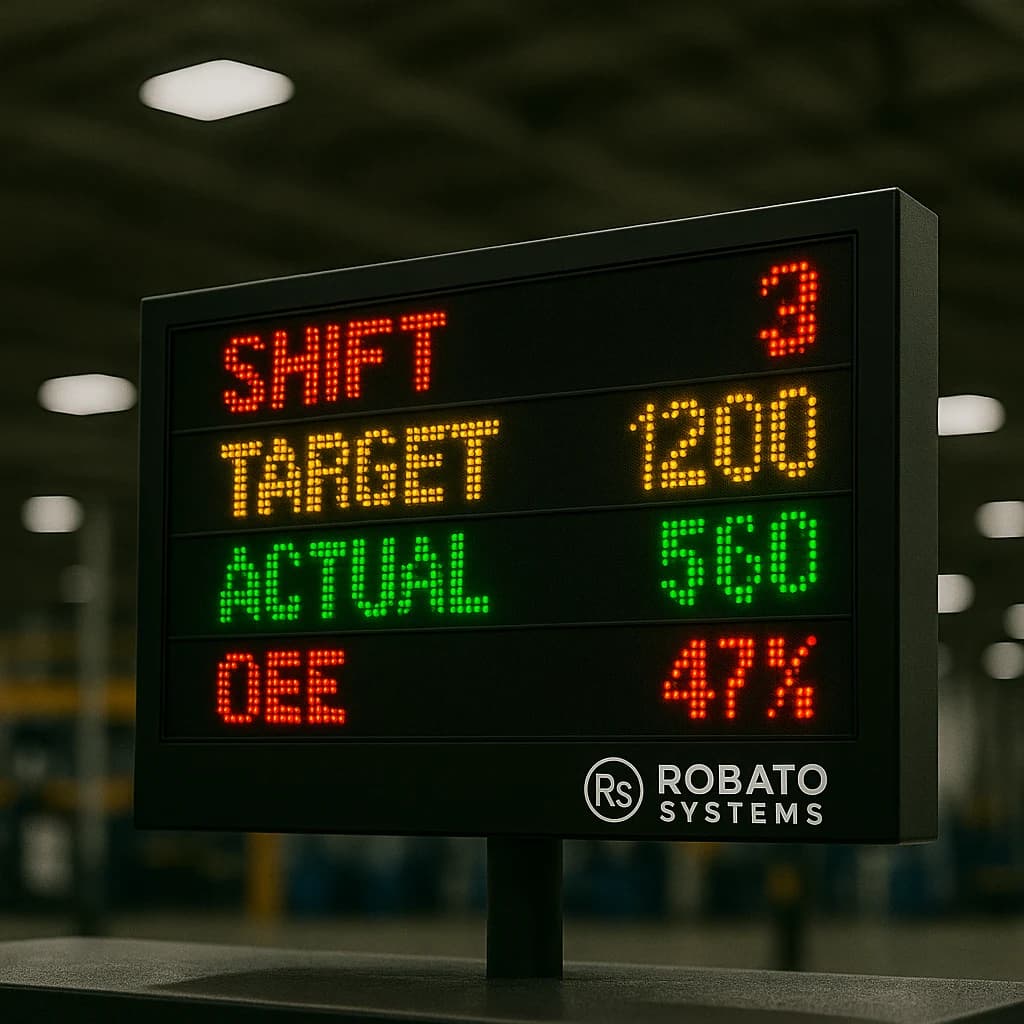
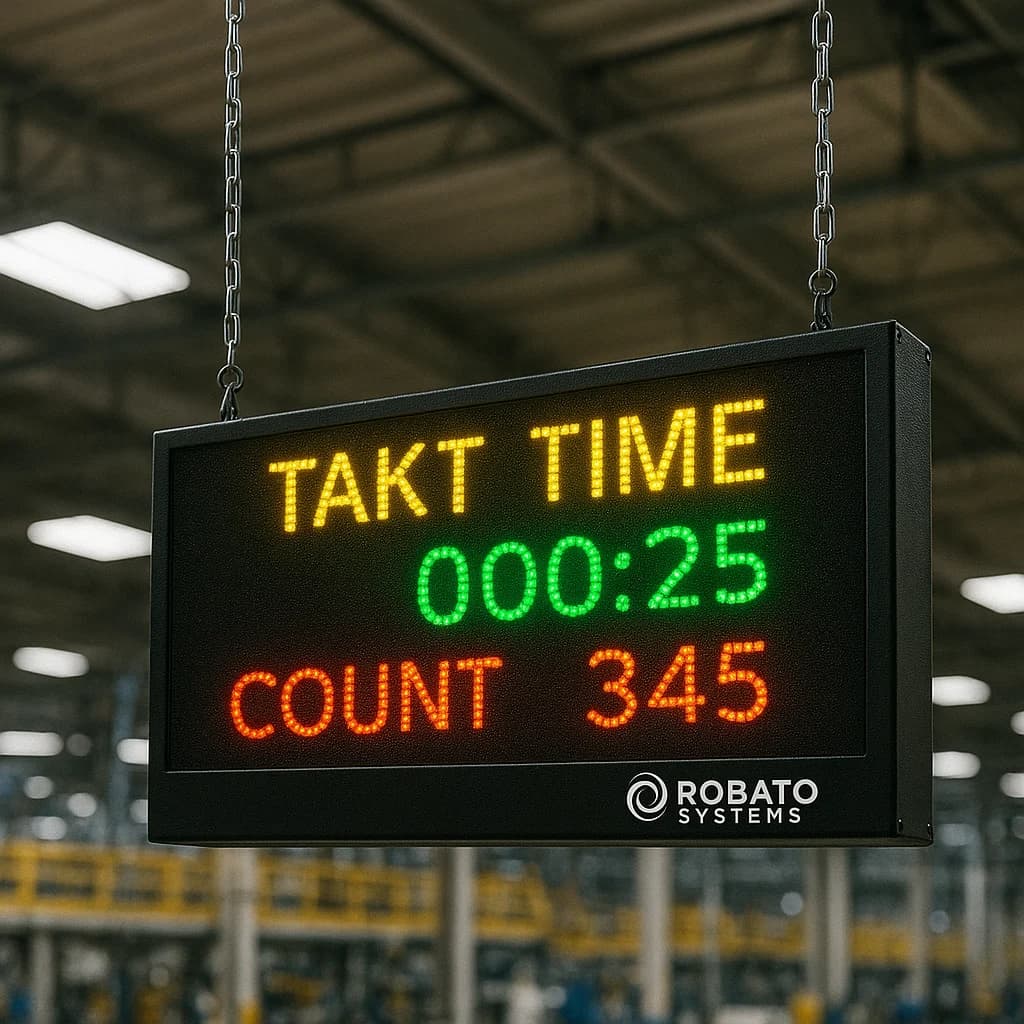
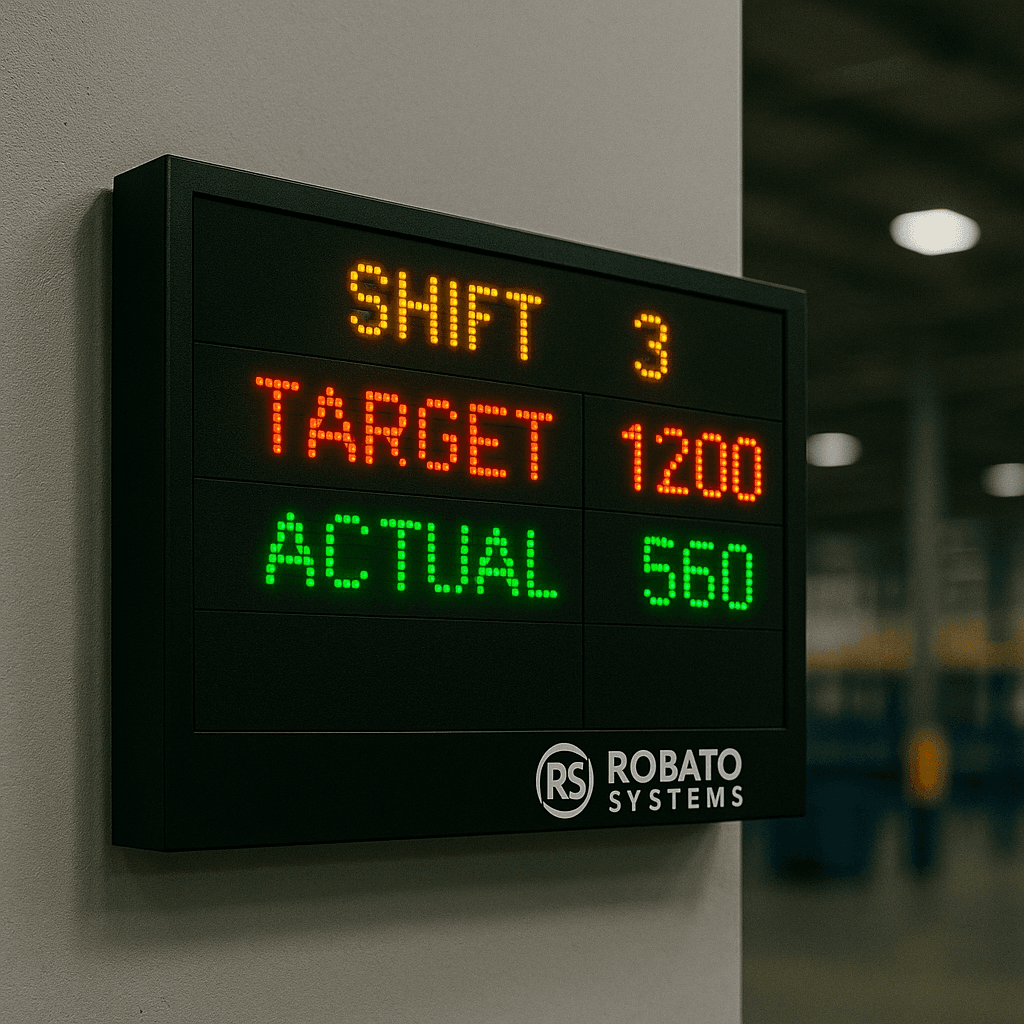
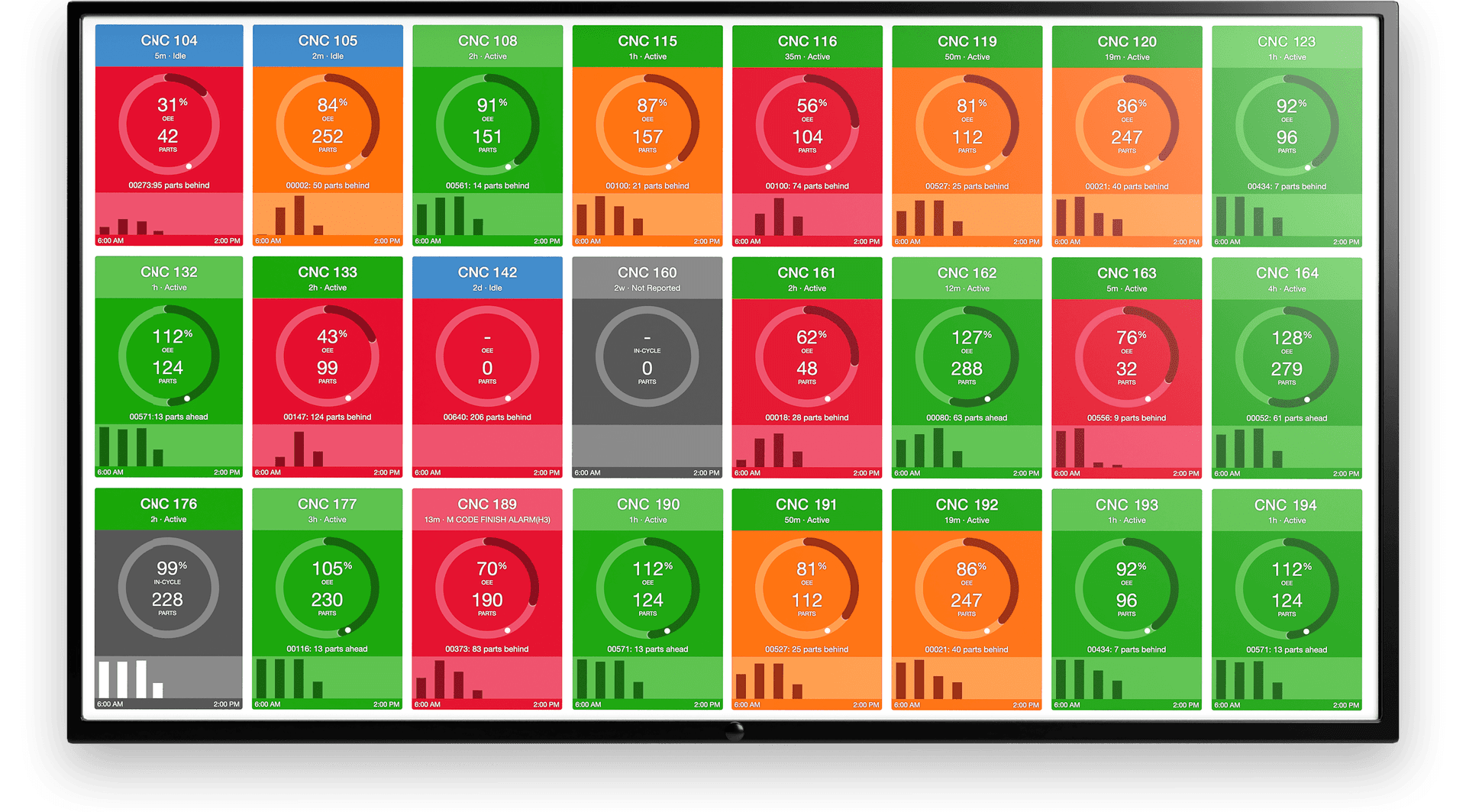
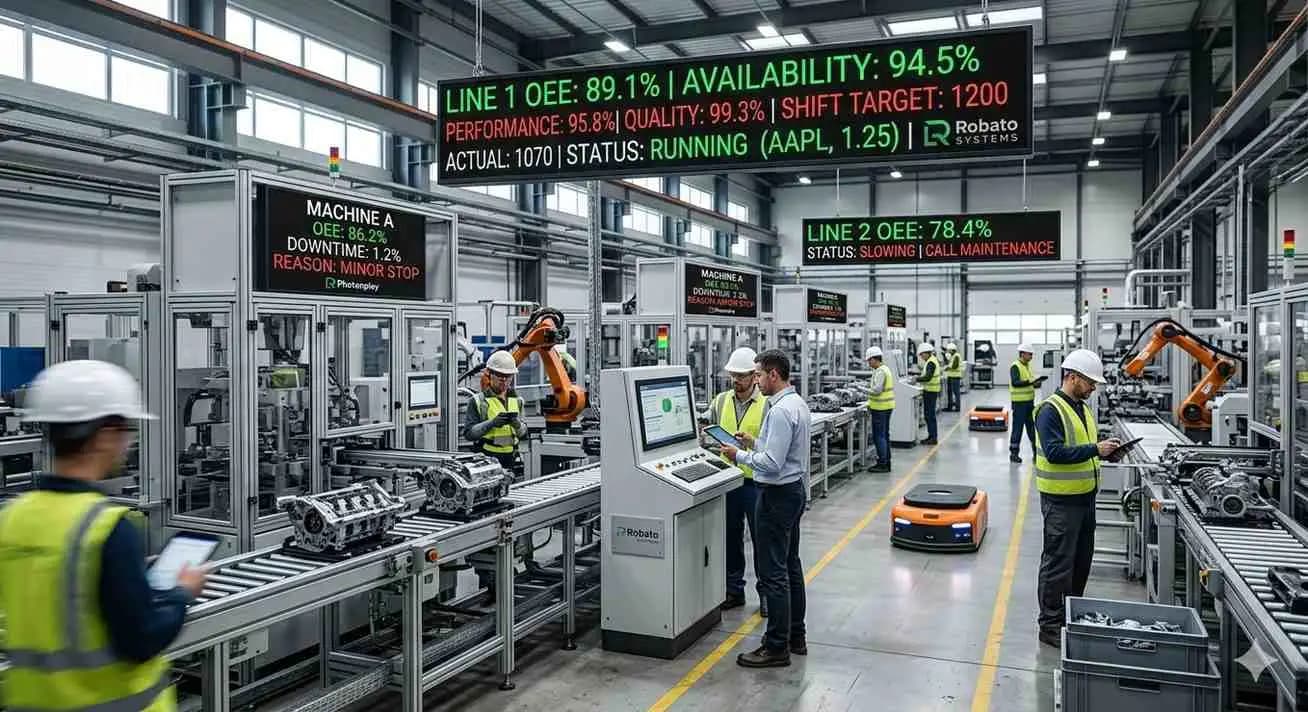
The best OEE tracking software does not just calculate a score at the end of a shift. It delivers live OEE data to every stakeholder in real time throughout the working day. Robato Systems' OEE tracking software pushes live dashboards to LED production display boards on the shop floor, Smart TV dashboards in supervisors' offices, cloud-based web portals accessible from any browser, and mobile apps for managers on the move.
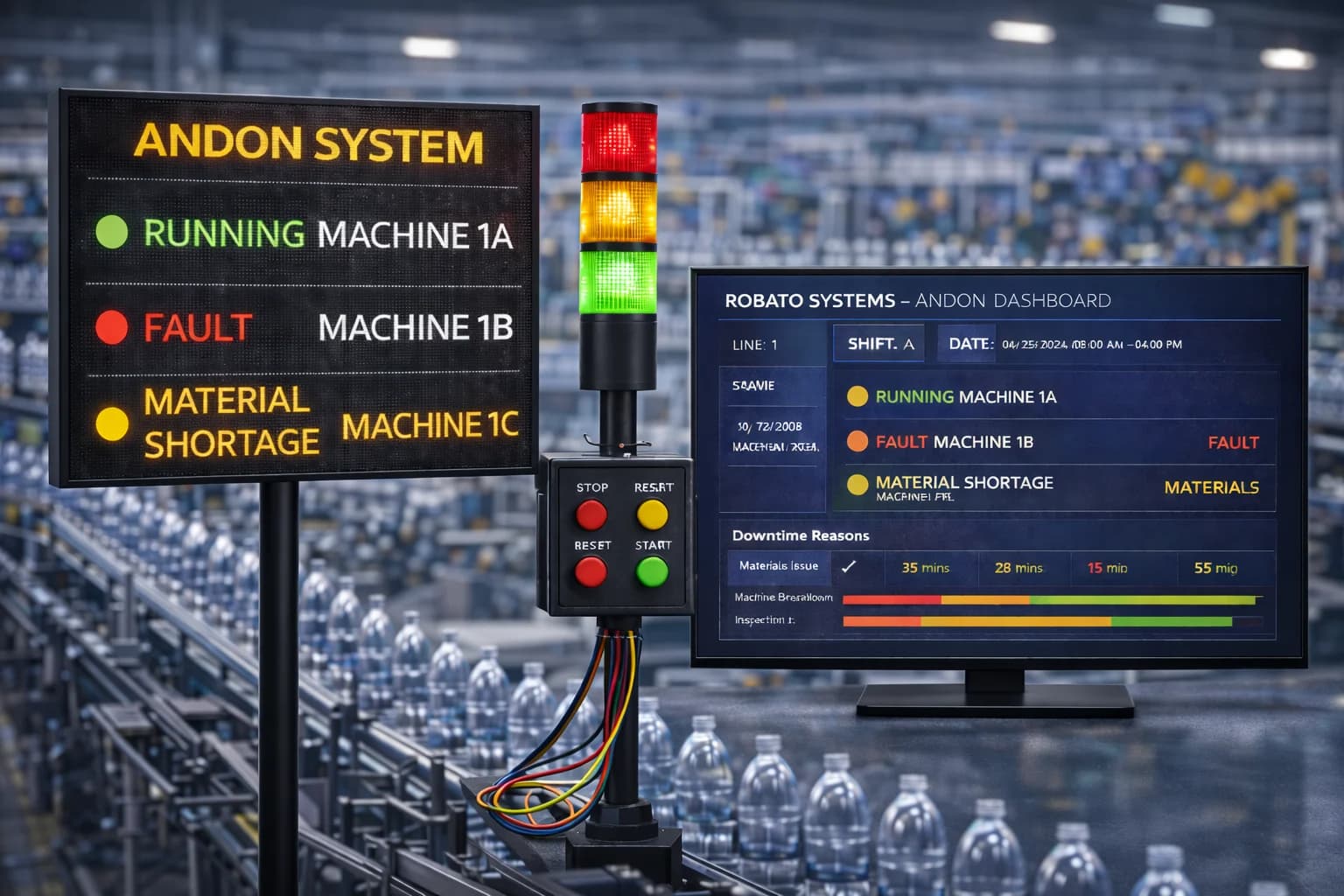
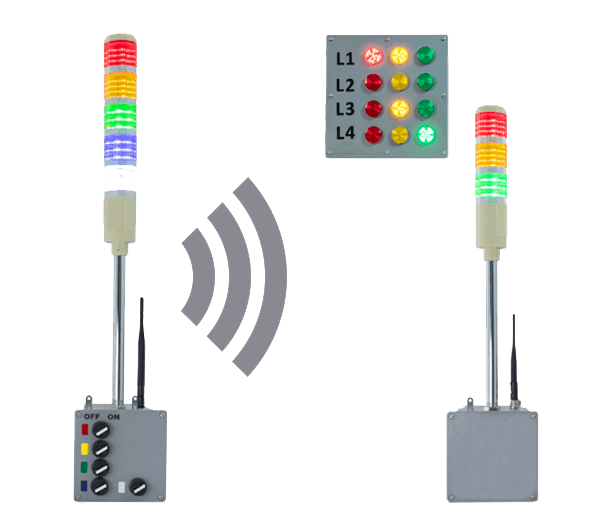
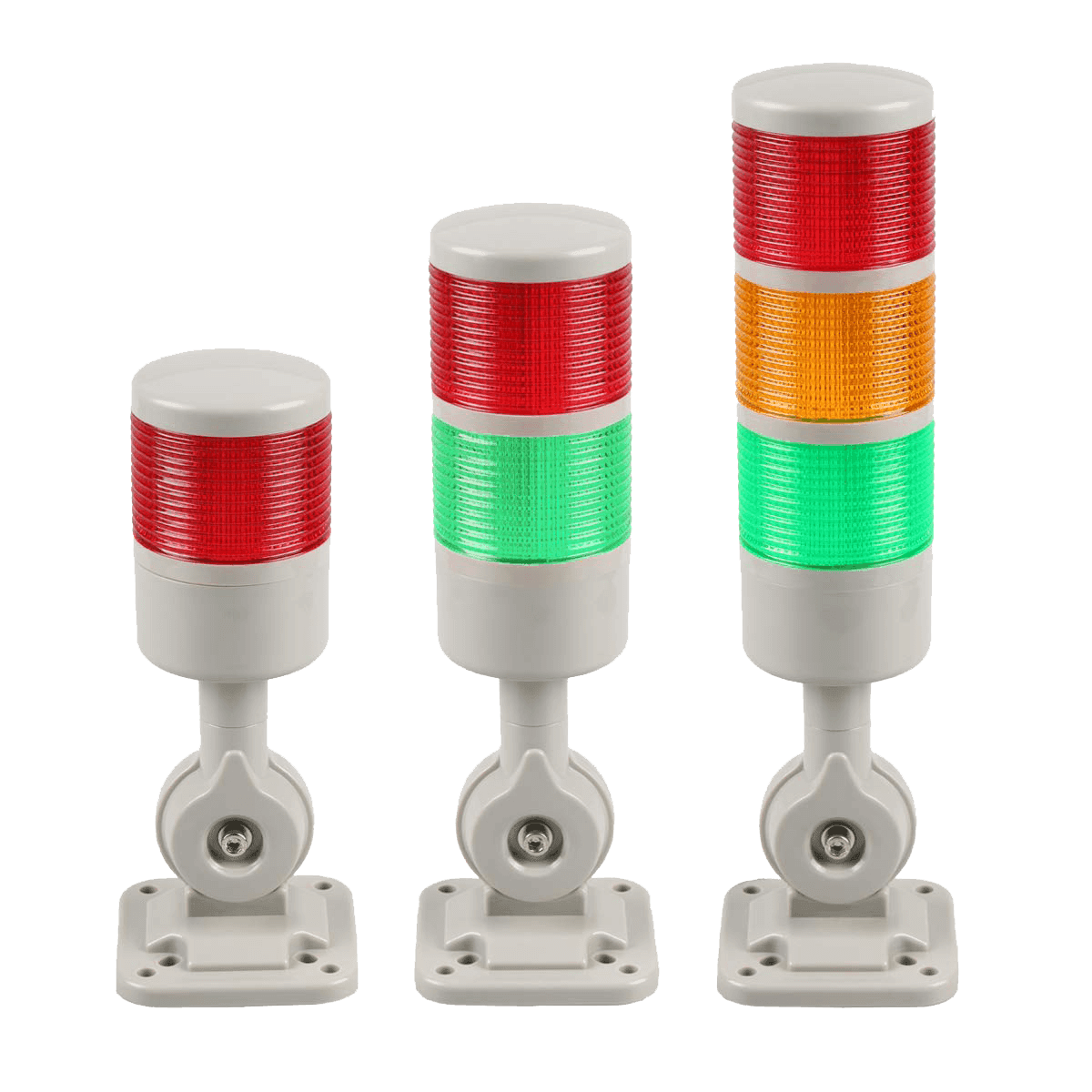
This multi-channel visibility ensures that the people who can act on the data see it the moment it becomes relevant, not hours later when the shift is already over. When a machine's performance drops below target, the dashboard reflects it instantly. When a downtime event begins, an automated alert reaches the right person within seconds. That speed of response is what separates a factory that consistently hits its targets from one that perpetually falls short.
The Features That Drive Continuous Improvement
Calculating and displaying OEE is only the starting point. The best OEE tracking software includes a set of features that transform raw data into a structured continuous improvement program.
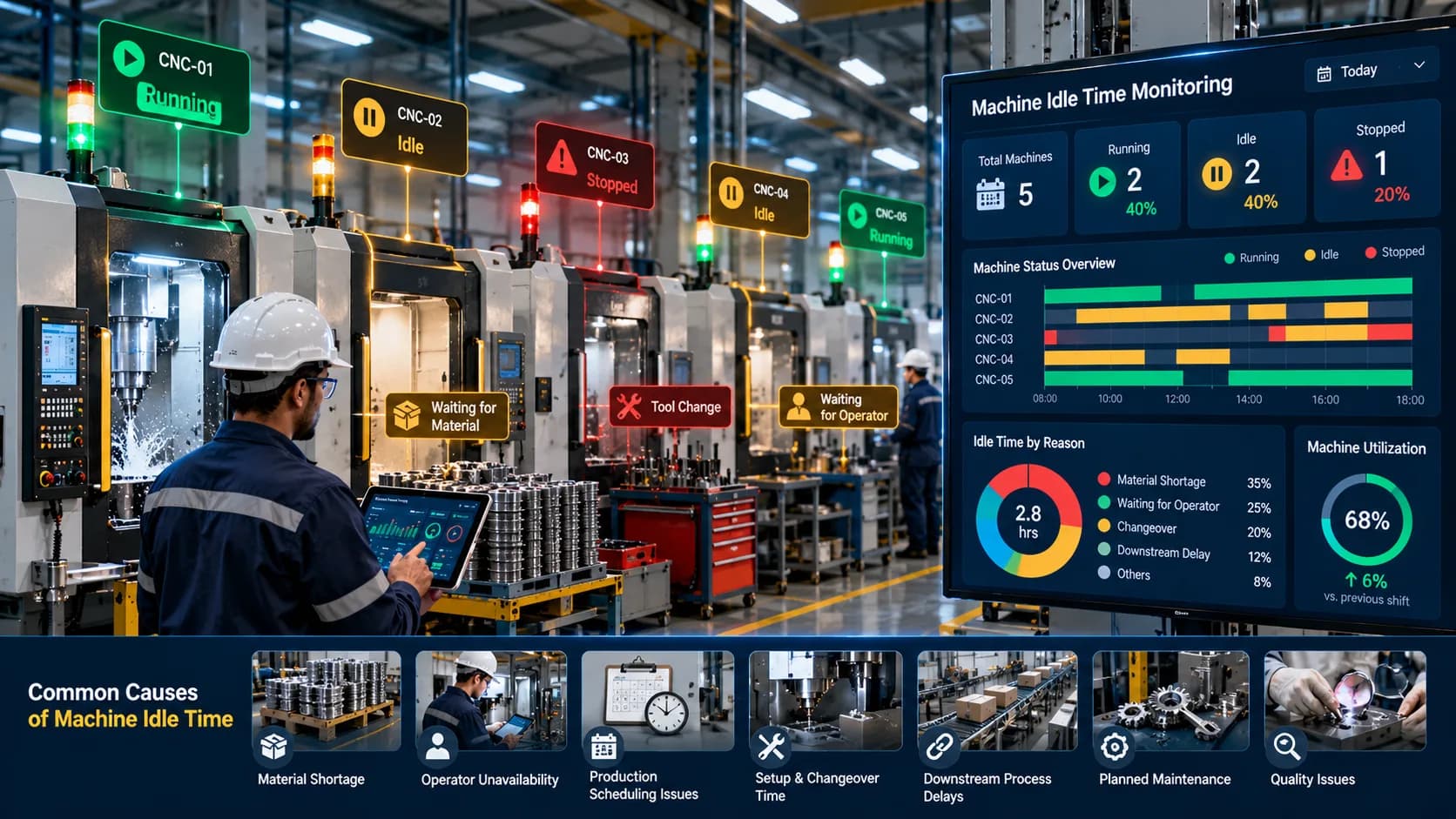
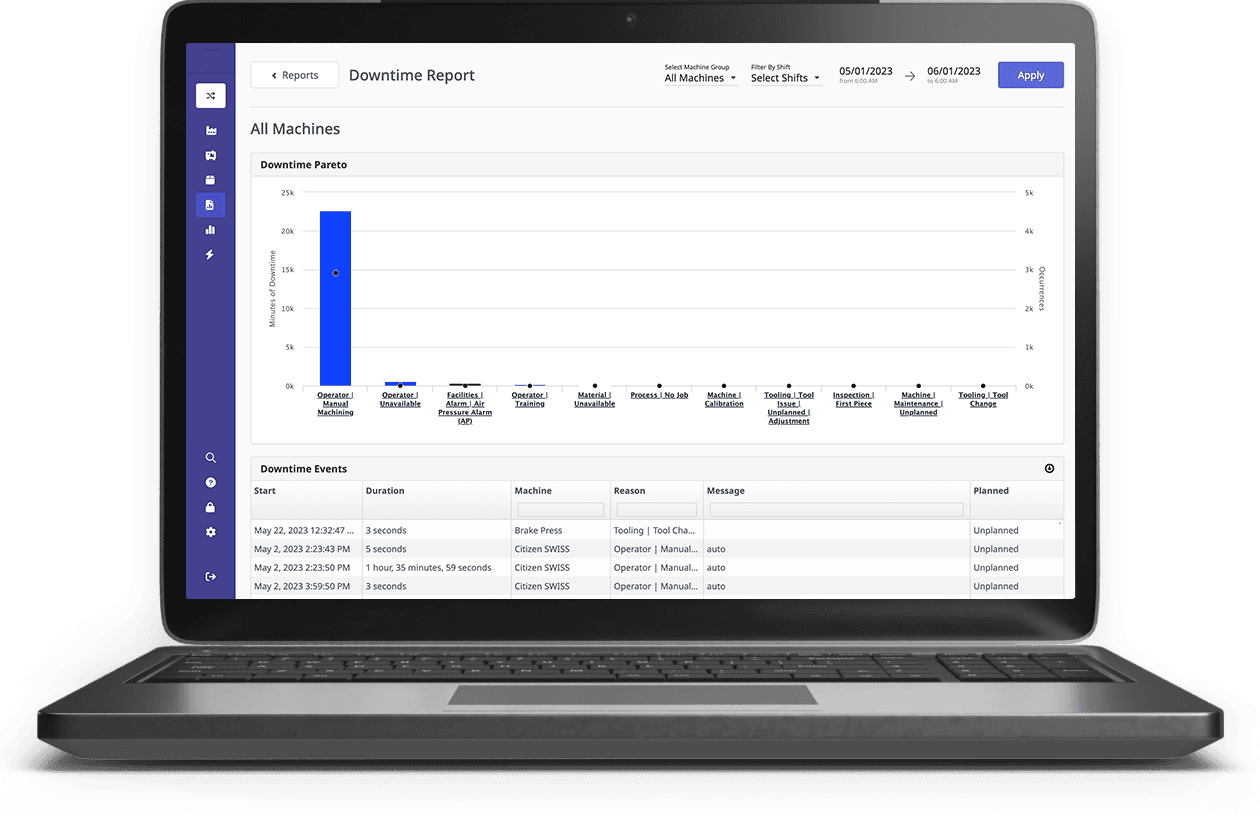
Downtime analysis with reason coding is one of the most valuable of these features. Every time a machine stops, the software captures the event with its precise duration and reason code. Over time, this builds a database of every downtime event across every machine and shift, making it straightforward to identify which causes recur most frequently and which machines are the highest priority for maintenance intervention.
Shift and operator comparison reports allow managers to benchmark performance across different teams and time periods, identifying training gaps, scheduling inefficiencies, and best practices that can be replicated across the operation. Machine-level, line-level, and plant-level OEE views give managers the flexibility to drill down into specific problem areas or zoom out to assess overall factory performance at a glance.
Deployment Options That Fit Every Factory's Needs
The best OEE tracking software offers flexibility in how it is deployed, because different factories have different infrastructure, different IT policies, and different levels of technical readiness.
Robato Systems offers cloud-based deployment for factories that want quick setup and remote access from any device without investing in on-site server infrastructure. On-premise deployment is available for regulated industries where all production data must remain within the factory's own network. Hybrid configurations combine local data collection at the machine level with cloud-level reporting and analytics for management teams, delivering the practical benefits of both approaches.
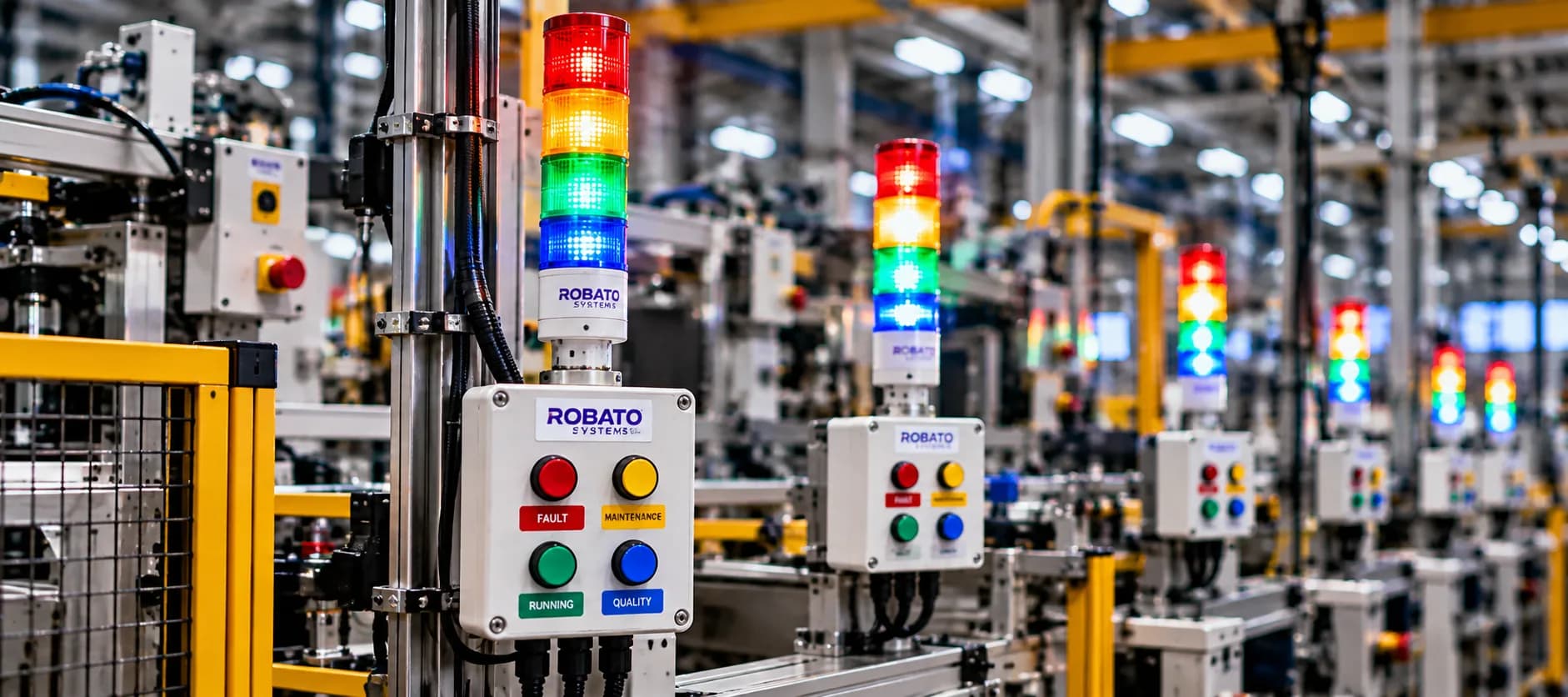
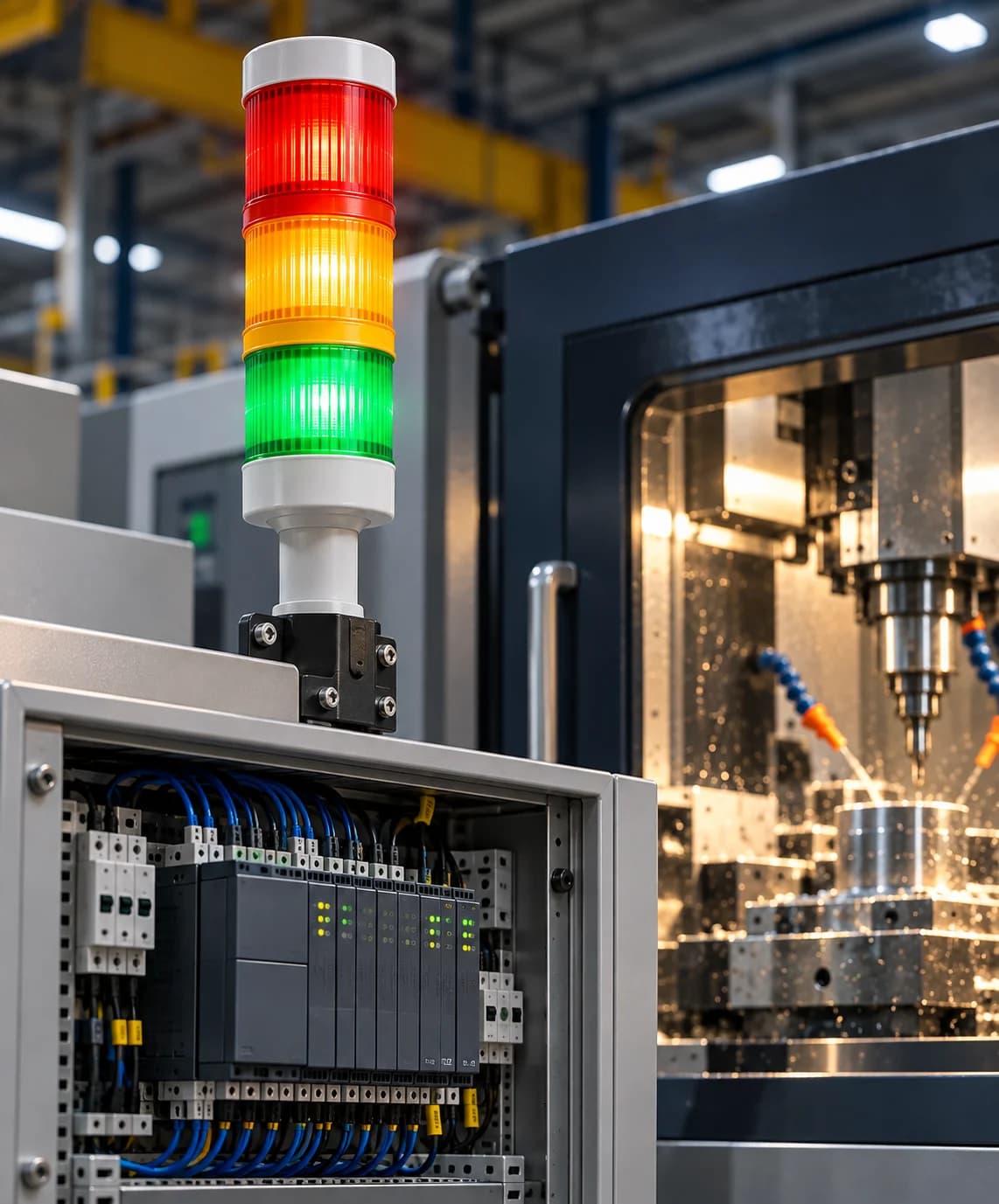
Regardless of the deployment model, the system integrates with existing machines through sensors, proximity detectors, photoelectric counters, and PLC connections, which means there is no need to replace existing equipment to start collecting accurate OEE data.
Industries That Benefit Most From the Right Software
Automotive component manufacturers use OEE tracking software to maintain cycle time discipline across high-speed lines. Pharmaceutical producers use it to track batch efficiency and document compliance records. Textile mills use it to monitor loom and machine utilization across large factory floors. Electronics manufacturers use it to catch quality deviations before defective output compounds. FMCG producers use it to sustain the throughput volumes that keep their supply chains on schedule.
In every case, the outcome is the same: losses are caught earlier, decisions are made faster, and the factory consistently operates closer to its true potential.