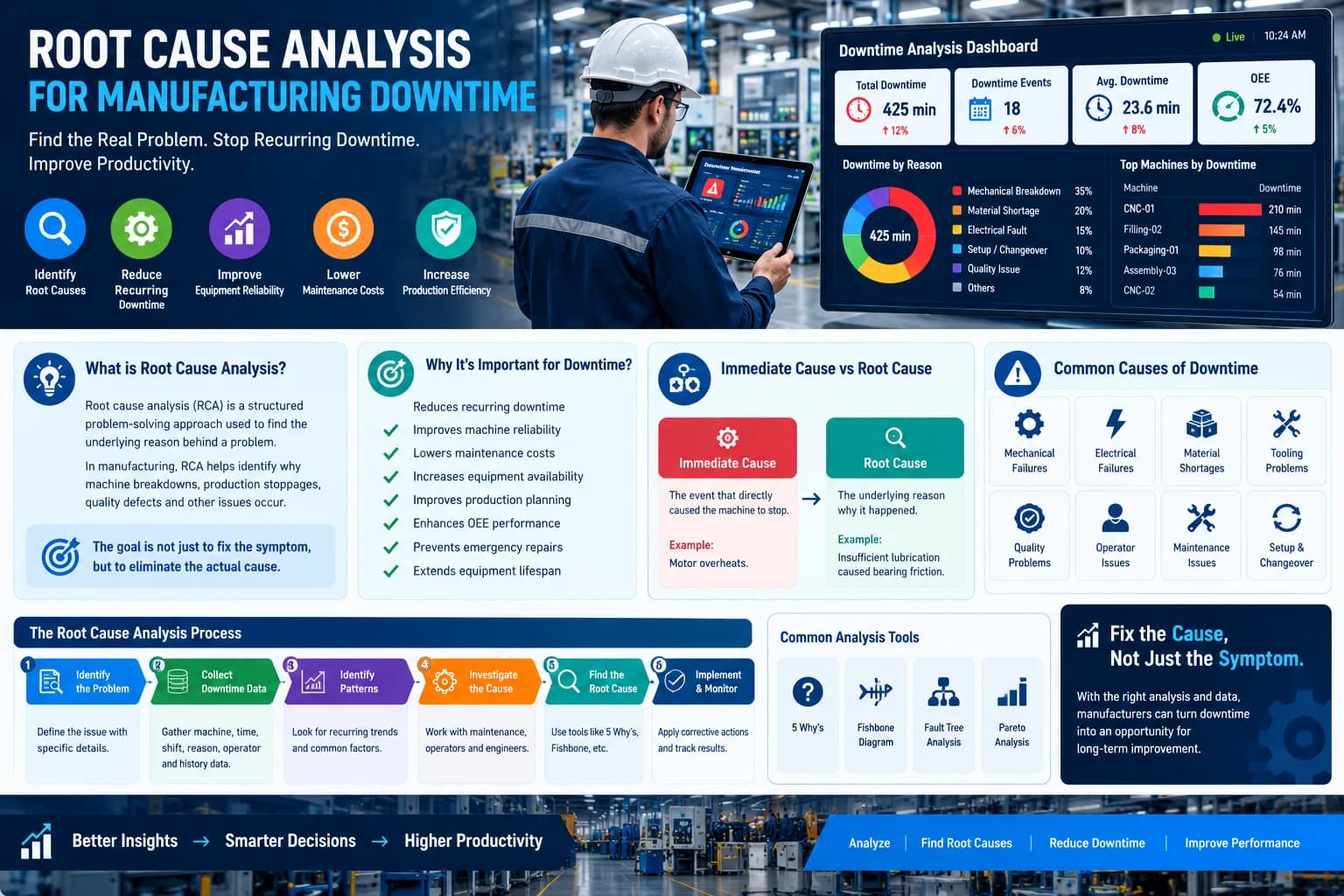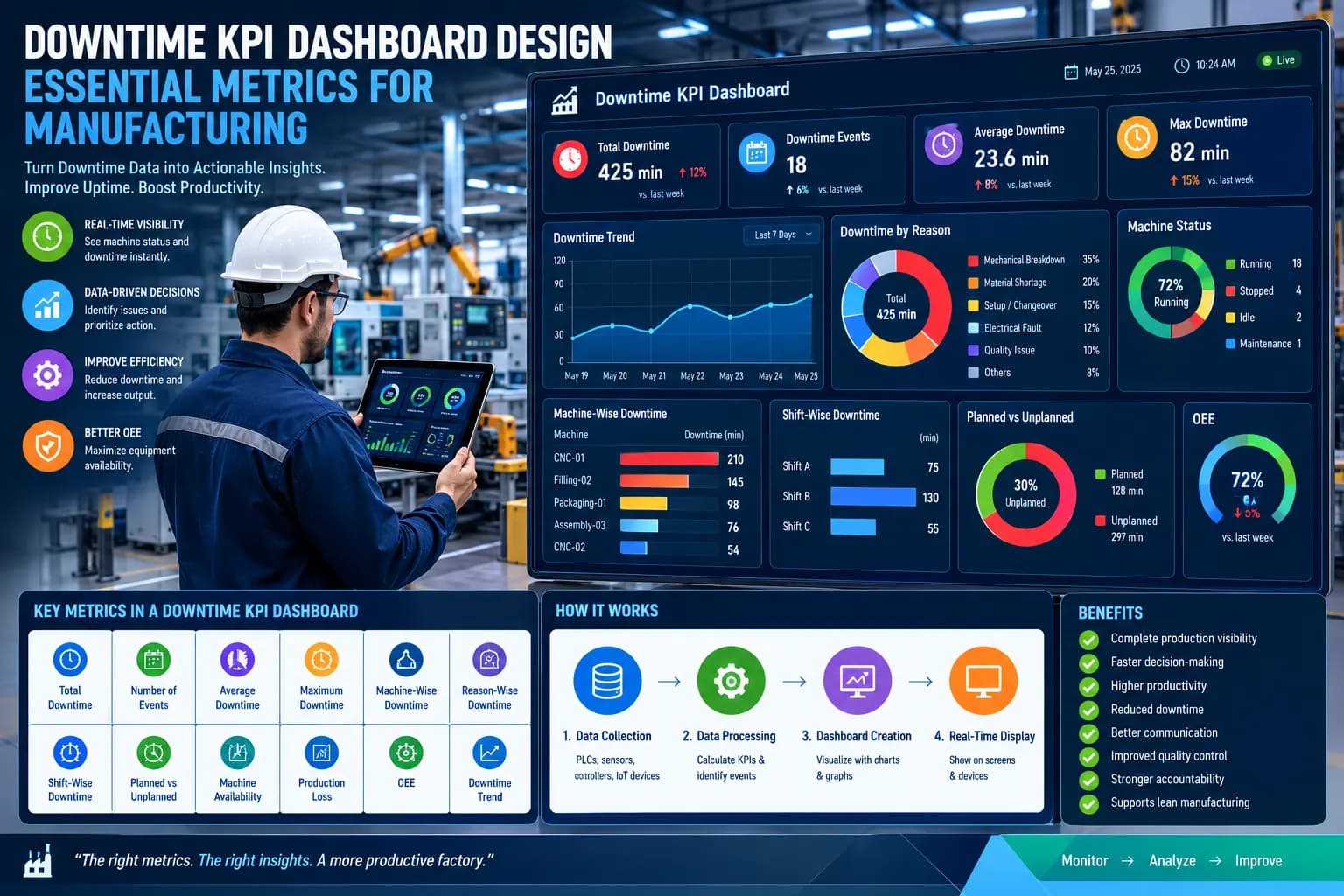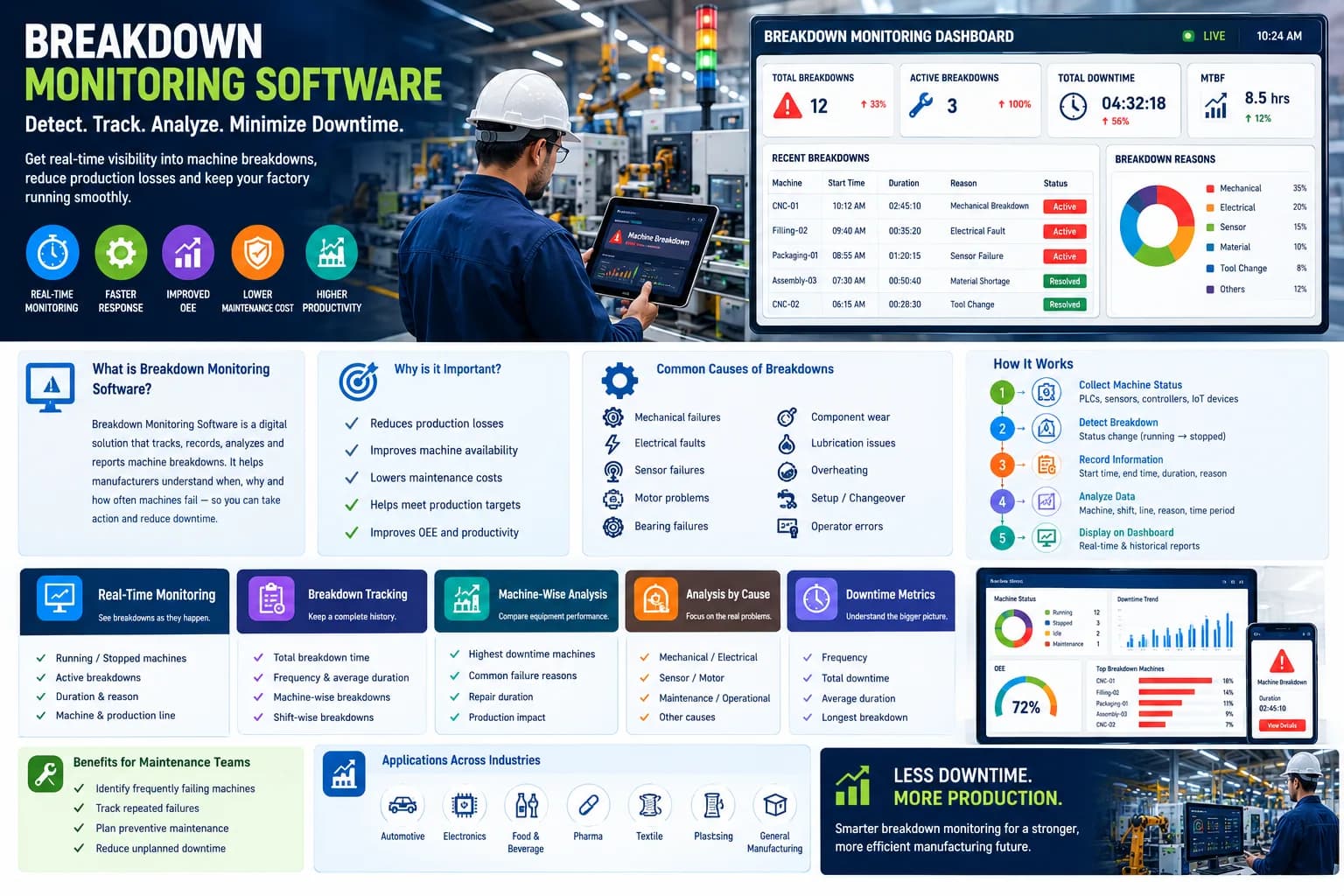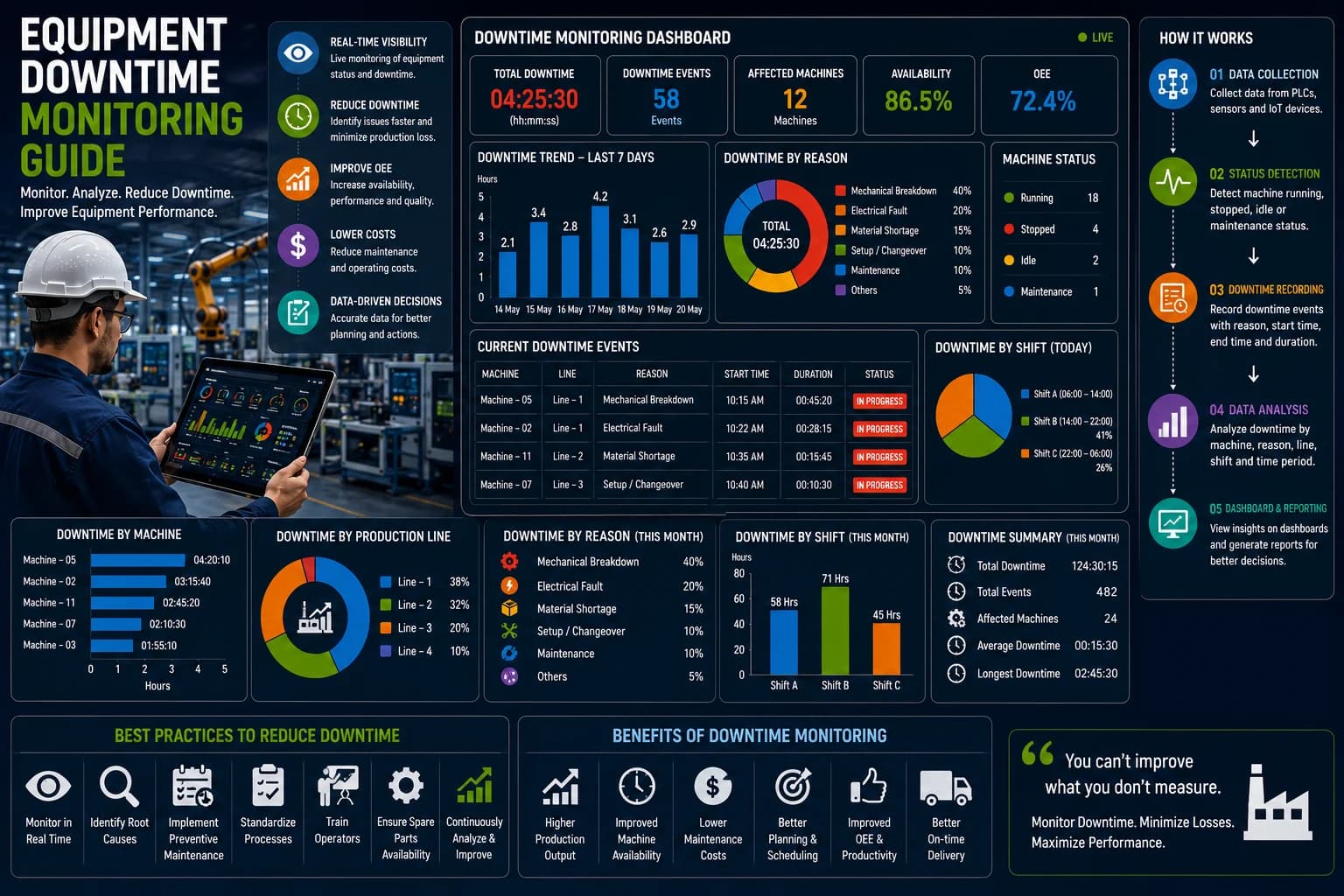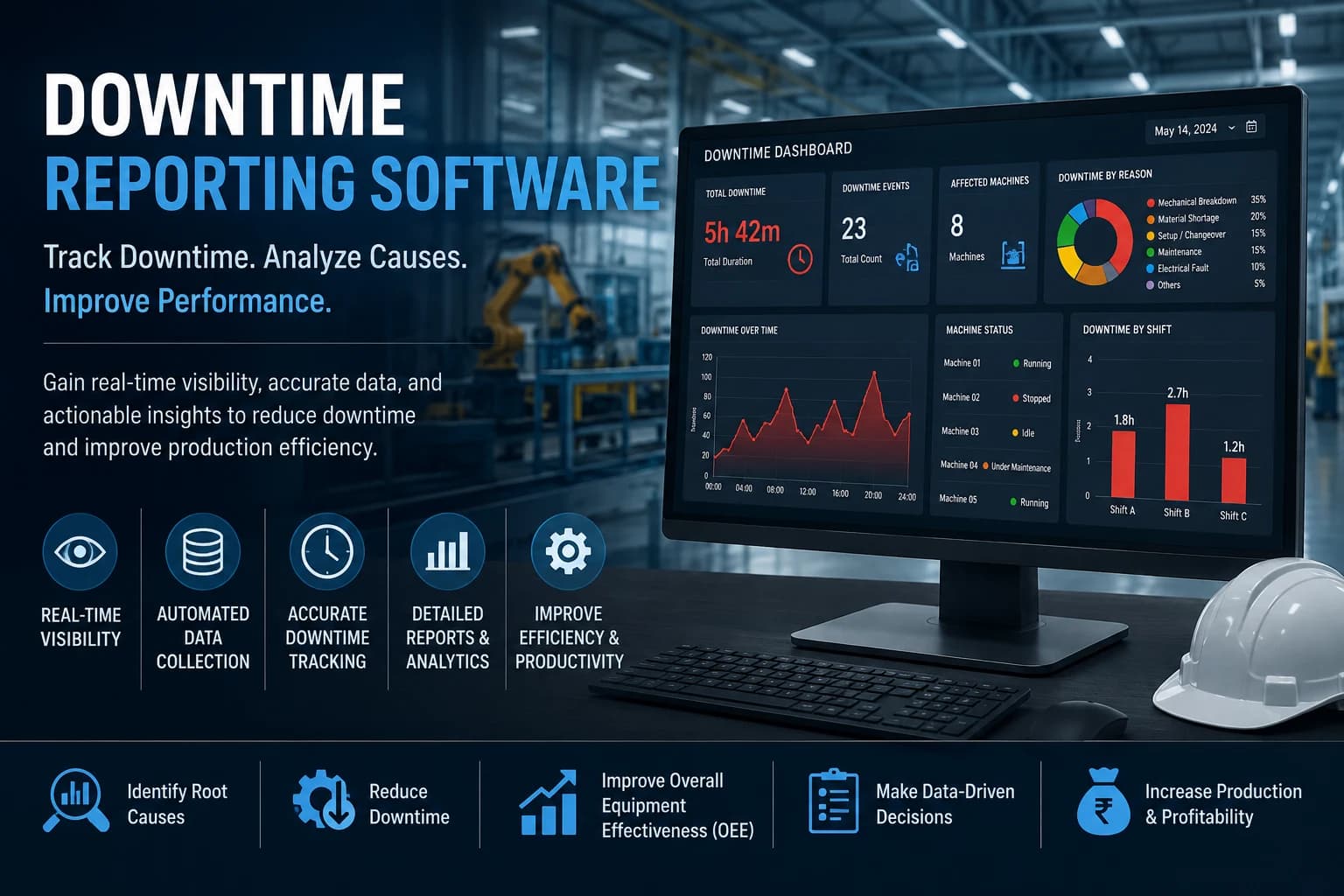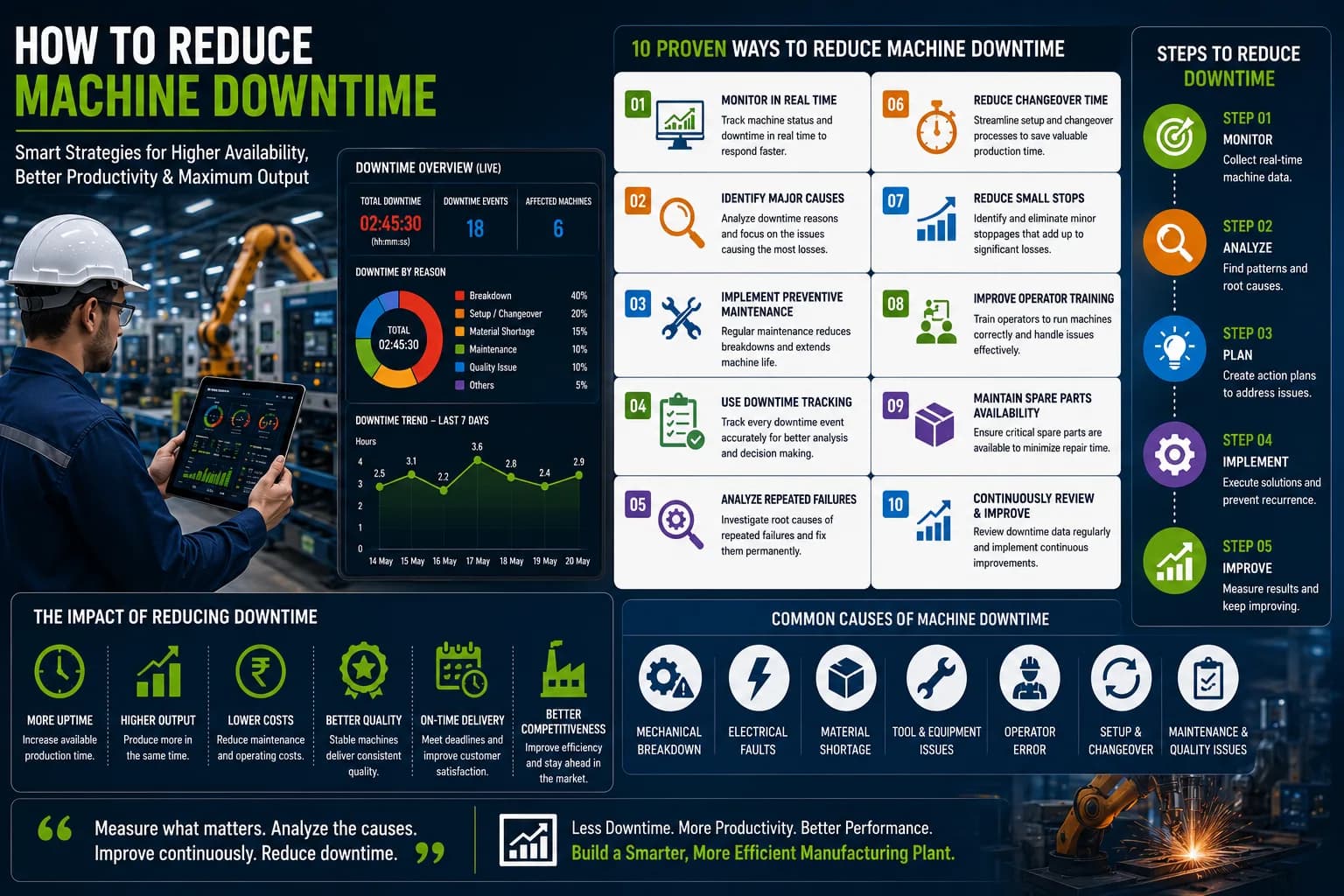

Unexpected machine breakdowns can create major challenges for manufacturing plants. When critical equipment stops working, production can be interrupted, operators may remain idle, and production targets can be affected.
For this reason, manufacturers need more than just a maintenance process. They need visibility into when equipment breaks down, how frequently failures occur, how long machines remain stopped, and which machines create the greatest production losses.
Breakdown Monitoring Software helps manufacturers monitor and analyze machine breakdowns through digital systems.
Instead of depending entirely on paper records or manually prepared reports, production and maintenance teams can use centralized breakdown information to understand equipment performance and identify recurring problems.
What is Breakdown Monitoring Software?
Breakdown Monitoring Software is a digital manufacturing solution used to monitor, record, analyze, and report machine breakdowns.
Depending on the machine connectivity and system configuration, it can capture information such as:
- Machine name
- Machine status
- Breakdown start time
- Breakdown end time
- Breakdown duration
- Breakdown reason
- Number of breakdown events
- Production line
- Shift
- Date
This information can then be displayed through dashboards and reports.
Why is Breakdown Monitoring Important?
Machine breakdowns can have a direct impact on production.
A single breakdown can result in:
- Lost production time
- Reduced machine availability
- Production delays
- Operator idle time
- Maintenance costs
- Missed production targets
- Lower OEE
However, manufacturers cannot effectively reduce breakdowns if they do not know where and why they are happening.
Breakdown monitoring provides the information required to identify equipment problems and prioritize improvement activities.
Common Causes of Machine Breakdowns
Machine breakdowns can occur because of different equipment and operational problems.
Common causes include:
- Mechanical failures
- Electrical faults
- Motor problems
- Sensor failures
- Bearing failures
- Component wear
- Improper machine operation
- Overheating
- Lubrication problems
- Maintenance issues
Recording the reason for each breakdown helps maintenance teams understand recurring failure patterns.
How Does Breakdown Monitoring Software Work?
A typical breakdown monitoring system follows a simple process.
Step 1: Collect Machine Status
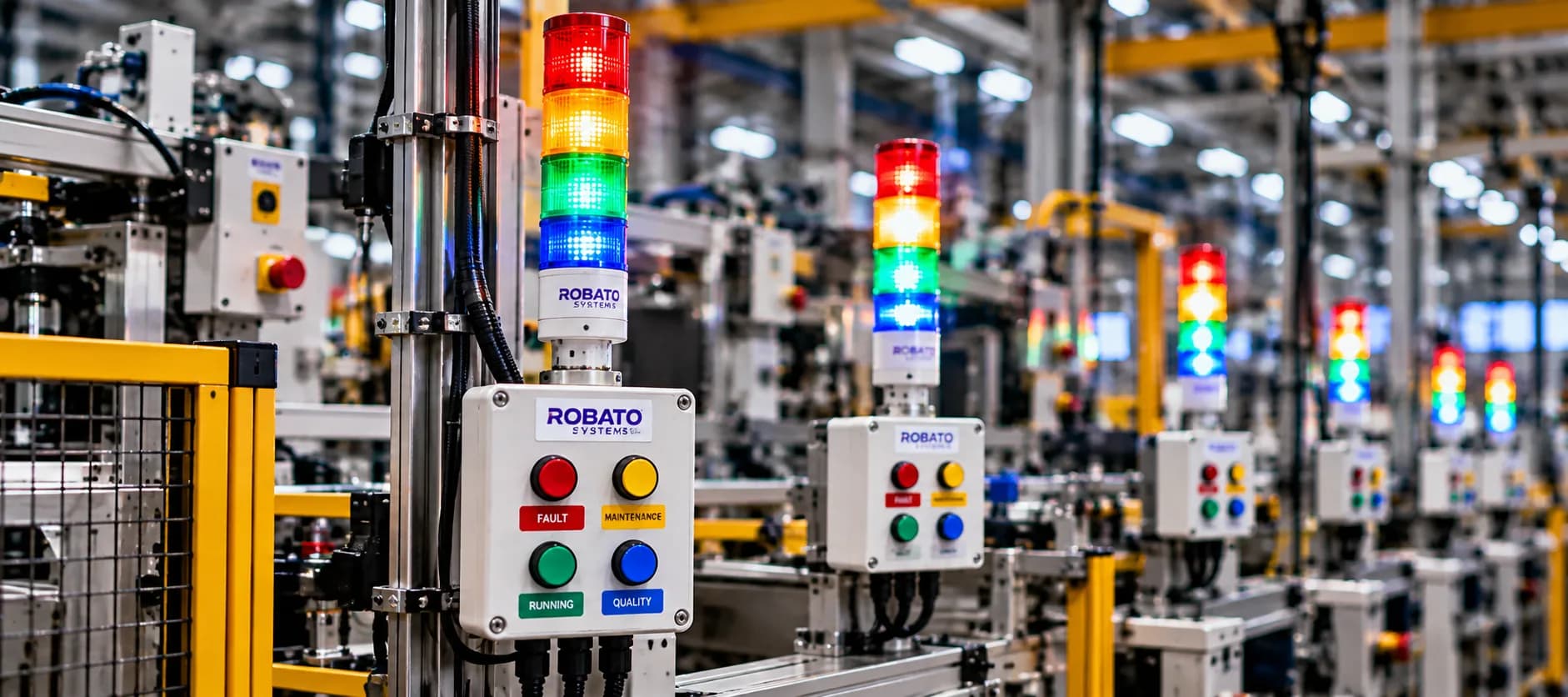
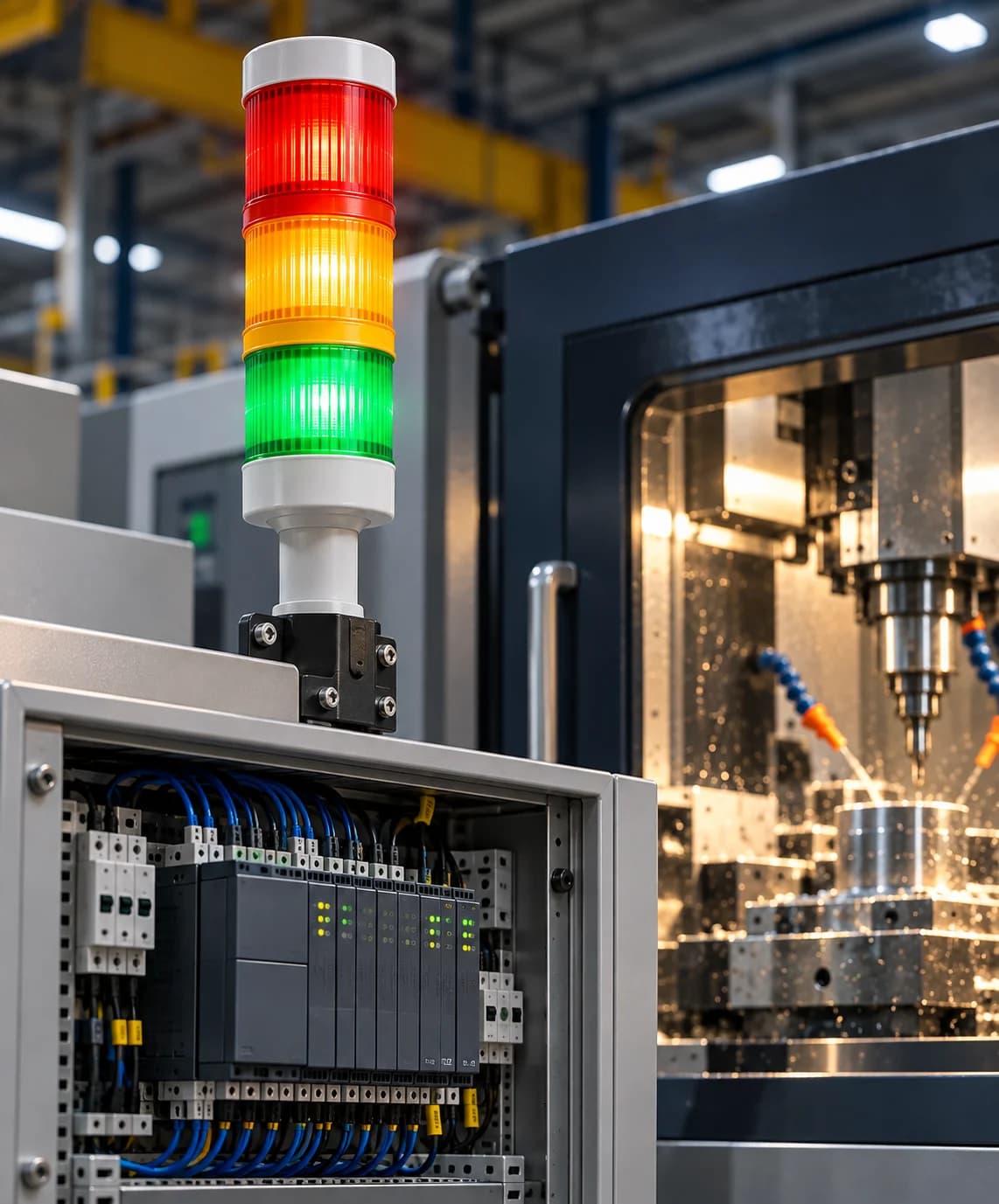
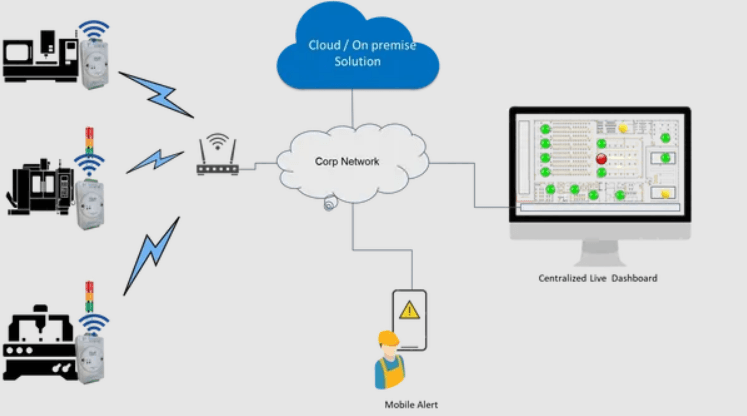
Machine information is collected through connected equipment, PLCs, sensors, machine controllers, or Industrial IoT devices.
Step 2: Detect Machine Breakdown
When the machine changes from a running state to a breakdown or stopped state, the system records the event.
Step 3: Record Breakdown Information
The system can record the start time, end time, duration, machine, and breakdown reason.
Step 4: Analyze Breakdown Data
Historical breakdown information can be analyzed by machine, reason, shift, production line, and time period.
Step 5: Display the Information
Production and maintenance teams can access breakdown information through digital dashboards and reports.
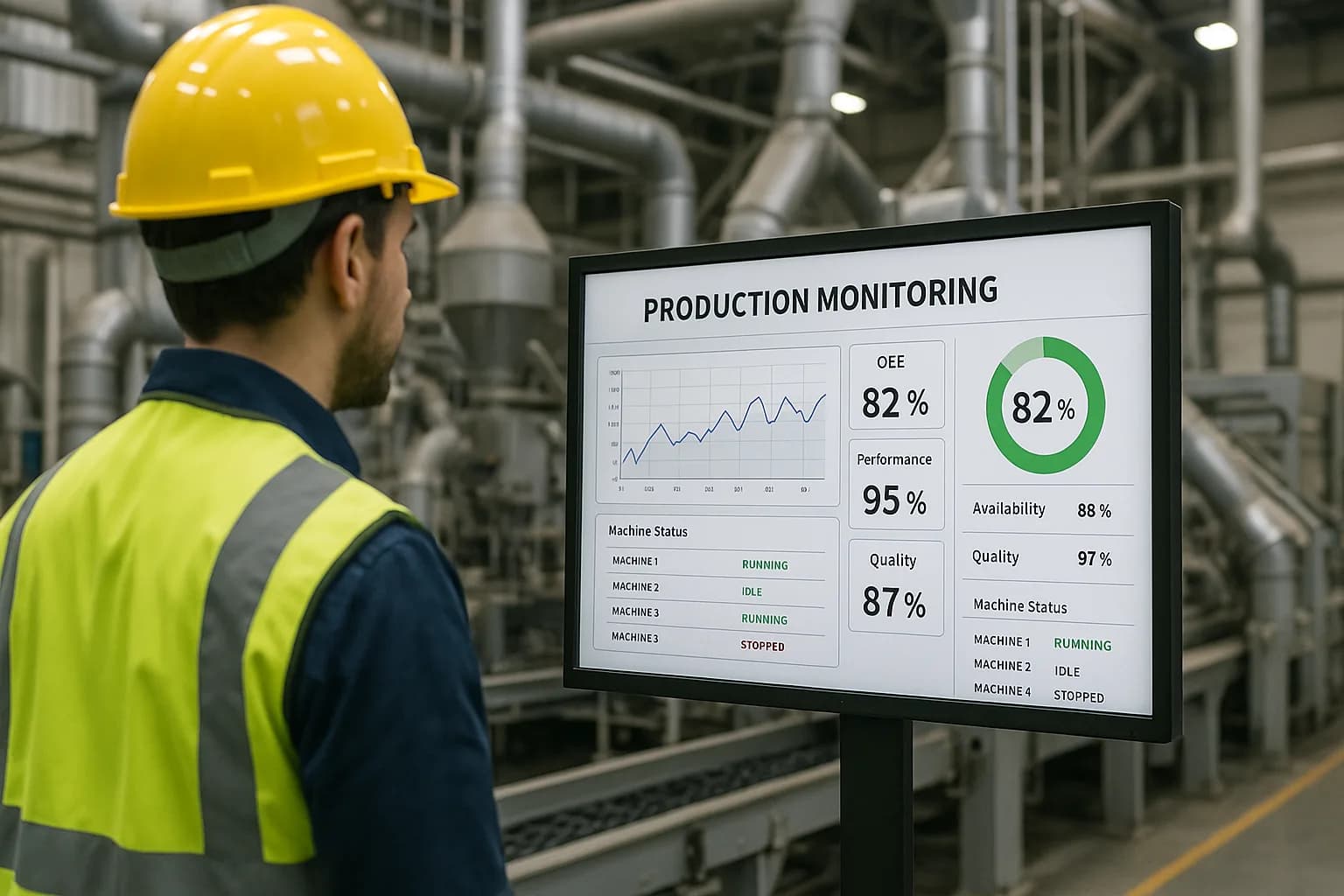
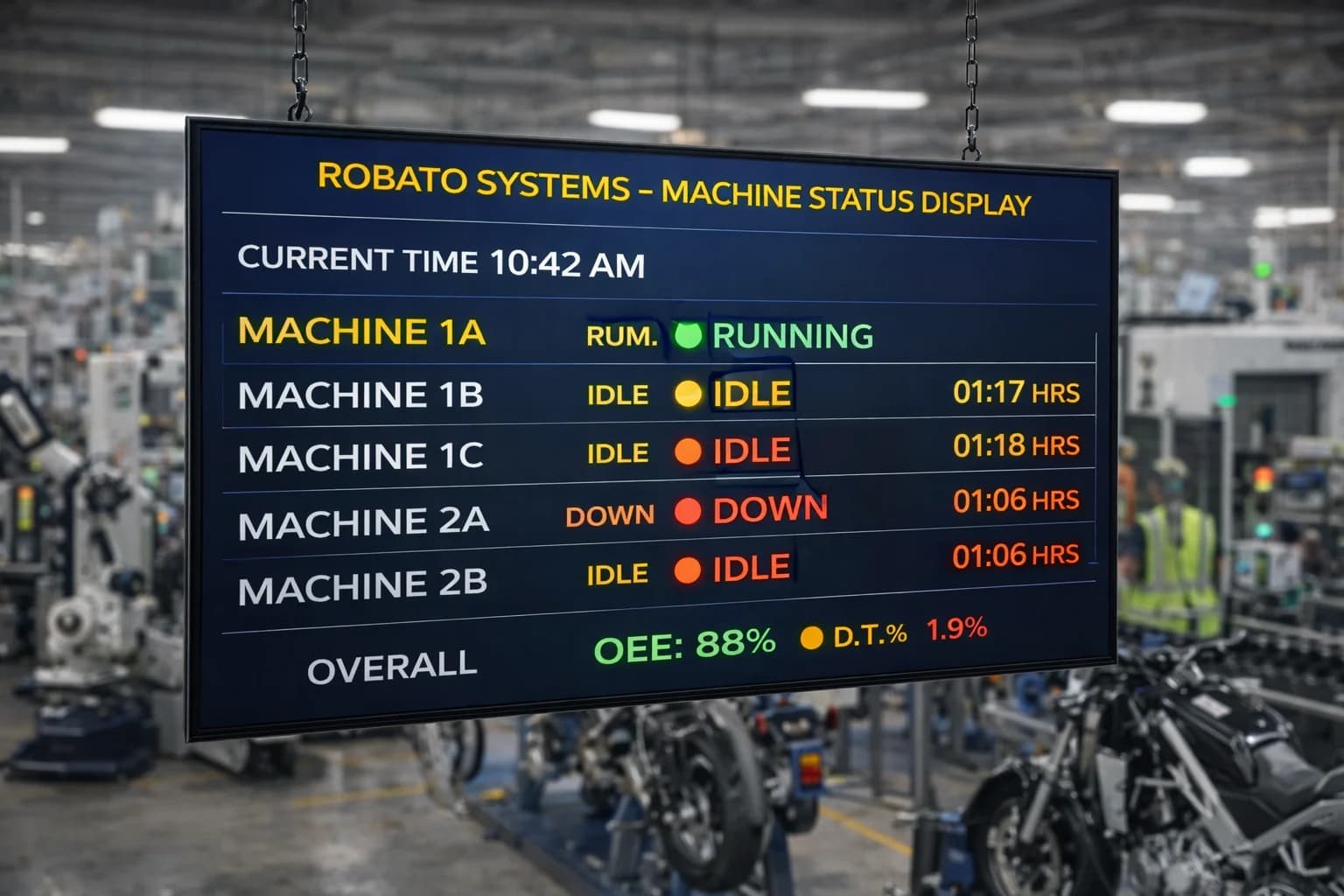
Real-Time Breakdown Monitoring
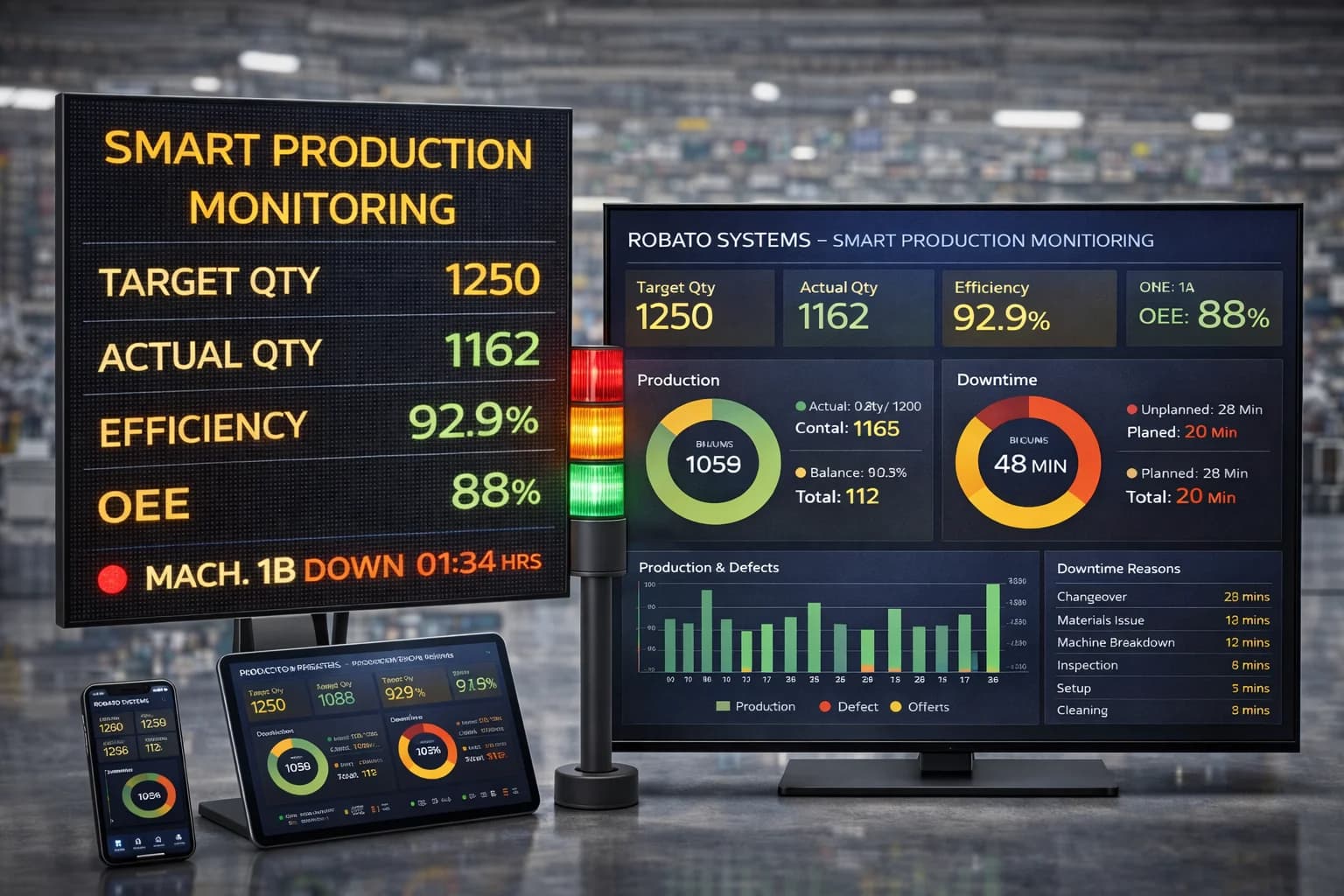
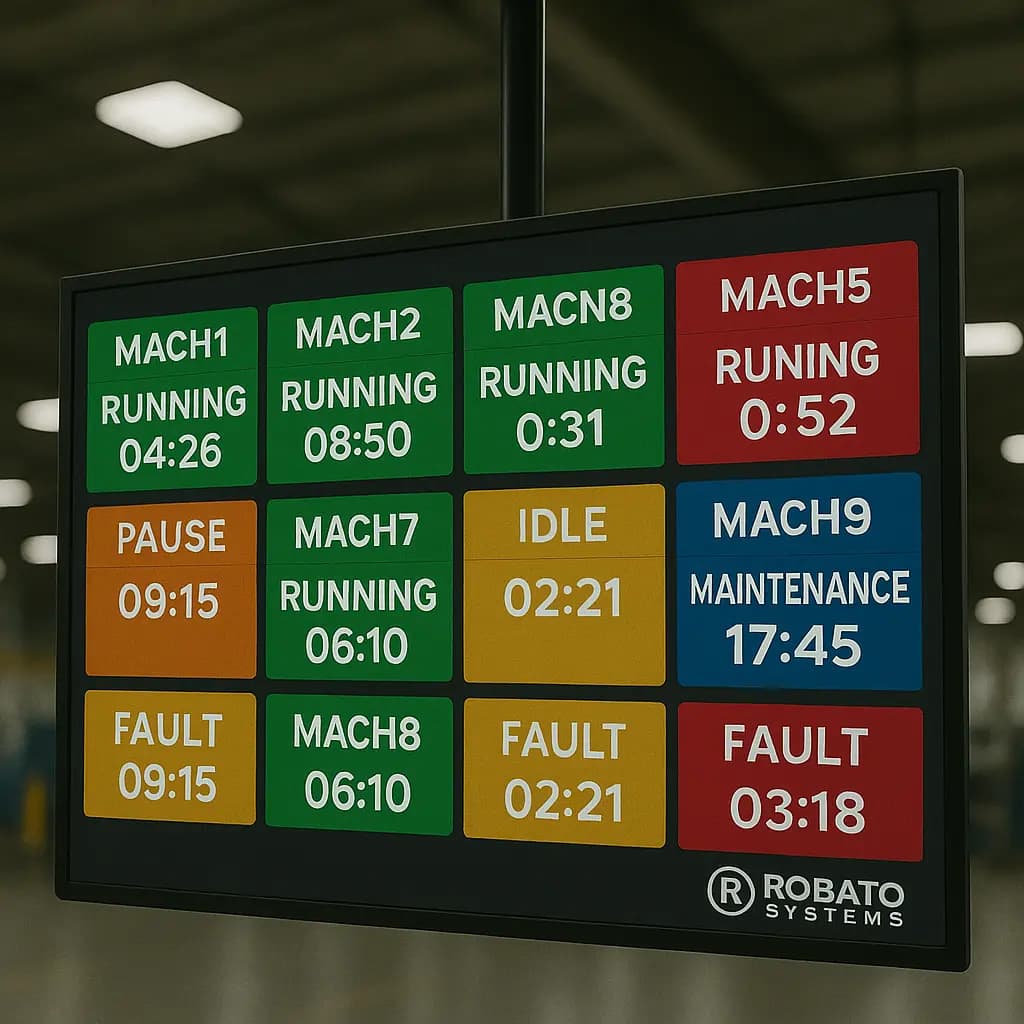
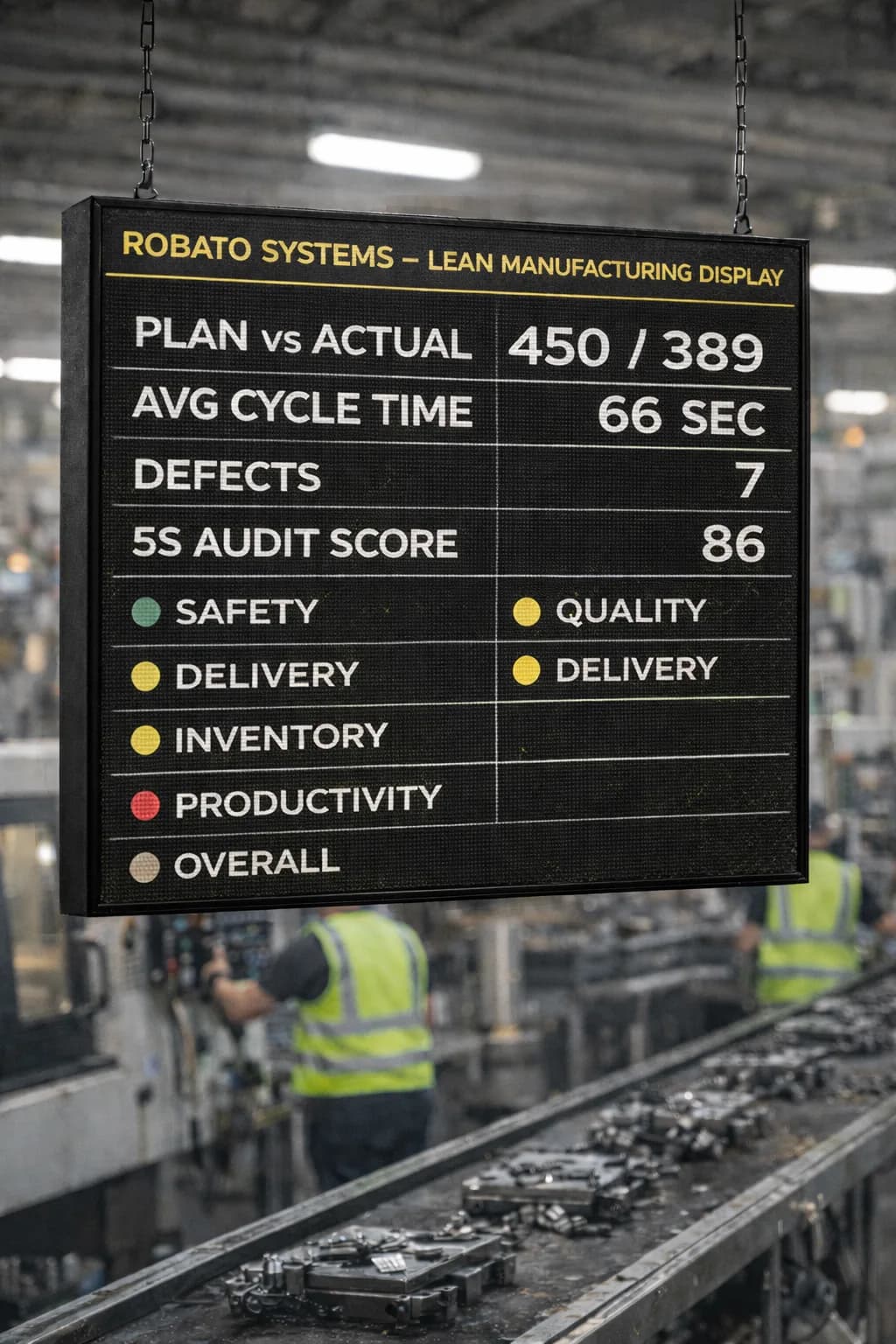
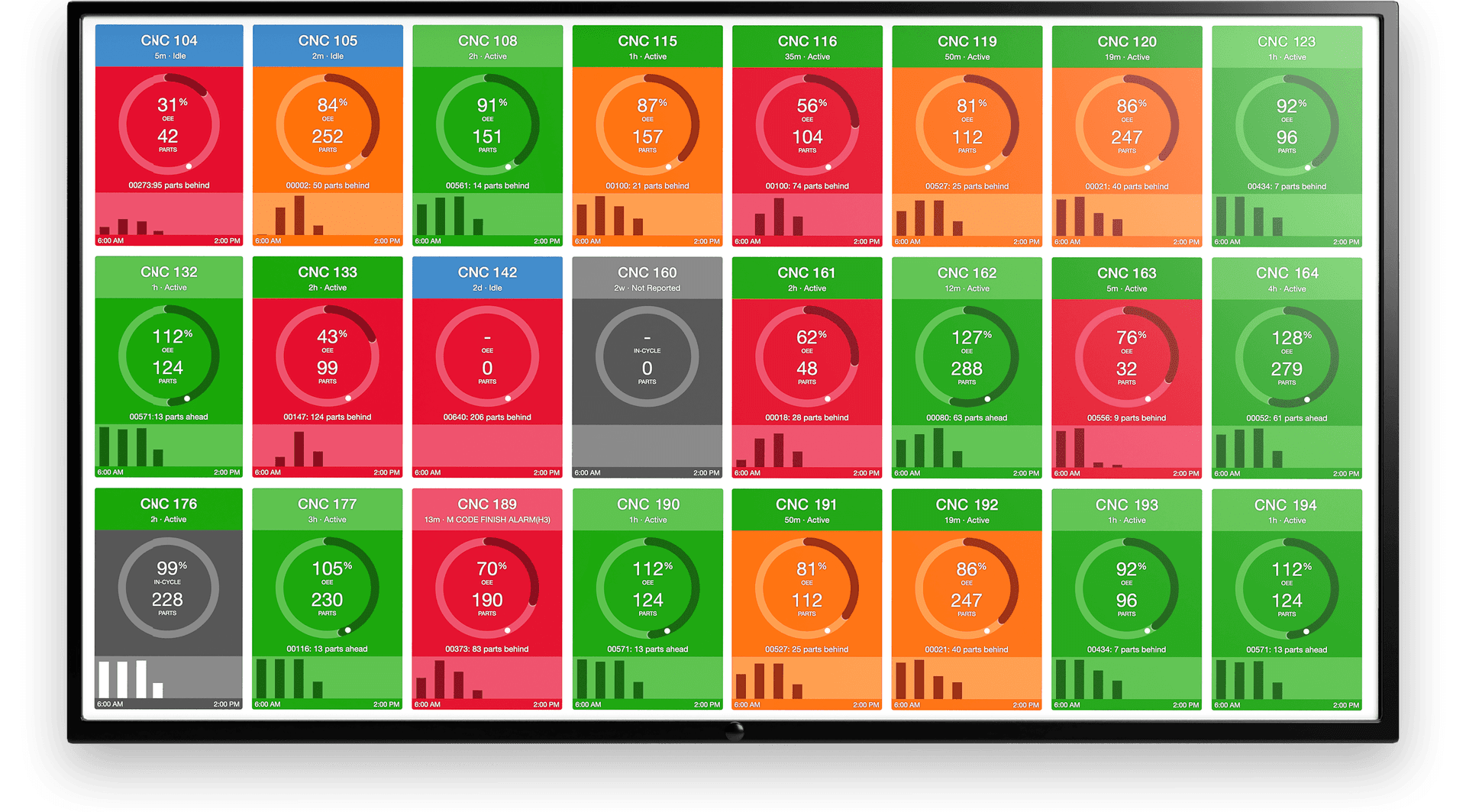
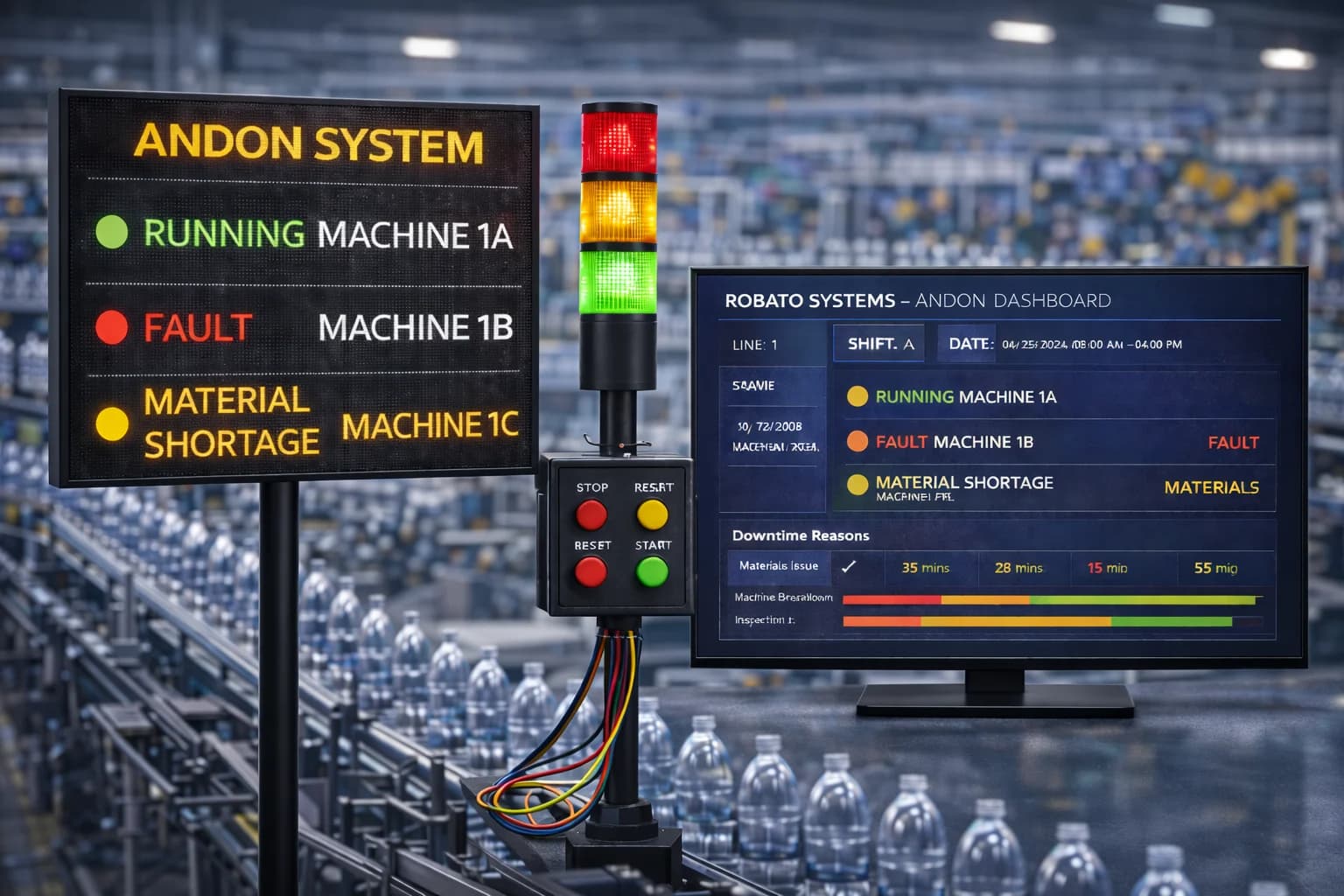
Real-time monitoring allows production teams to see machine problems while they are happening.
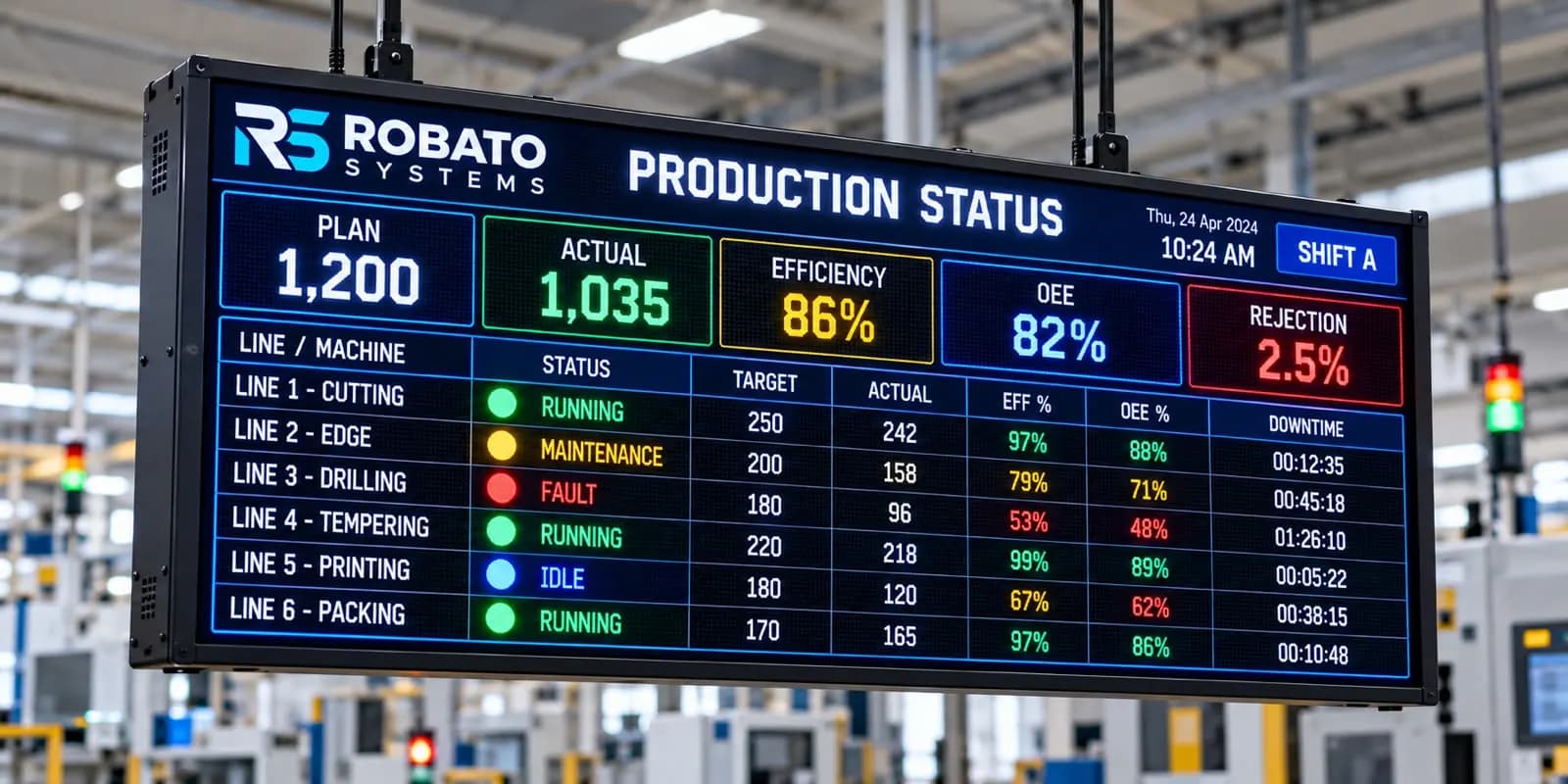
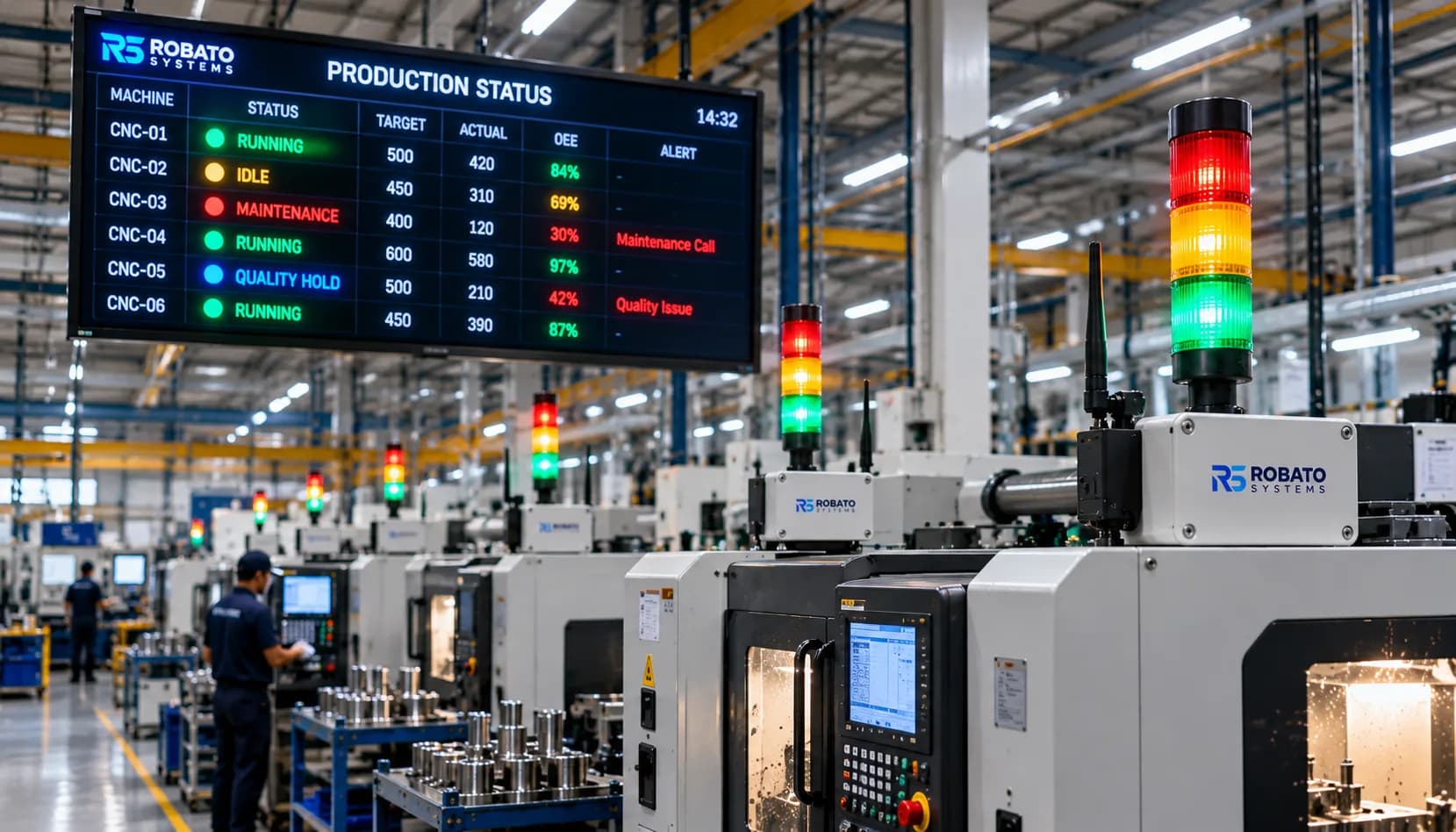
A dashboard can show:
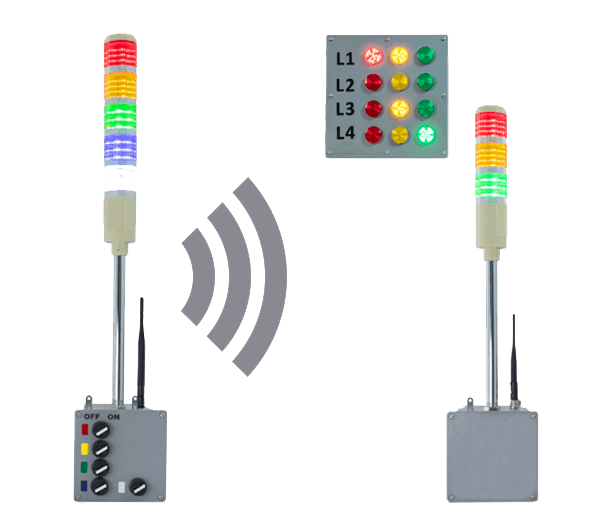
- Running machines
- Stopped machines
- Machines under breakdown
- Active breakdown duration
- Machine name
- Production line
When a breakdown occurs, teams can identify it quickly and begin the response process.
Machine Breakdown Tracking
Tracking breakdowns over time provides a historical record of equipment failures.
Manufacturers can monitor:
- Breakdown frequency
- Total breakdown time
- Average breakdown duration
- Longest breakdown
- Machine-wise breakdowns
- Breakdown reasons
- Shift-wise breakdowns
This information can help identify equipment that requires additional attention.
Machine-Wise Breakdown Analysis
Not every machine has the same reliability.
Machine-wise analysis allows manufacturers to compare equipment based on:
- Number of breakdowns
- Total downtime
- Average repair duration
- Breakdown causes
- Production impact
If a particular machine repeatedly experiences breakdowns, maintenance teams can investigate its condition and failure history.
Breakdown Analysis by Cause
Understanding why equipment fails is an important part of breakdown monitoring.
Breakdowns can be categorized into areas such as:
- Mechanical
- Electrical
- Sensor
- Motor
- Hydraulic
- Pneumatic
- Maintenance
- Operational
Once the causes are categorized, manufacturers can determine which failure types are responsible for the greatest amount of downtime.
Breakdown Frequency and Duration
Manufacturers should analyze both breakdown frequency and breakdown duration.
A machine may experience many small breakdowns, while another may experience only one or two major failures.
Important measurements include:
- Number of breakdowns
- Total breakdown duration
- Average breakdown duration
- Longest breakdown
Together, these metrics provide a better understanding of equipment reliability.
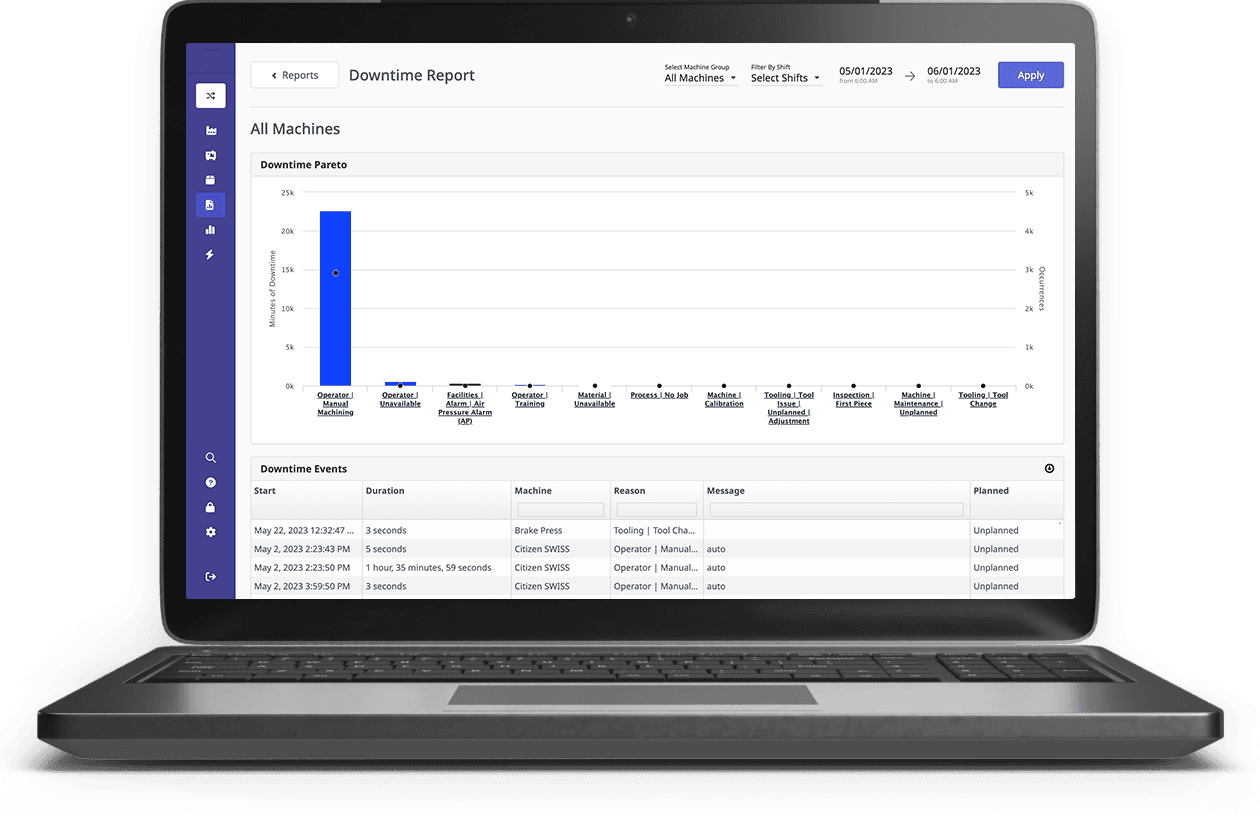
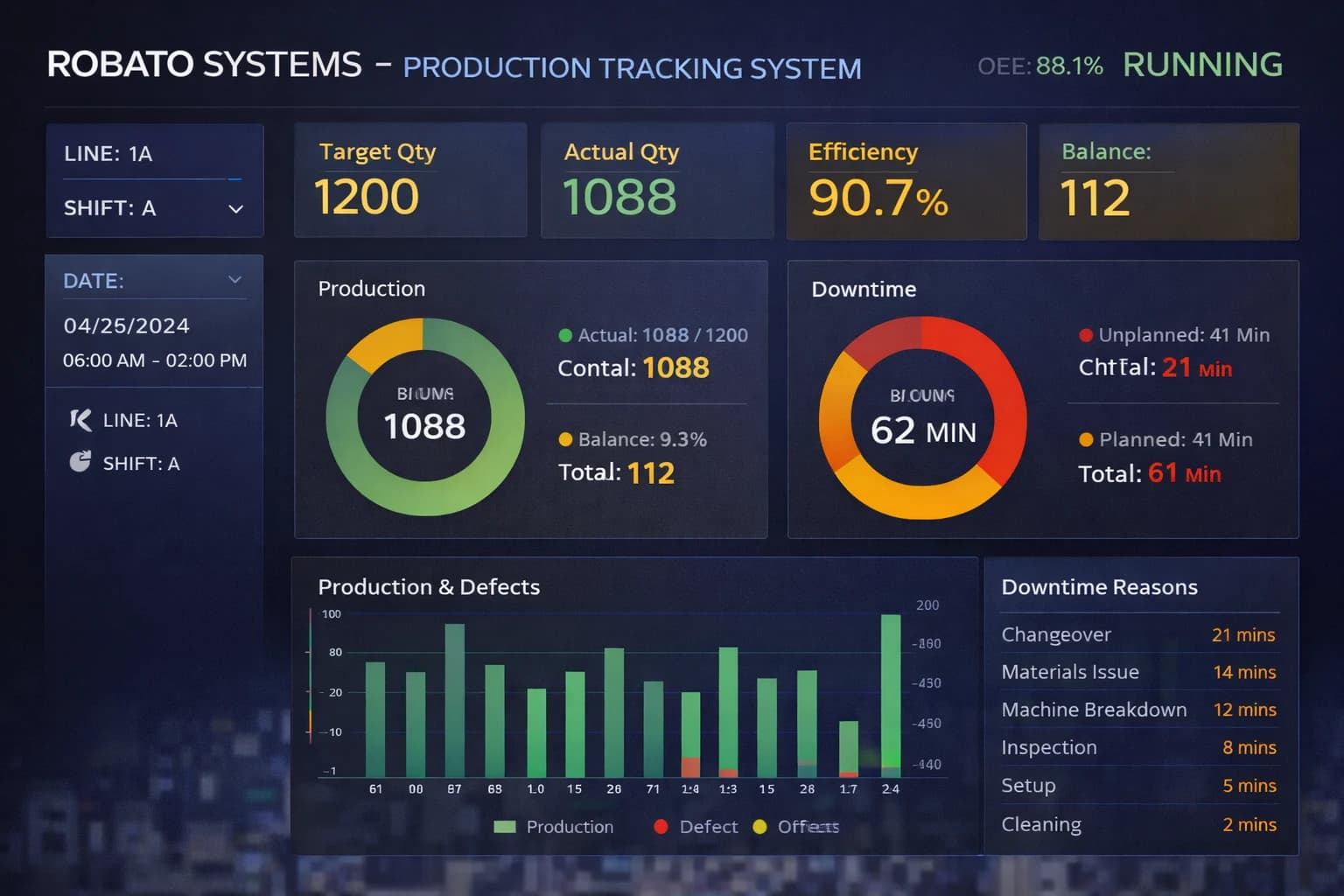
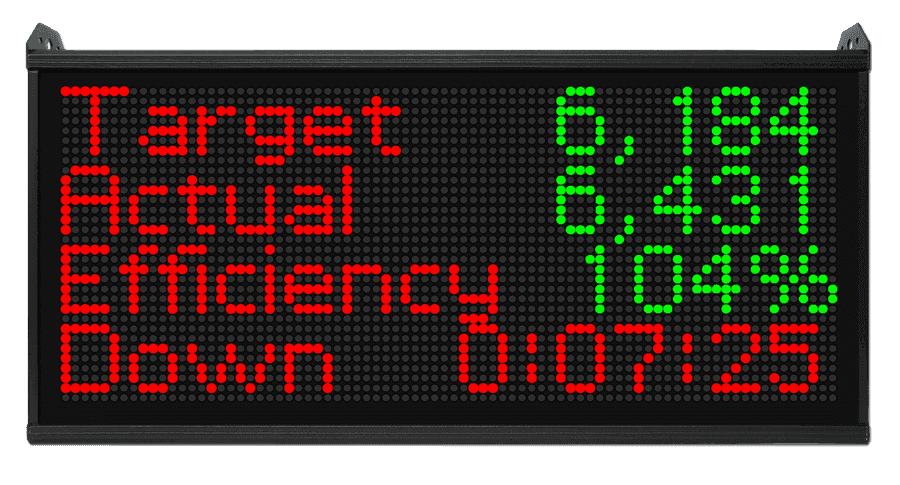
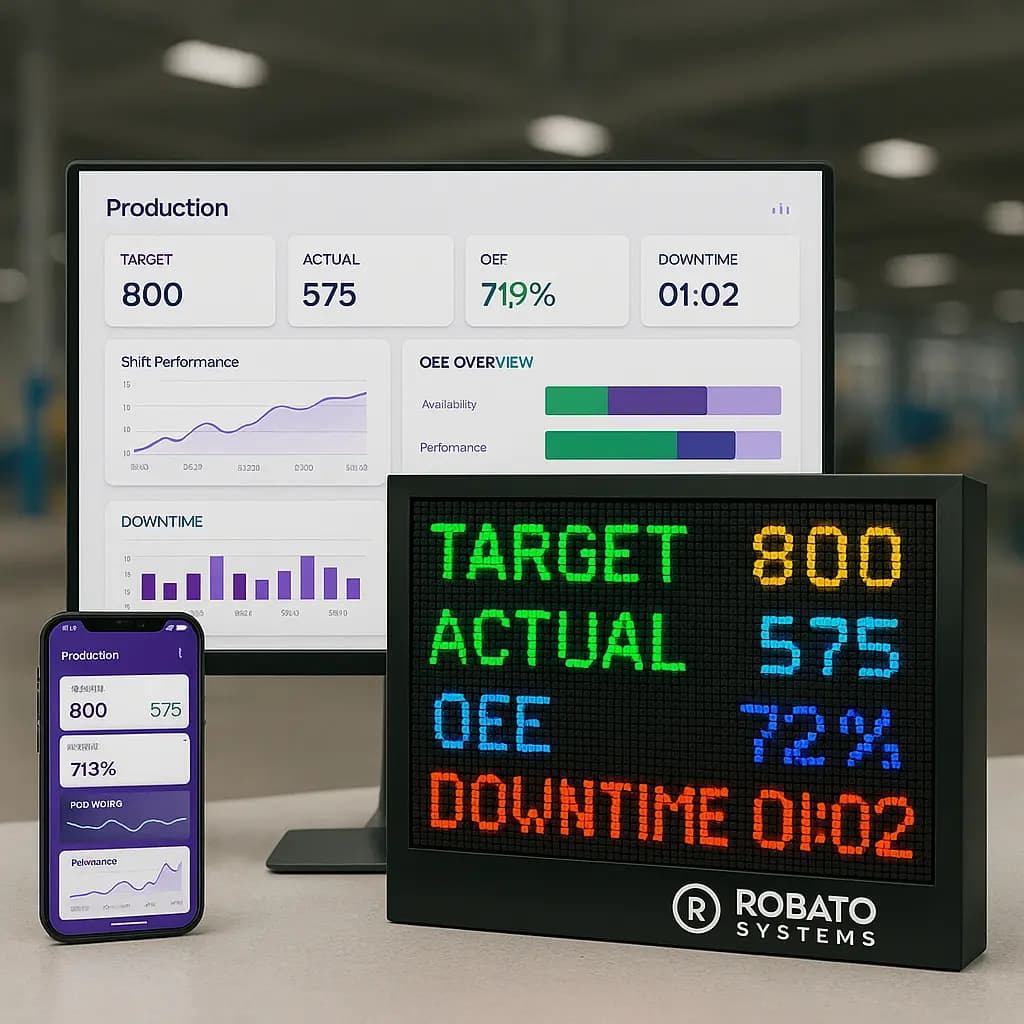
Breakdown Monitoring Dashboard
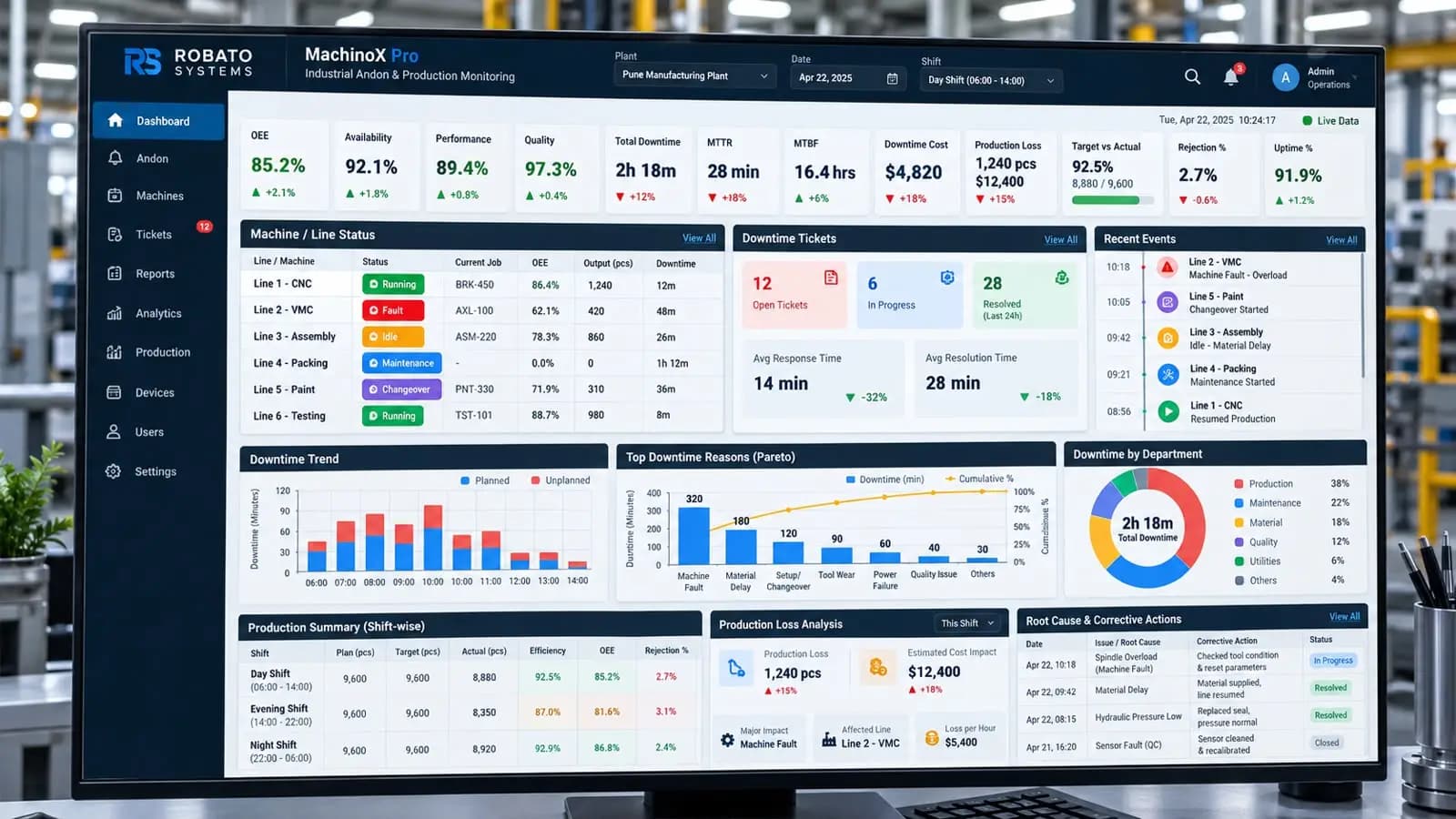
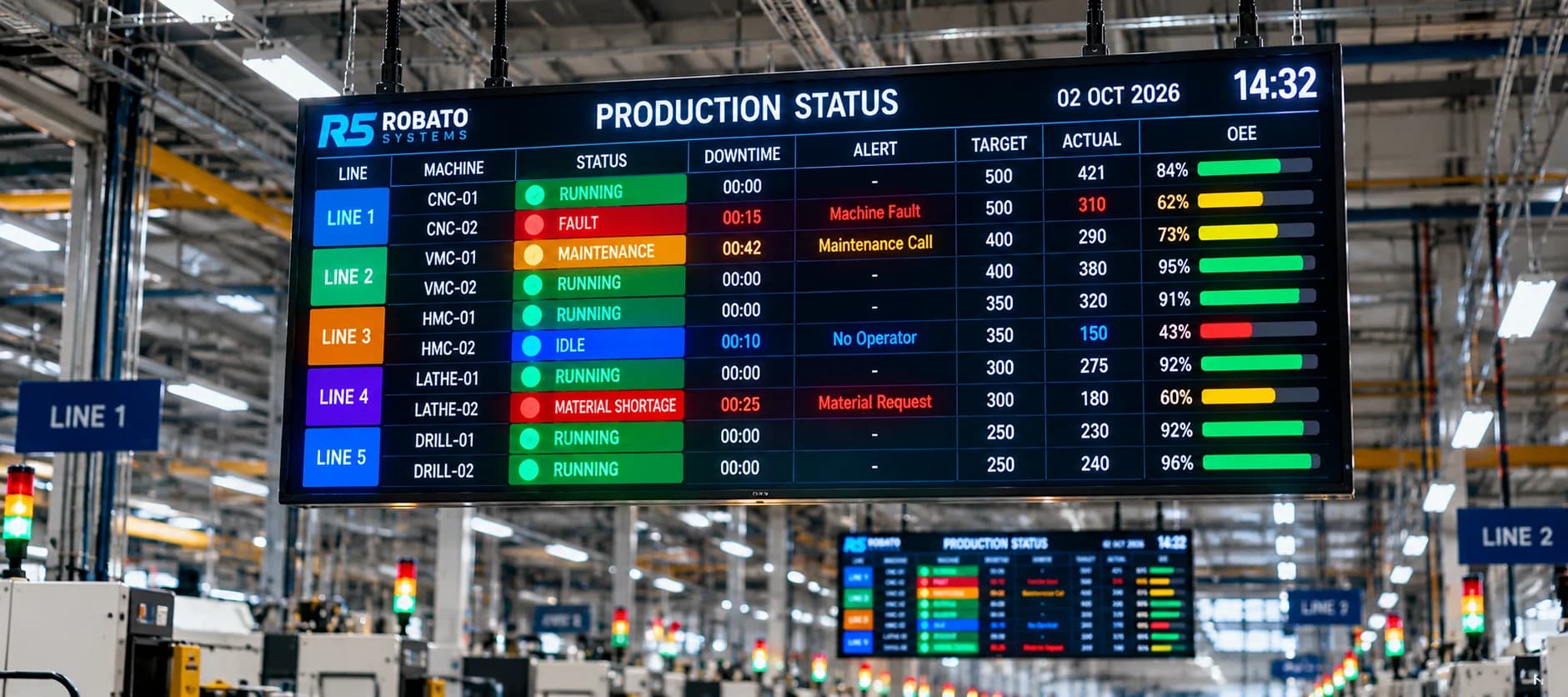
A digital breakdown dashboard provides a centralized view of equipment failures.
Important dashboard metrics can include:
- Active breakdowns
- Total breakdown time
- Breakdown count
- Machine-wise breakdowns
- Breakdown by reason
- Breakdown by shift
- Average breakdown duration
- Longest breakdown
- Machine status
This makes it easier for production and maintenance teams to identify important equipment problems.
Breakdown Monitoring for Maintenance Teams
Maintenance teams can use breakdown data to understand machine reliability.
They can identify:
- Frequently failing machines
- Repeated failure causes
- Long repair times
- Recurring breakdowns
- Maintenance-related downtime
This information can help teams prioritize preventive maintenance and corrective actions.
Breakdown Monitoring for Production Managers
Production managers need to understand how machine breakdowns affect production.
They can compare breakdown data with:
- Production targets
- Actual production
- Machine utilization
- Production line performance
- OEE
This helps managers understand which equipment problems are affecting production output.
Breakdown Monitoring for Plant Managers
Plant managers can use breakdown reports to compare equipment across the factory.
They can identify:
- High-breakdown machines
- Production bottlenecks
- Recurring equipment failures
- Production areas with high downtime
This information can support decisions related to maintenance, equipment upgrades, and production planning.
Breakdown Monitoring and Preventive Maintenance
Breakdown monitoring can support preventive maintenance programs.
Historical breakdown information can show whether certain machines are experiencing repeated failures.
Maintenance teams can use this information to:
- Schedule inspections
- Replace components
- Improve maintenance intervals
- Investigate recurring failures
- Monitor equipment condition
This can help shift maintenance activities from purely reactive work toward more planned maintenance.
Breakdown Monitoring and Predictive Maintenance
Breakdown monitoring can also provide useful historical information for predictive maintenance initiatives.
When combined with equipment condition data such as temperature, vibration, pressure, or electrical measurements, manufacturers can gain additional insight into equipment health.
The goal is to identify abnormal conditions before they result in major equipment failures.
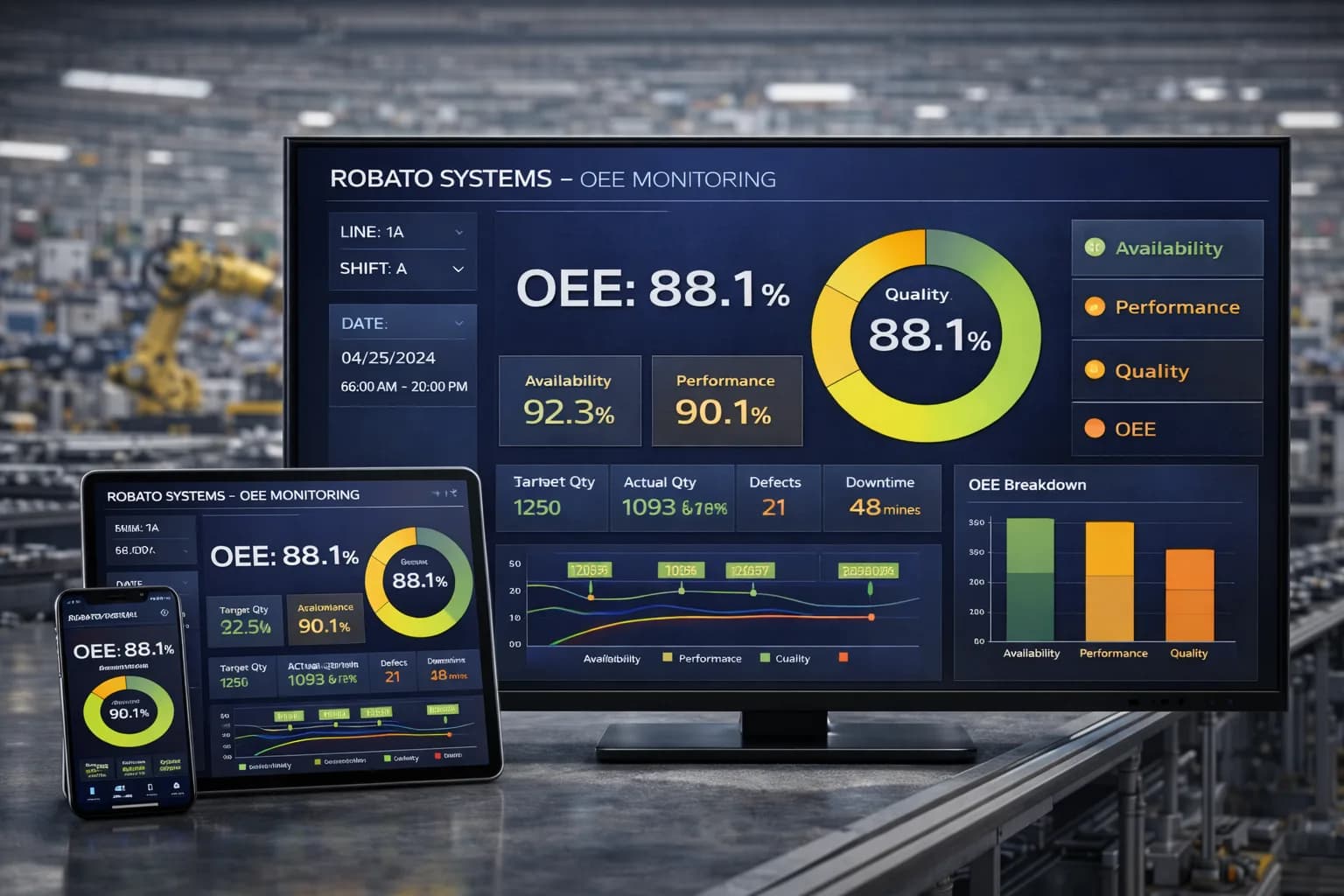
Breakdown Monitoring and OEE
Machine breakdowns directly affect equipment availability.
OEE measures:
- Availability
- Performance
- Quality
Breakdown monitoring can therefore provide useful information for understanding availability losses.
Combining breakdown information with OEE can help manufacturers understand why equipment effectiveness is changing.
Automated Breakdown Detection
Traditional breakdown recording often depends on operators or maintenance personnel manually entering information.
This can create problems such as:
- Delayed recording
- Incorrect breakdown duration
- Missing events
- Inconsistent descriptions
Automated monitoring can detect machine status changes directly from connected equipment.
This can provide more consistent breakdown information.
Breakdown Monitoring for Legacy Machines
Many factories have older machines that do not provide modern digital communication interfaces.
Legacy machines can often be connected using:
- Sensors
- PLC signals
- Industrial gateways
- IoT devices
This allows older equipment to be included in a digital breakdown monitoring system.
Benefits of Breakdown Monitoring Software
Faster Breakdown Visibility
Teams can identify machine failures more quickly.
Better Equipment Tracking
Manufacturers can maintain historical records of machine breakdowns.
Improved Maintenance Planning
Breakdown trends can help maintenance teams prioritize equipment problems.
Reduced Manual Reporting
Automated data collection can reduce dependence on paper records and spreadsheets.
Better Root Cause Investigation
Breakdown information provides useful data for investigating recurring equipment problems.
Improved Equipment Availability
Understanding breakdown patterns can help manufacturers work toward reducing unnecessary equipment downtime.
Better Production Decision-Making
Managers can use breakdown information when evaluating machine and production performance.
Manual Breakdown Tracking vs Digital Monitoring
Traditional breakdown tracking may rely on:
- Paper registers
- Operator reports
- Spreadsheets
- Manual shift reports
These methods can make it difficult to obtain real-time information.
Digital breakdown monitoring can provide:
- Automatic data collection
- Real-time machine status
- Historical breakdown records
- Digital dashboards
- Automated reports
- Machine-wise analysis
This can make breakdown information more accessible and useful.
How to Implement Breakdown Monitoring Software
Manufacturers can follow a structured implementation process.
Identify Critical Equipment
Start with machines that have the greatest impact on production.
Identify Machine Signals
Determine how machine status can be collected through PLCs, sensors, controllers, or gateways.
Define Breakdown States
Establish clear definitions for running, stopped, breakdown, maintenance, and other machine states.
Define Breakdown Reasons
Create standardized categories for different failure types.
Connect the Equipment
Integrate machines with the monitoring platform.
Configure Dashboards
Create dashboards for production and maintenance teams.
Analyze Breakdown Data
Review breakdowns by machine, reason, shift, and production line.
Take Corrective Action
Use the findings to investigate recurring failures and implement improvements.
Best Practices for Breakdown Monitoring
Standardize Breakdown Reasons
Use consistent categories across the factory.
Monitor Breakdowns in Real Time
Real-time visibility can improve response speed.
Track Frequency and Duration
Both measurements are important for understanding equipment reliability.
Analyze Historical Trends
Historical data can reveal recurring failure patterns.
Connect Breakdown Data with OEE
This provides better visibility into equipment availability losses.
Investigate Recurring Failures
Repeated breakdowns should be analyzed rather than repeatedly repaired without identifying the underlying cause.
Measure Improvement
Compare breakdown frequency and duration before and after corrective actions.
Common Mistakes in Breakdown Monitoring
Only Recording Major Breakdowns
Small breakdowns and repeated short stops can also create significant production losses.
Not Recording Breakdown Causes
Without cause information, it becomes difficult to identify recurring problems.
Relying Completely on Manual Records
Manual reporting can result in missing or inaccurate information.
Ignoring Historical Data
Historical trends can reveal equipment problems that are not obvious from individual breakdown events.
Not Taking Corrective Action
Monitoring breakdowns is useful only when teams use the information to improve equipment reliability.
Breakdown Monitoring and Industry 4.0
Industry 4.0 enables manufacturing companies to connect machines and collect production data digitally.
Breakdown monitoring can become part of a connected manufacturing environment.
Machine information can be collected through:
- PLCs
- Sensors
- Machine controllers
- Industrial gateways
- Industrial IoT devices
The collected information can then be analyzed through centralized manufacturing software.
This provides production and maintenance teams with greater visibility into equipment performance.
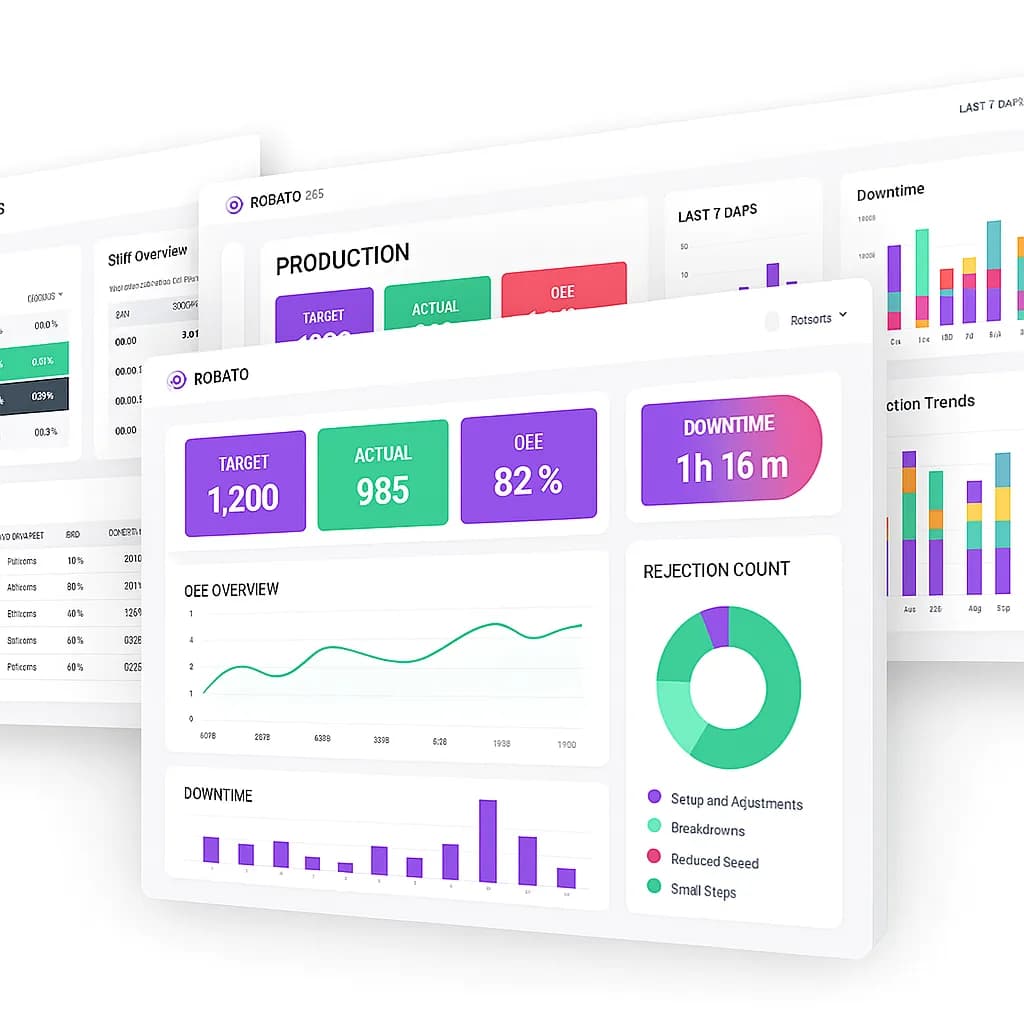
Why Choose Robato Systems?
Robato Systems provides manufacturing monitoring solutions designed to improve machine and production visibility.
The solution can connect with machines, PLCs, sensors, production counters, and Industrial IoT devices.
Manufacturers can monitor:
- Machine status
- Downtime
- Breakdowns
- Production output
- OEE
- Availability
- Performance
- Quality
- Machine utilization
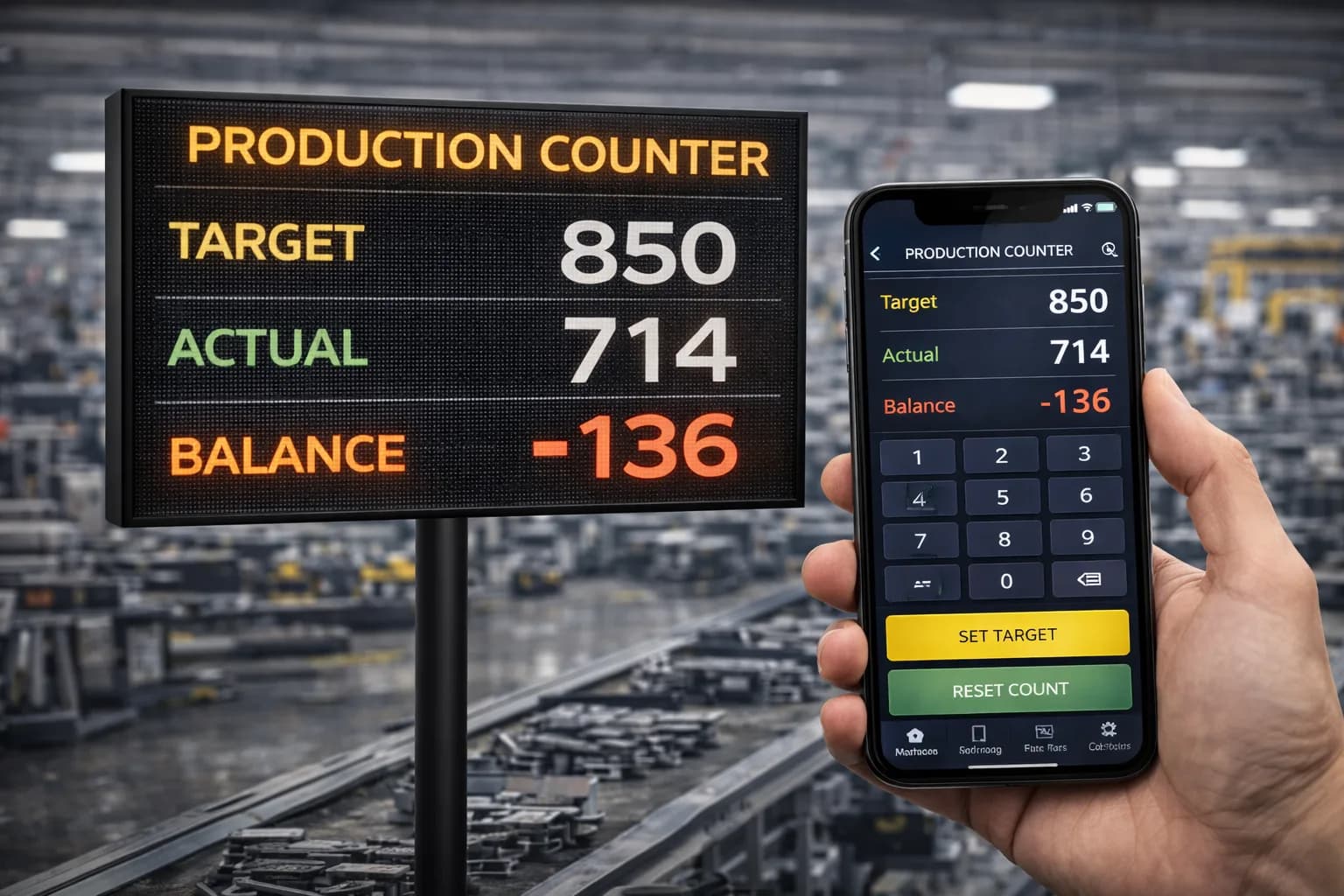
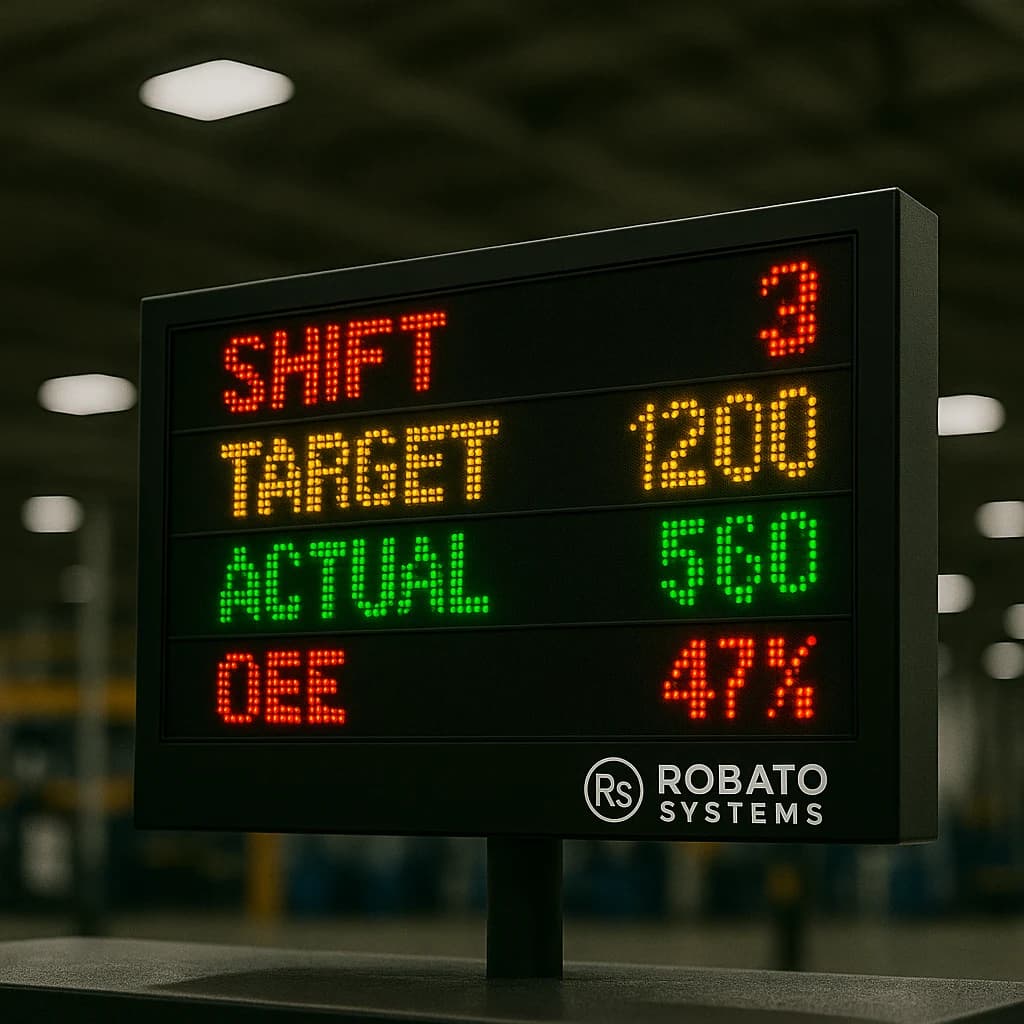
- Production targets
- Actual production
Digital dashboards can help production and maintenance teams monitor equipment performance and analyze machine downtime and breakdowns.
Conclusion
Breakdown Monitoring Software provides manufacturers with a structured way to monitor equipment failures, track breakdown duration, analyze failure causes, and understand machine reliability.
Real-time breakdown monitoring can help teams identify equipment problems quickly, while historical data can reveal recurring failures and high-downtime machines.
When breakdown monitoring is combined with preventive maintenance, downtime analysis, OEE monitoring, and continuous improvement, manufacturers can make better decisions about equipment reliability and production performance.
The goal is not simply to record when a machine breaks down. The goal is to understand why it happens, reduce recurring failures, and improve the availability of critical manufacturing equipment.
Frequently Asked Questions
What is Breakdown Monitoring Software?
Breakdown Monitoring Software is a digital solution used to monitor, track, analyze, and report machine breakdowns and equipment failures.
How does breakdown monitoring help manufacturers?
It provides visibility into machine failures, breakdown frequency, downtime duration, and failure causes.
Can breakdowns be monitored in real time?
Yes. Machines connected through PLCs, sensors, controllers, or Industrial IoT devices can provide real-time status information.
How does breakdown monitoring help maintenance teams?
It helps maintenance teams identify frequently failing machines and recurring breakdown causes.
Can breakdown monitoring improve OEE?
Yes. Machine breakdowns contribute to availability losses, and accurate breakdown information can support OEE analysis.
Can old machines be connected to breakdown monitoring software?
Yes. Legacy machines can often be monitored using sensors, PLC signals, industrial gateways, or Industrial IoT devices.
What is the difference between downtime and breakdown monitoring?
Downtime monitoring focuses on machine stoppage and lost production time, while breakdown monitoring specifically focuses on equipment failures and breakdown events.