Machine Utilization Tracking System: The Complete Guide to Smarter Factory Efficiency
In modern manufacturing, knowing how your machines are actually performing is critical. This is where a Machine Utilization Tracking System becomes essential. It gives manufacturers a real-time view of how machines are being used, how much time they are productive, and where inefficiencies are hiding. Instead of relying on estimates or delayed reports, factories can now measure utilization accurately and make faster, data-driven decisions.
What Is a Machine Utilization Tracking System?
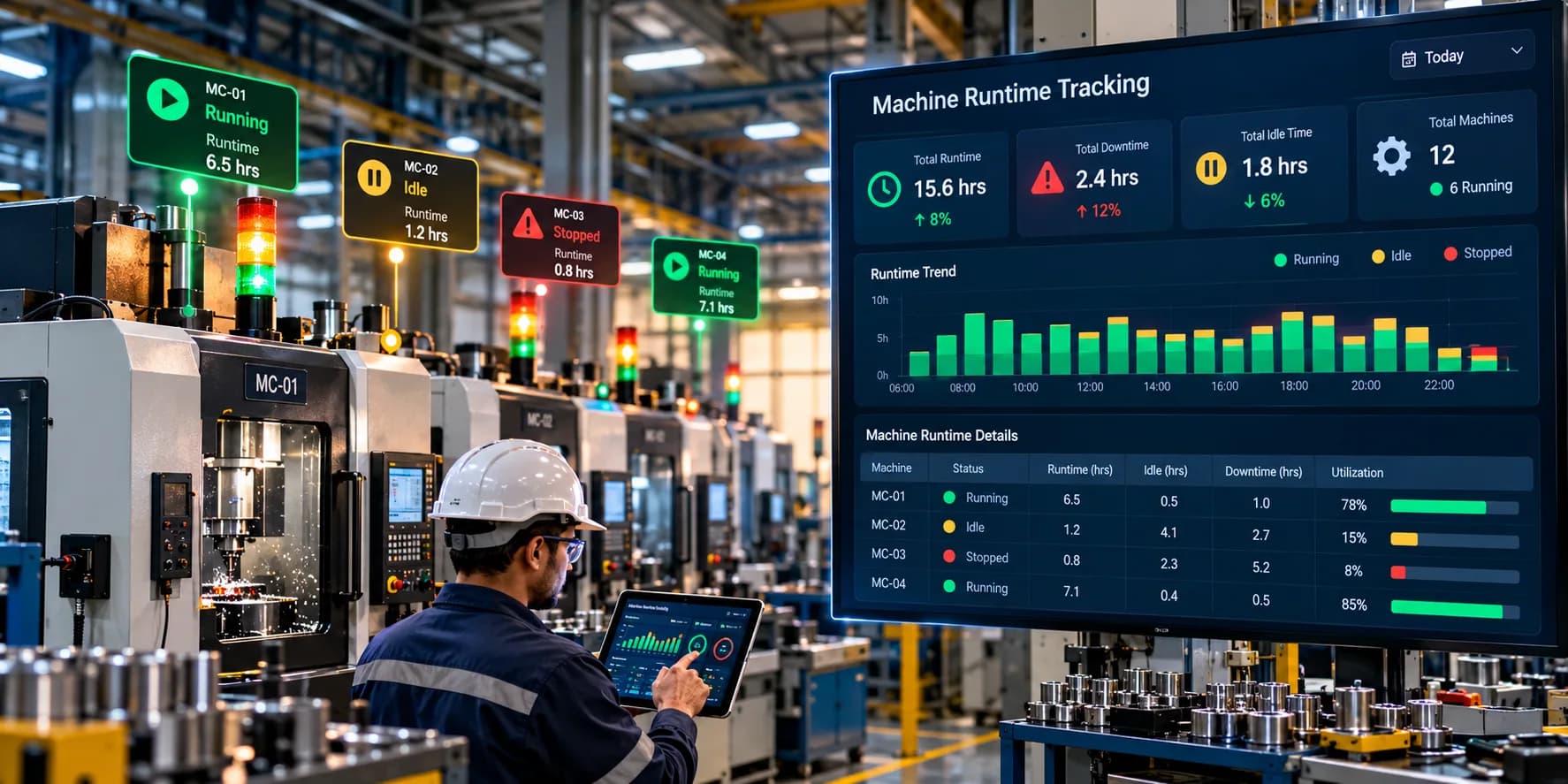
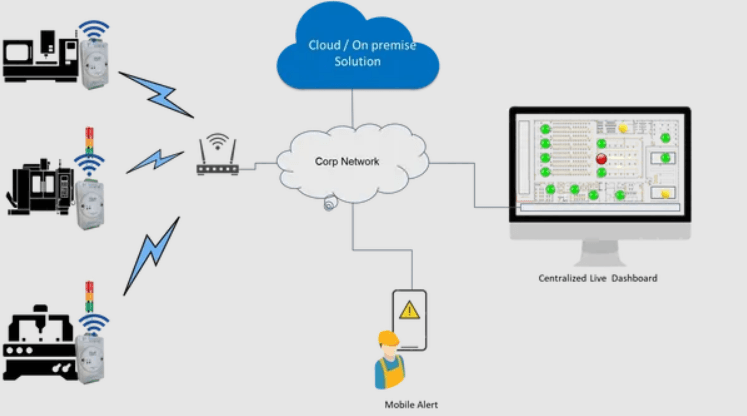
A Machine Utilization Tracking System is a digital solution that monitors how effectively machines are used during production. It tracks when machines are running, idle, or stopped, and converts that data into meaningful insights. Modern systems collect data directly from machines using sensors, PLCs, and IIoT technology. This allows manufacturers to visualize utilization by hour, shift, day, or month and identify trends over time. By understanding how machines are utilized, businesses can improve planning, reduce waste, and increase overall productivity.
Why Traditional Tracking Methods Fail
Many factories still rely on manual logs or operator estimates to track machine usage. The problem is that these methods are often inaccurate and incomplete. Operators may round off idle time or miss short stoppages entirely. Studies show that manual reporting can overestimate utilization by up to 10–20 percent. This creates a gap between perceived performance and actual performance. A Machine Utilization Tracking System eliminates this gap by capturing real data directly from machines.
Real-Time Visibility That Drives Better Decisions
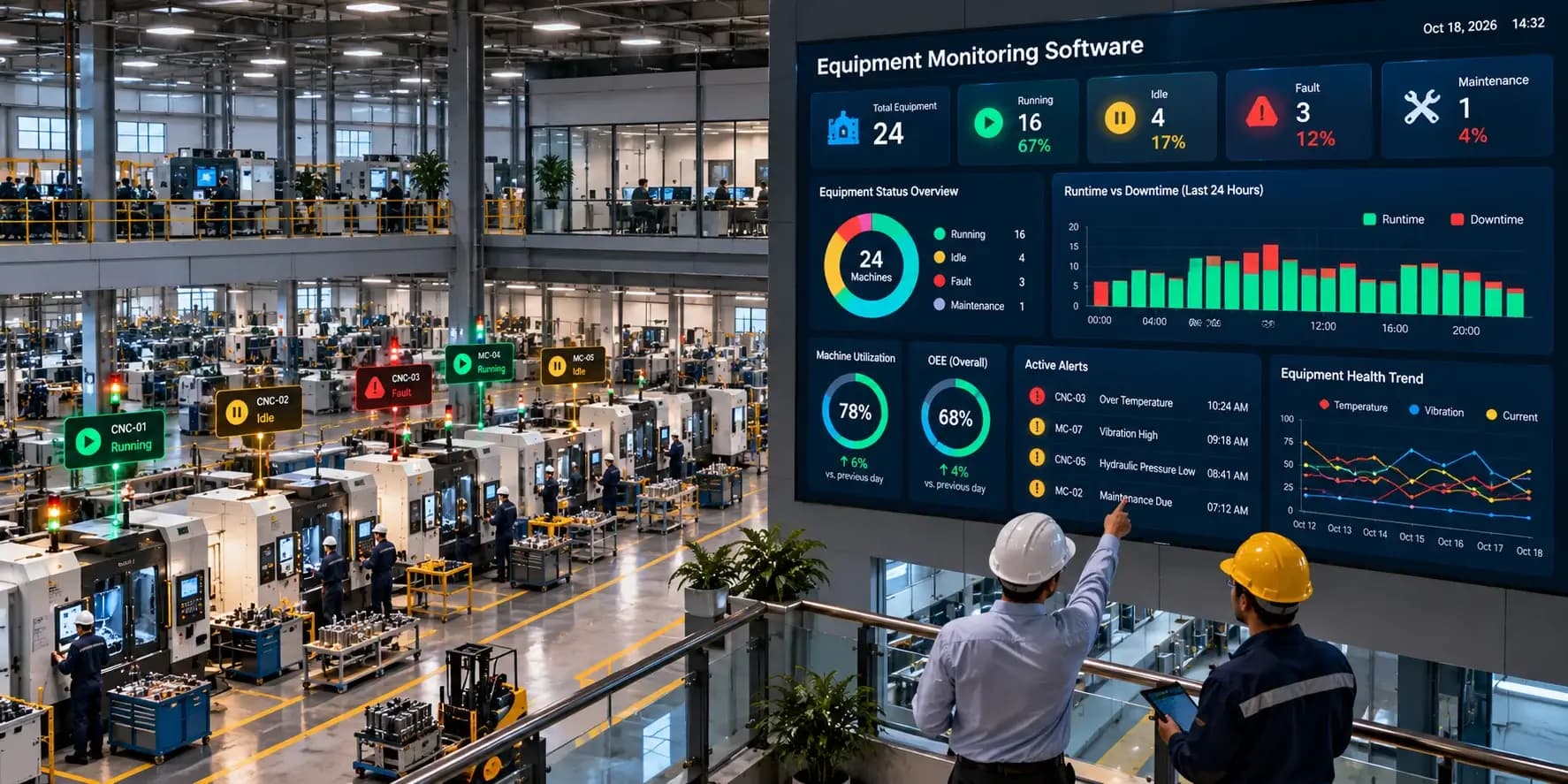
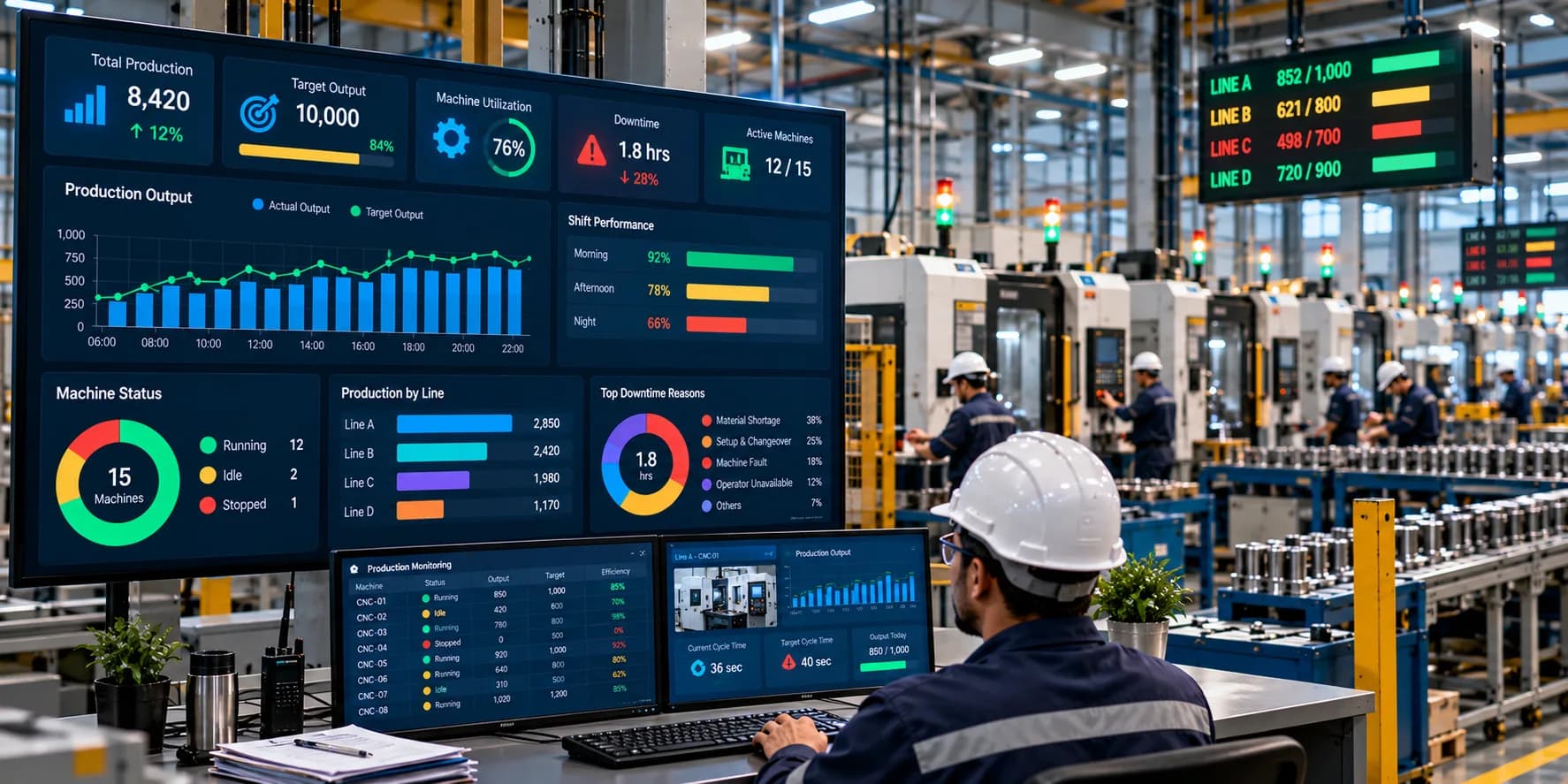
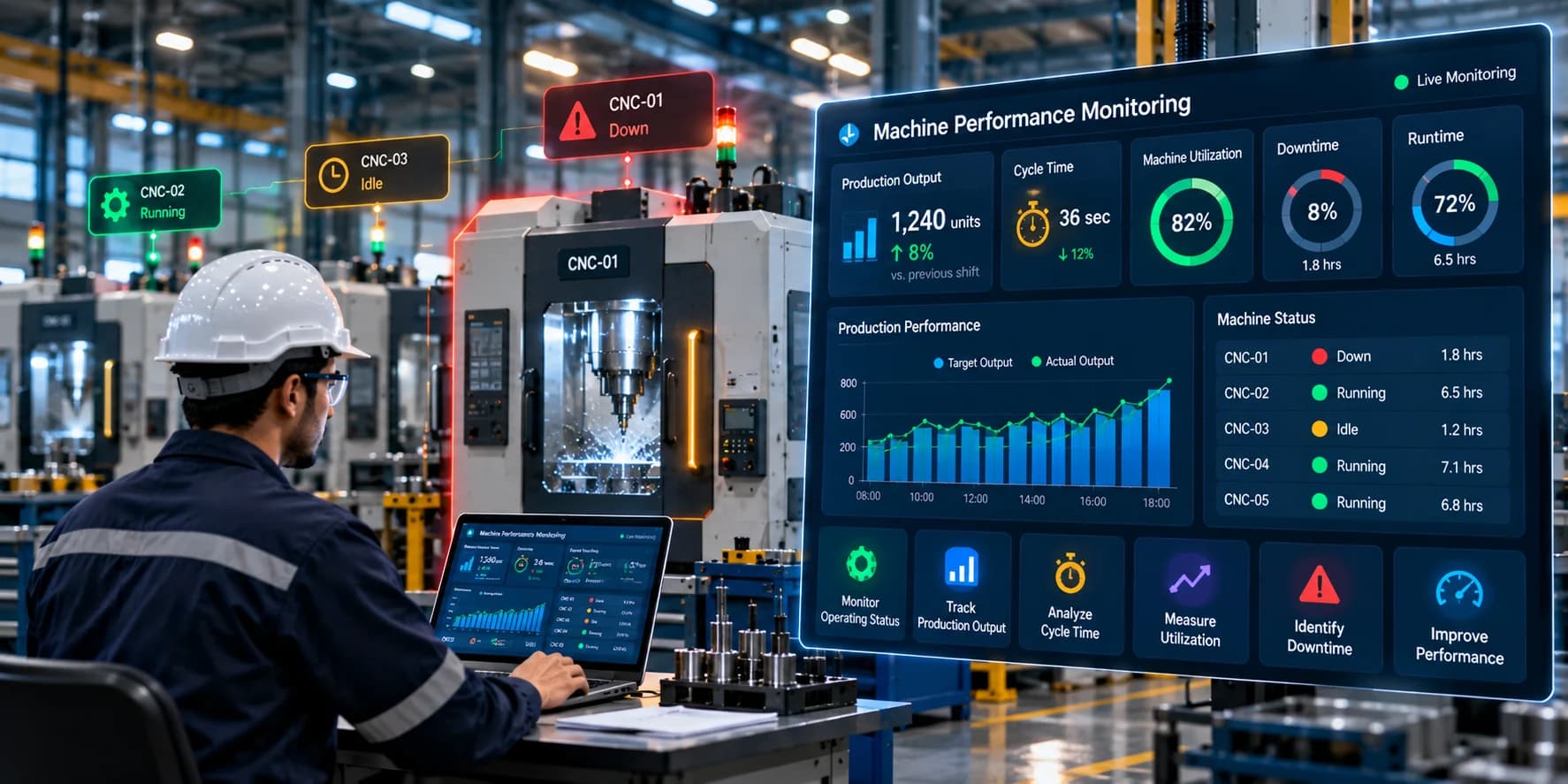
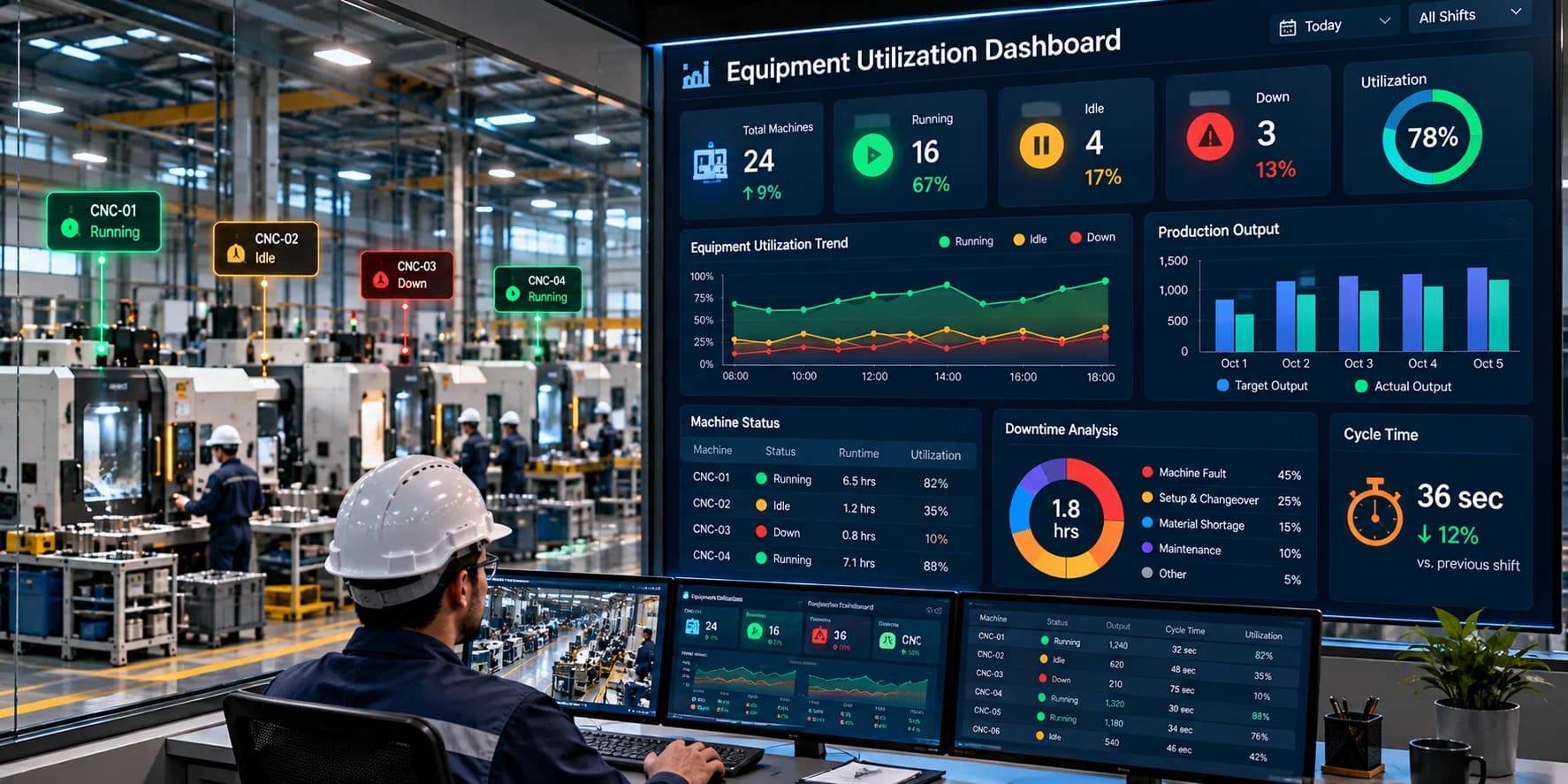
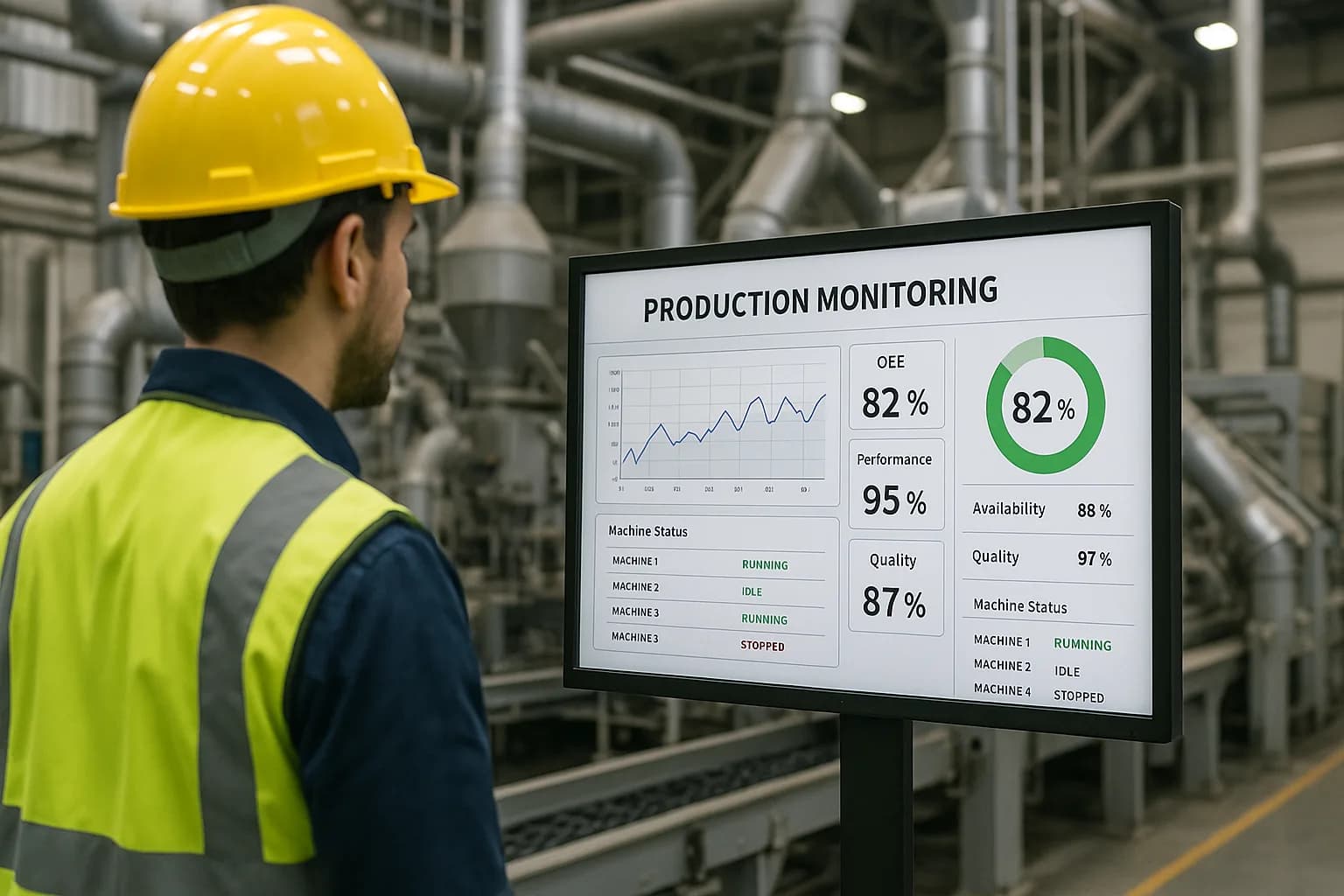
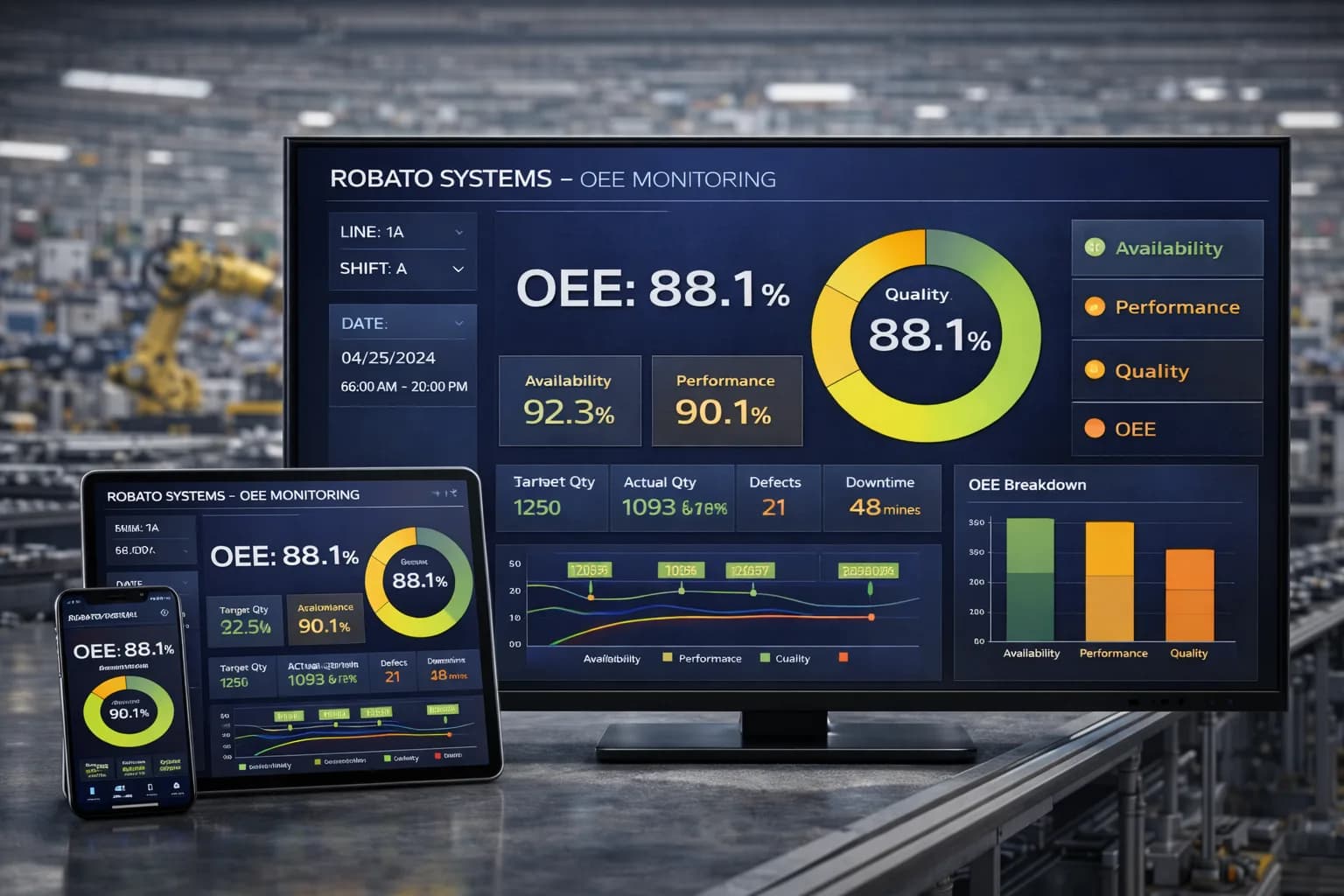
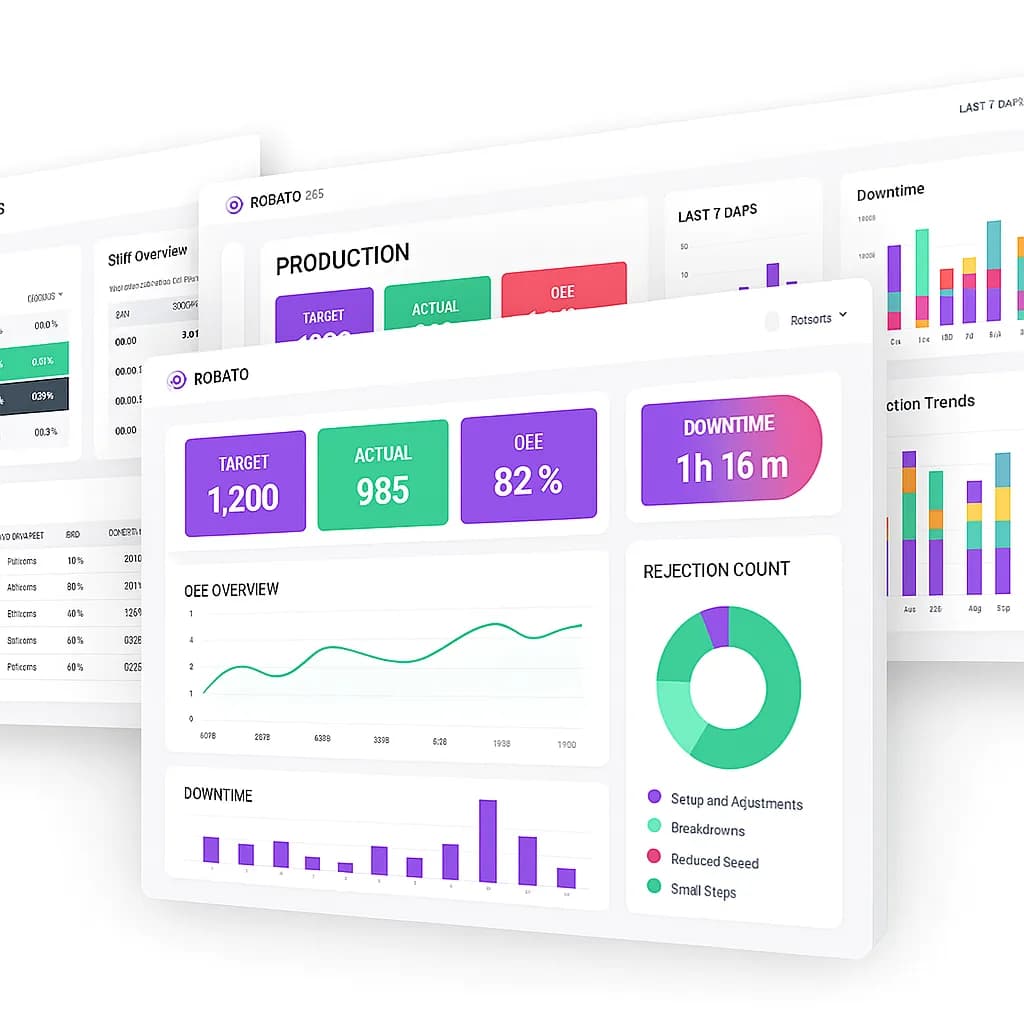
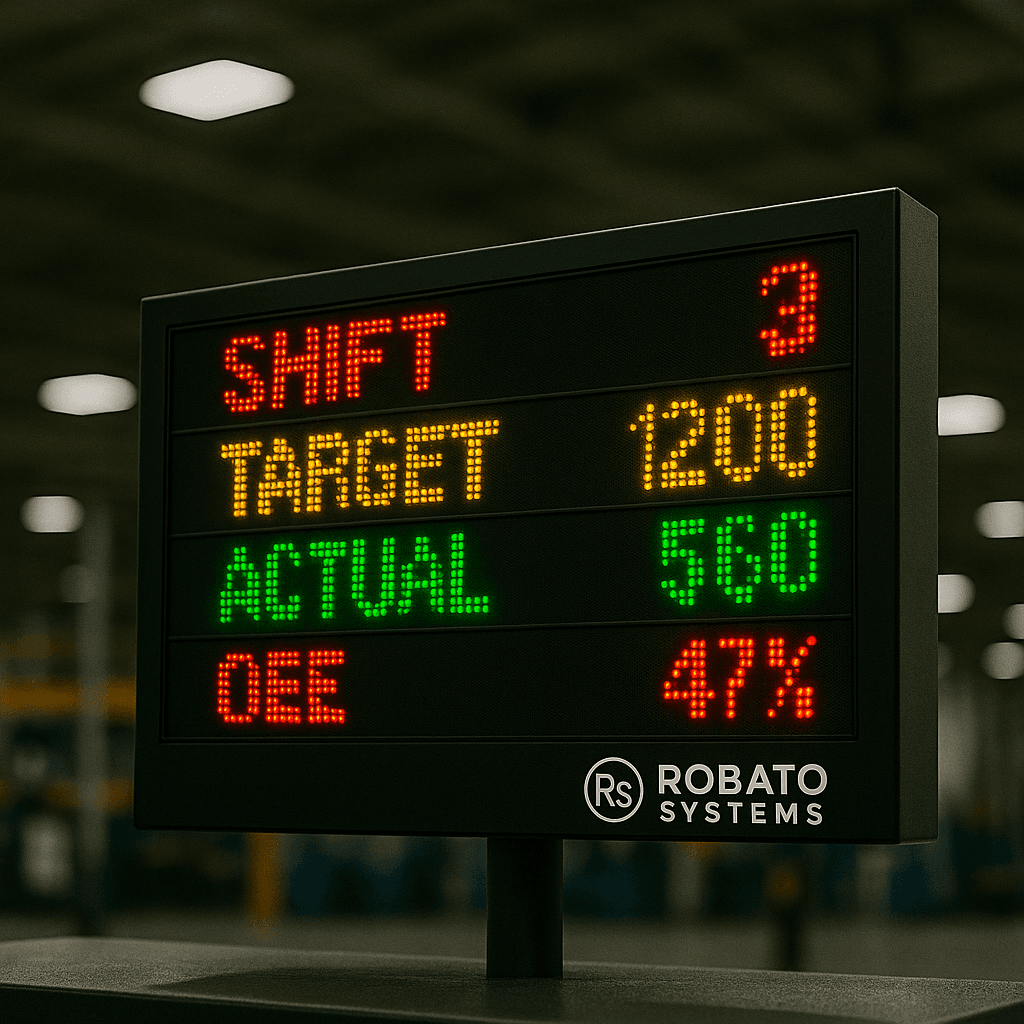
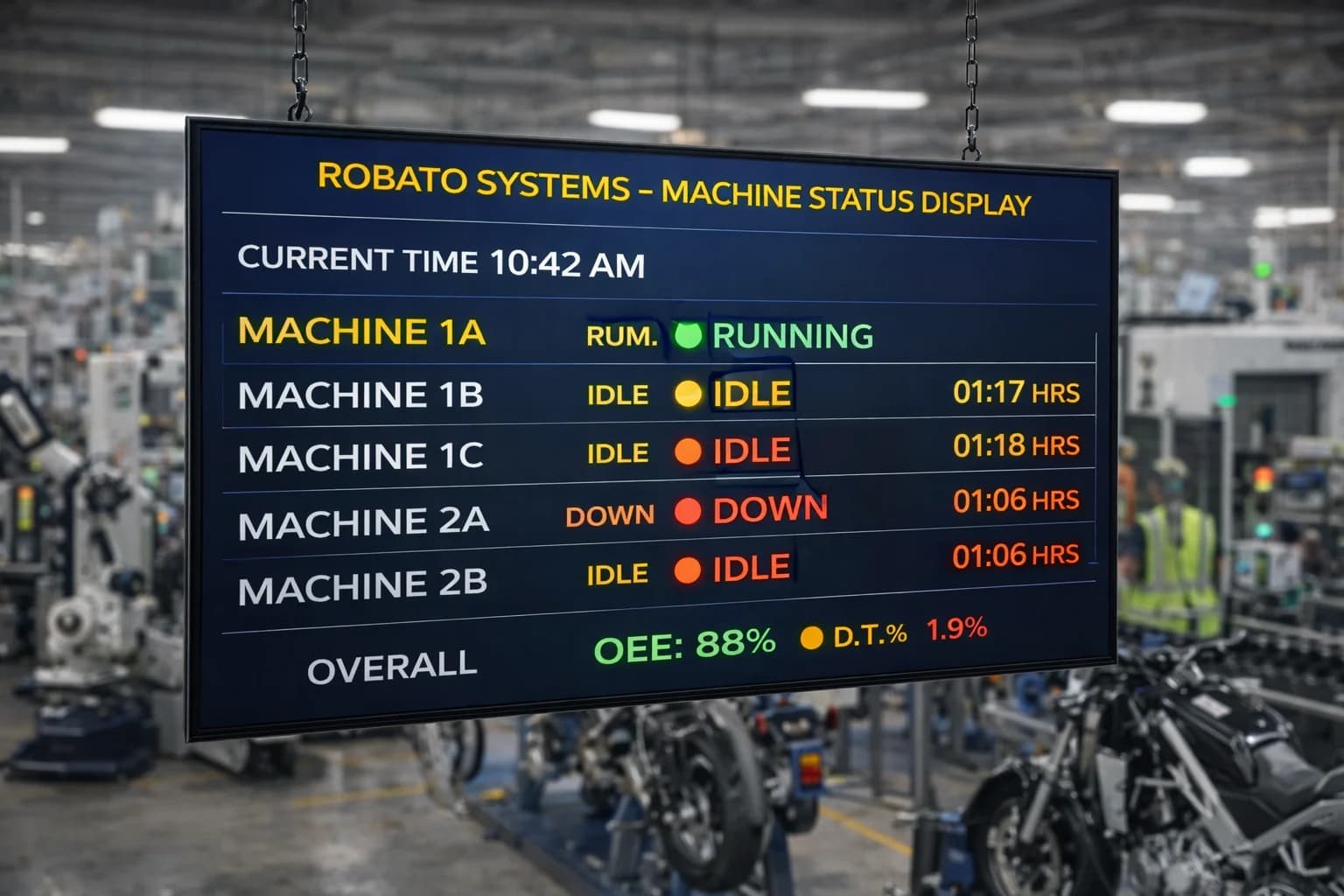
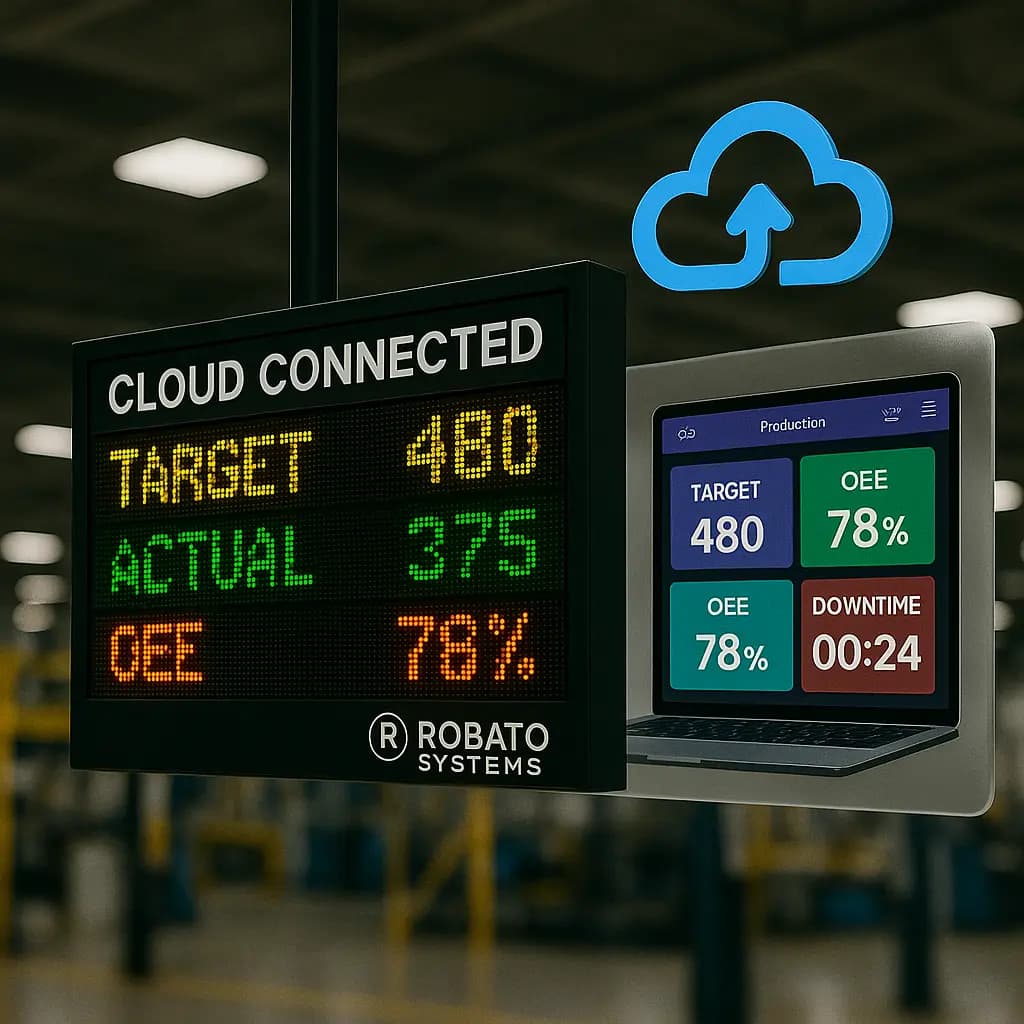
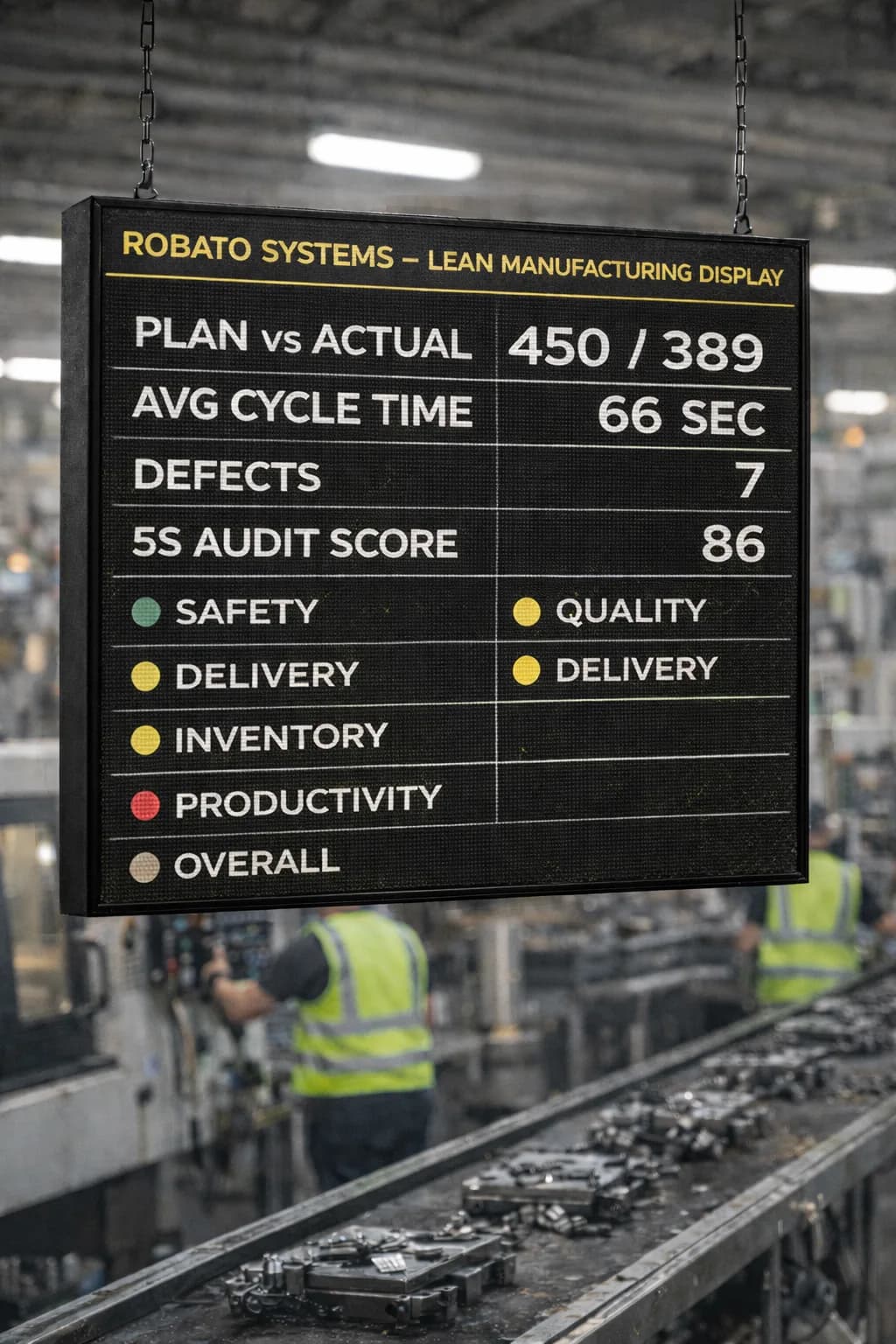
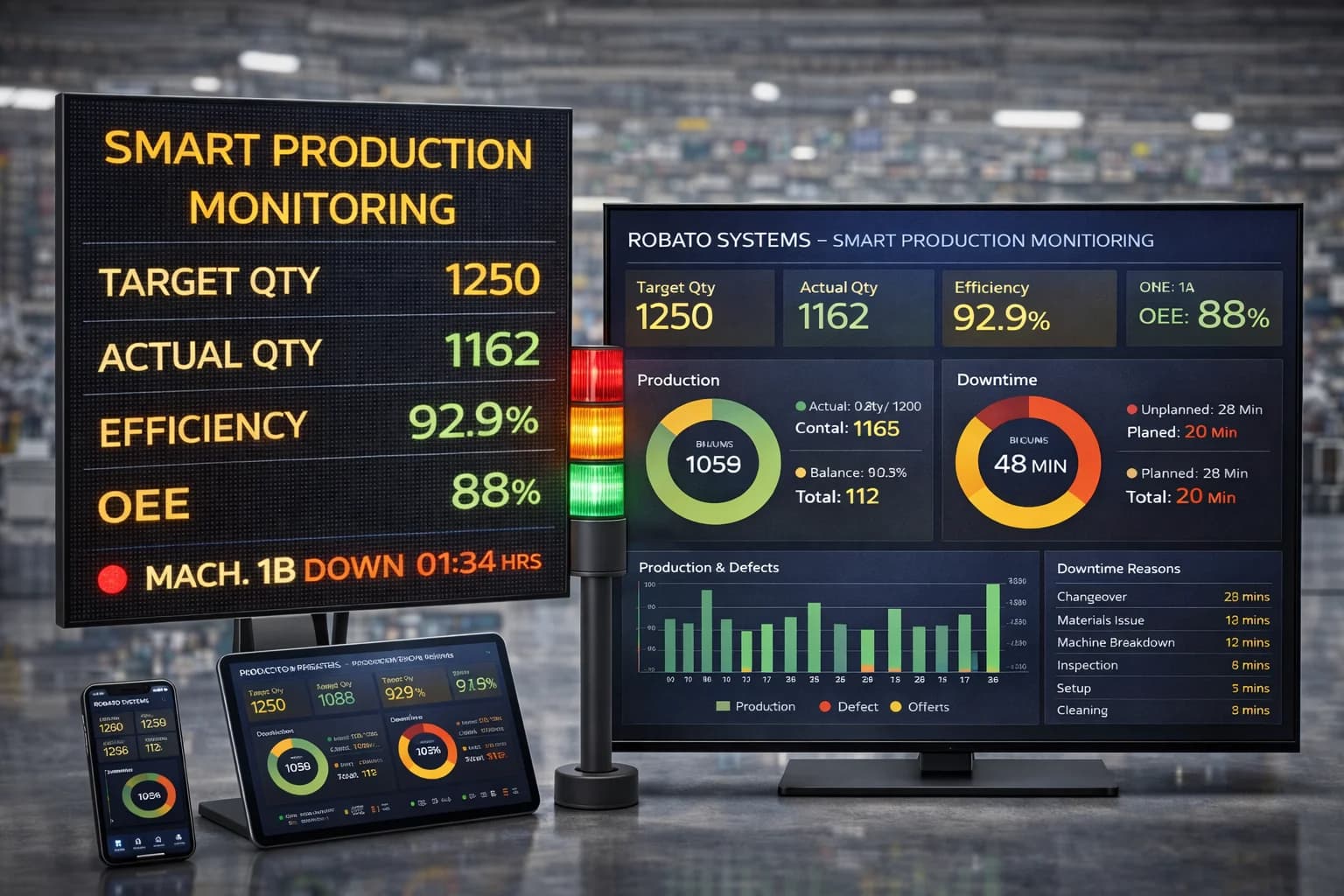
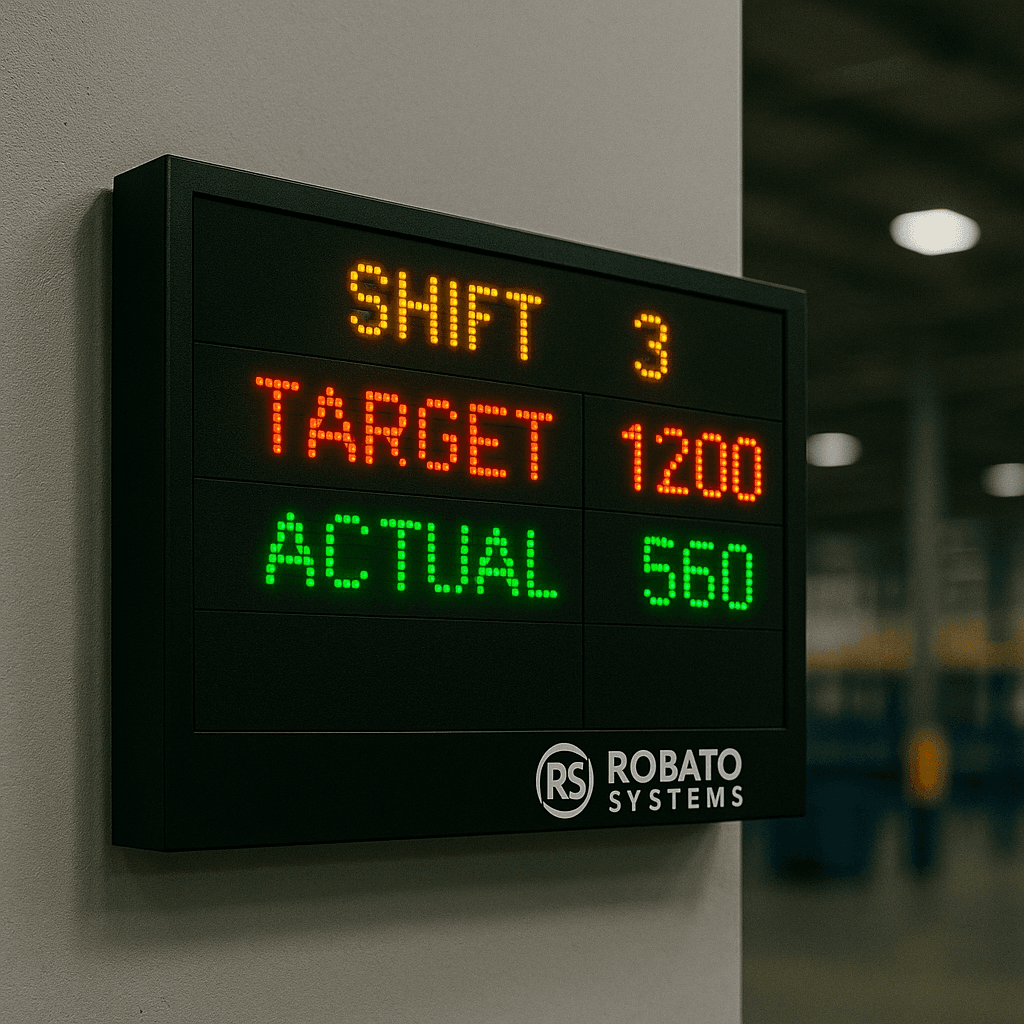
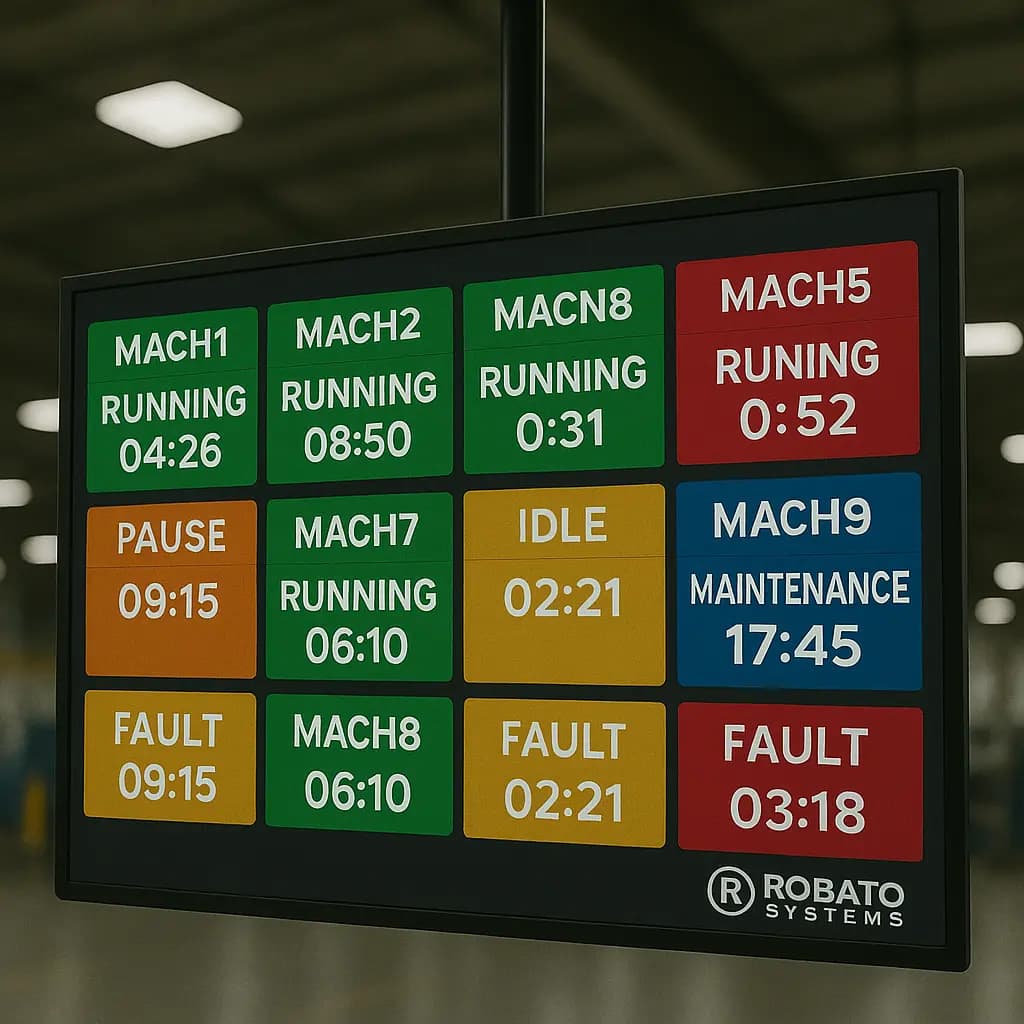
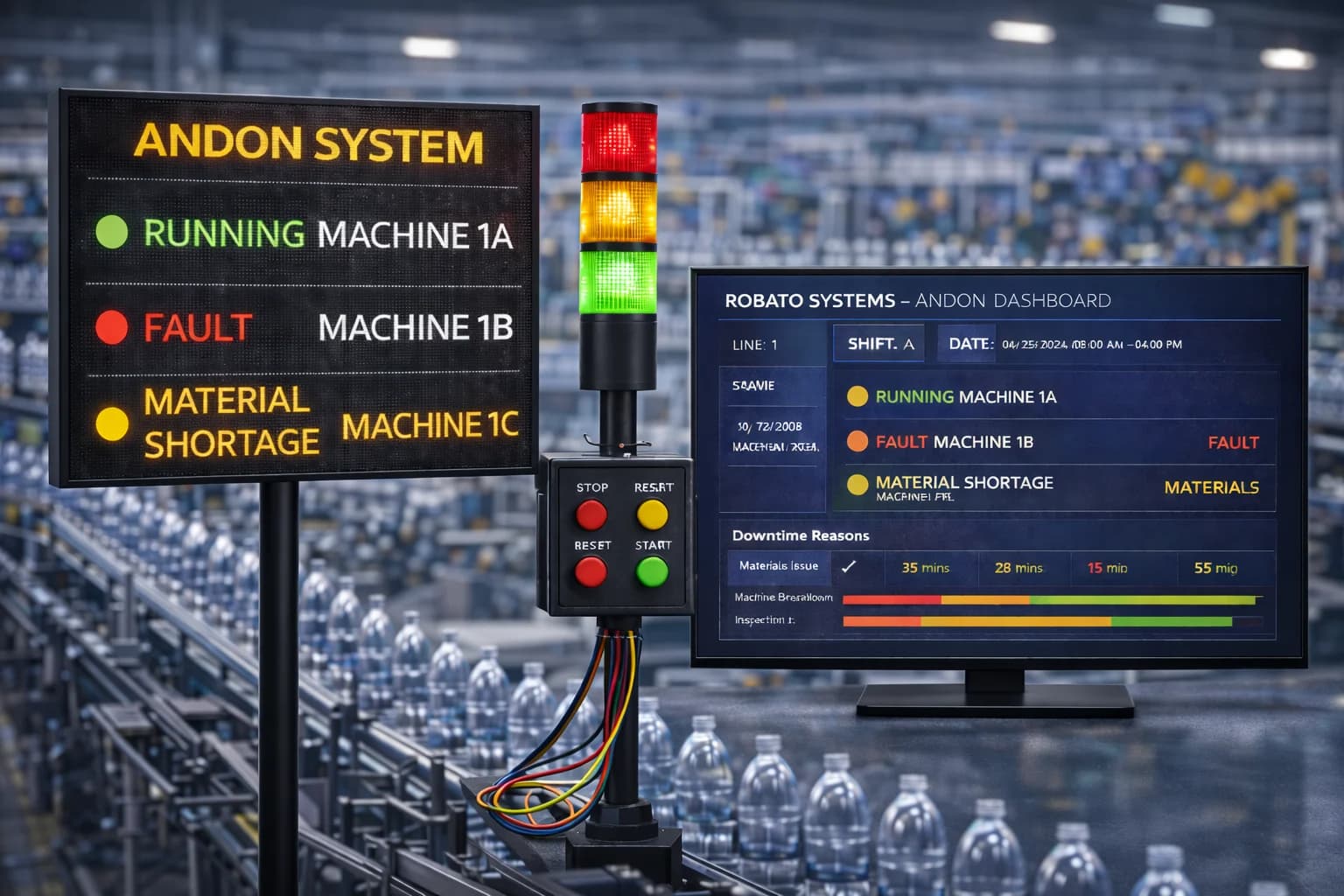
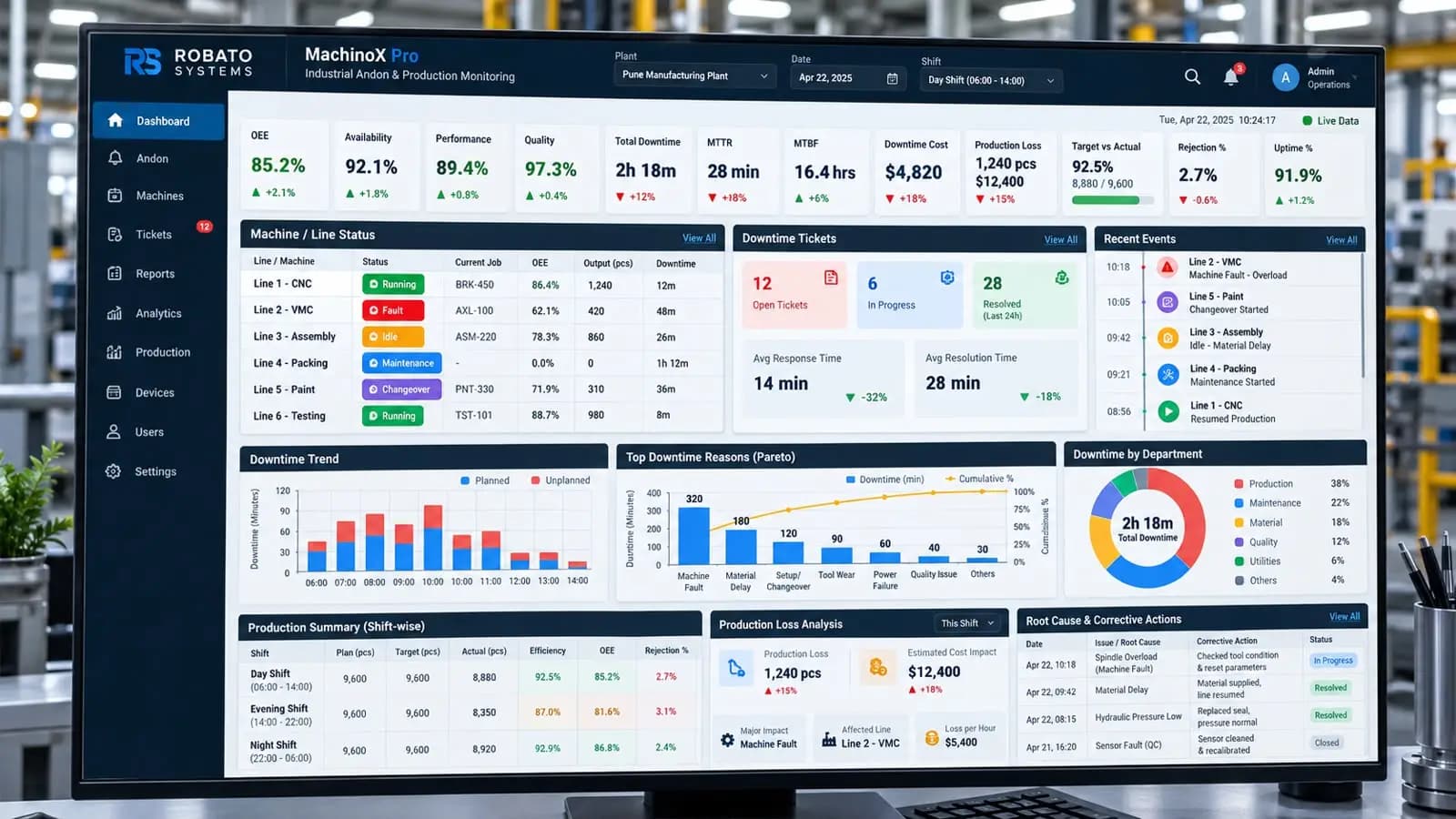
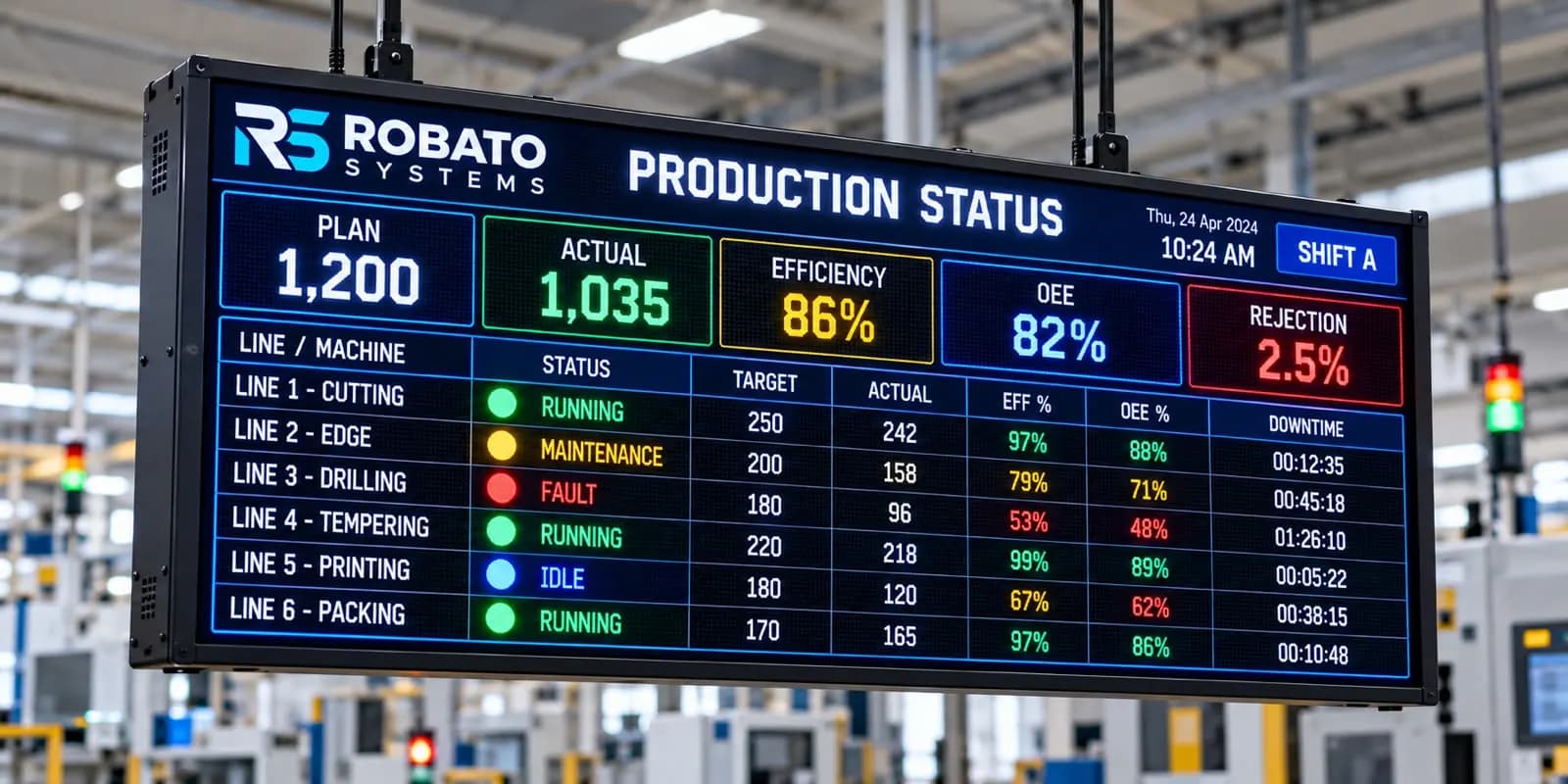
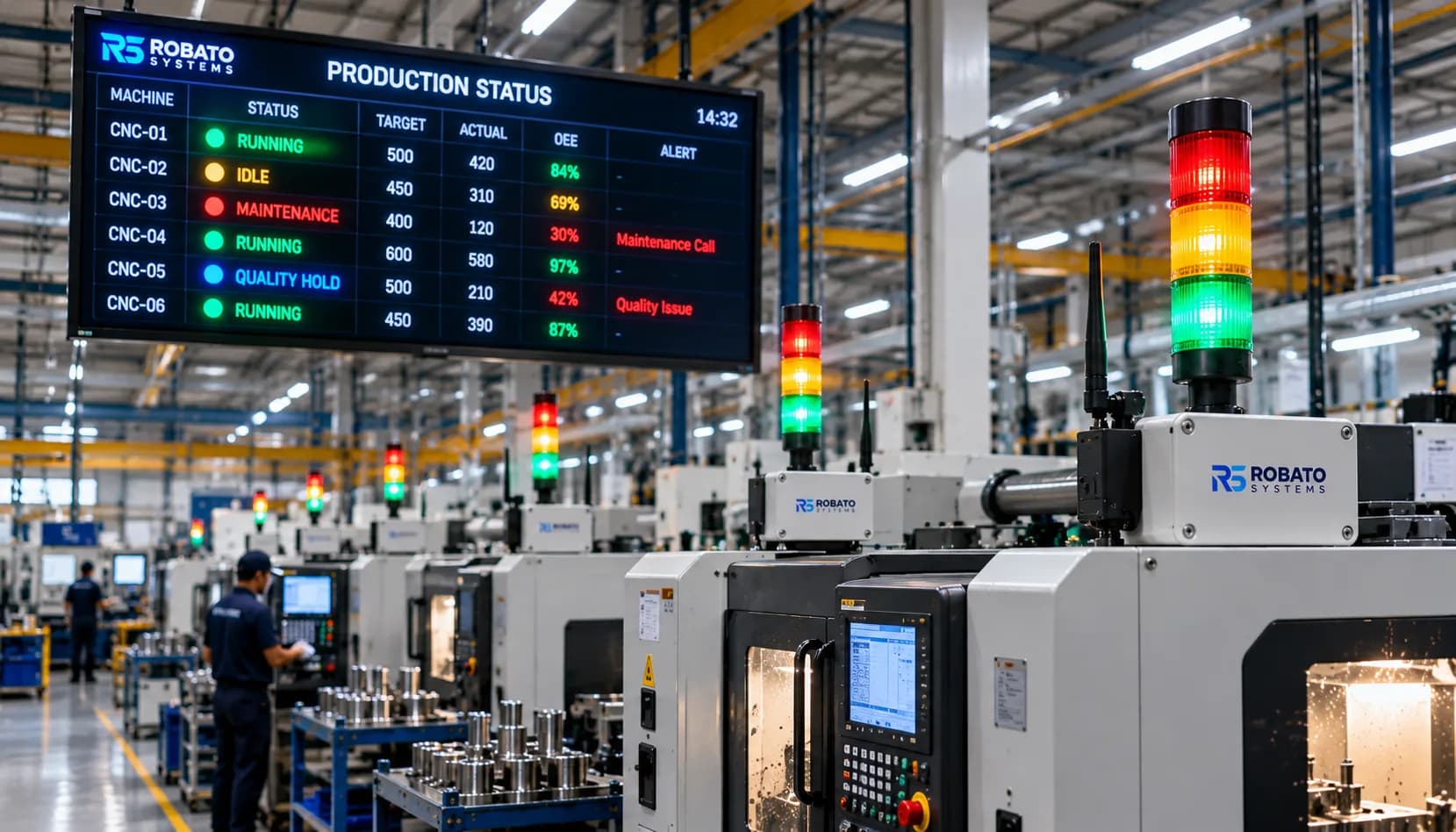
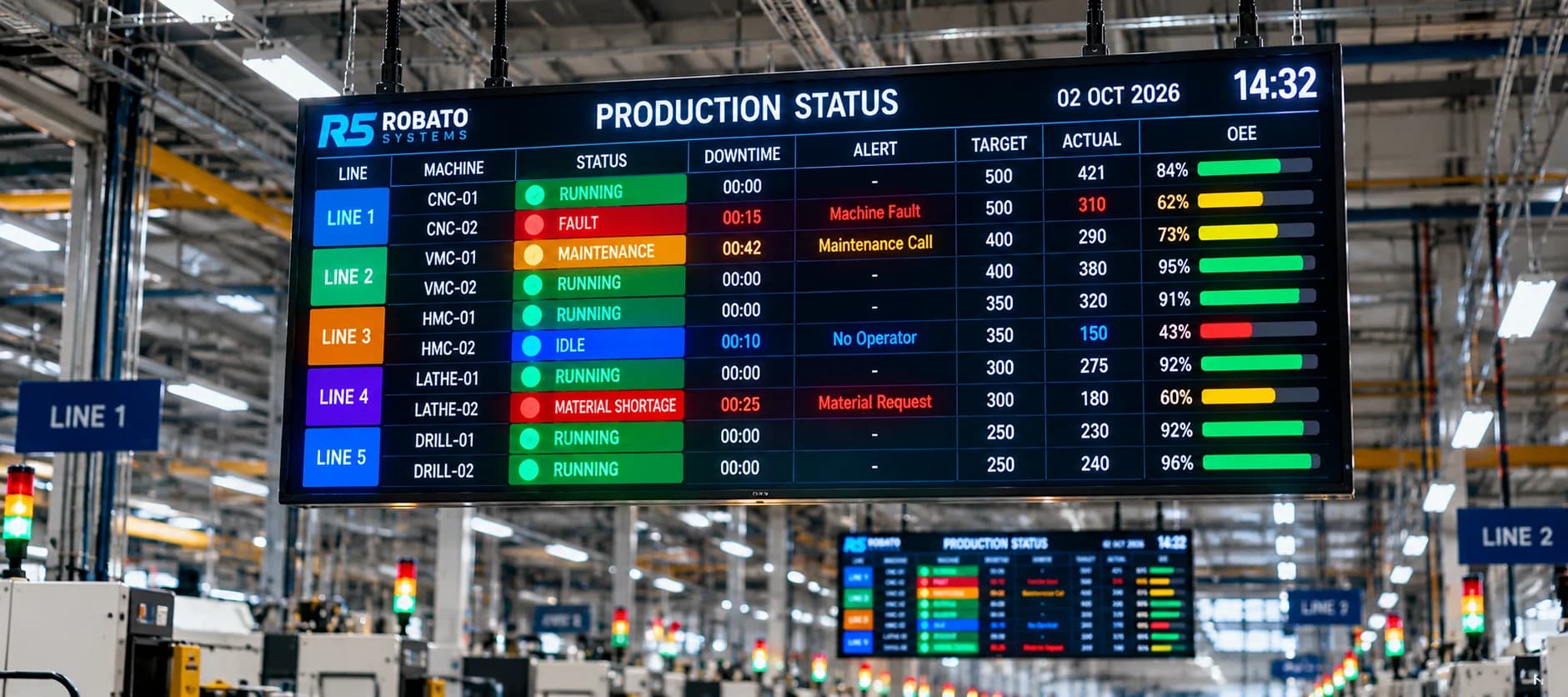
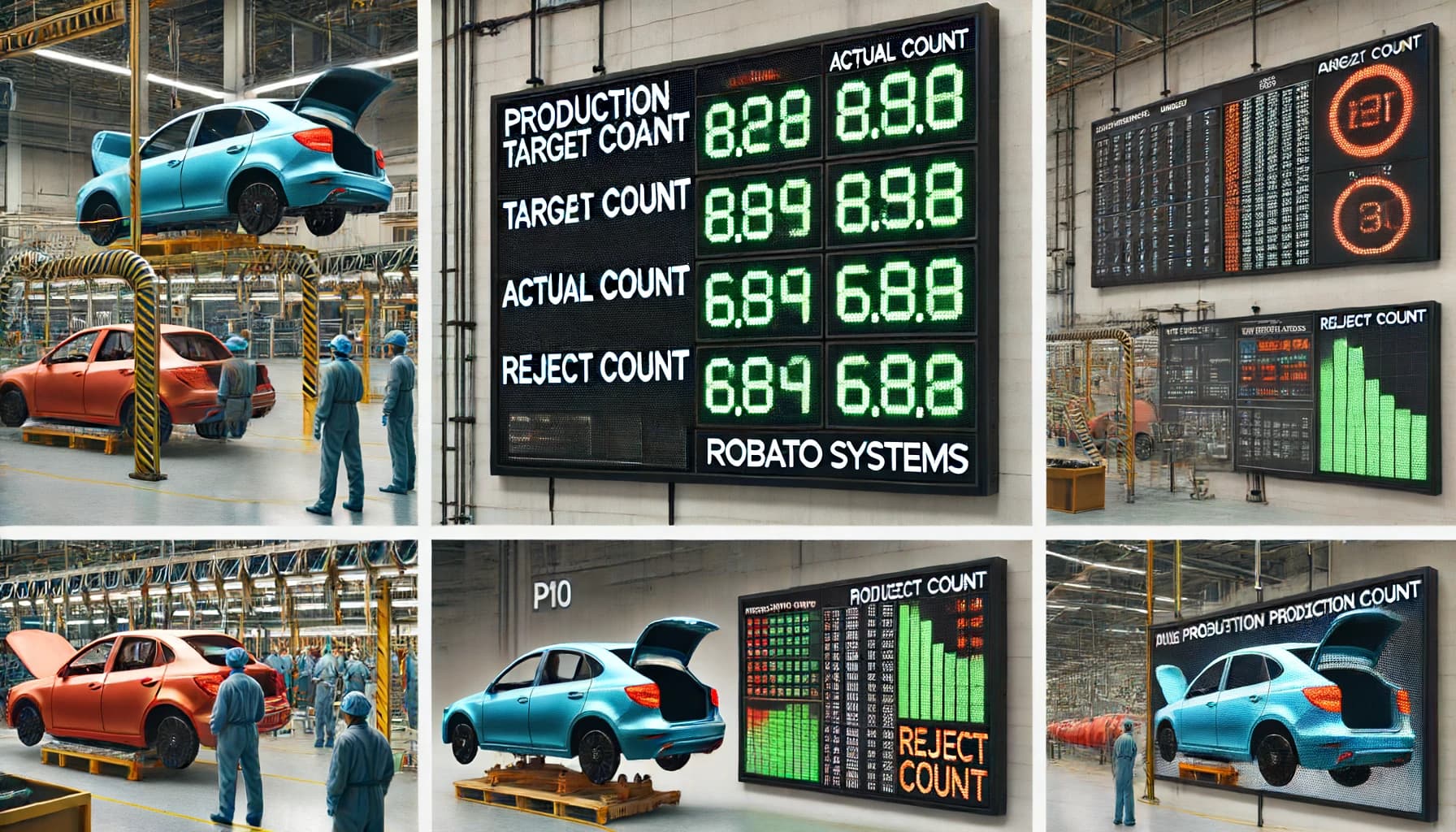
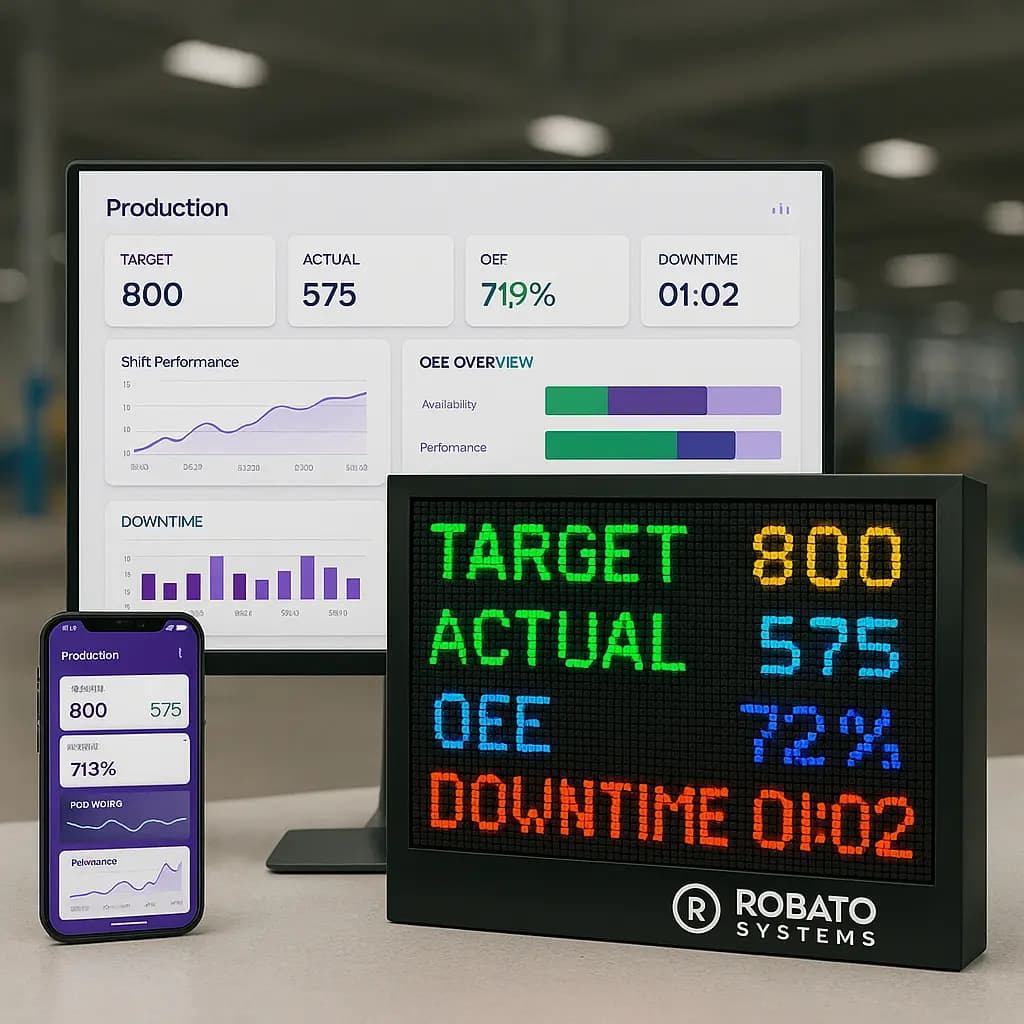
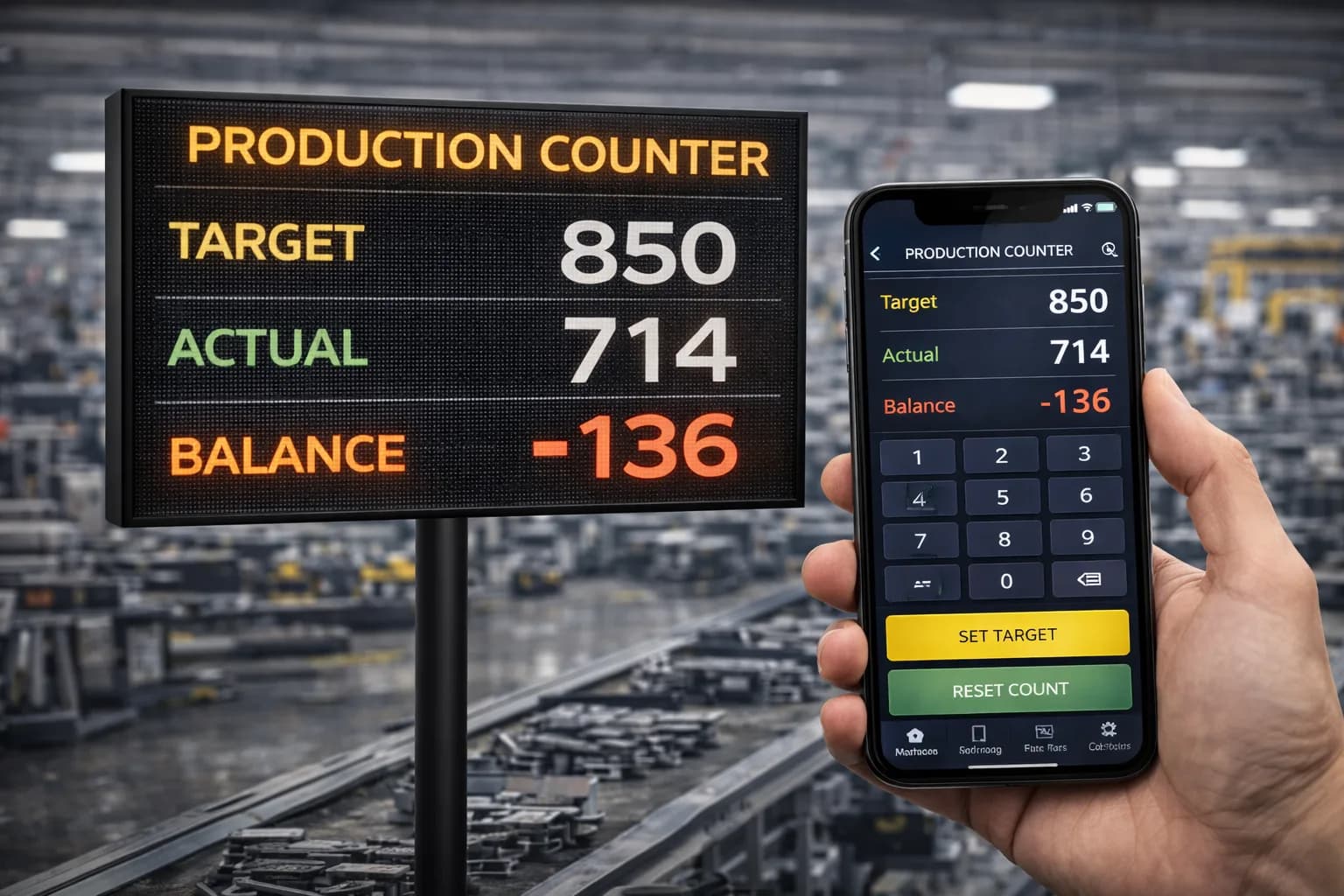
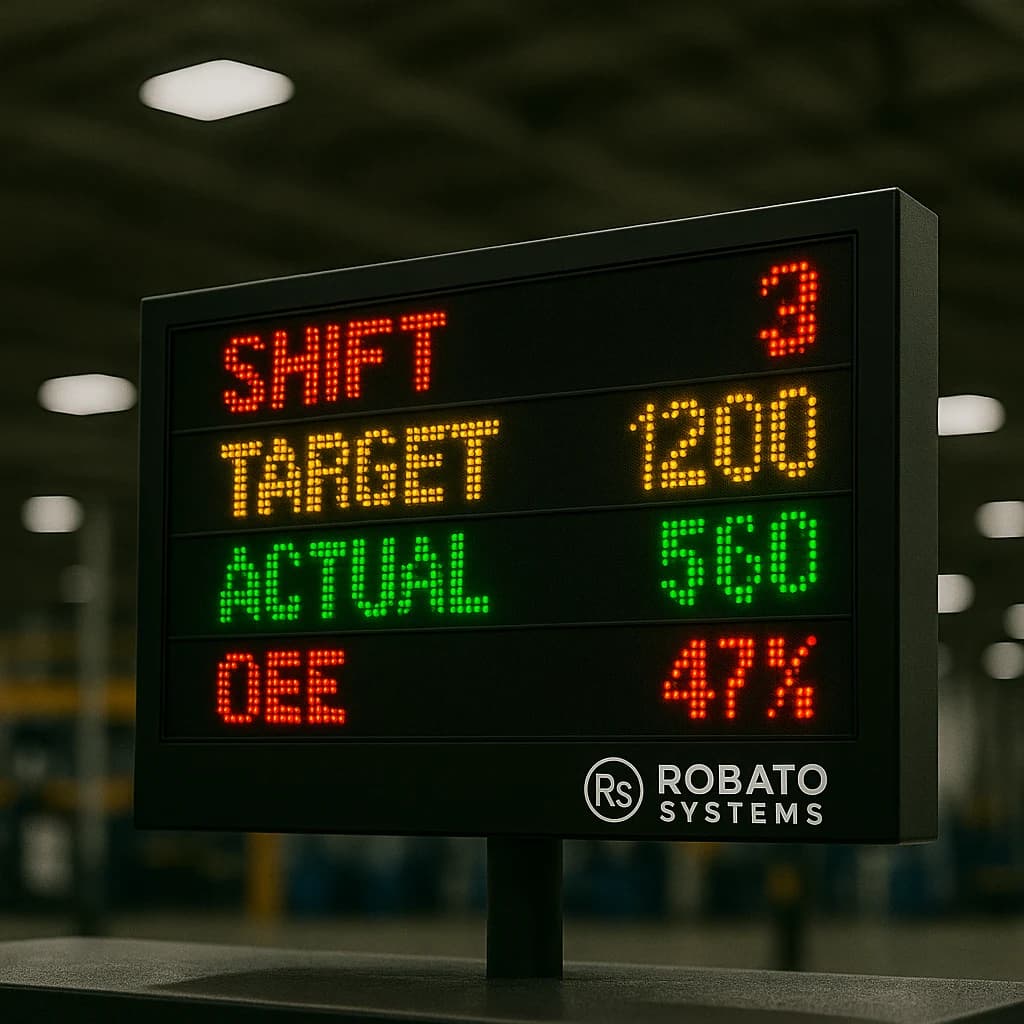
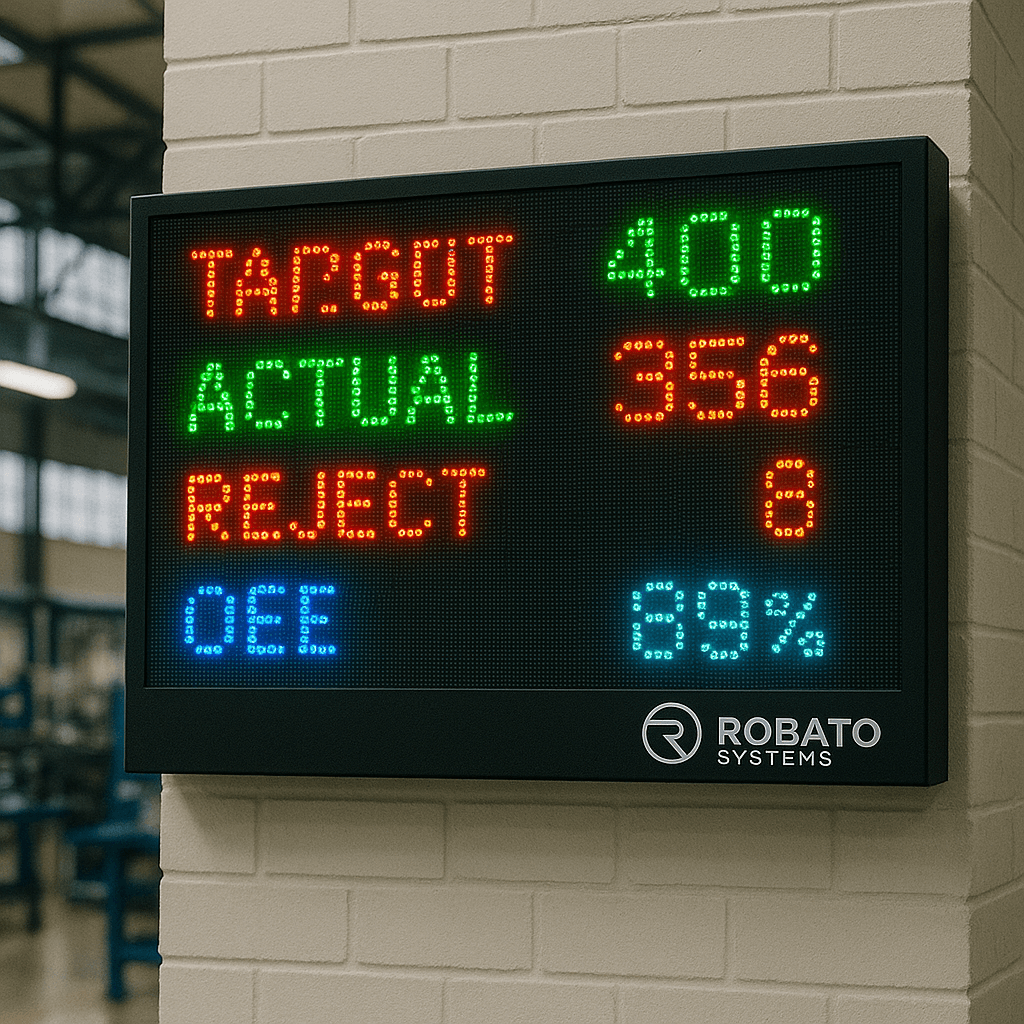
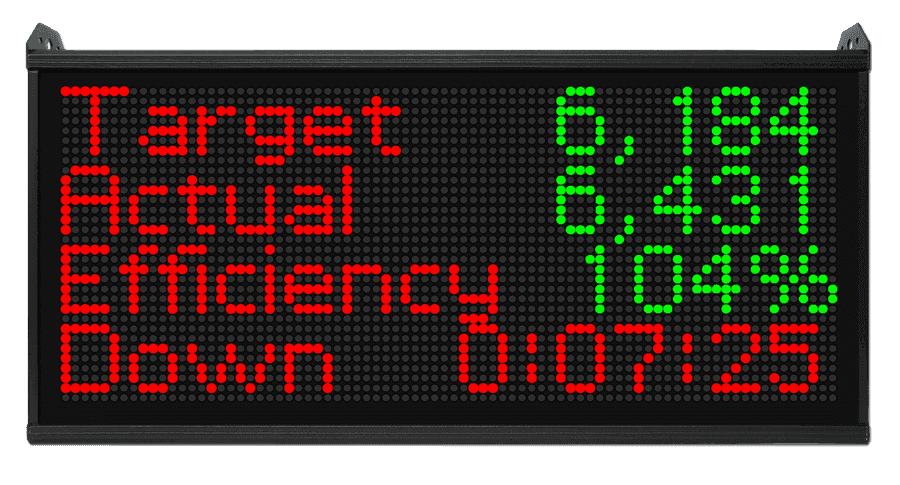
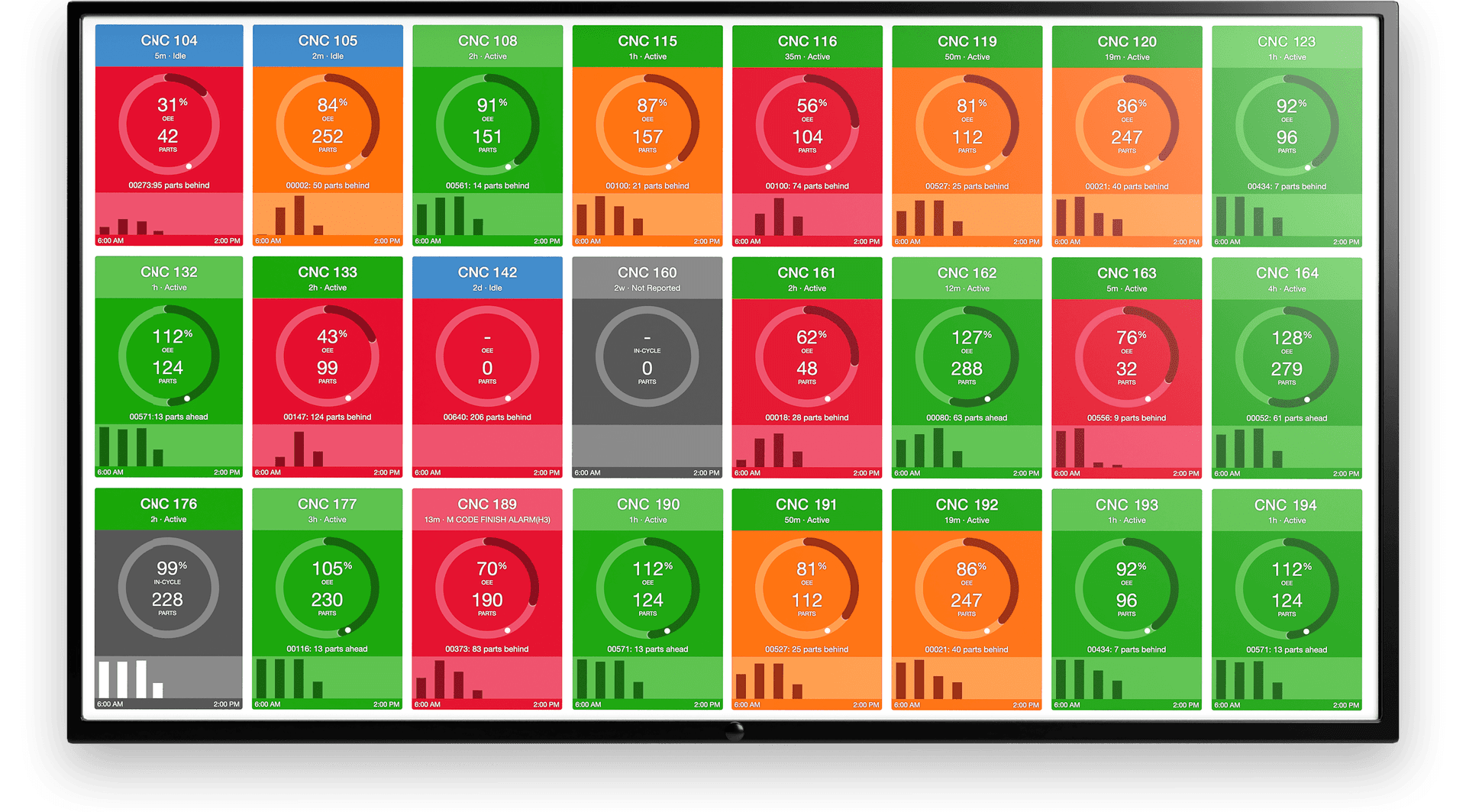
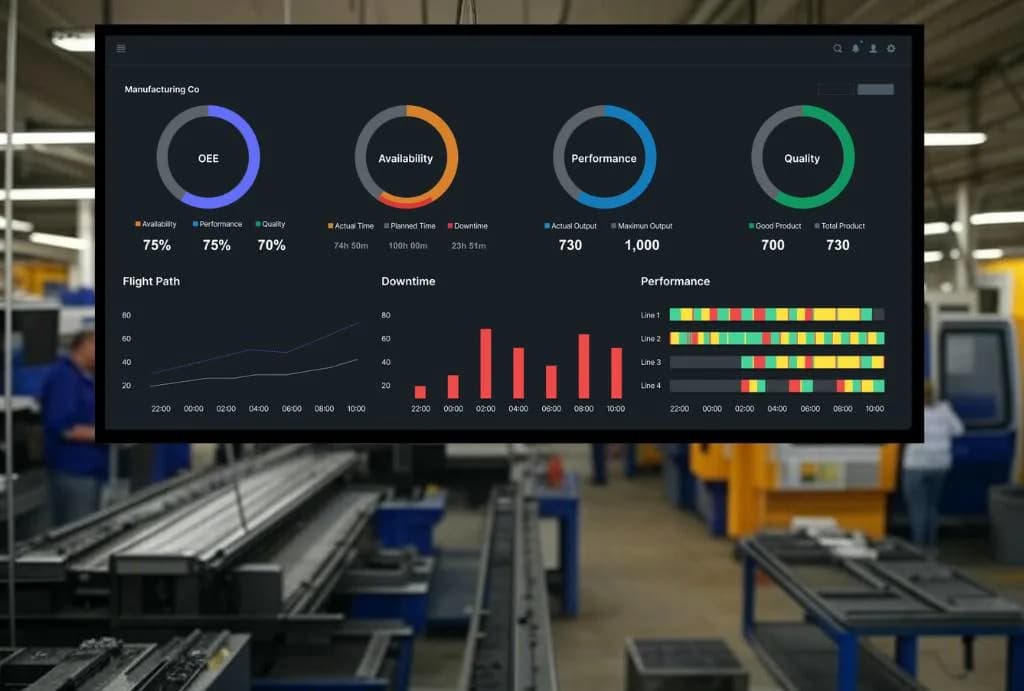
The biggest advantage of a Machine Utilization Tracking System is real-time visibility. Modern systems continuously monitor machine status and display the data on live dashboards. This allows operators and managers to instantly see which machines are running, which are idle, and where delays are occurring. With this level of visibility, teams can respond quickly to issues, reduce downtime, and keep production on track.
Understanding Machine States Clearly
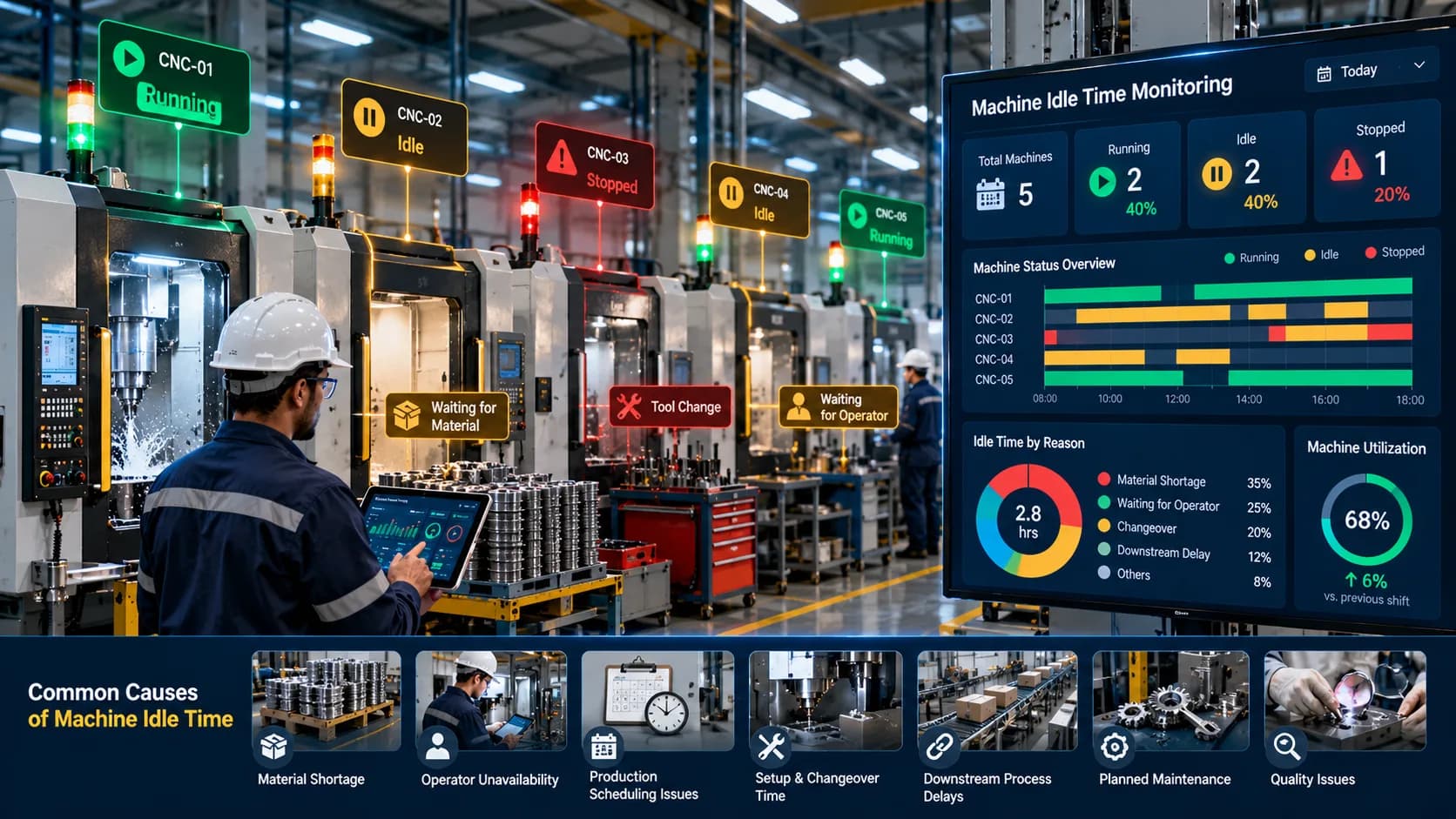
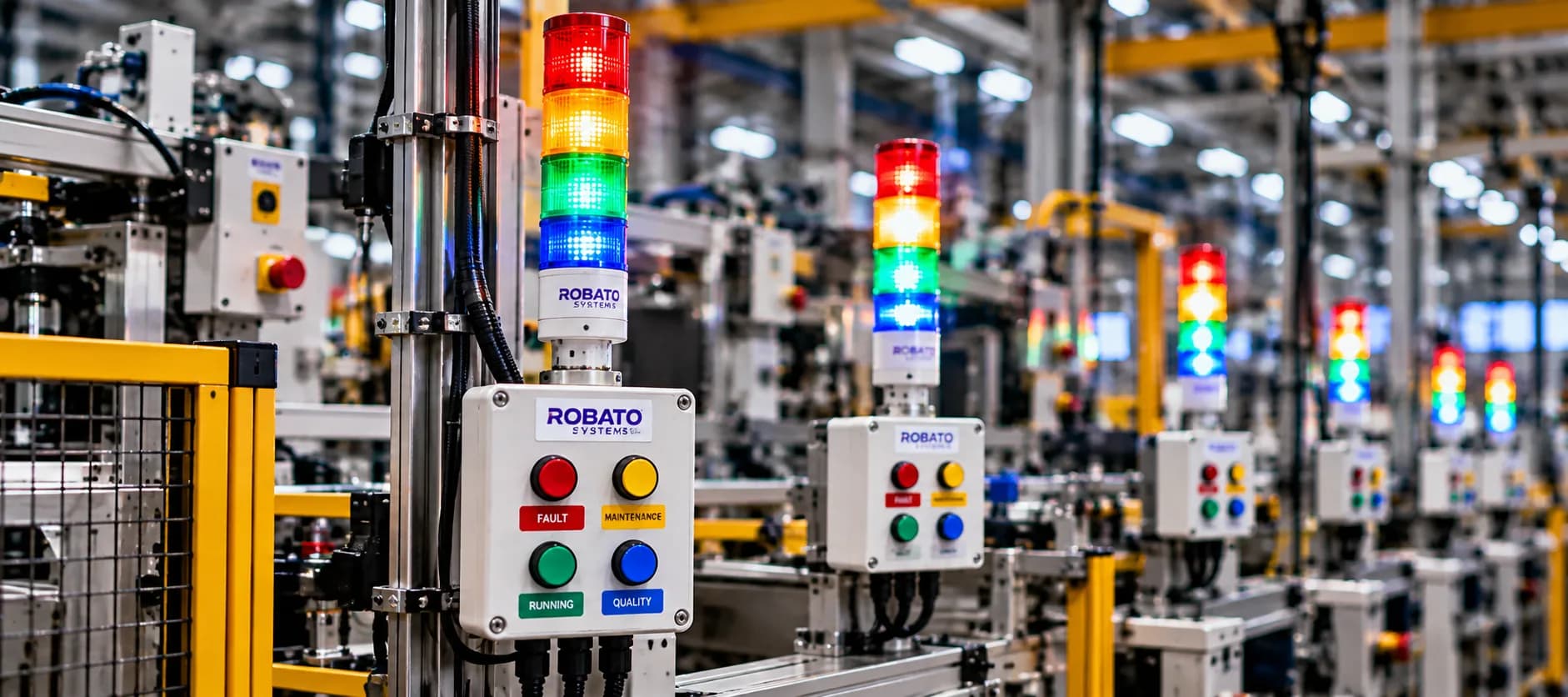
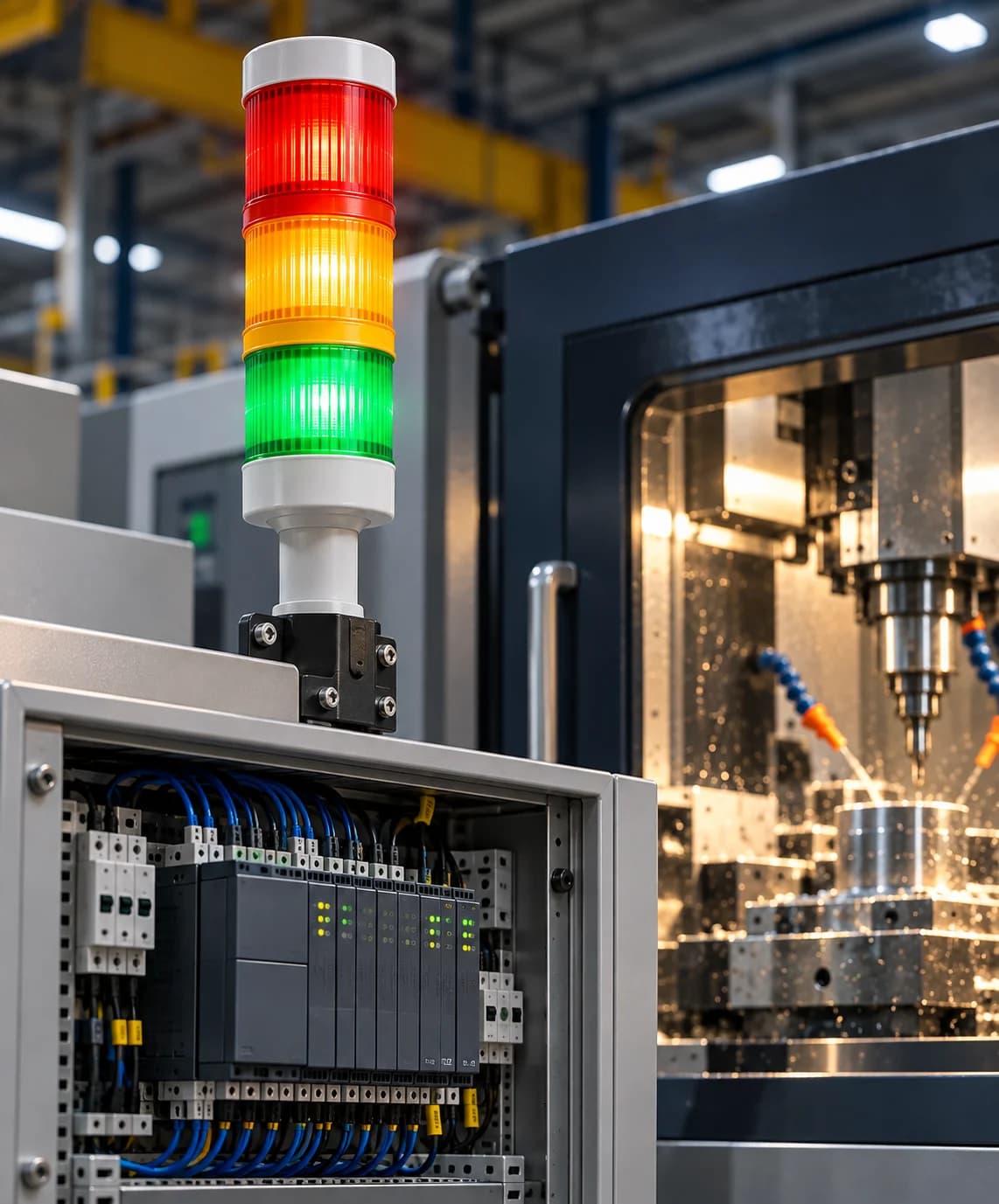
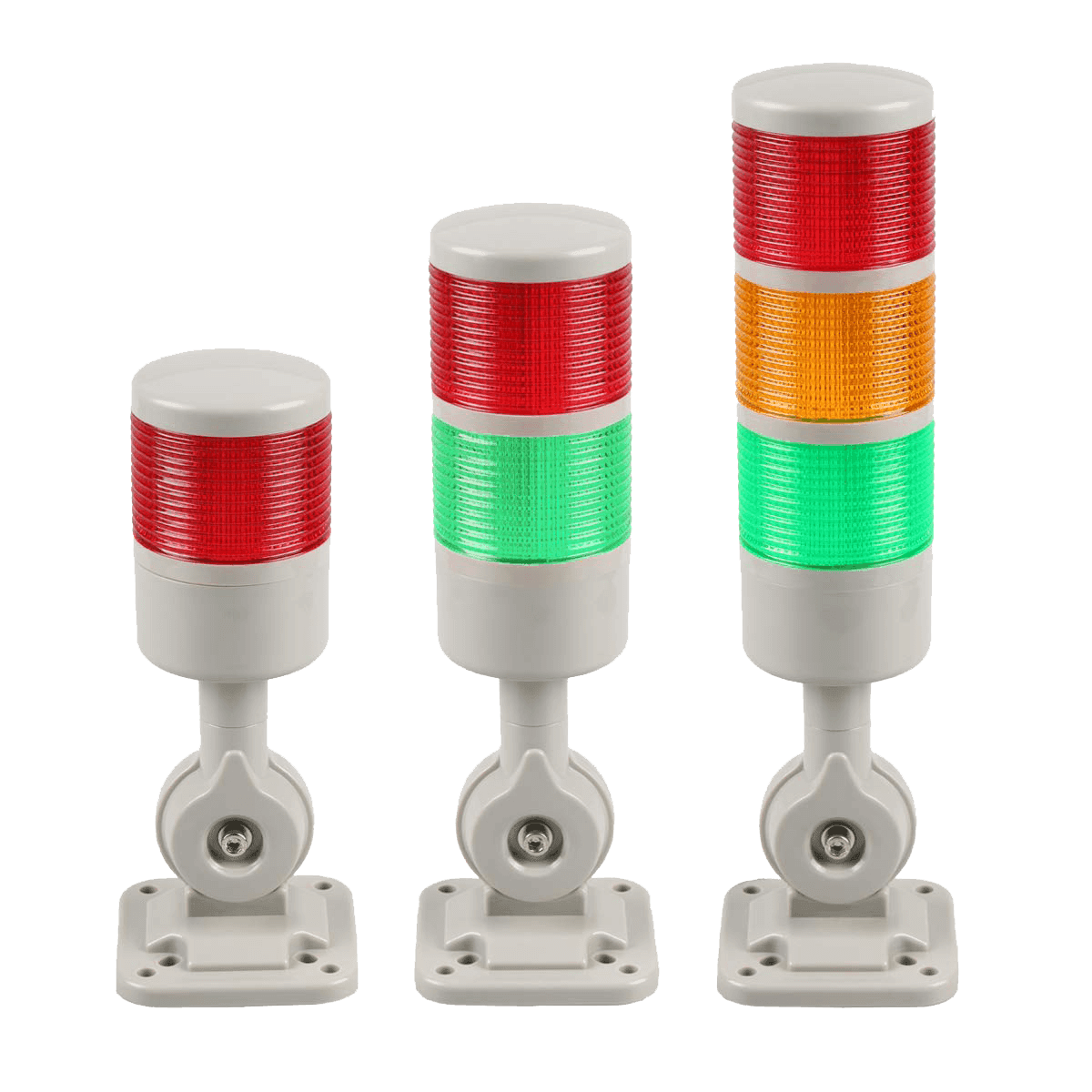
A Machine Utilization Tracking System works by categorizing machine activity into clear states. Running means the machine is actively producing. Idle means it is available but not producing. Stopped indicates a fault or breakdown. Tracking these states in real time provides a complete picture of machine performance. It also helps identify hidden inefficiencies such as frequent micro-stoppages that are often overlooked but significantly impact productivity.
Unlocking Hidden Capacity
One of the most valuable outcomes of a Machine Utilization Tracking System is discovering unused capacity. Many factories assume they are operating near full capacity, but real data often tells a different story. Machines that appear busy may actually spend a significant amount of time idle or underutilized. By identifying these gaps, manufacturers can increase output without investing in new equipment. This leads to better resource utilization and higher profitability.
Reducing Downtime and Improving Reliability
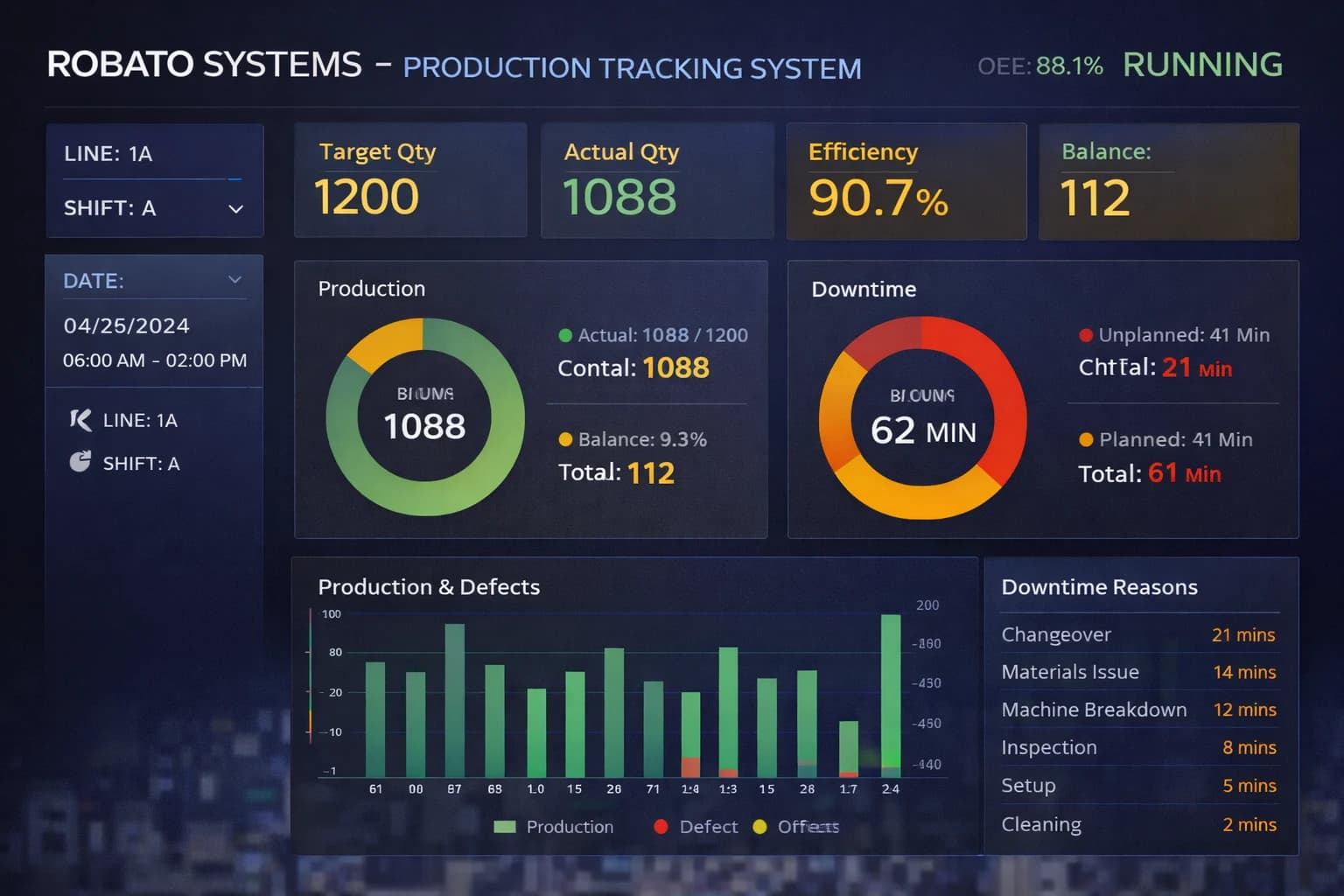
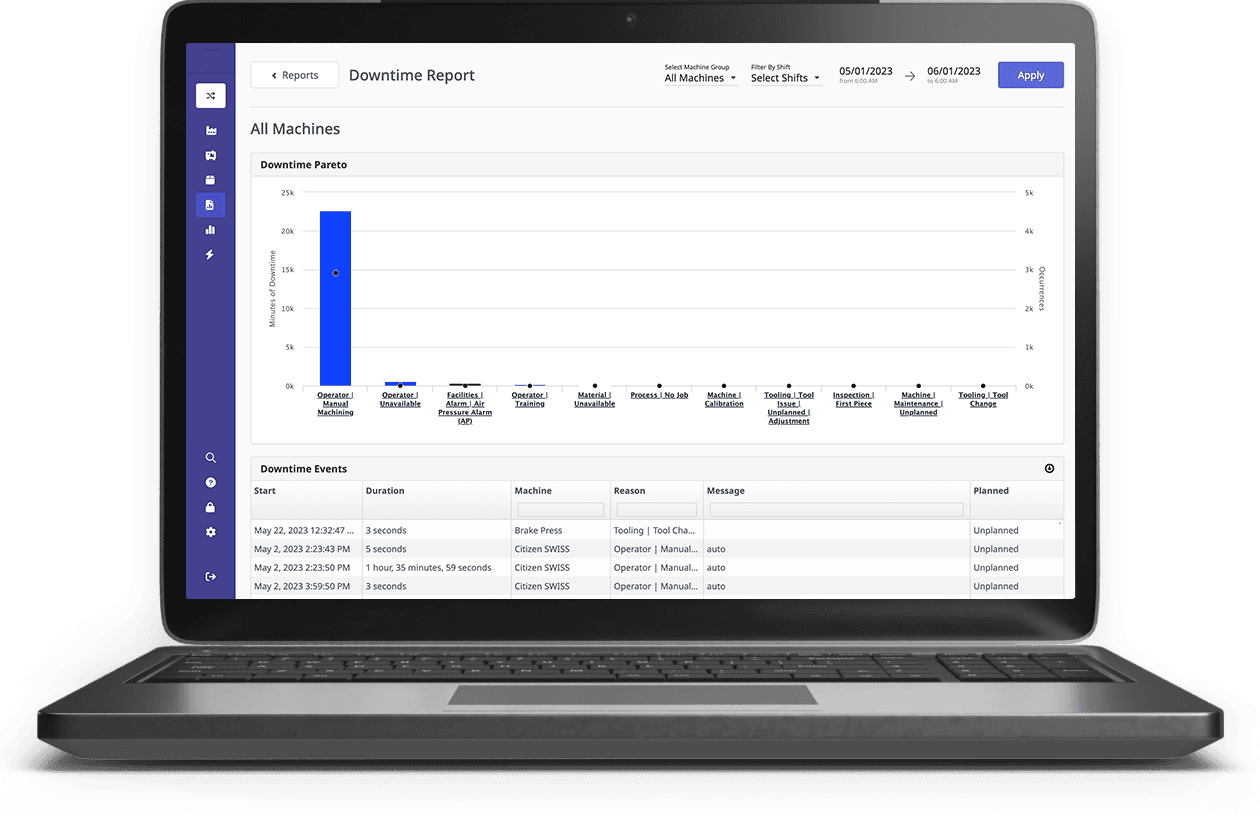
Unplanned downtime is one of the biggest barriers to productivity. A Machine Utilization Tracking System helps reduce this by tracking downtime events in detail. It records when a machine stops, how long it remains down, and why the stoppage occurred. This information helps maintenance teams identify recurring issues and take preventive action.
Over time, this leads to improved machine reliability and reduced production losses.
Automated Data Collection for Accuracy
A key strength of a Machine Utilization Tracking System is automated data collection. Instead of relying on manual input, the system gathers data directly from machines. This ensures accuracy and consistency while eliminating human error. It also reduces the workload on operators, allowing them to focus on production rather than reporting.
Integration with IIoT for Smarter Operations
Modern utilization tracking systems are powered by the Industrial Internet of Things. IIoT connects machines, sensors, and software into a unified network, enabling real-time data collection and analysis. This allows manufacturers to monitor machine health, track performance, and predict failures before they occur. This integration transforms traditional factories into smart, data-driven operations.
Driving Continuous Improvement
A Machine Utilization Tracking System is not just about monitoring. It is about improving performance over time. By analyzing historical data, manufacturers can identify trends, set performance benchmarks, and measure progress. Even small improvements in utilization can lead to significant gains in productivity and revenue. This makes utilization tracking a key component of any continuous improvement strategy.
A Smart Investment for Modern Manufacturing
Investing in a Machine Utilization Tracking System delivers measurable benefits. It increases productivity, reduces costs, and improves decision making. It also helps manufacturers stay competitive by enabling faster responses to production challenges and changing market demands. As manufacturing continues to evolve, the ability to track and optimize machine utilization will become a key differentiator.
Conclusion
A Machine Utilization Tracking System provides the visibility and insights needed to run a more efficient factory. By replacing guesswork with real data, it helps manufacturers unlock hidden capacity, reduce downtime, and improve overall performance.
For any organization looking to optimize production and maximize efficiency, adopting a Machine Utilization Tracking System is not just an upgrade. It is a strategic necessity.