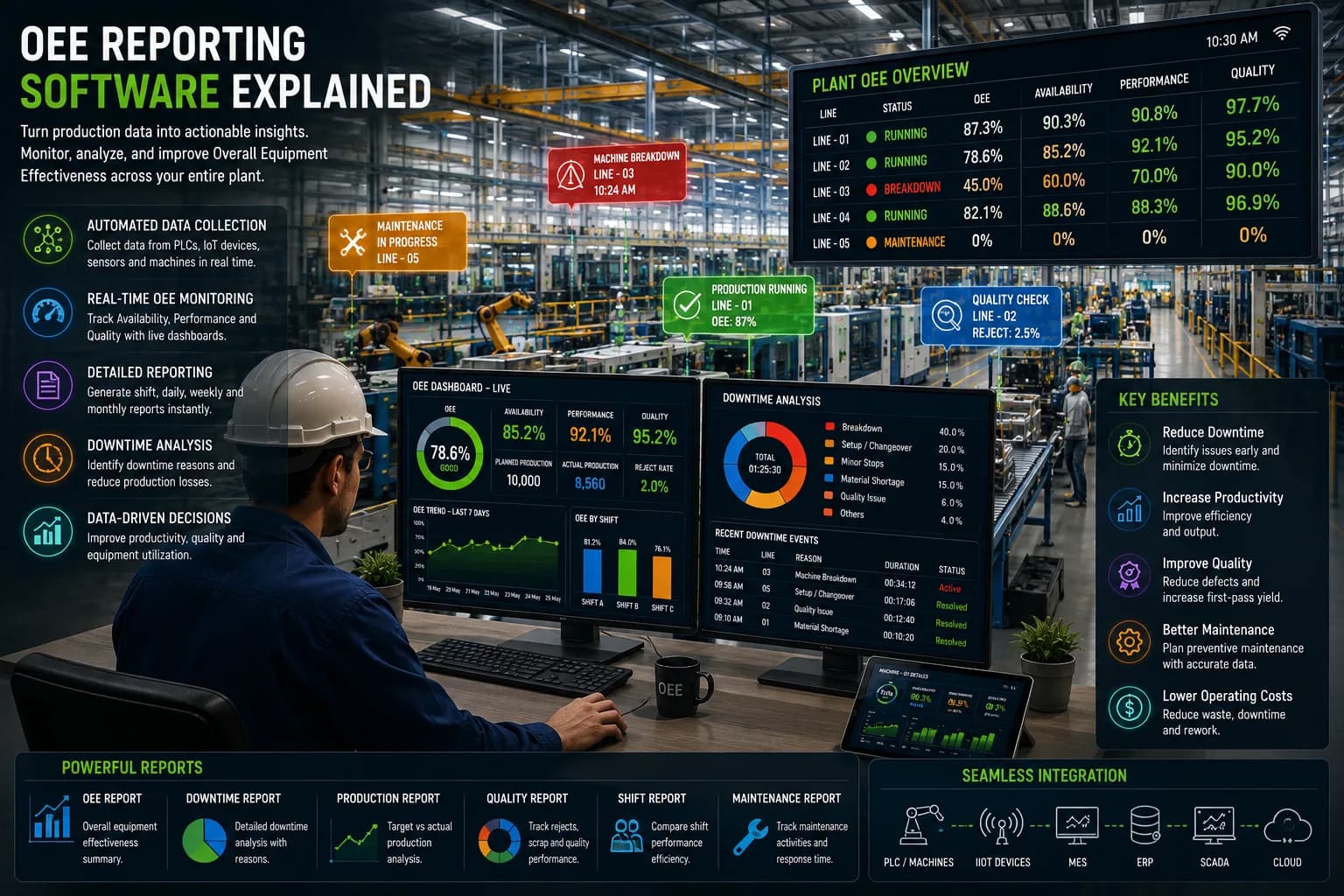
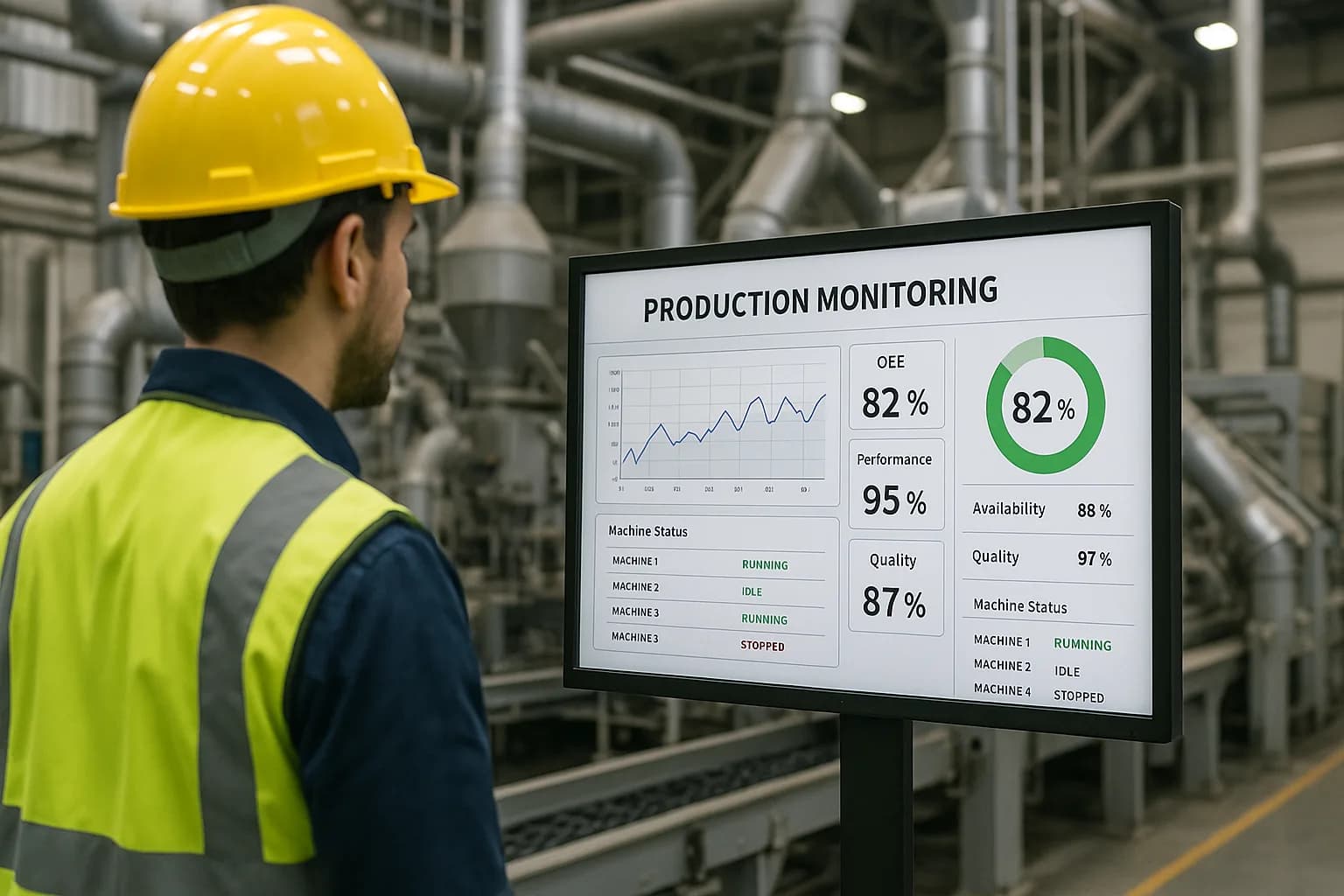
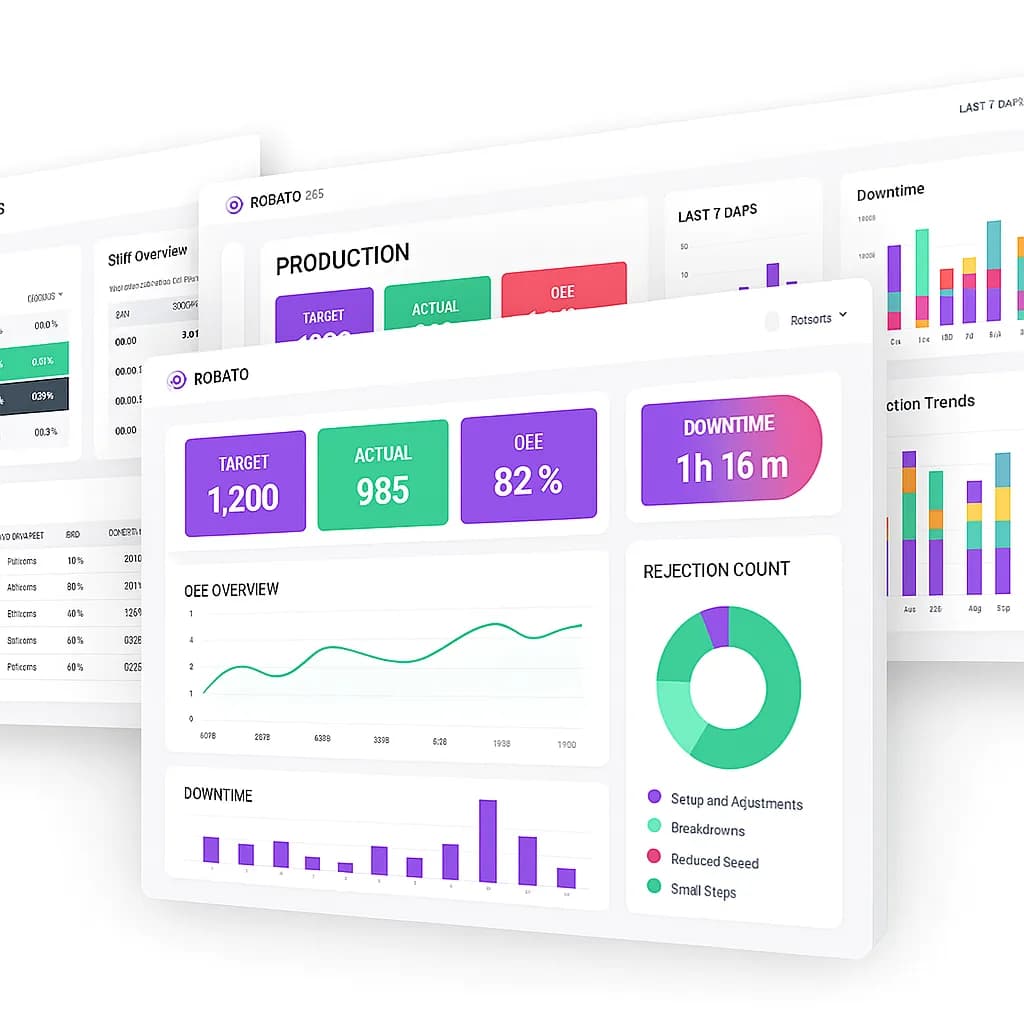
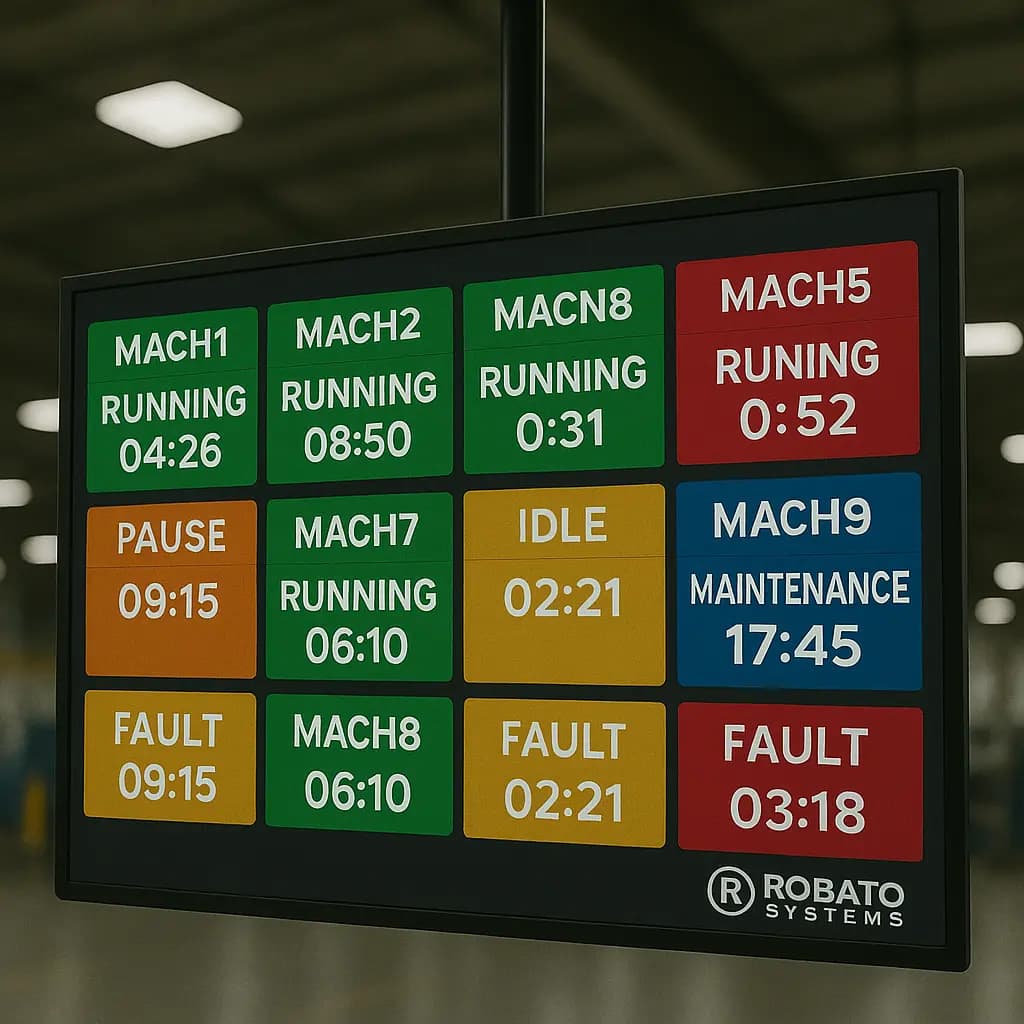
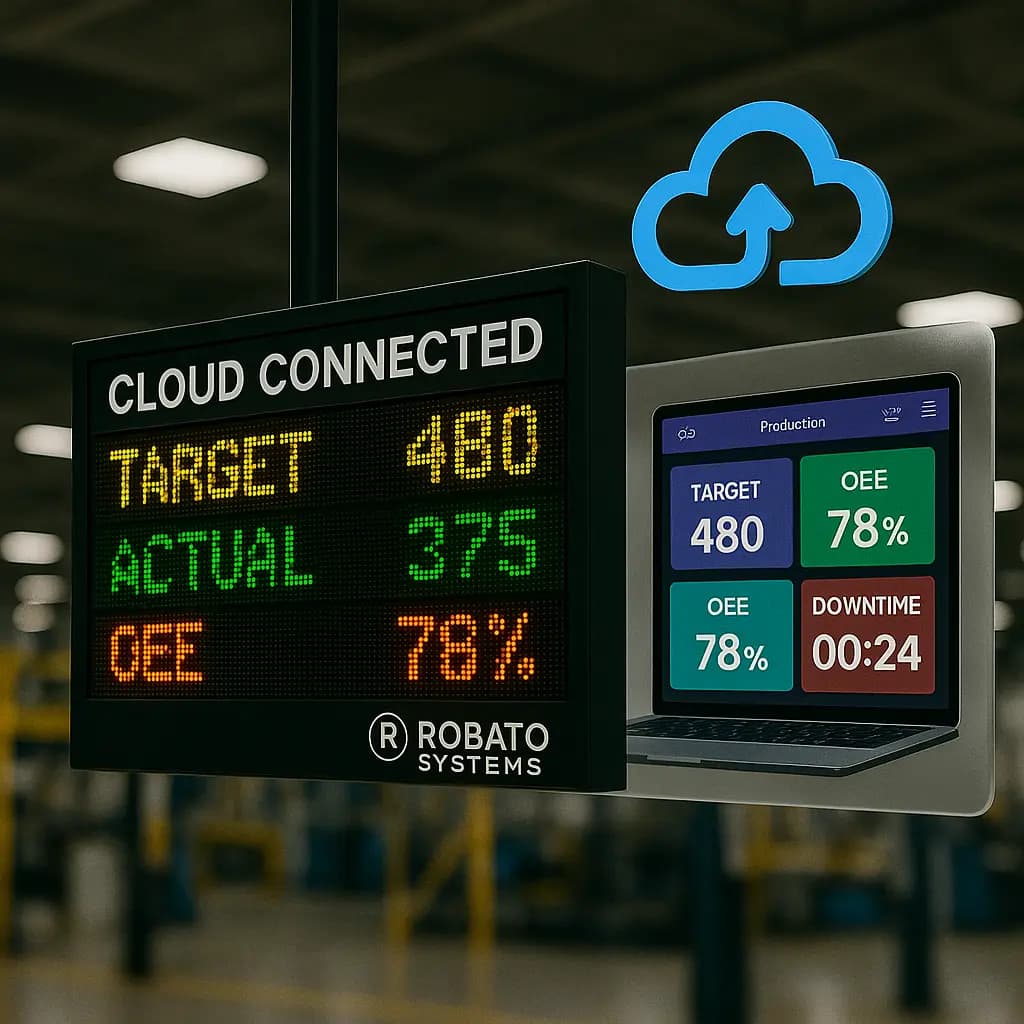
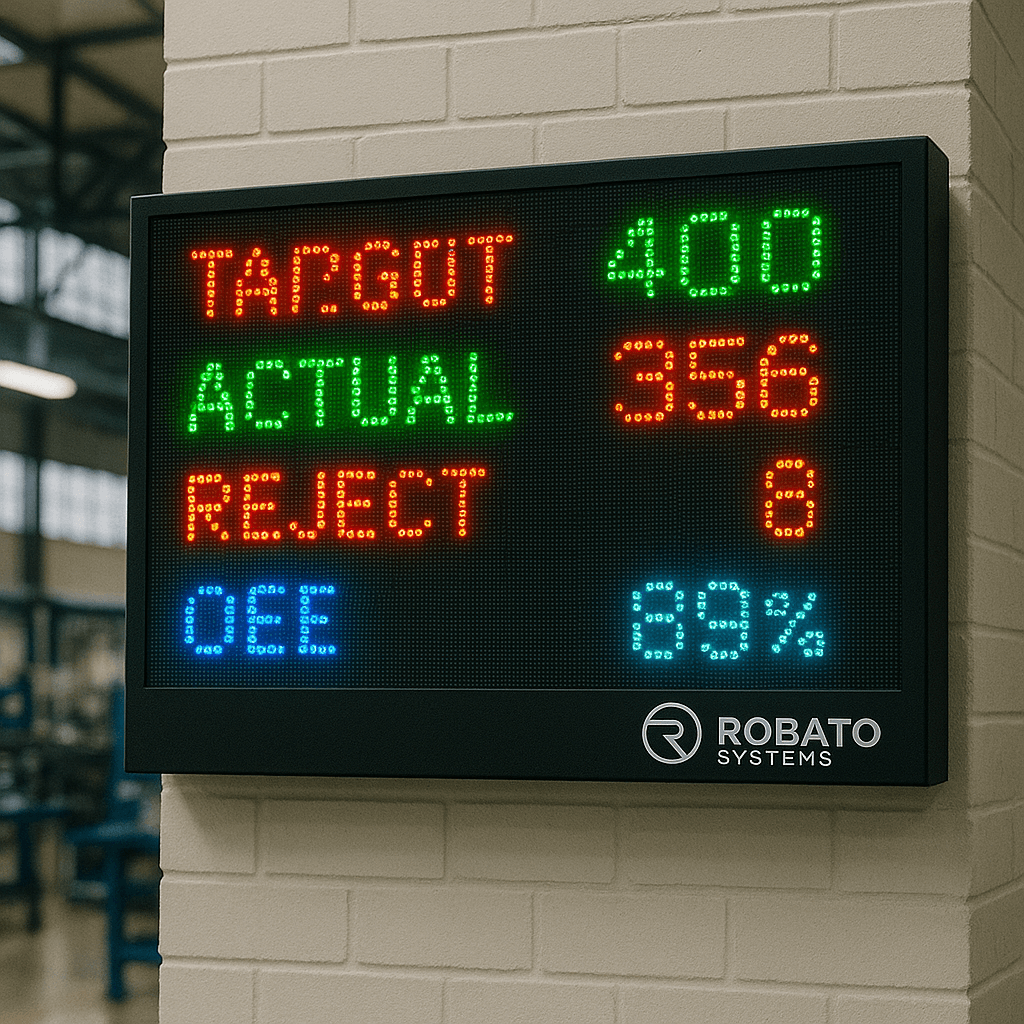
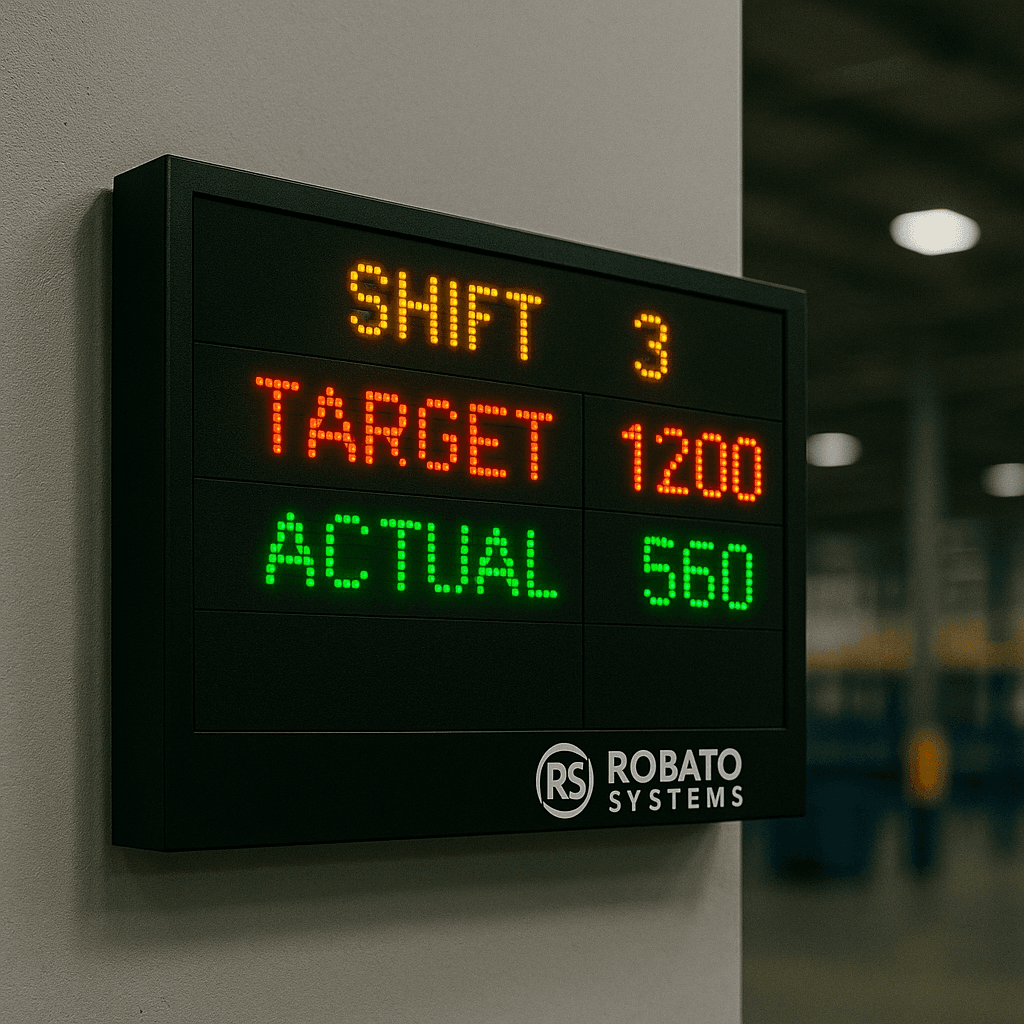
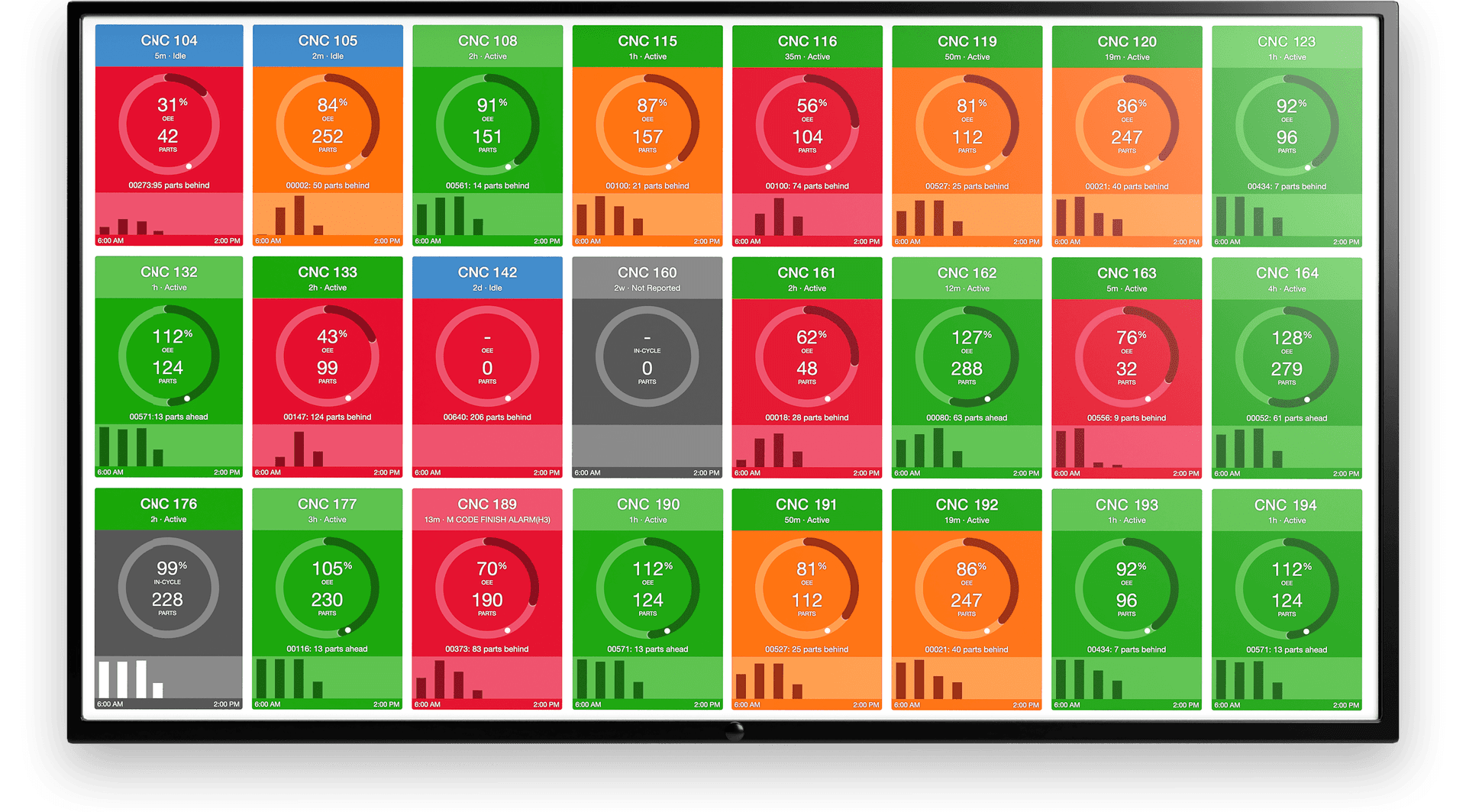
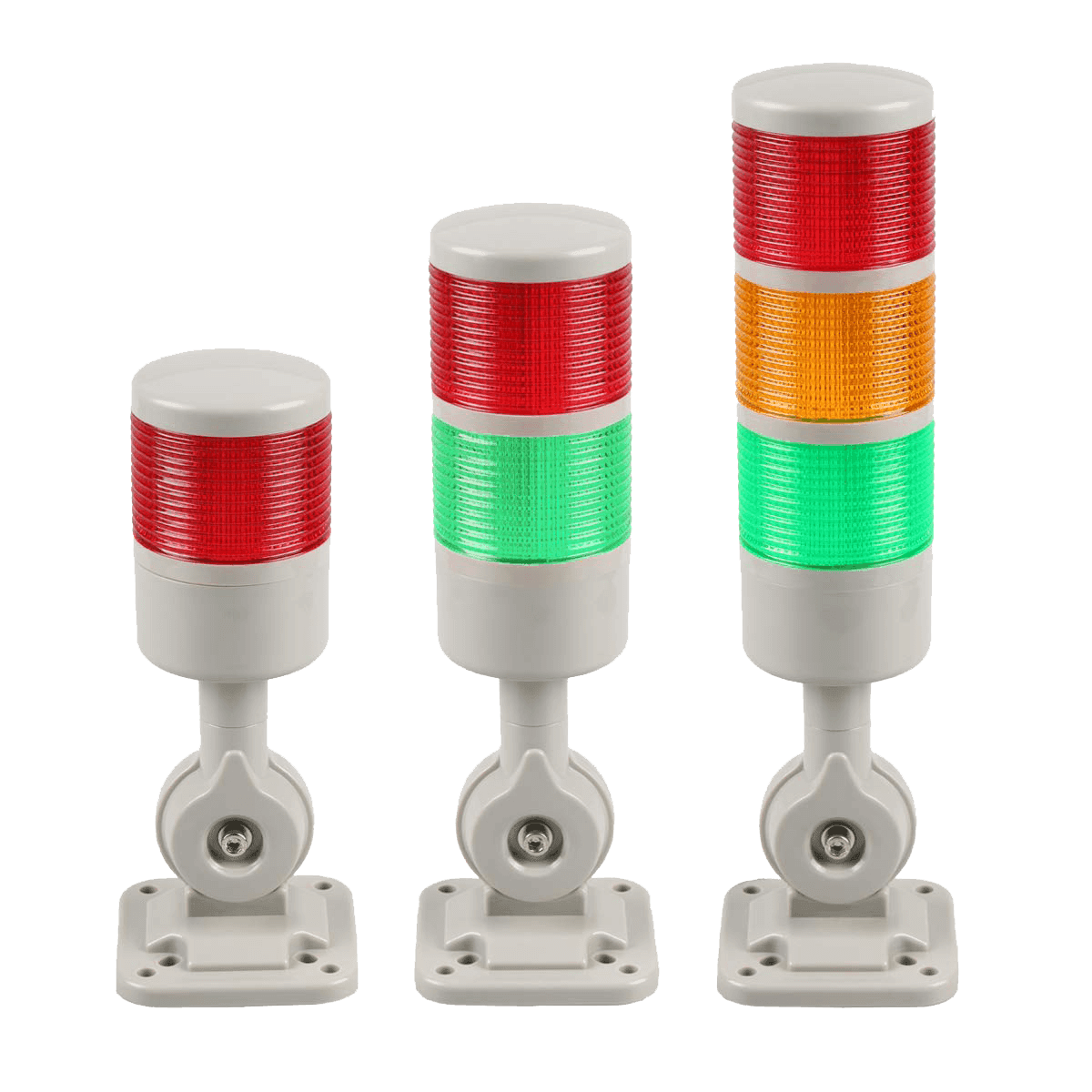
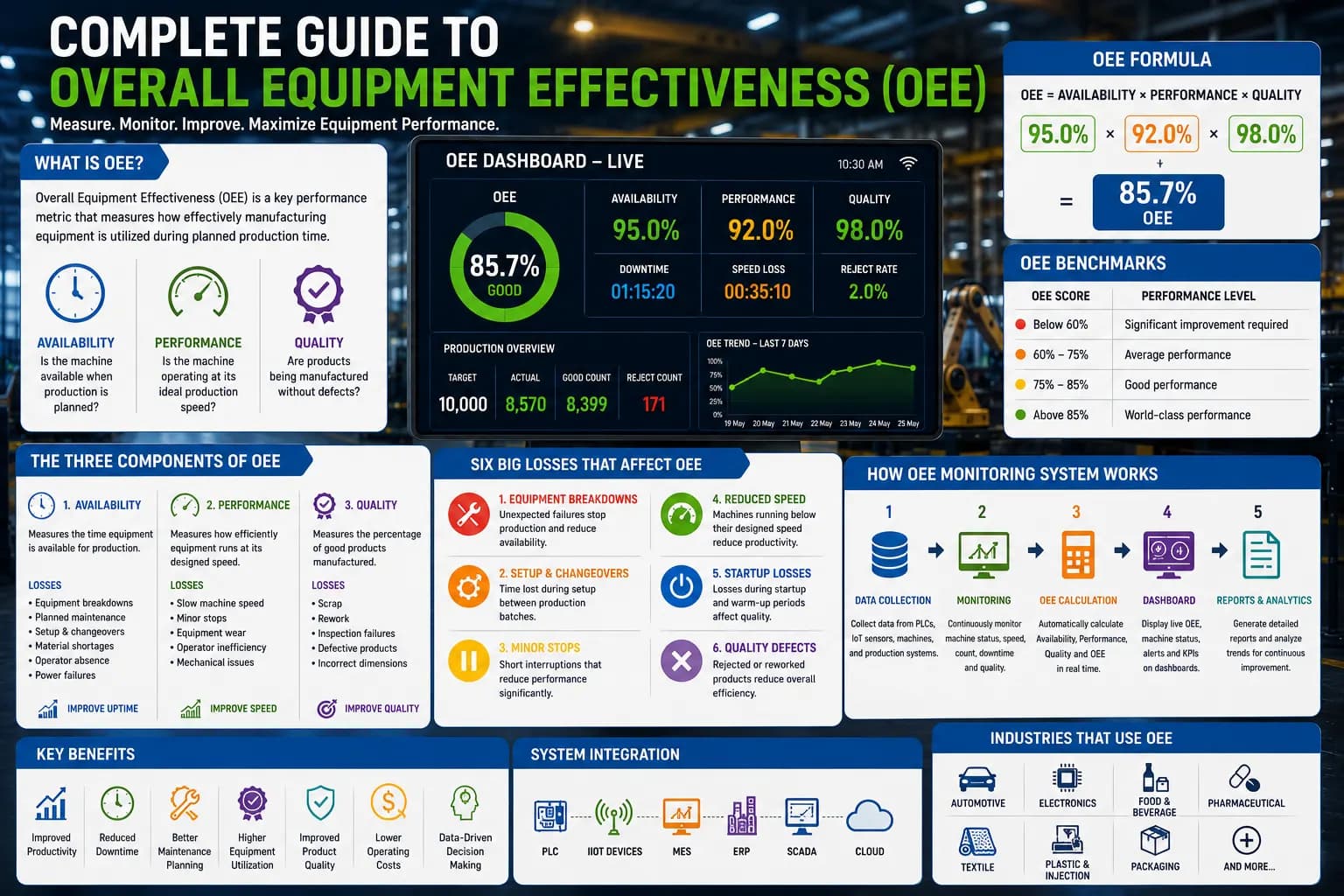
Manufacturers across the world are constantly looking for ways to improve productivity, reduce downtime, increase product quality, and maximize the return on investment from their production equipment. As factories become more automated and customer expectations continue to rise, simply measuring production output is no longer enough. Manufacturers need a standardized way to evaluate how efficiently their machines are performing throughout the production process. This is where Overall Equipment Effectiveness (OEE) becomes one of the most valuable manufacturing metrics.
Overall Equipment Effectiveness, commonly known as OEE, is a globally recognized Key Performance Indicator (KPI) used to measure how effectively manufacturing equipment is utilized during planned production time. It evaluates equipment performance by combining three essential factors: Availability, Performance, and Quality. Together, these metrics provide a clear picture of production efficiency and help manufacturers identify hidden losses that affect profitability.
Whether you are managing a single production line or a large manufacturing facility with hundreds of machines, understanding and improving Overall Equipment Effectiveness can significantly increase productivity, reduce operating costs, and support continuous improvement initiatives.
What is Overall Equipment Effectiveness (OEE)?
Overall Equipment Effectiveness (OEE) is a manufacturing performance metric that measures how effectively production equipment is utilized compared to its maximum potential during scheduled production time.
Rather than simply measuring machine uptime or production quantity, OEE evaluates three critical aspects of manufacturing performance:
- Availability – Is the machine available when production is planned?
- Performance – Is the machine operating at its ideal production speed?
- Quality – Are products being manufactured without defects?
By combining these three factors, OEE provides a single percentage that represents the overall effectiveness of manufacturing equipment.
A higher OEE score indicates better equipment utilization, fewer production losses, and improved operational efficiency.
Why is OEE Important?
Many manufacturers focus only on production output without understanding the reasons behind production losses. Two machines may produce the same number of products, but one may experience significantly higher downtime, slower production speeds, or greater product rejection rates.
OEE helps manufacturers identify these hidden losses and answer questions such as:
- Why is production slower than expected?
- Which machines experience the most downtime?
- How much production time is lost due to breakdowns?
- Are quality issues reducing productivity?
- Which production lines require improvement?
- Where should maintenance efforts be focused?
By measuring Overall Equipment Effectiveness, manufacturers gain valuable insights that support data-driven decision-making and continuous improvement.
The Three Components of OEE
1. Availability
Availability measures how much of the planned production time is actually available for manufacturing.
Availability losses occur when equipment is unable to produce due to planned or unplanned stoppages.
Common causes include:
- Machine breakdowns
- Preventive maintenance
- Changeovers
- Material shortages
- Operator absence
- Power failures
- Equipment setup
Improving availability reduces production interruptions and increases machine uptime.
2. Performance
Performance measures how efficiently equipment operates compared to its designed production speed.
Even if a machine is running continuously, it may still produce fewer parts than expected because of reduced operating speed or frequent minor stops.
Performance losses include:
- Slow machine speed
- Minor stoppages
- Equipment wear
- Operator inefficiency
- Mechanical issues
- Material inconsistencies
Improving performance allows manufacturers to increase production without investing in additional equipment.
3. Quality
Quality measures the percentage of products produced without defects.
Quality losses occur whenever products require rework or are rejected.
Common quality issues include:
- Scrap
- Rework
- Inspection failures
- Defective products
- Incorrect dimensions
- Surface defects
High-quality production reduces waste, improves customer satisfaction, and increases profitability.
OEE Formula
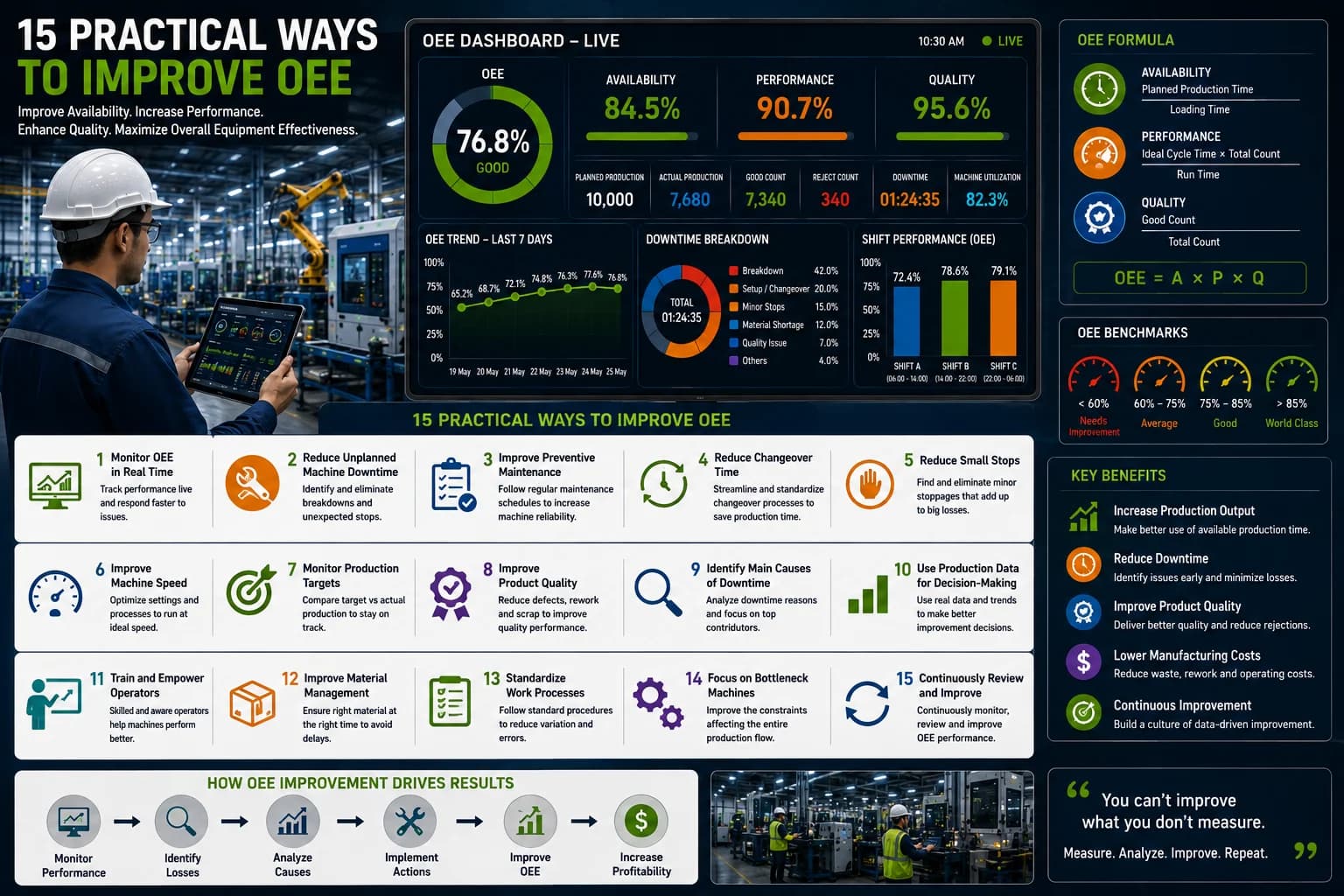
Overall Equipment Effectiveness is calculated by multiplying Availability, Performance, and Quality.
OEE = Availability × Performance × Quality
For example:
- Availability = 95%
- Performance = 92%
- Quality = 98%
Overall Equipment Effectiveness:
95% × 92% × 98% = 85.7% OEE
This means the manufacturing equipment is operating at approximately 86% of its ideal production capacity.
What is a Good OEE Score?
Although OEE targets vary across industries, the following benchmarks are commonly used:
| OEE Score | Performance Level |
|---|---|
| Below 60% | Significant improvement required |
| 60% – 75% | Average manufacturing performance |
| 75% – 85% | Good performance |
| Above 85% | World-class manufacturing |
Manufacturers should focus on continuous improvement rather than achieving a perfect score immediately.
Six Big Losses That Affect OEE
The concept of OEE identifies six major production losses that reduce equipment effectiveness.
1. Equipment Breakdowns
Unexpected failures stop production and reduce availability.
2. Setup and Changeovers
Machine setup between production batches consumes valuable production time.
3. Minor Stops
Short production interruptions often go unnoticed but reduce performance.
4. Reduced Speed
Machines operating below their designed speed reduce productivity.
5. Startup Losses
Production losses during startup and warm-up periods affect quality.
6. Quality Defects
Rejected products reduce overall manufacturing efficiency.
Identifying and eliminating these losses is essential for improving OEE.
How Overall Equipment Effectiveness is Measured
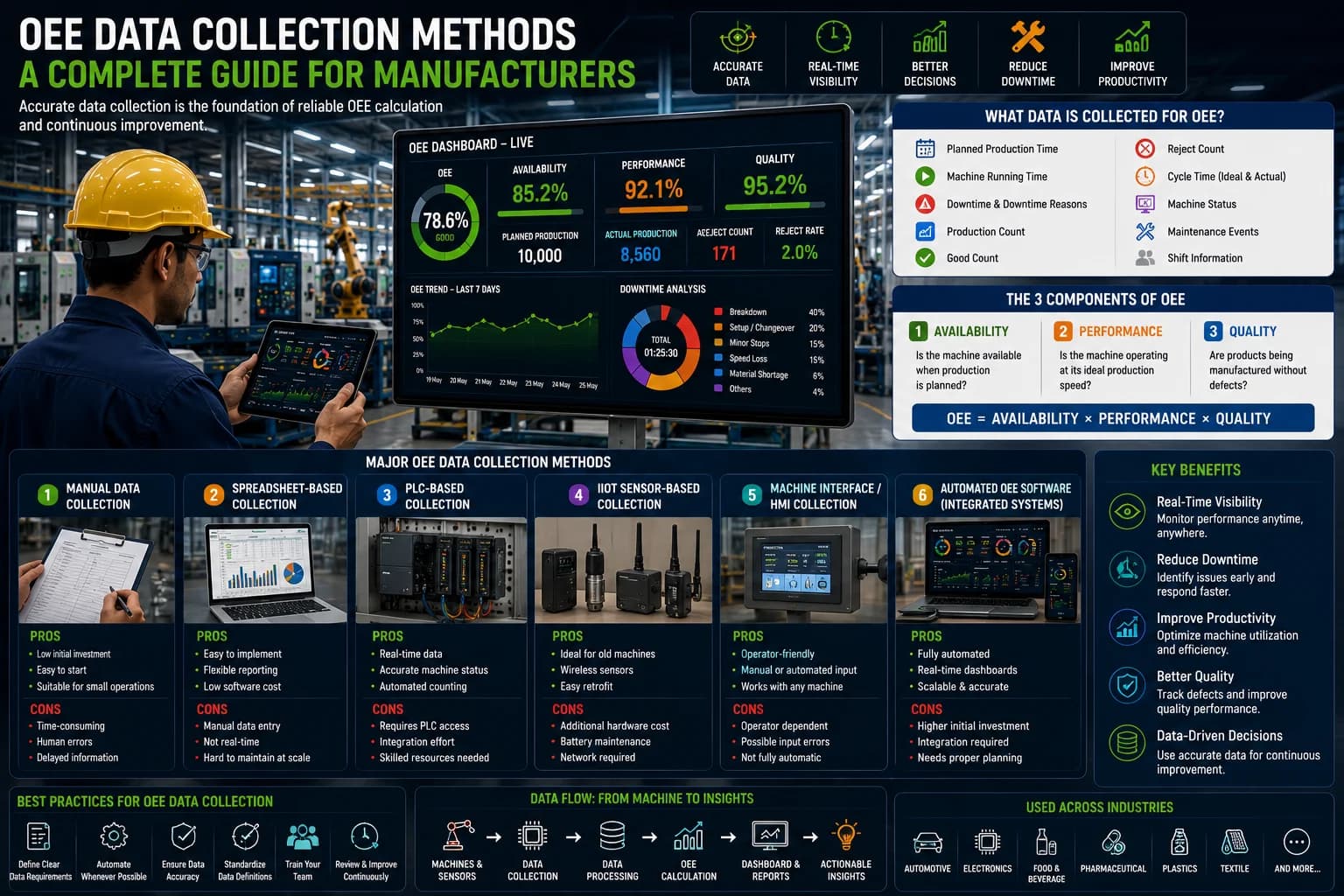
Modern manufacturers use automated systems instead of manual spreadsheets.
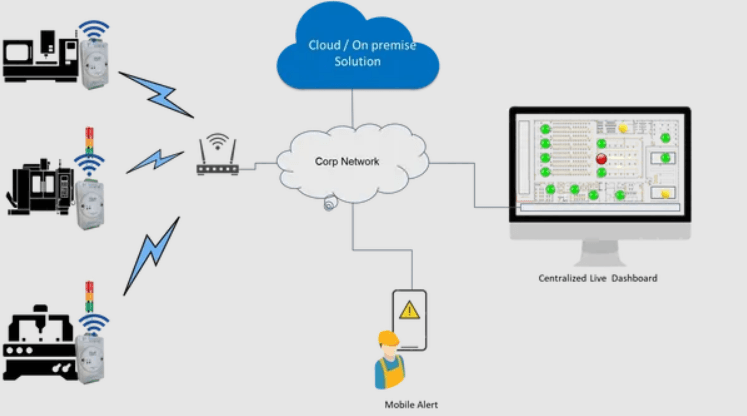
An OEE solution collects data directly from:
- PLCs
- Industrial IoT sensors
- Machine controllers
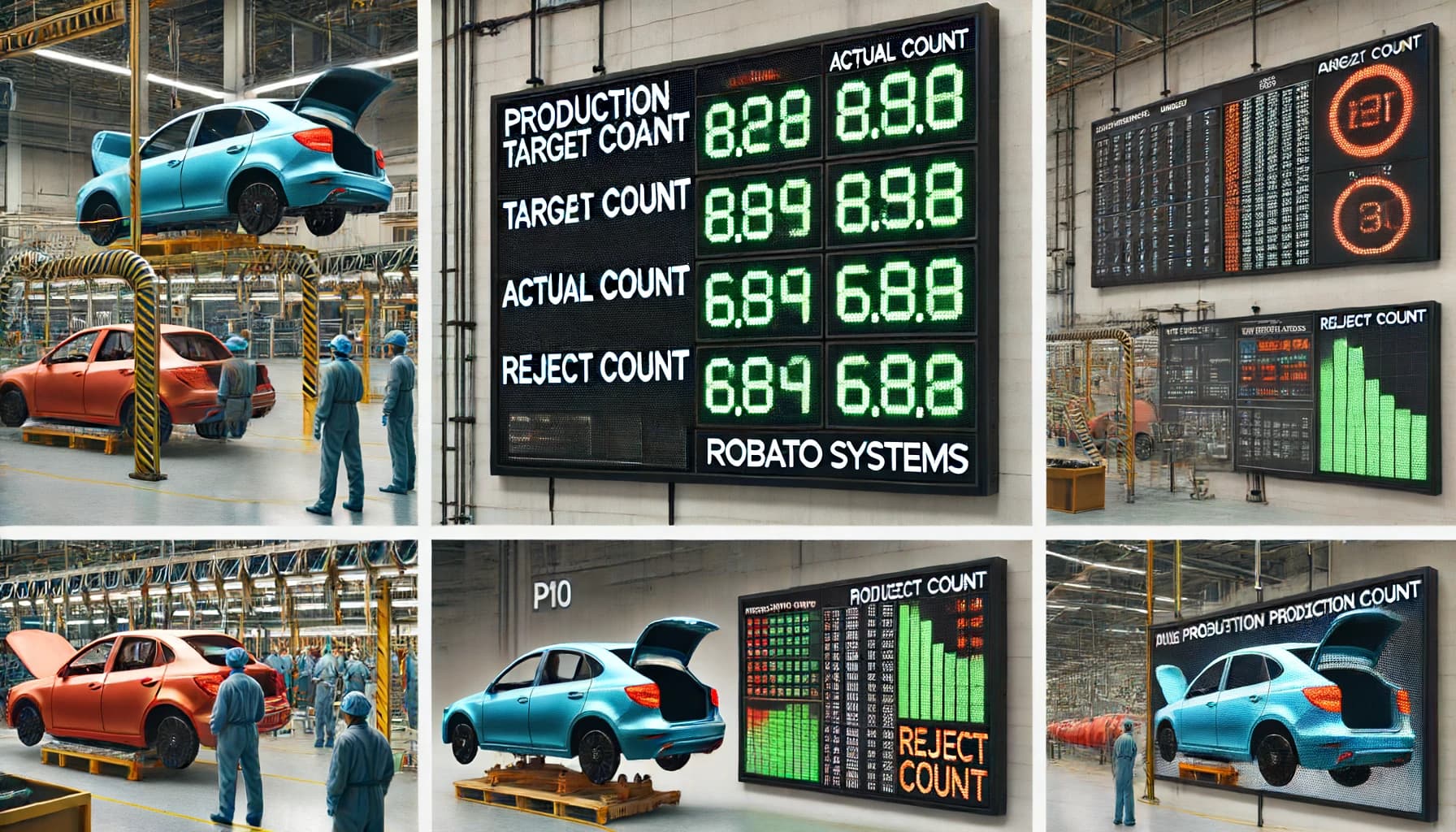
- Production counters
- Barcode scanners
- RFID systems
- MES
- SCADA
- Production Monitoring Software
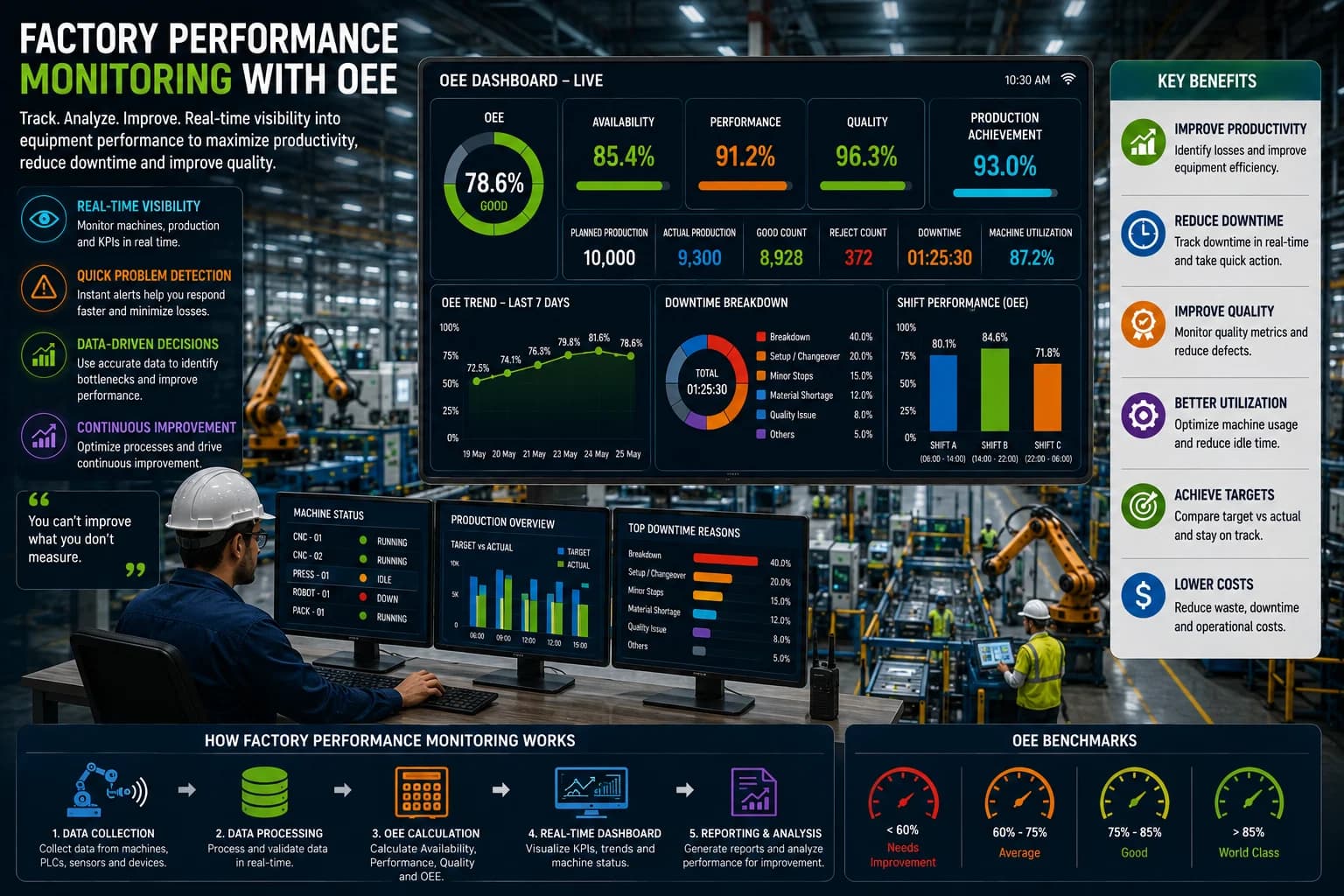
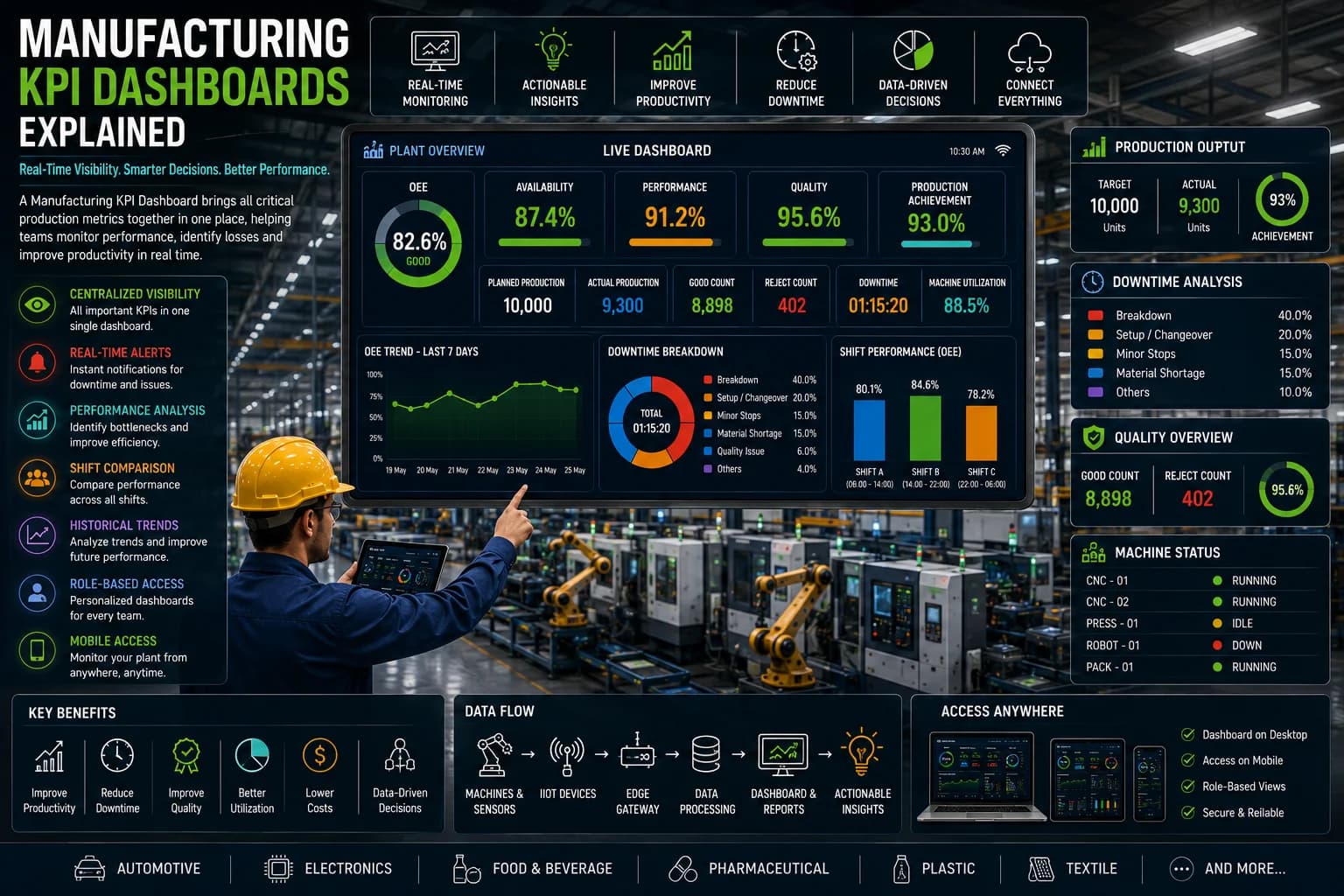
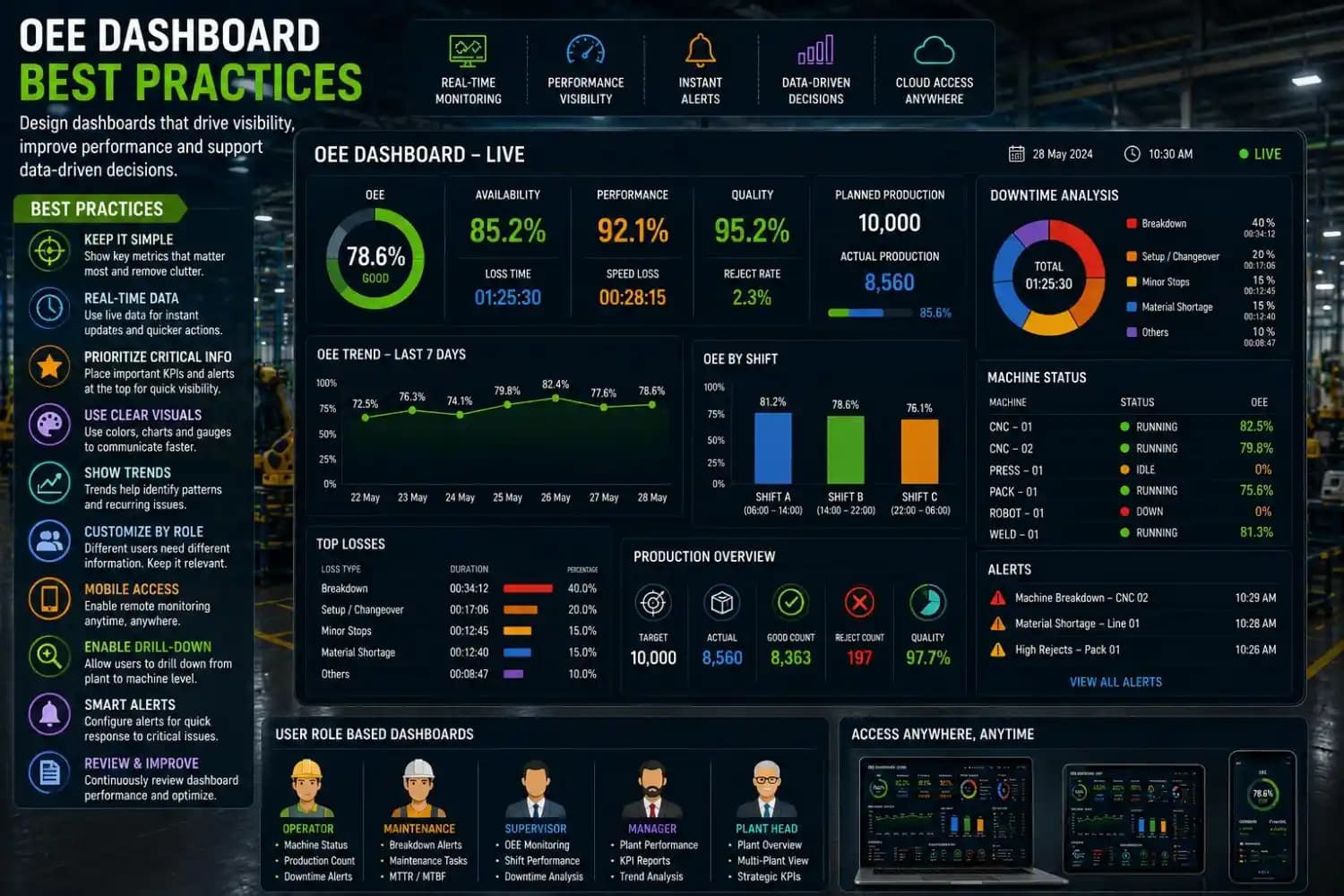
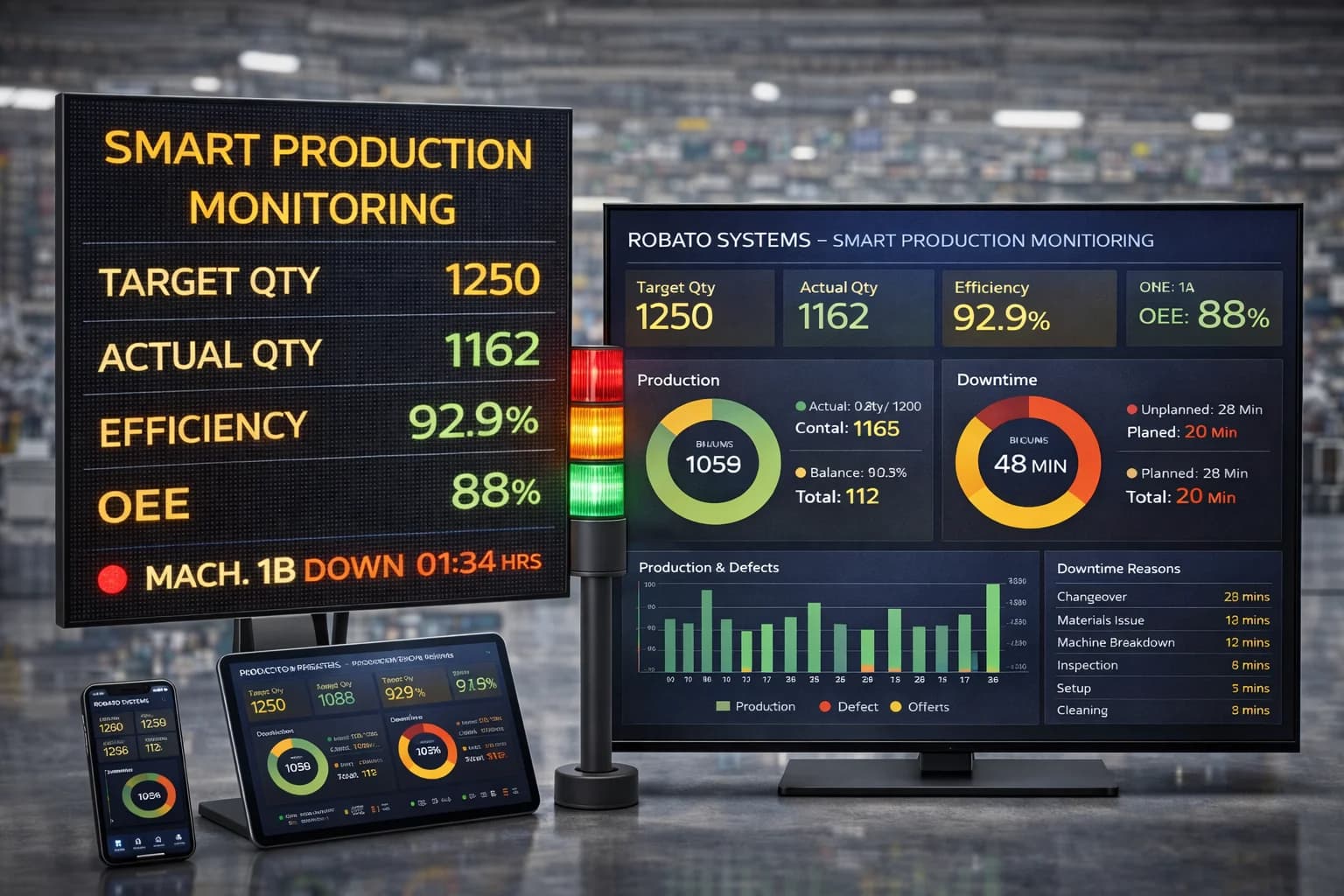
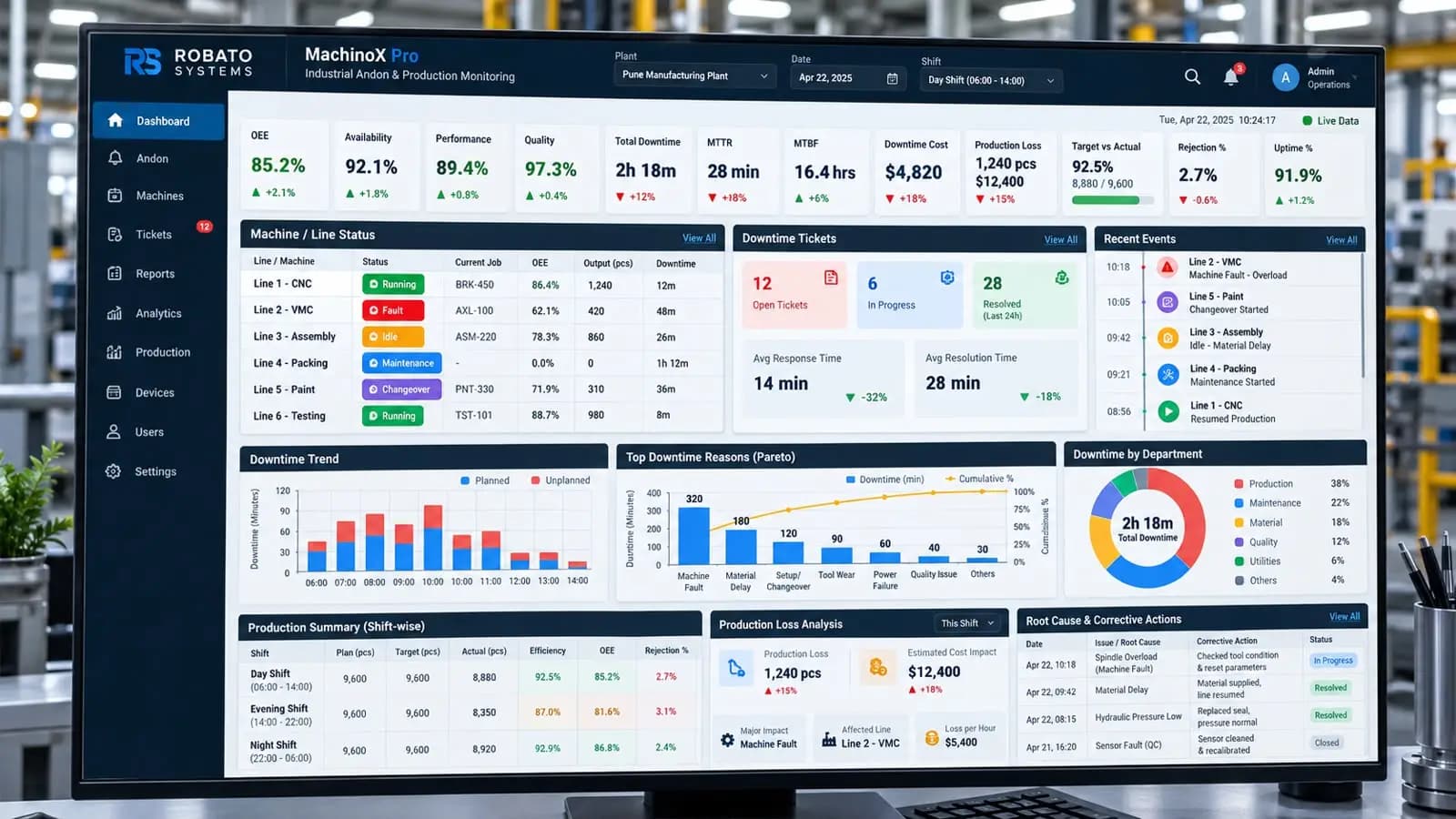
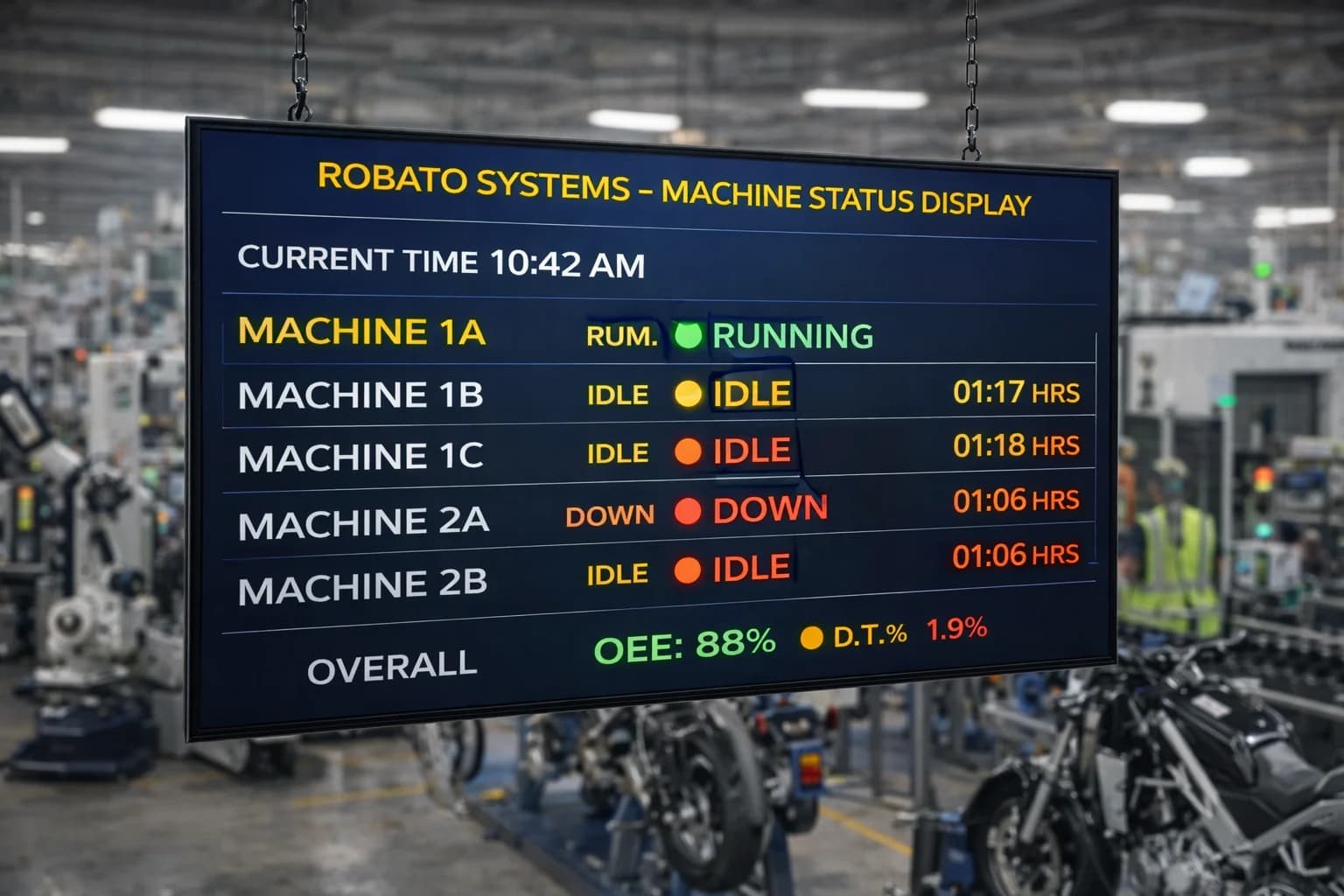
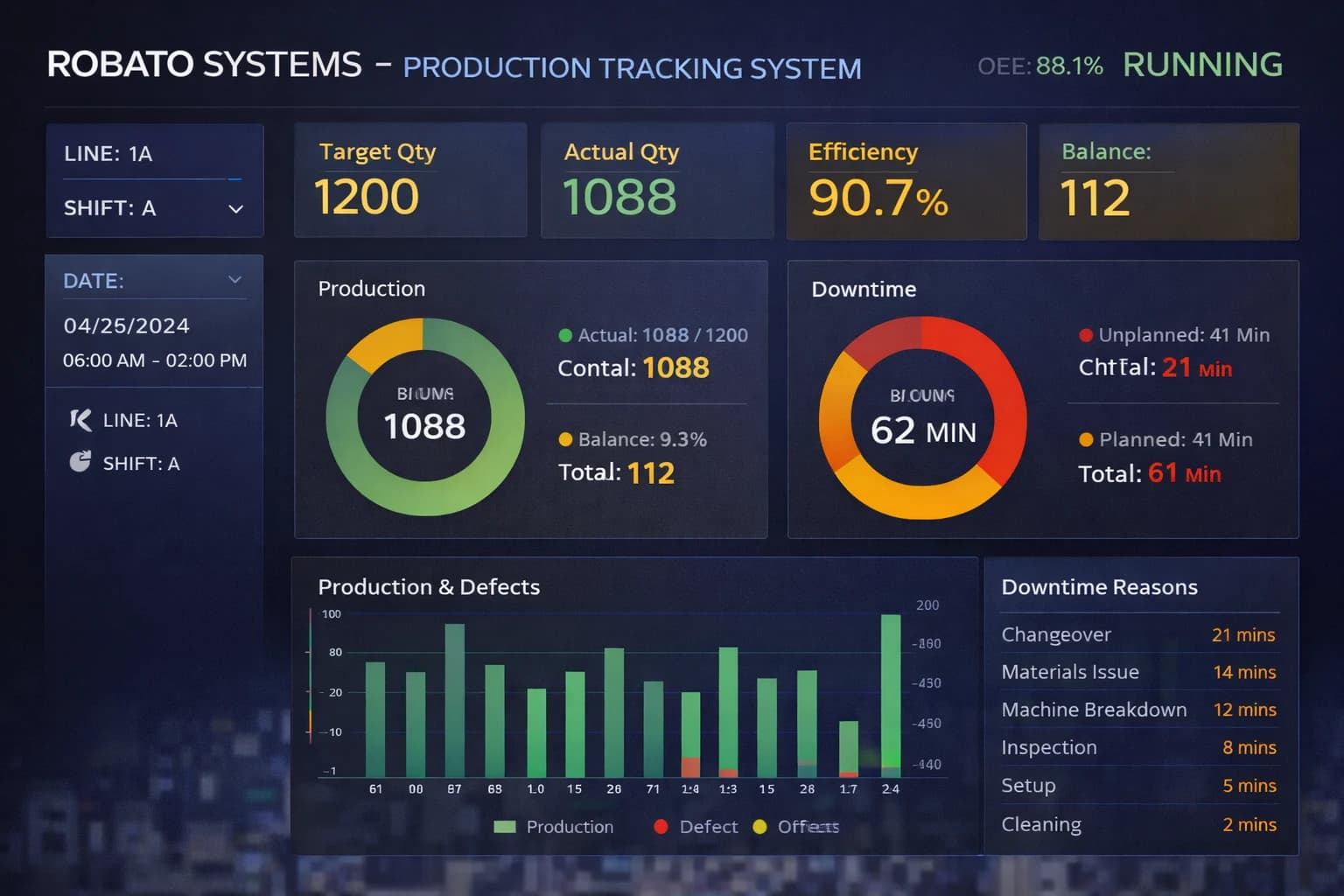
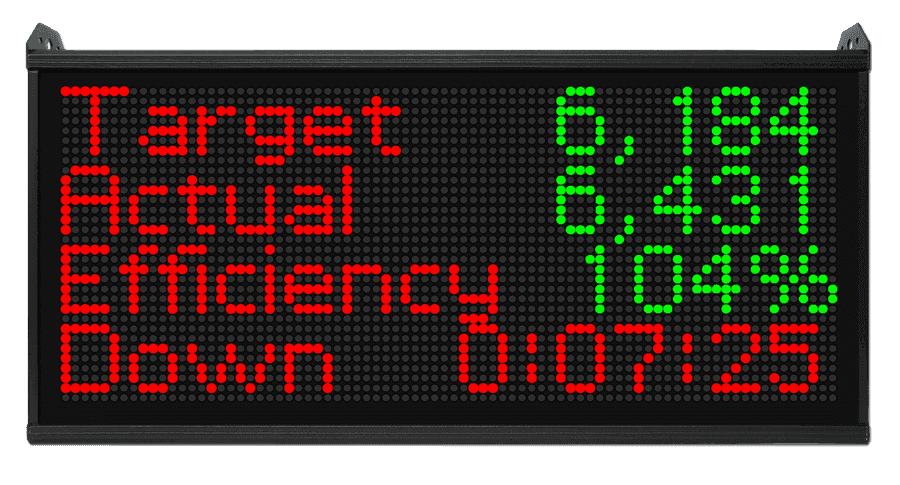
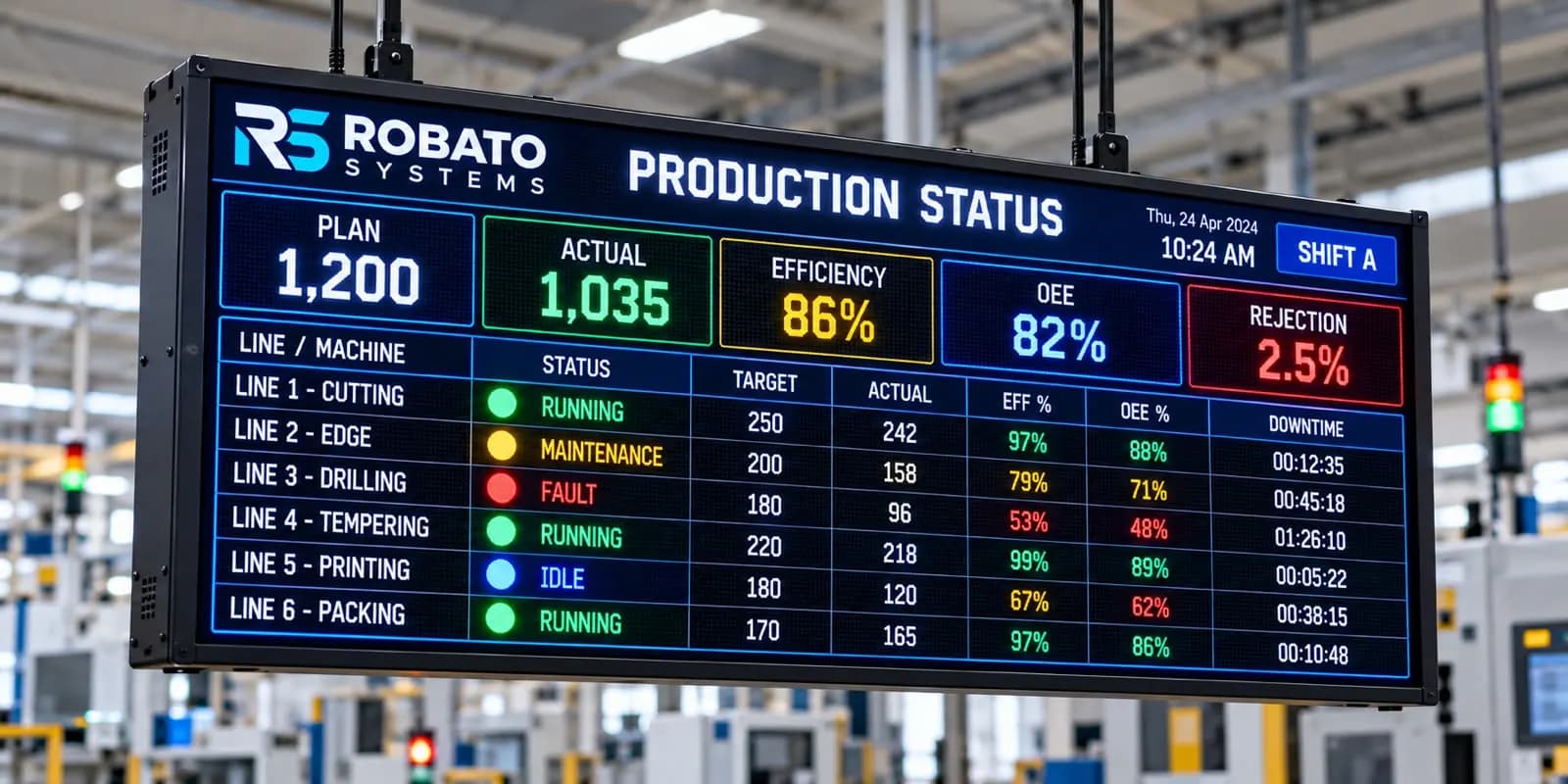
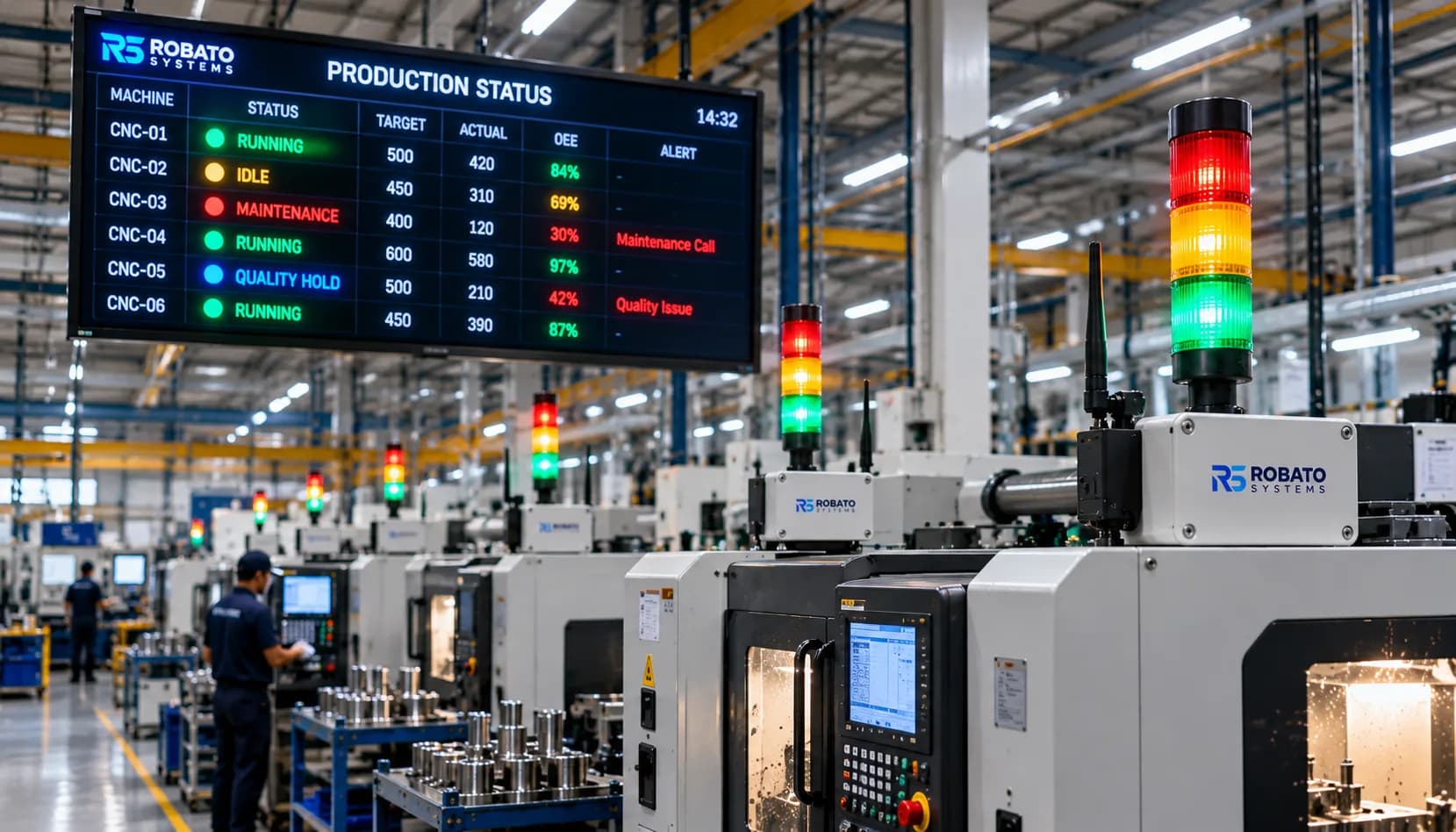
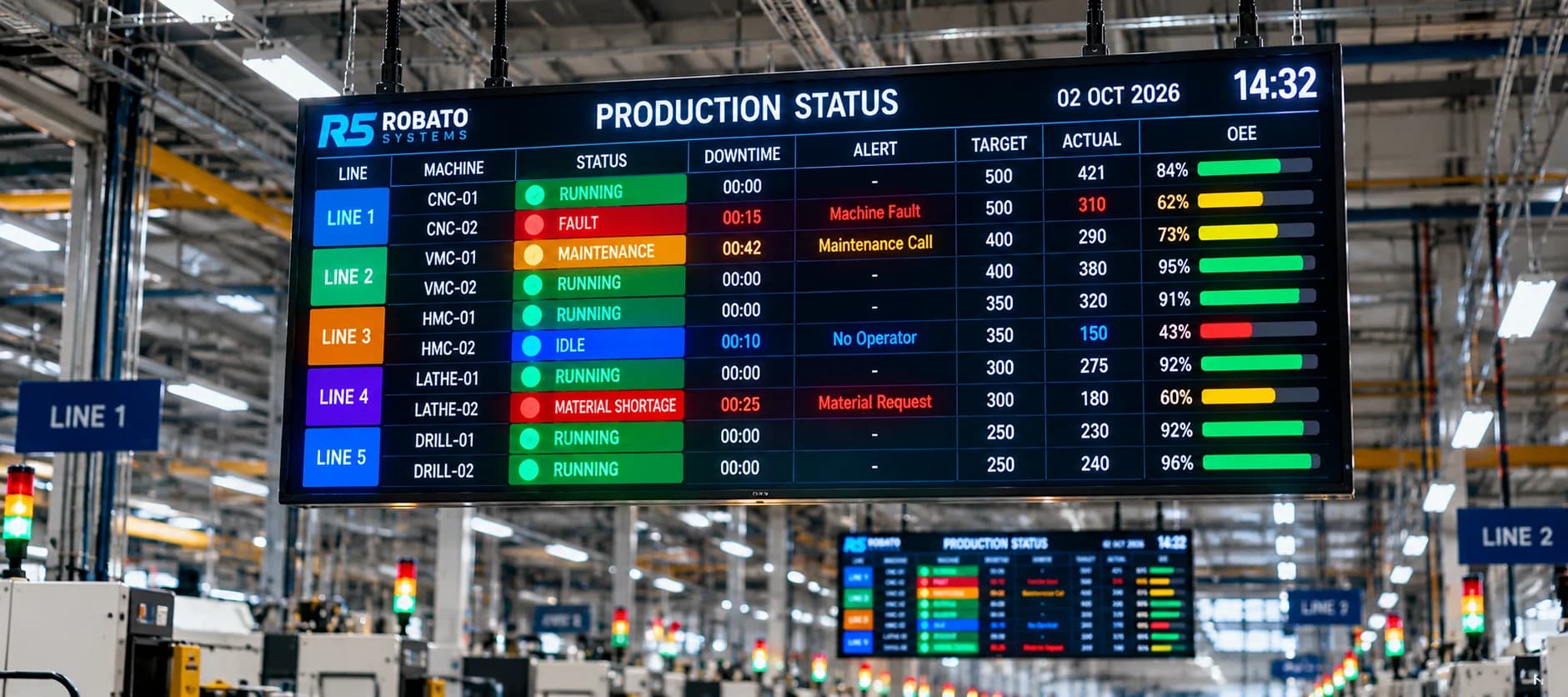
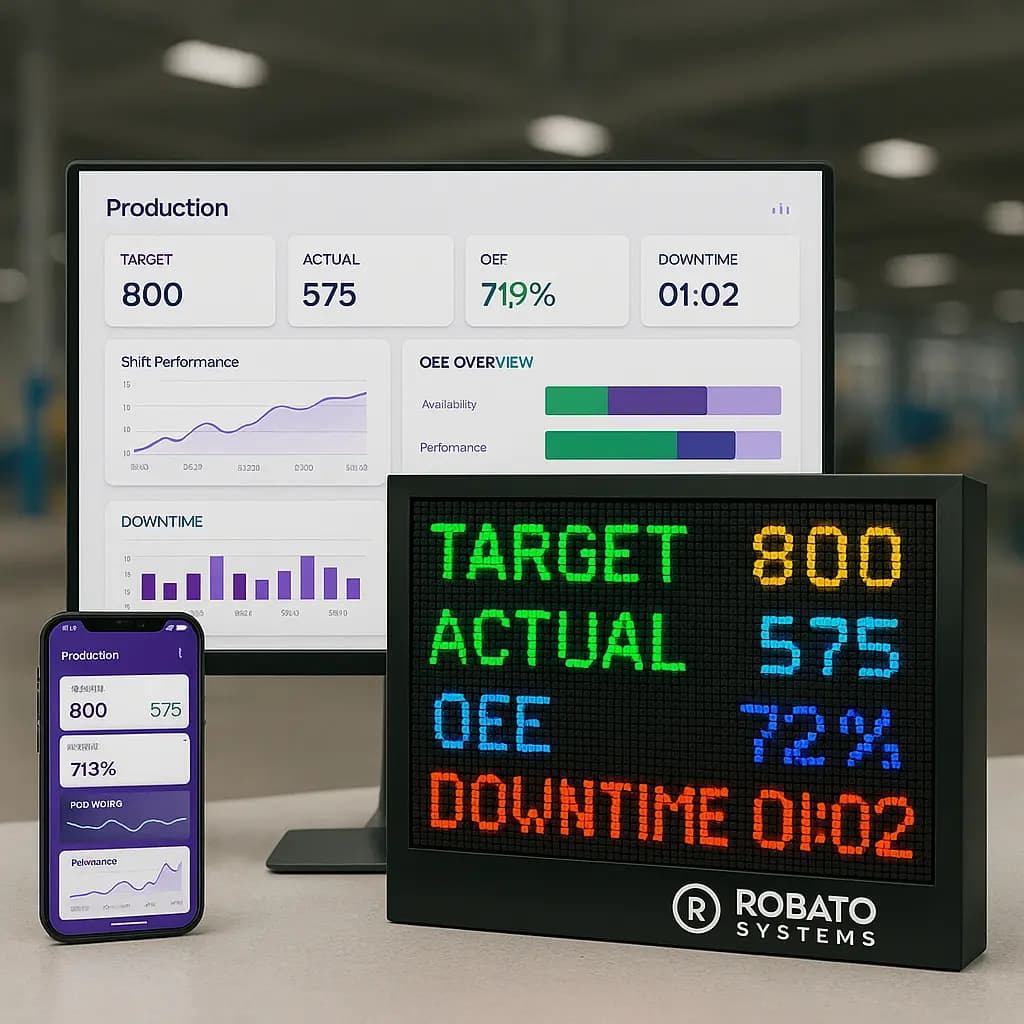
The software continuously calculates OEE and updates dashboards in real time.
Benefits of Measuring Overall Equipment Effectiveness
Improved Production Visibility
Managers gain complete visibility into machine performance.
Reduced Downtime
Machine failures are identified quickly, enabling faster maintenance.
Increased Productivity
Production bottlenecks become easier to identify and eliminate.
Better Equipment Utilization
Machines operate closer to their maximum production capacity.
Improved Product Quality
Monitoring quality losses reduces defects and rework.
Better Maintenance Planning
Historical OEE data supports preventive and predictive maintenance.
Lower Manufacturing Costs
Reducing downtime and waste improves profitability.
Data-Driven Decision Making
Managers use real-time production data instead of assumptions.
Technologies That Support OEE
Modern Overall Equipment Effectiveness solutions integrate with:
- OEE Software
- Production Monitoring Systems
- Industrial IoT (IIoT)
- PLCs
- MES
- ERP
- SCADA
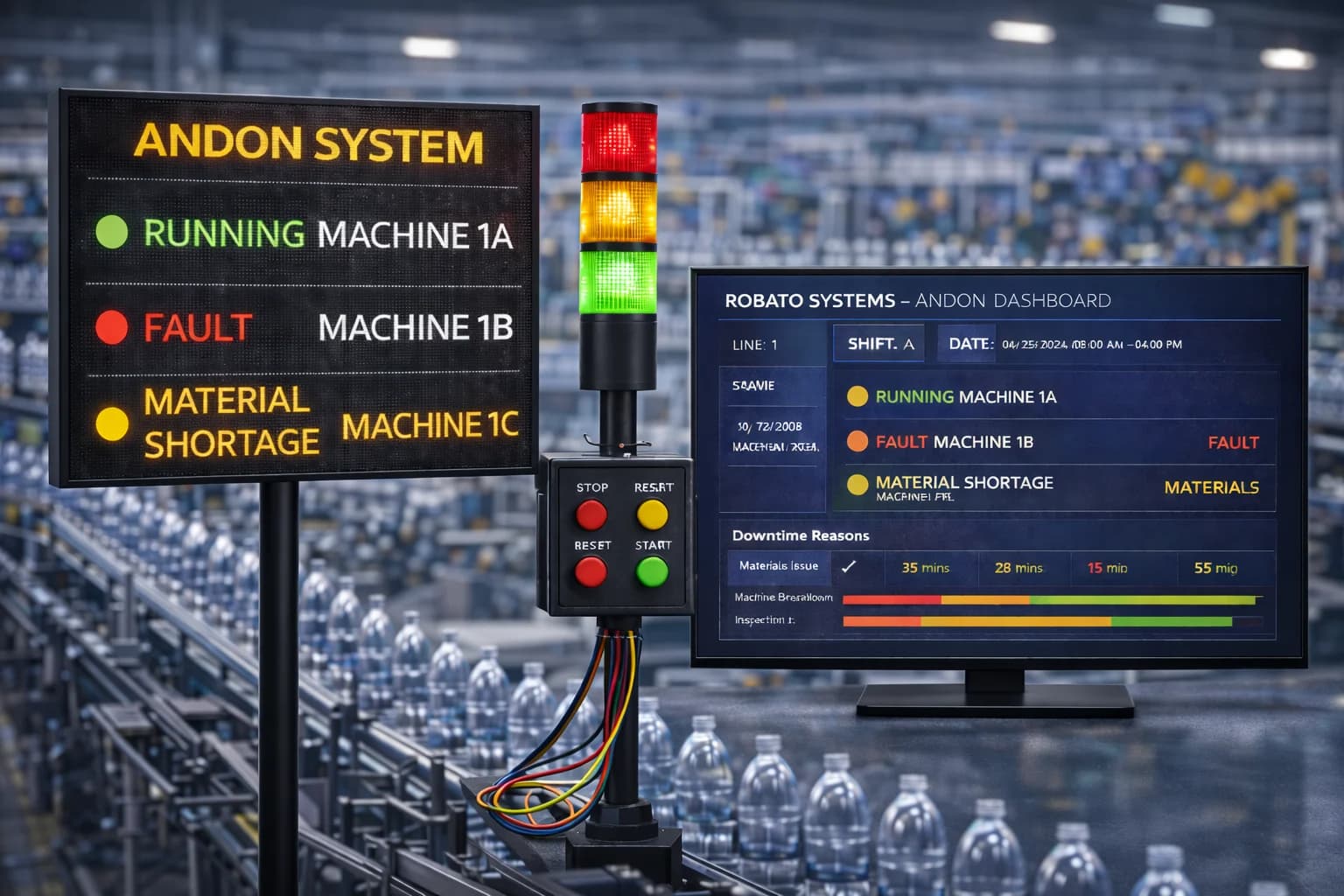
- Andon Systems
- Manufacturing Analytics
- Cloud Platforms
These technologies enable manufacturers to monitor equipment performance continuously.
Industries Using OEE
Overall Equipment Effectiveness is widely used in:
Automotive Manufacturing
Improve robotic assembly line efficiency.
Electronics Manufacturing
Optimize PCB assembly and SMT production.
Food & Beverage Manufacturing
Monitor packaging, filling, and processing equipment.
Pharmaceutical Manufacturing
Track batch production and compliance.
Textile Manufacturing
Improve weaving, spinning, and finishing operations.
Plastic & Injection Molding
Monitor machine utilization and cycle time.
Packaging Industry
Increase efficiency of conveyors and packaging equipment.
Best Practices to Improve OEE
Automate Data Collection
Avoid manual reporting by connecting directly with production equipment.
Monitor OEE Continuously
Use real-time dashboards instead of end-of-shift reports.
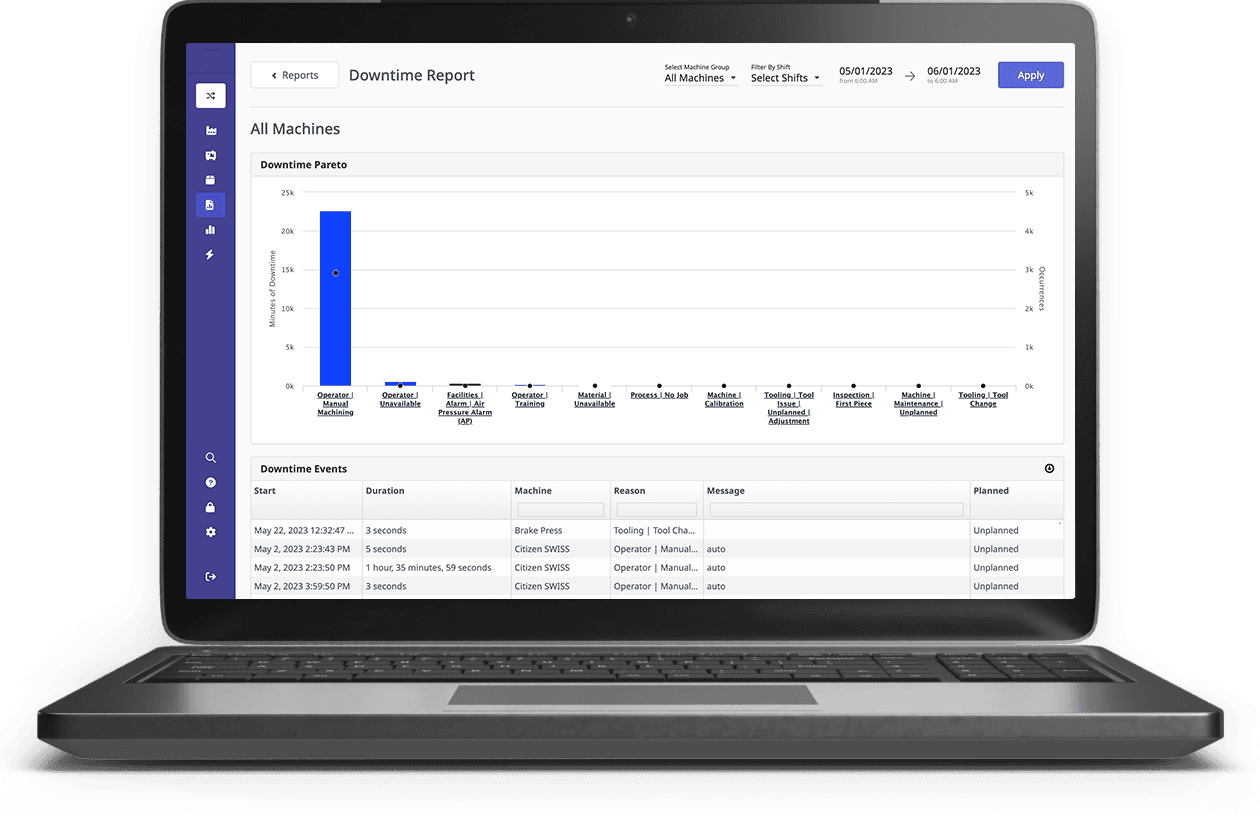
Analyze Downtime
Identify recurring production losses.
Standardize Operating Procedures
Reduce variability across production lines.
Train Operators
Improve machine handling and production practices.
Schedule Preventive Maintenance
Prevent unexpected equipment failures.
Improve Product Quality
Identify root causes of defects and implement corrective actions.
Review OEE Reports Regularly
Use historical trends to support continuous improvement.
Common Mistakes When Measuring OEE
Many manufacturers fail to achieve meaningful improvements because of avoidable mistakes.
Common mistakes include:
- Manual data collection
- Inaccurate downtime recording
- Ignoring minor stoppages
- Poor quality tracking
- Delayed reporting
- Focusing only on OEE percentage instead of root causes
Successful OEE implementation requires accurate, automated data collection and continuous analysis.
Future of Overall Equipment Effectiveness
Manufacturing is becoming increasingly intelligent with Industry 4.0 technologies.
Future OEE solutions will include:
Artificial Intelligence
AI will automatically identify production losses and recommend improvements.
Predictive Maintenance
Machine learning will predict failures before they occur.
Digital Twins
Virtual production models will simulate machine performance.
Edge Computing
Real-time machine-level processing will improve monitoring accuracy.
Advanced Analytics
Cloud-based analytics will provide predictive production insights.
These innovations will make OEE an even more valuable tool for improving manufacturing performance.
Why Choose Robato Systems for OEE Solutions?
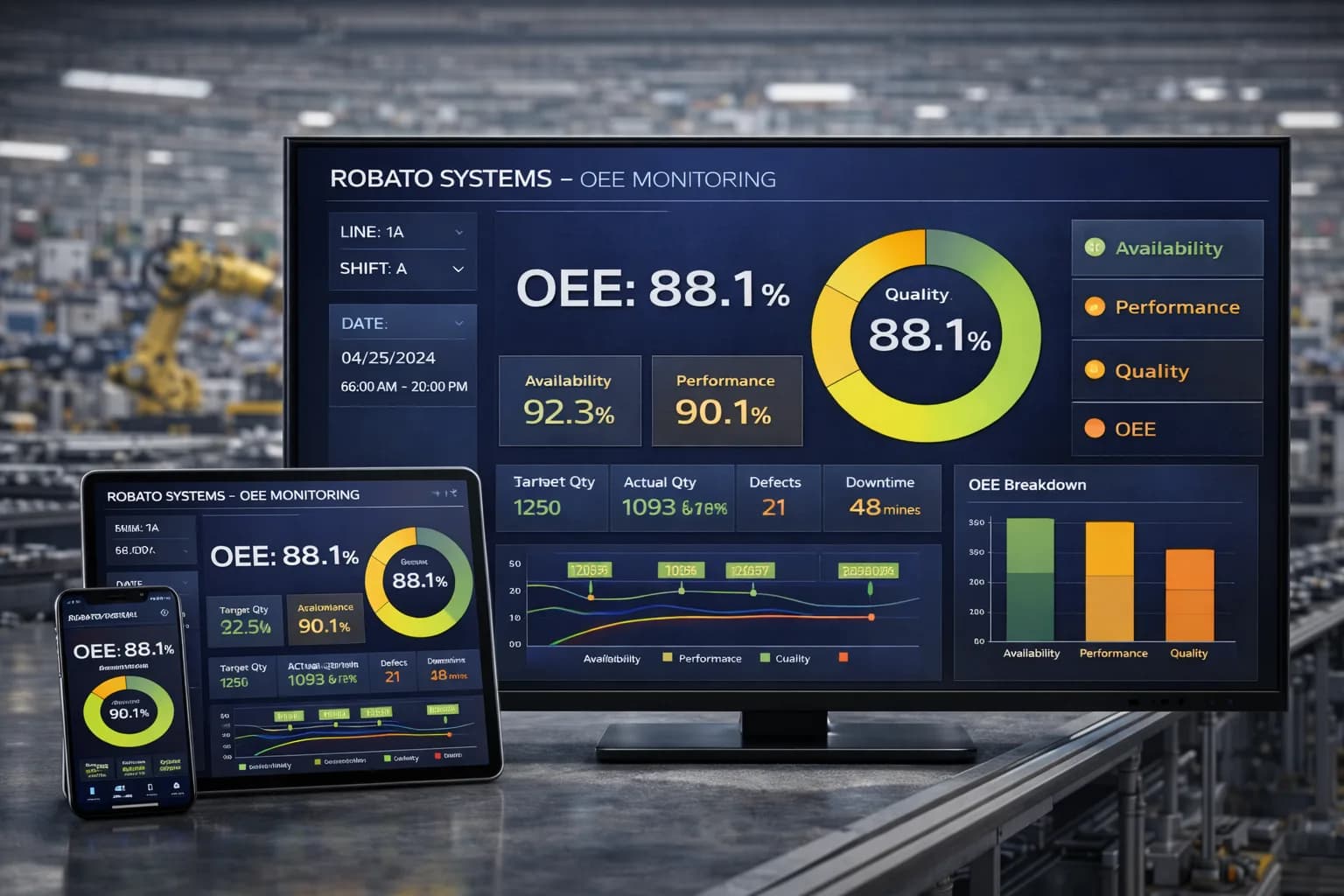
Robato Systems provides intelligent OEE Software and OEE Monitoring Systems that help manufacturers maximize equipment performance through real-time monitoring, automated data collection, and advanced production analytics.
Our platform integrates with PLCs, Industrial IoT devices, MES, ERP, SCADA, and Production Monitoring Systems to automatically calculate Overall Equipment Effectiveness while delivering live dashboards, machine utilization reports, downtime analysis, production KPIs, and historical trends.
With features such as cloud monitoring, automated alerts, multi-plant visibility, customizable dashboards, and detailed reporting, Robato Systems empowers manufacturers to reduce downtime, improve productivity, enhance quality, and achieve Industry 4.0 transformation.
Whether your manufacturing facility has one production line or multiple plants, our scalable OEE solutions are designed to support continuous operational improvement.
Conclusion
Overall Equipment Effectiveness (OEE) is one of the most important performance indicators in modern manufacturing. By measuring Availability, Performance, and Quality together, OEE provides manufacturers with a complete understanding of equipment efficiency and production performance.
Implementing an automated OEE solution allows manufacturers to reduce downtime, improve machine utilization, increase product quality, and make better operational decisions based on real-time data. As Industry 4.0 continues transforming manufacturing, Overall Equipment Effectiveness will remain a critical metric for organizations seeking operational excellence and long-term competitiveness.
Frequently Asked Questions (FAQs)
What is Overall Equipment Effectiveness (OEE)?
Overall Equipment Effectiveness (OEE) is a manufacturing KPI that measures equipment efficiency using Availability, Performance, and Quality.
How is OEE calculated?
OEE is calculated by multiplying Availability, Performance, and Quality:
OEE = Availability × Performance × Quality
What is considered a good OEE score?
An OEE score above 85% is generally considered world-class manufacturing performance.
Why is OEE important in manufacturing?
OEE helps manufacturers identify downtime, speed losses, and quality issues so they can improve productivity and reduce operational costs.
Can OEE be monitored automatically?
Yes. Modern OEE Software automatically collects production data from PLCs, IoT devices, and machines to calculate OEE in real time.