Production Monitoring and Control: Driving Efficiency in Modern Manufacturing
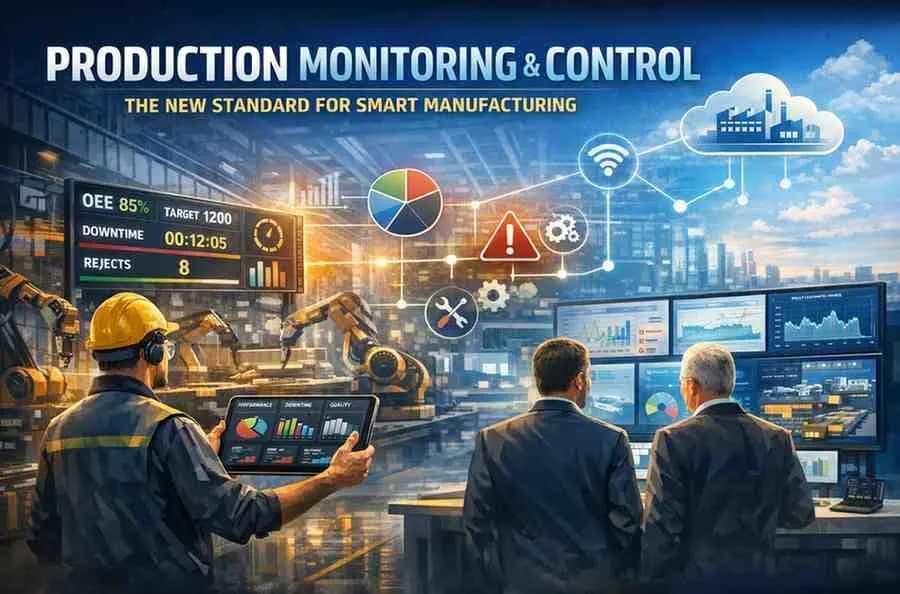
In today’s fast paced industrial landscape, Production Monitoring and Control has become essential for businesses aiming to stay competitive. It gives manufacturers the ability to track, analyze, and optimize their production processes in real time. Instead of relying on manual reporting or delayed insights, companies can now make quick decisions based on live data, ensuring smoother operations and better output.
Turning Data into Real-Time Visibility
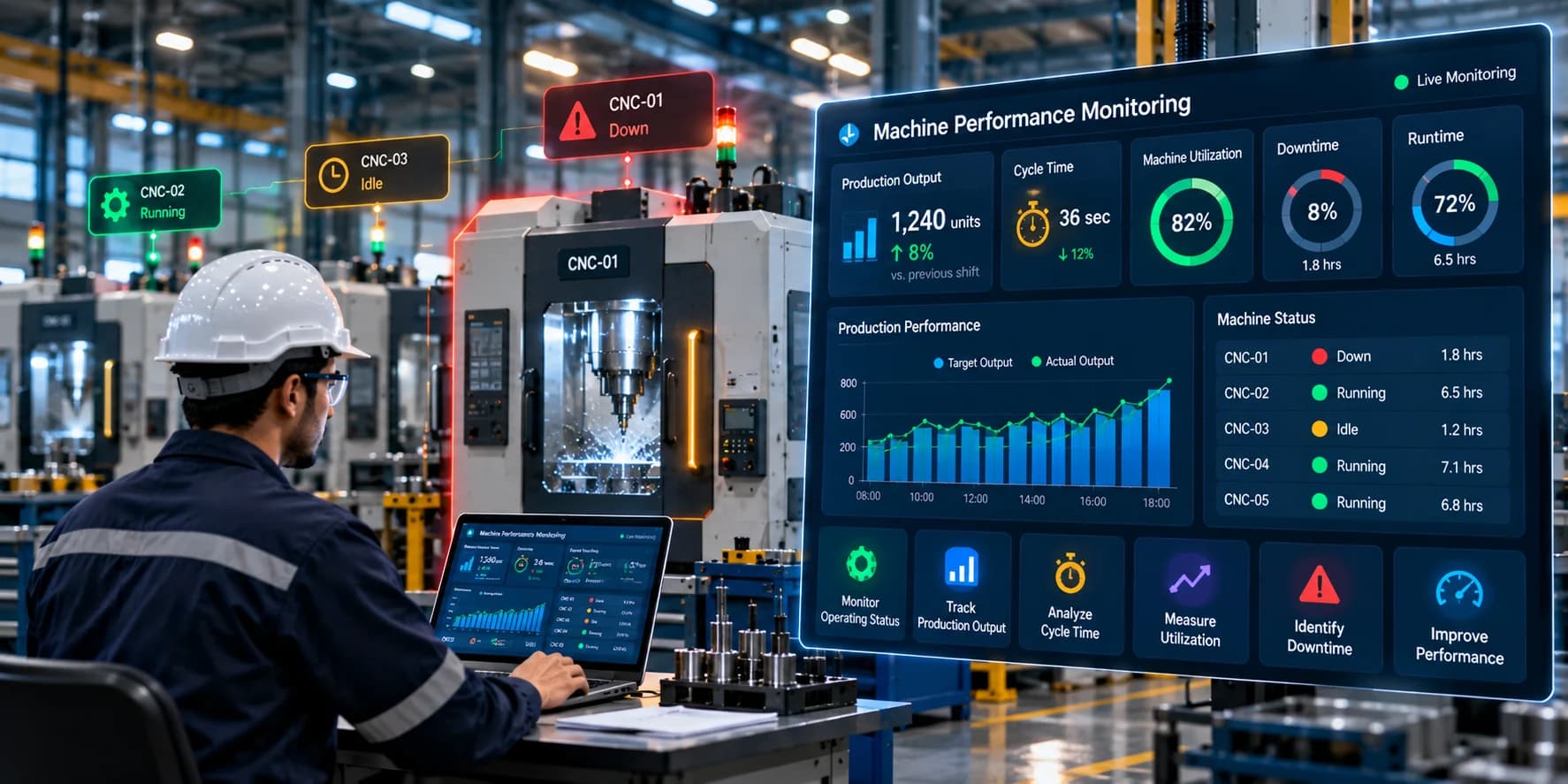
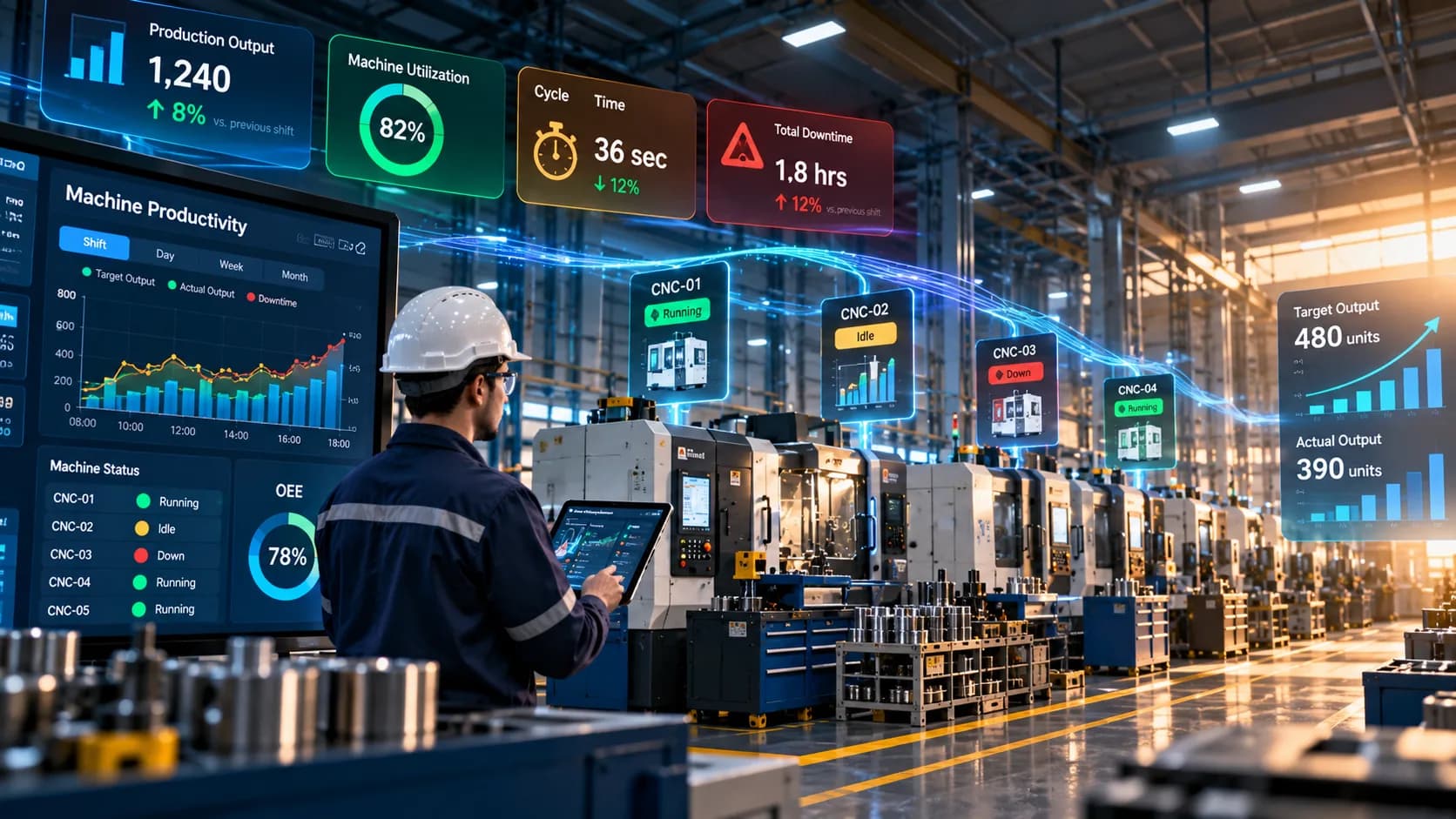
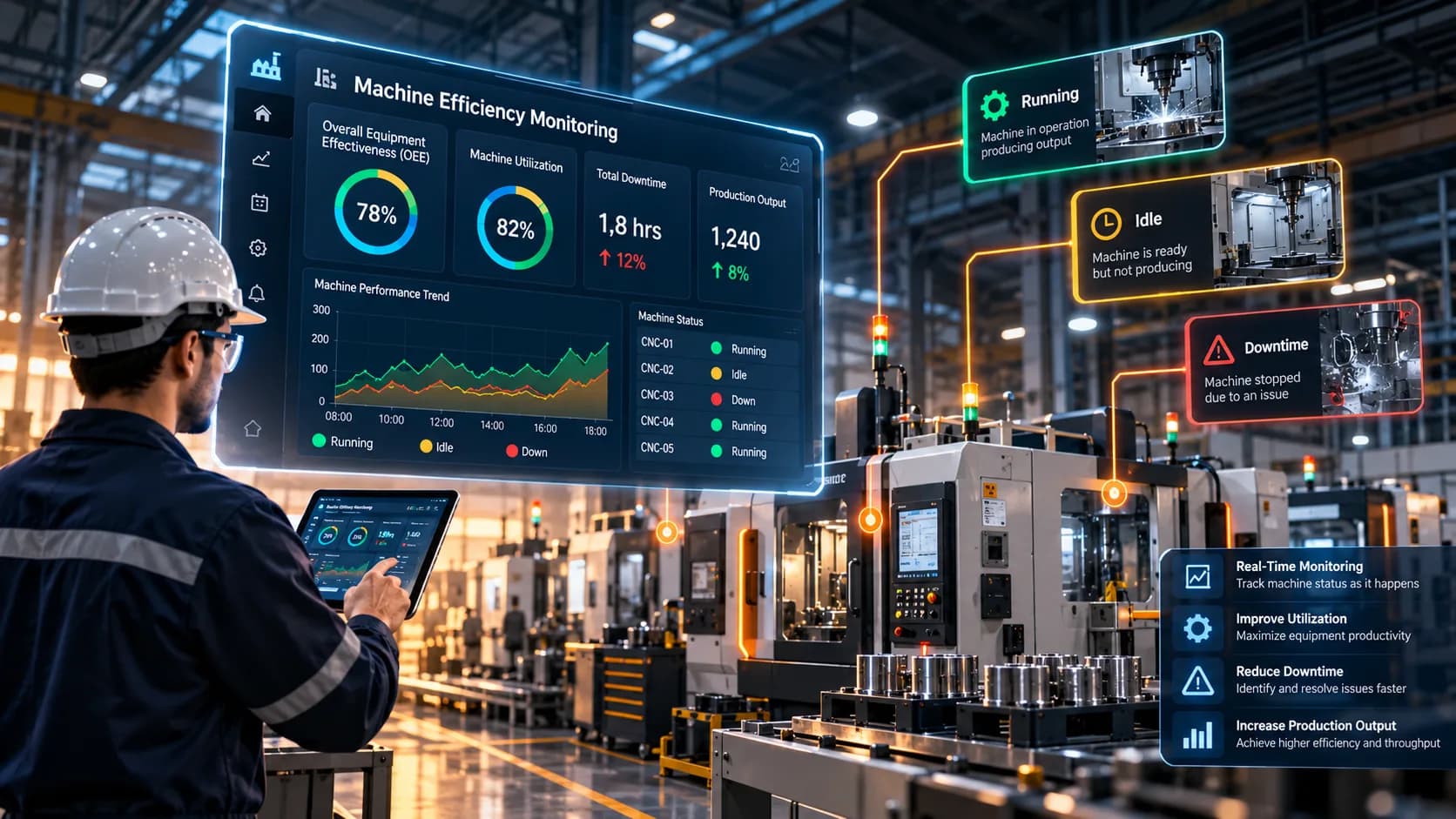
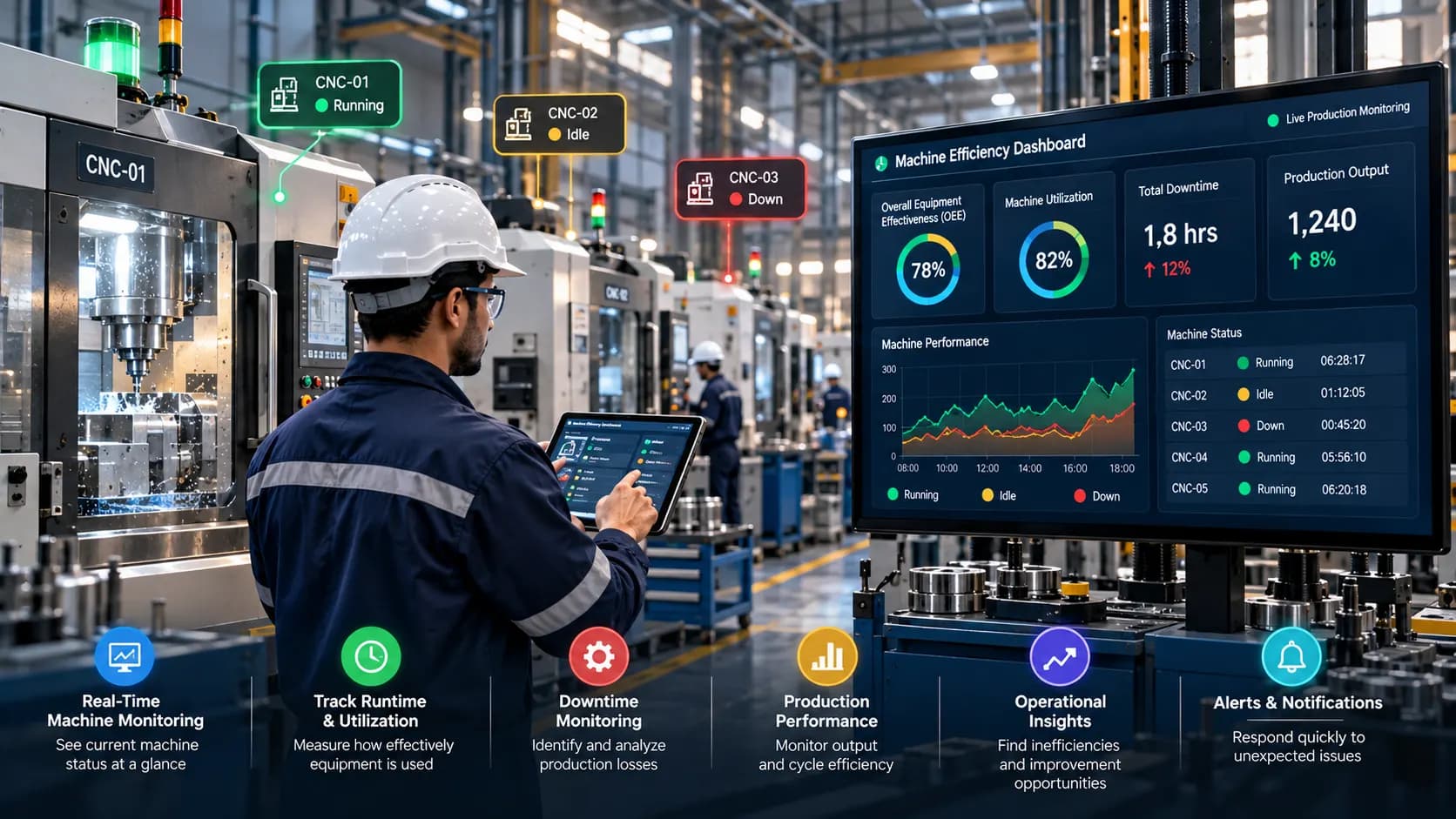
One of the biggest advantages of production monitoring is real-time visibility. Modern systems connect machines, sensors, and software to capture live data from the shop floor. This includes machine status, cycle times, production output, and downtime events.
With this level of visibility, operators and managers can instantly understand what is happening across the factory. Whether it is a slowdown in production or a machine fault, the issue becomes visible immediately, allowing faster action and reduced losses.
Smarter Control for Better Performance
Monitoring alone is not enough. Control is what transforms insights into results. Production control systems allow teams to respond quickly by adjusting machine parameters, scheduling tasks, or reallocating resources.
For example, if a machine shows reduced performance, the system can trigger alerts and guide operators to take corrective action. This ensures that production targets are met without compromising quality.
Eliminating Downtime Before It Escalates
Downtime is one of the biggest challenges in manufacturing. Even small interruptions can lead to significant production loss over time. Advanced monitoring systems automatically detect stoppages and provide instant alerts, helping teams respond quickly.
These systems also track downtime patterns and identify recurring issues. By understanding the root cause, businesses can take preventive measures and avoid repeated disruptions. This leads to higher machine availability and improved productivity.
Cloud Connectivity for Complete Control
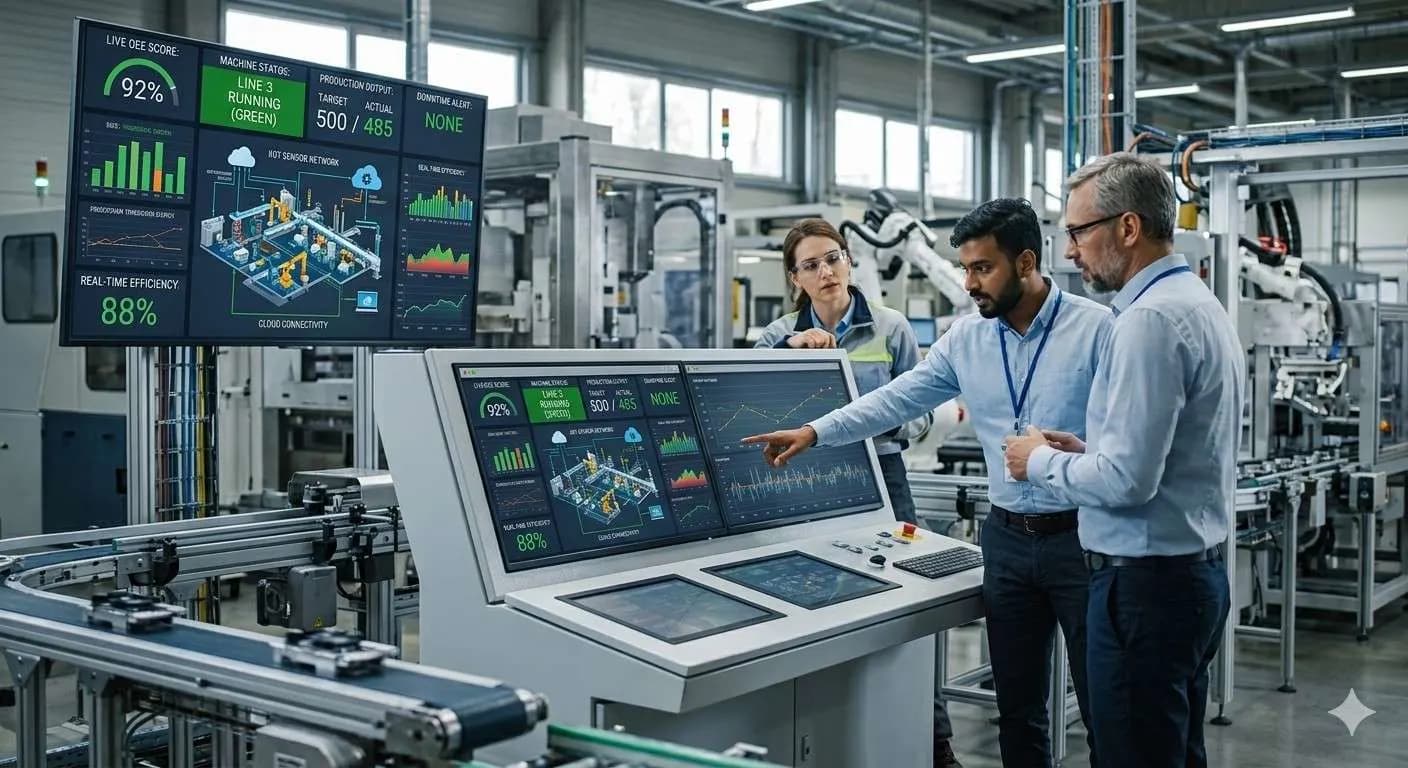
Cloud based production monitoring has taken control systems to the next level. It allows businesses to access production data from anywhere, whether on a mobile device, laptop, or large display screen.
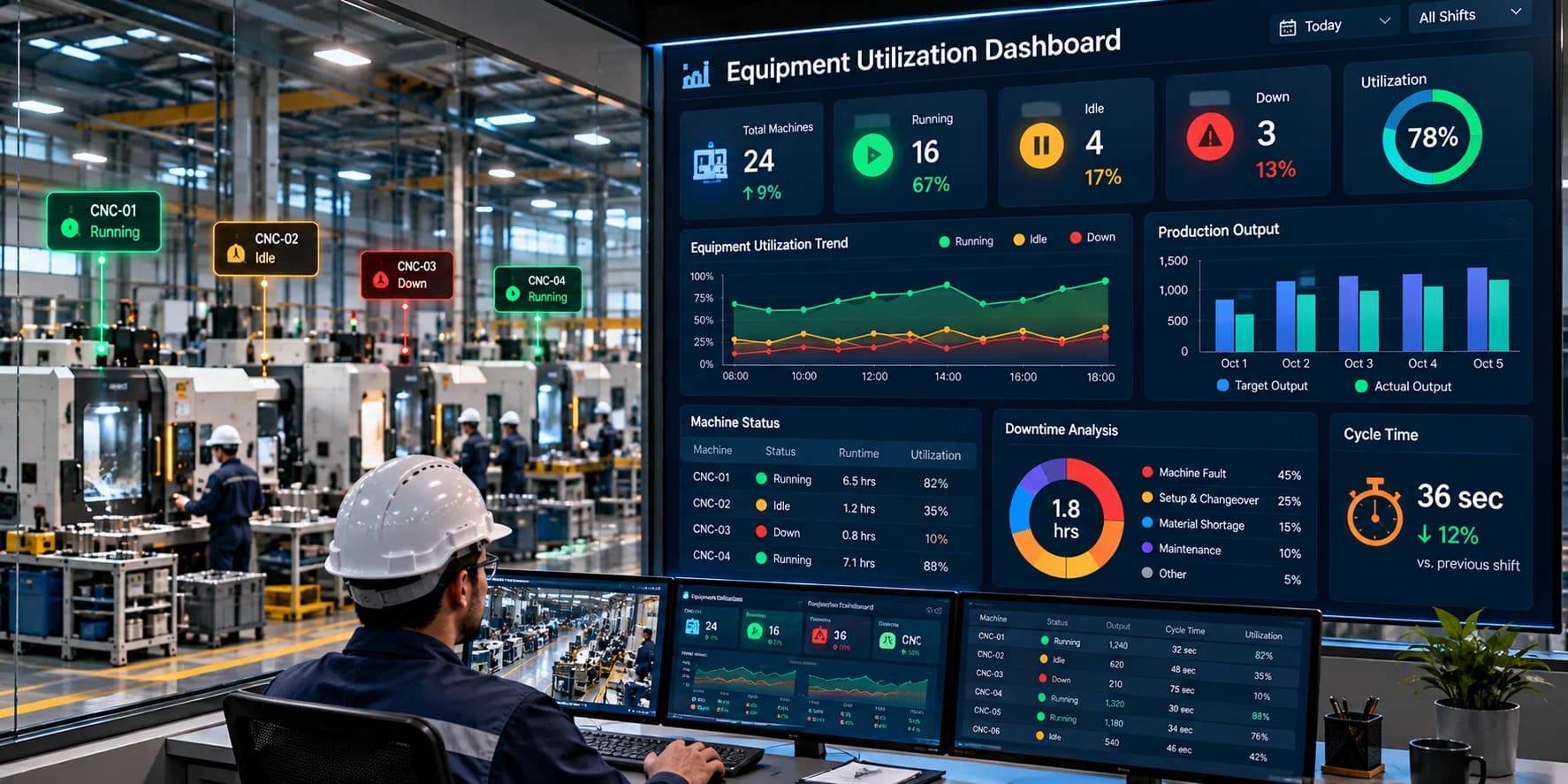
With centralized dashboards, managers can monitor multiple machines, lines, or even entire plants in real time. This is especially useful for companies with multiple locations, as it provides a unified view of operations.
Data Driven Decisions That Matter
One of the key benefits of Production Monitoring and Control is the ability to make informed decisions. Instead of guessing or relying on outdated reports, teams can use real-time data to guide their actions.
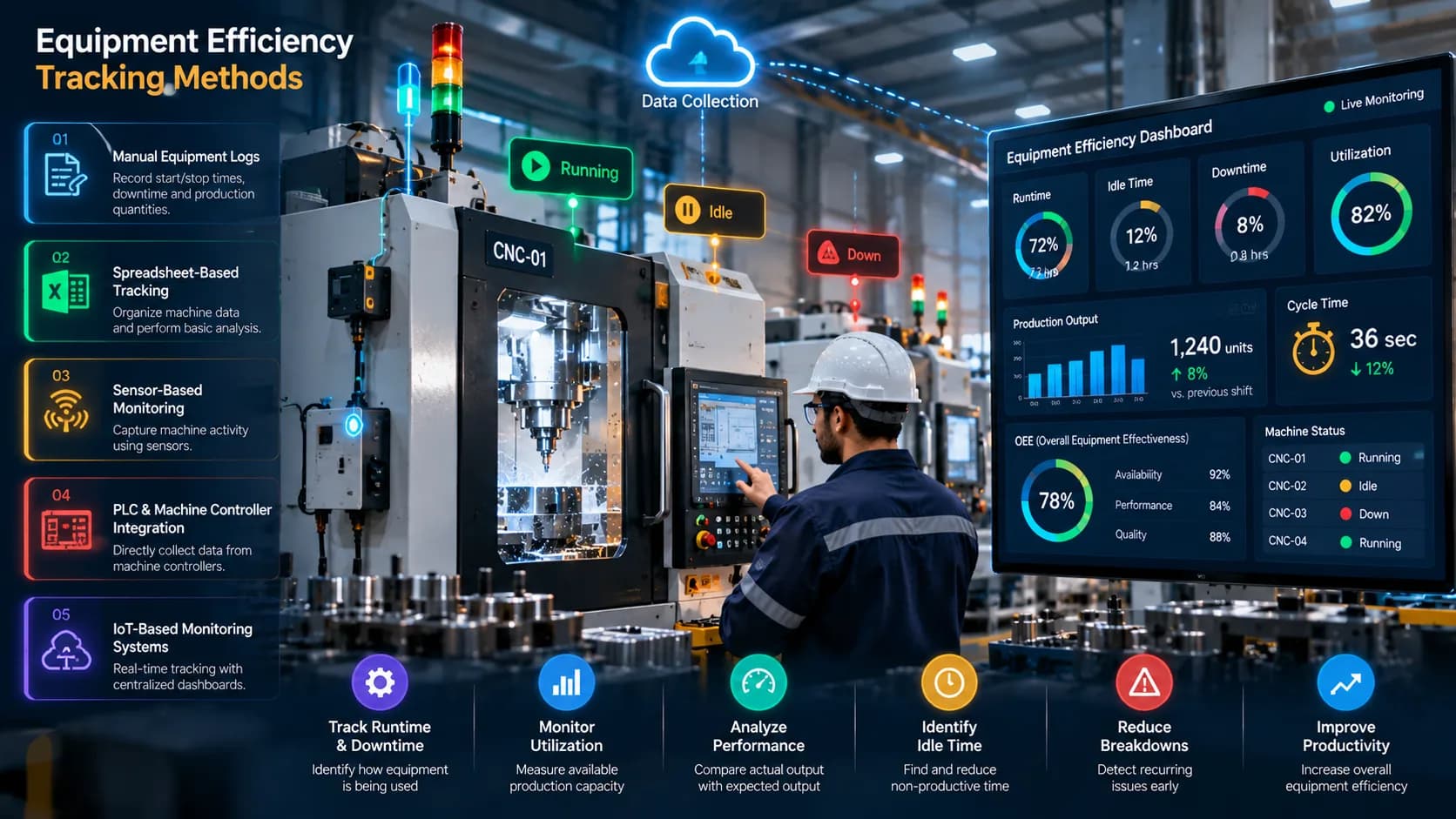
Dashboards display important metrics such as target vs actual production, efficiency levels, and overall equipment effectiveness. These insights help businesses identify bottlenecks, improve planning, and optimize resource utilization.
Seamless Integration Across Systems
Modern production systems are designed to integrate with existing technologies such as PLCs, sensors, and enterprise software. This ensures smooth data flow across the organization.
By connecting different systems, businesses can create a unified ecosystem where information is shared in real time. This eliminates data silos and improves coordination between departments.
Enhancing Productivity with Automation
Automation plays a key role in production monitoring and control. Data is collected automatically from machines, reducing the need for manual input.
This not only saves time but also improves accuracy. Operators can focus on critical tasks instead of data entry, while management gets reliable insights for decision-making. Over time, this leads to higher efficiency and better overall performance.
Building the Foundation for Smart Factories
Production Monitoring and Control is a core component of smart manufacturing. By combining real-time data, automation, and analytics, businesses can move towards a more connected and intelligent production environment.
These systems help manufacturers predict issues, optimize processes, and continuously improve operations. As industries adopt digital transformation, production monitoring becomes a key driver of growth and innovation.
Final Thoughts
Production Monitoring and Control is no longer a luxury. It is a necessity for any business looking to improve efficiency and stay ahead in a competitive market.
By providing real-time visibility, reducing downtime, and enabling smarter decisions, these systems empower manufacturers to achieve consistent and reliable results. Investing in the right solution can transform operations and unlock new levels of productivity.