Shop Floor Monitoring System: The Complete Guide to Real-Time Manufacturing Control
In modern manufacturing, visibility is everything. Without knowing what is happening on the shop floor at any given moment, improving efficiency becomes guesswork. This is where a Shop Floor Monitoring System becomes essential. It connects machines, operators, and management through real-time data, giving a clear and accurate picture of production performance. Instead of relying on delayed reports, factories can now monitor operations live and respond instantly to any issue.
What Is a Shop Floor Monitoring System?
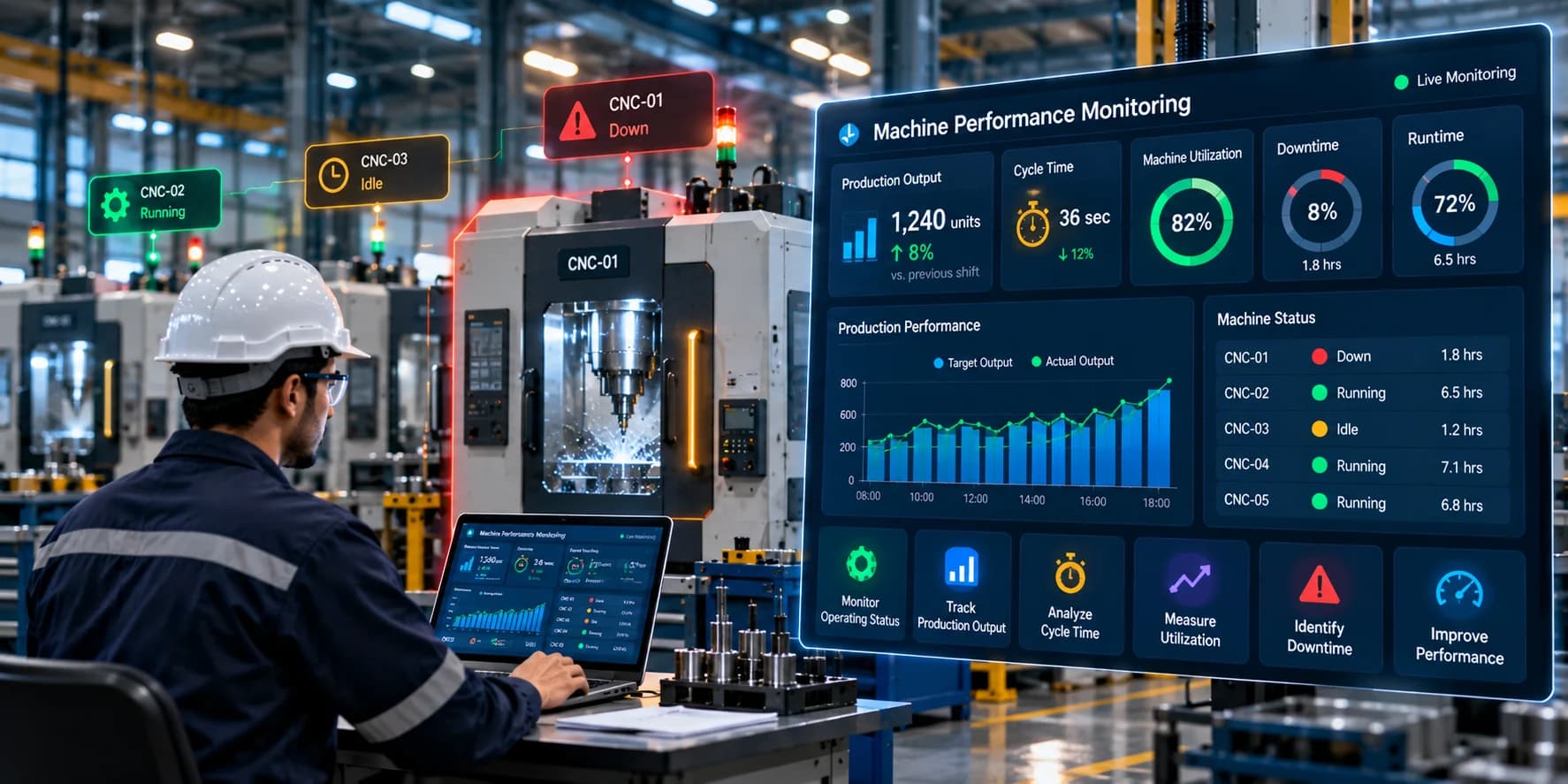
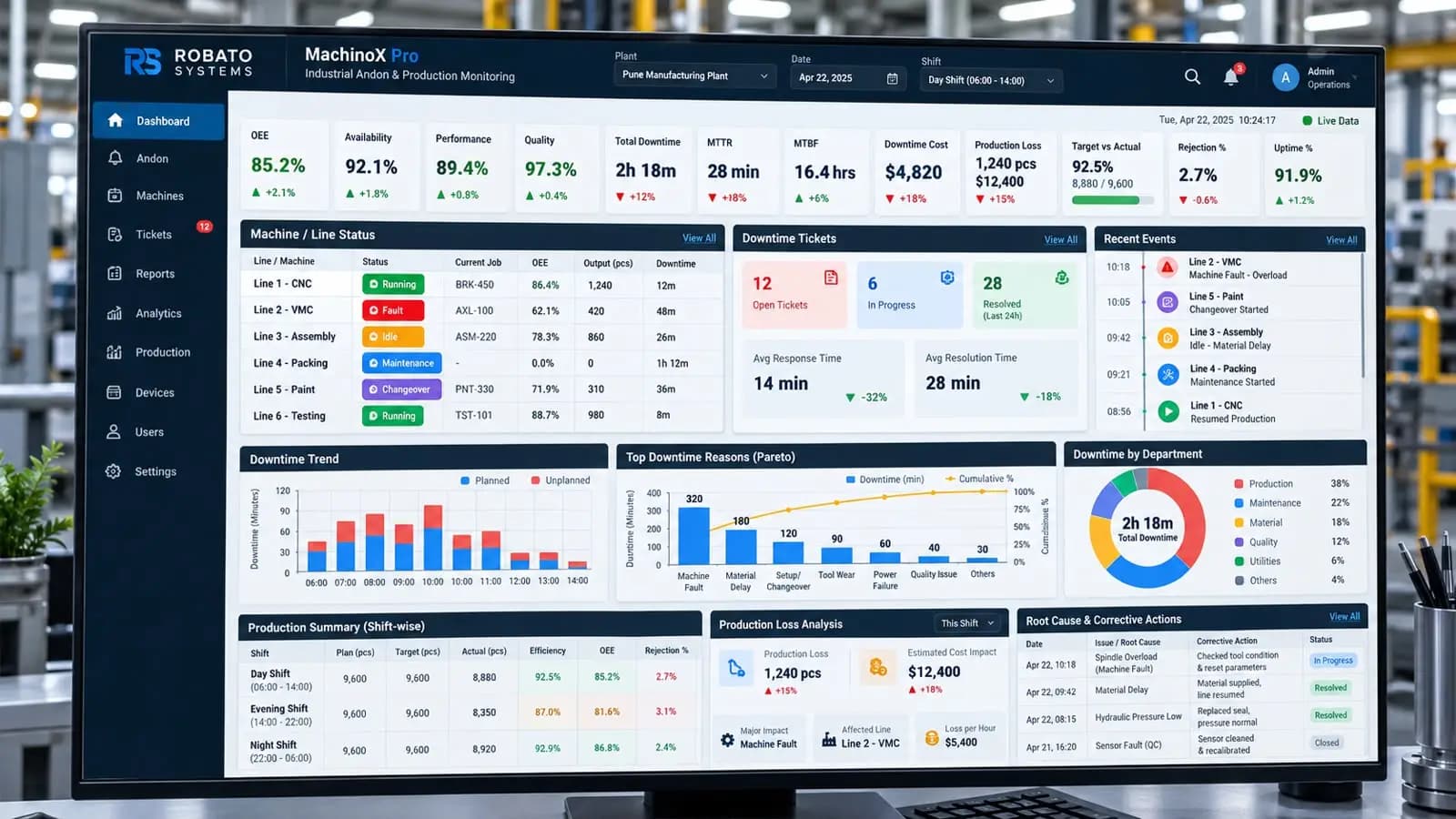
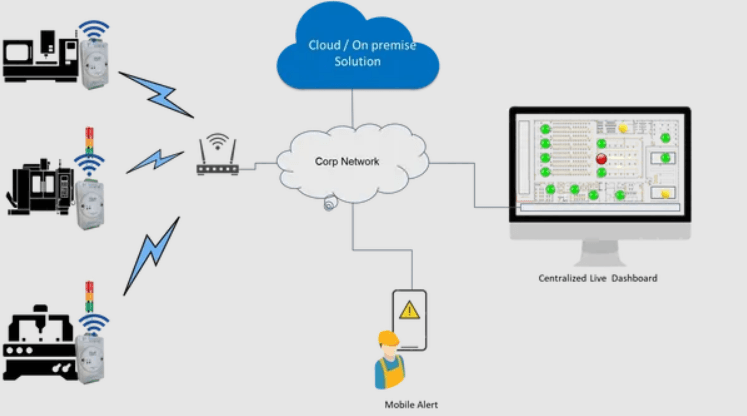
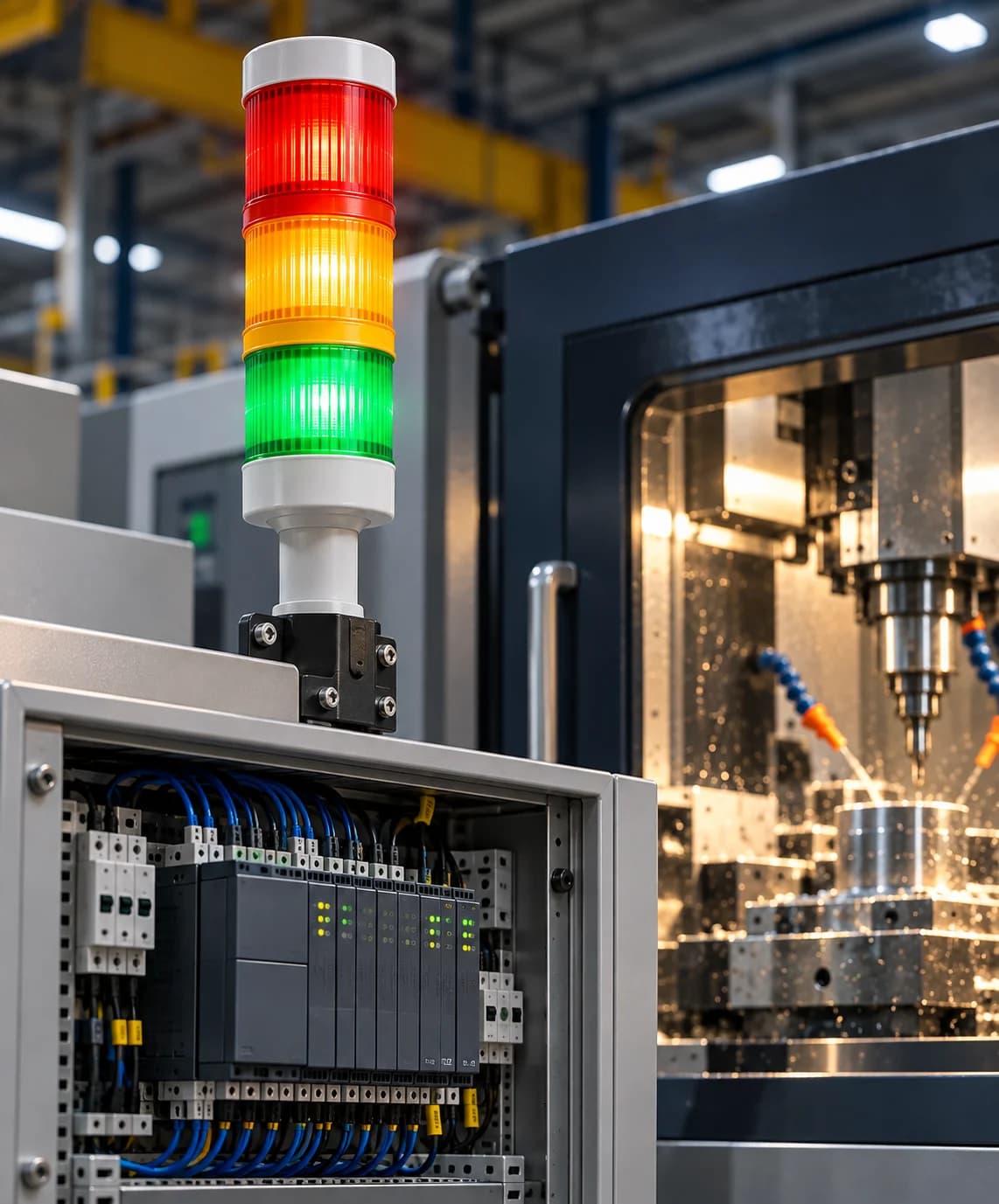
A Shop Floor Monitoring System is a digital solution that tracks machine performance, production output, downtime, and operator activity in real time. It collects data directly from machines, sensors, and PLCs, and displays it on centralized dashboards.
This creates a single source of truth for the entire production environment. Operators can see machine status, supervisors can track performance, and management can monitor plant efficiency from anywhere.
Why Traditional Monitoring Methods Fall Behind
Many factories still depend on manual data entry or end-of-shift reporting. The problem is simple. By the time issues are recorded, they have already impacted production.
Manual systems also miss critical details such as micro-stoppages and minor speed losses. These small inefficiencies often go unnoticed but add up to significant productivity loss over time.
A Shop Floor Monitoring System eliminates these gaps by capturing data automatically and continuously.
Real-Time Visibility That Drives Faster Action
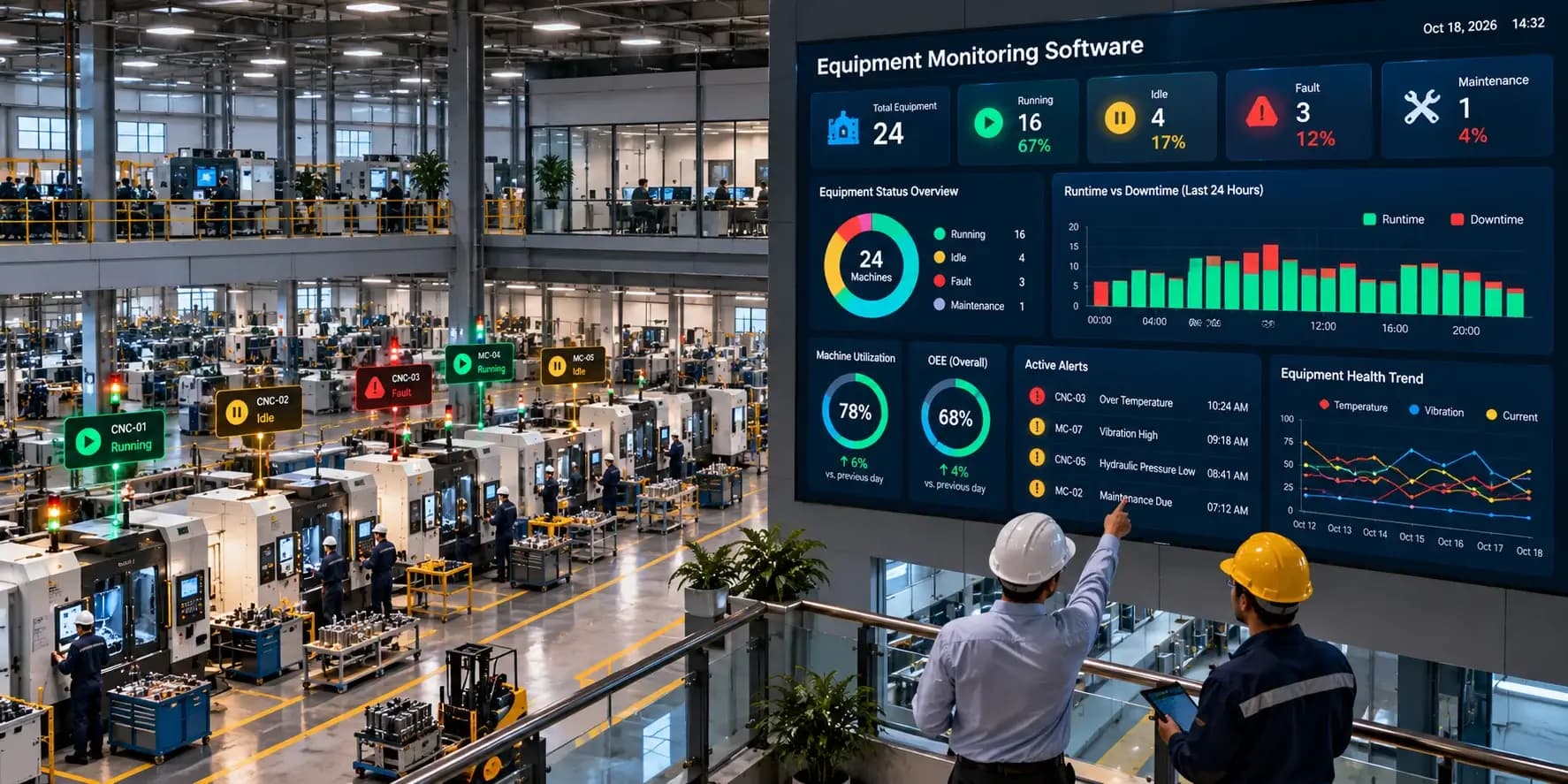
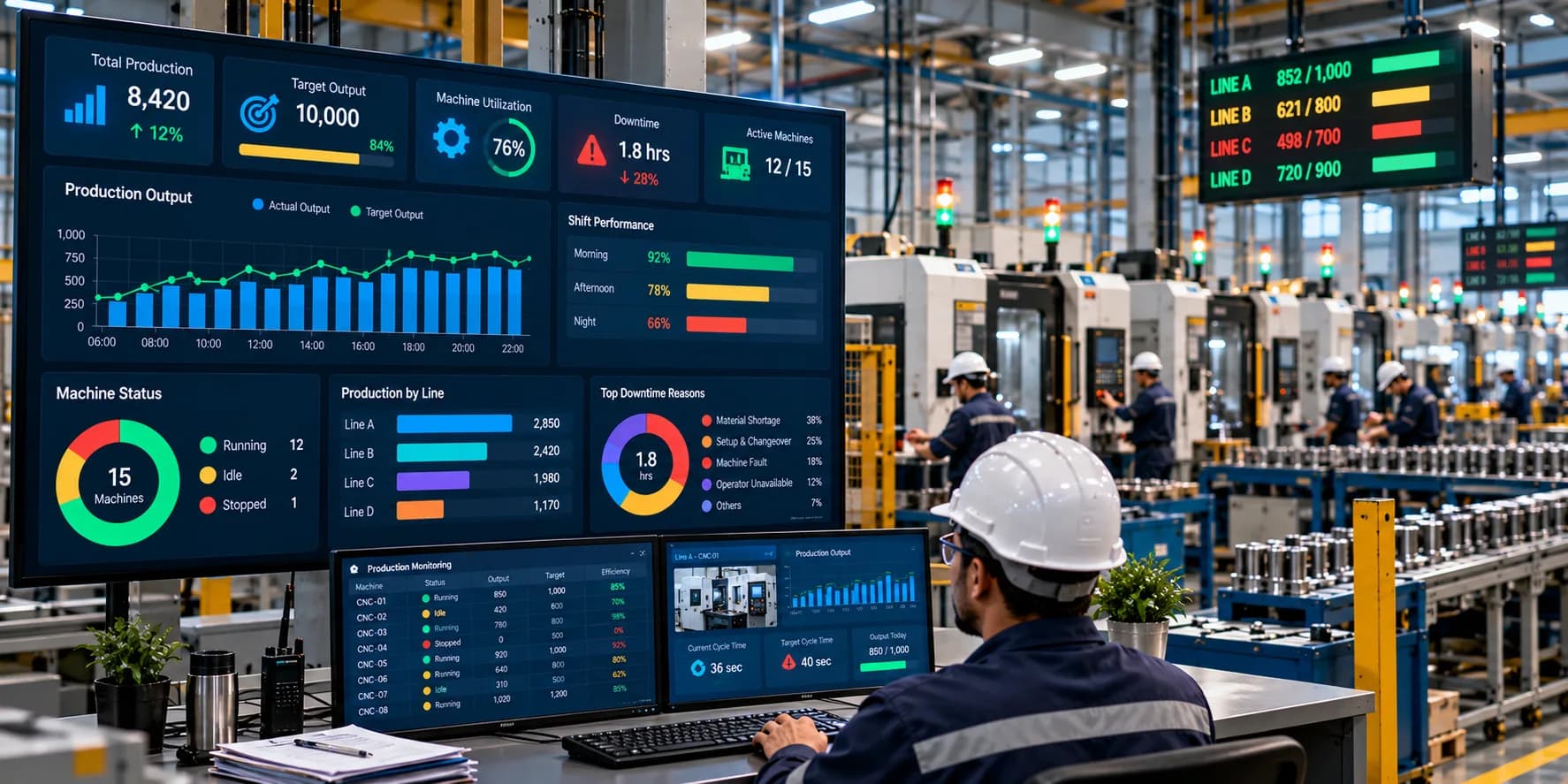
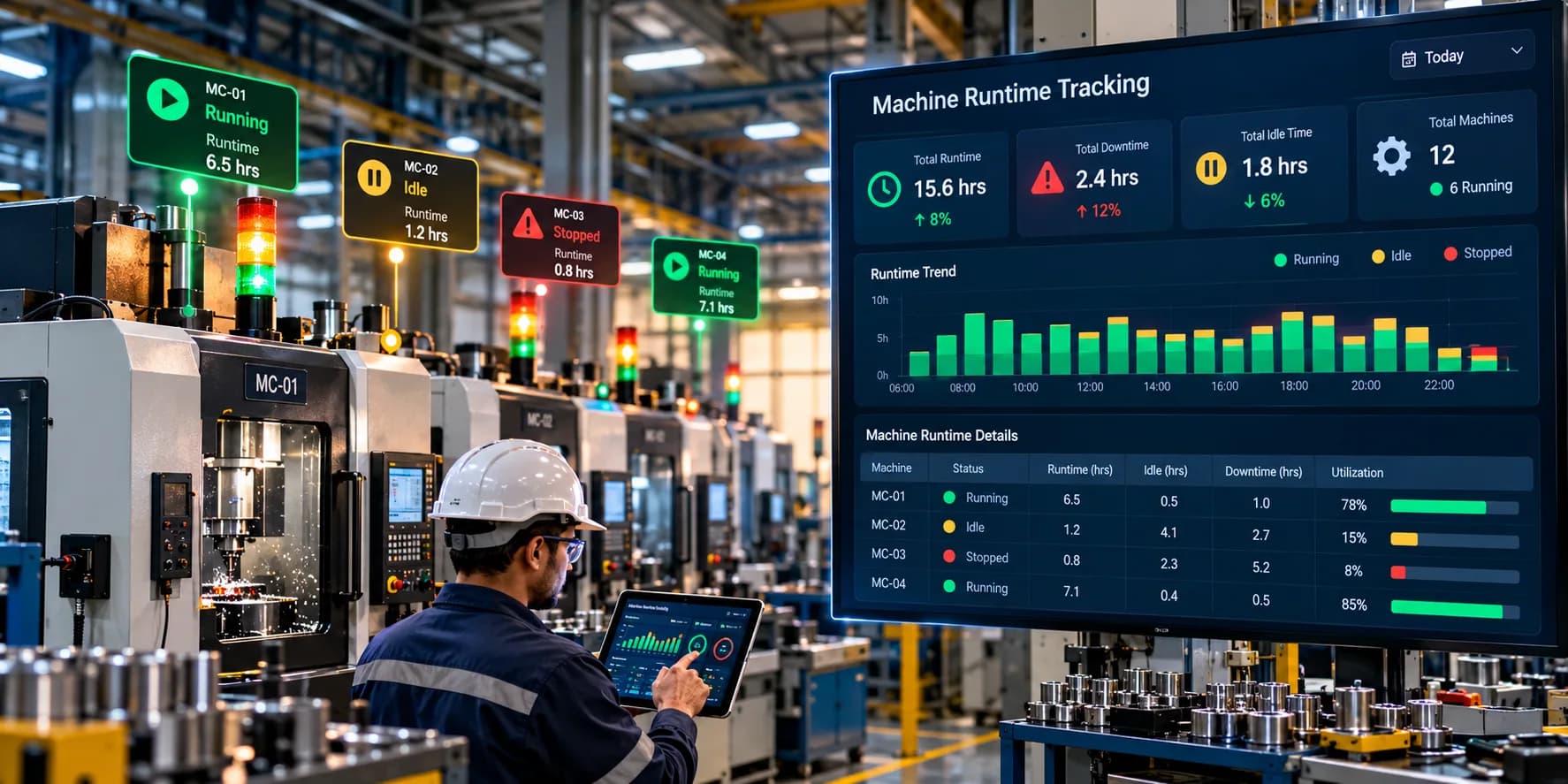
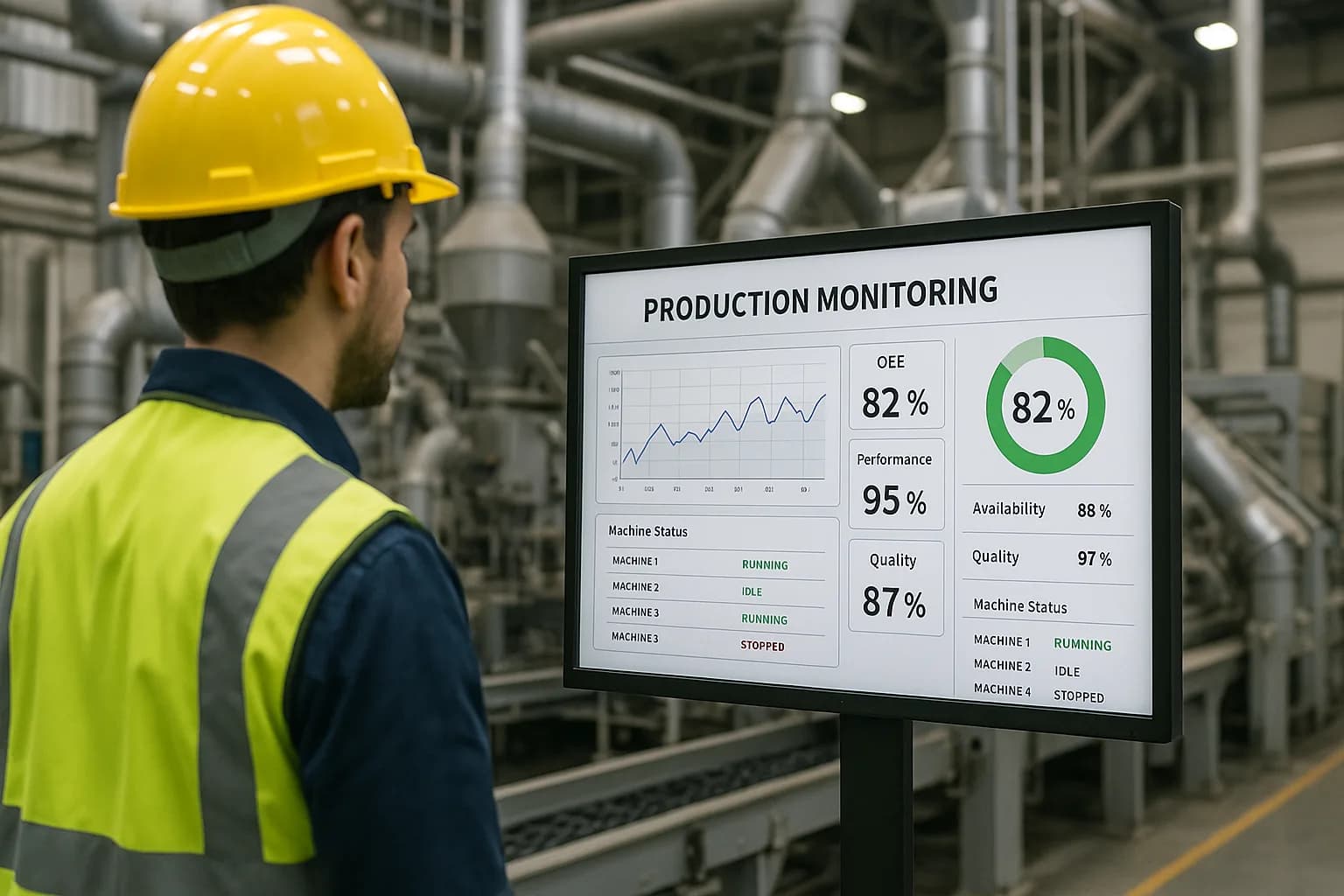
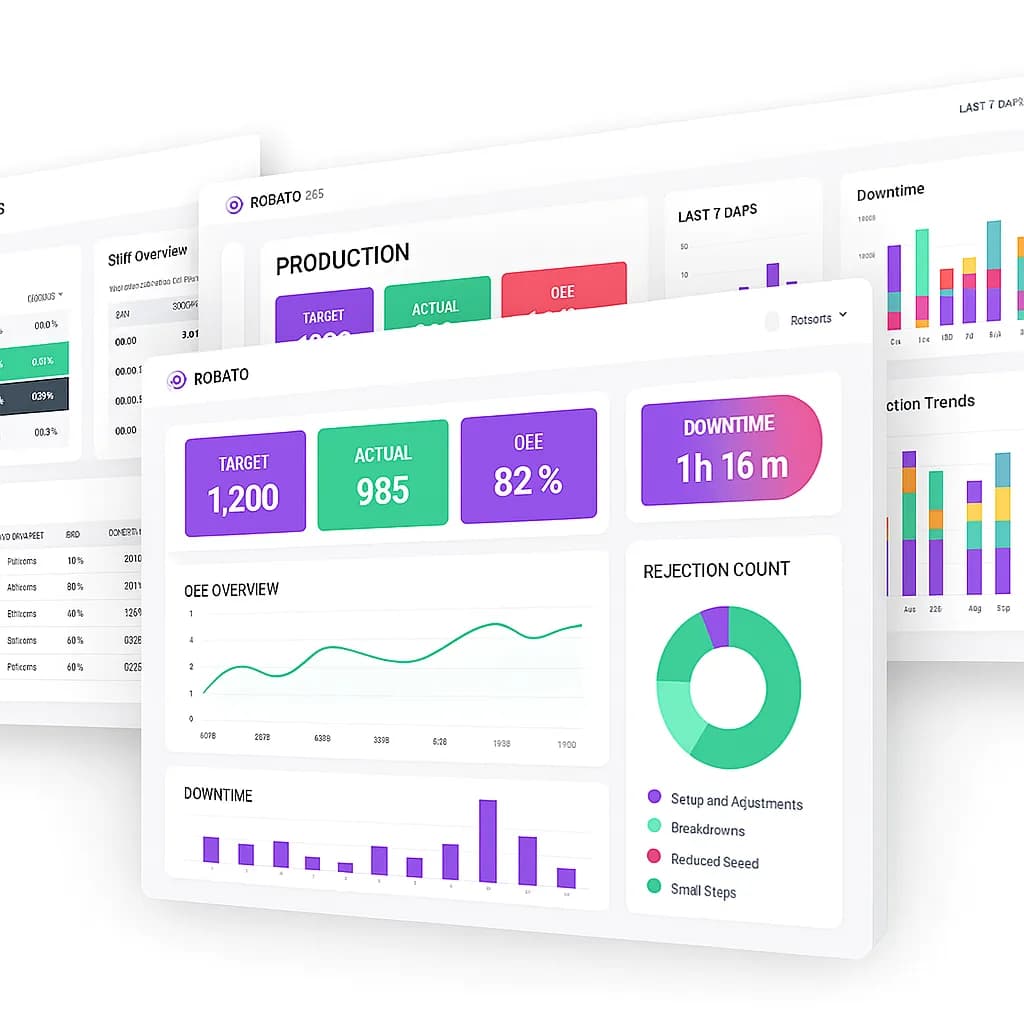
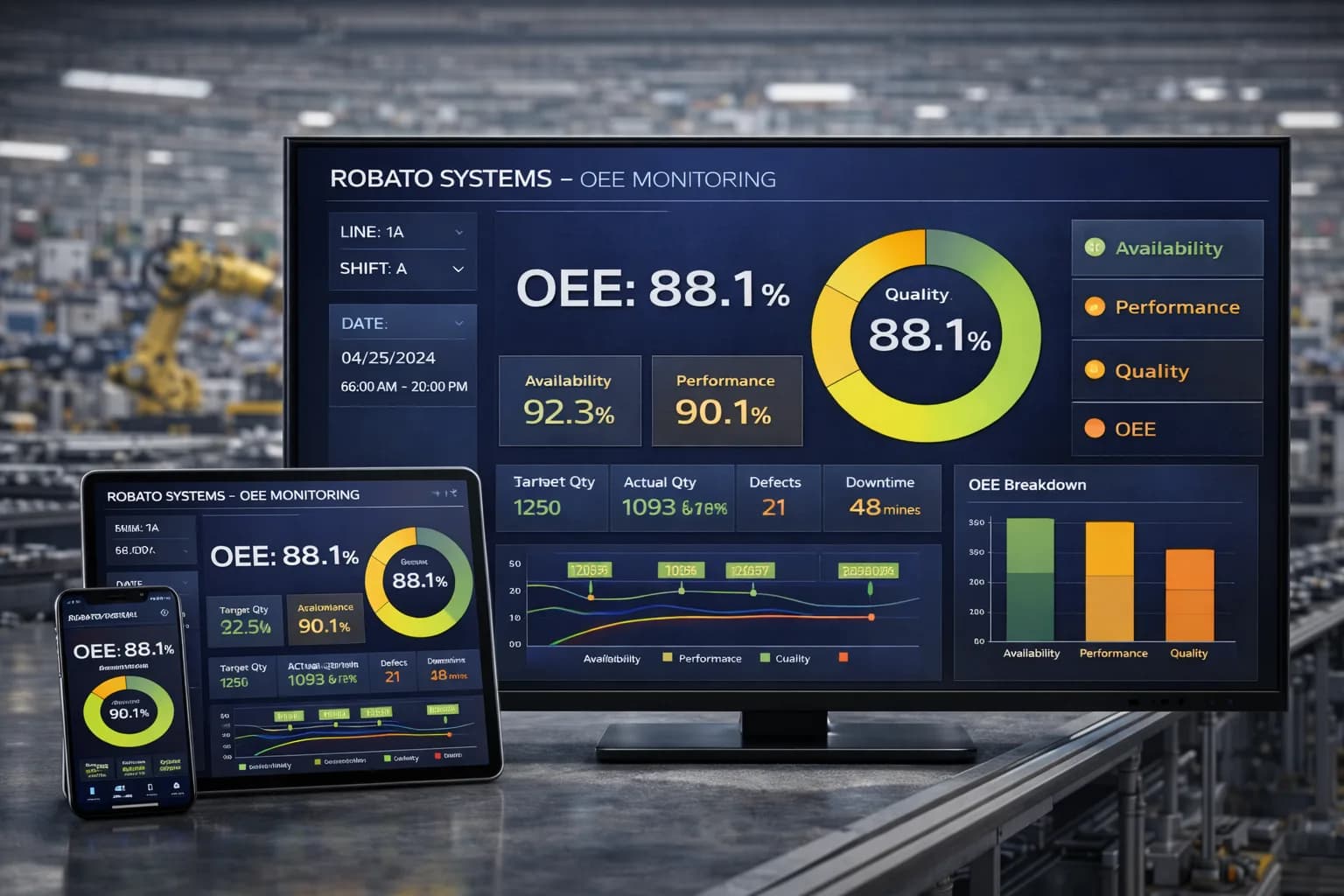
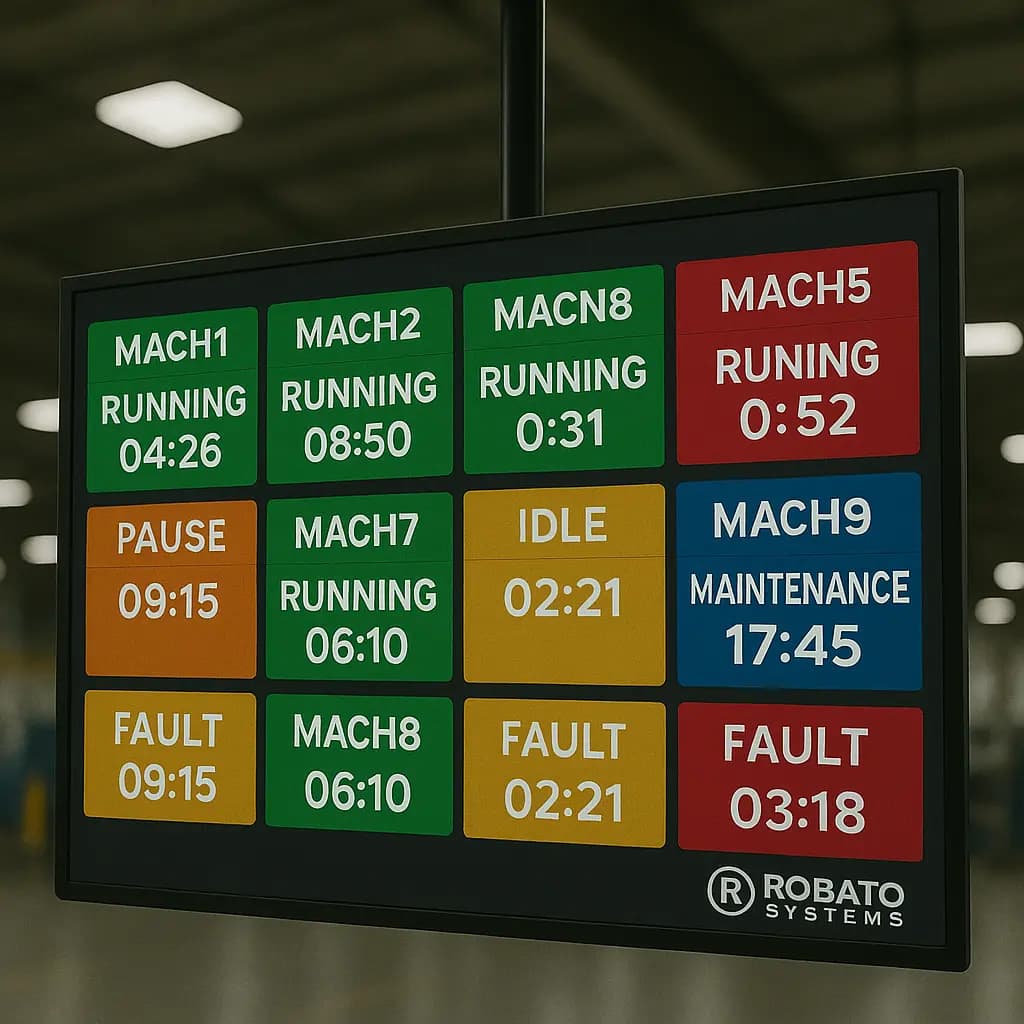
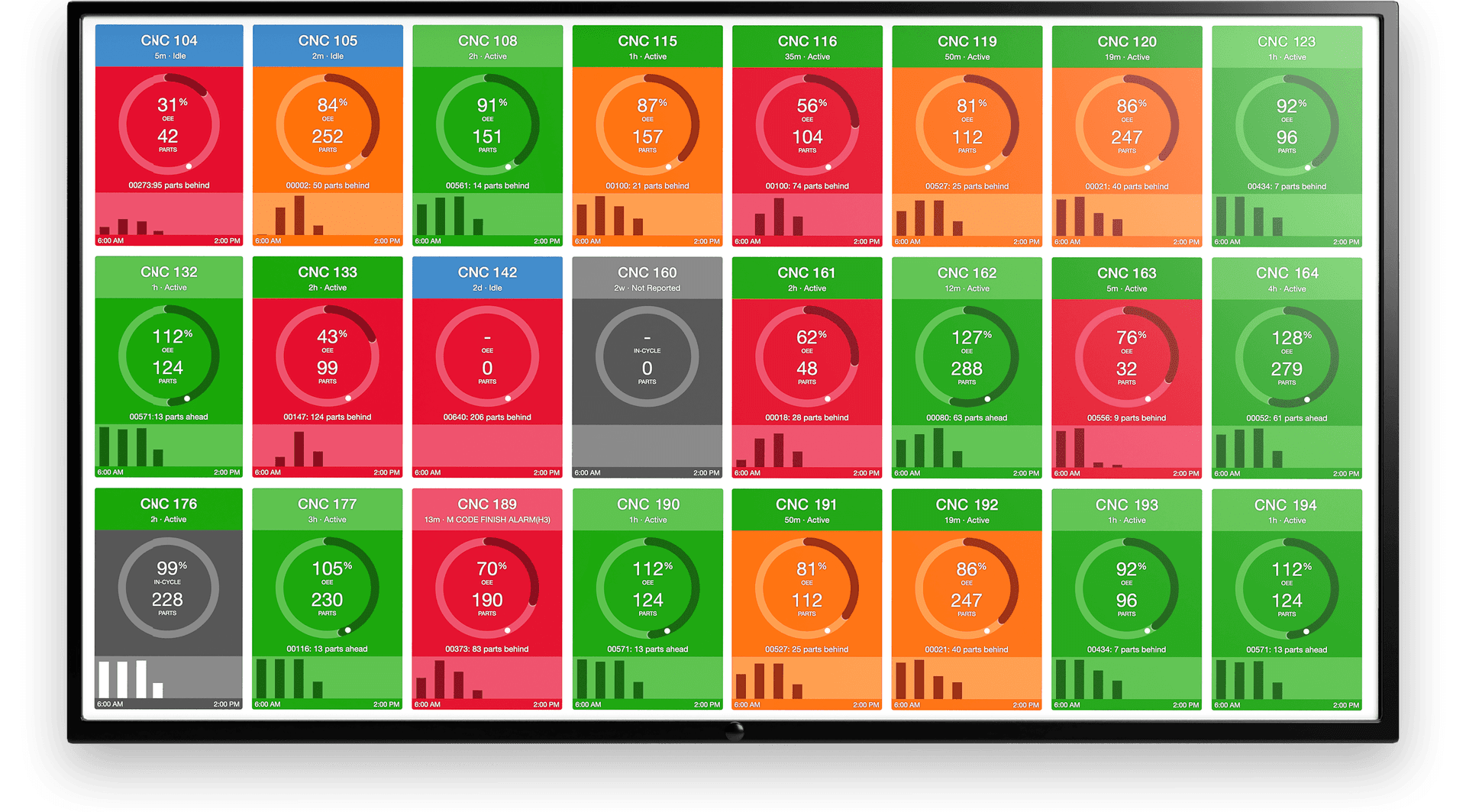
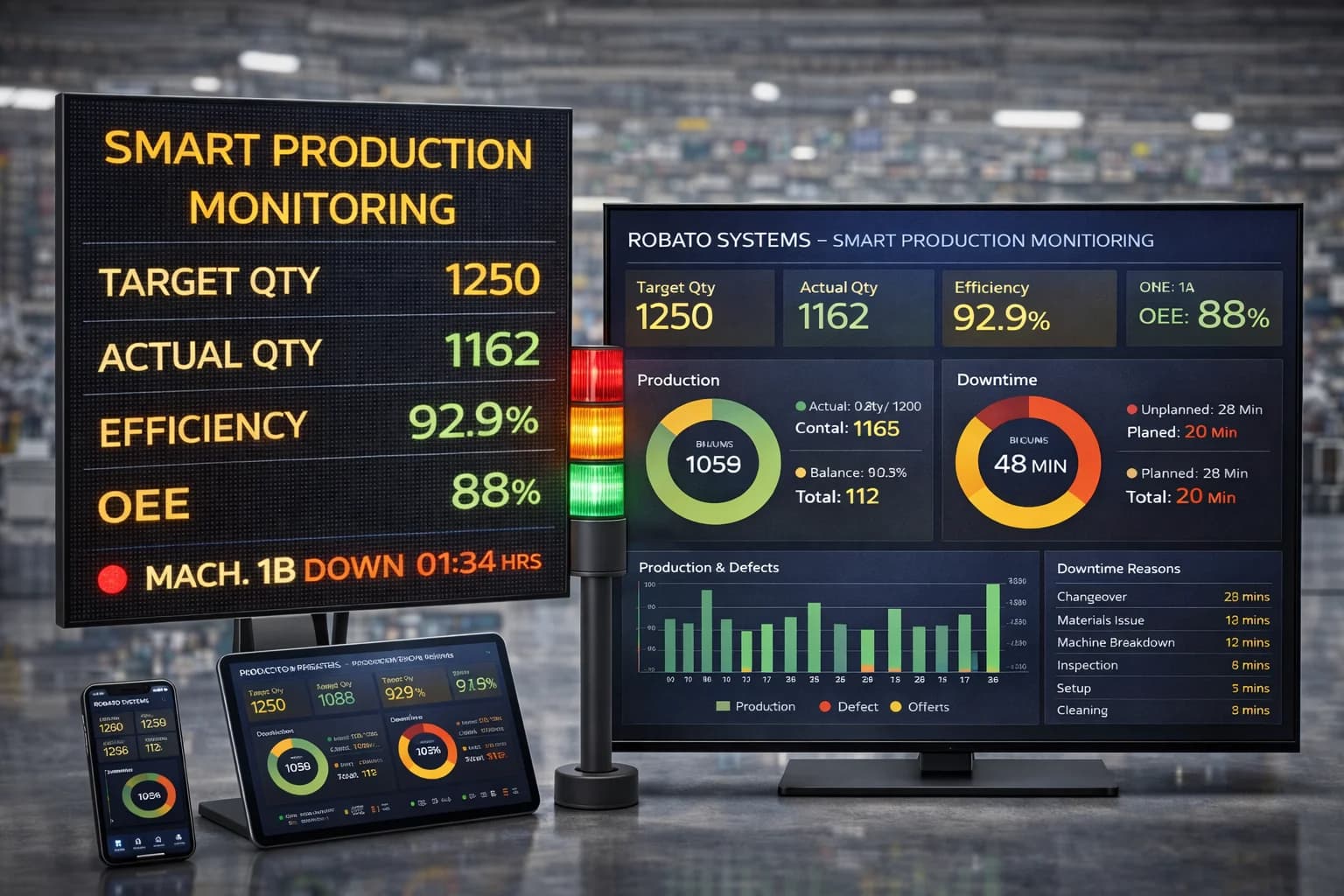
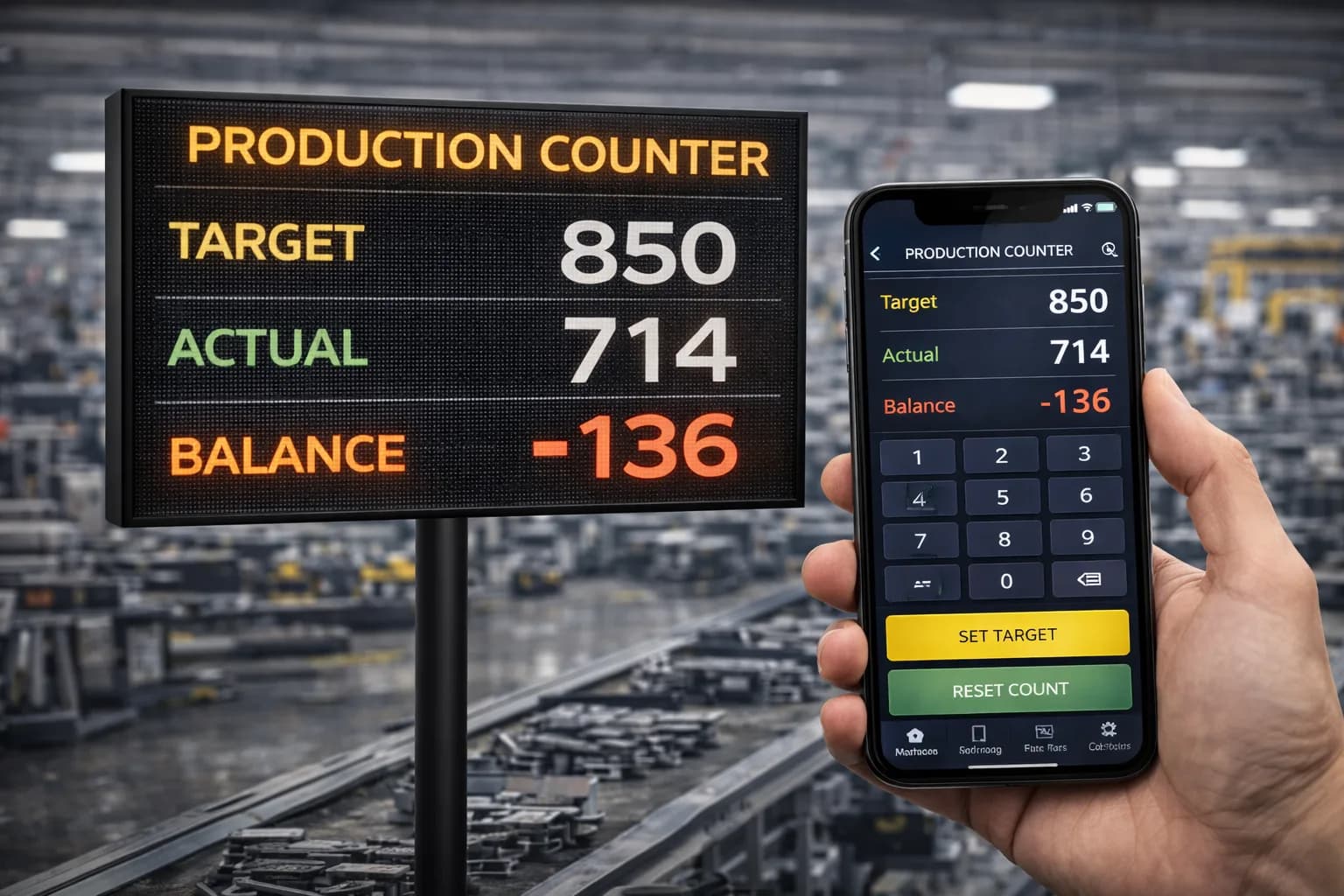
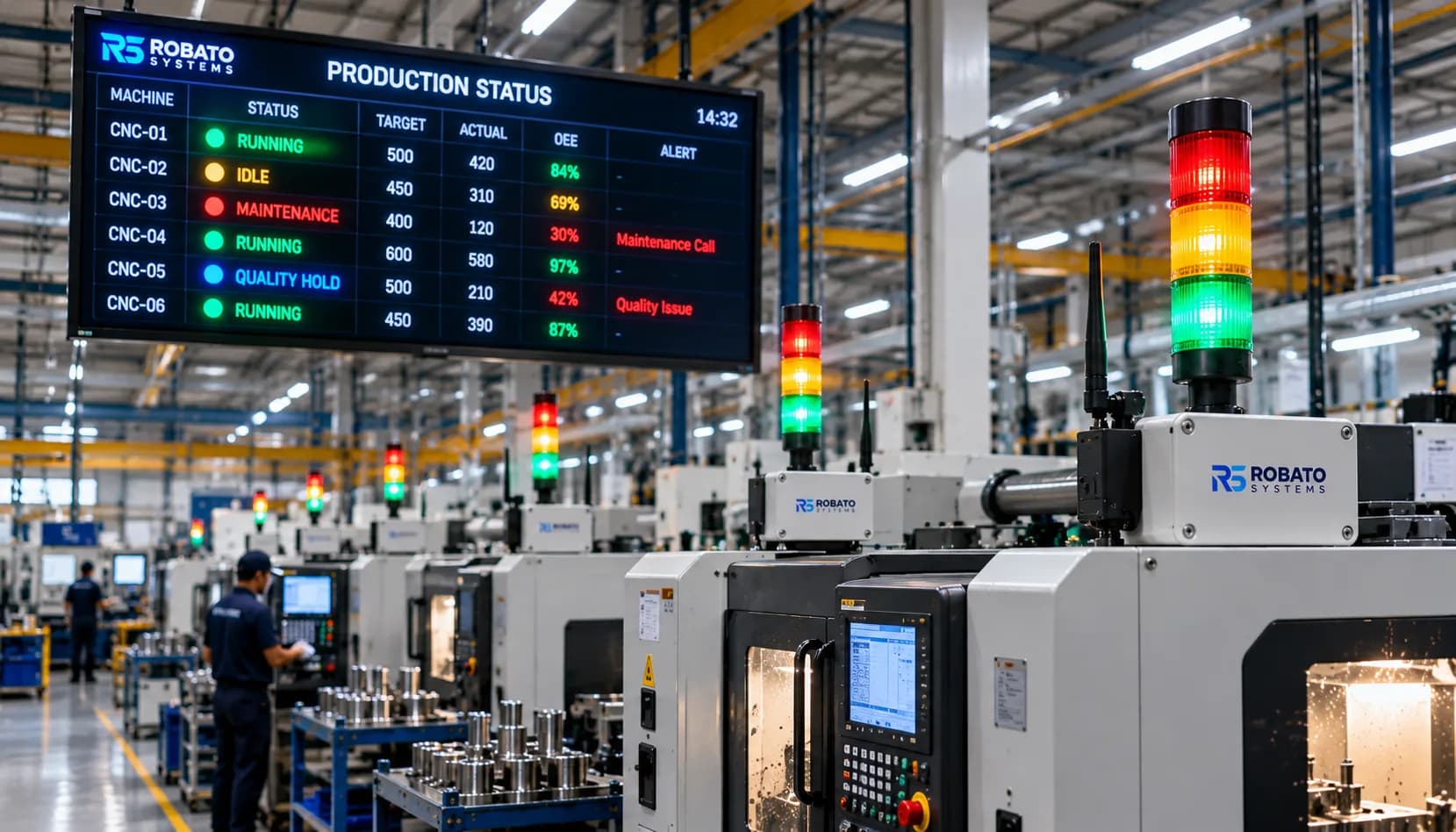
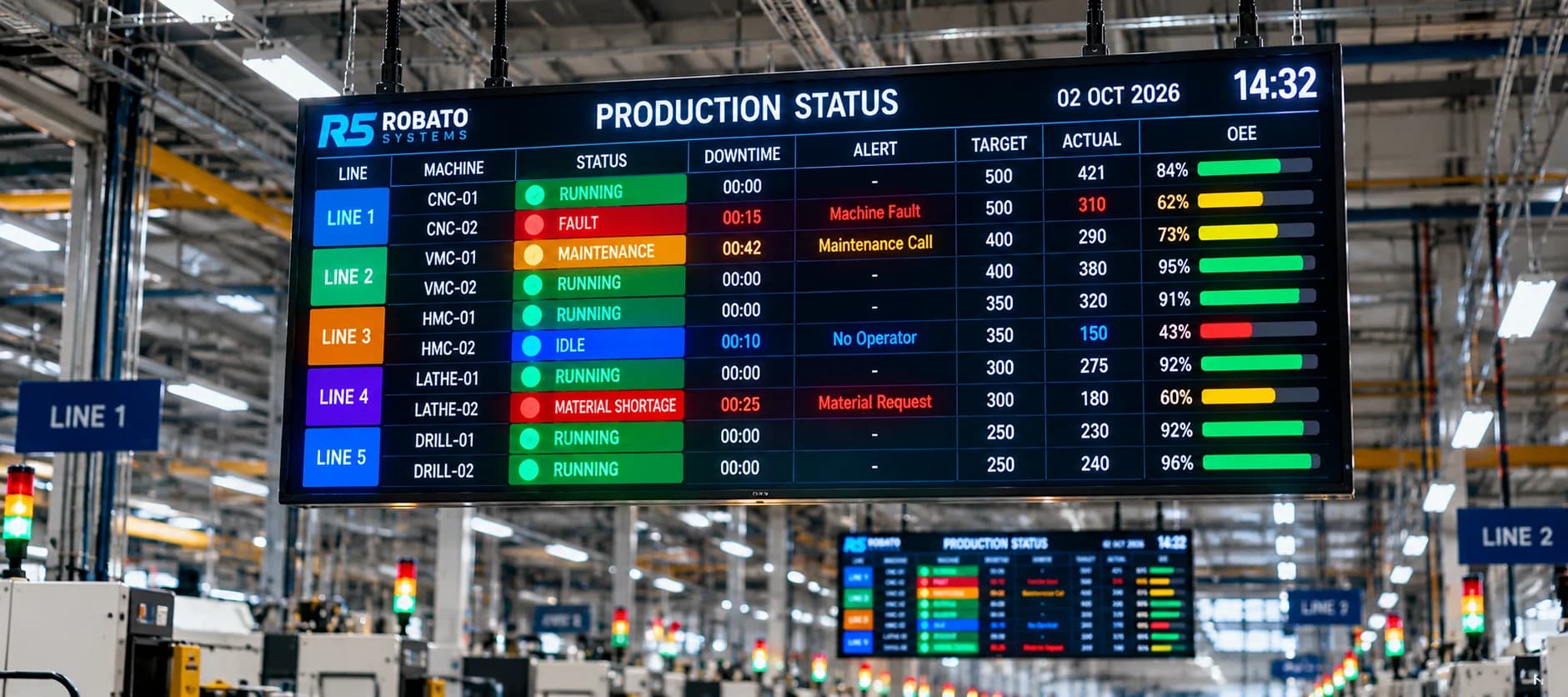
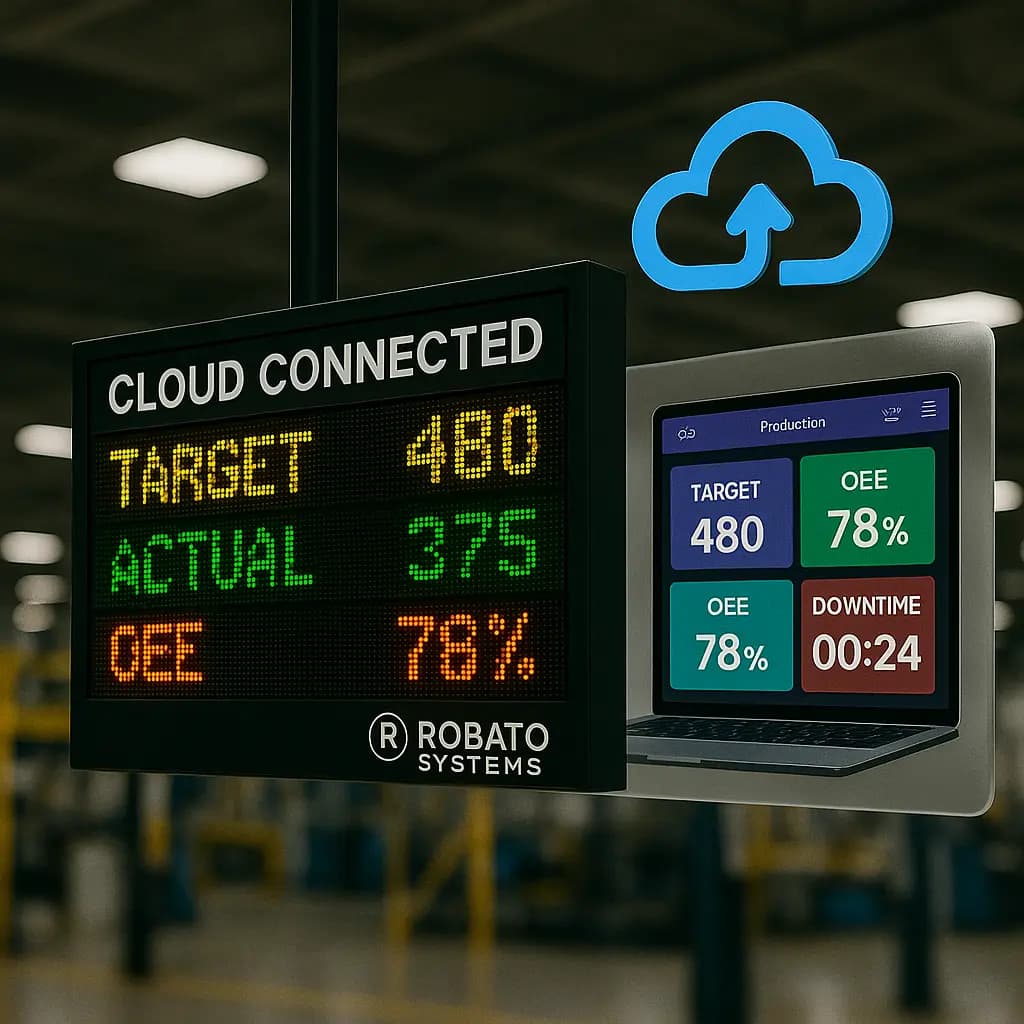
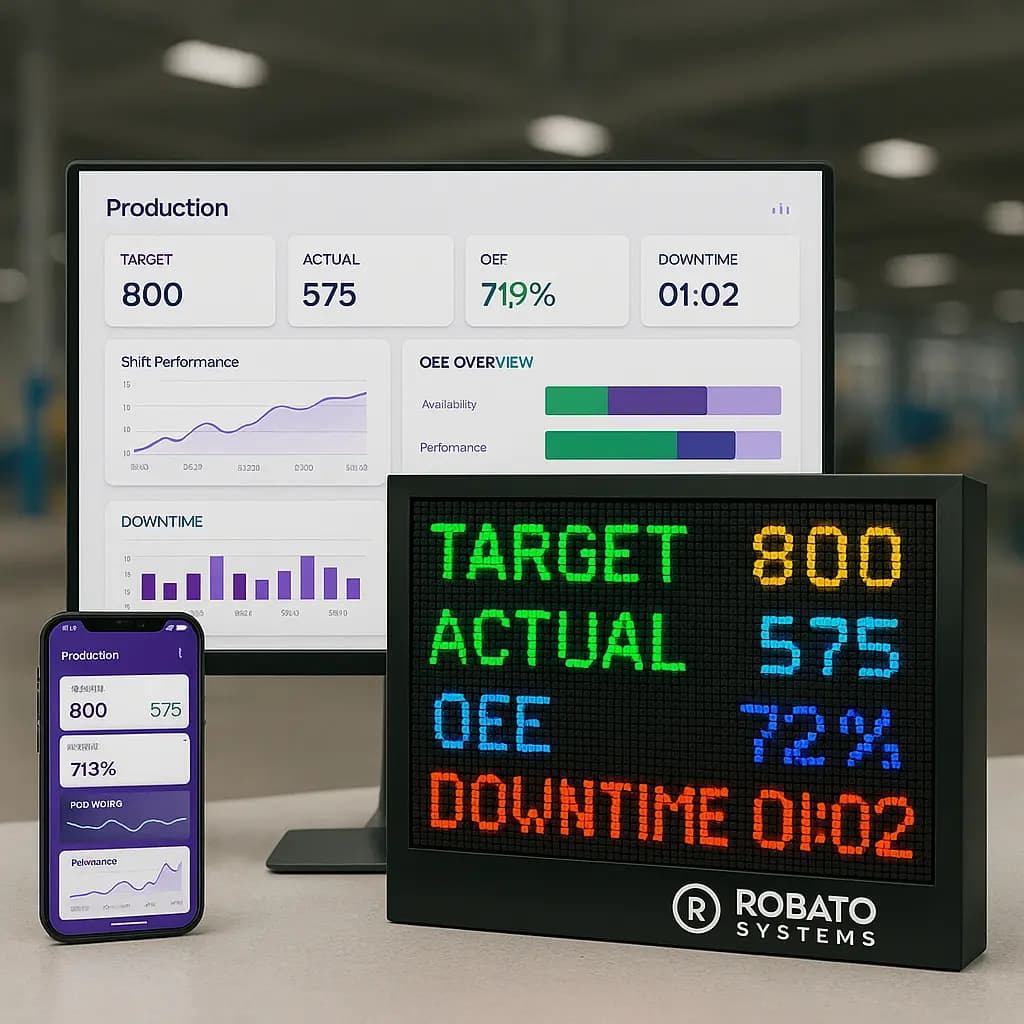
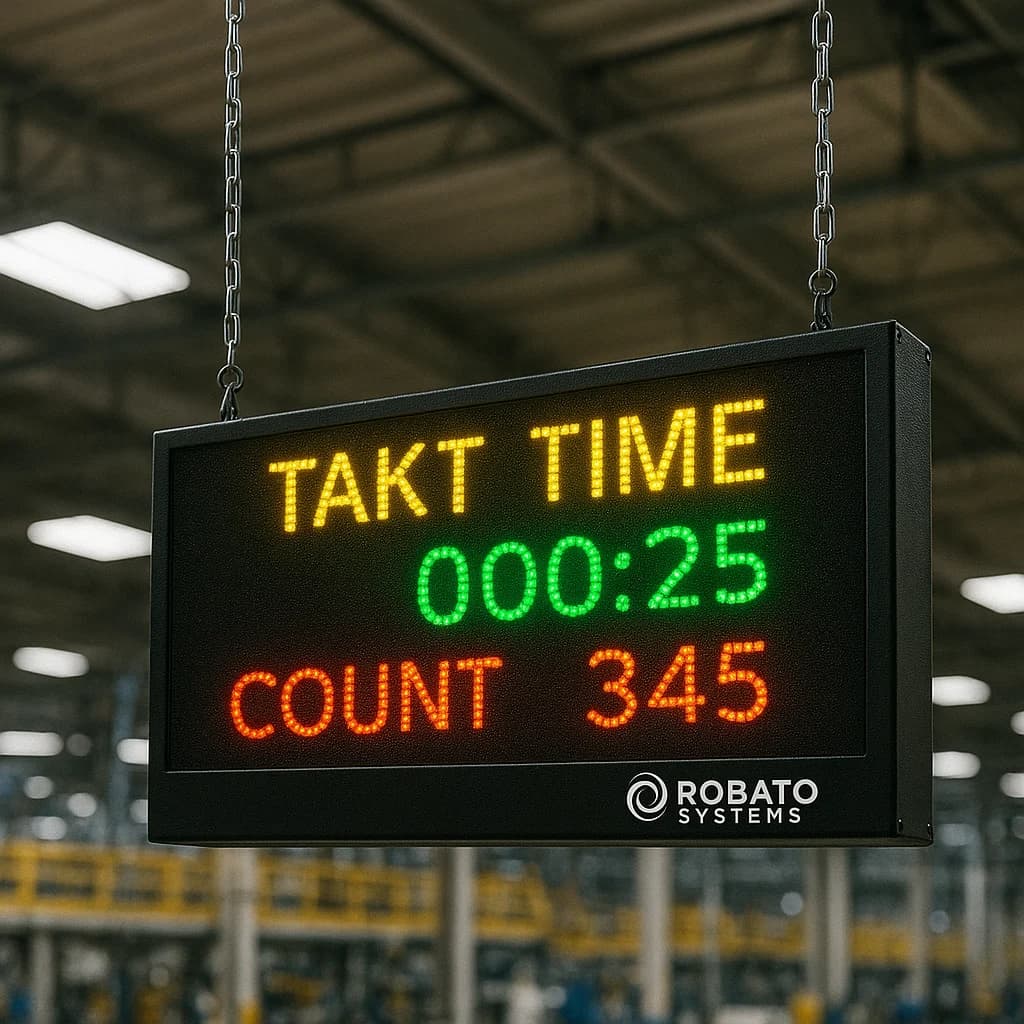
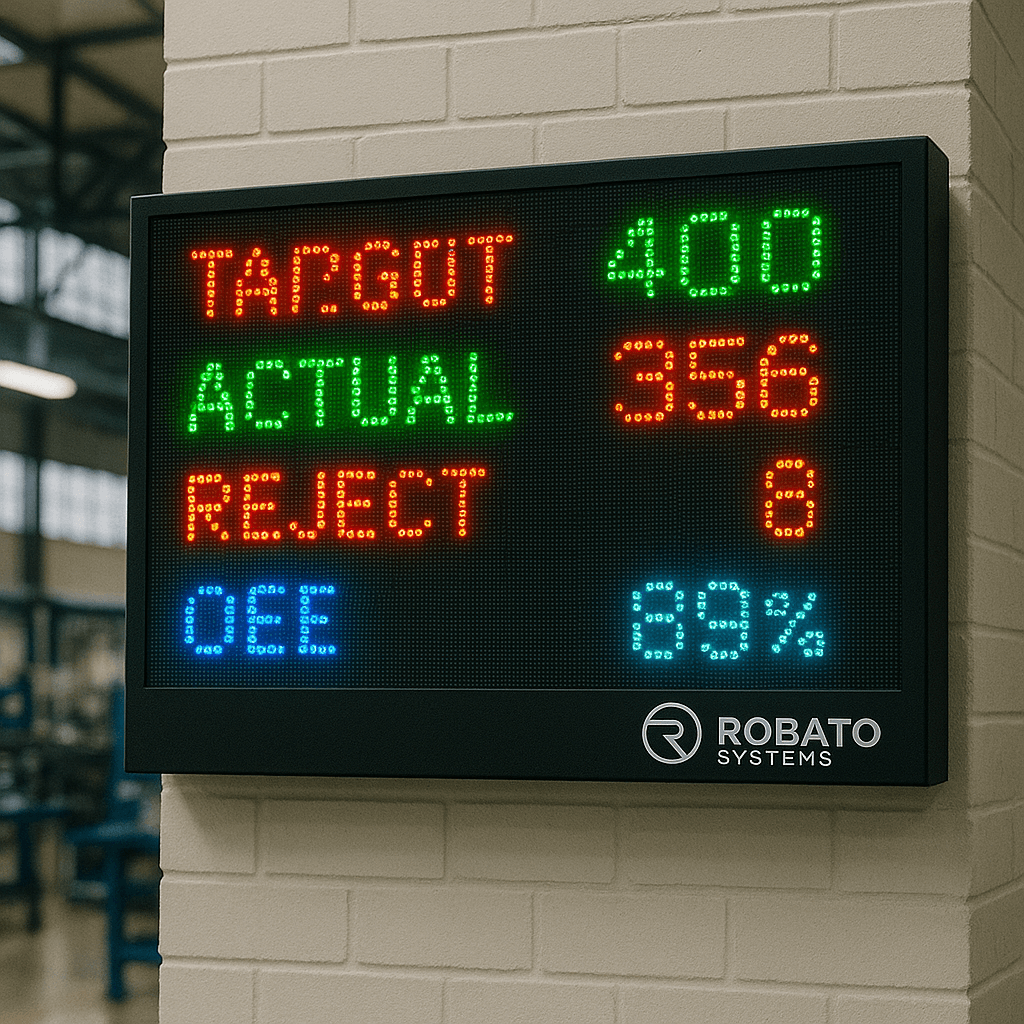
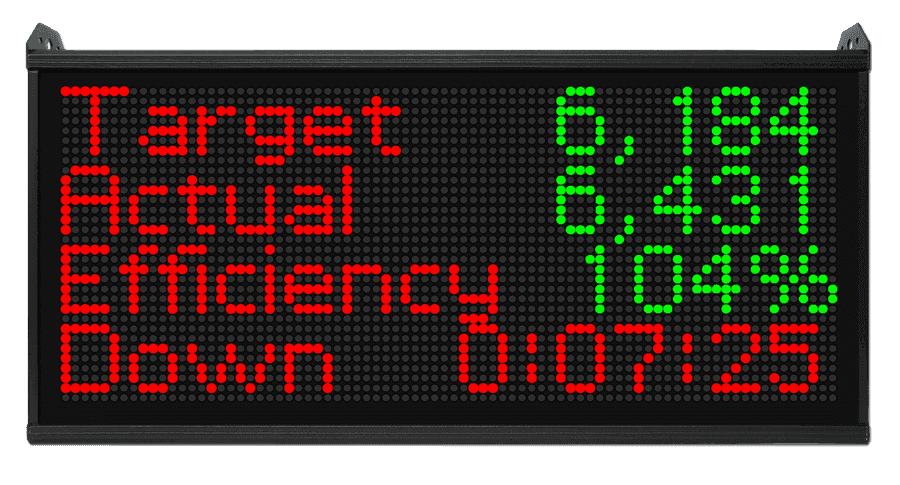
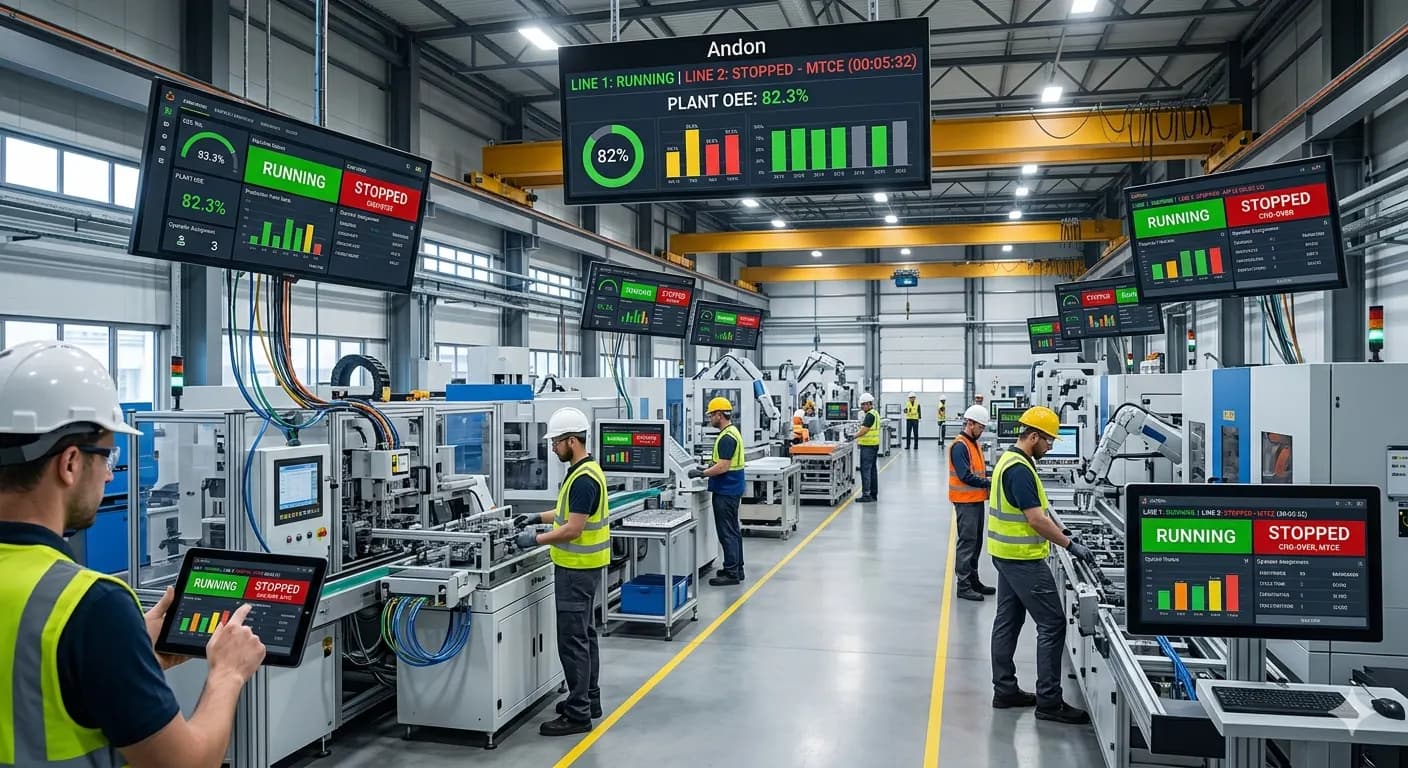
The biggest advantage of a Shop Floor Monitoring System is real-time visibility. Data is collected continuously and displayed instantly on dashboards, mobile apps, and shop floor displays.
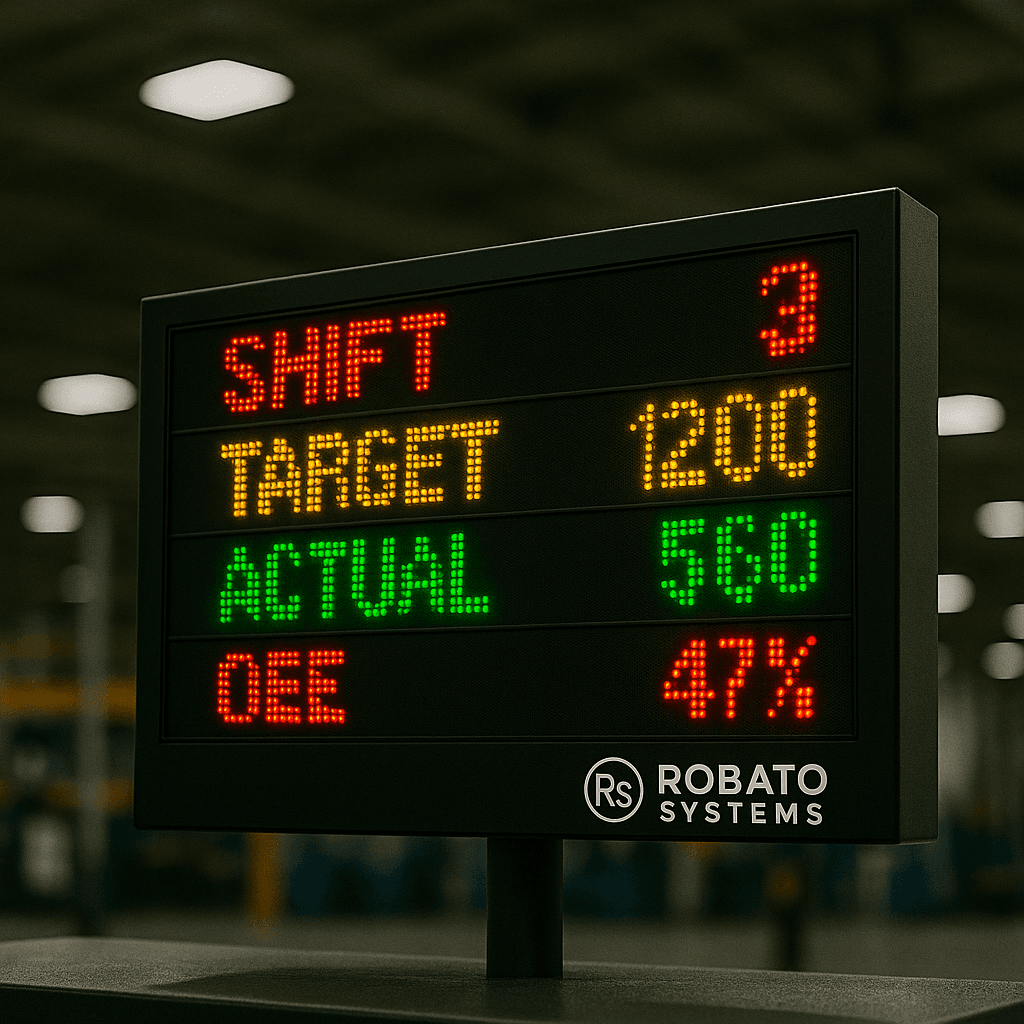
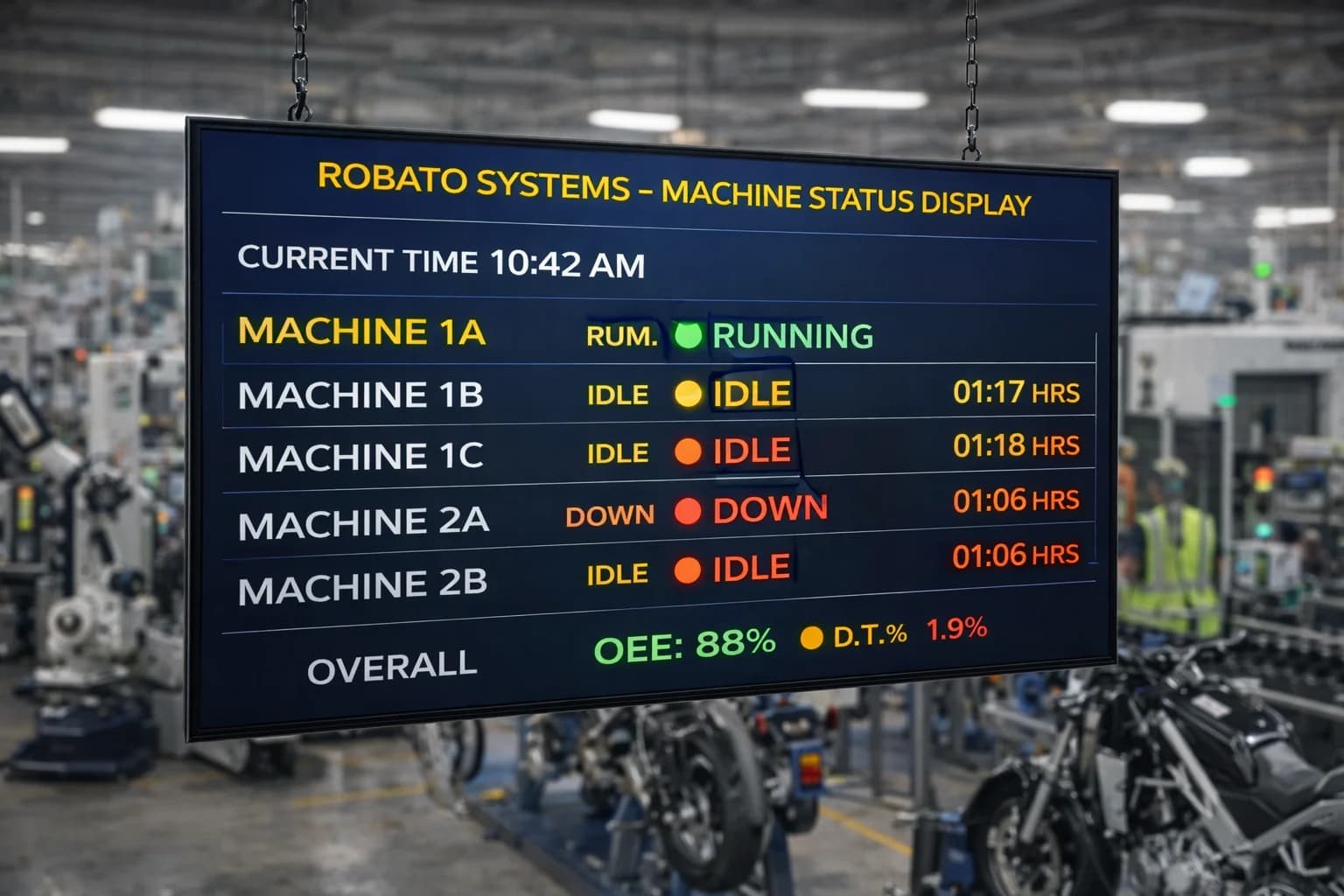
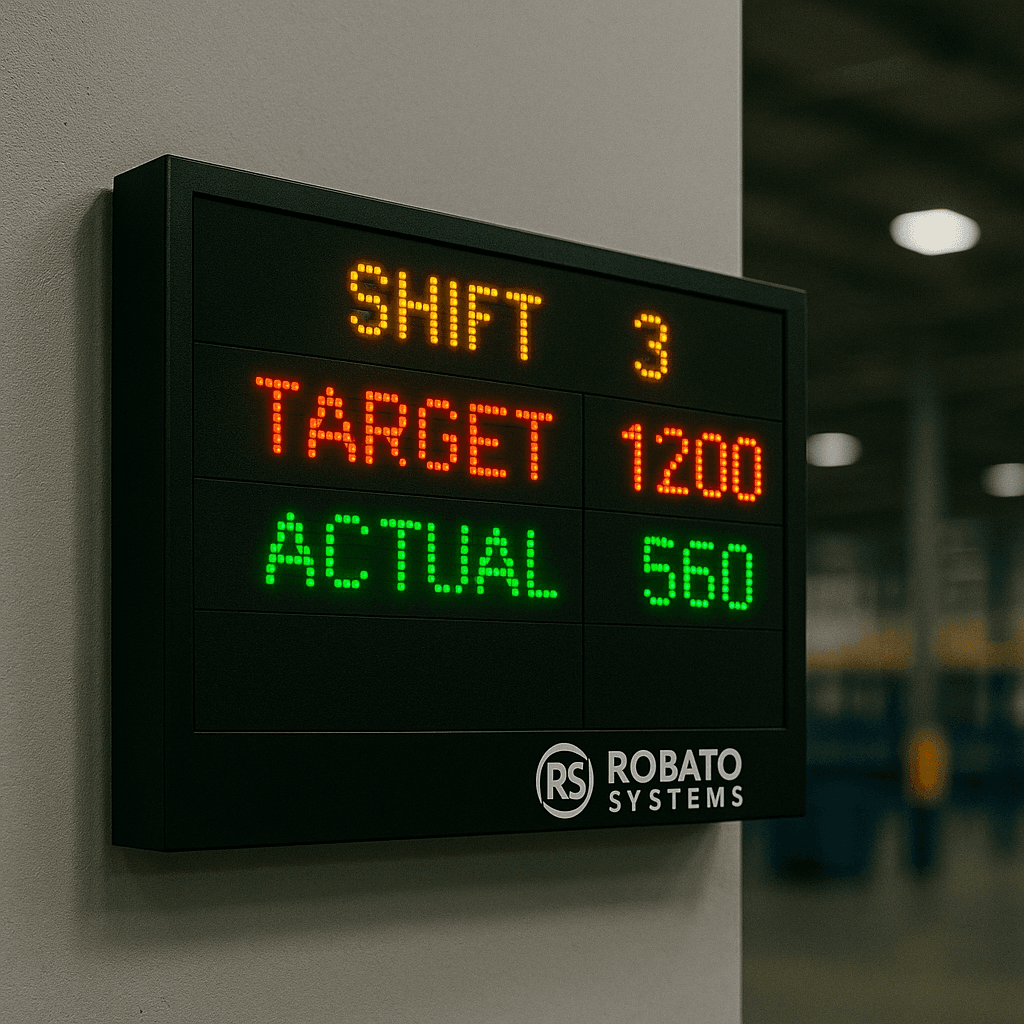
If a machine stops, the system shows it immediately. If production falls behind target, it becomes visible at once.
This allows teams to take action within seconds instead of minutes or hours. Faster response times directly translate into reduced downtime and improved output.
Automated Data Collection for Accuracy
One of the most powerful features of a Shop Floor Monitoring System is automated data collection.
Instead of relying on operators to manually record production data, the system captures it directly from machines. This ensures accuracy, consistency, and reliability.
It also frees up operators to focus on production tasks rather than administrative work.
Smarter Downtime Management
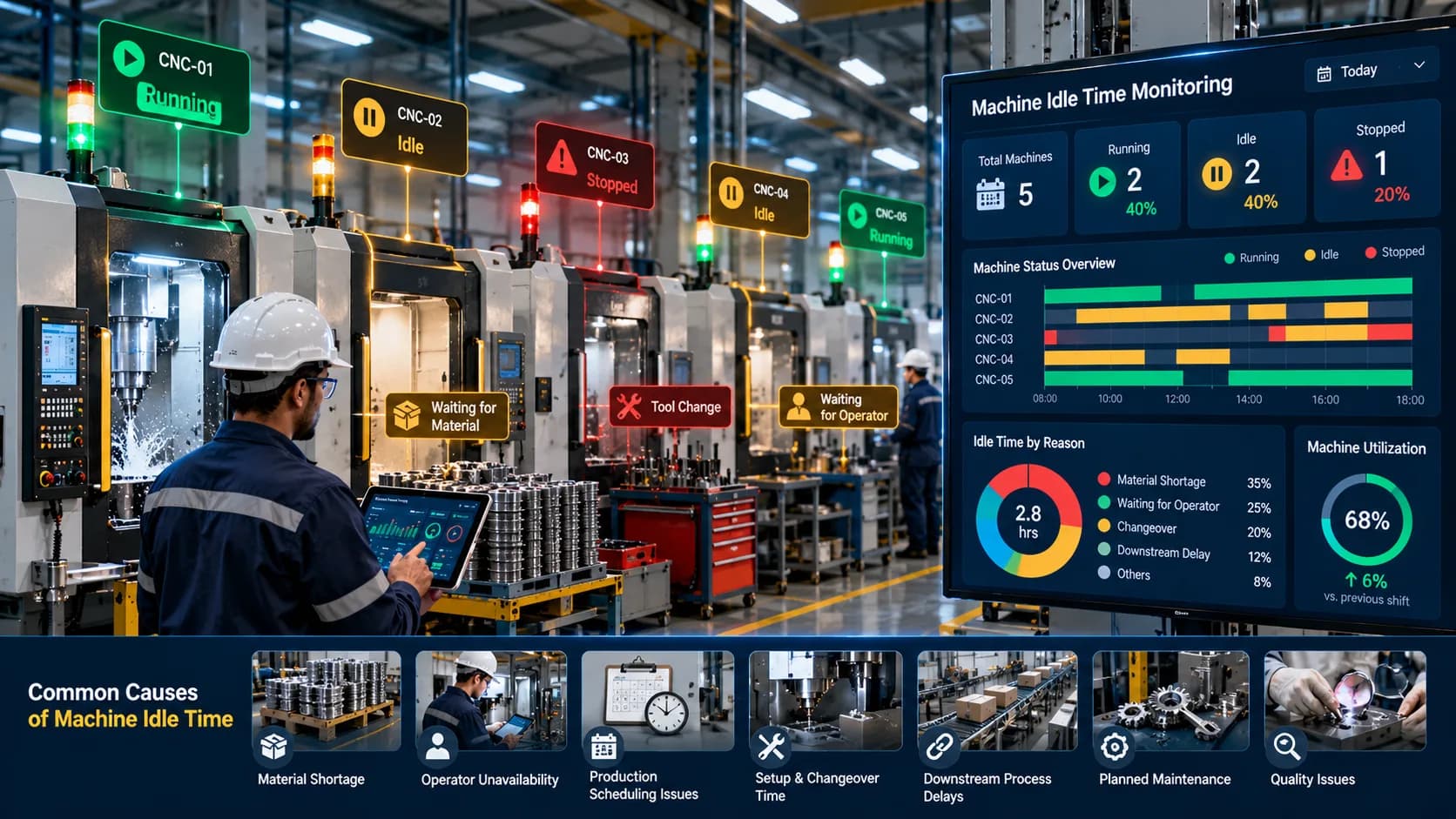
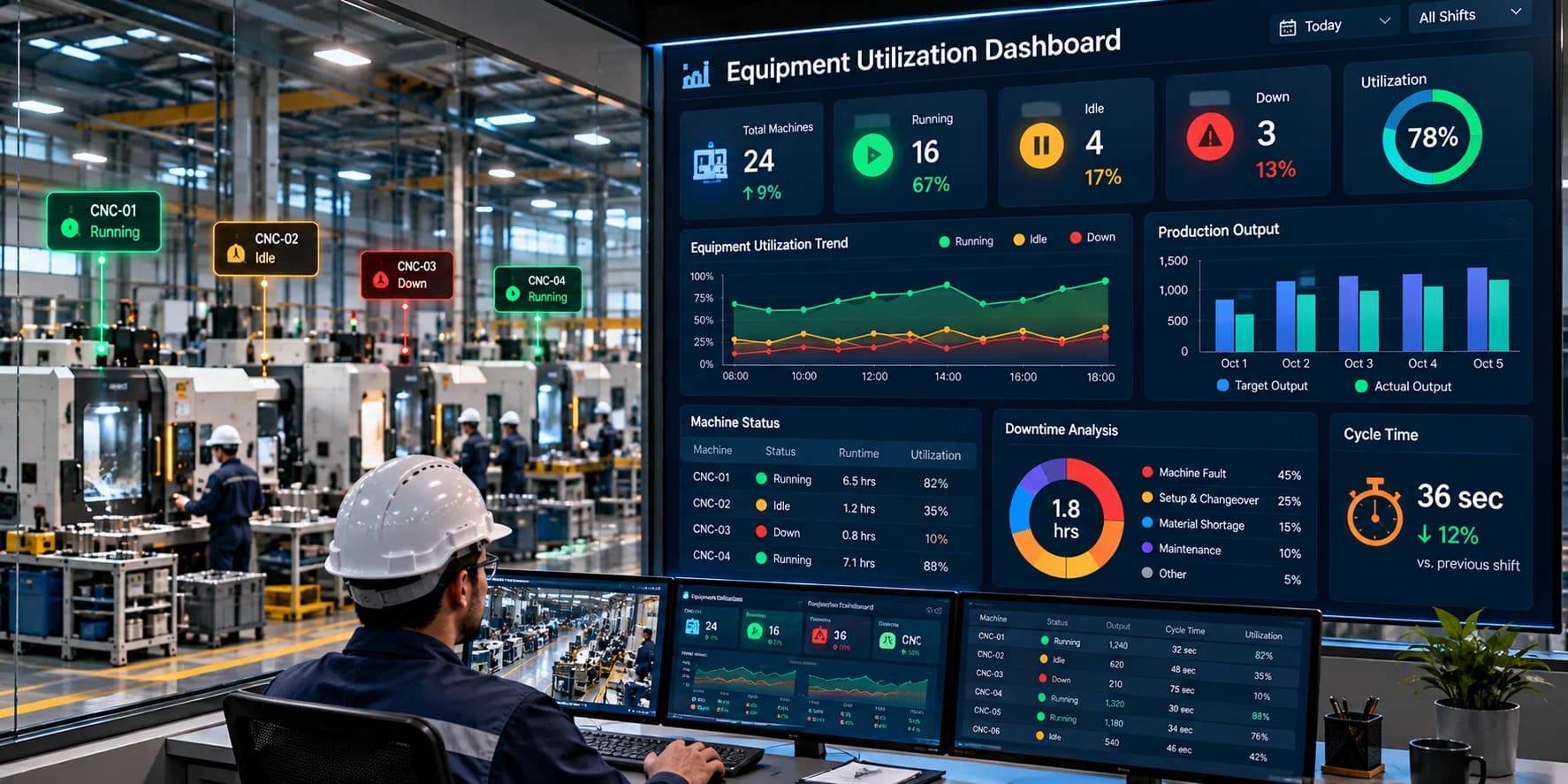
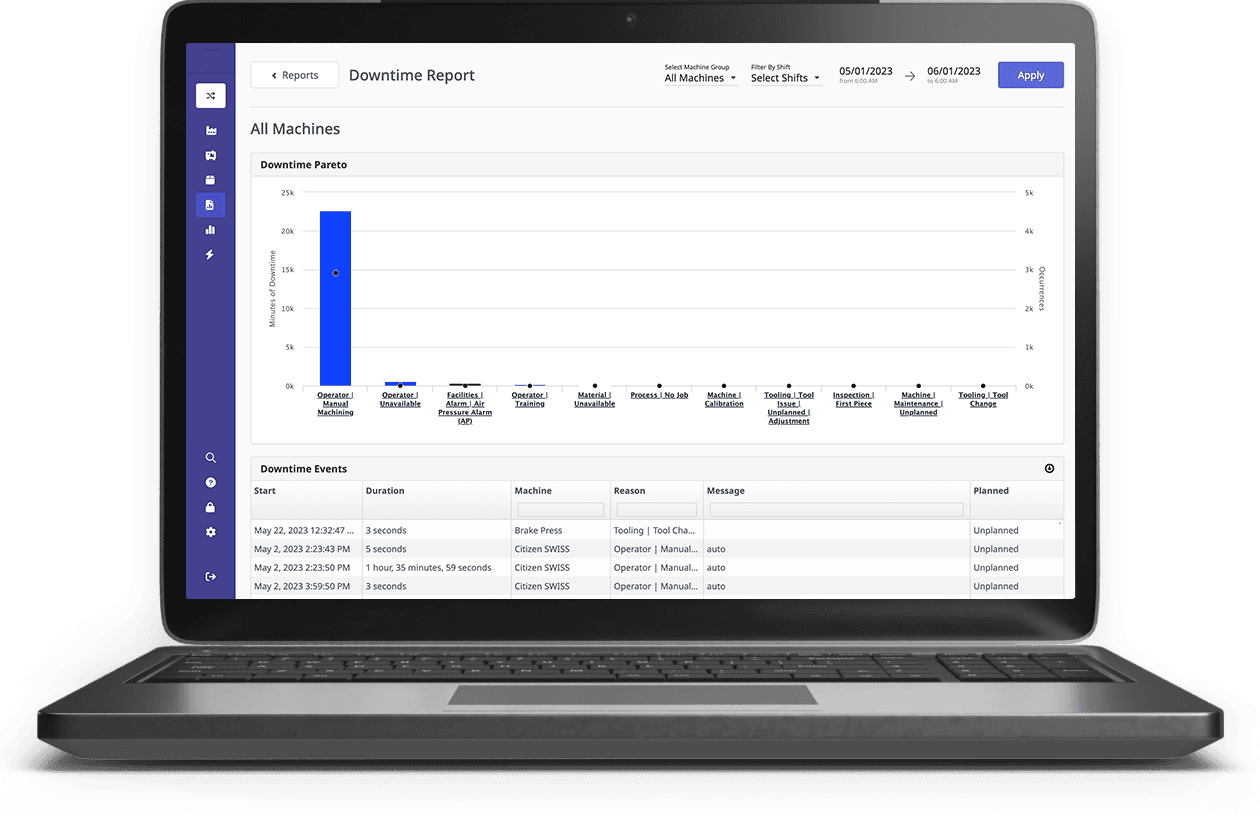
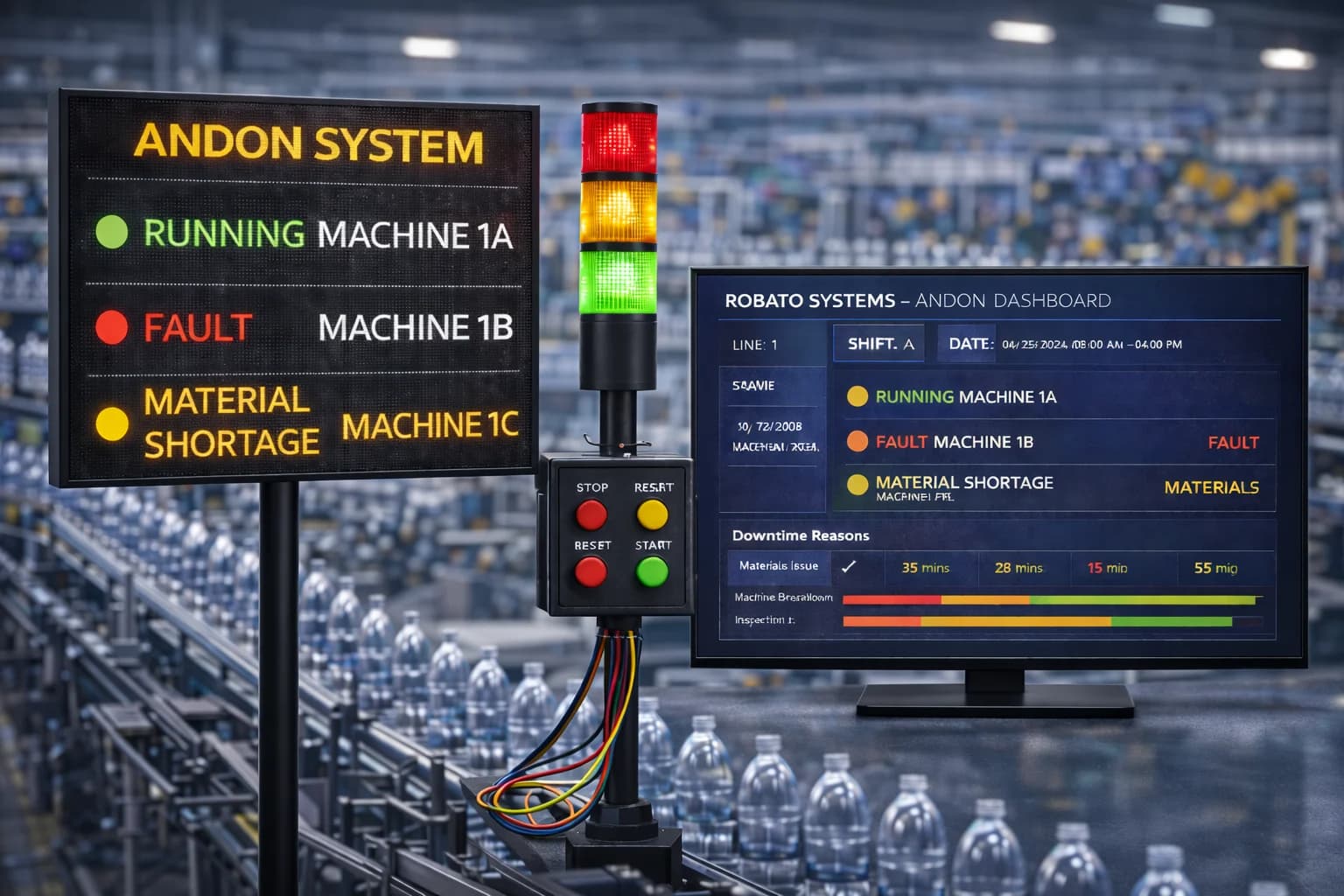
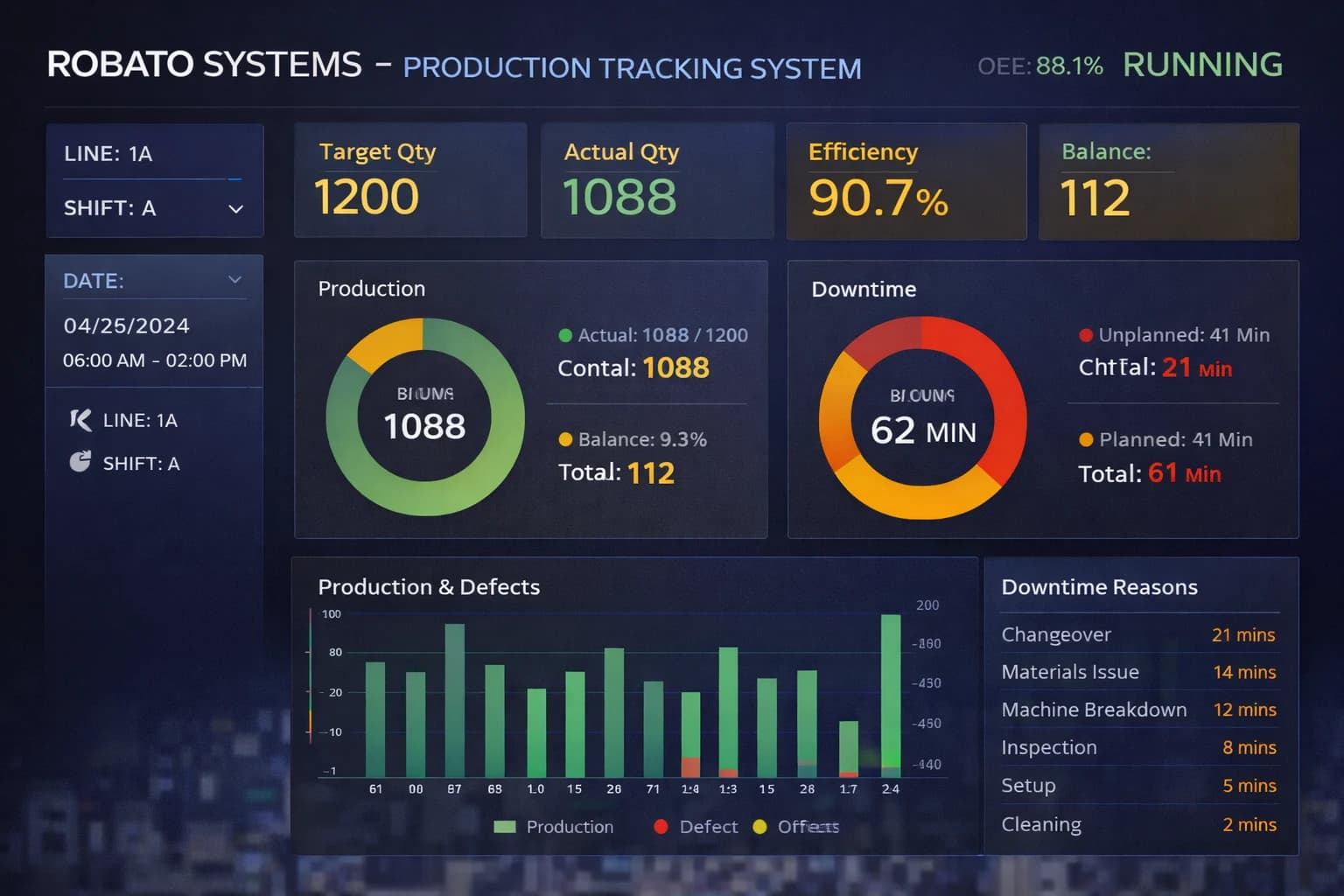
Downtime is one of the biggest challenges in any factory. A Shop Floor Monitoring System tracks downtime events in detail, including when they occur, how long they last, and why they happen.
Operators can log reasons such as breakdowns, material shortages, or changeovers directly into the system.
This detailed tracking helps identify recurring issues and enables targeted improvements. Over time, this leads to fewer stoppages and higher machine availability.
Better Communication Across the Shop Floor
Communication gaps are a common cause of inefficiency in manufacturing. A Shop Floor Monitoring System solves this by creating a shared, real-time information environment.
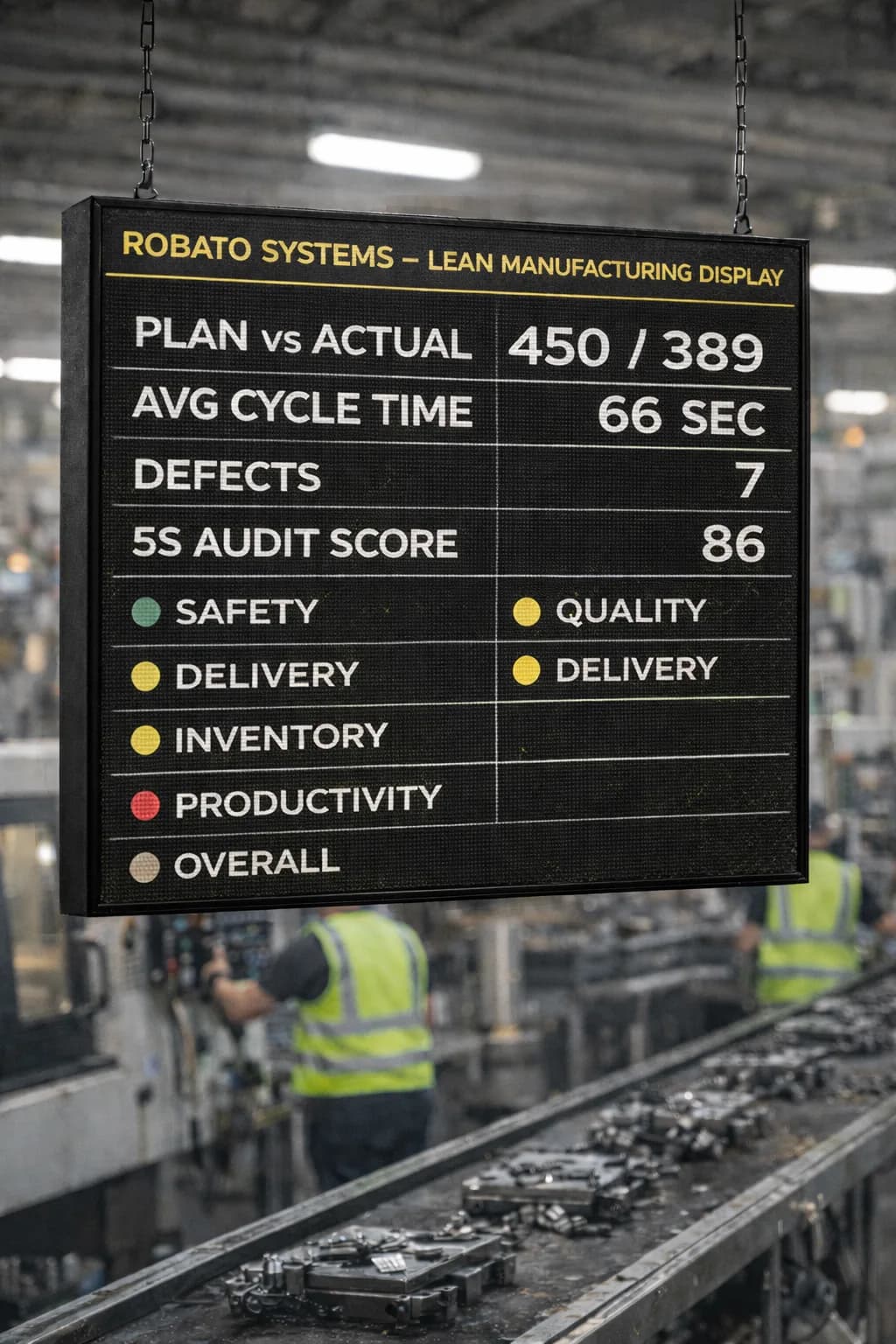
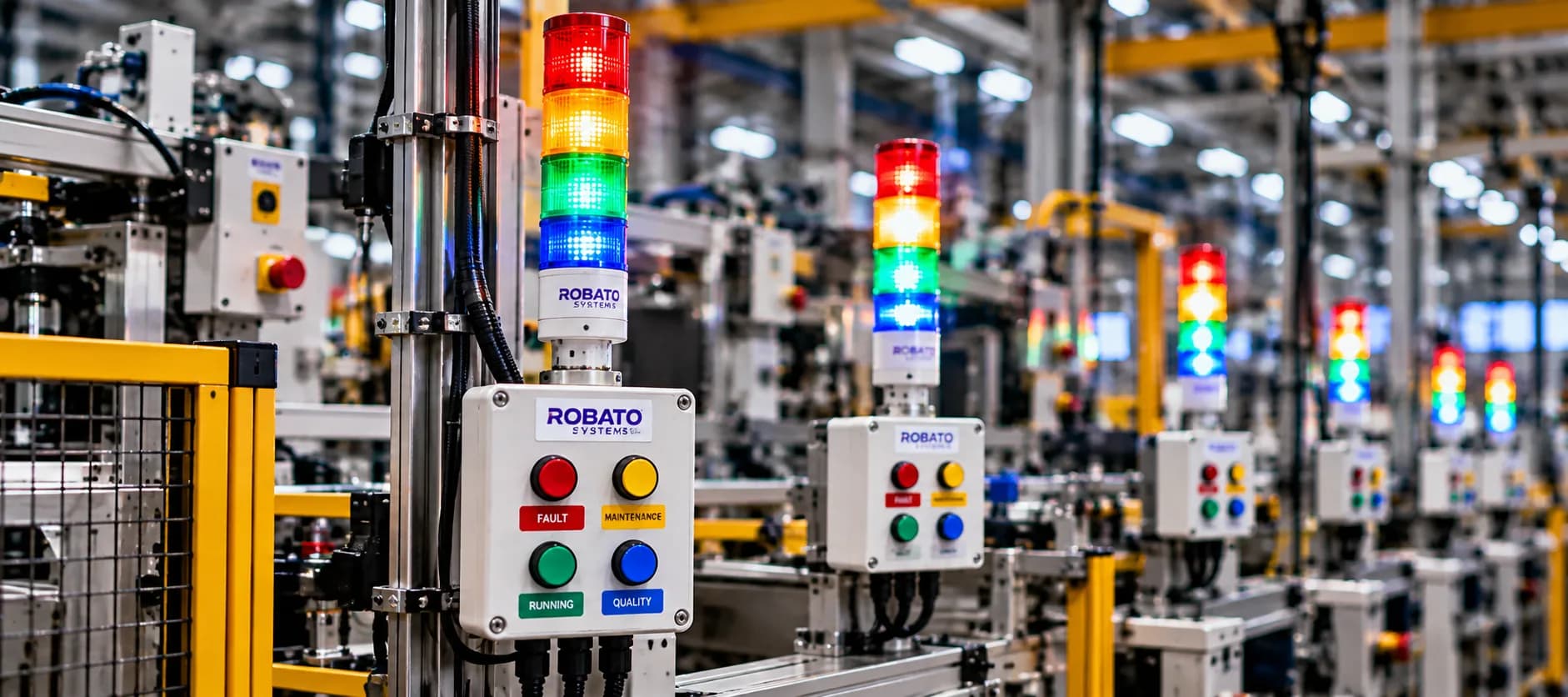
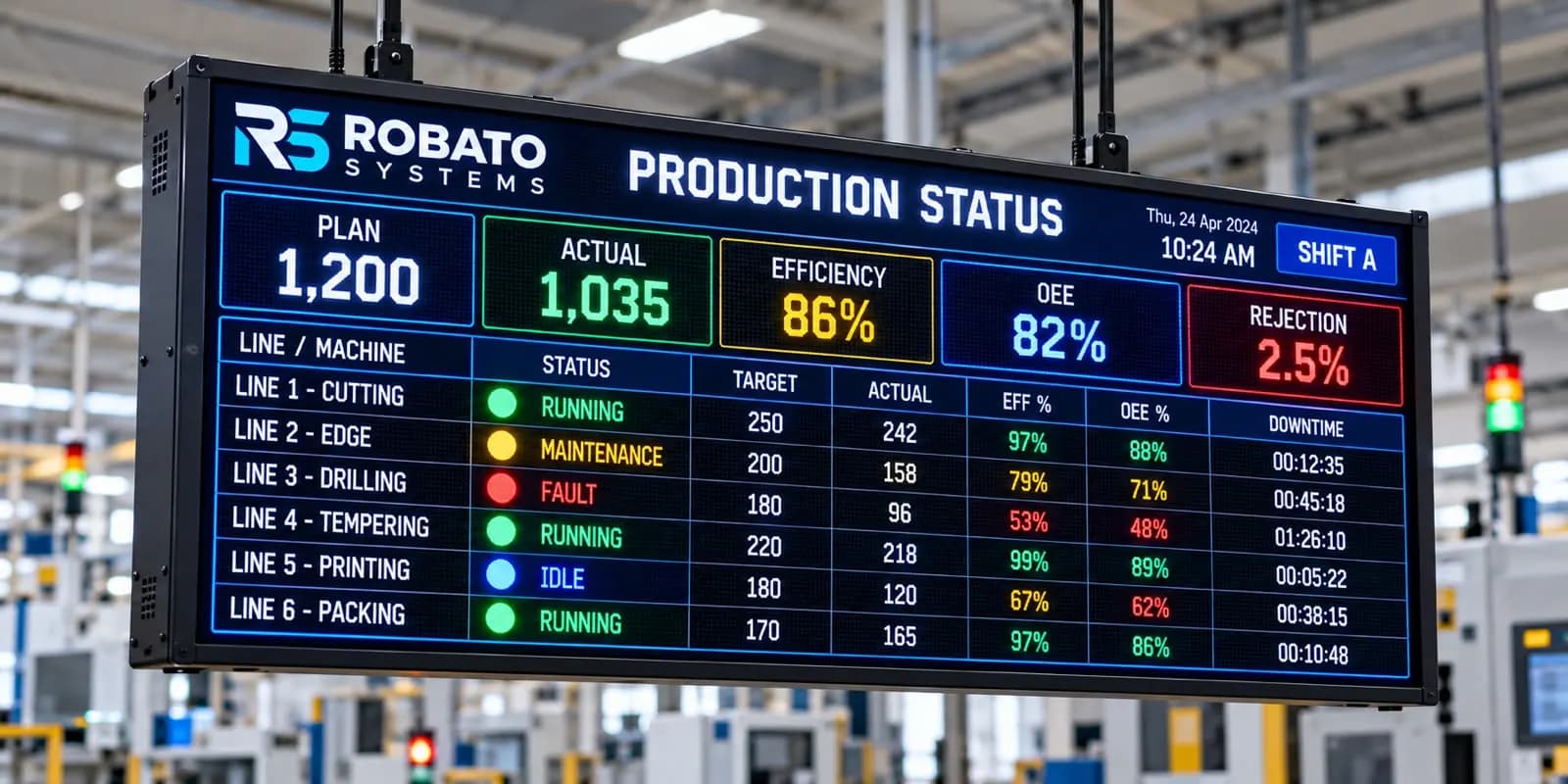
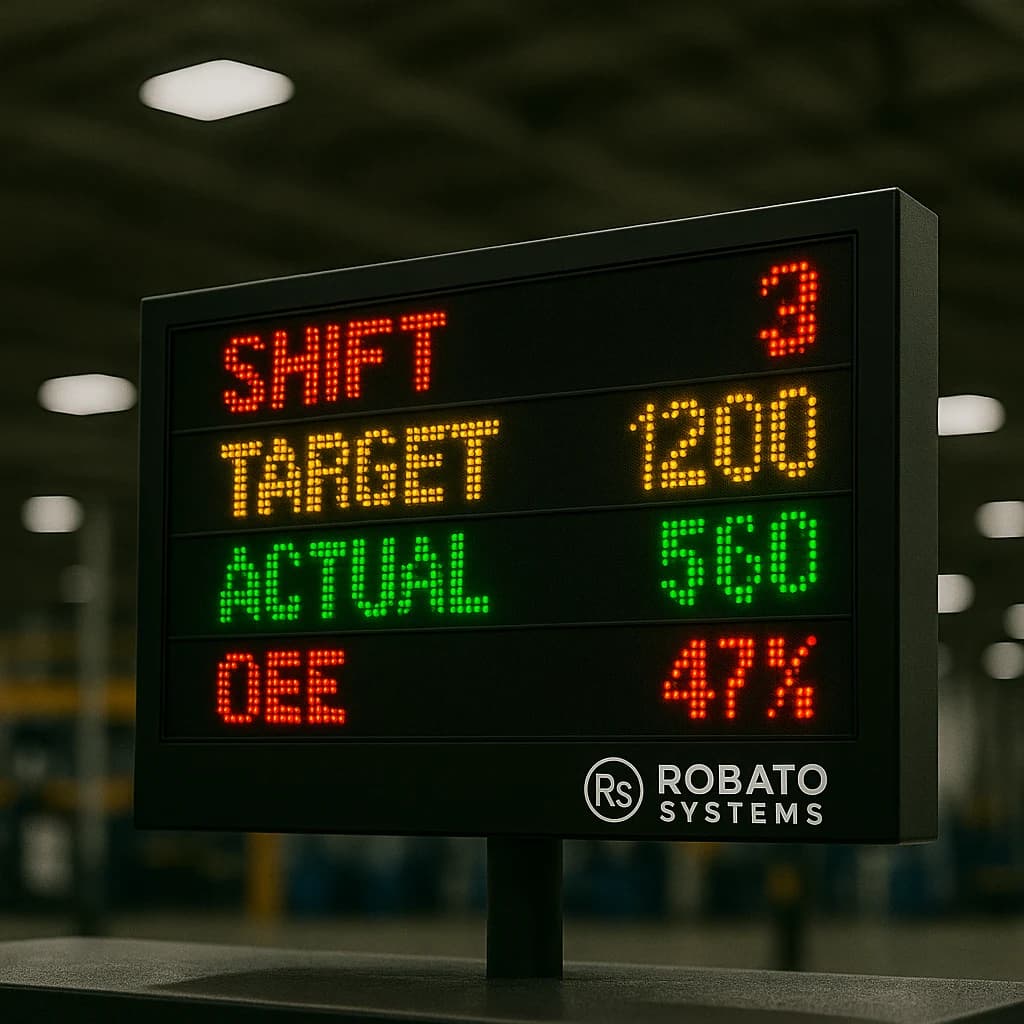
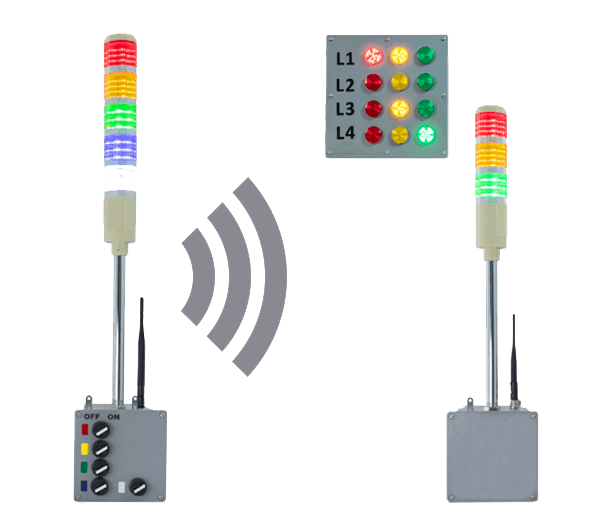
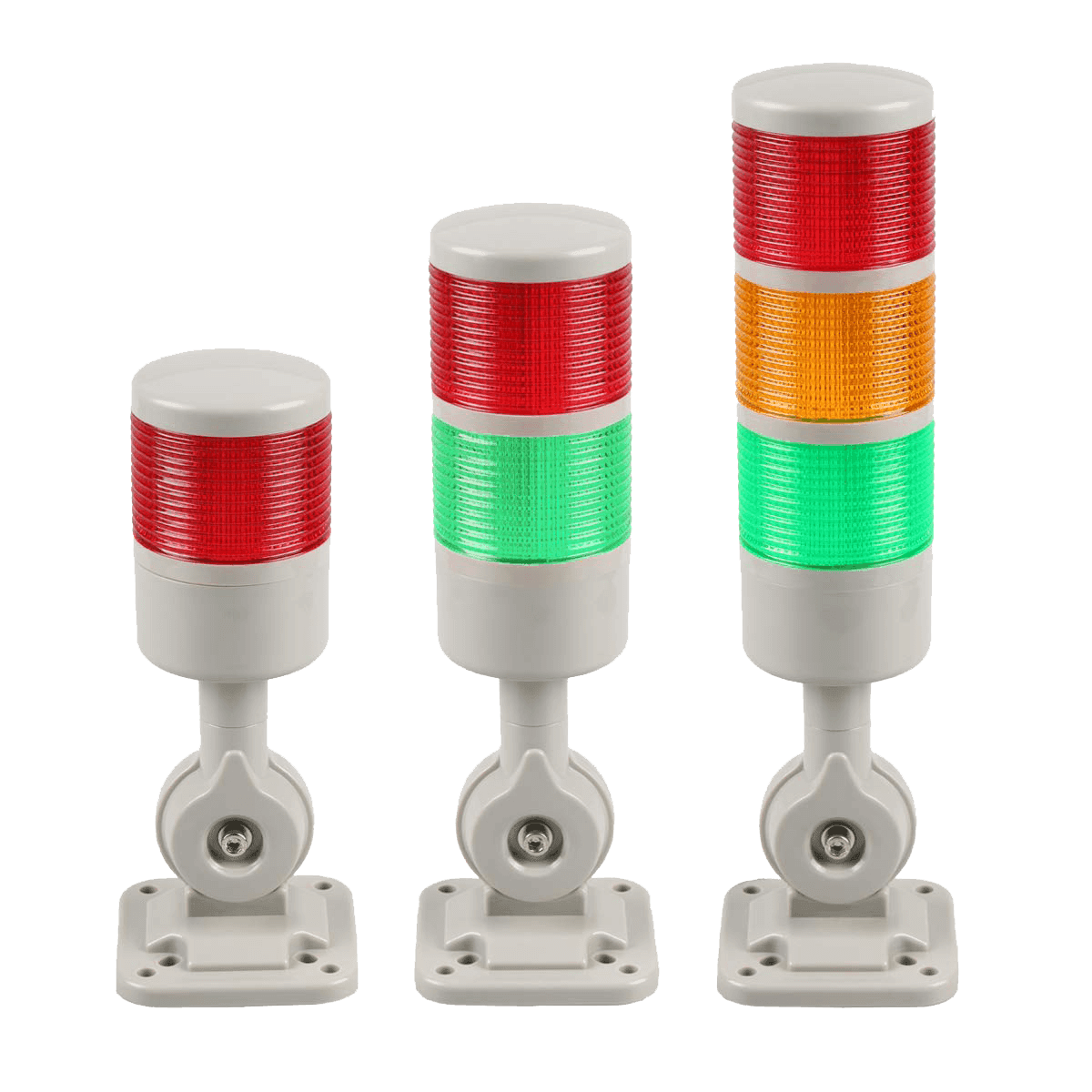
Visual dashboards and Andon displays show machine status, alerts, and performance metrics to everyone on the floor.
When everyone sees the same data at the same time, coordination improves automatically. Problems are addressed faster and teamwork becomes more effective.
Turning Data Into Actionable Insights
Collecting data is only useful if it leads to better decisions.
A Shop Floor Monitoring System analyzes trends, highlights inefficiencies, and identifies root causes of performance issues. It helps detect patterns such as frequent breakdowns or consistent delays in specific shifts.
With these insights, manufacturers can take corrective actions that deliver long-term improvements rather than temporary fixes.
Full Visibility Across Machines and Lines
Modern monitoring systems provide a complete view of operations across machines, production lines, and entire plants.
This centralized visibility allows management to compare performance across different areas and identify where improvements are needed most. It also ensures that decisions are based on accurate and consistent data.
Integration with Existing Systems
A Shop Floor Monitoring System is designed to integrate seamlessly with existing factory infrastructure.
It can connect with ERP systems, maintenance platforms, and legacy machines without requiring major changes. This flexibility makes it suitable for both new and established manufacturing facilities.
Driving Continuous Improvement
Continuous improvement is at the core of modern manufacturing. A Shop Floor Monitoring System provides the data needed to track progress and measure results.
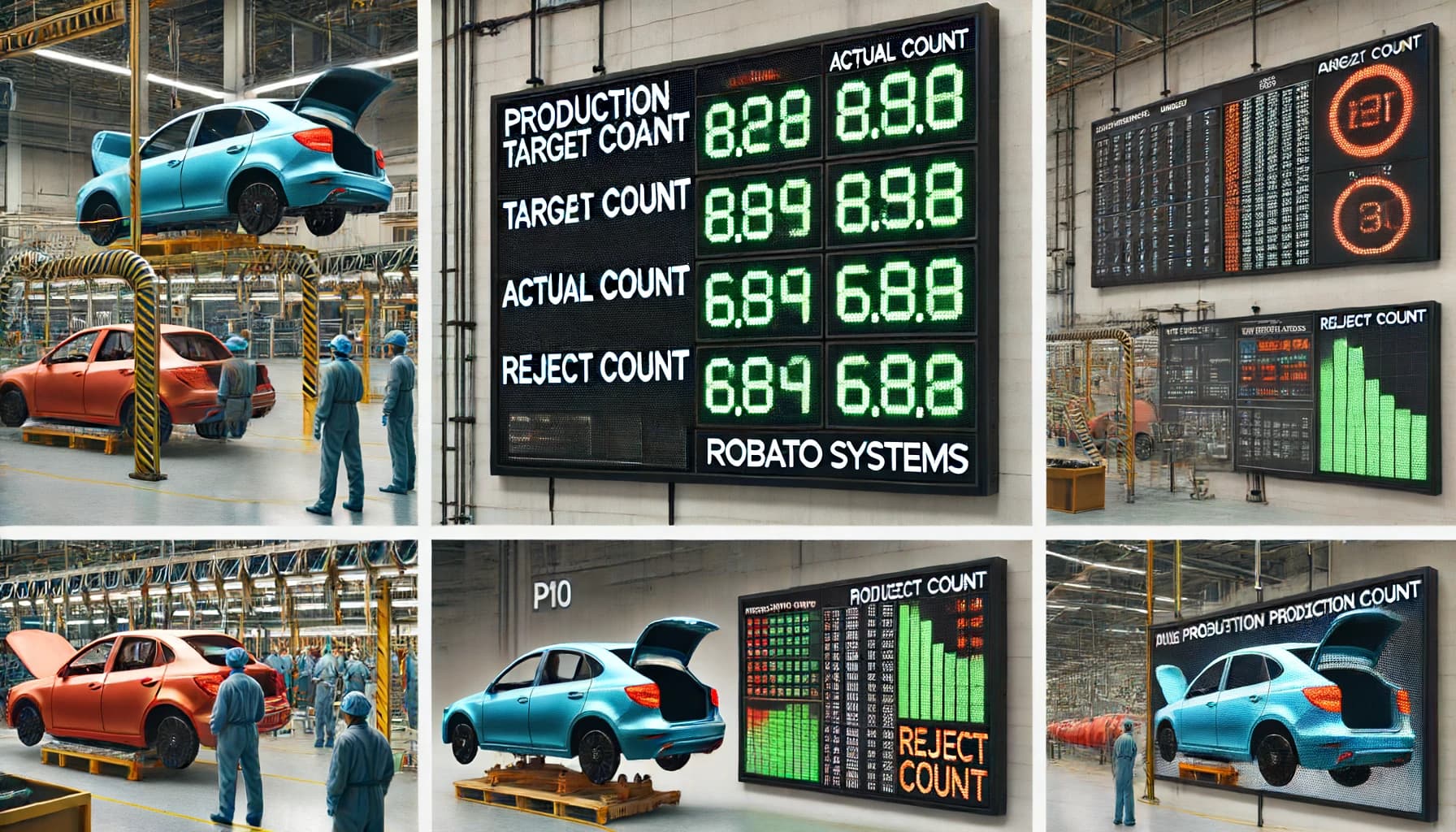
Factories can set performance targets, monitor achievements, and refine processes over time. Even small improvements, when applied consistently, can lead to significant gains in productivity and efficiency.
Conclusion
A Shop Floor Monitoring System is no longer a luxury. It is a necessity for factories that want to stay competitive.
By providing real-time visibility, accurate data, and actionable insights, it transforms how manufacturing operations are managed. It reduces downtime, improves communication, and drives continuous improvement across the shop floor.
For any organization aiming to optimize production and maximize efficiency, implementing a Shop Floor Monitoring System is a smart and strategic step forward.