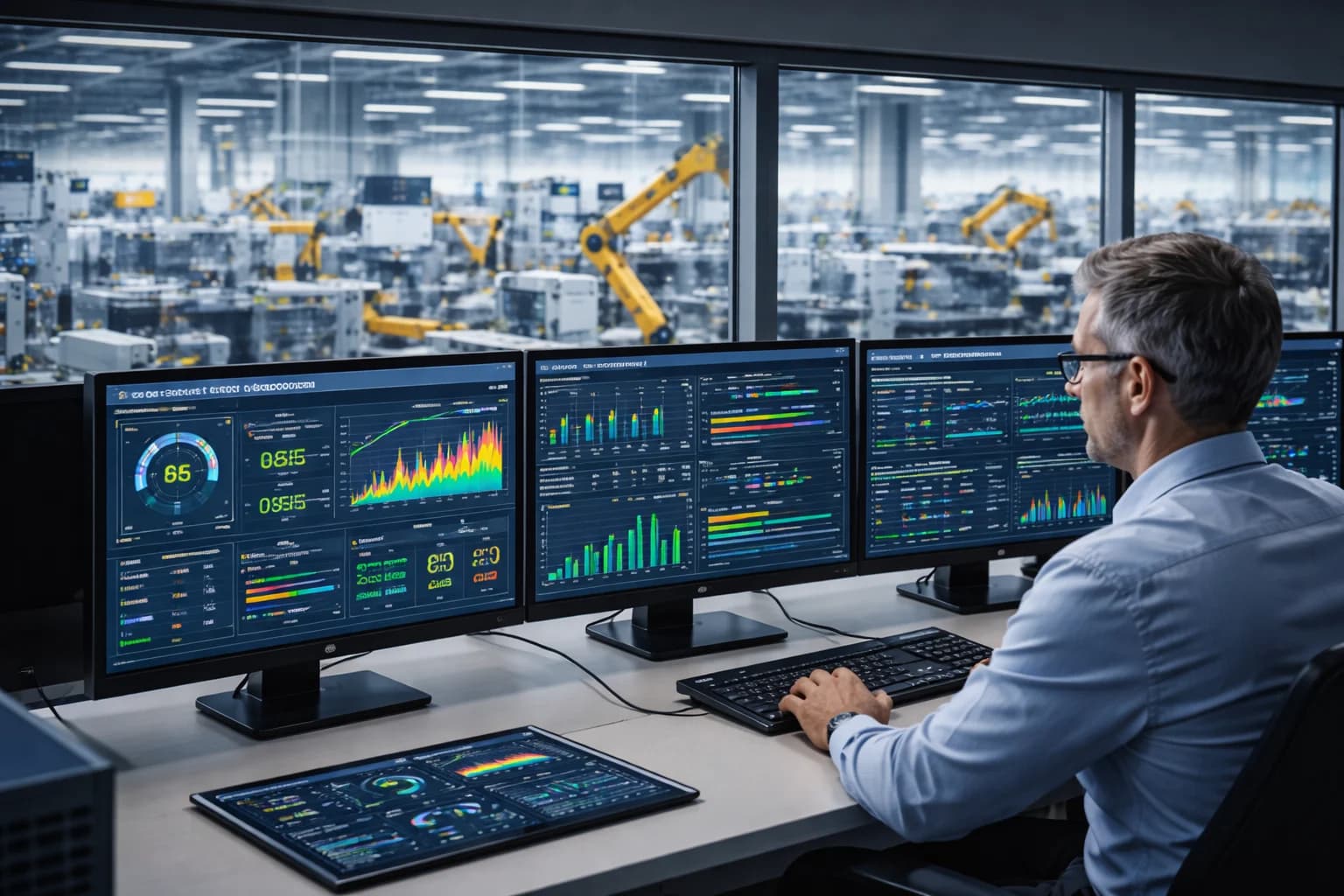
Smart Factory Monitoring System: The Complete Guide to Intelligent Manufacturing
In today’s competitive manufacturing landscape, efficiency is no longer optional. It is essential. This is where a smart factory monitoring system plays a transformative role. By combining real-time data, connected machines, and intelligent analytics, it gives manufacturers complete visibility over their operations. Instead of reacting to problems after they occur, factories can now detect issues instantly, respond faster, and continuously improve performance.
What Is a Smart Factory Monitoring System?
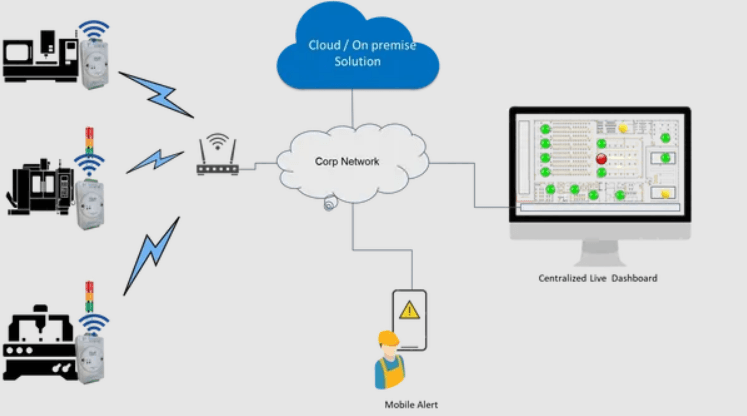
A smart factory monitoring system is an Industry 4.0 solution that connects machines, sensors, and software to track production in real time. It collects data directly from equipment and converts it into actionable insights.
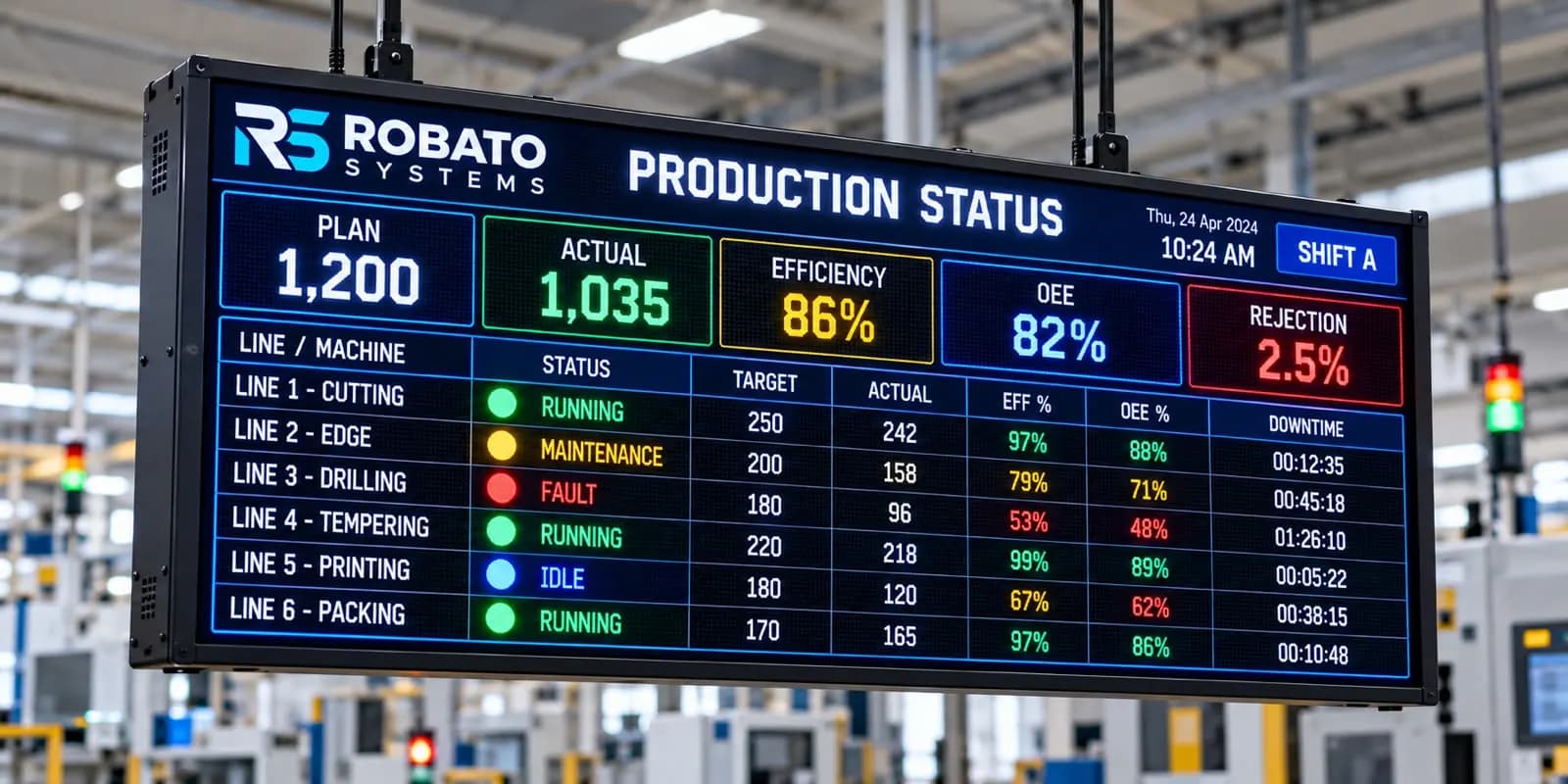
These systems monitor machine status, production output, downtime, and quality metrics across the entire shop floor. The result is a unified platform where operators, supervisors, and management can see exactly what is happening at any moment.
Why Traditional Monitoring No Longer Works
Many factories still rely on manual data entry or delayed reporting systems. The problem is simple. By the time data is analyzed, the issue has already impacted production.
Manual tracking also leads to inaccuracies and missed details such as micro-stoppages or minor speed losses. Without real-time insights, decision-making becomes reactive instead of proactive.
A smart factory monitoring system removes these limitations by automating data collection and delivering live visibility.
Real-Time Visibility That Changes Operations
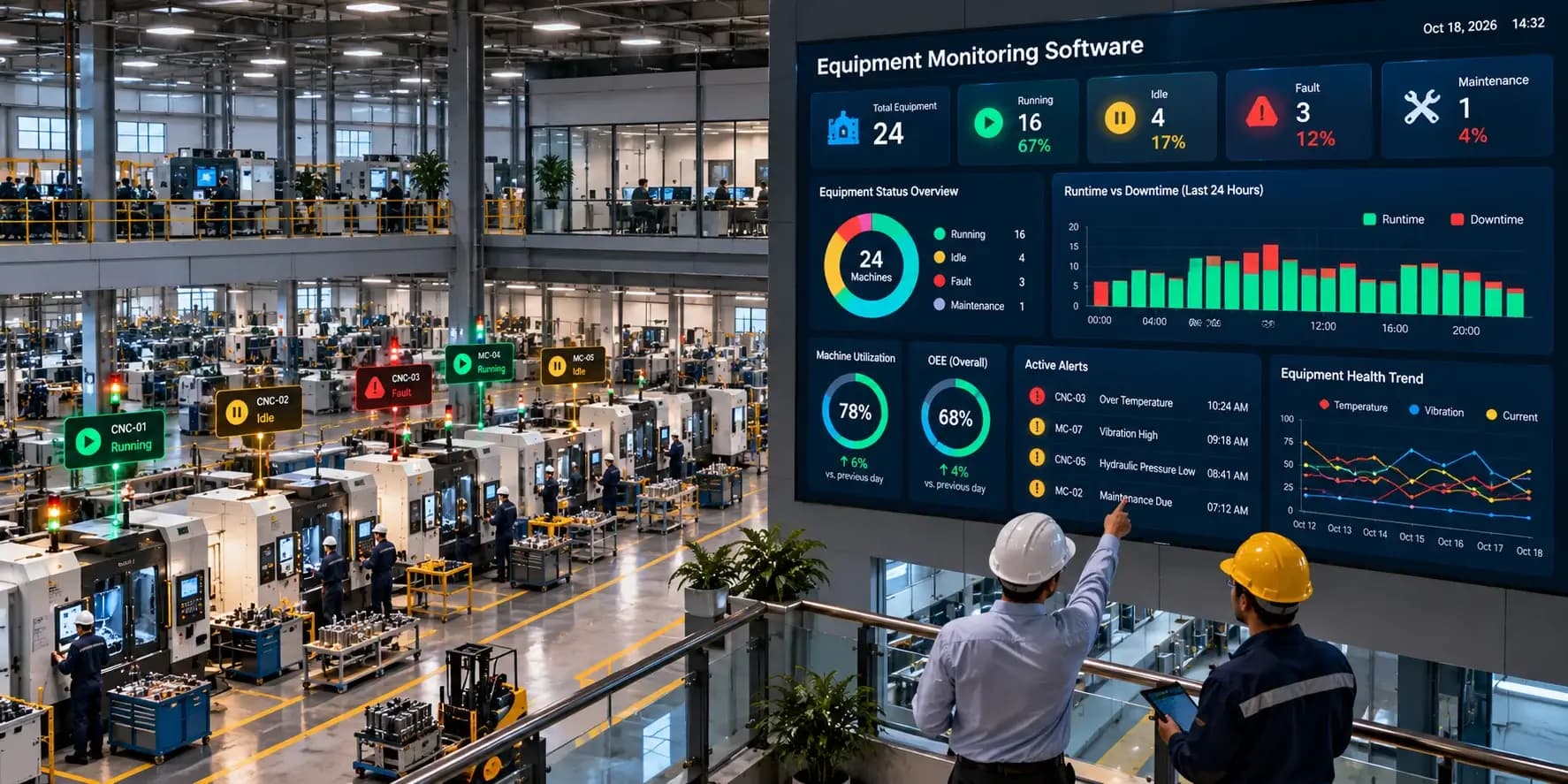
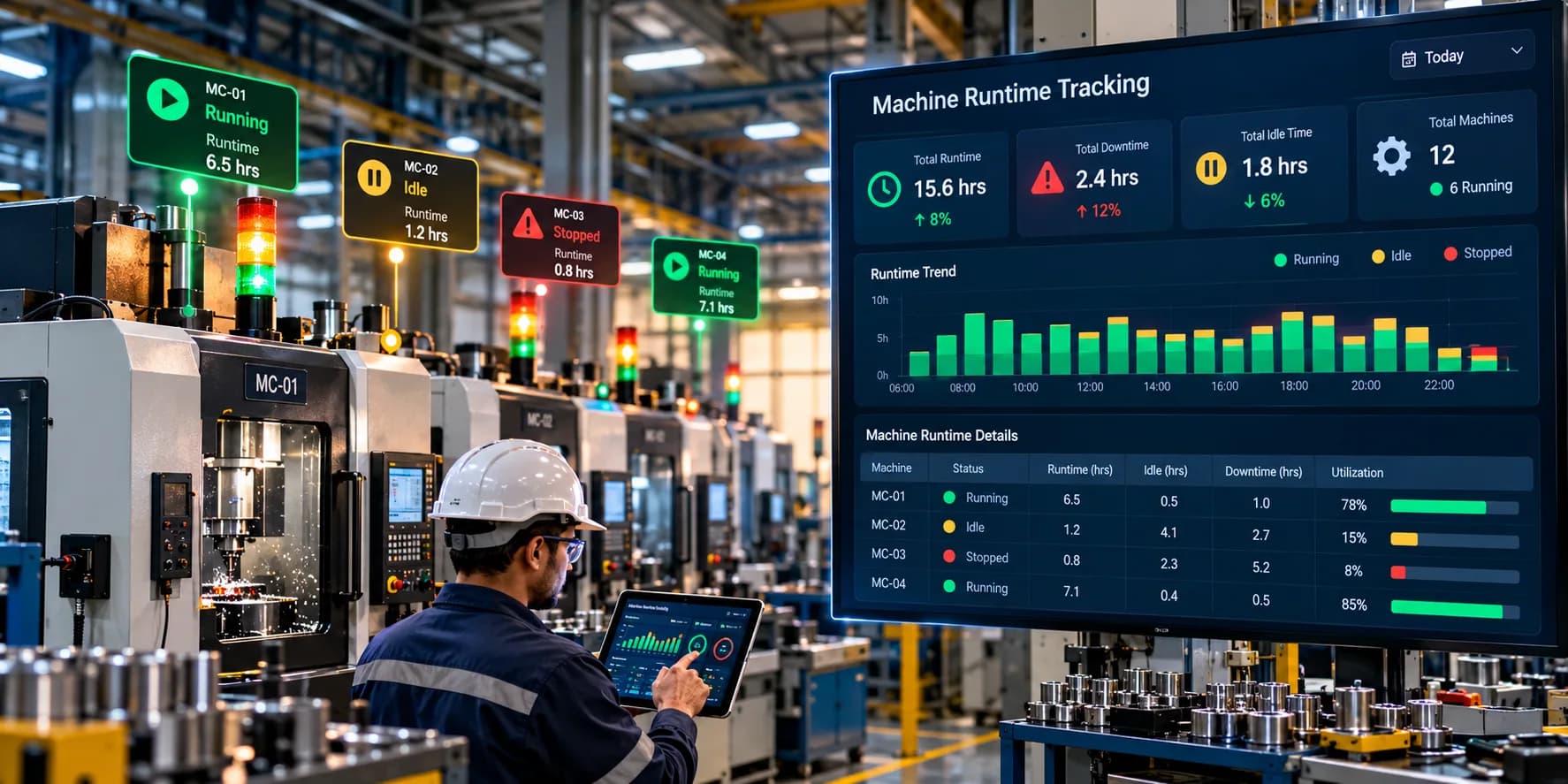
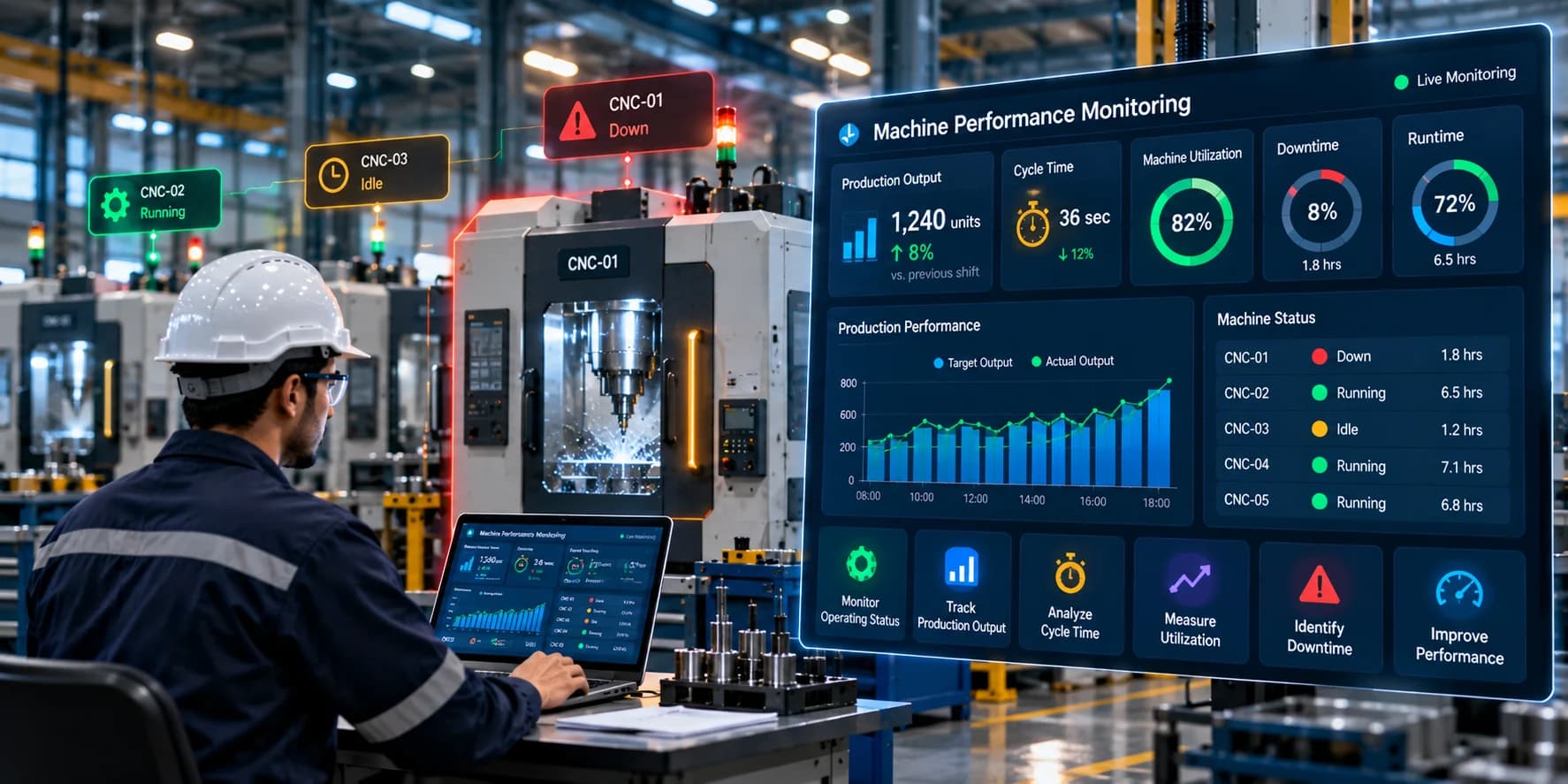
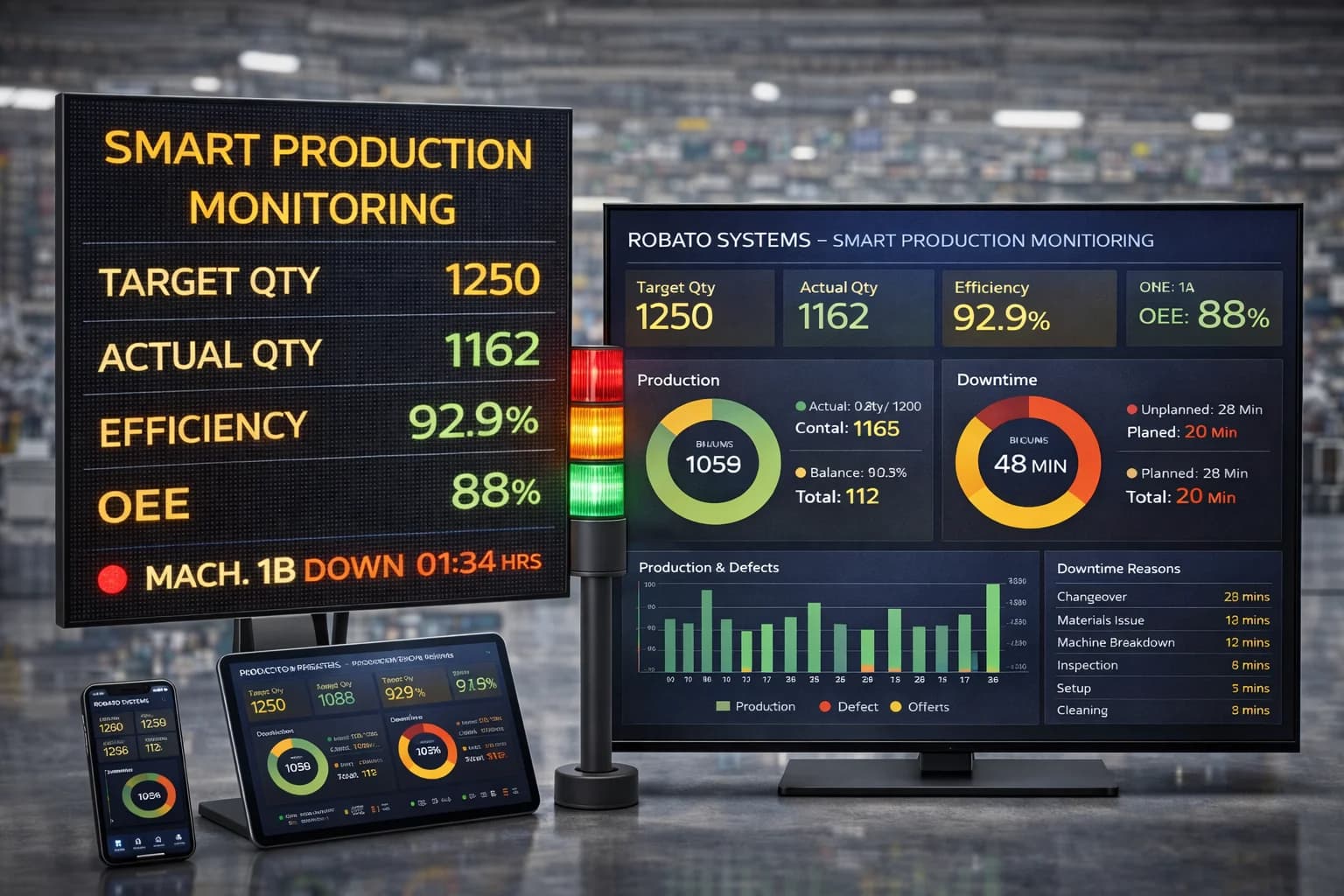
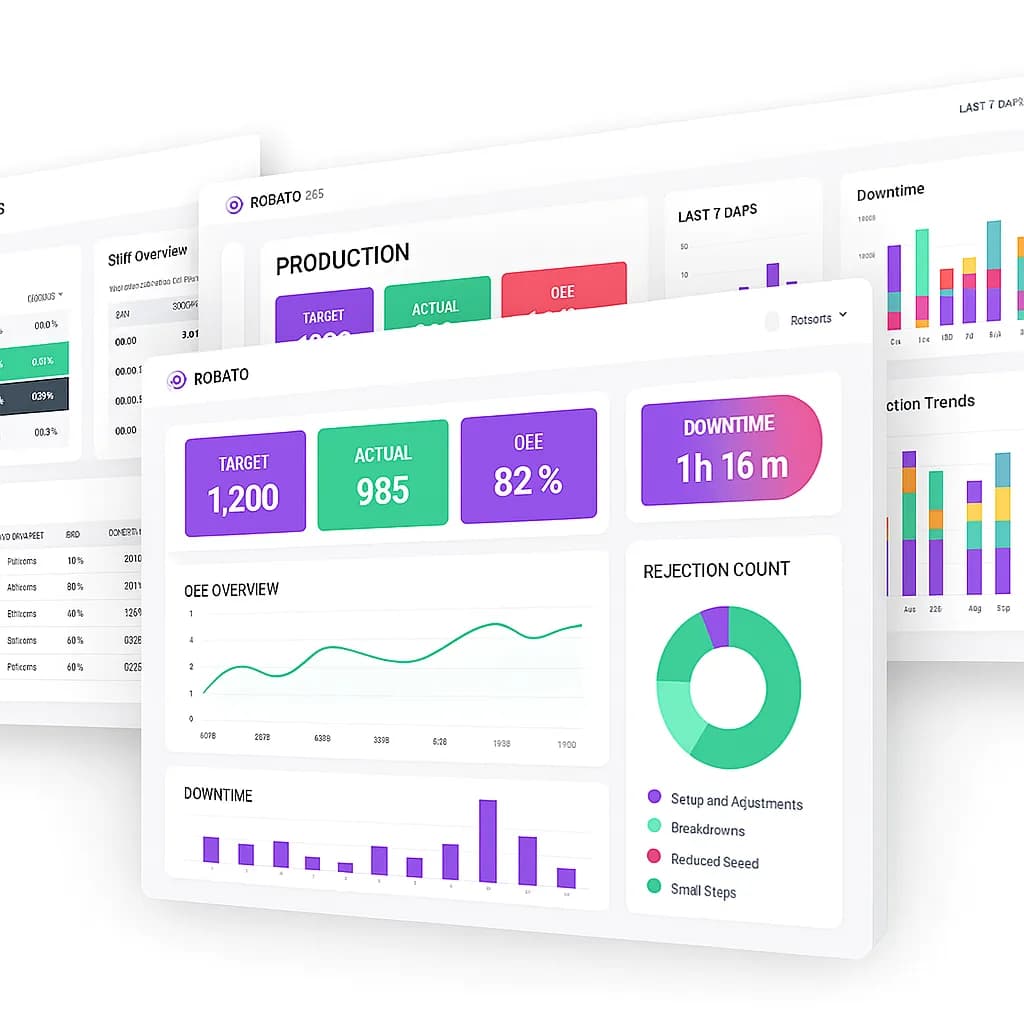
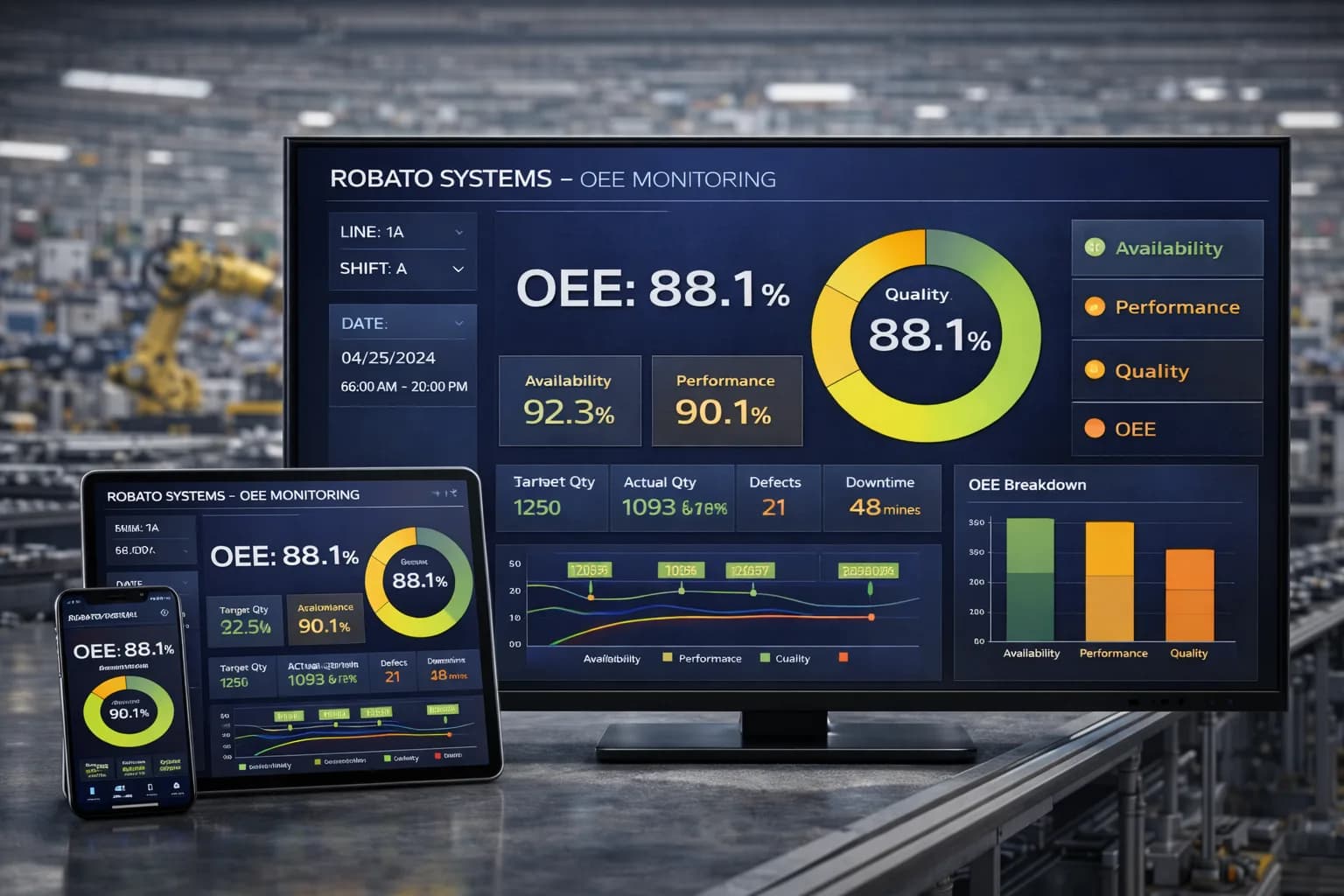
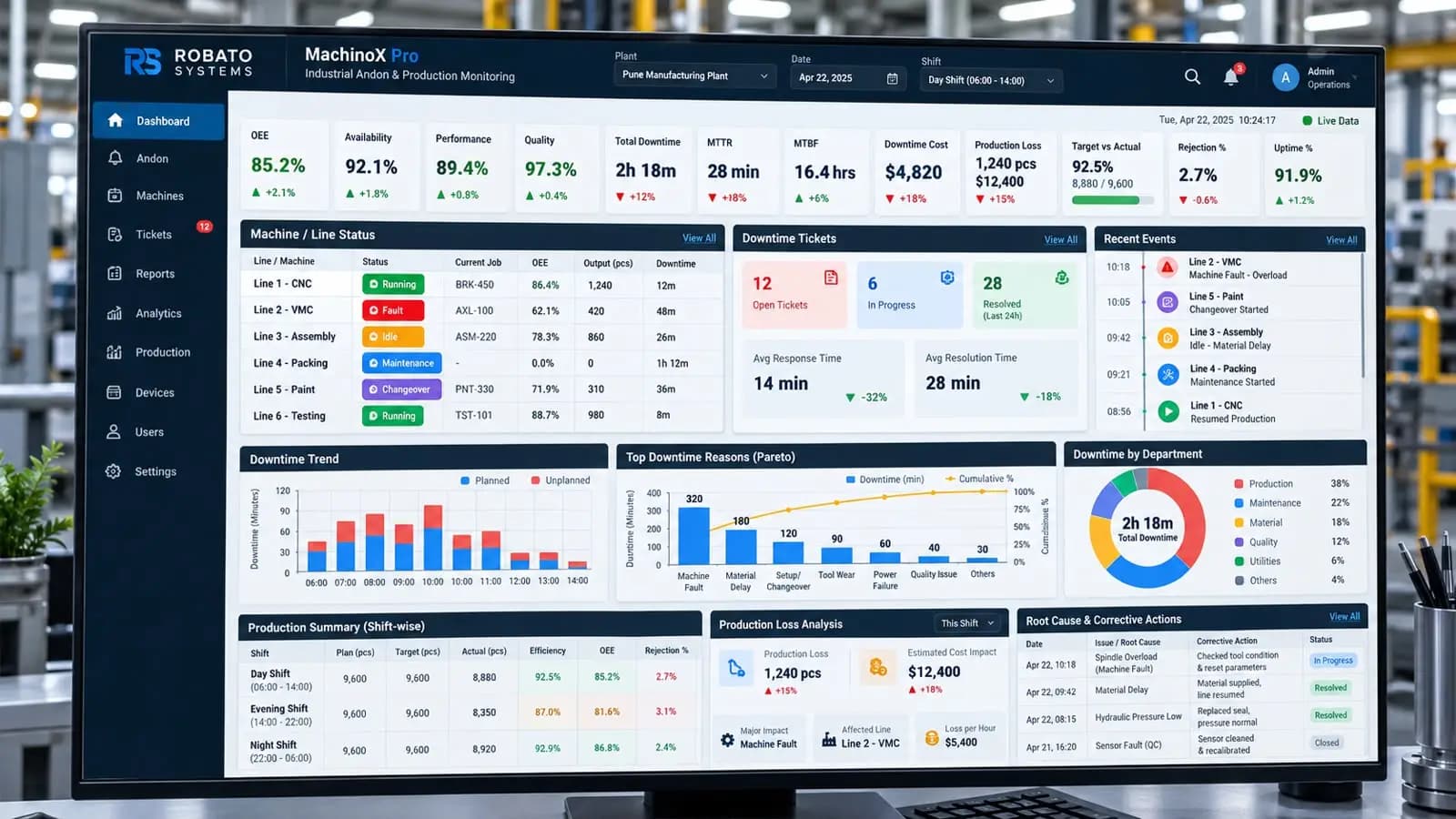
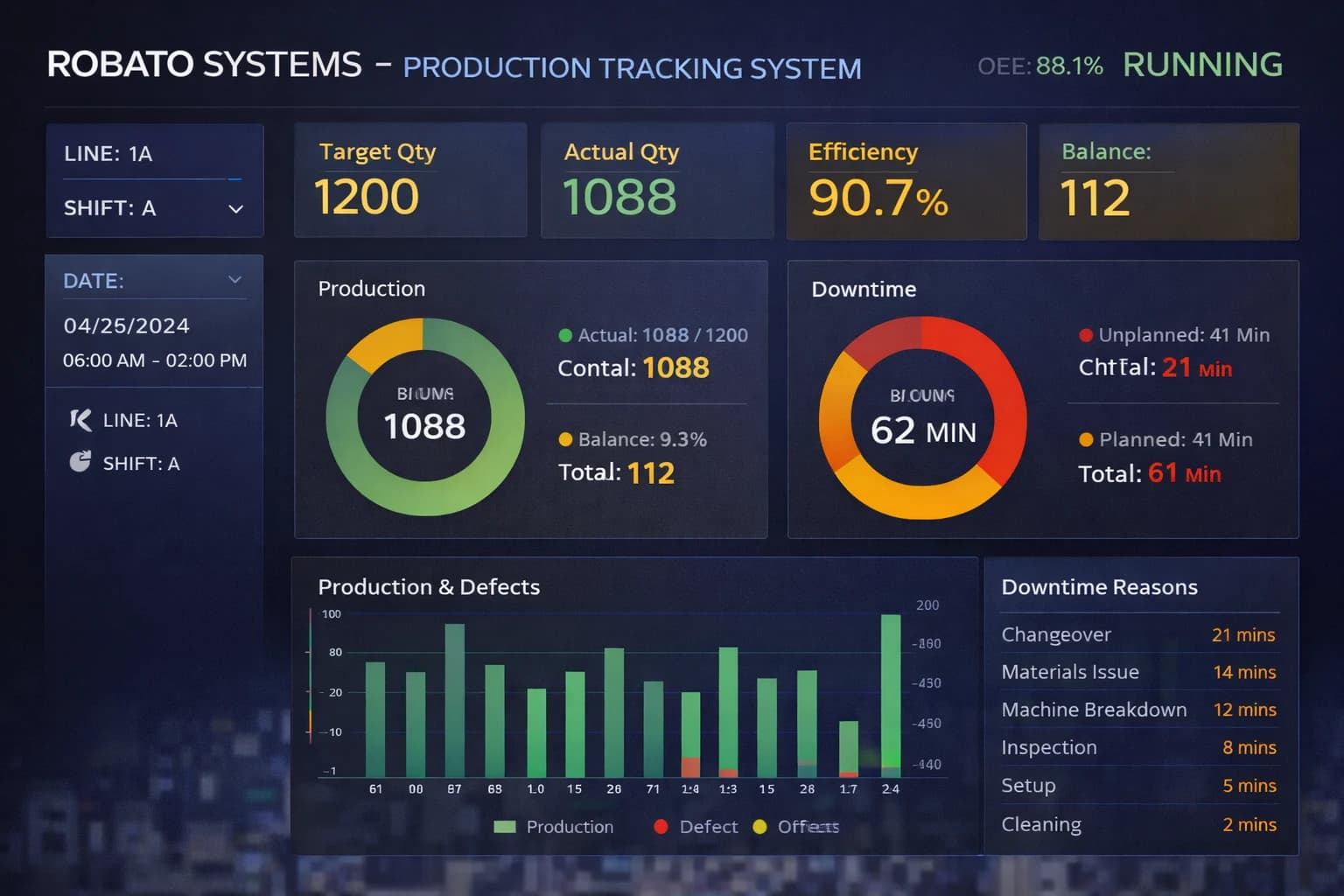
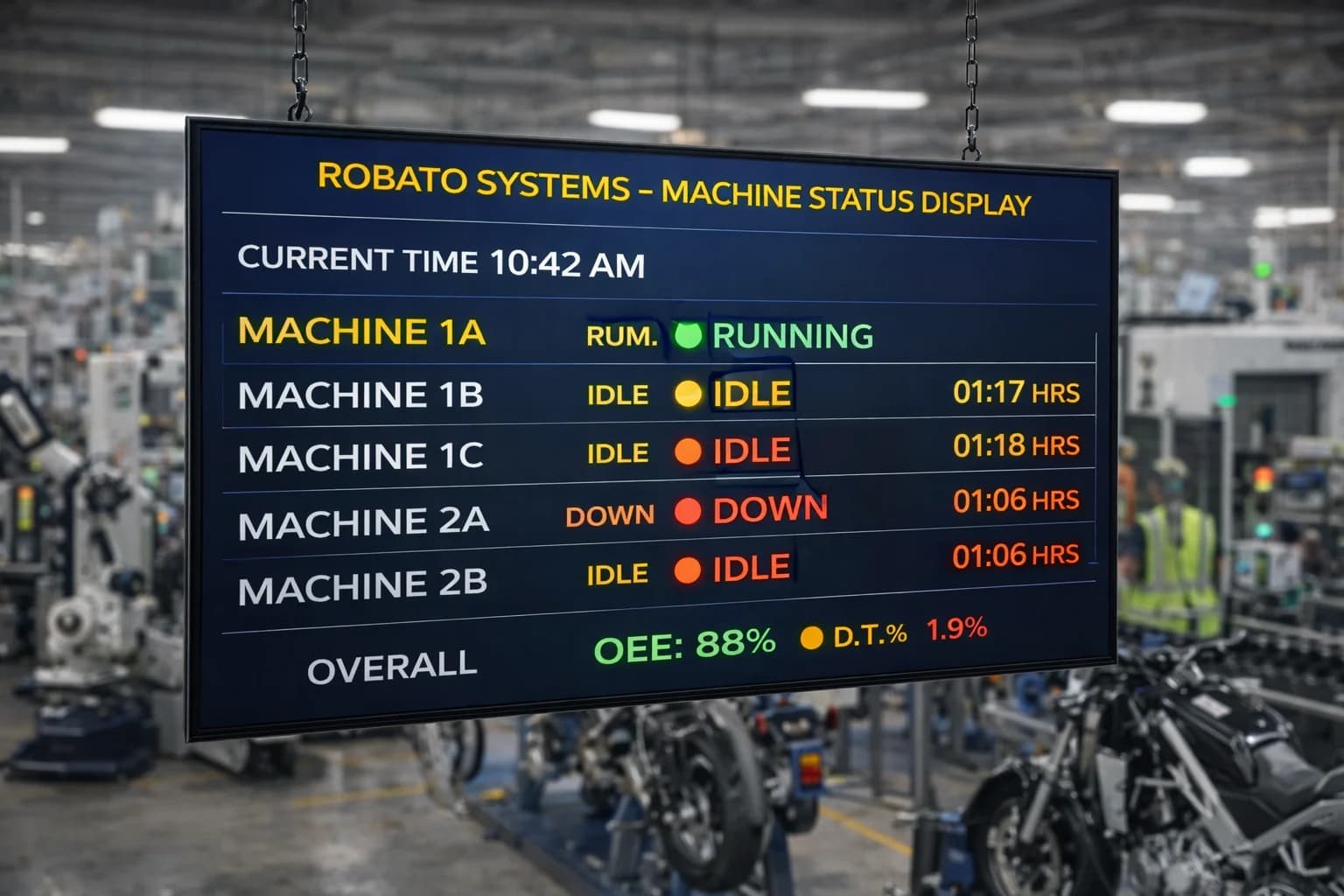
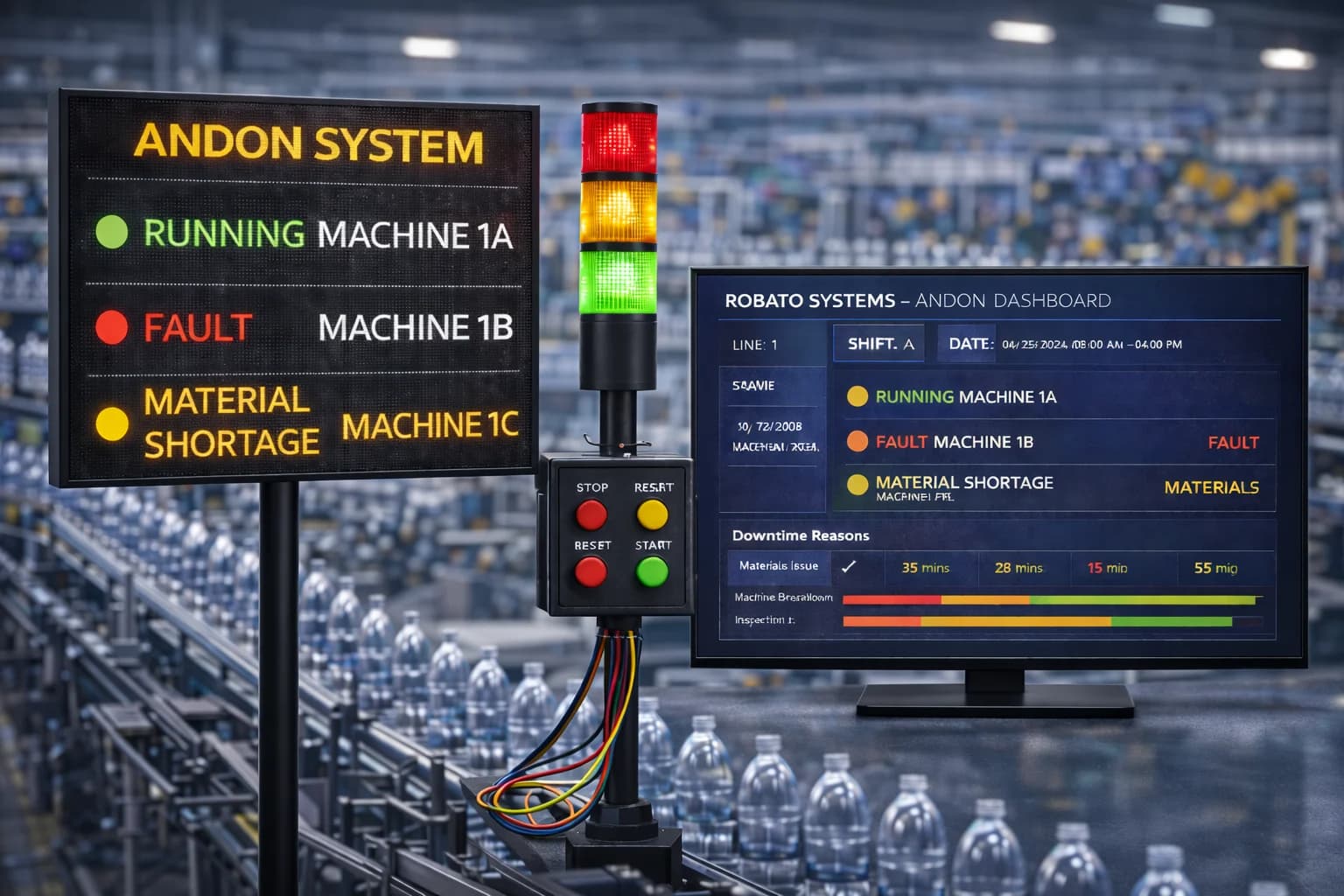
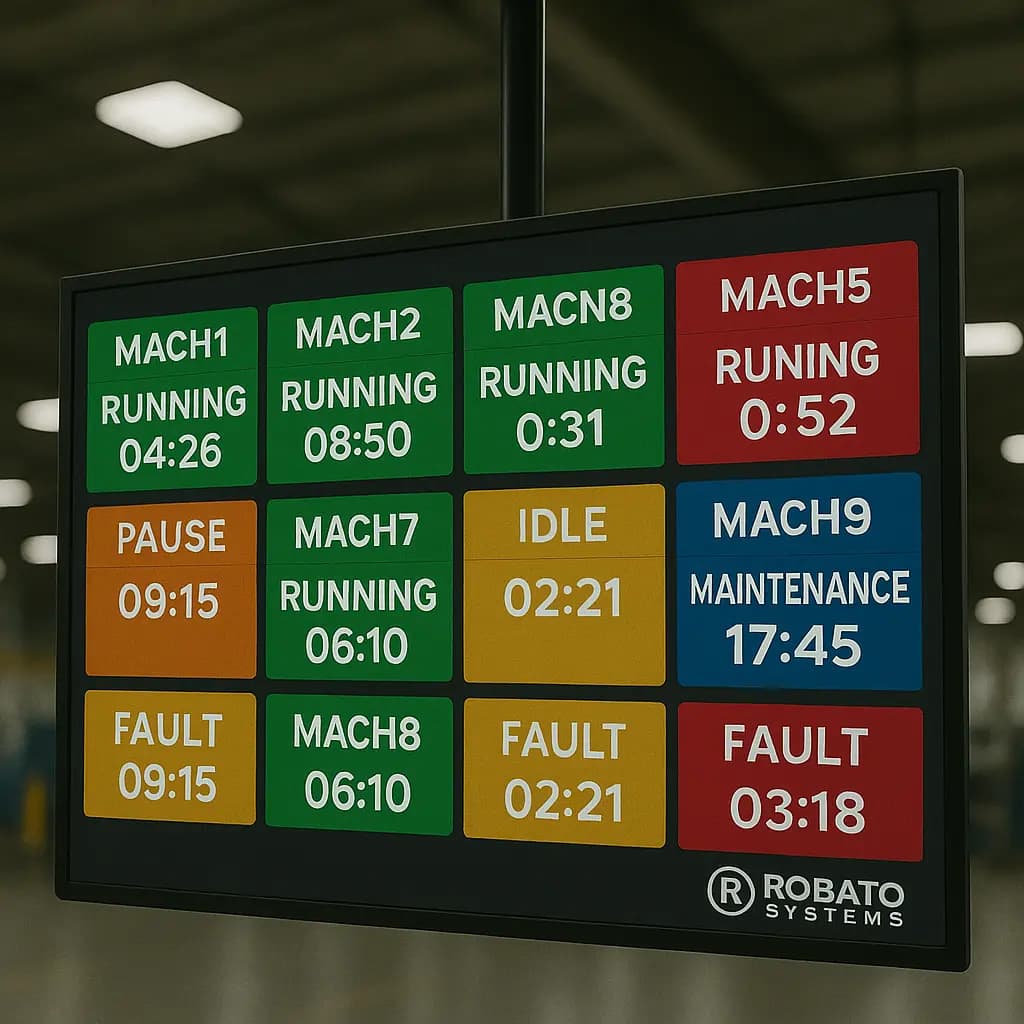
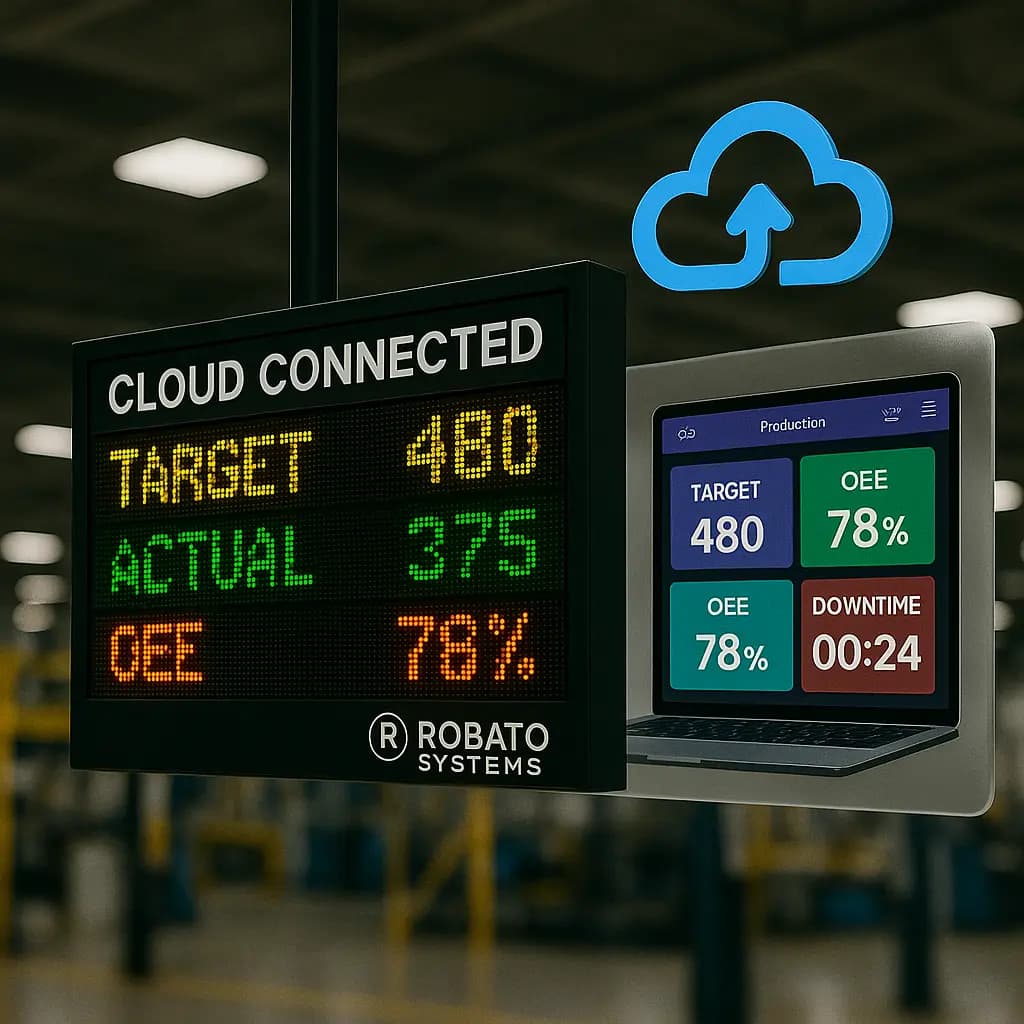
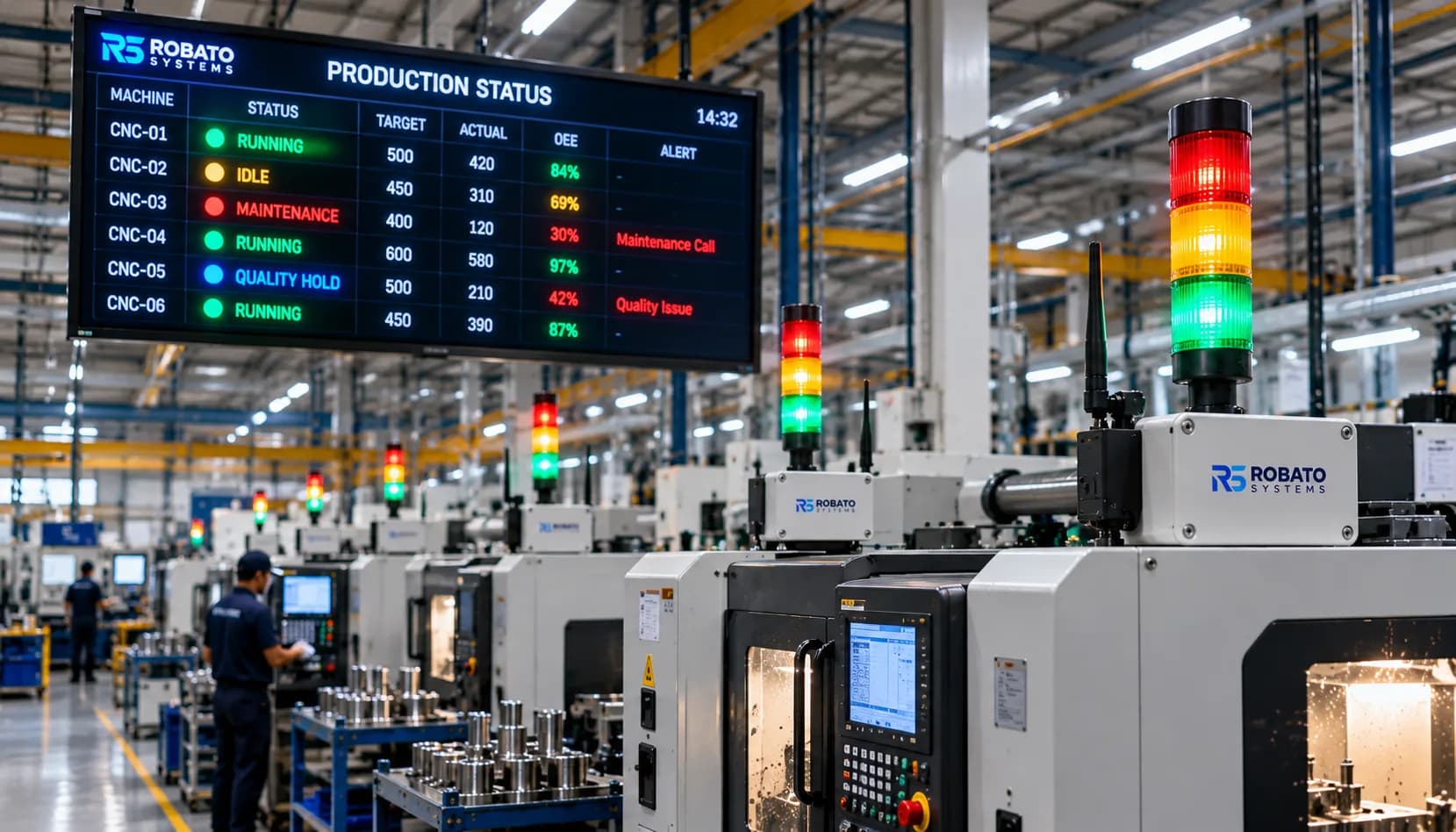
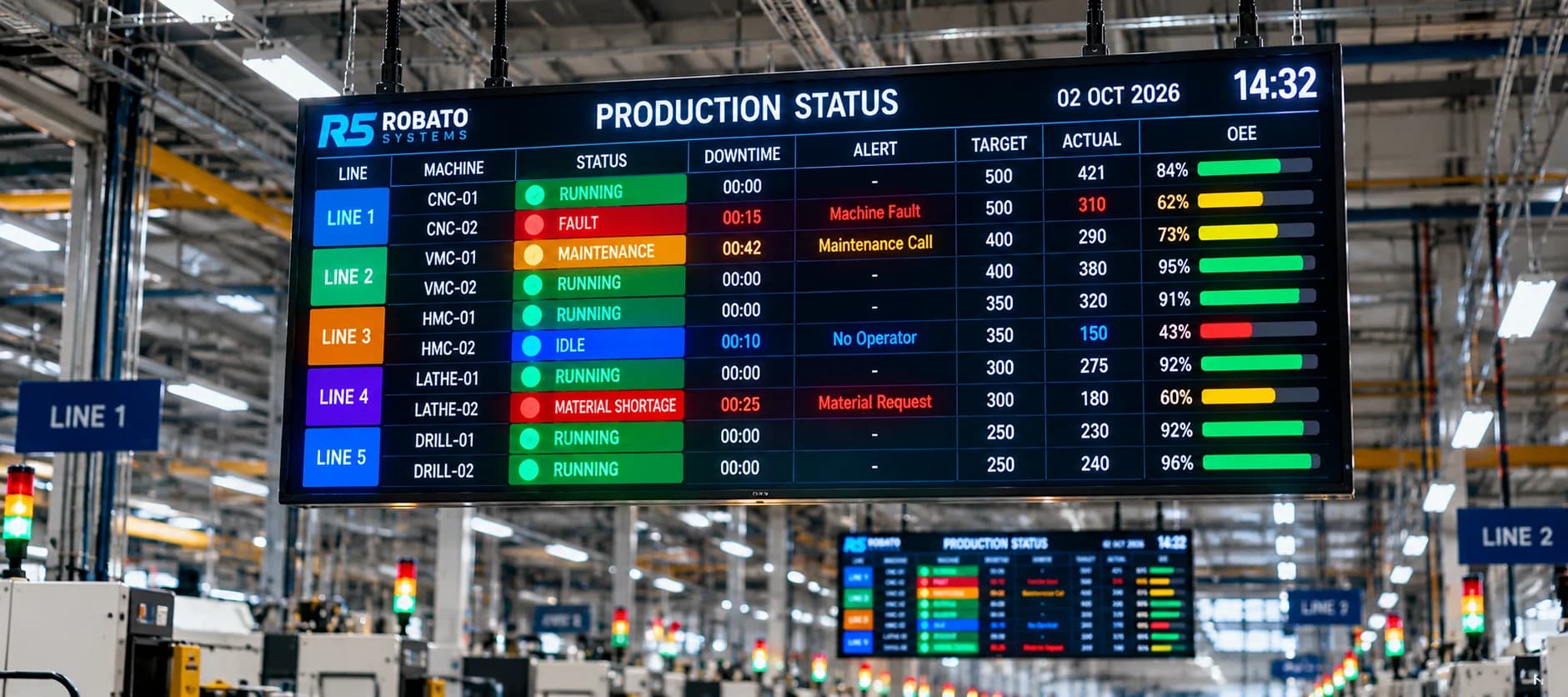
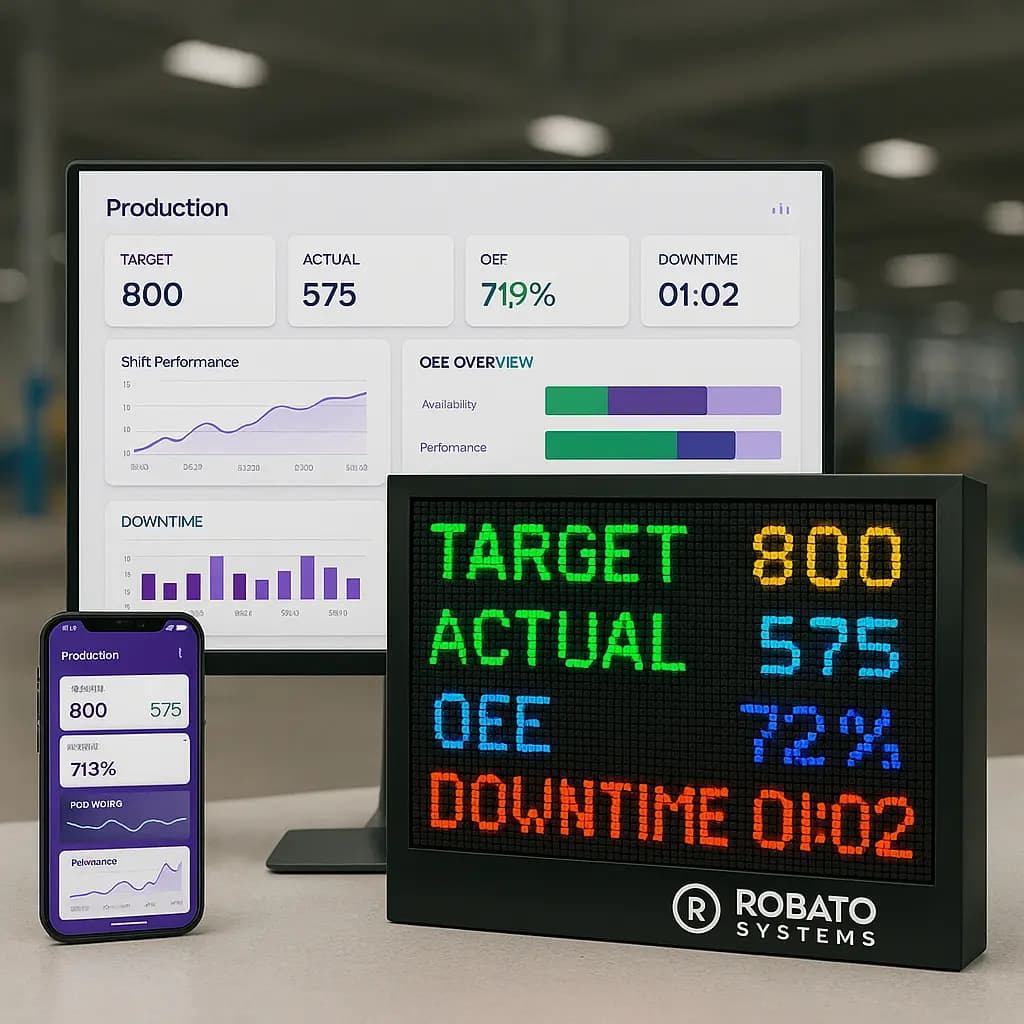
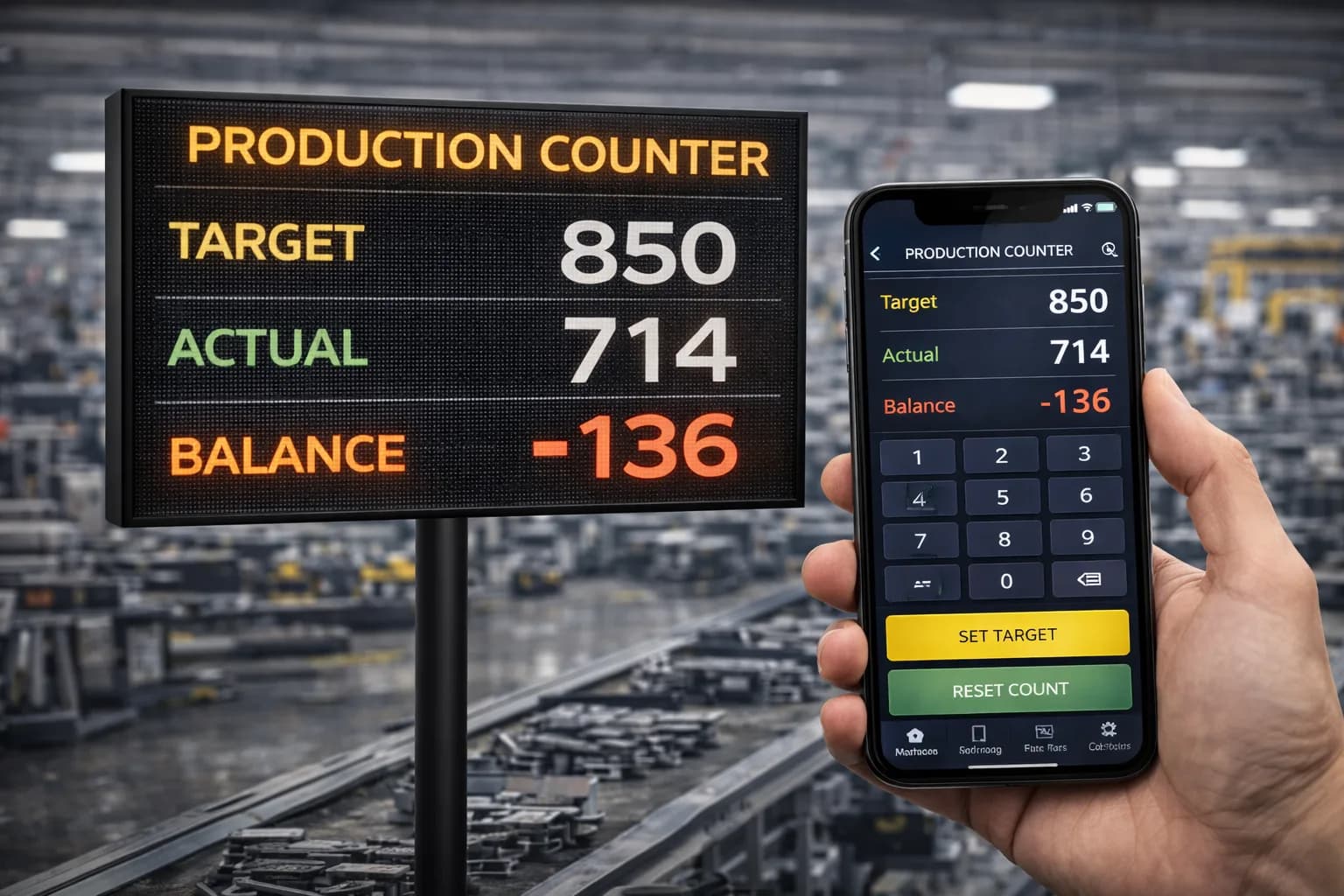
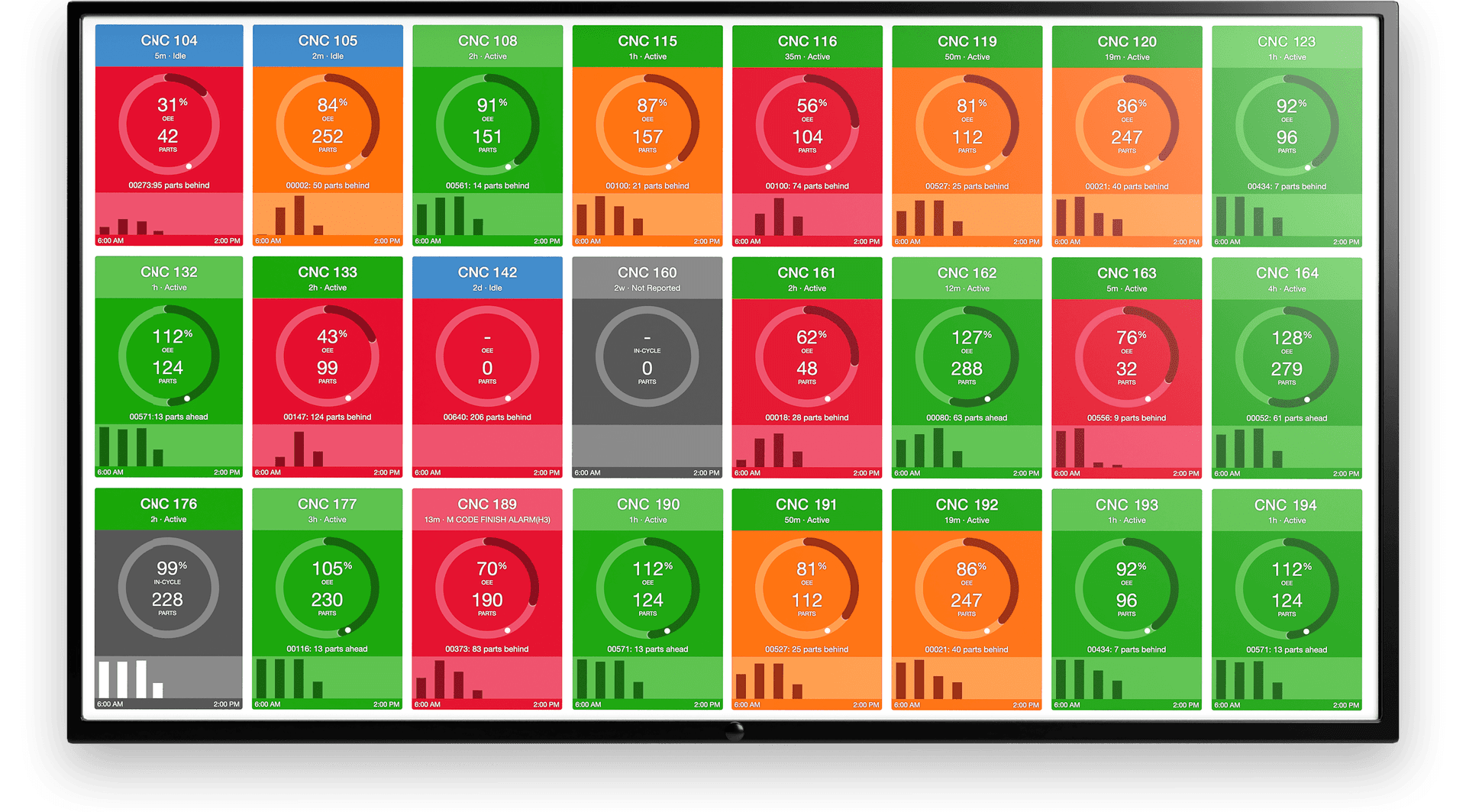
The biggest advantage of a smart factory monitoring system is real-time monitoring. Data is collected continuously from machines, PLCs, and sensors and displayed on dashboards accessible across devices.
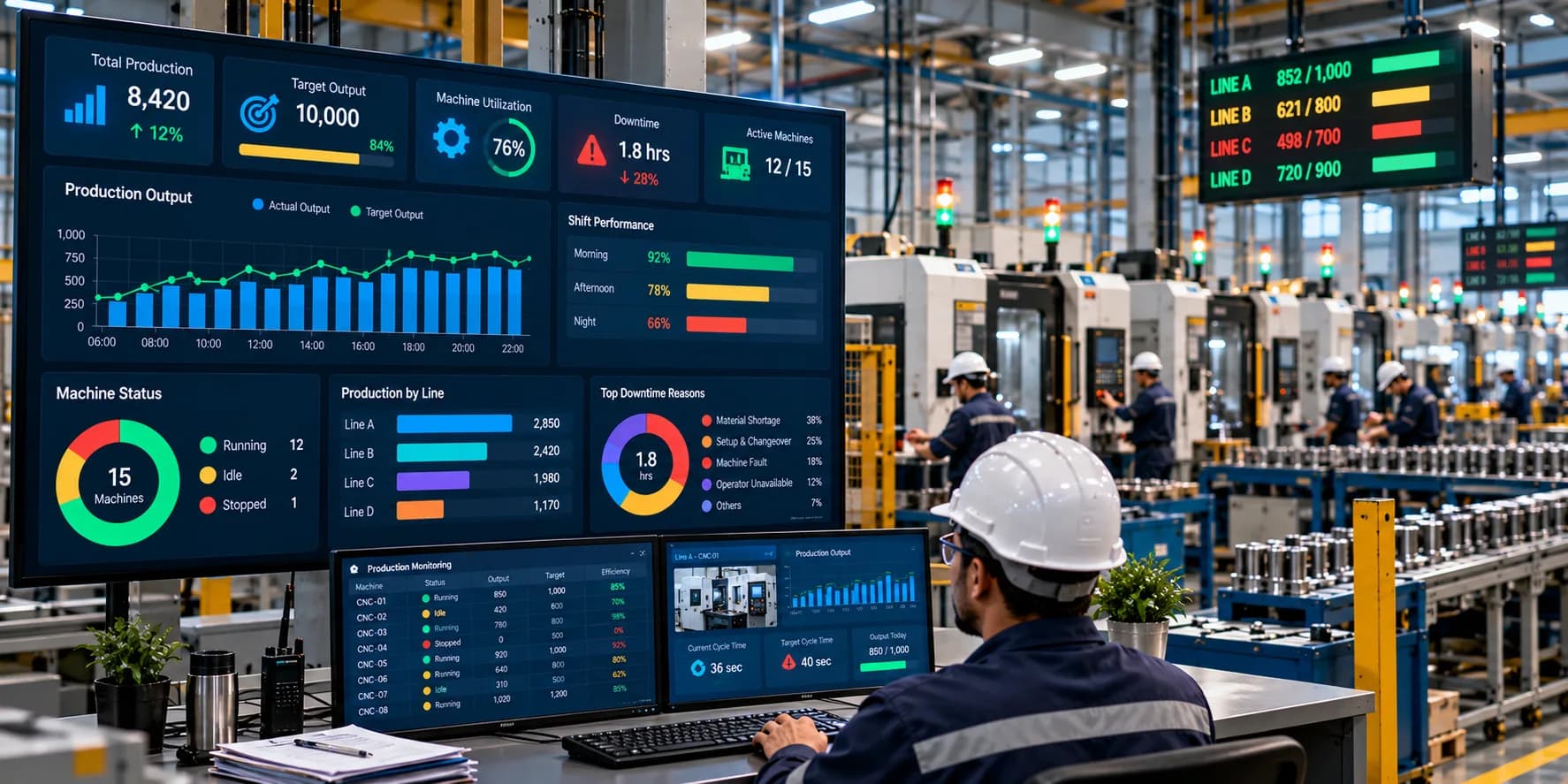
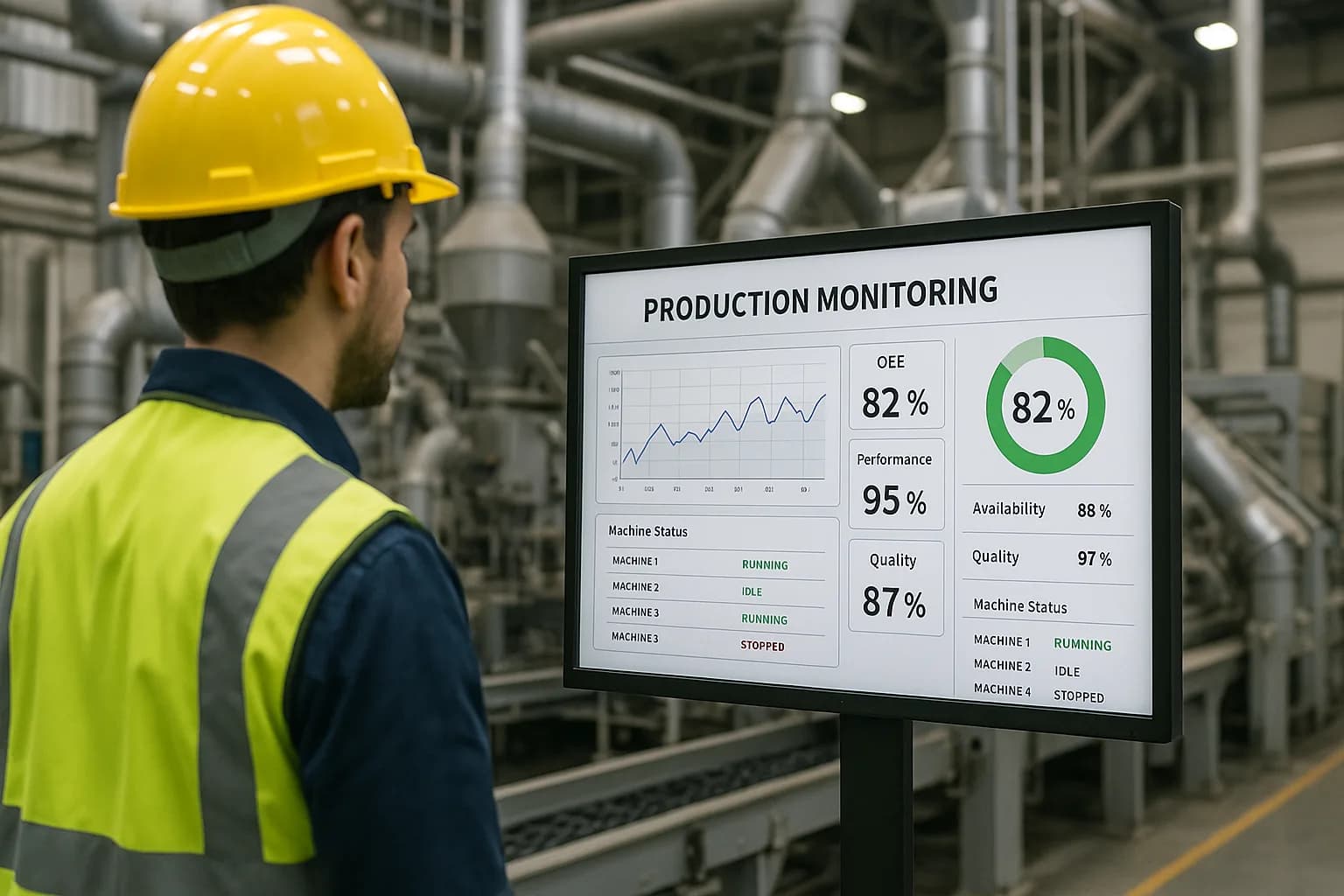
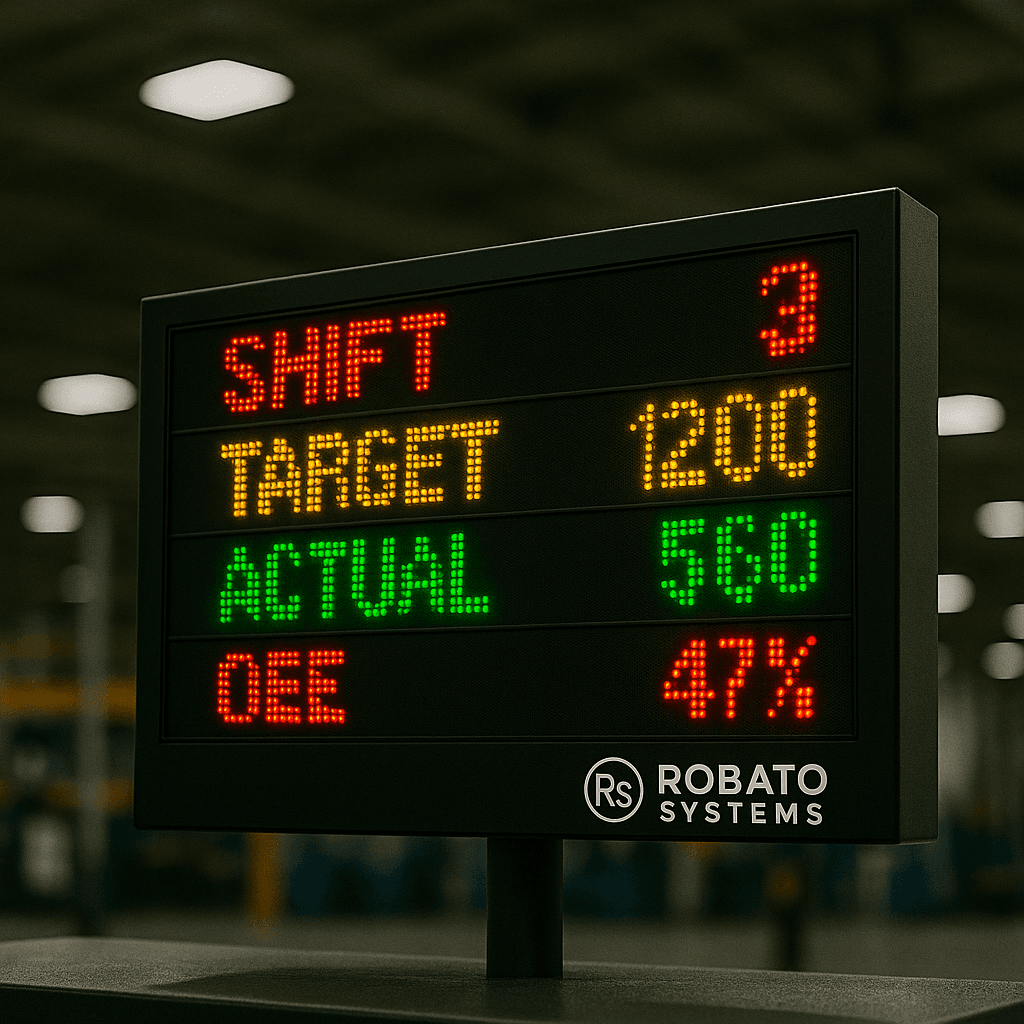
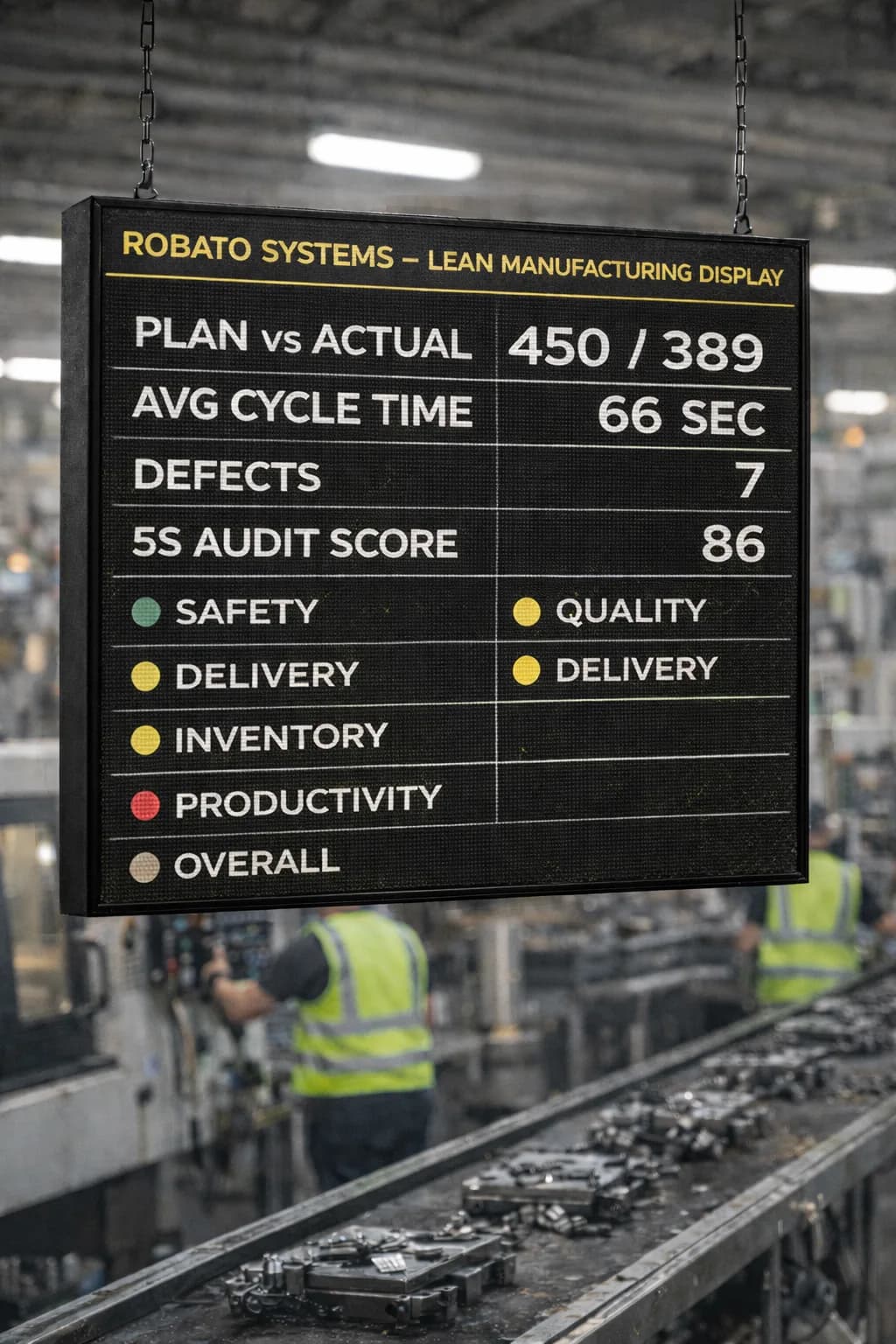
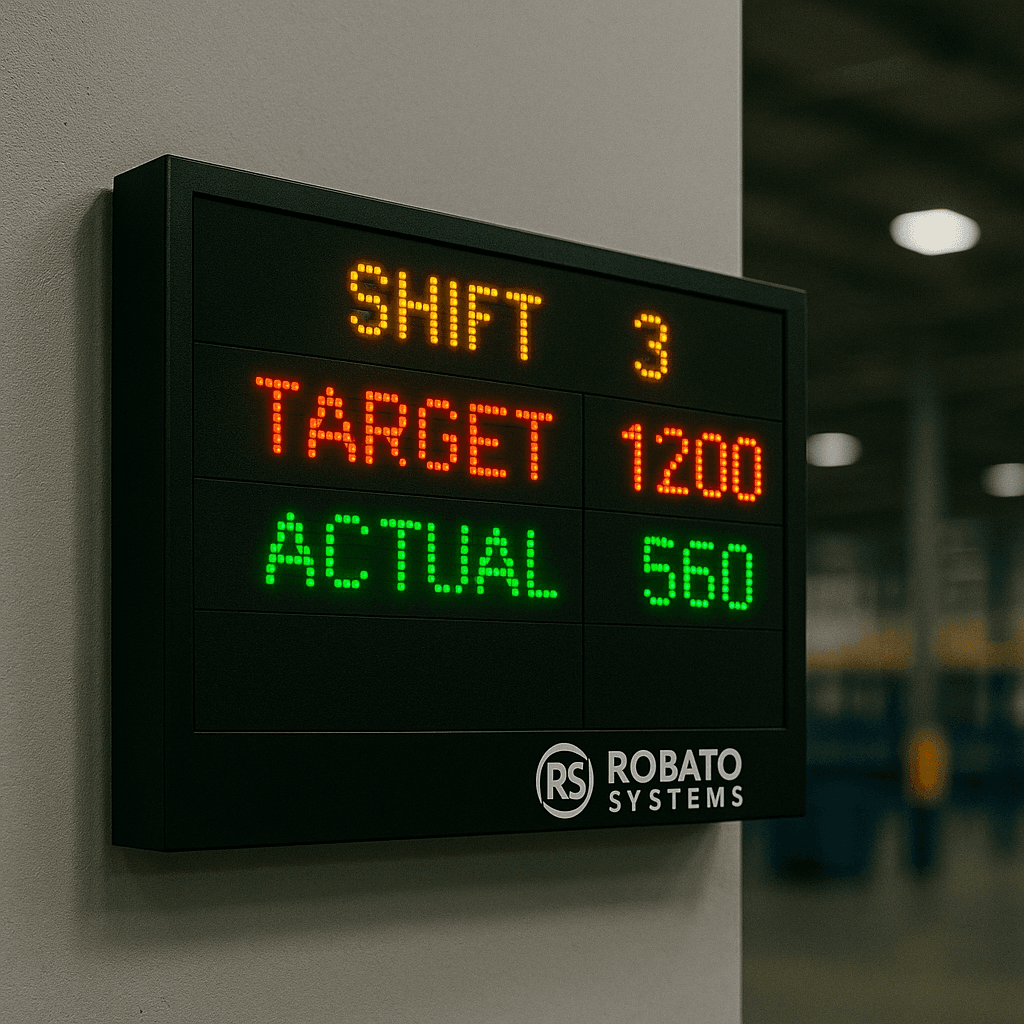
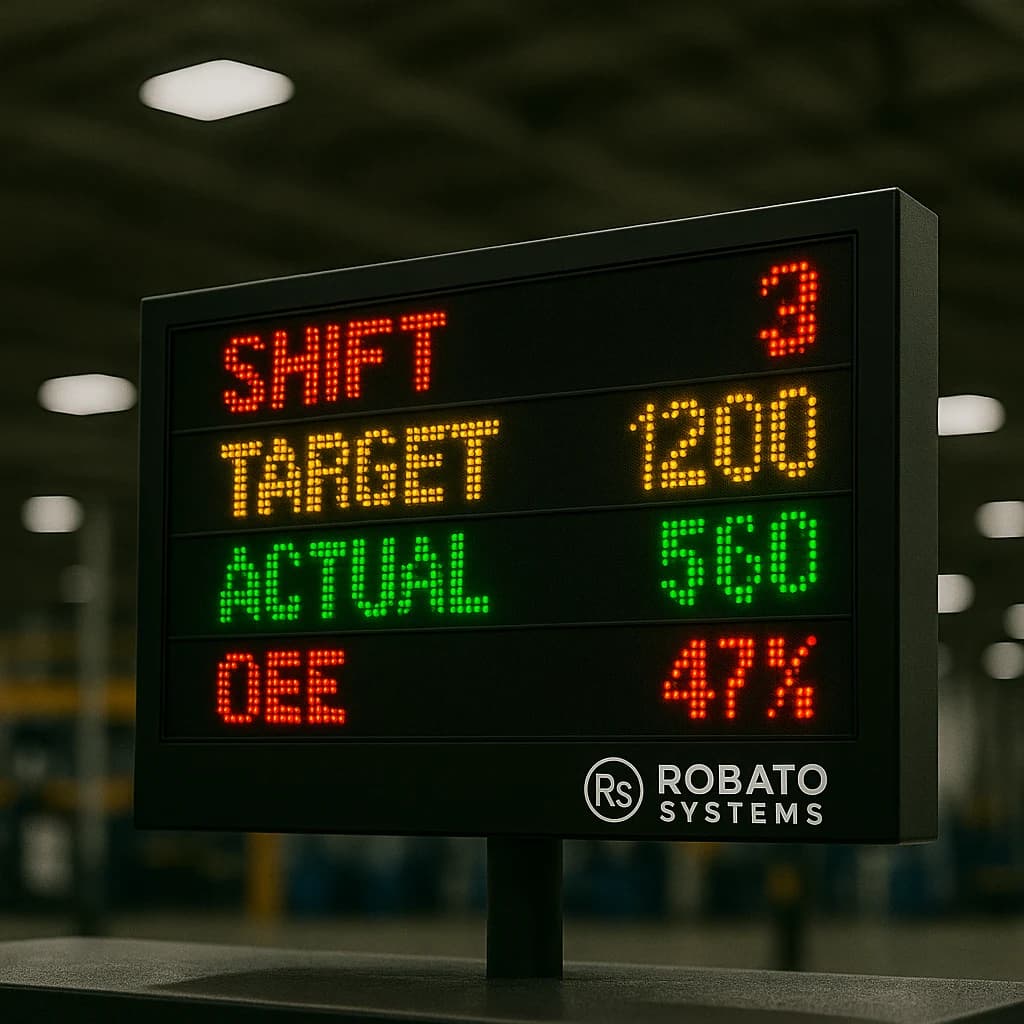
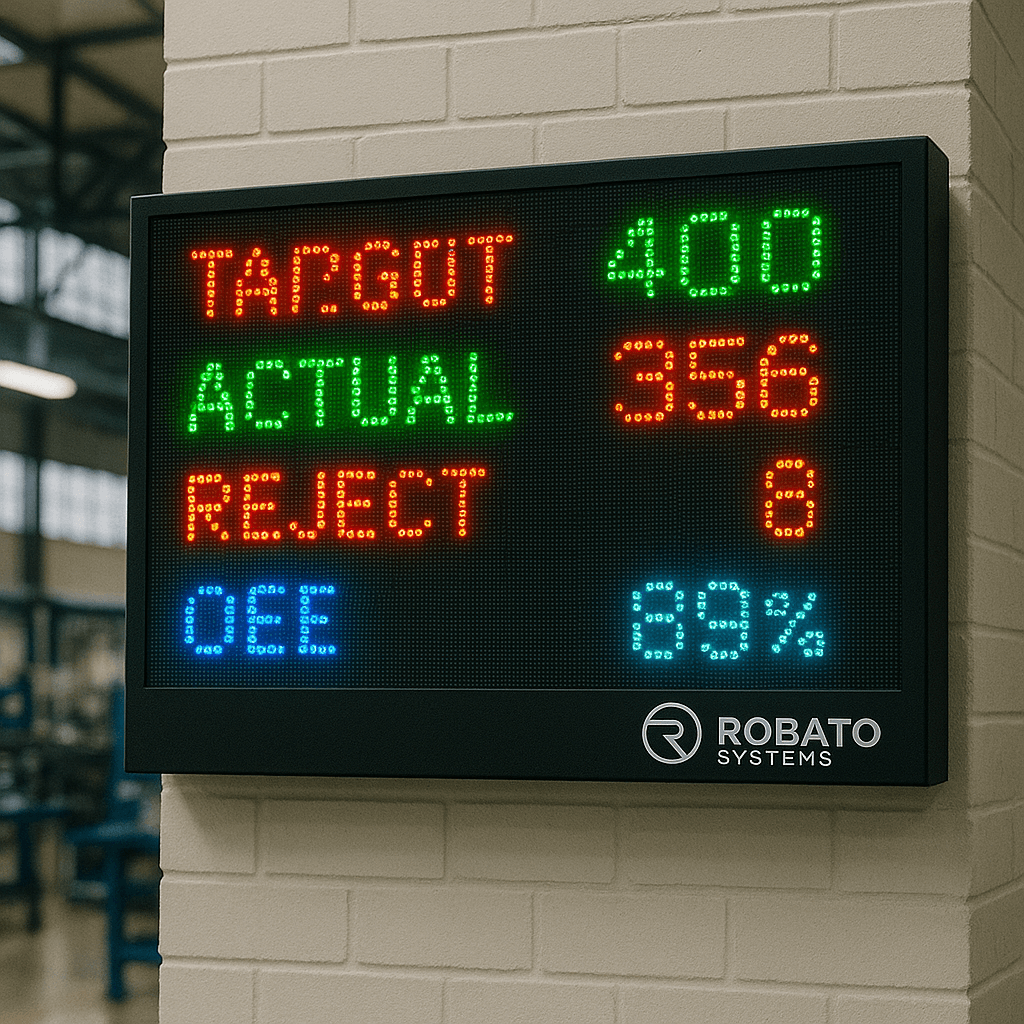
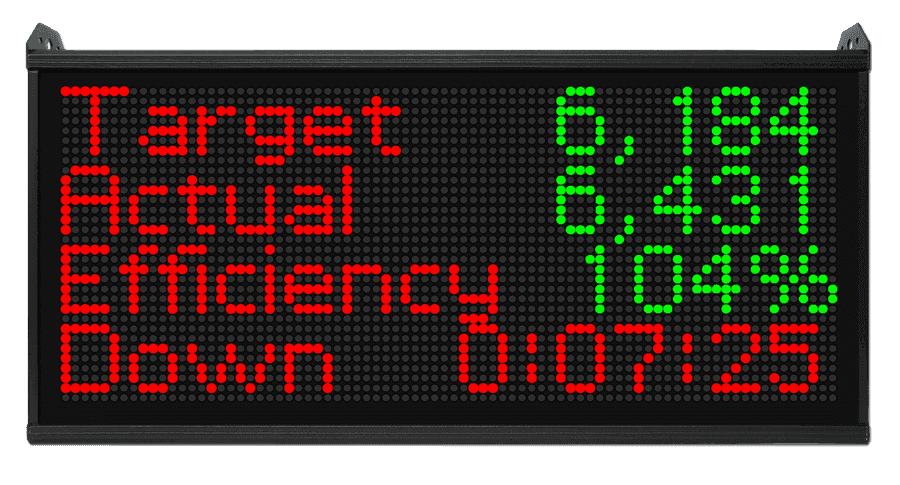
Operators can instantly identify machine stoppages. Supervisors can track production against targets. Management can monitor plant-wide performance without being physically present.
This immediate visibility reduces response time and improves overall operational efficiency.
Turning Data Into Actionable Insights
Collecting data is only the first step. The real value lies in how that data is used.
Smart factory monitoring systems analyze trends, detect anomalies, and highlight performance gaps. They help identify recurring issues such as frequent downtime, quality defects, or inefficient machine utilization.
With these insights, manufacturers can take targeted actions to eliminate inefficiencies and improve productivity.
Automated Data Collection for Accuracy
One of the key strengths of a smart factory monitoring system is its ability to collect data automatically.
Instead of relying on operators to input information, the system gathers data directly from machines and connected devices. This ensures higher accuracy and consistency. It also reduces the workload on operators and eliminates human error.
Accurate data is the foundation of better decision-making.
Downtime Reduction and Faster Response
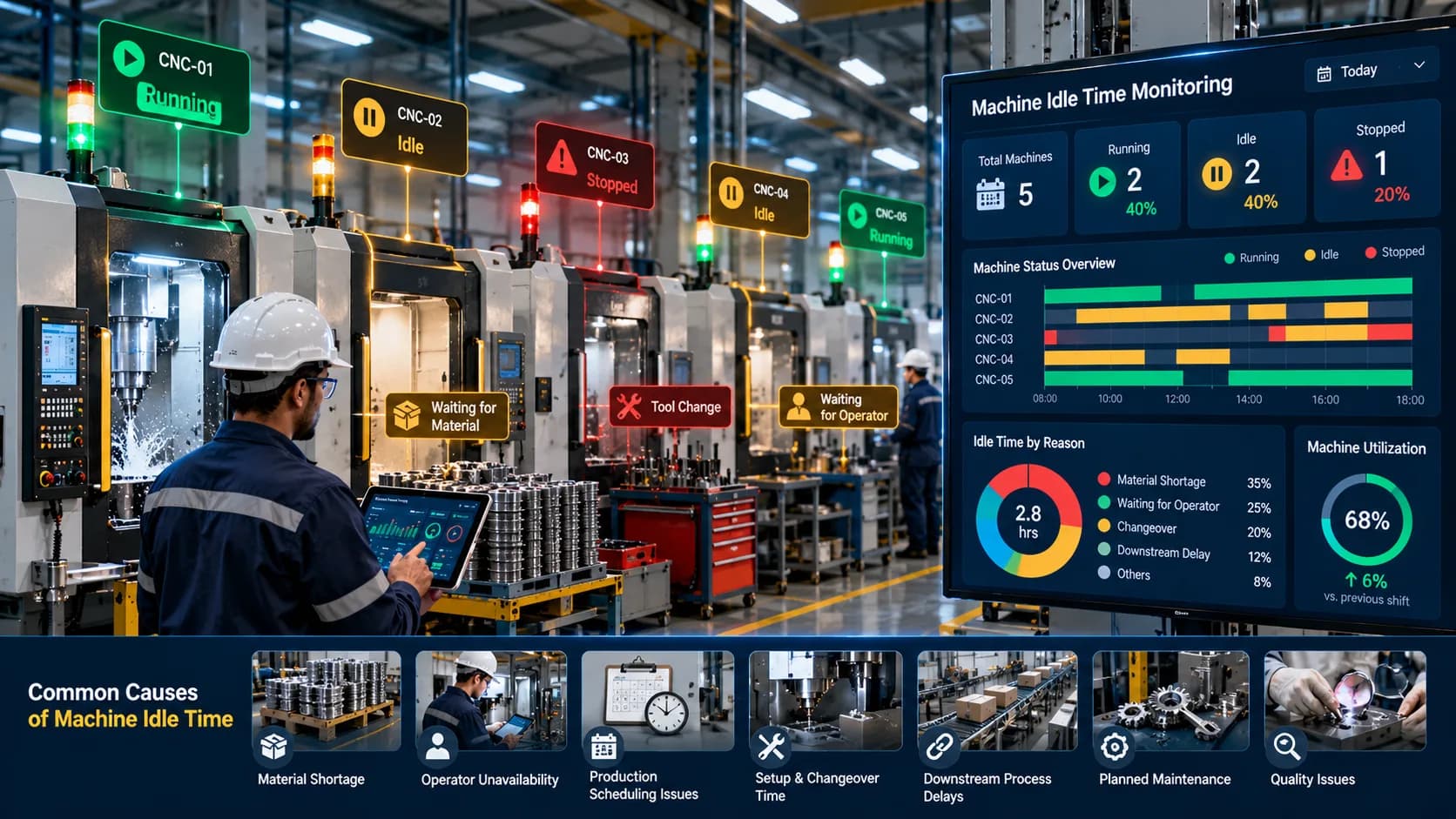
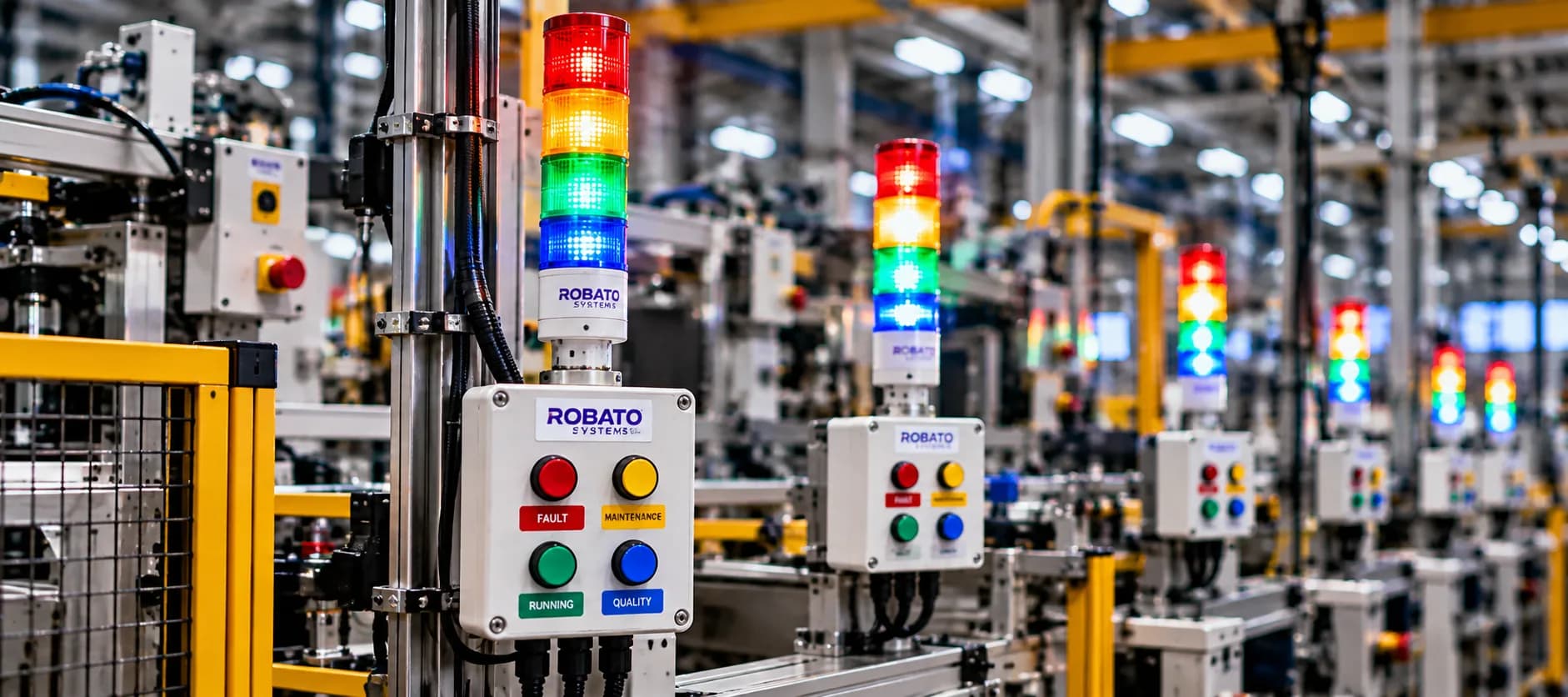
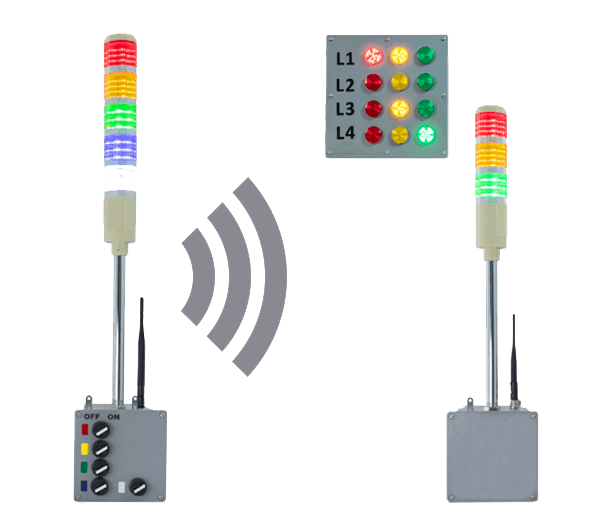
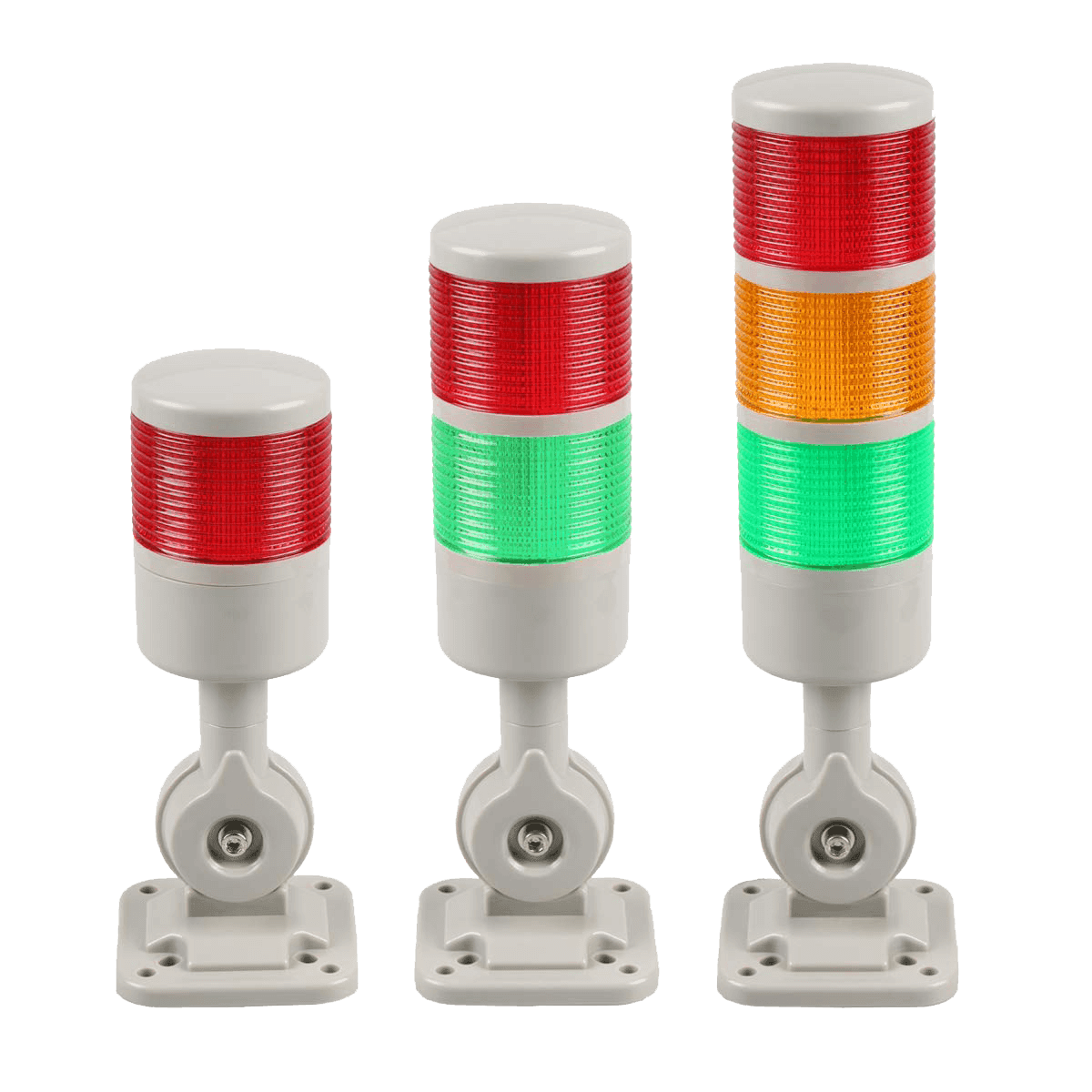
Unplanned downtime is one of the biggest challenges in manufacturing. A smart factory monitoring system helps address this by providing instant alerts when issues occur.
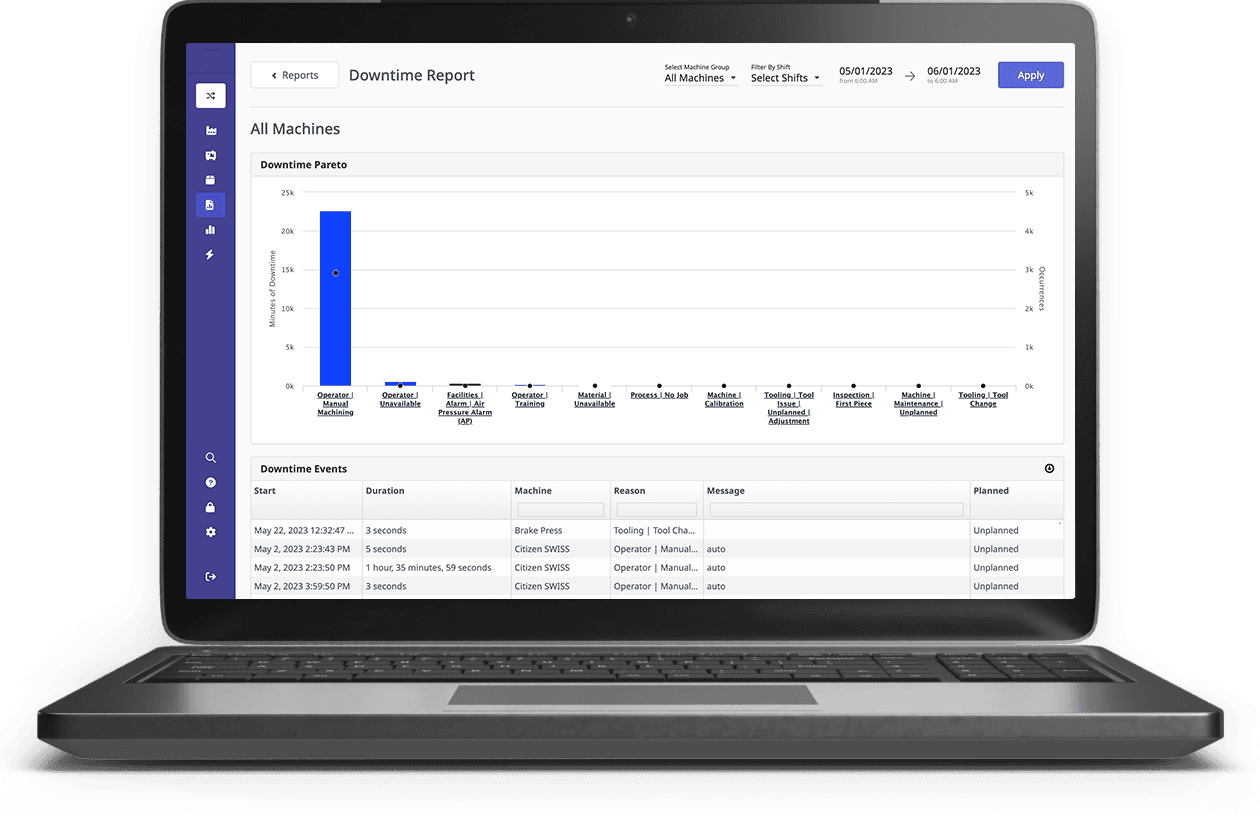
Maintenance teams receive real-time notifications, allowing them to respond immediately. The system also tracks downtime reasons, making it easier to identify root causes and prevent future breakdowns.
This leads to improved machine availability and increased production output.
Full Visibility Across the Entire Plant
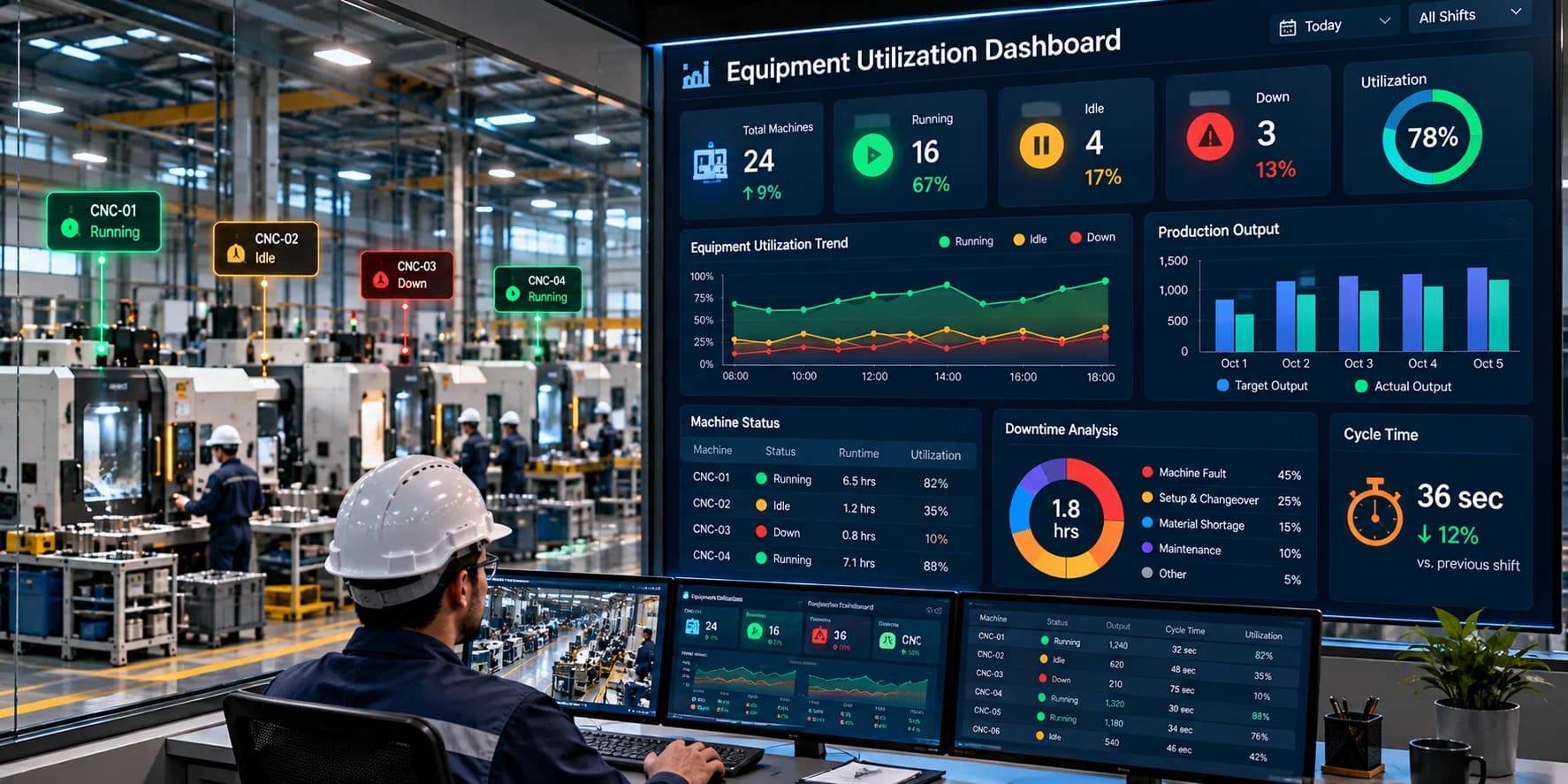
A major advantage of smart monitoring systems is centralized visibility. Instead of viewing machines individually, manufacturers get a complete picture of performance across machines, lines, and plants.
This allows easy comparison between shifts, teams, and locations. It also ensures that everyone in the organization works with the same accurate data, improving coordination and decision-making.
Integration with Existing Systems
Modern smart factory monitoring systems are designed to integrate seamlessly with existing infrastructure.
They can connect with PLCs, ERP systems, MES platforms, and even legacy machines. This flexibility makes them suitable for both new and existing factories without requiring major changes to the setup.
This ease of integration accelerates digital transformation.
Supporting Predictive Maintenance
Predictive maintenance is one of the most valuable features of a smart factory monitoring system.
By analyzing machine data, the system can identify patterns that indicate potential failures. Maintenance can then be scheduled before a breakdown occurs. This reduces unplanned downtime and extends machine lifespan.
Driving Continuous Improvement
A smart factory monitoring system is not just a tracking tool. It is a continuous improvement engine.
By monitoring performance over time, it helps establish benchmarks and measure progress. Teams can identify improvement opportunities, set targets, and track results in real time.
Over time, this leads to better efficiency, reduced waste, and higher productivity.
Conclusion
Manufacturing is evolving rapidly, and factories that rely on outdated systems risk falling behind. A smart factory monitoring system provides the visibility, accuracy, and insights needed to stay competitive.
By enabling real-time monitoring, automated data collection, and predictive analysis, it transforms how factories operate. For any manufacturer looking to improve efficiency and reduce downtime, adopting a smart monitoring system is not just an upgrade. It is a necessity.