What is a Production Monitoring System? A Complete Guide for Modern Manufacturing
Manufacturing today depends heavily on data, visibility, and operational efficiency. Companies are under constant pressure to improve productivity, reduce downtime, and meet production targets without compromising quality. This is where a production monitoring system plays a crucial role.
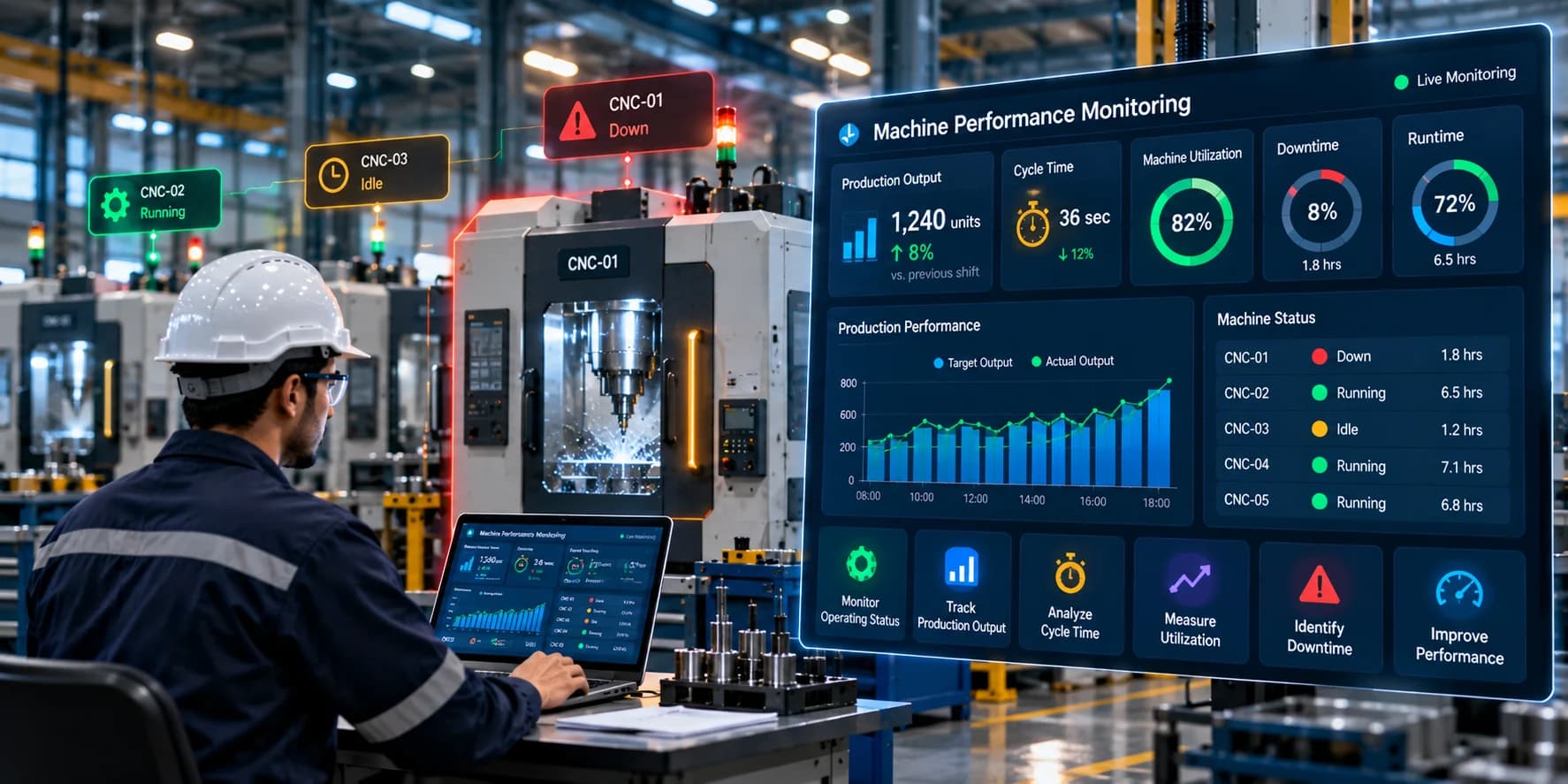
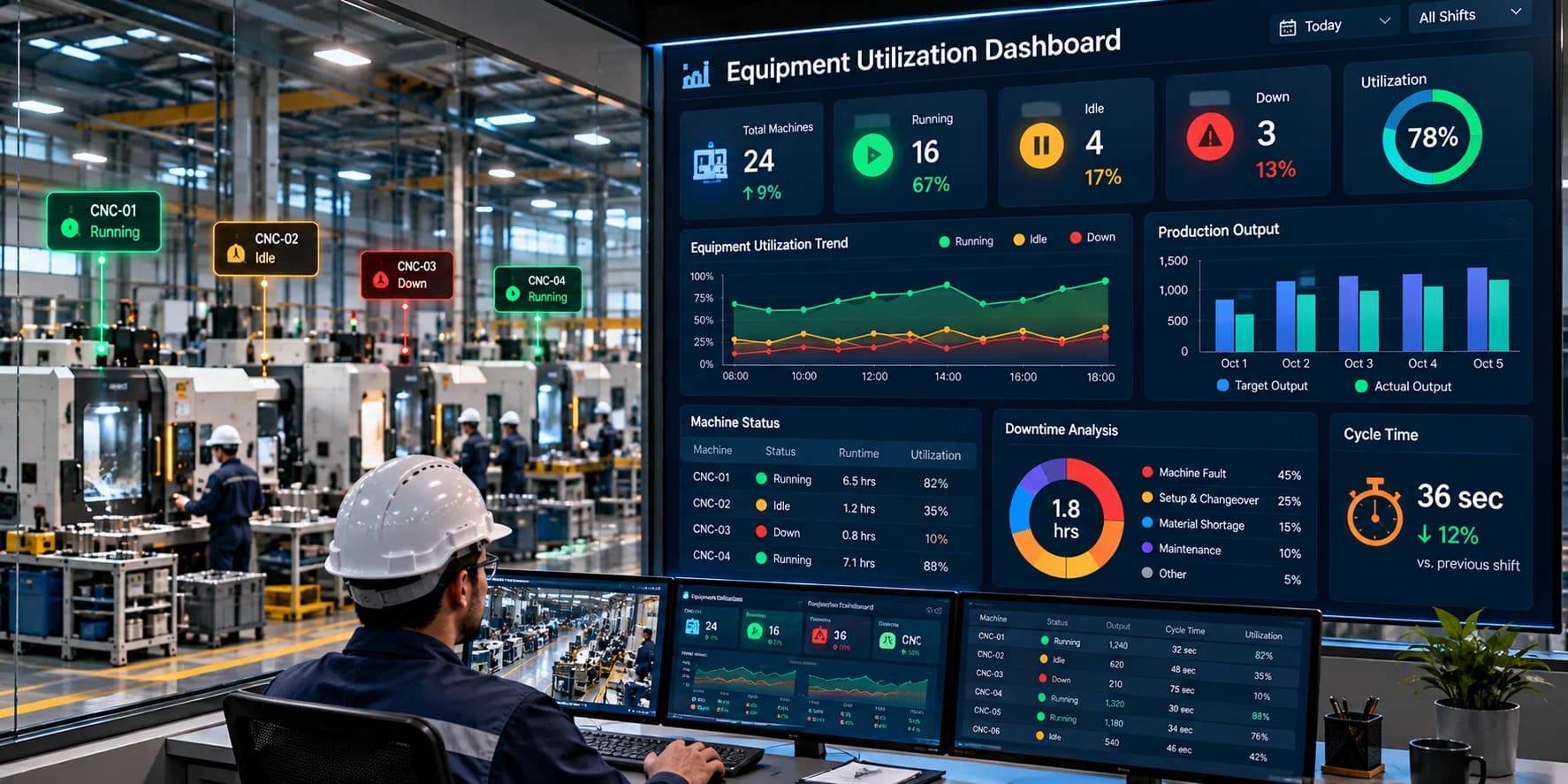
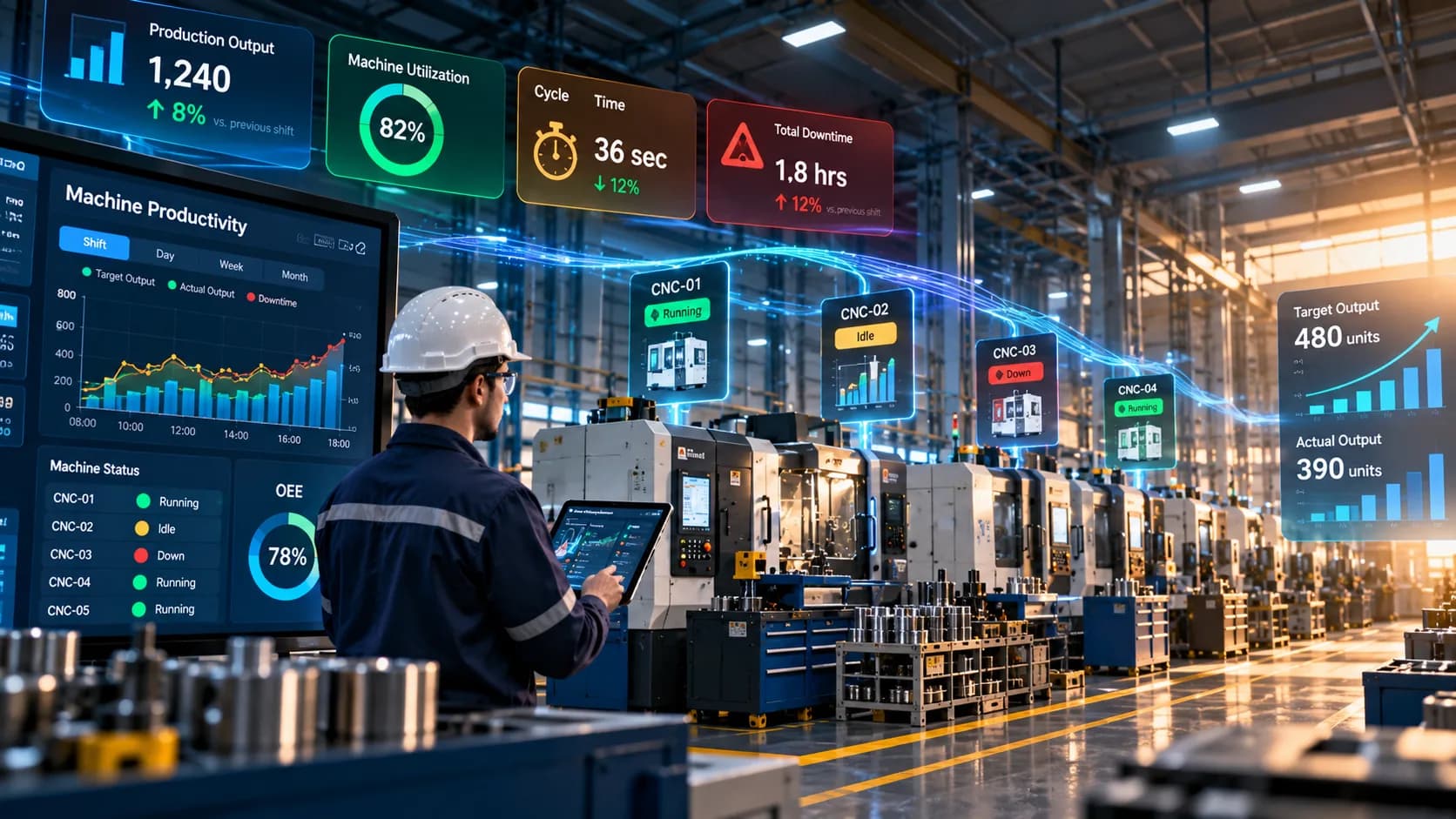
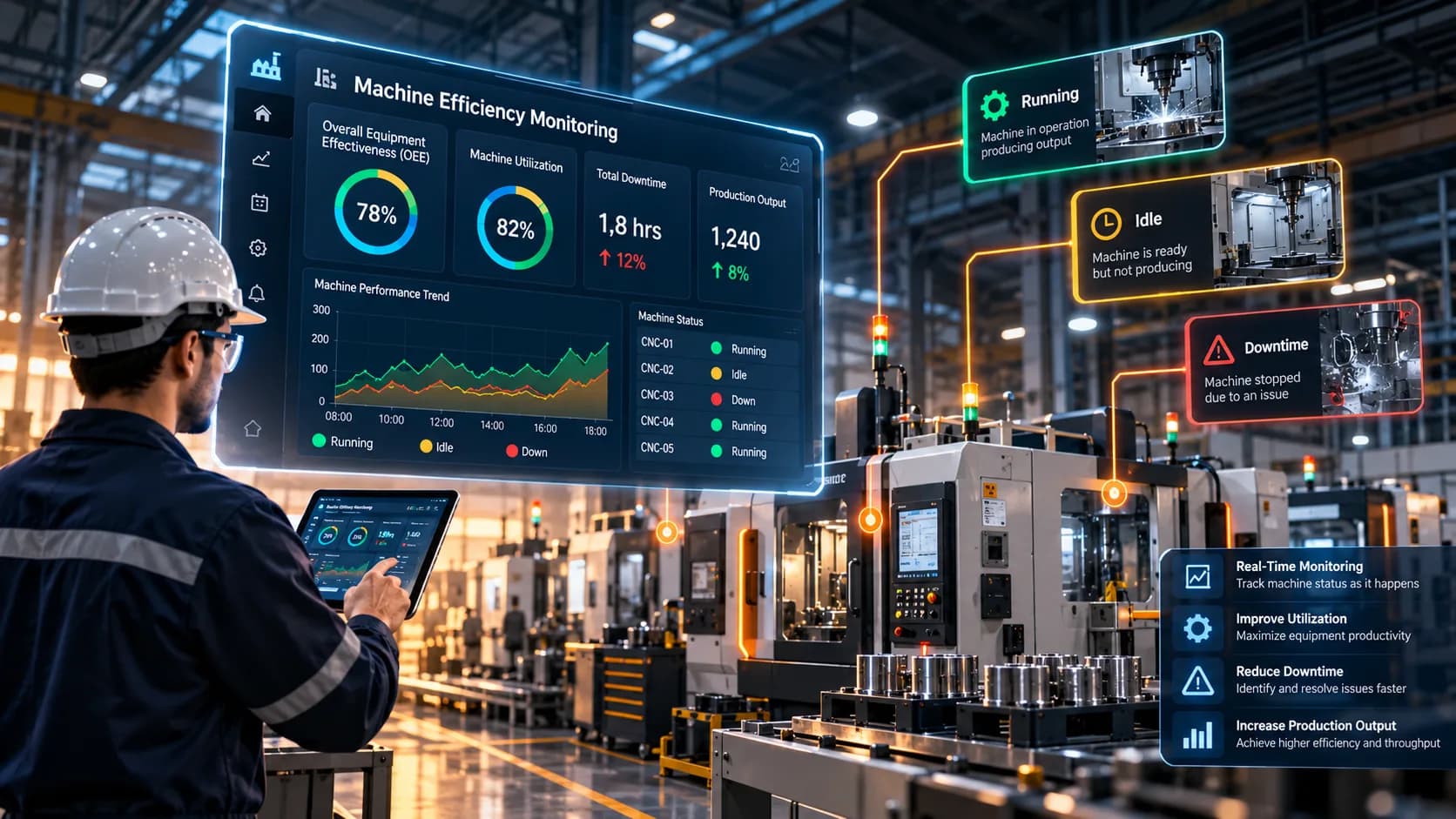
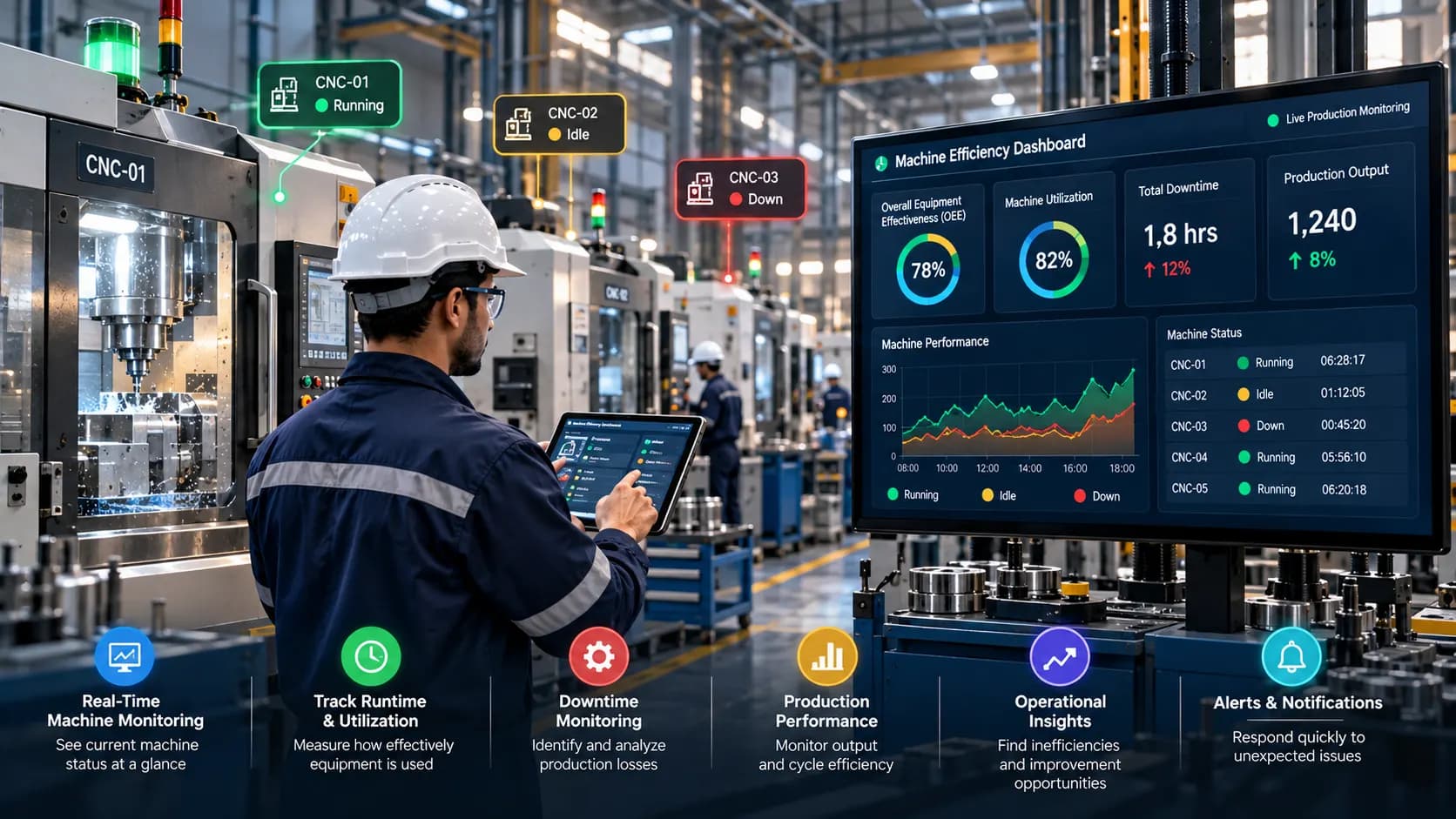
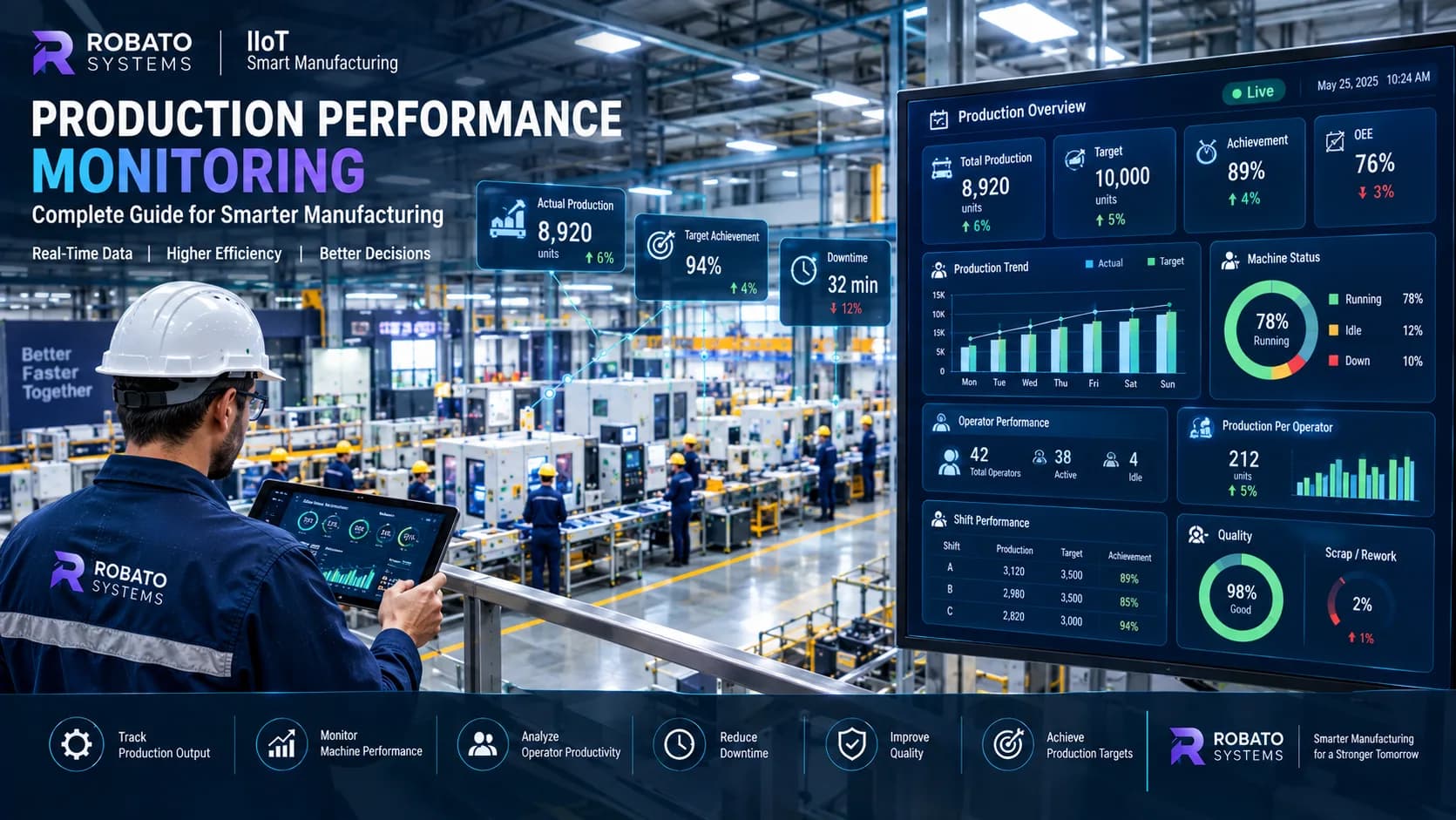
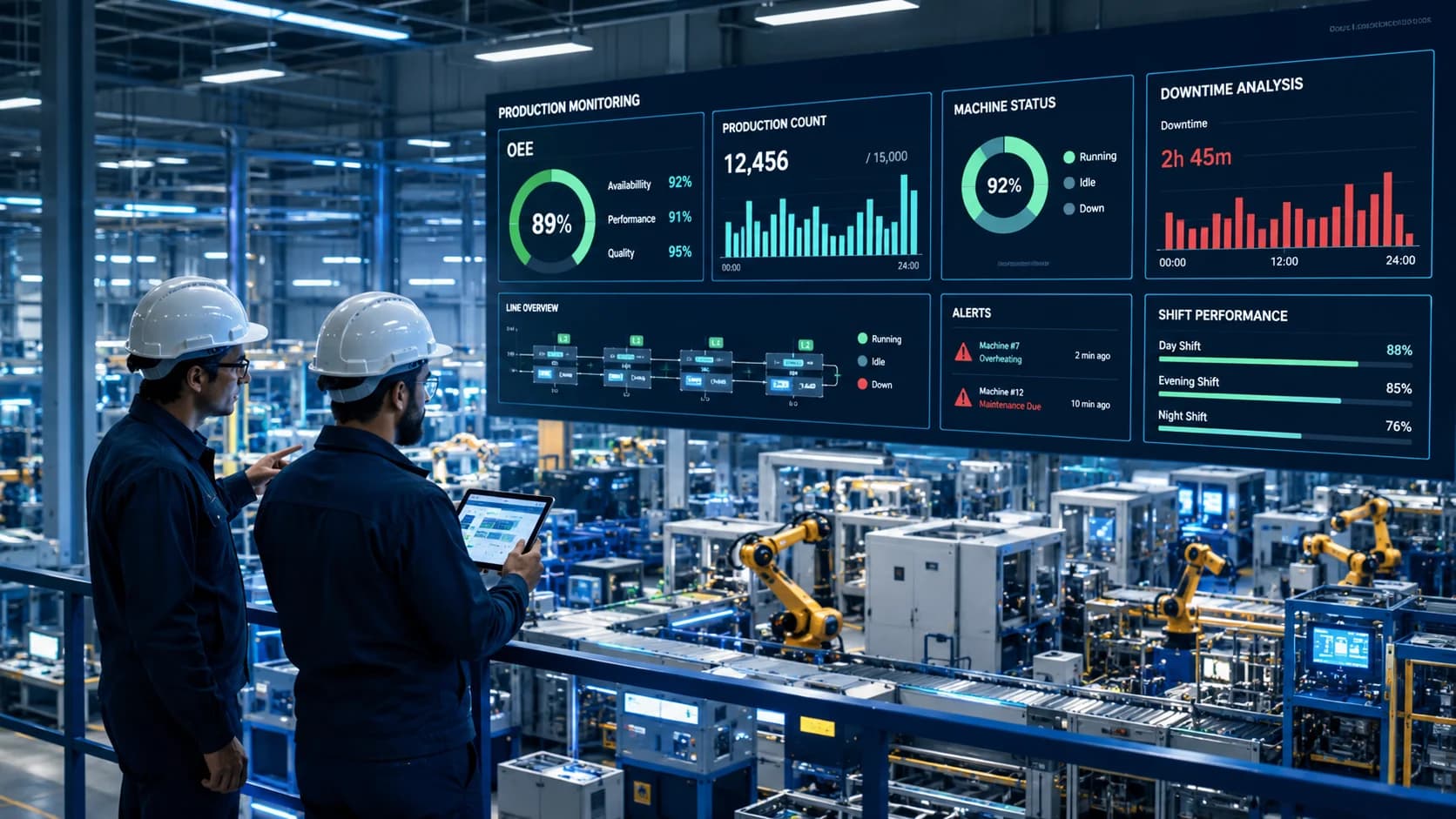
A production monitoring system provides manufacturers with real-time visibility into machines, processes, and production performance. Instead of relying on manual reports or delayed information, factory managers can access live production data and make faster, more informed decisions.
Modern solutions like MachinoX Pro by Robato Systems help businesses monitor machine status, track downtime, measure production efficiency, and improve overall shop floor visibility. As Industry 4.0 adoption continues to grow, production monitoring has become a fundamental part of smart manufacturing.
Why Production Monitoring Matters in Manufacturing
Traditional production tracking methods often rely on spreadsheets, paper-based records, and manual reporting. These approaches make it difficult to identify problems quickly and often result in delayed decision-making.
A production monitoring system helps manufacturers:
Track production in real time
Reduce machine downtime
Improve productivity
Increase production visibility
Measure Overall Equipment Effectiveness (OEE)
Generate accurate production reports
Optimize machine utilization
With real-time information available instantly, management teams can respond faster to production issues and improve overall efficiency.
Real-Time Visibility Across the Shop Floor
One of the biggest advantages of a production monitoring system is the ability to view operations as they happen.
Live dashboards allow manufacturers to:
Monitor machine status continuously
Compare target production with actual output
Track downtime events
Measure shift-wise performance
Analyze cycle times
View production trends in real time
For businesses looking to gain deeper insights into machine performance, implementing a Production Monitoring Dashboard can provide visual analytics that simplify operational decision-making.
Eliminate Manual Data Collection
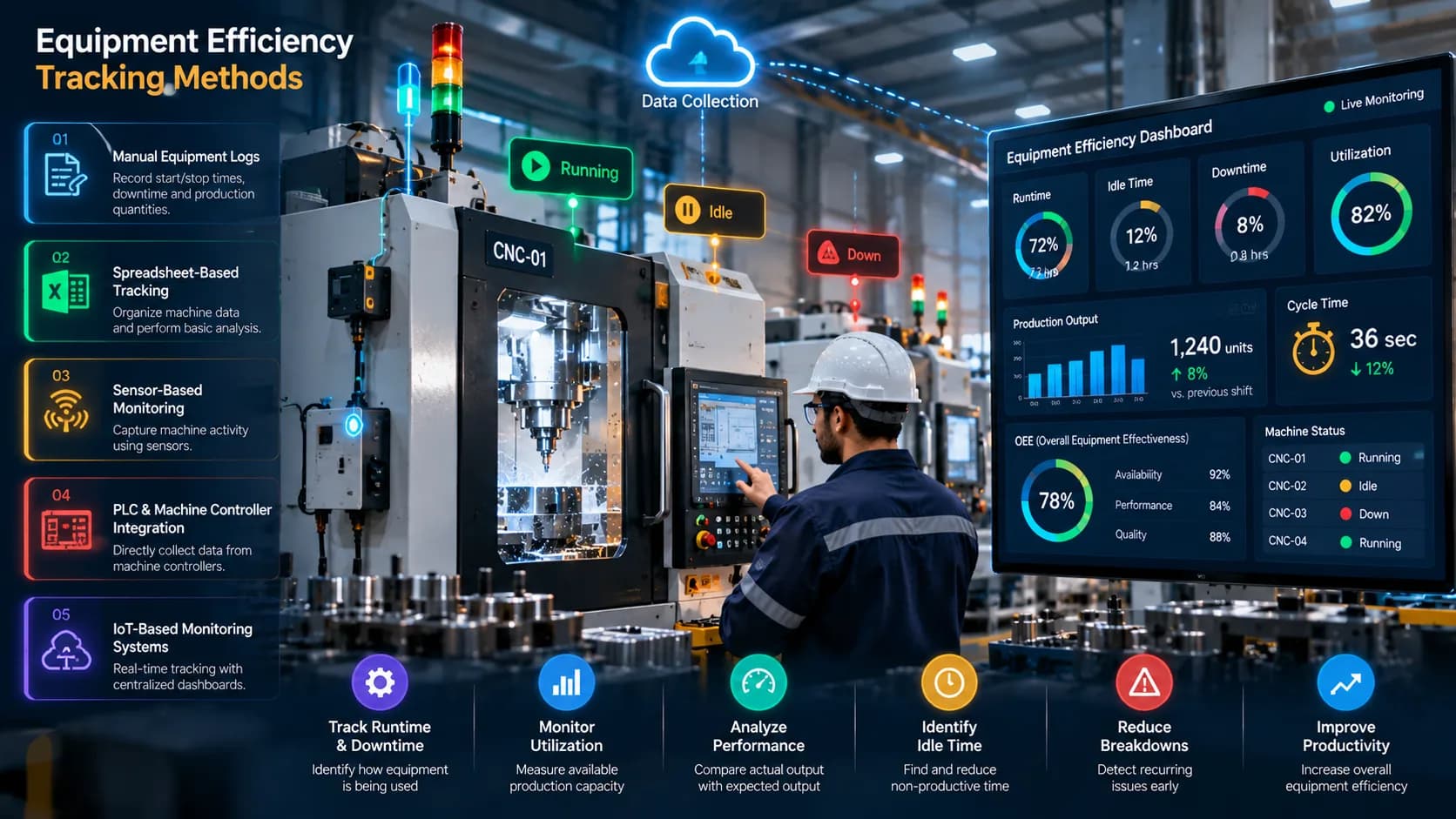
Manual data entry is time-consuming and often prone to errors. Modern production monitoring systems automatically collect data from PLCs, sensors, CNC machines, and industrial equipment.
Automated data collection helps businesses:
Improve reporting accuracy
Eliminate paperwork
Reduce operator dependency
Capture live machine data
Generate instant reports
Companies adopting automated systems are increasingly integrating advanced Production Data Collection methods to improve efficiency and reduce hidden production losses.
Reduce Downtime and Improve Productivity
Unplanned downtime is one of the biggest challenges faced by manufacturers. Even a small interruption can affect productivity and delivery schedules.
Production monitoring systems help by:
Detecting machine stoppages instantly
Identifying recurring downtime patterns
Providing real-time alerts
Supporting faster root cause analysis
Improving machine availability
Real-time monitoring allows production teams to take corrective actions quickly and minimize operational disruptions.
Improve Production Tracking and Performance
Production monitoring and production tracking go hand in hand. While monitoring provides visibility, production tracking helps businesses measure output and performance against targets.
Manufacturers can monitor:
Production quantity
Rejection rates
Cycle times
Machine utilization
Shift performance
Overall Equipment Effectiveness (OEE)
Organizations seeking more detailed tracking capabilities often combine monitoring systems with Production Tracking Software to gain better control over manufacturing operations.
Better Decision-Making Through Analytics
Manufacturing decisions are becoming increasingly data-driven. Production monitoring systems provide managers with valuable insights through reports and analytics dashboards.
These analytics help manufacturers:
Identify bottlenecks
Improve resource allocation
Optimize production schedules
Reduce operational costs
Increase overall efficiency
Advanced Manufacturing Analytics solutions are helping smart factories convert production data into actionable business intelligence.
Shift-Wise Monitoring for Higher Efficiency
Different shifts often perform differently due to variations in machine utilization, manpower, and downtime events.
Shift-wise monitoring enables businesses to:
Compare production performance between shifts
Identify inefficiencies
Measure operator productivity
Improve scheduling decisions
Reduce production losses
Many manufacturers are implementing dedicated Shift Production Monitoring strategies to optimize performance across all working hours.
Production Monitoring and Industry 4.0
Industry 4.0 focuses on connected manufacturing systems, automation, and intelligent decision-making. Production monitoring systems serve as the foundation of this transformation.
They support:
Smart factories
Industrial IoT integration
Predictive maintenance
Real-time analytics
Remote monitoring
Digital manufacturing initiatives
As factories become more connected, production visibility becomes increasingly important for achieving operational excellence.
Improve Reporting and Production Visibility
Managers require accurate and timely information to make better decisions. Production monitoring systems simplify reporting through automated dashboards and analytics.
These systems help organizations:
Generate production reports instantly
Monitor KPIs continuously
Analyze trends over time
Improve accountability
Increase transparency across operations
Businesses can further enhance operational visibility by implementing dedicated Production Reporting Software and advanced reporting tools.
Key Benefits of a Production Monitoring System
Modern manufacturers implement production monitoring solutions to achieve several operational advantages, including:
Real-time production visibility
Reduced machine downtime
Higher productivity
Improved reporting accuracy
Better decision-making
Increased machine utilization
Enhanced production efficiency
Faster response to issues
Support for Industry 4.0 initiatives
These benefits make production monitoring systems essential for companies looking to remain competitive in an increasingly digital manufacturing environment.
The Future of Production Monitoring
Manufacturing is moving toward smarter and more connected operations. Emerging technologies such as Industrial IoT, AI-driven analytics, predictive maintenance, and cloud monitoring are transforming the way factories operate.
Future production monitoring systems will offer:
AI-powered insights
Predictive analytics
Cloud-based monitoring
Multi-plant visibility
Advanced OEE tracking
Real-time alerts and notifications
As digital transformation accelerates, production monitoring systems will continue to play a critical role in building efficient, data-driven, and intelligent factories.
Final Thoughts
A production monitoring system provides manufacturers with the visibility and control needed to improve productivity, reduce downtime, and optimize operations. By collecting real-time production data and converting it into actionable insights, these systems help businesses make smarter decisions and achieve higher operational efficiency.
As Industry 4.0 adoption continues to expand, production monitoring solutions are becoming an essential component of modern manufacturing, enabling factories to become smarter, more connected, and more competitive.