
Why Real-Time Machine Data Monitoring Is Transforming Modern Manufacturing
In today’s competitive manufacturing landscape, speed and accuracy are everything. Real-Time Machine Data Monitoring has emerged as a powerful solution that helps businesses stay in control of their operations. Instead of relying on delayed reports or manual entries, manufacturers can now track machine performance instantly and make faster, smarter decisions on the shop floor. This shift toward real-time visibility is not just a trend. It is becoming a necessity for businesses aiming to improve productivity, reduce downtime, and maintain consistent quality.
From Guesswork to Data-Driven Decisions
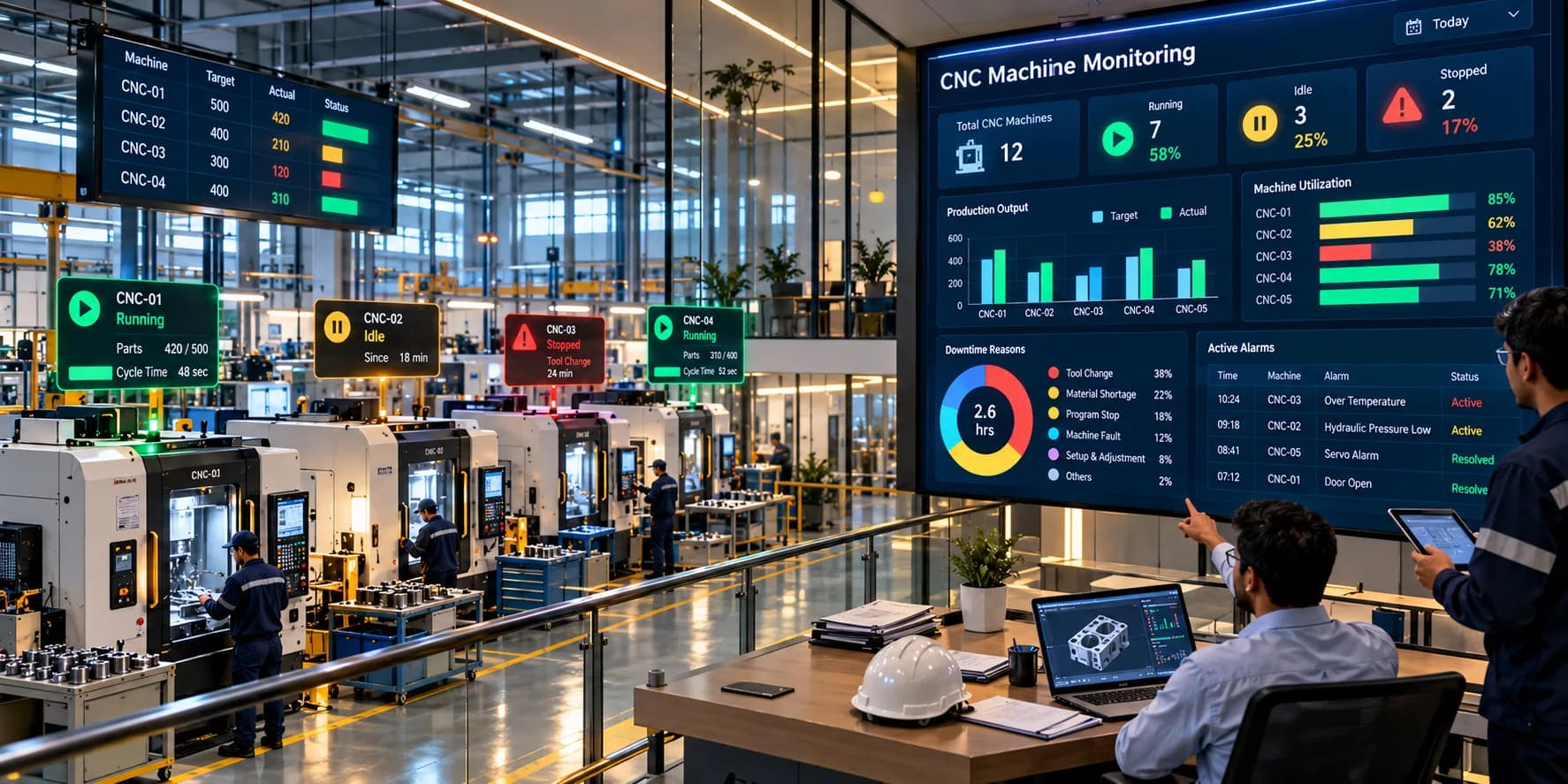
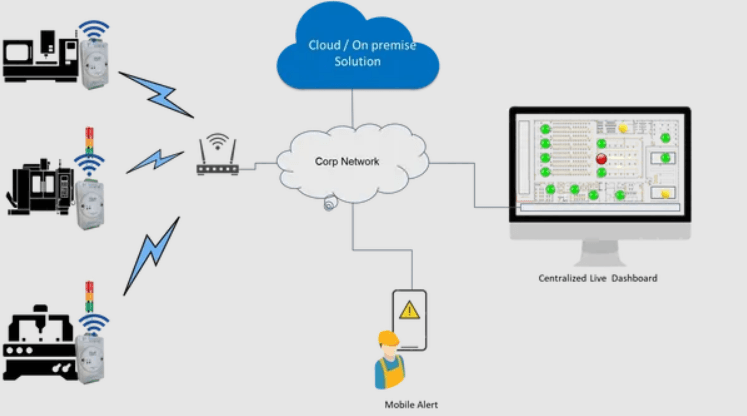
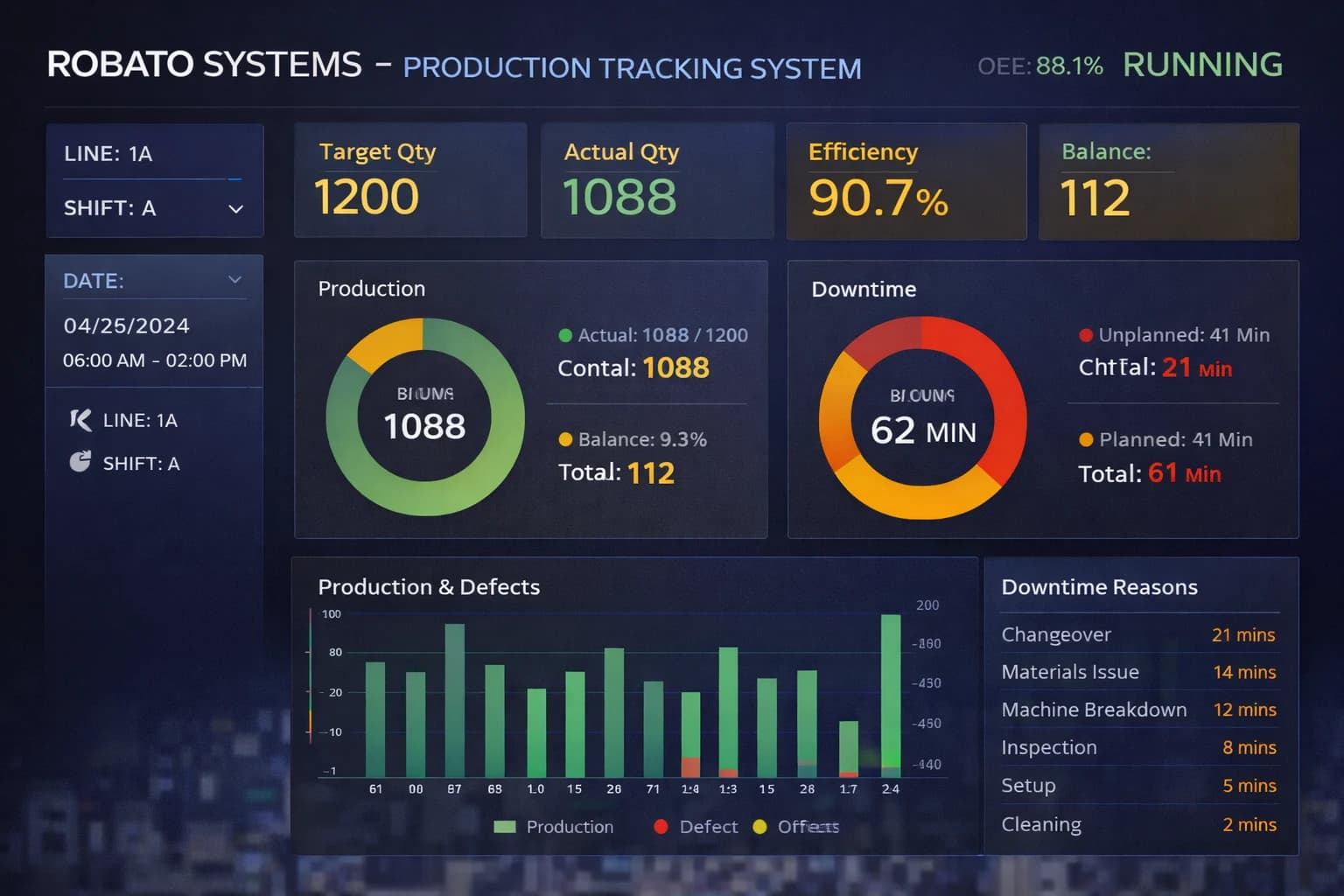
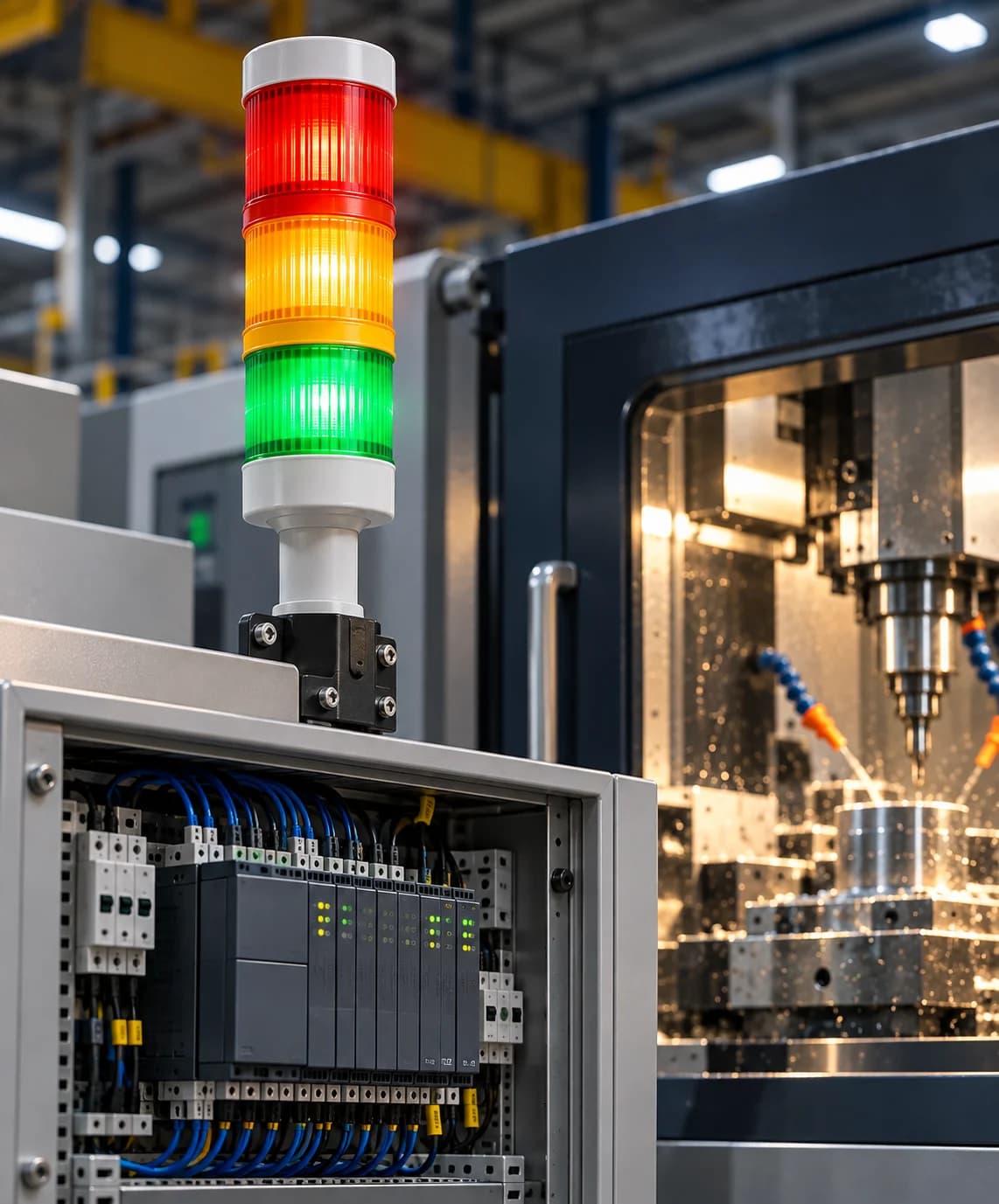
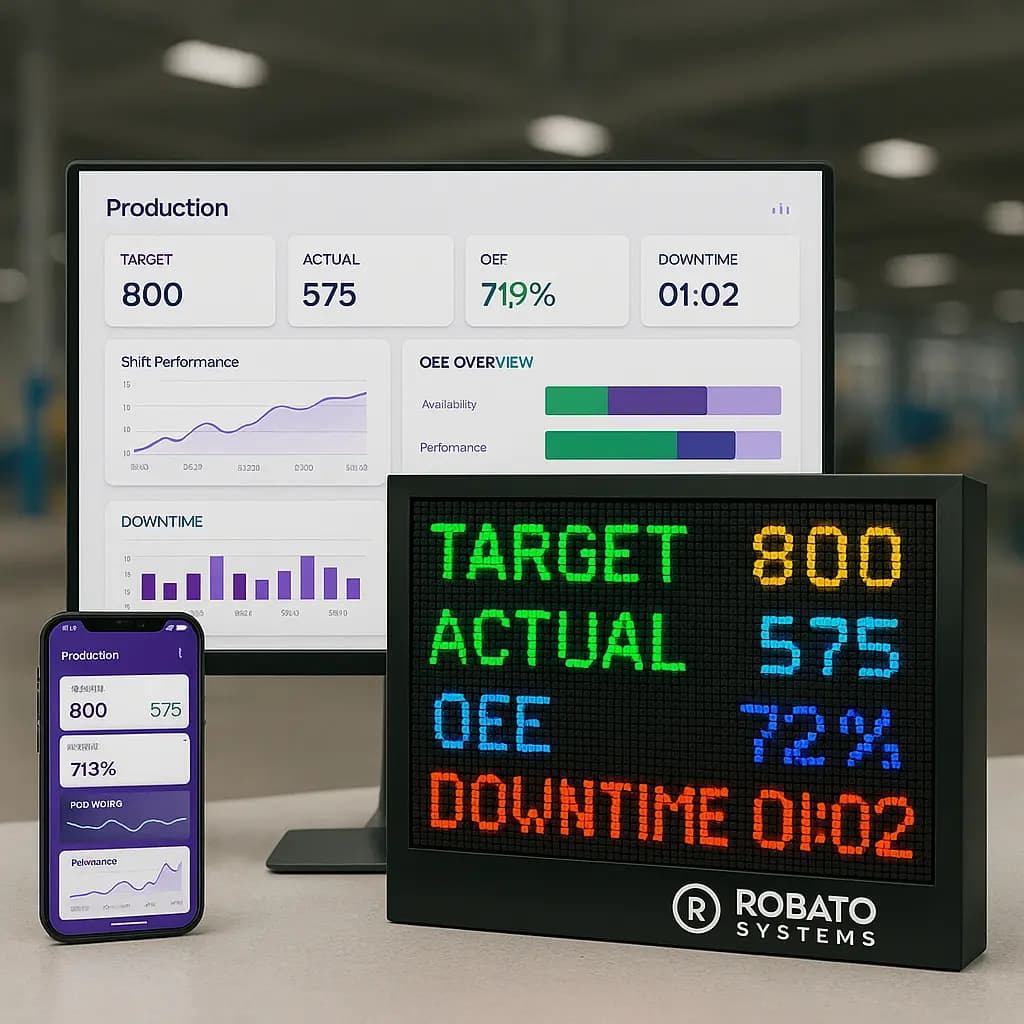
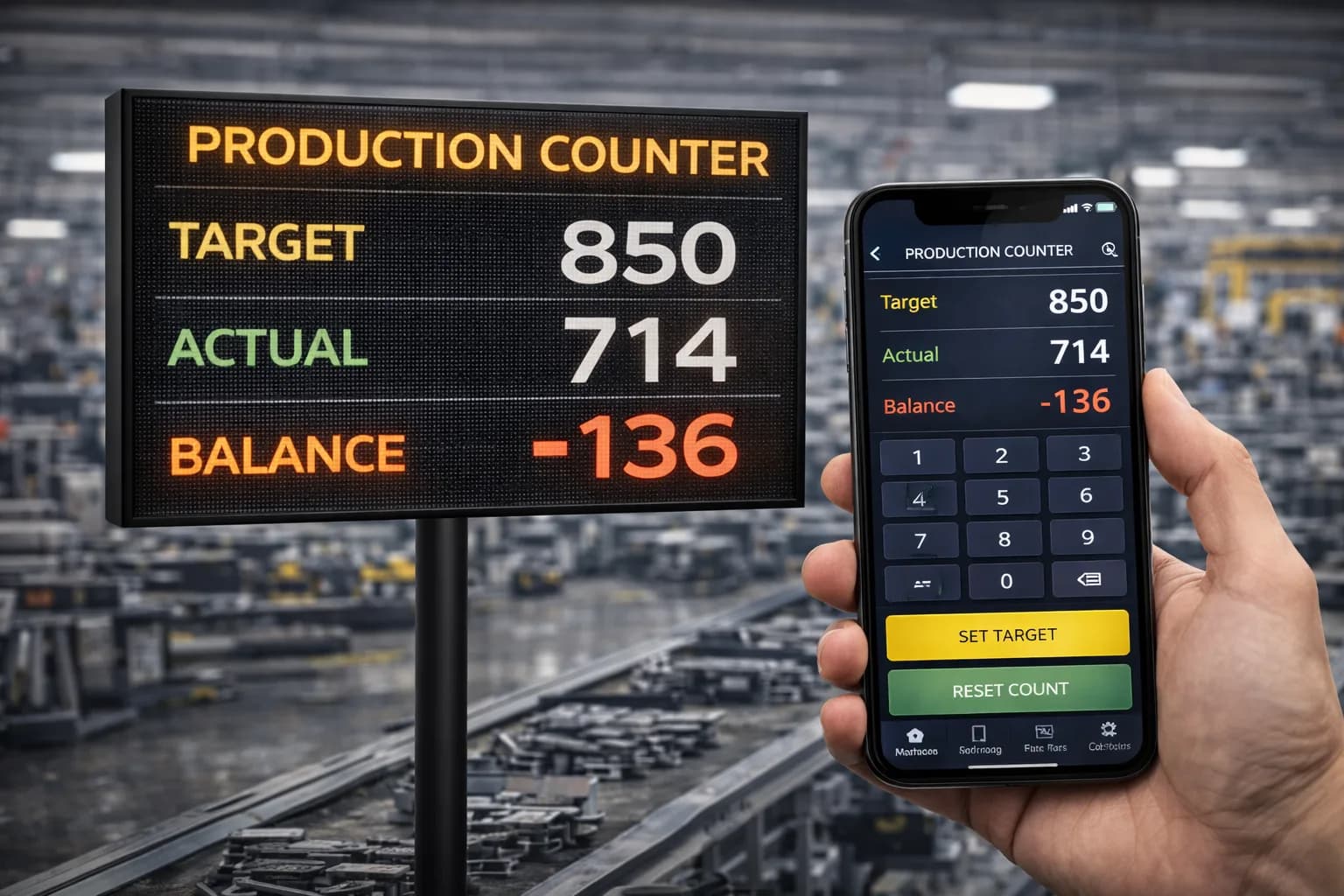
Traditional manufacturing often depends on manual tracking methods like spreadsheets or paper logs. These approaches are slow and prone to errors. With Real-Time Machine Data Monitoring, data is collected directly from machines using sensors, PLCs, and production counters. This information is then displayed on dashboards, giving a clear and accurate picture of machine performance at any moment. This eliminates guesswork and allows teams to make decisions based on actual data rather than assumptions.
Live Insights That Drive Productivity
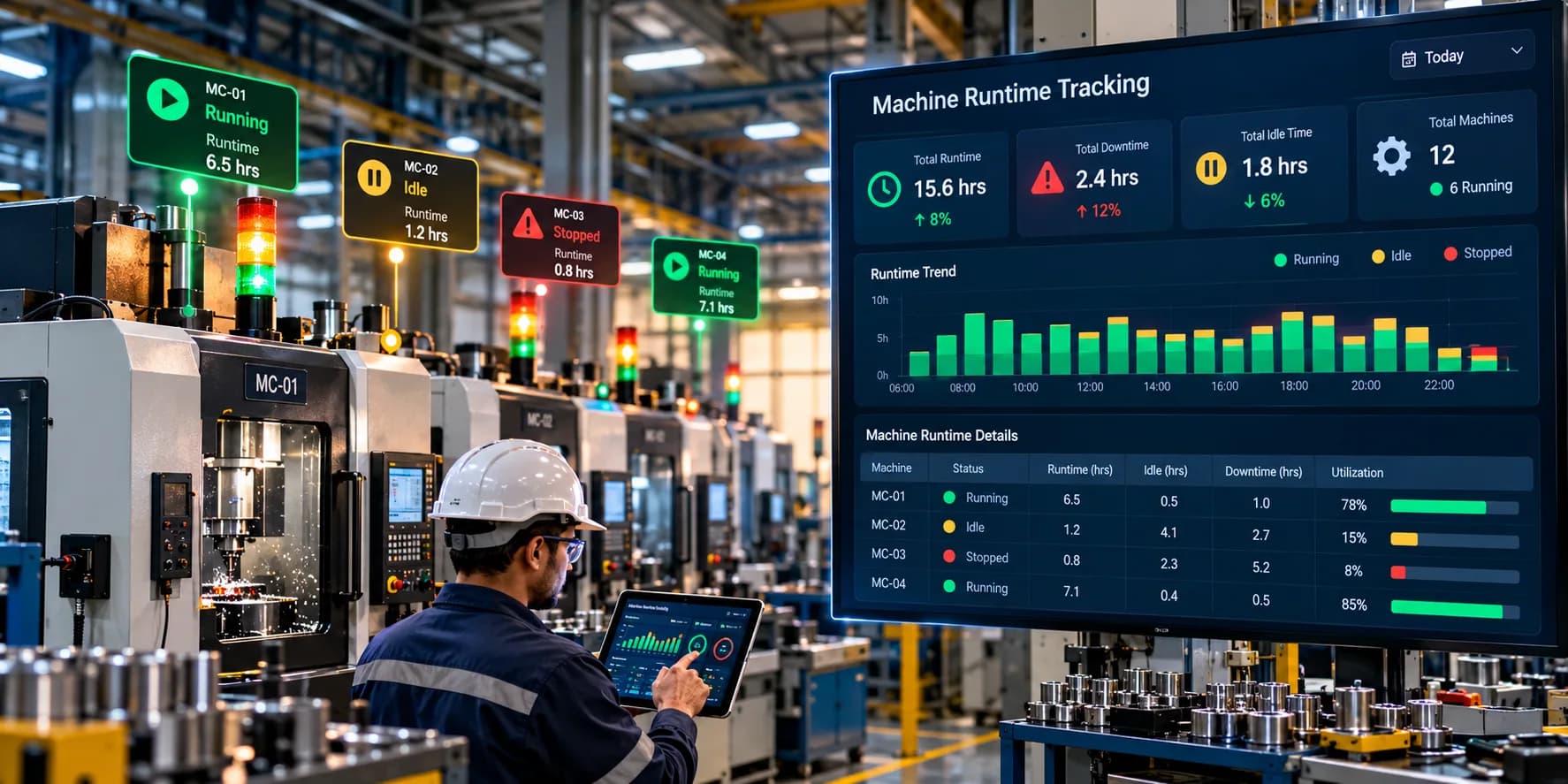
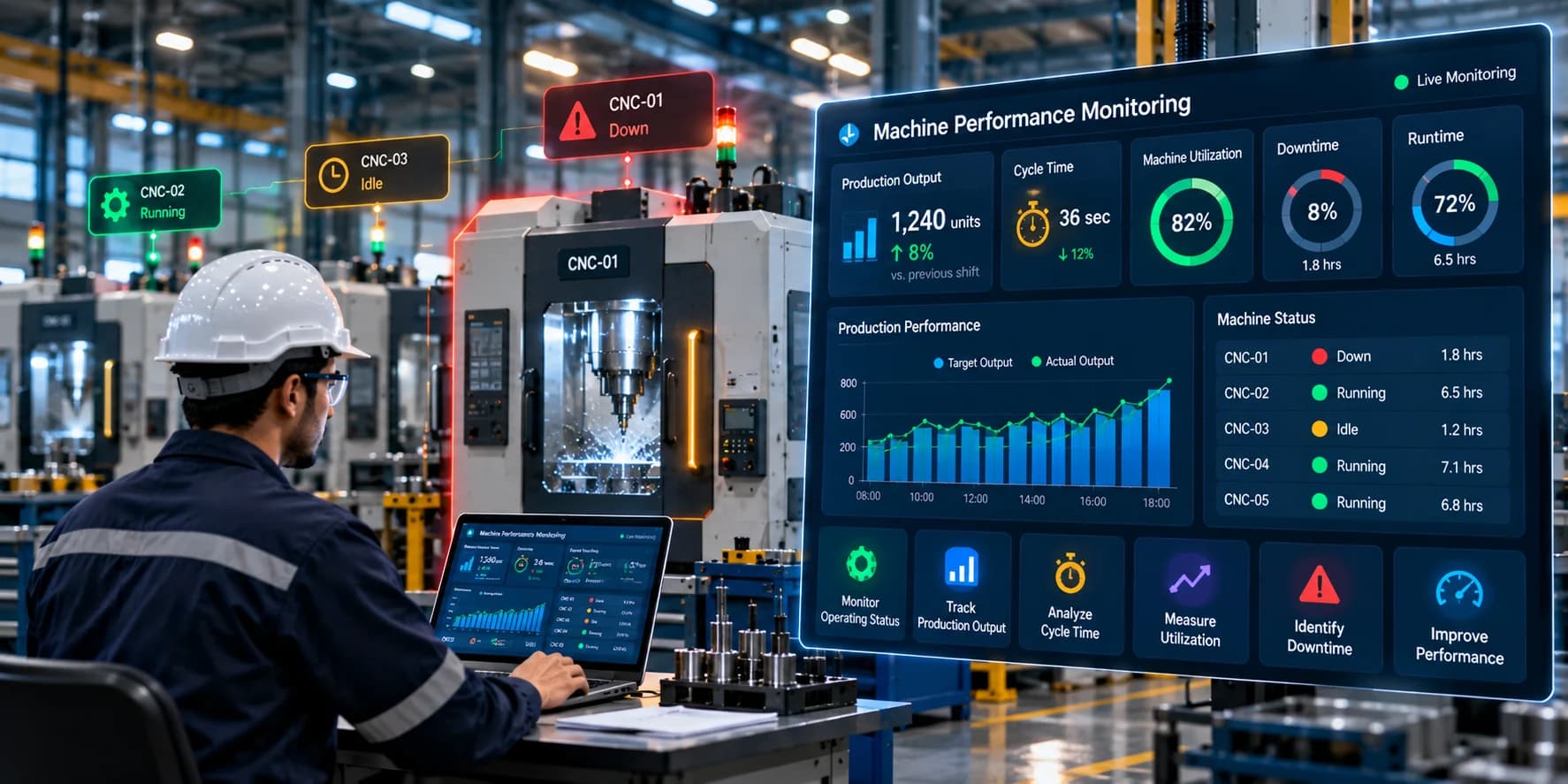
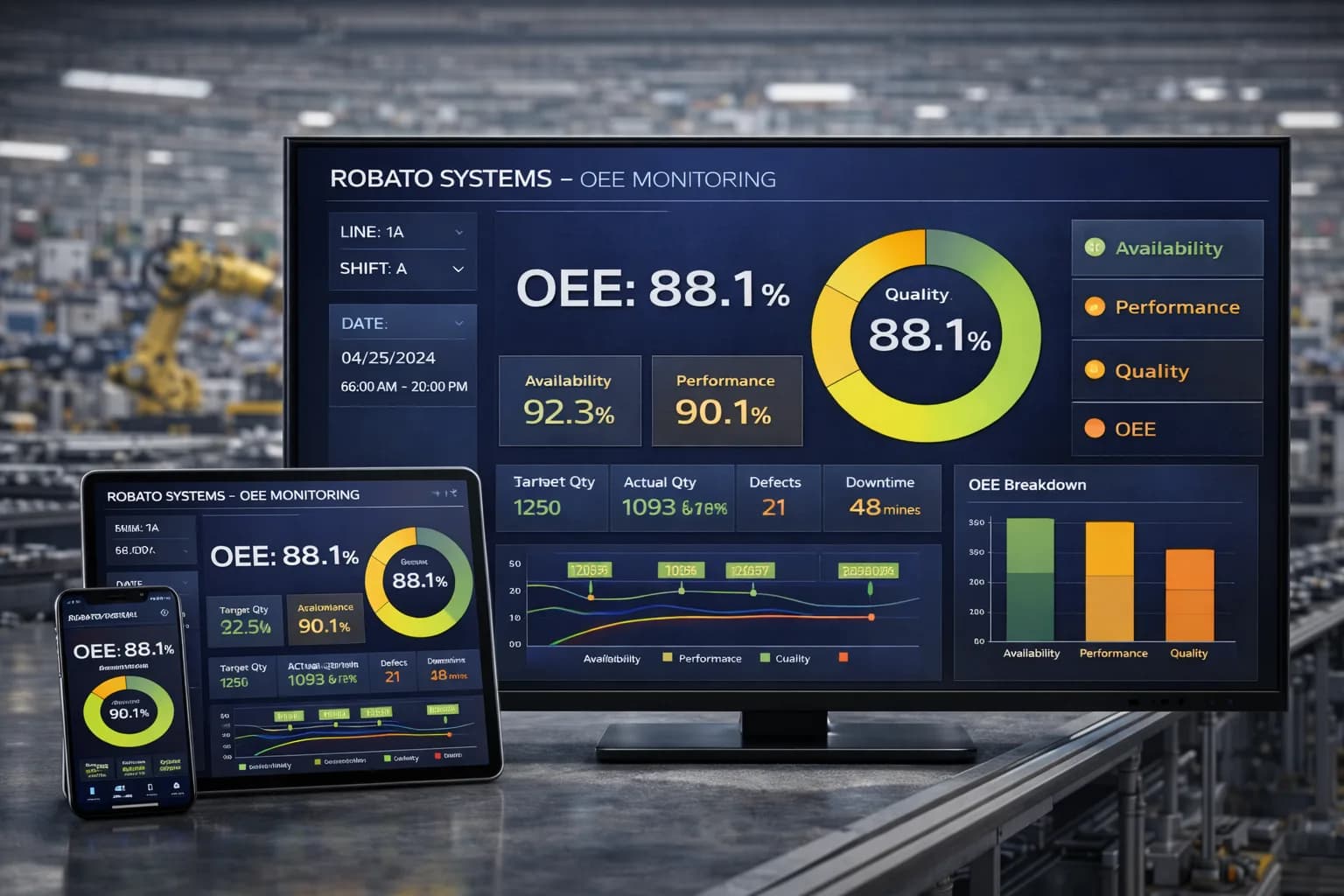
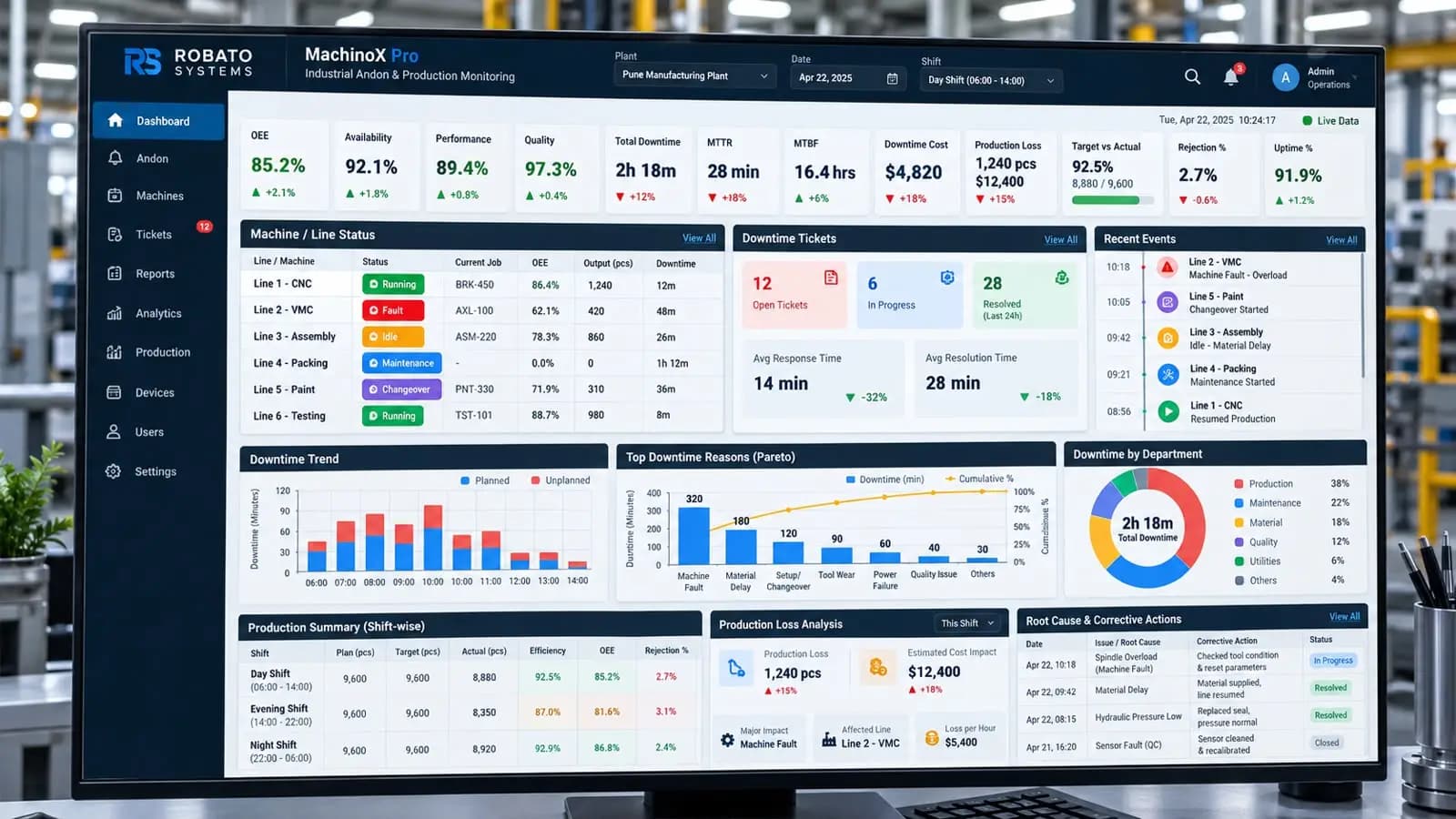
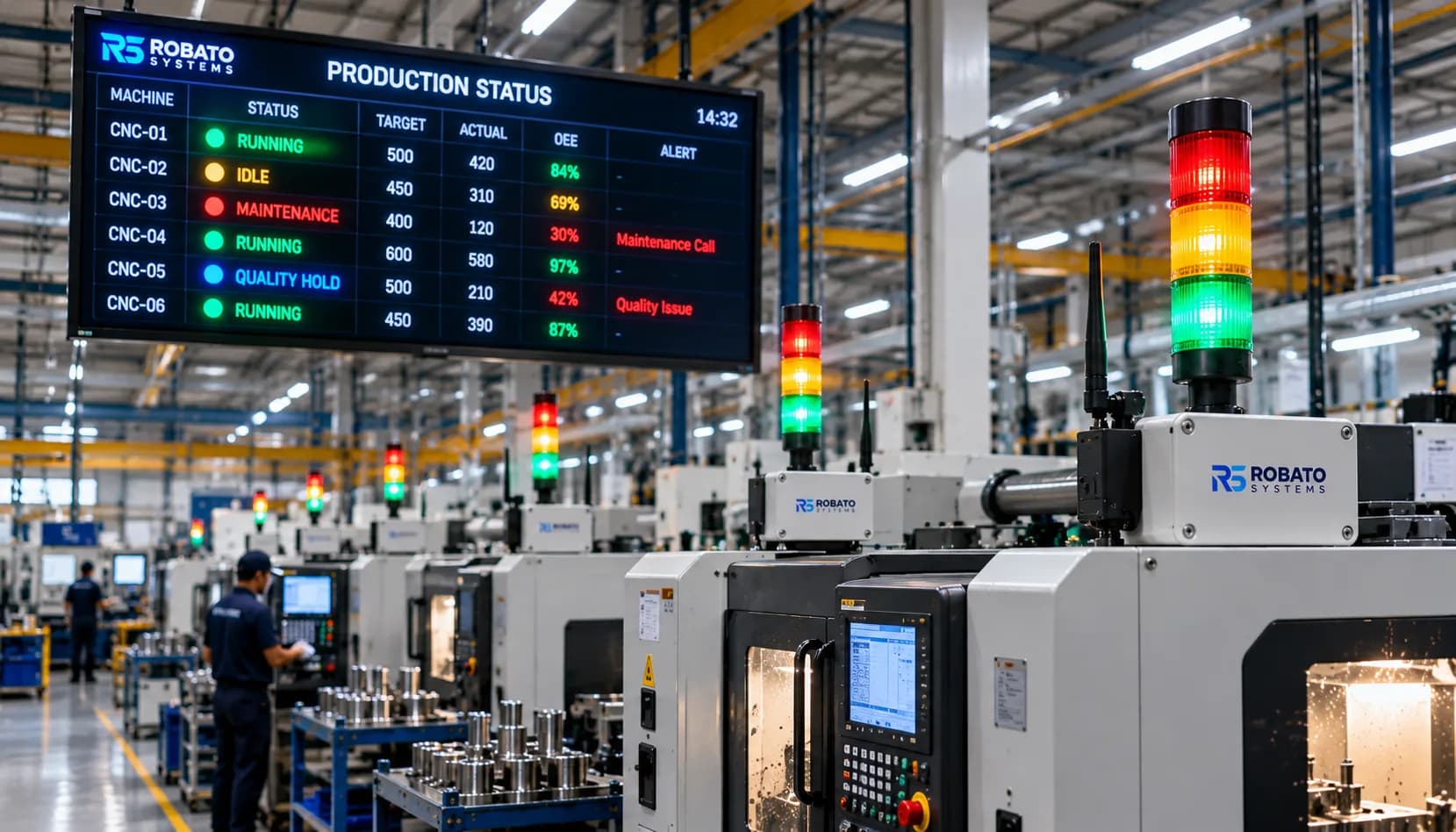
One of the biggest advantages of Real-Time Machine Data Monitoring is instant access to performance metrics. Businesses can track machine utilization, cycle times, and production output in real time.
Advanced platforms like those from IIoT systems provide actionable insights on machine efficiency, downtime, and setup times, helping businesses maximize productivity.
When managers and operators can see what is happening live, they can respond immediately to issues and keep production running smoothly.
Spot Problems Before They Escalate
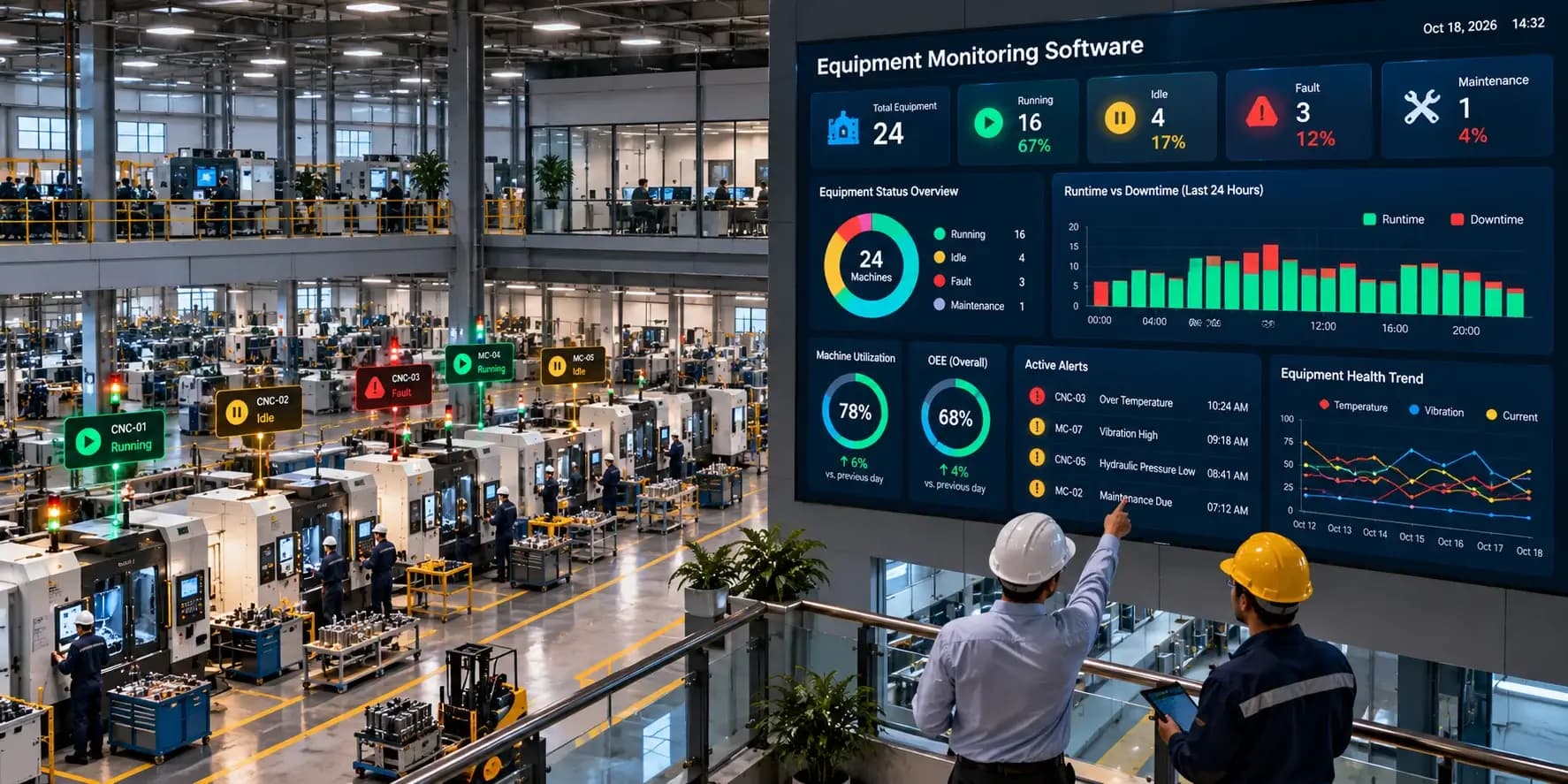
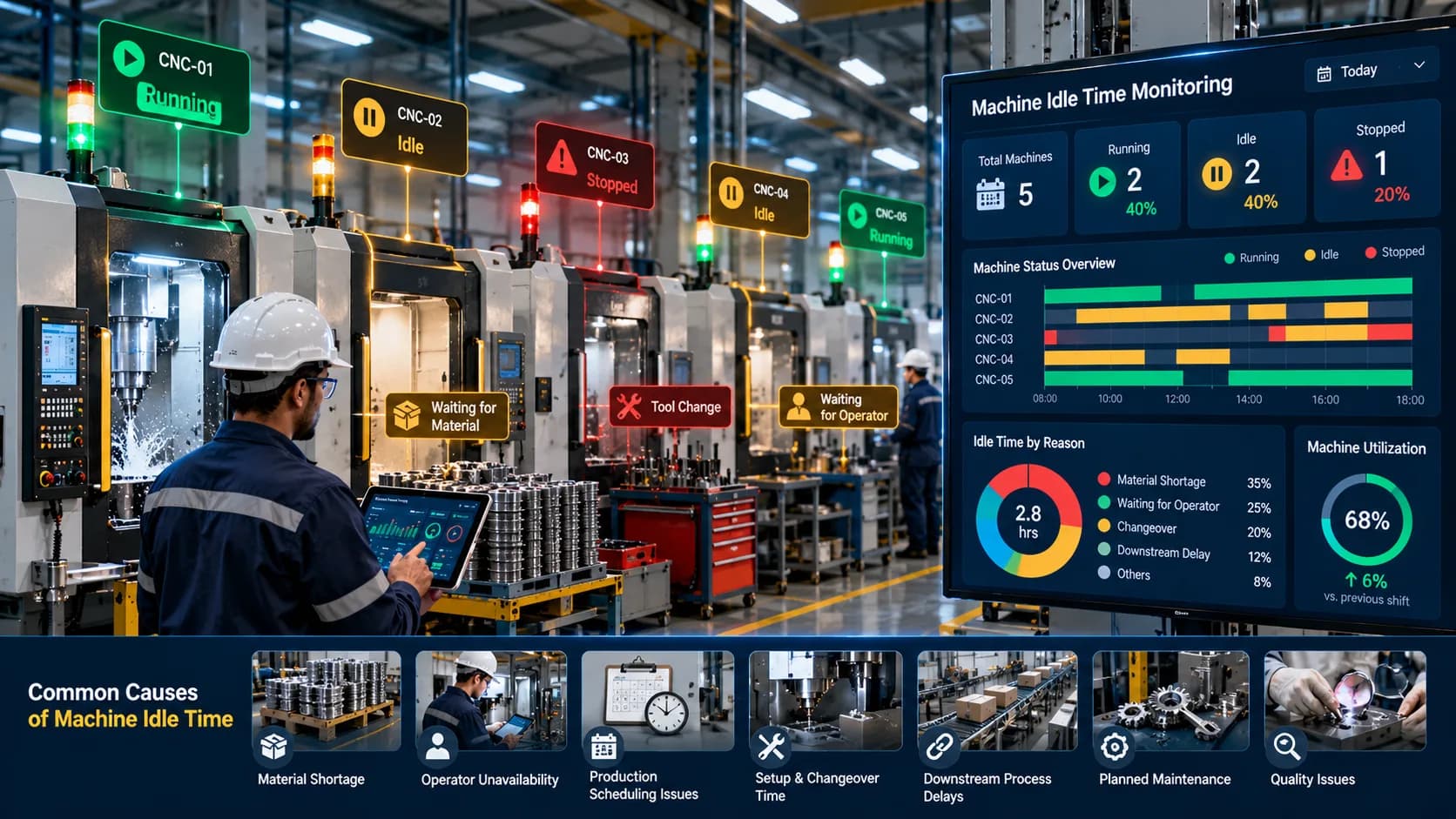
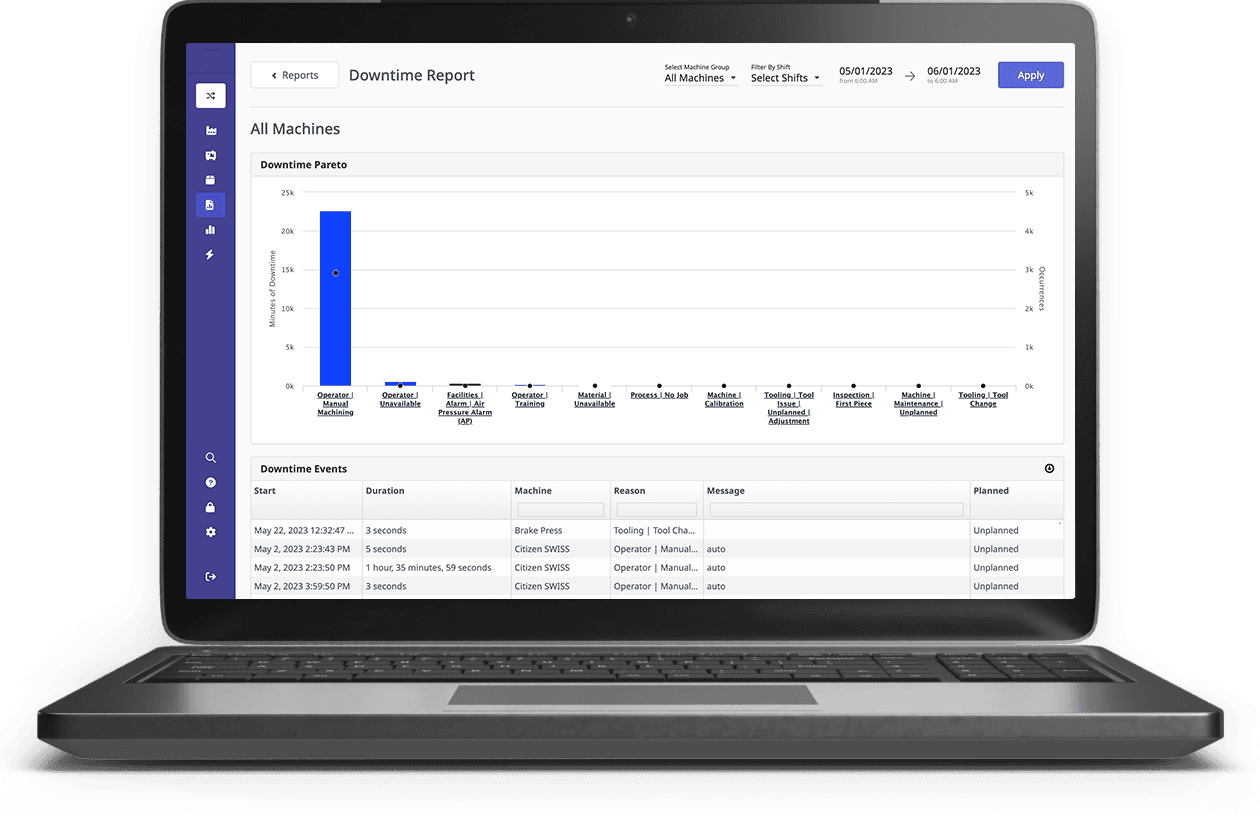
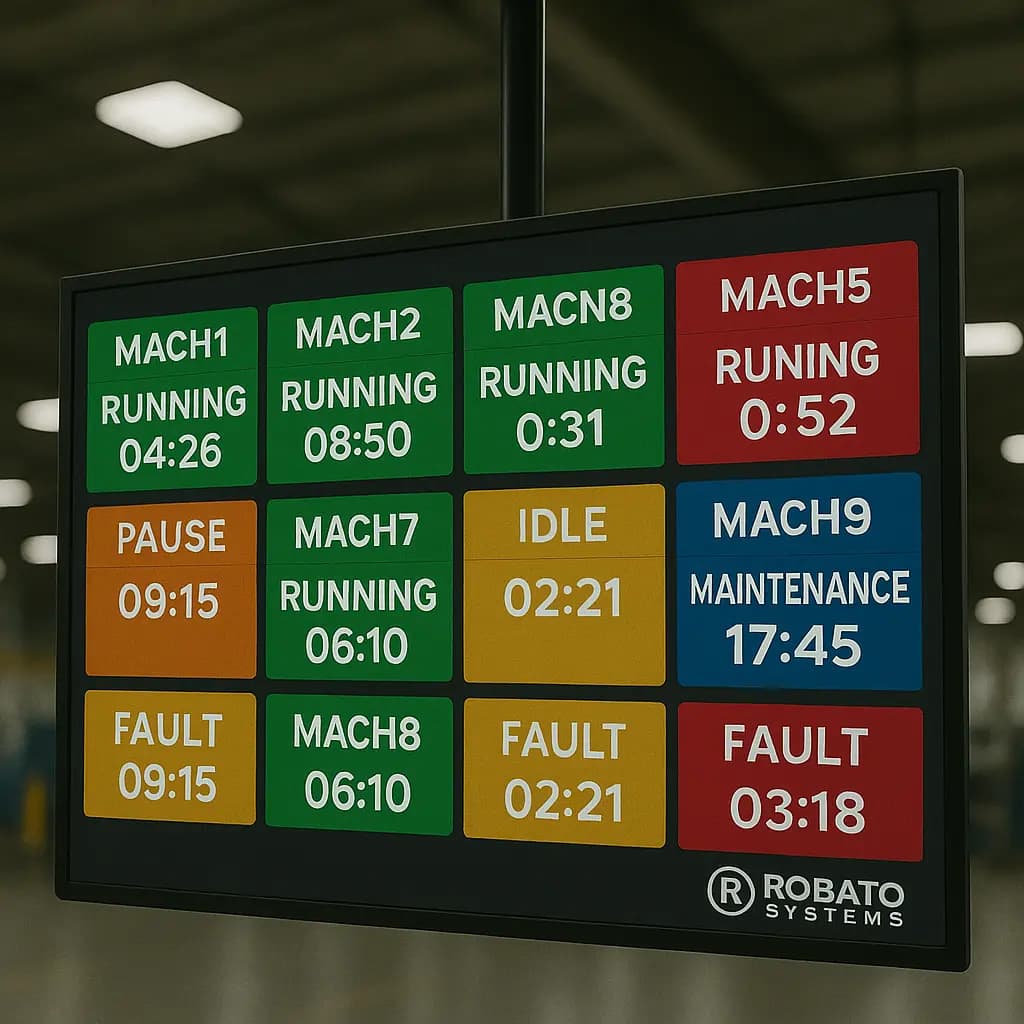
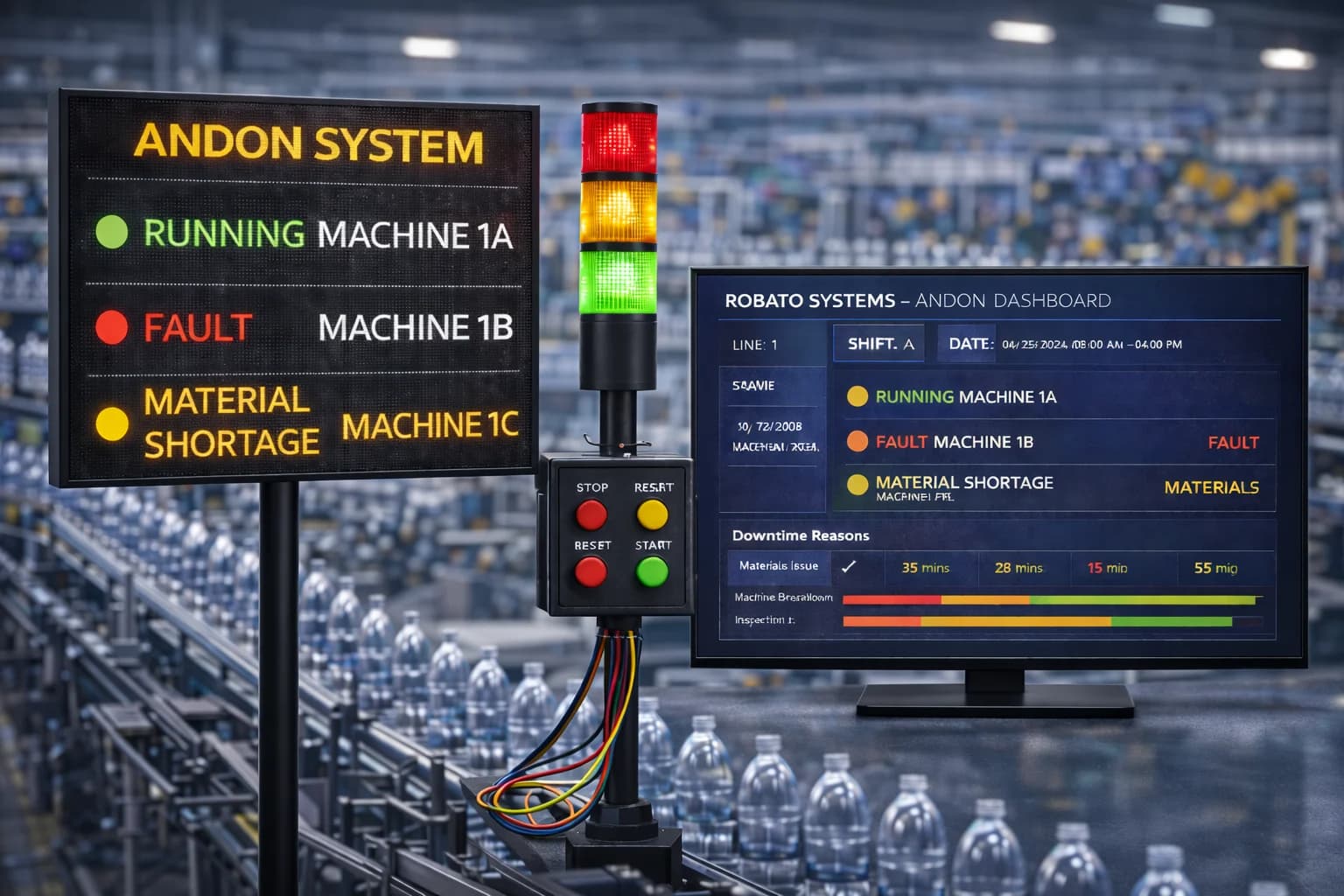
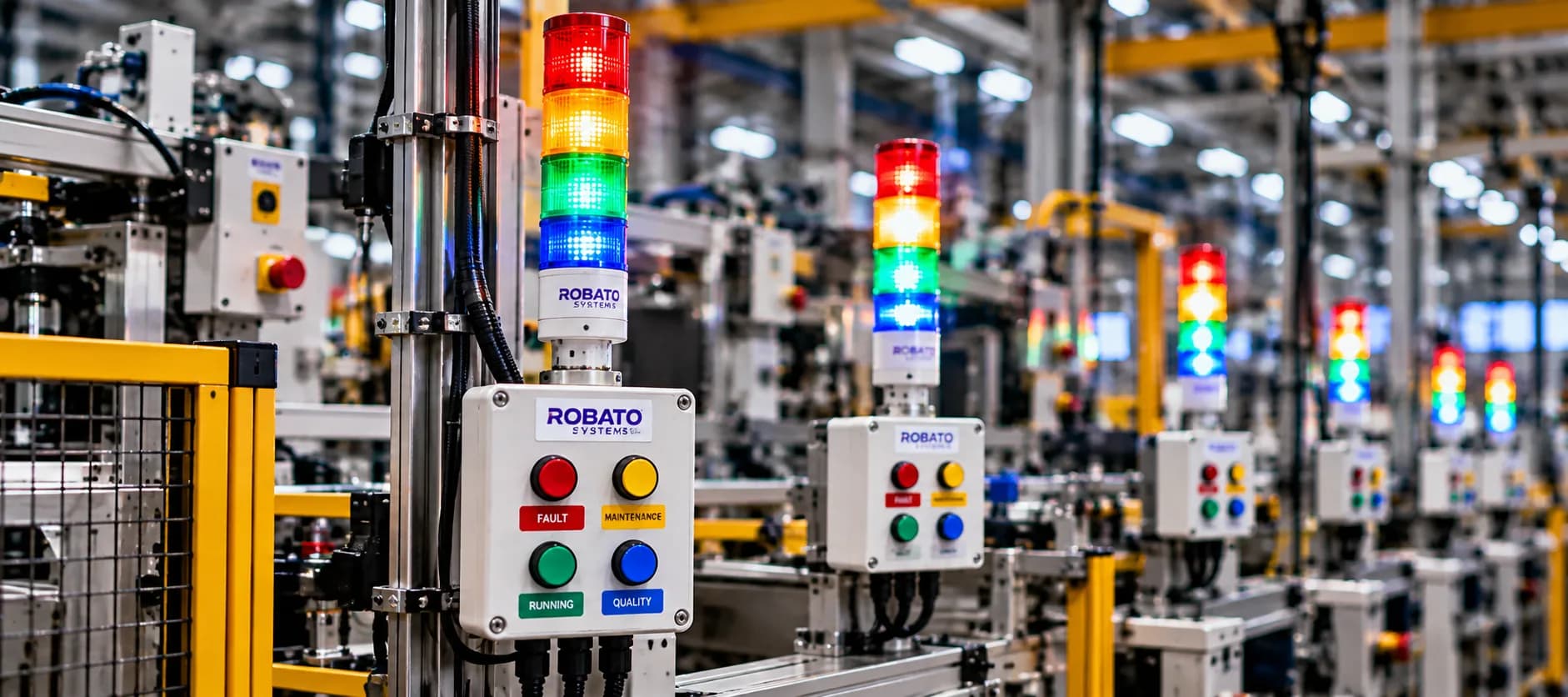
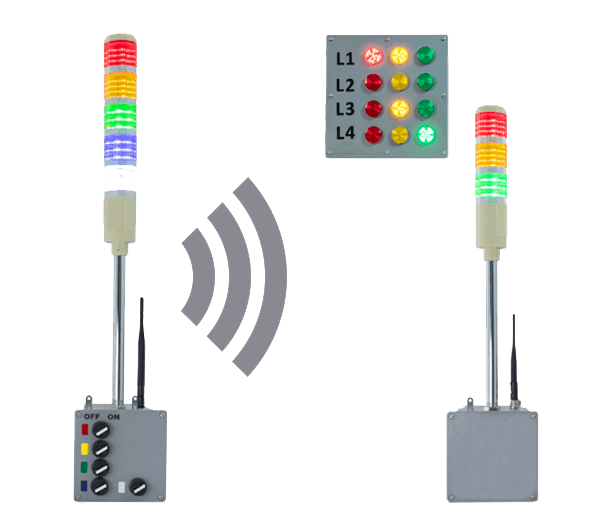
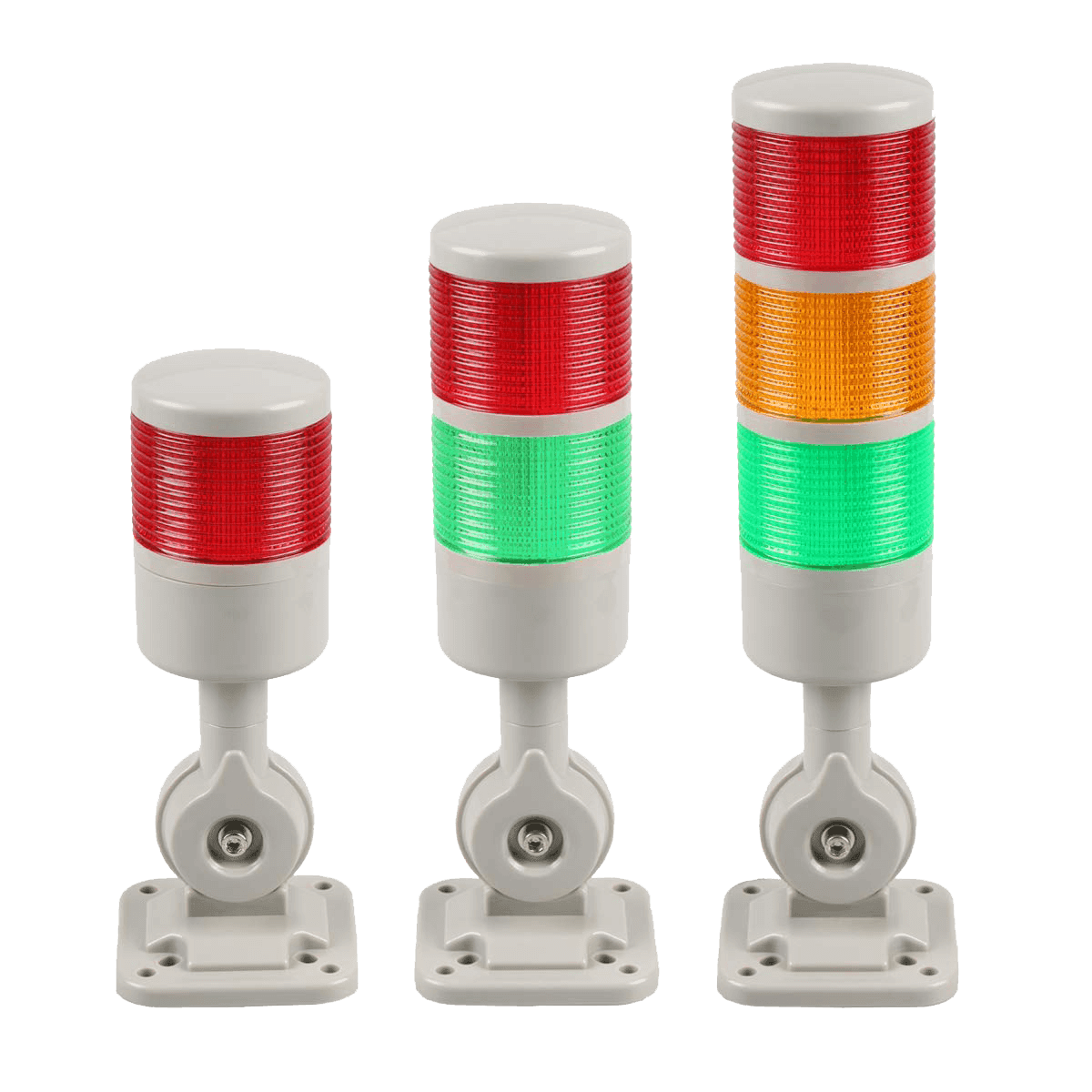
Downtime is one of the biggest challenges in manufacturing. Even small interruptions can lead to significant losses over time. Real-time monitoring systems detect machine stoppages, idle time, and breakdowns as they happen. They also provide instant alerts, allowing teams to take quick action. This proactive approach helps prevent minor issues from turning into major problems, saving both time and money.
Complete Visibility Across the Shop Floor
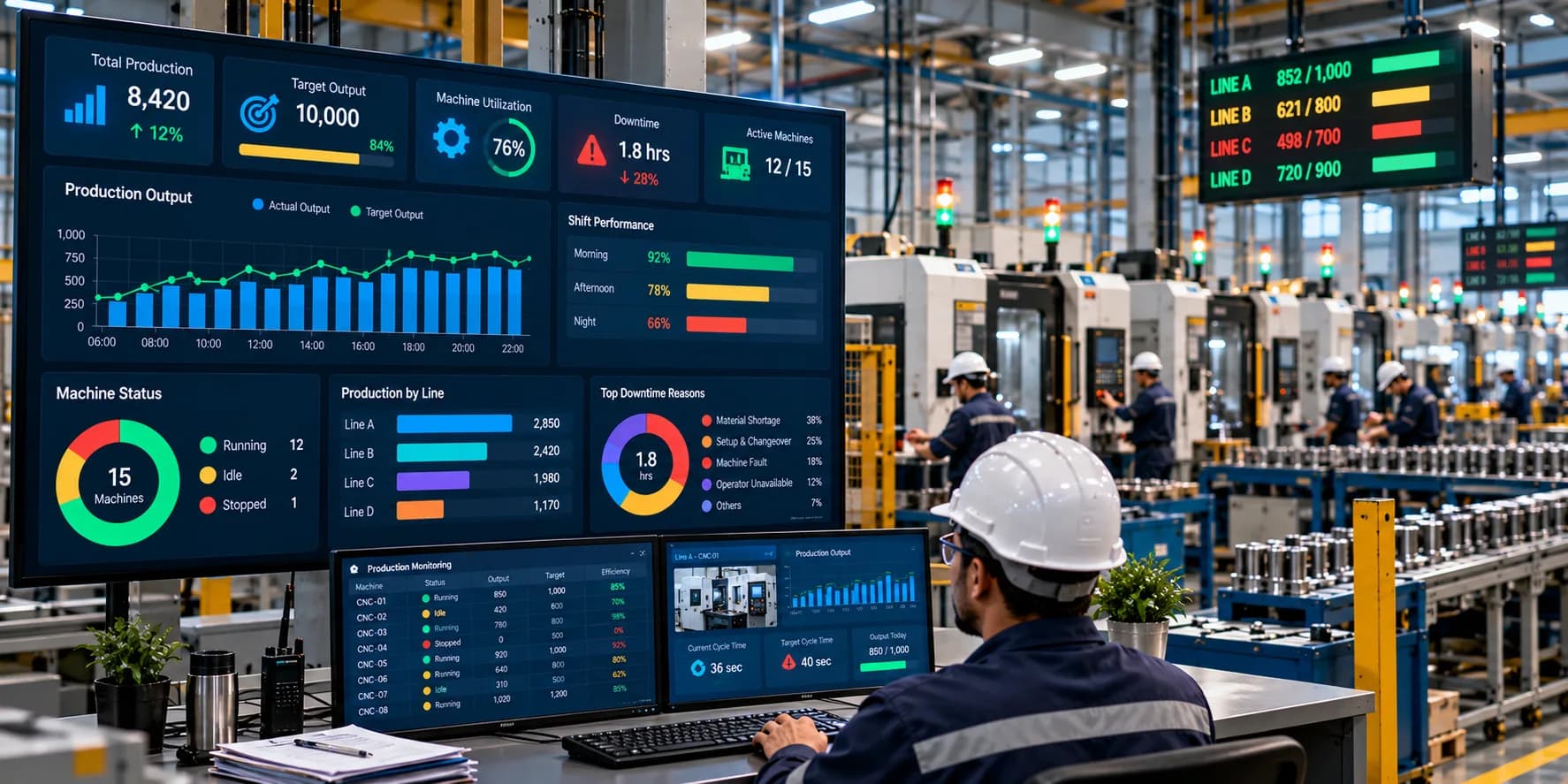
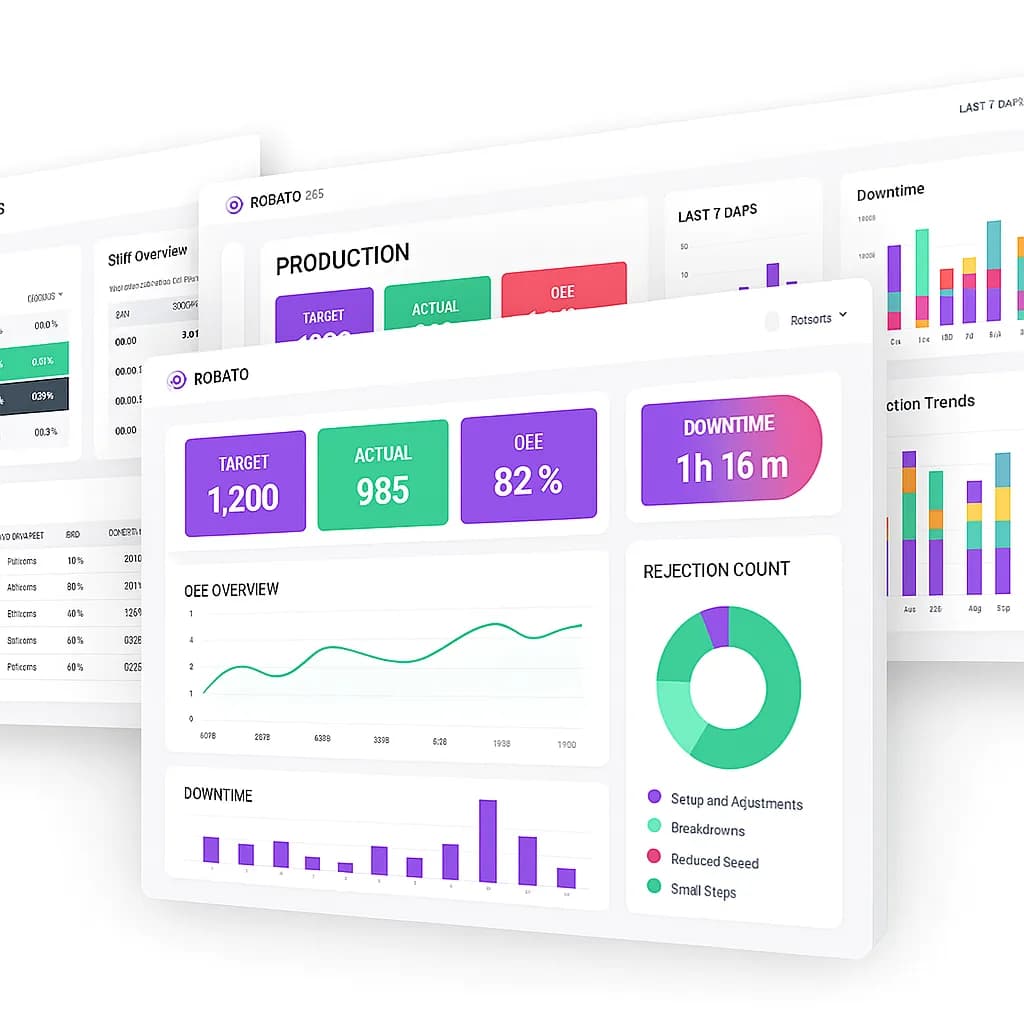
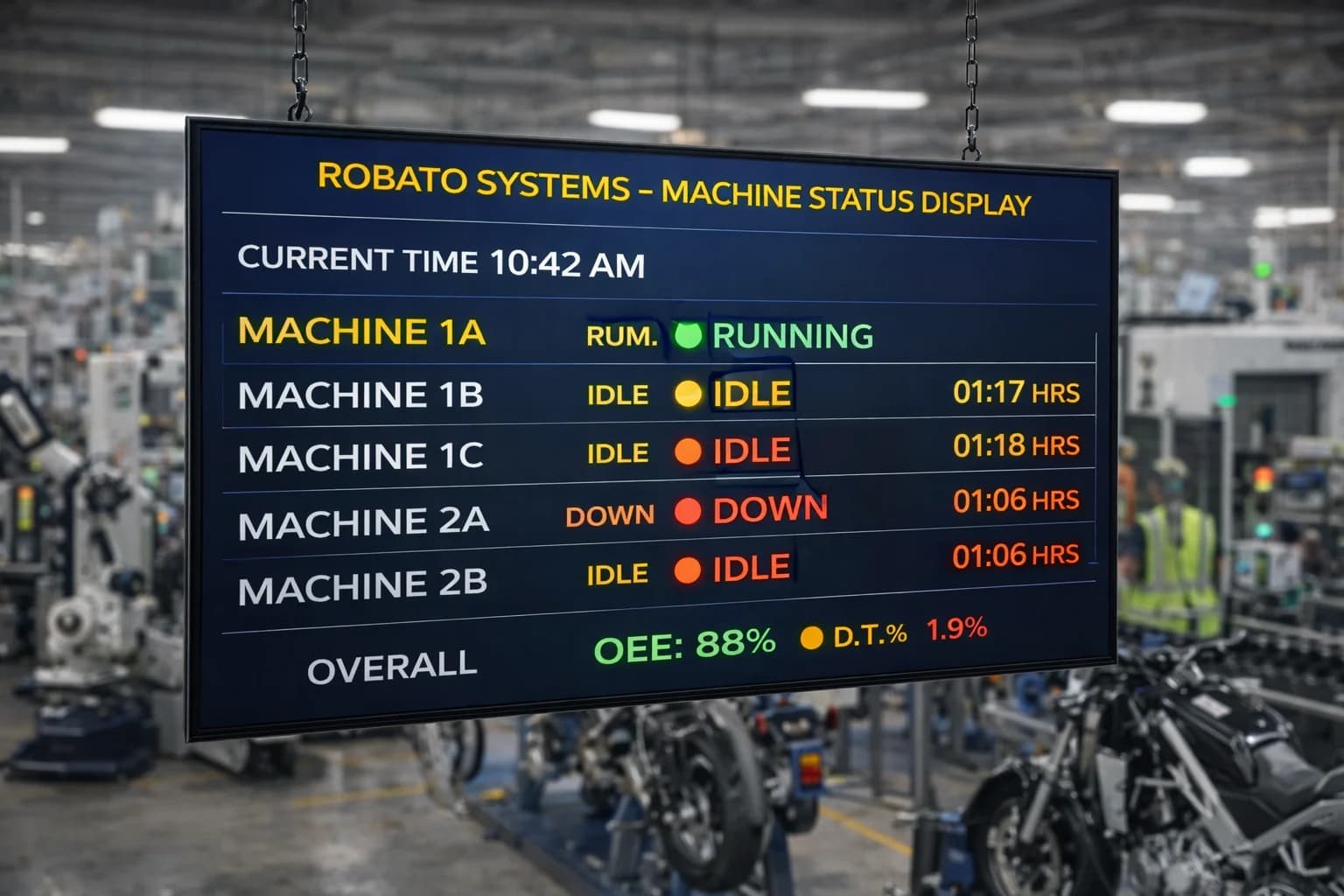
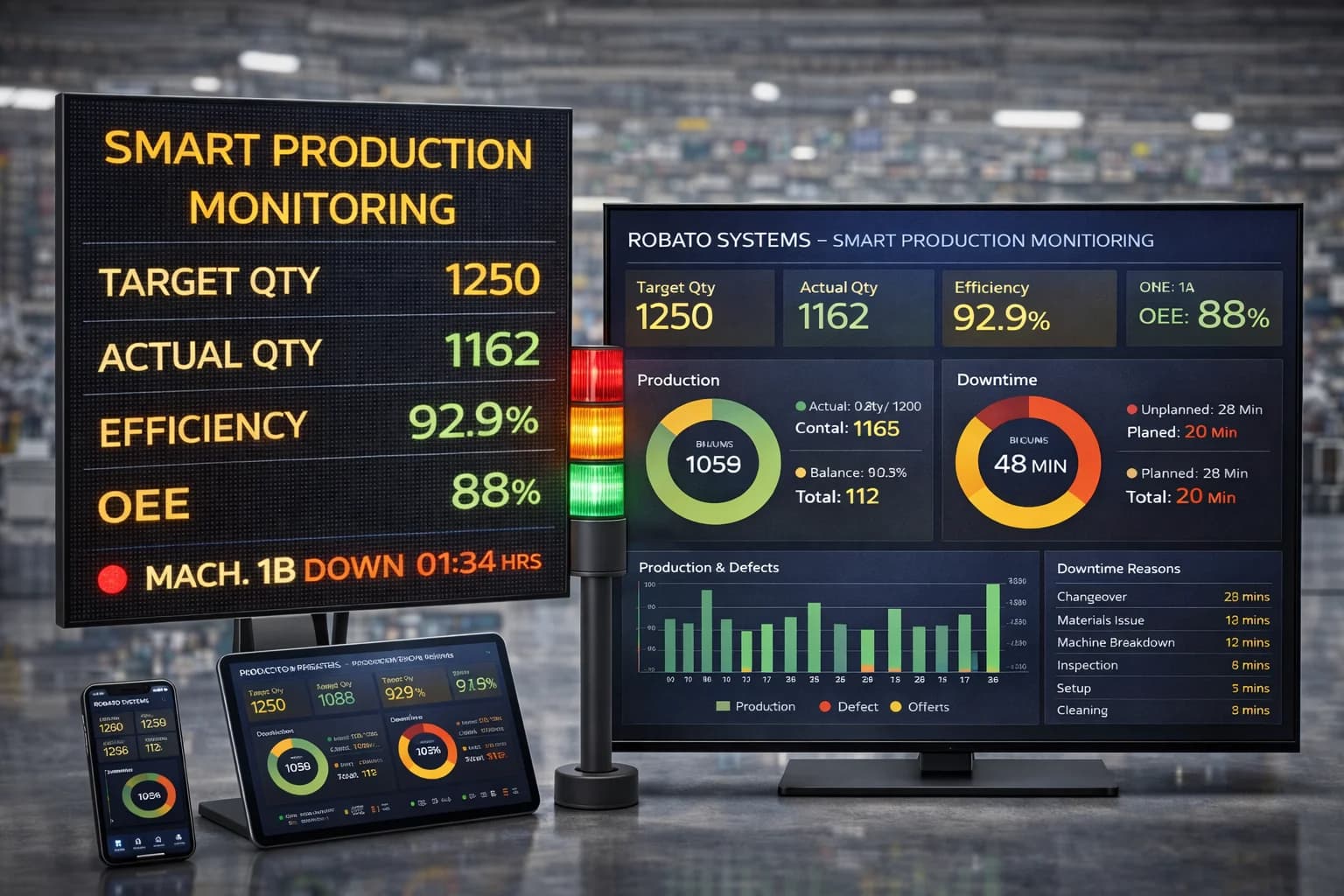
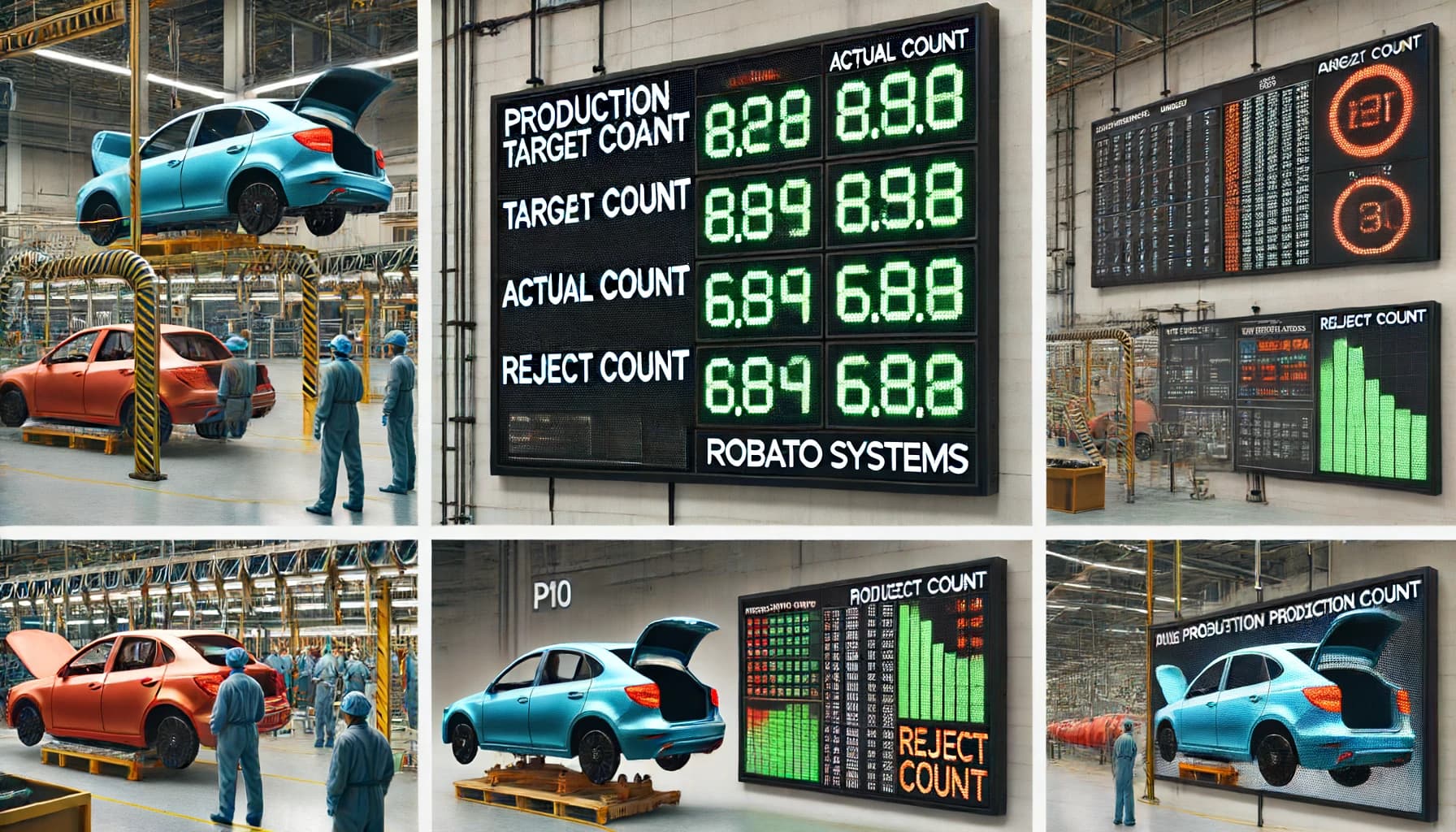
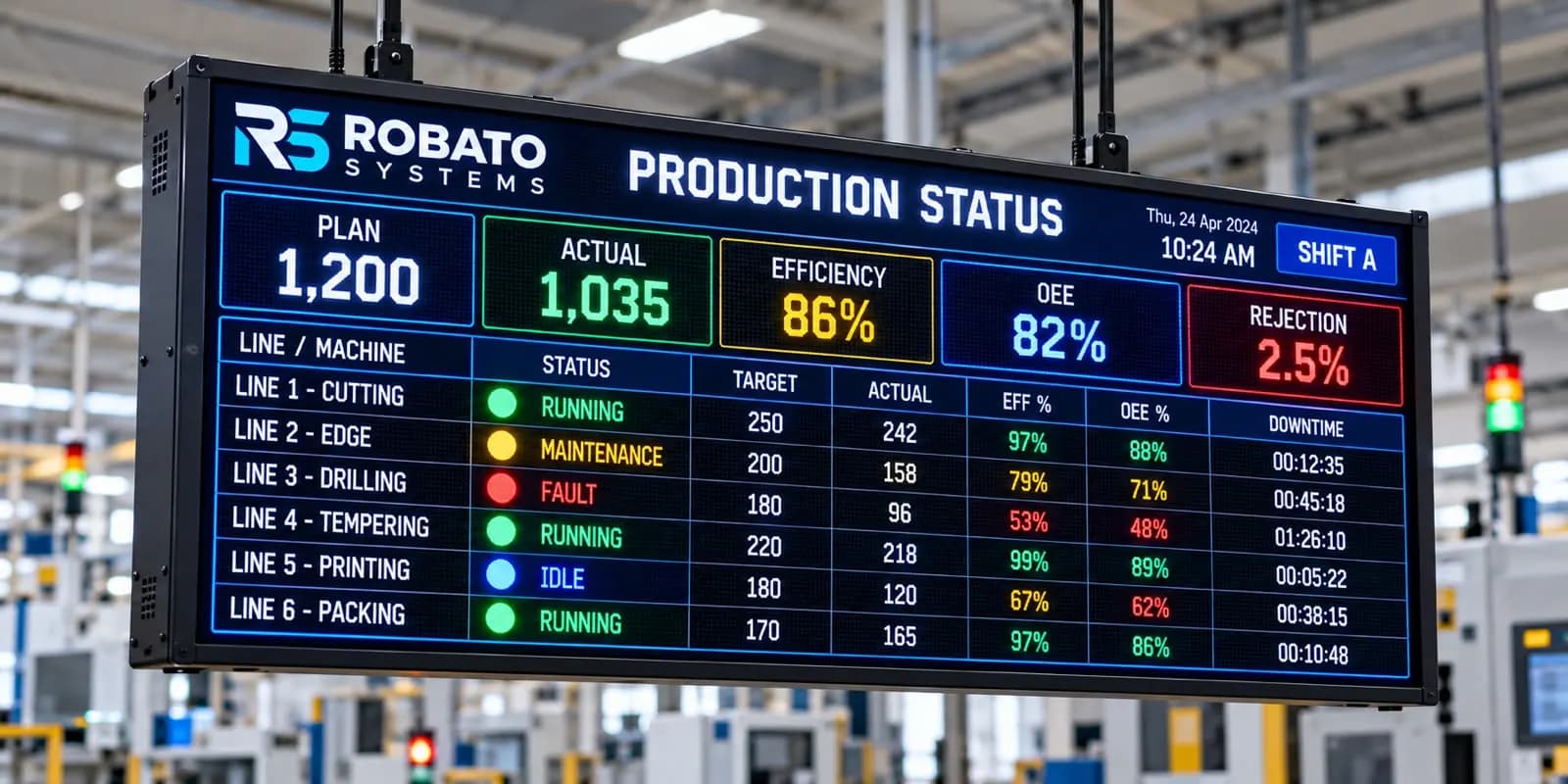
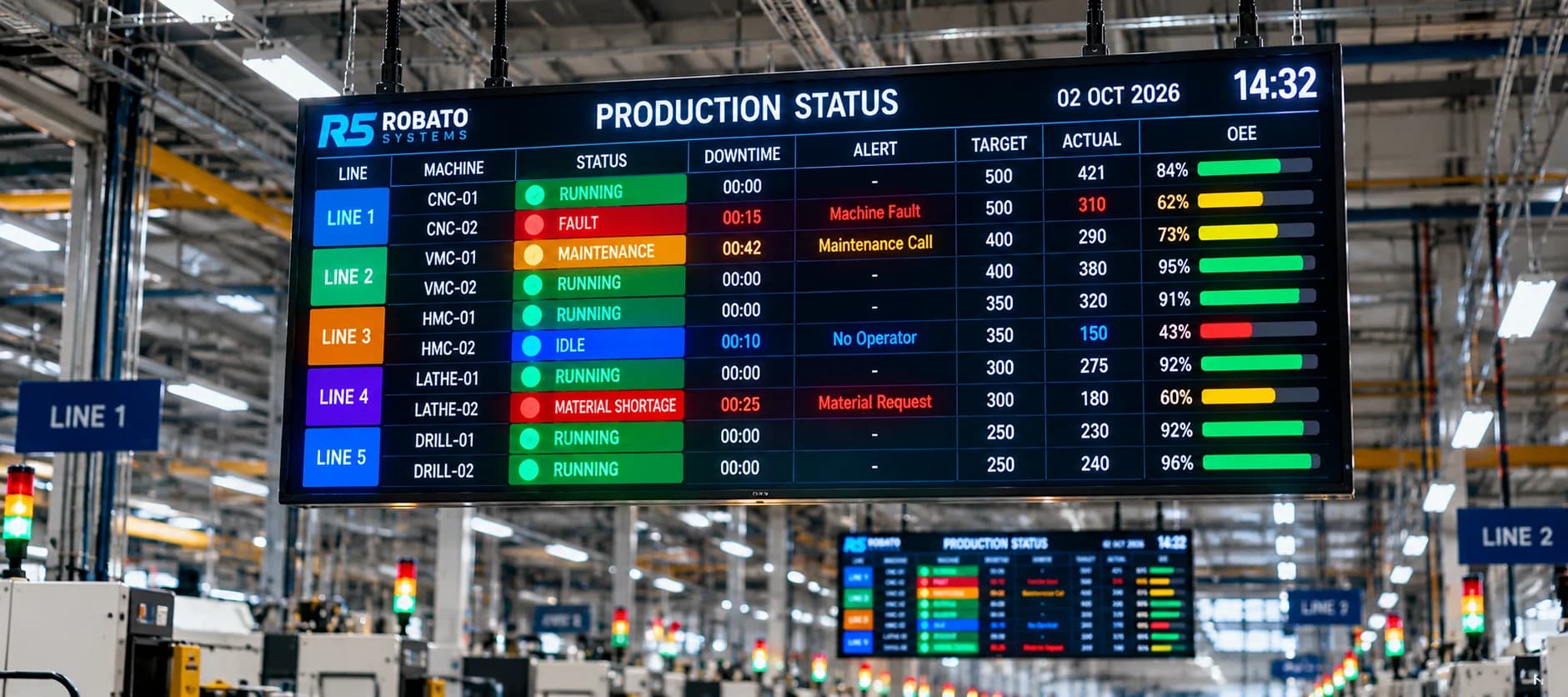
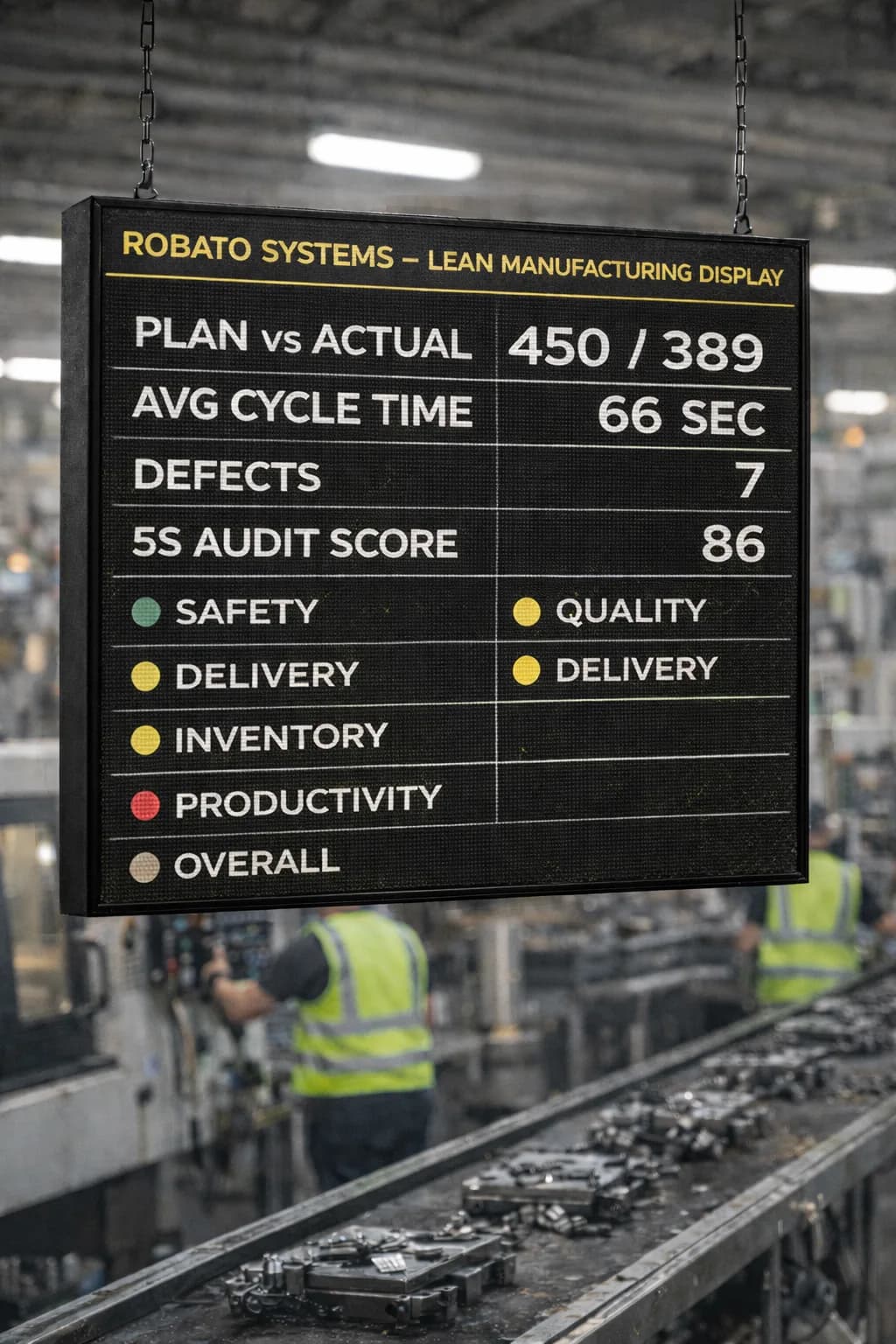
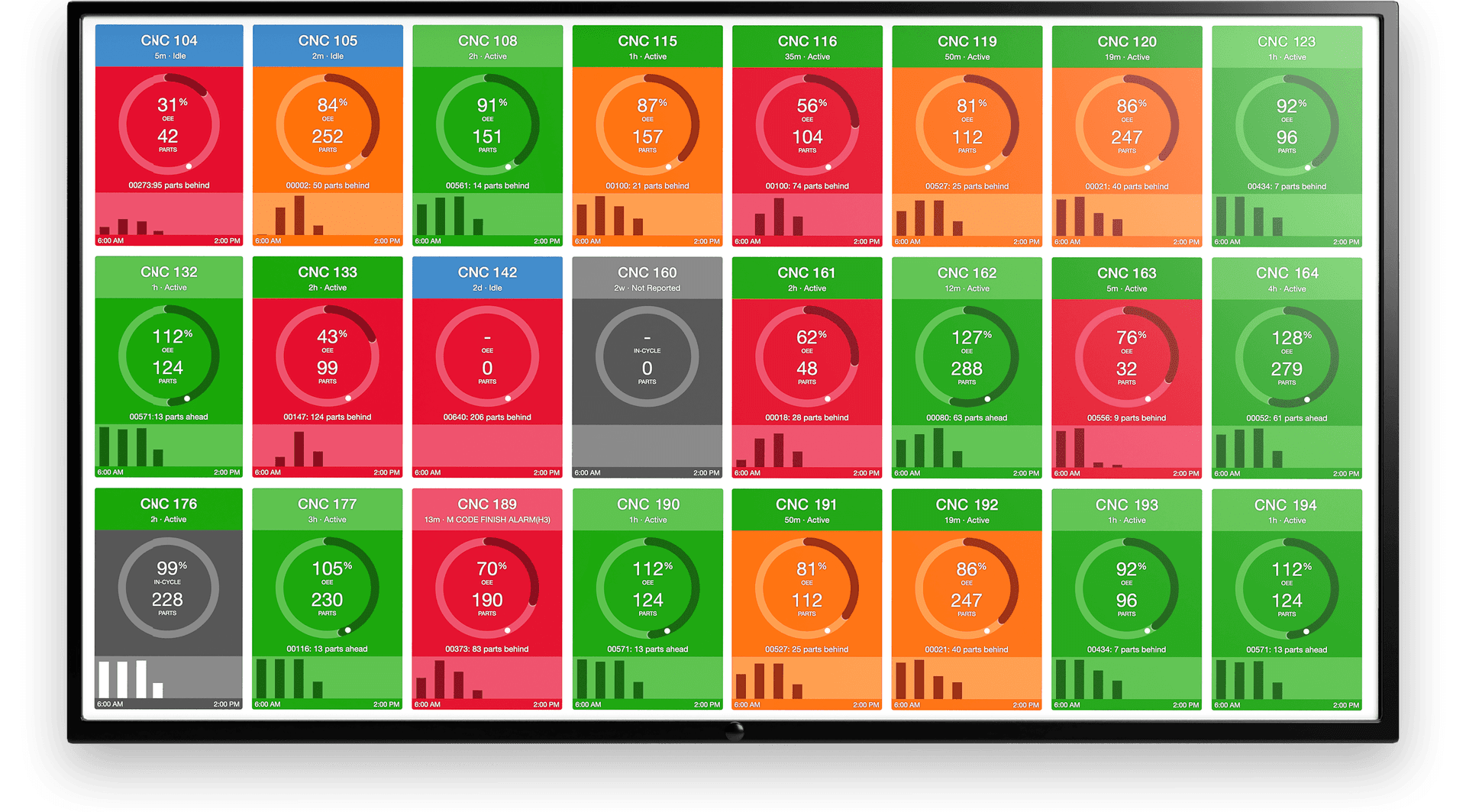
A key benefit of Real-Time Machine Data Monitoring is the ability to view the entire production process from a single platform. Modern systems connect machines, sensors, and displays to a unified dashboard. This allows businesses to monitor multiple machines, lines, and even entire plants in one place. Such visibility makes it easier to identify bottlenecks, compare performance across shifts, and improve overall efficiency.
Simplifying OEE and Performance Tracking
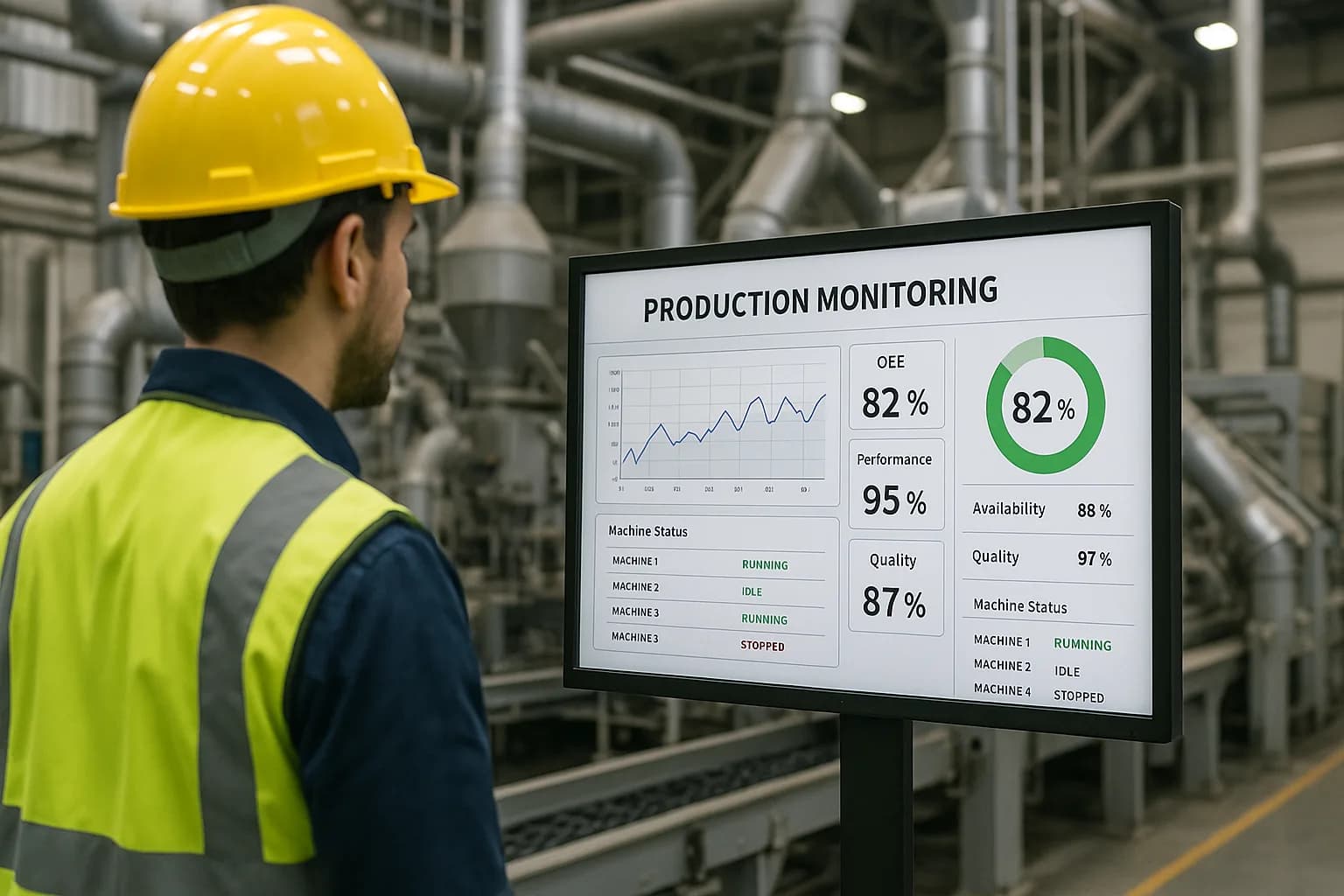
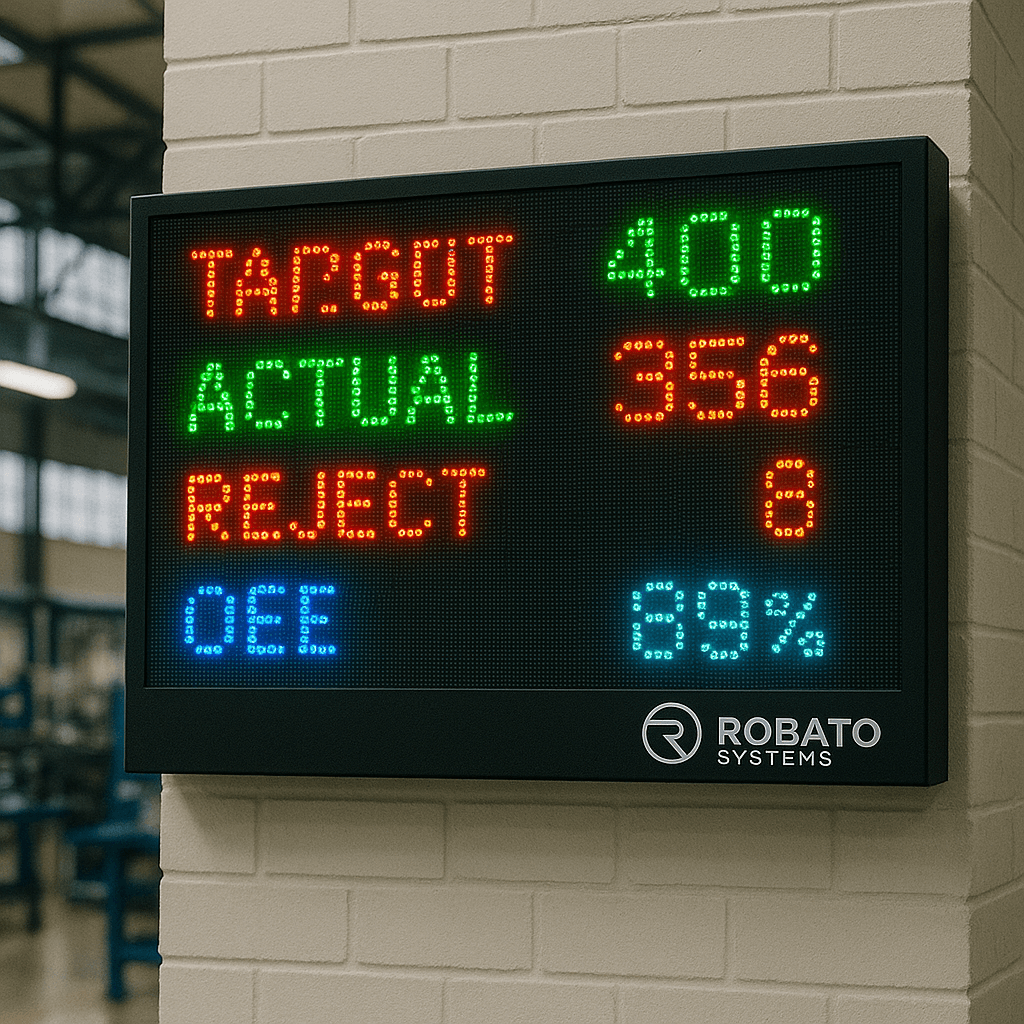
Understanding Overall Equipment Effectiveness (OEE) is crucial for any manufacturing unit. However, calculating it manually can be complex and time-consuming. Real-time monitoring systems automate this process by collecting data on availability, performance, and quality. They then generate live OEE dashboards that are accessible to operators, supervisors, and management. This transparency ensures that everyone is aligned and focused on improving performance.
Easy Integration With Existing Systems
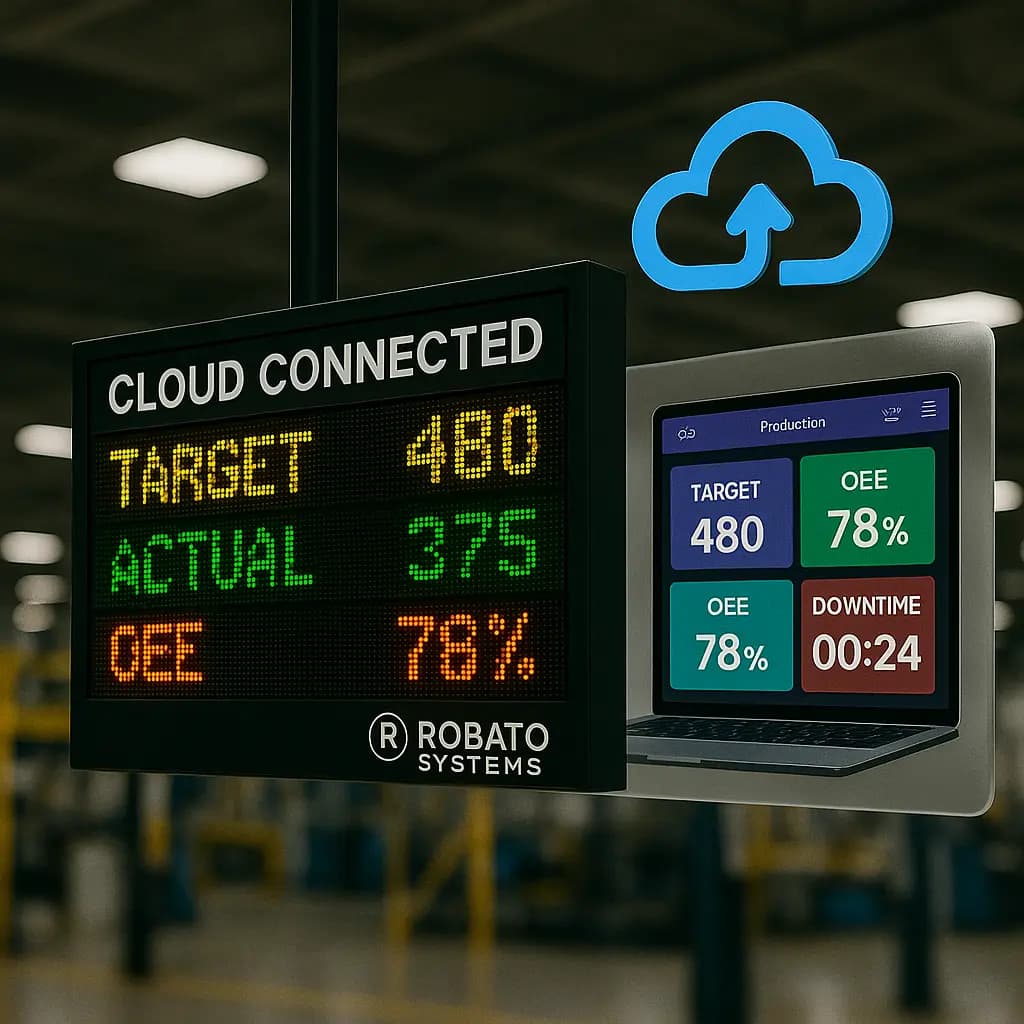
One of the concerns many businesses have is whether new technology will fit into their current setup. The good news is that modern monitoring solutions are designed for easy integration. They can connect with existing machines, whether modern or legacy, and integrate with ERP or MES systems. Many platforms also offer cloud-based access, allowing users to monitor operations from anywhere. This flexibility makes adoption smoother and more practical for businesses of all sizes.
Empowering Teams on the Shop Floor
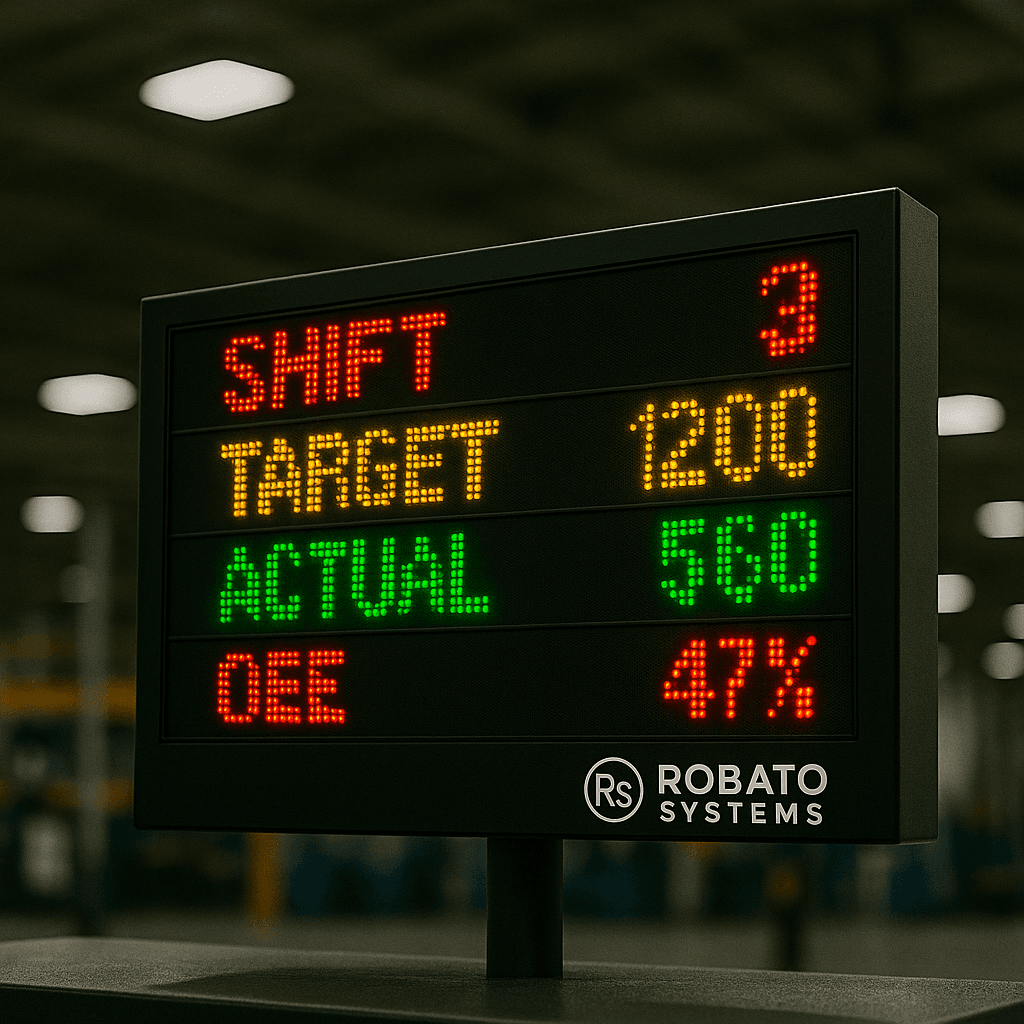
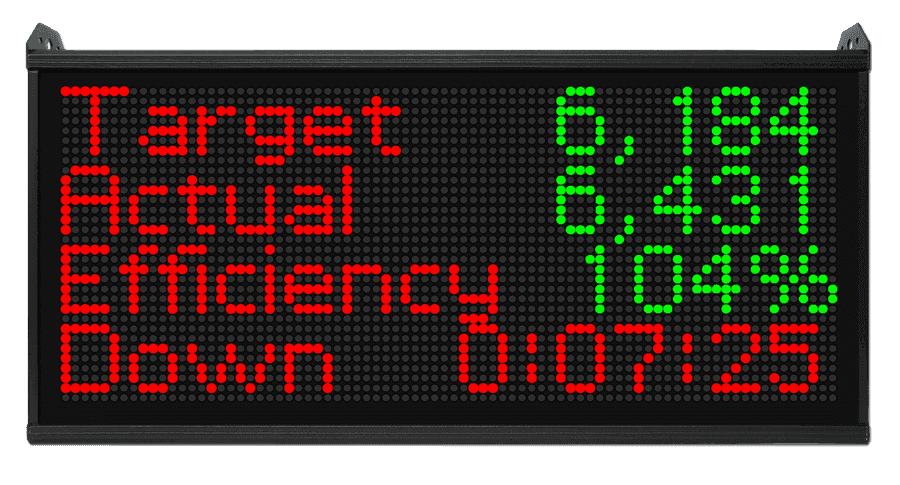
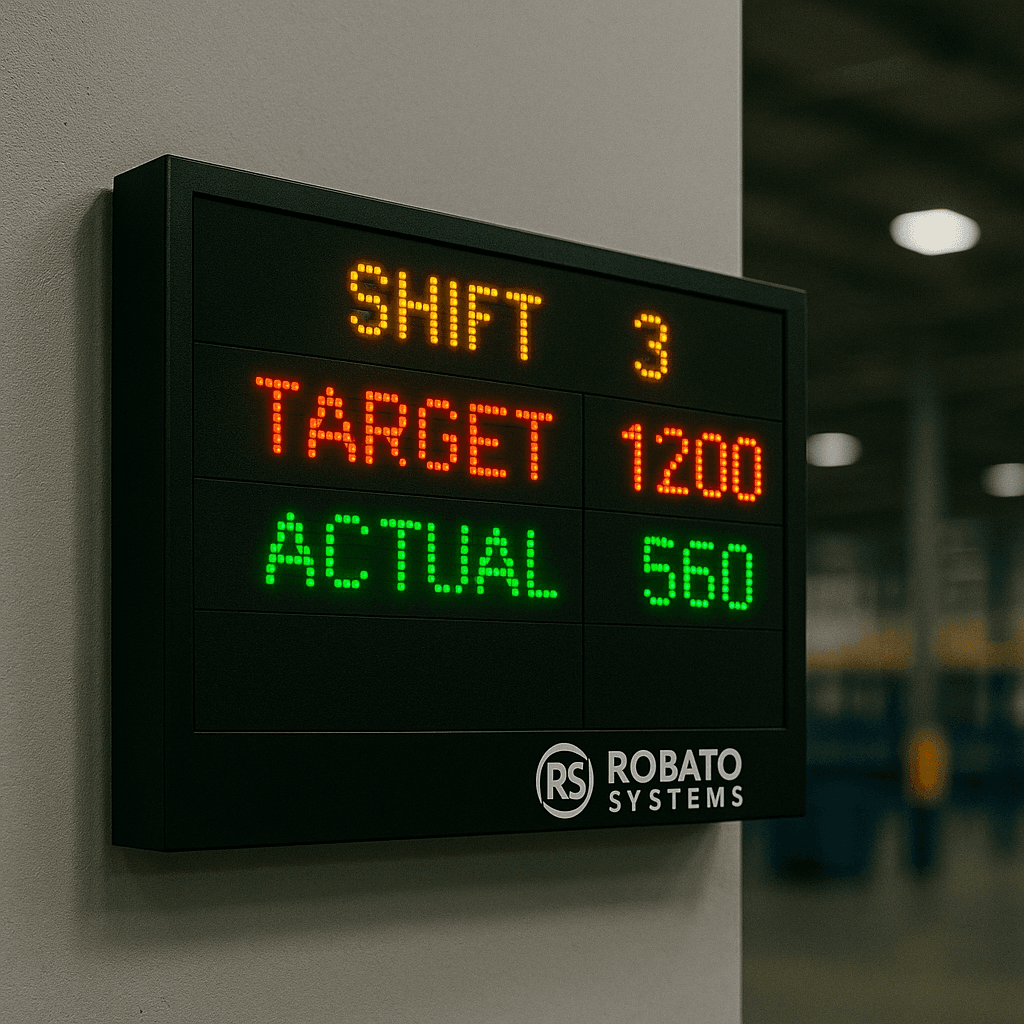
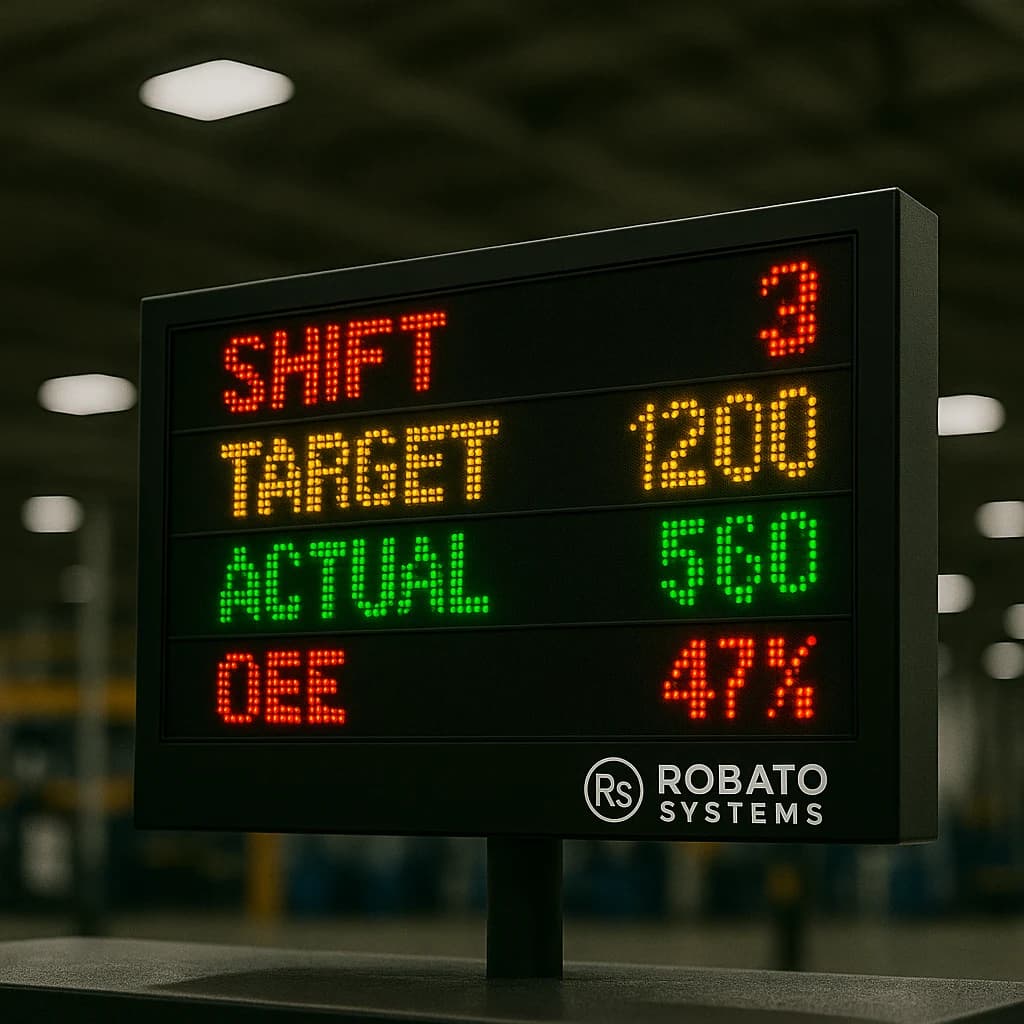
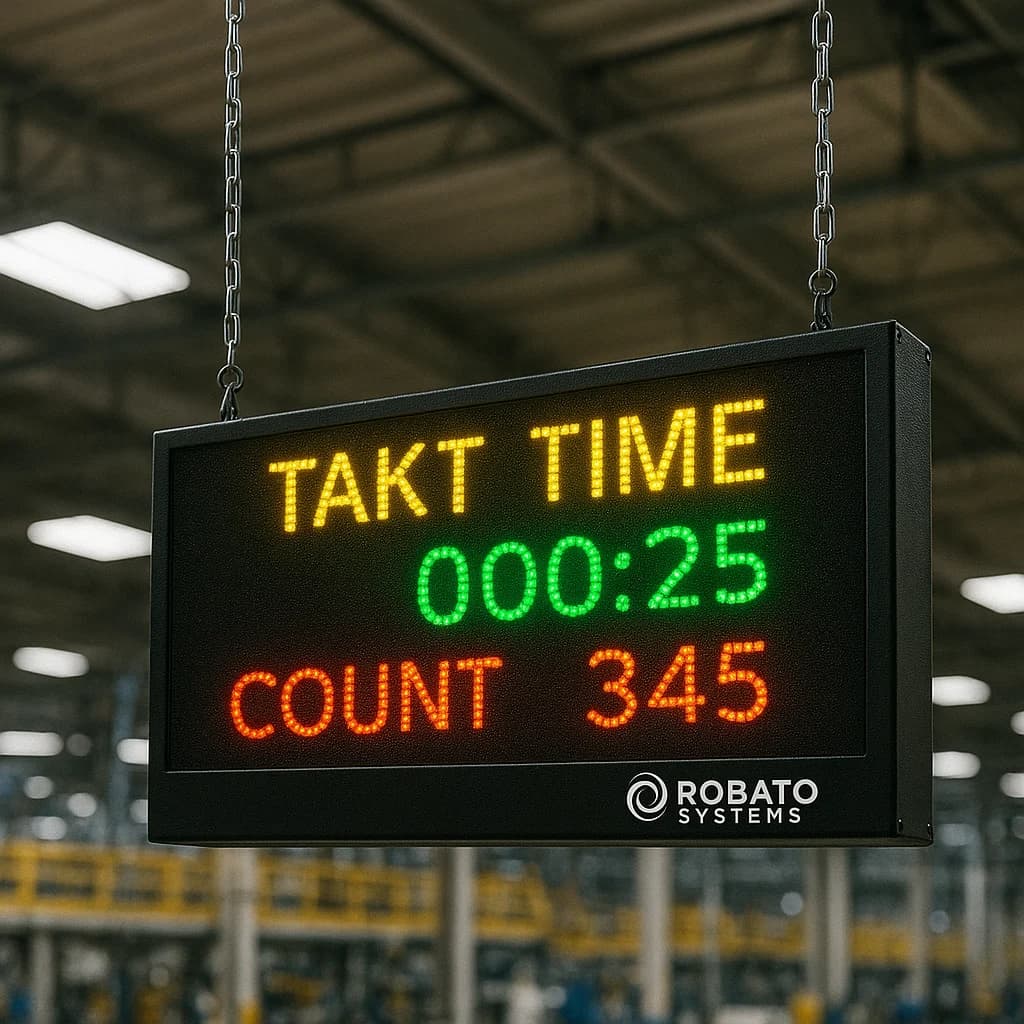
Real-Time Machine Data Monitoring is not just for managers. It benefits everyone involved in the production process. Operators can see live targets and performance, supervisors can identify issues quickly, and management can make strategic decisions based on accurate data. This shared visibility creates a more collaborative and efficient work environment where everyone works toward common goals.
A Cost-Effective Path to Smart Manufacturing
While implementing real-time monitoring systems may seem like a major investment, the long-term benefits far outweigh the costs. By reducing downtime, improving machine efficiency, and eliminating manual processes, businesses can significantly increase their return on investment. More importantly, they move closer to becoming fully data-driven organizations, which is the foundation of Industry 4.0.
The Future Is Real-Time
As manufacturing continues to evolve, the importance of real-time data will only grow. Real-Time Machine Data Monitoring is no longer optional. It is becoming a core component of modern production systems. Businesses that adopt this technology can respond faster, operate smarter, and stay ahead of the competition. In a world where every second counts, real-time insights make all the difference.