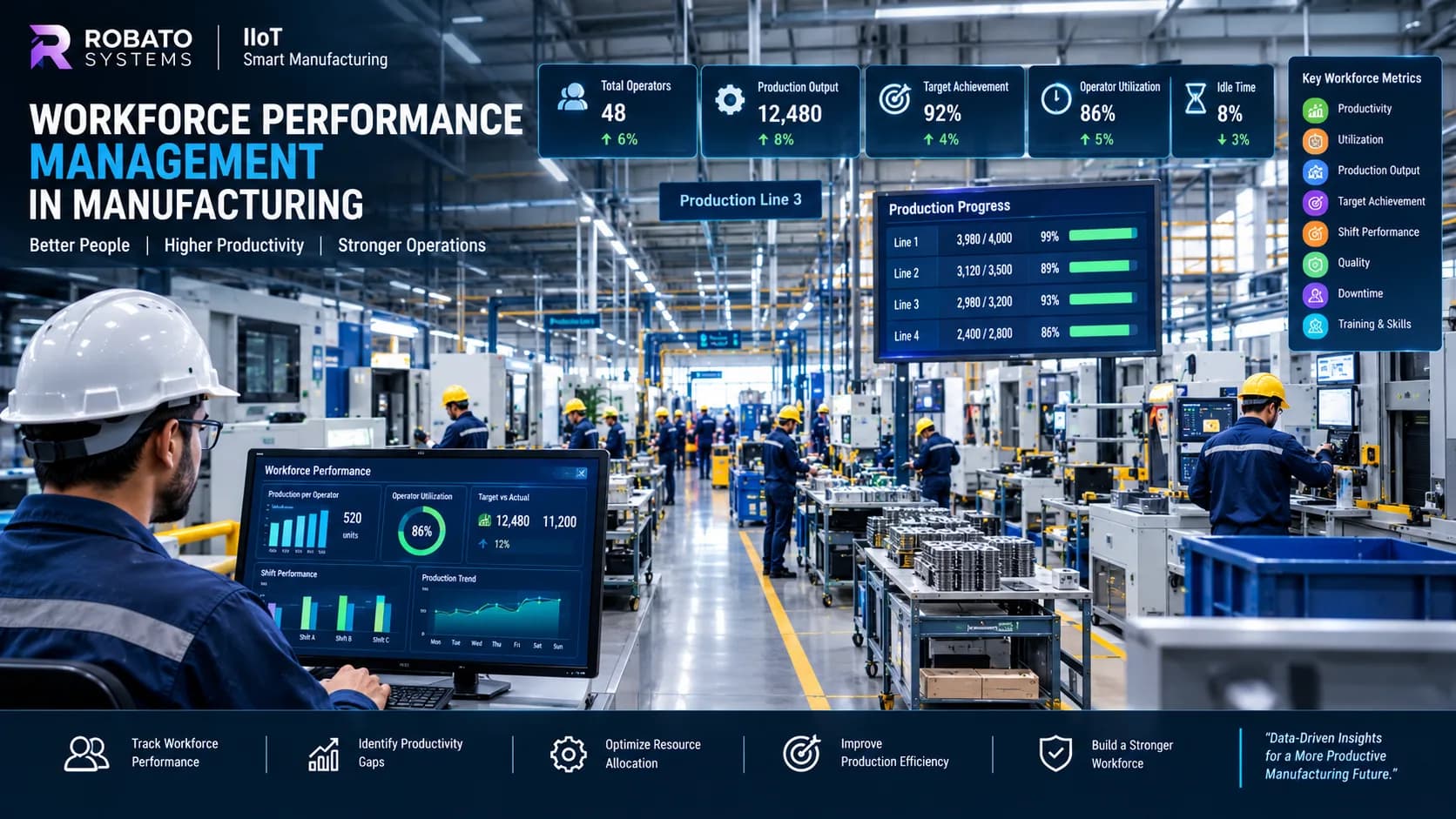
Workforce Performance Management in Manufacturing: A Complete Guide
Manufacturing performance depends on the coordinated performance of machines, processes, materials, and people. While factories have increasingly adopted machine monitoring, OEE systems, production dashboards, and IIoT technologies, workforce performance remains an equally important part of production management.
Operators directly influence production output, quality, machine operation, response time, and adherence to production processes.
However, managing workforce performance in a manufacturing environment is different from evaluating performance in a traditional office environment.
Manufacturing teams work across different shifts, production lines, machines, products, and operating conditions. An operator's output can also be affected by machine downtime, material shortages, changeovers, quality issues, and production planning.
This makes workforce performance management in manufacturing a data-driven operational challenge.
A modern workforce performance management approach combines operator productivity, production output, utilization, quality, downtime, attendance, skills, and shift information to provide a broader understanding of shop floor performance.
What Is Workforce Performance Management?
Workforce performance management is the process of monitoring, analyzing, and improving how effectively employees contribute to organizational objectives.
In manufacturing, workforce performance management focuses specifically on production-related activities and workforce efficiency.
It can involve monitoring:
- Operator productivity
- Production output
- Production targets
- Operator utilization
- Working time
- Idle time
- Quality performance
- Production efficiency
- Shift performance
- Machine assignment
- Workforce availability
- Skill requirements
The goal is not simply to monitor employees.
The goal is to understand how workforce capacity interacts with the overall production process and identify opportunities to improve manufacturing performance.
Why Workforce Performance Management Is Important in Manufacturing
Manufacturing plants operate under strict production targets and resource constraints.
A small improvement in workforce utilization can have an impact when multiplied across multiple operators, shifts, machines, and production lines.
Without proper workforce performance visibility, managers may struggle to answer questions such as:
- How much production is being generated per operator?
- Which production lines require additional workforce?
- Where is operator idle time occurring?
- Which shifts are consistently missing production targets?
- How much operator time is affected by machine downtime?
- Are workforce resources allocated efficiently?
- Which processes require additional training?
- Where are production bottlenecks affecting employees?
A workforce performance management system helps turn these questions into measurable data points.
Workforce Performance Management vs Traditional Employee Evaluation
Traditional employee performance evaluation often focuses on periodic reviews.
Manufacturing requires a more continuous operational view.
For example, an annual or monthly review may not reveal that an operator regularly loses production time because:
- A machine frequently breaks down
- Materials arrive late
- Production schedules change frequently
- Changeovers take too long
- Upstream production is delayed
Real-time workforce performance management can connect operator activity with the conditions surrounding production.
This helps distinguish between workforce-related performance factors and process-related constraints.
That distinction is critical for fair and useful manufacturing performance analysis.
Key Workforce Performance Metrics in Manufacturing
A manufacturing workforce performance system should use multiple KPIs instead of relying on a single number.
1. Production Per Operator
Production per operator measures the amount of output associated with each operator.
It can be calculated using:
Production Per Operator = Total Production Output / Number of Operators
This metric can help compare workforce productivity across suitable shifts, lines, or production periods.
2. Operator Utilization
Operator utilization measures how available operator time is being used for defined production activities.
It can help identify:
- Productive time
- Idle time
- Waiting time
- Downtime exposure
- Other categorized activities
Utilization should be interpreted together with machine and production conditions.
3. Target vs Actual Production
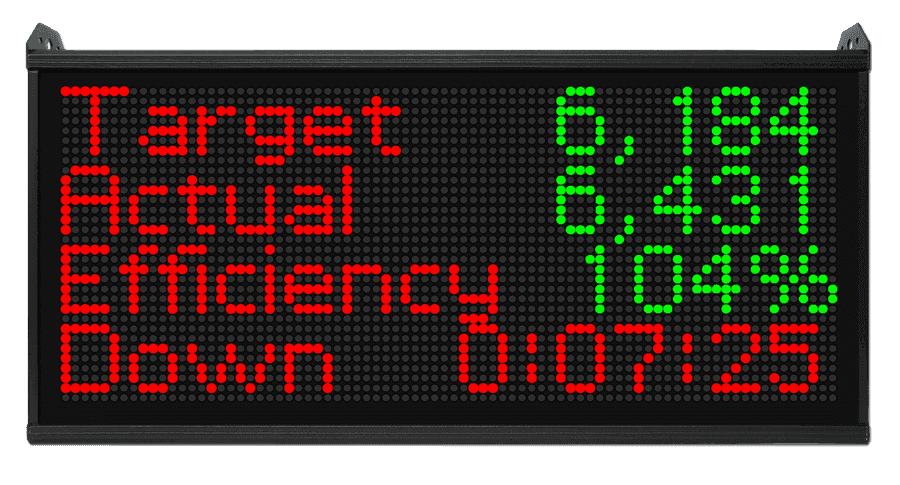
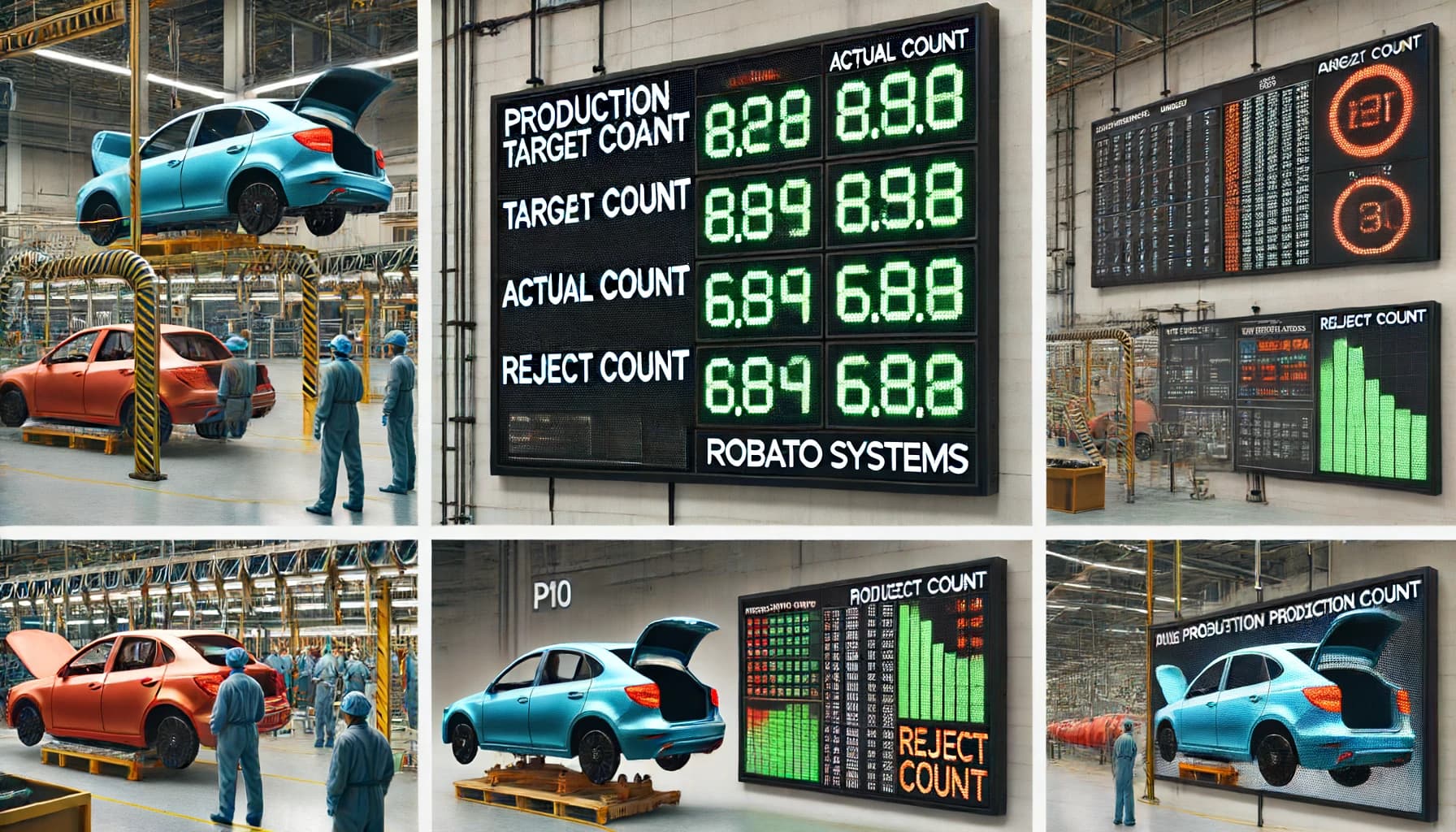
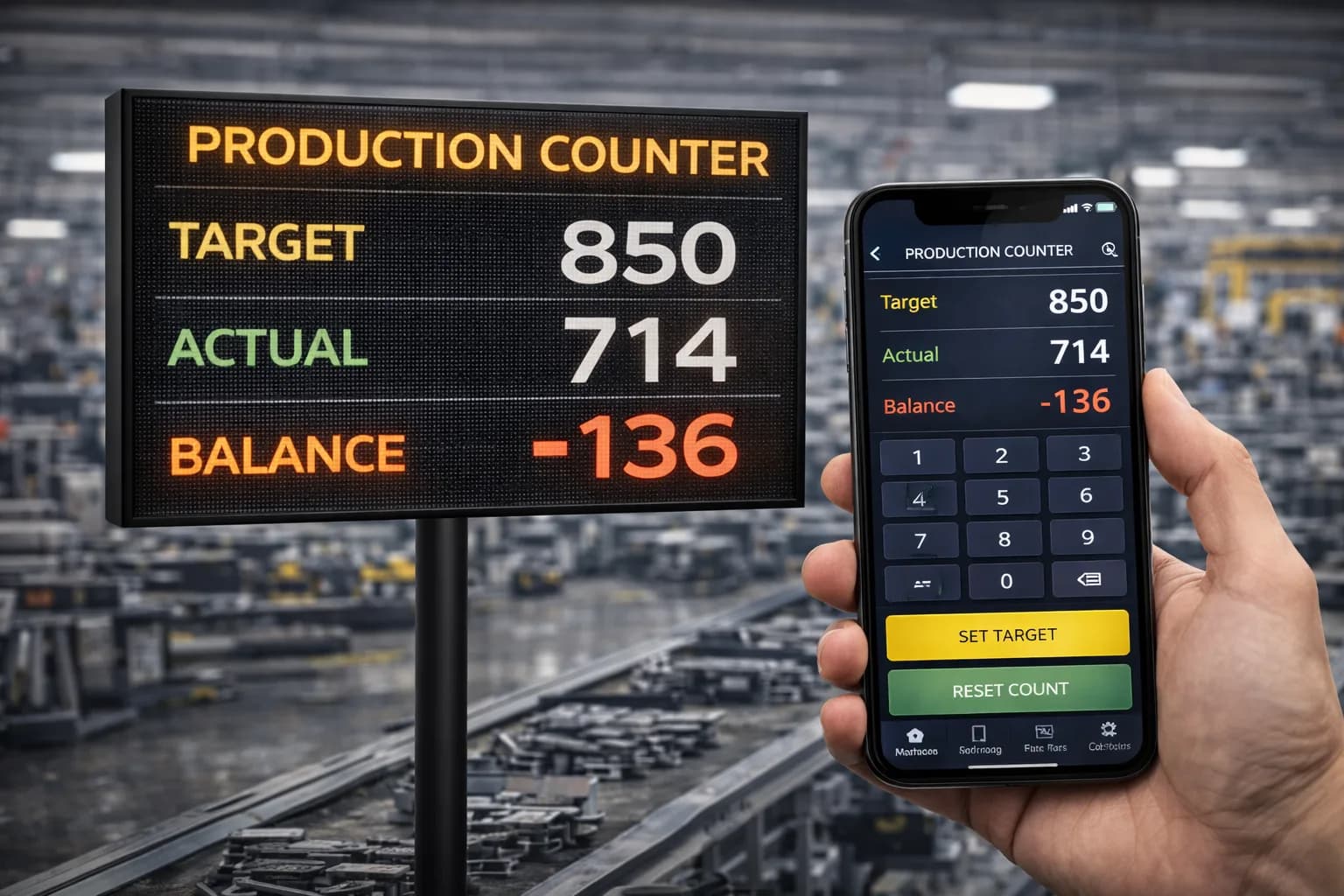
Comparing planned production with actual production provides visibility into production achievement.
For example:
- Planned production: 10,000 units
- Actual production: 9,200 units
The gap can then be investigated using machine, operator, downtime, material, and quality information.
4. Operator Productivity
Operator productivity measures workforce output relative to the available workforce input.
Depending on the manufacturing process, organizations may track:
- Units per operator
- Units per operator hour
- Production per shift
- Target achievement
- Productive time
5. Quality Performance
Workforce performance should not be evaluated using production quantity alone.
Quality-related indicators can include:
- Rework
- Scrap
- Defects
- First-pass yield
- Quality rejection
A high production quantity combined with poor quality may not represent an actual improvement in manufacturing performance.
6. Idle Time
Idle time indicates periods when an operator is available but production activity is not occurring.
The cause should be identified where possible.
Common causes include:
- Machine breakdown
- Material shortage
- Changeover
- Quality hold
- Planned production stoppage
- Upstream bottleneck
How Workforce Performance Management Works
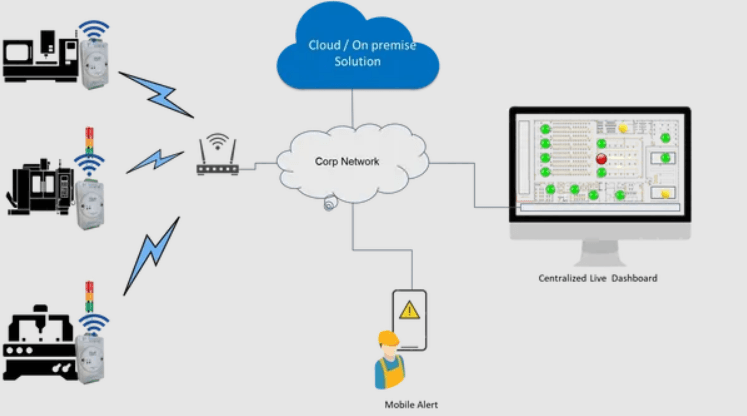
A digital workforce performance management system can collect information from multiple manufacturing systems.
Typical inputs can include:
- Production machines
- IIoT sensors
- Production counters
- Operator assignments
- Shift schedules
- Downtime systems
- OEE systems
- Quality systems
- Work orders
- Production planning systems
This information can be associated with:
- Operators
- Machines
- Production lines
- Shifts
- Products
- Production orders
The result is a connected view of workforce and production performance.
Real-Time Workforce Performance Monitoring
Traditional workforce reporting often happens after production has already finished.
Real-time monitoring provides a different approach.
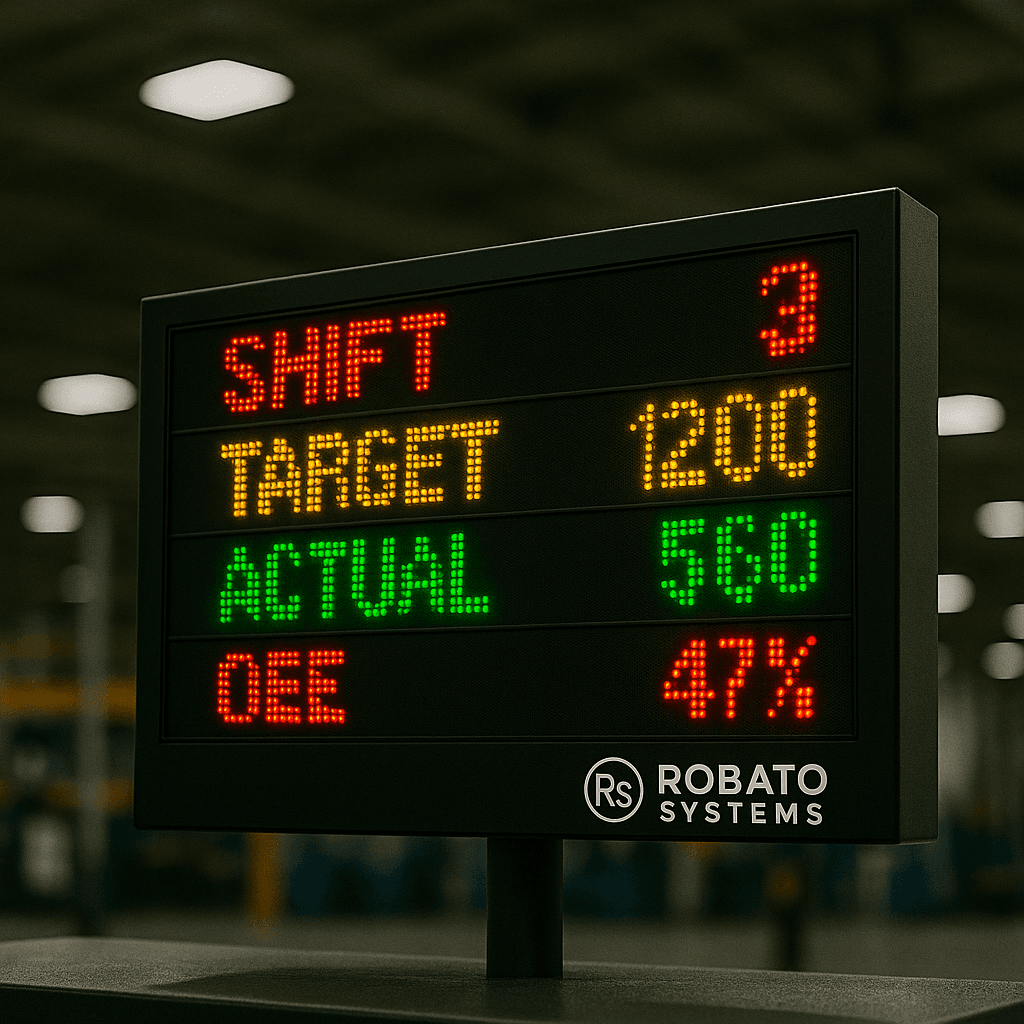
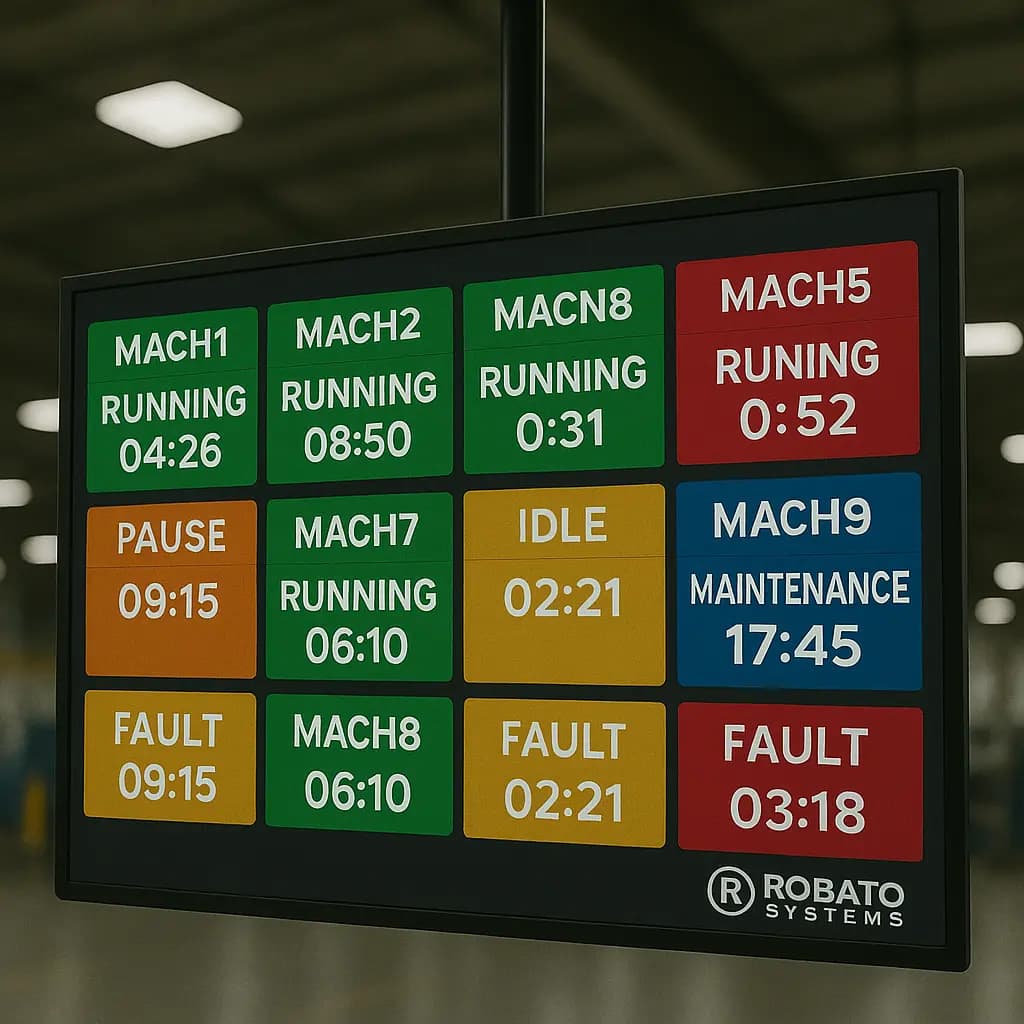
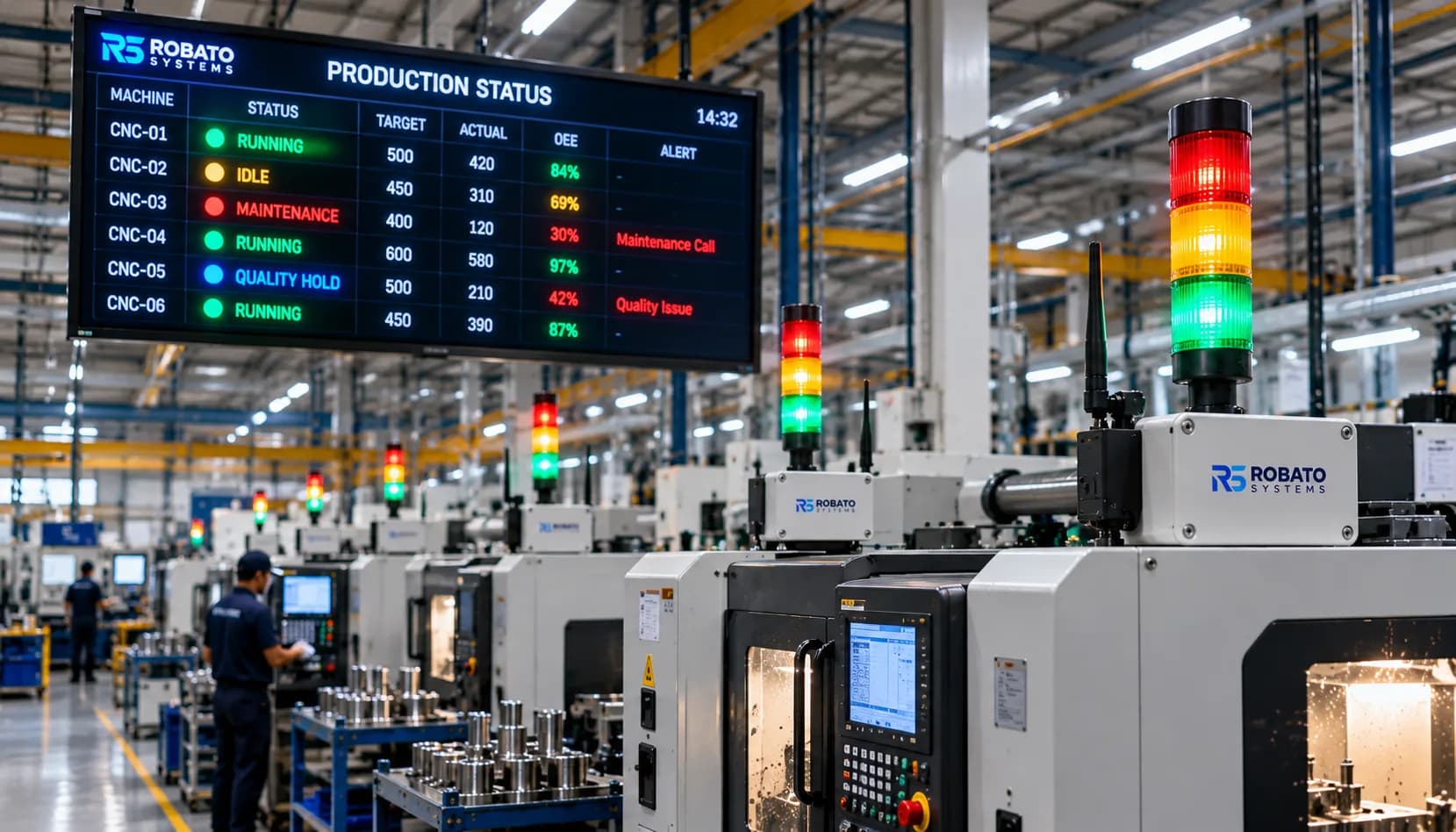
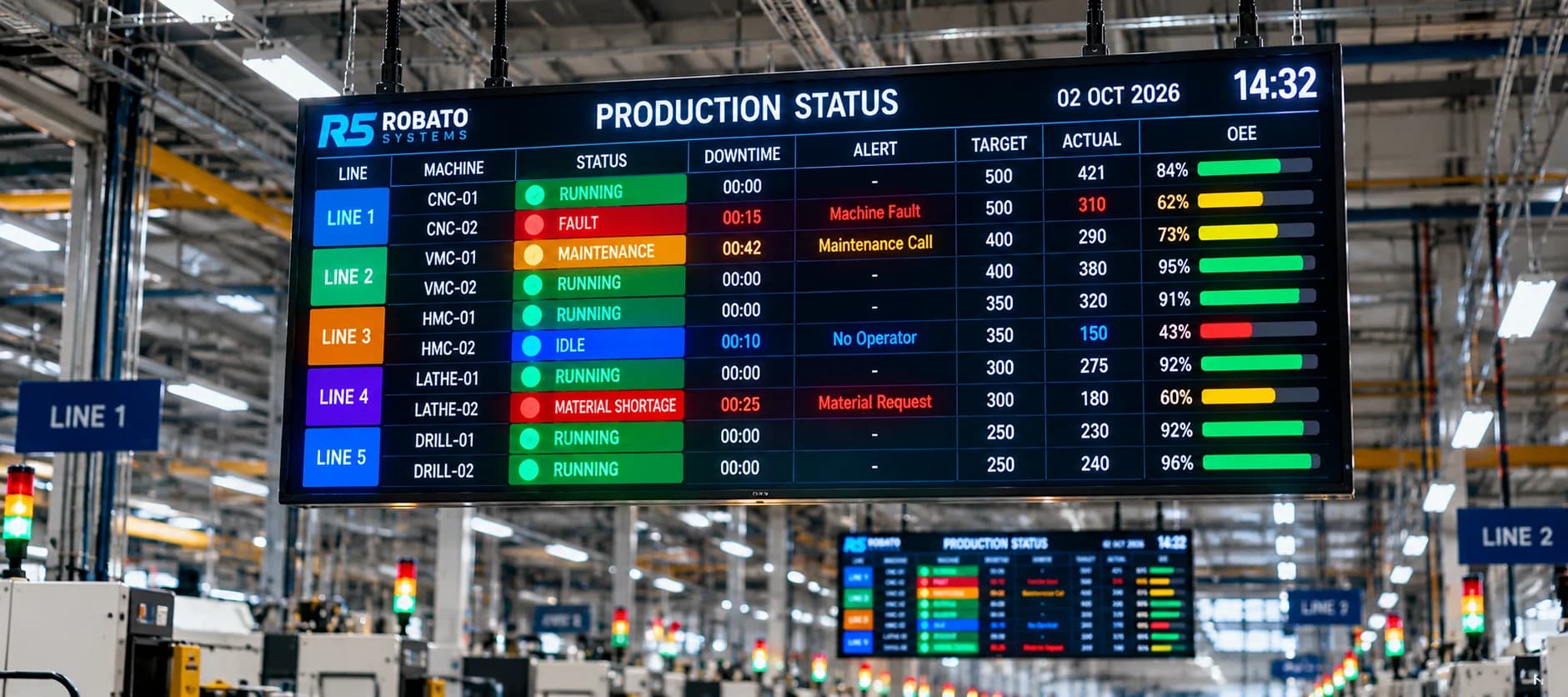
A production manager can see current information such as:
- Active operators
- Current production
- Production targets
- Operator utilization
- Machine status
- Downtime
- Production achievement
- Shift performance
If a production line starts falling behind its target, supervisors can investigate while the shift is still active.
This creates an opportunity for corrective action before the production period ends.
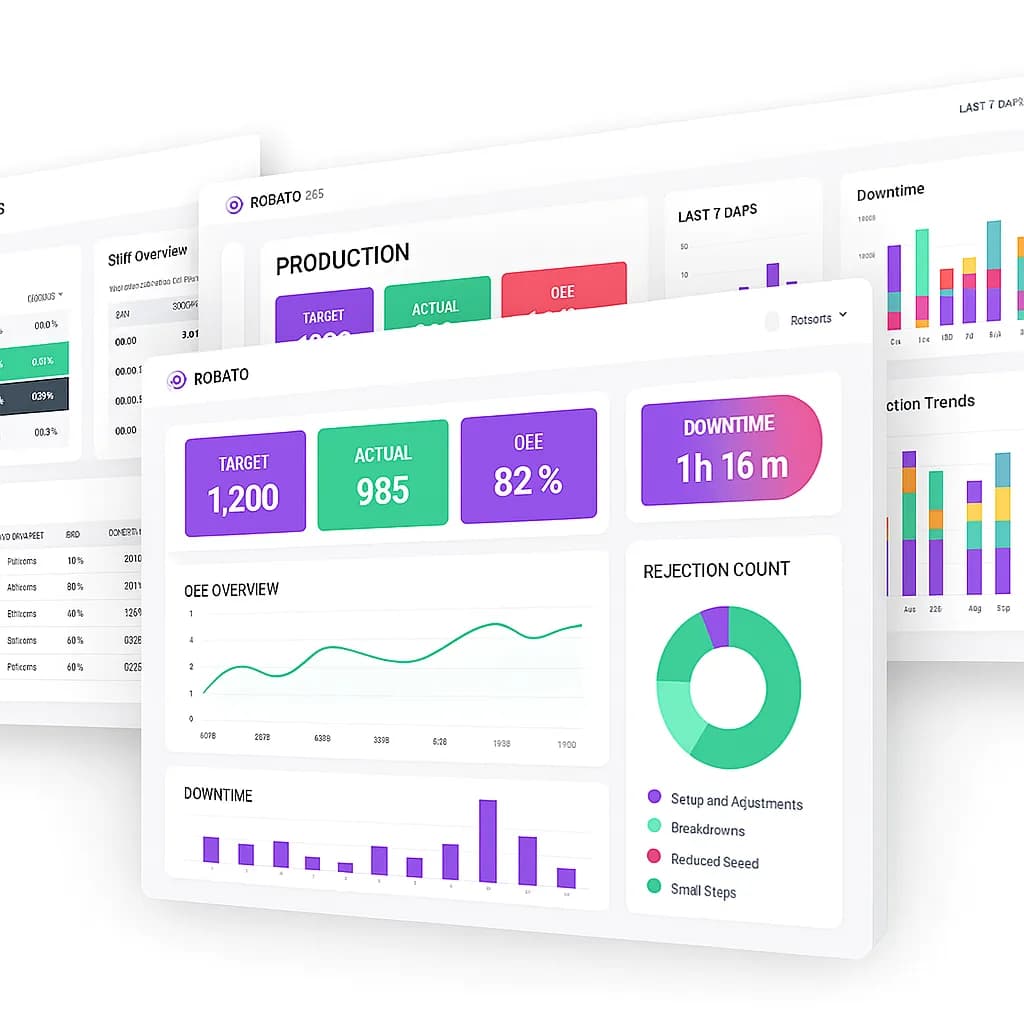
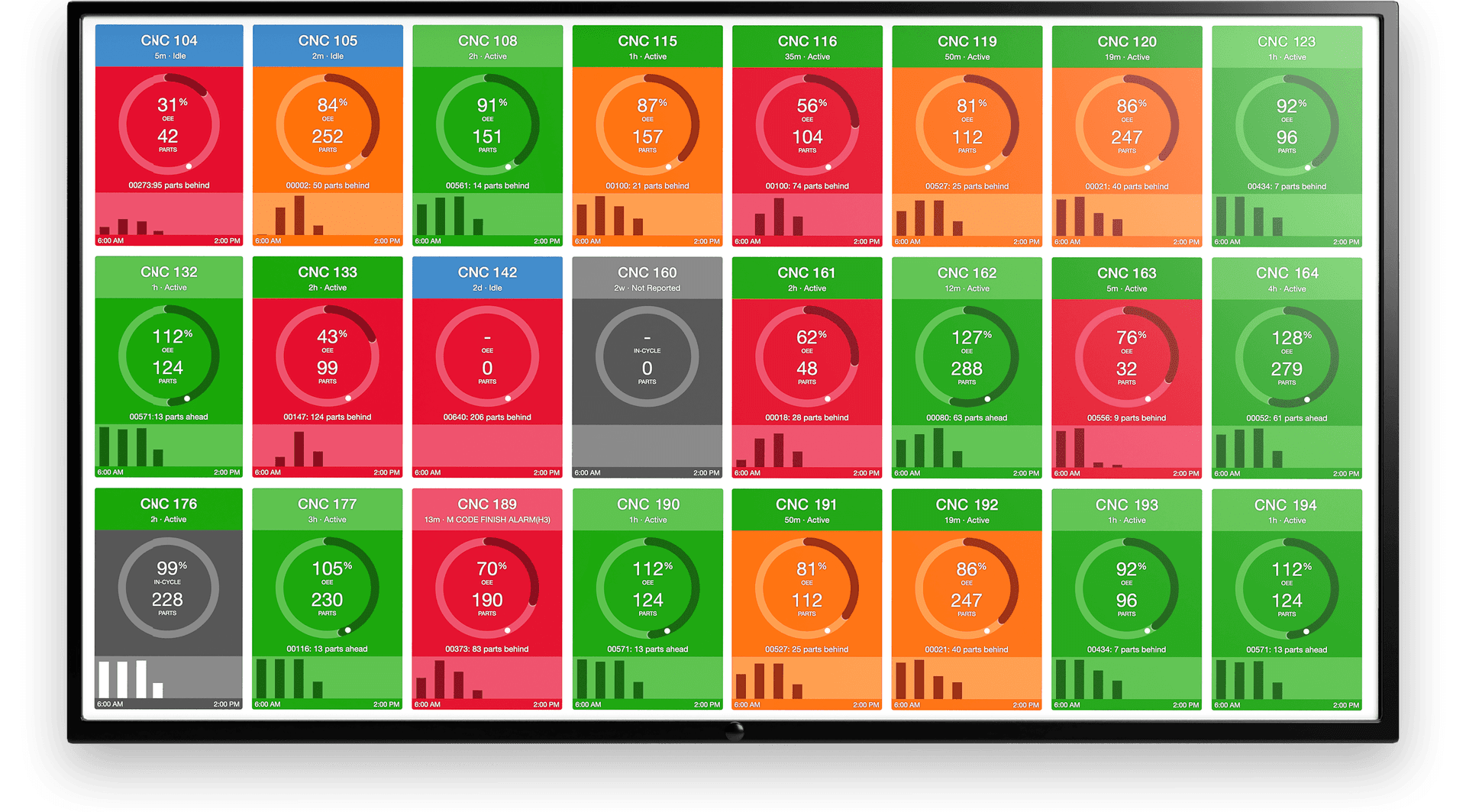
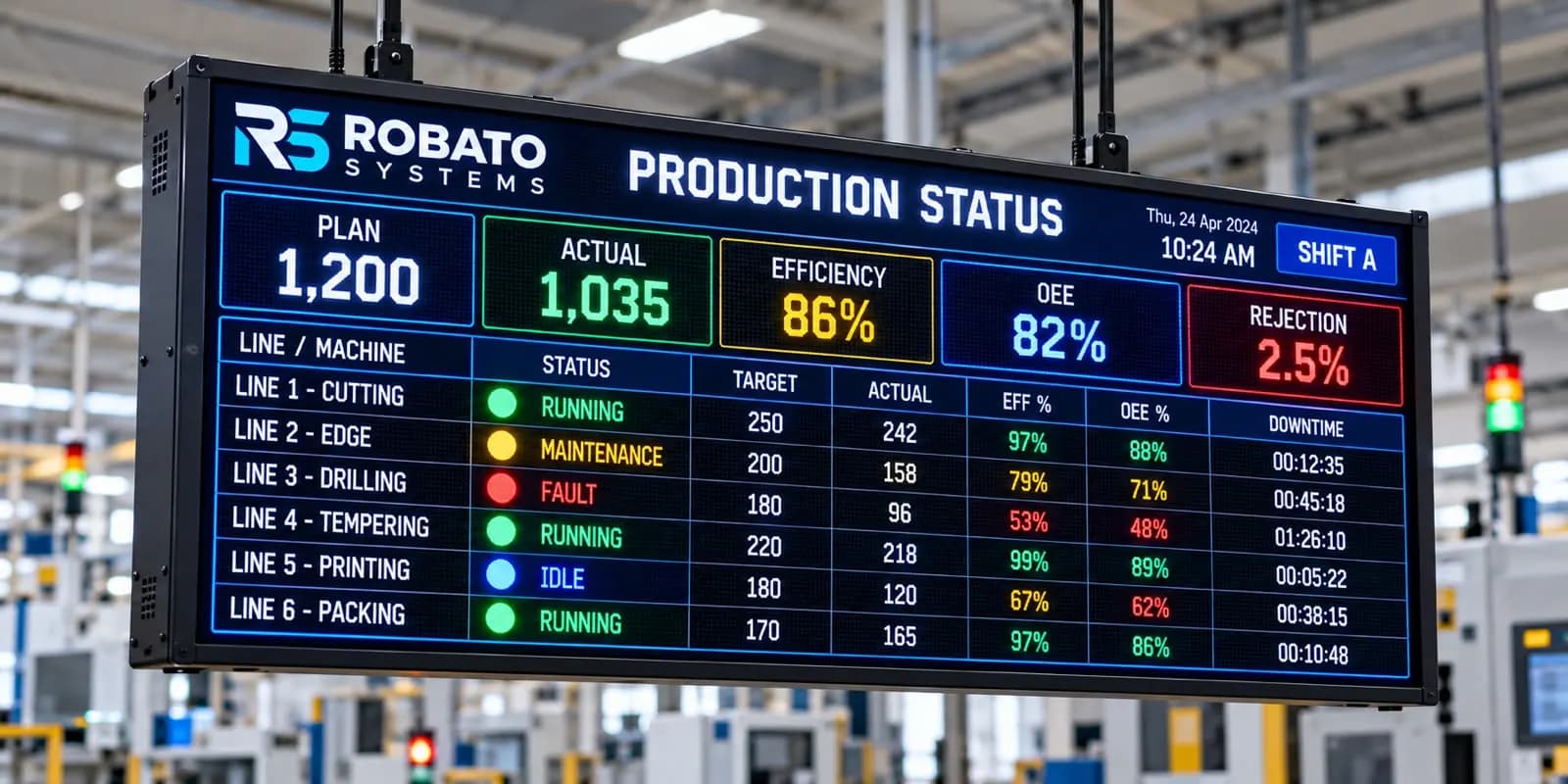
Workforce Performance Dashboard
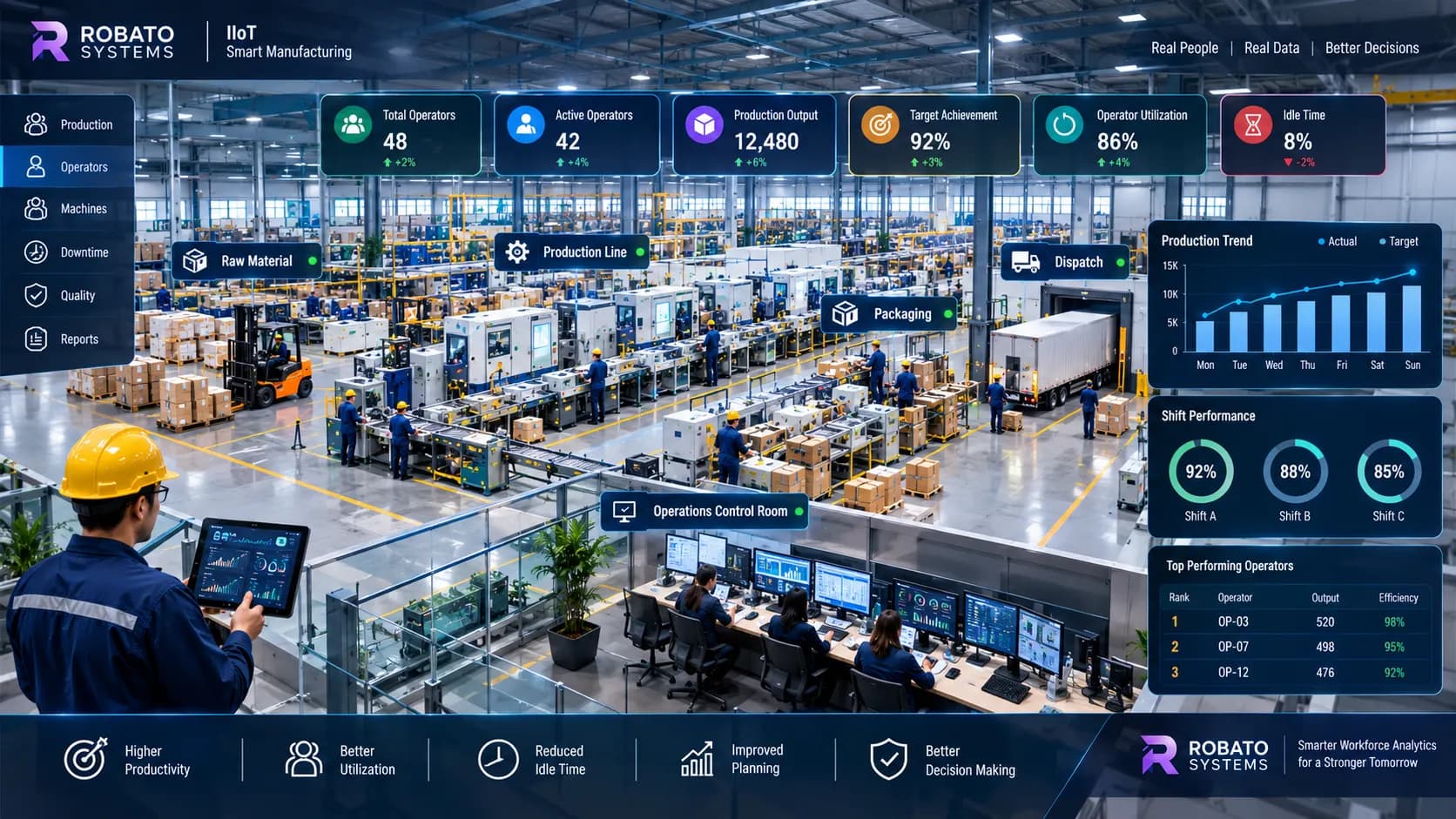
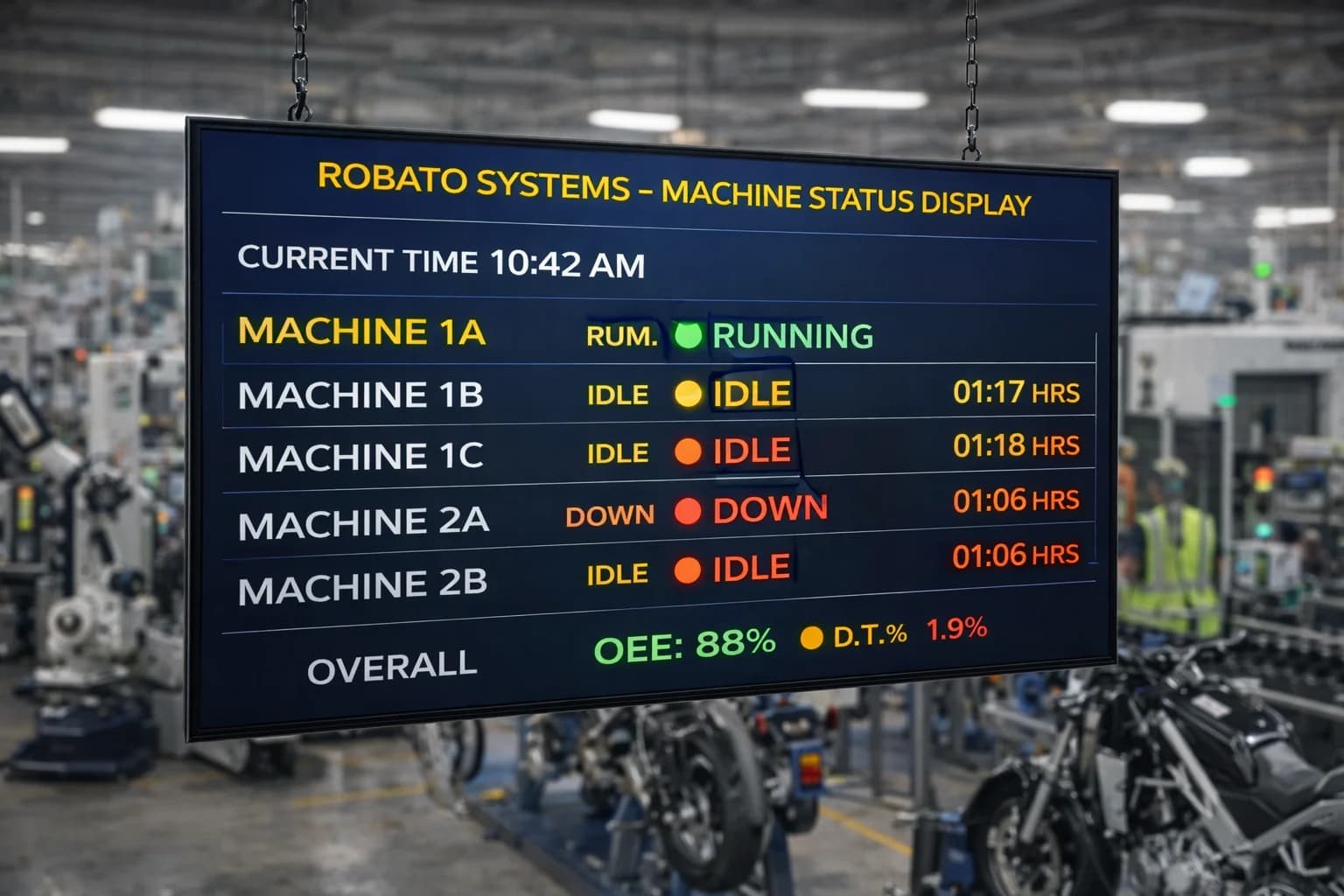
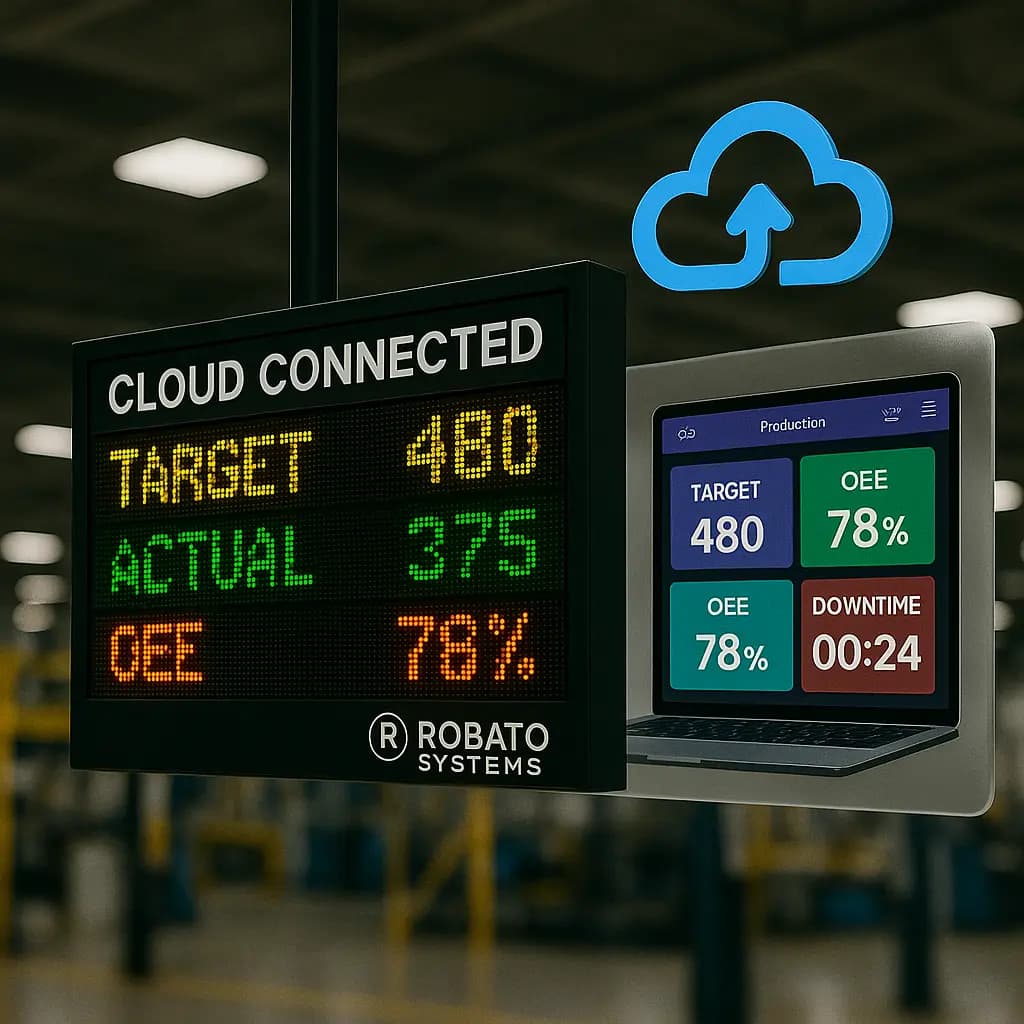
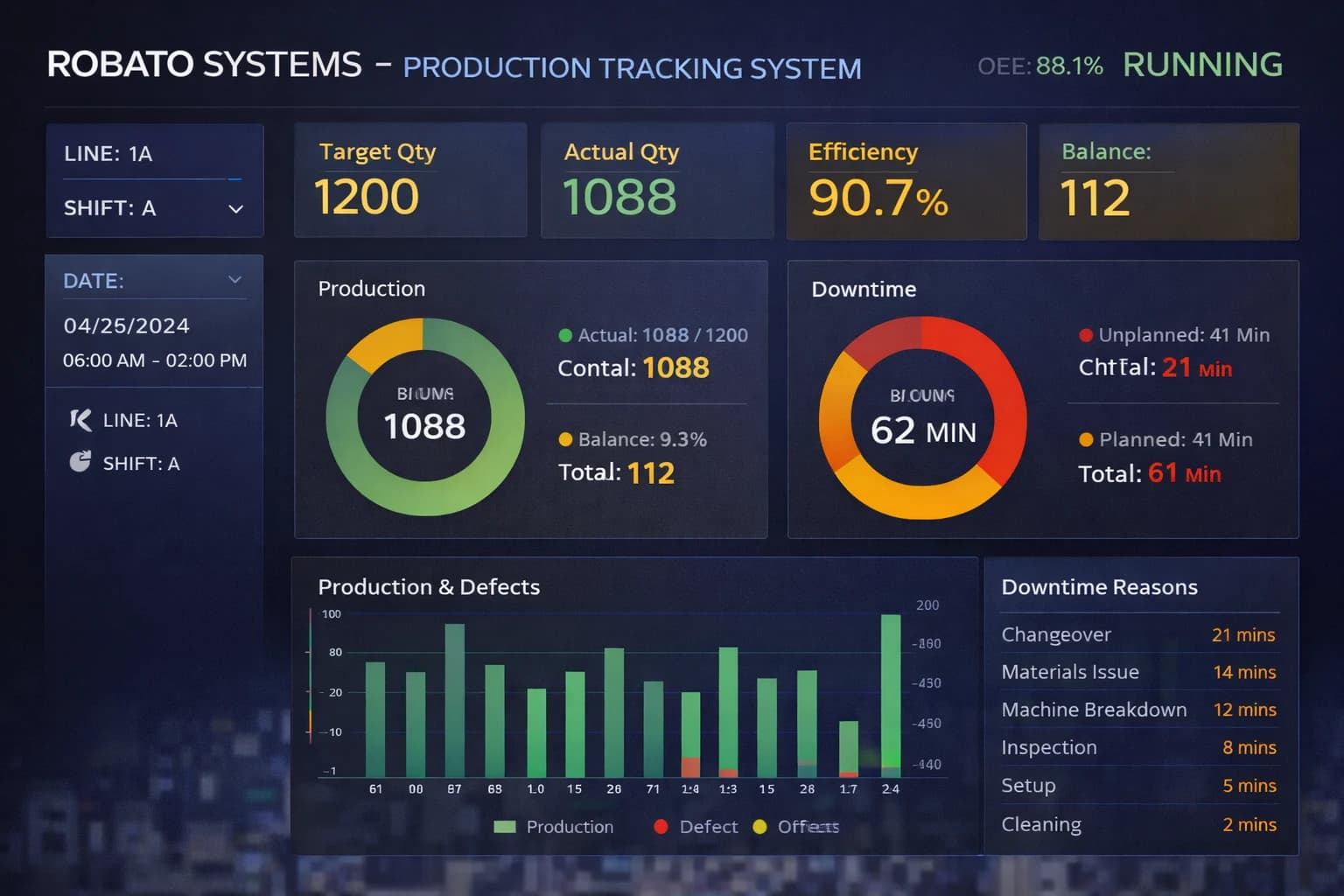
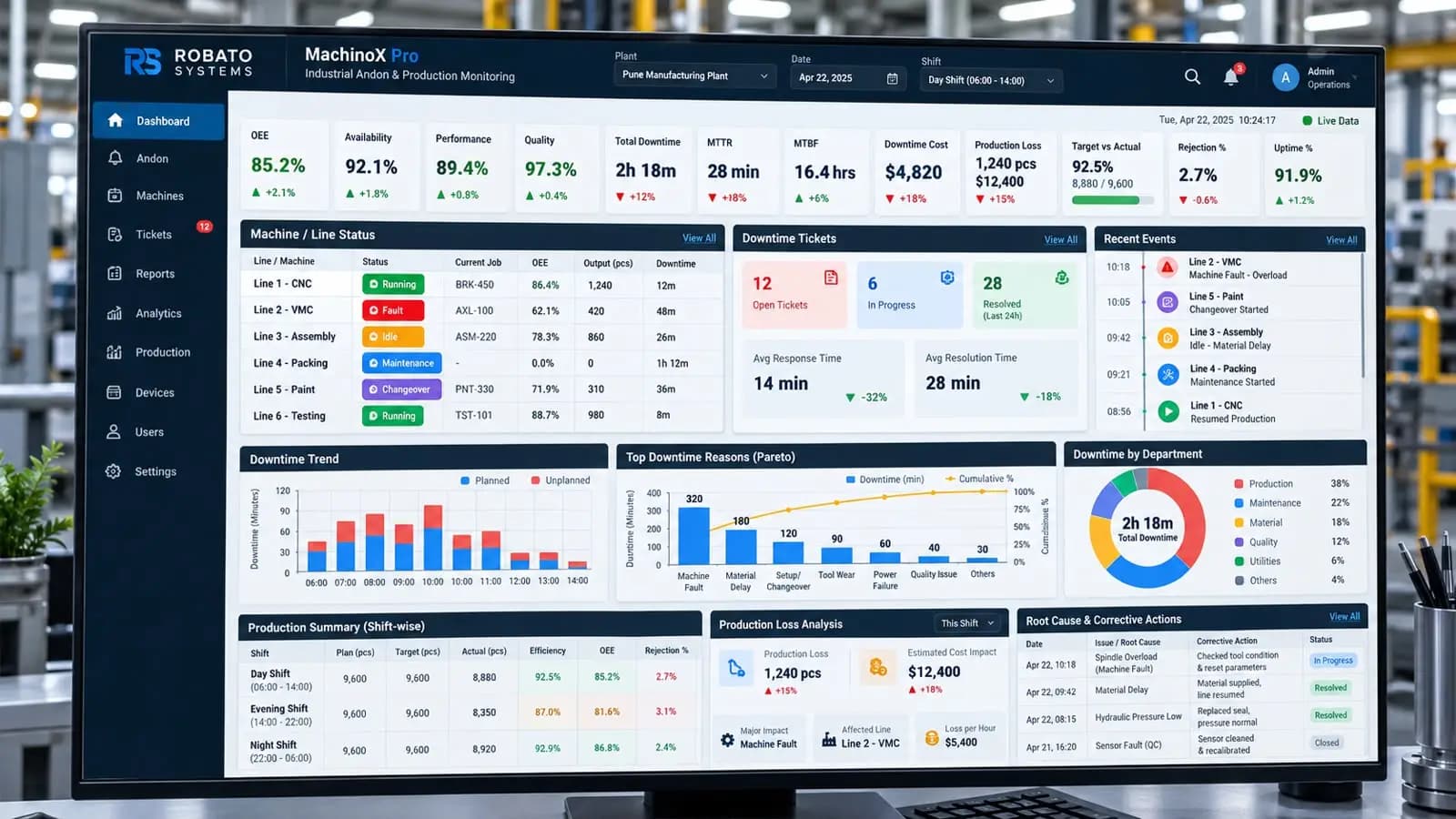
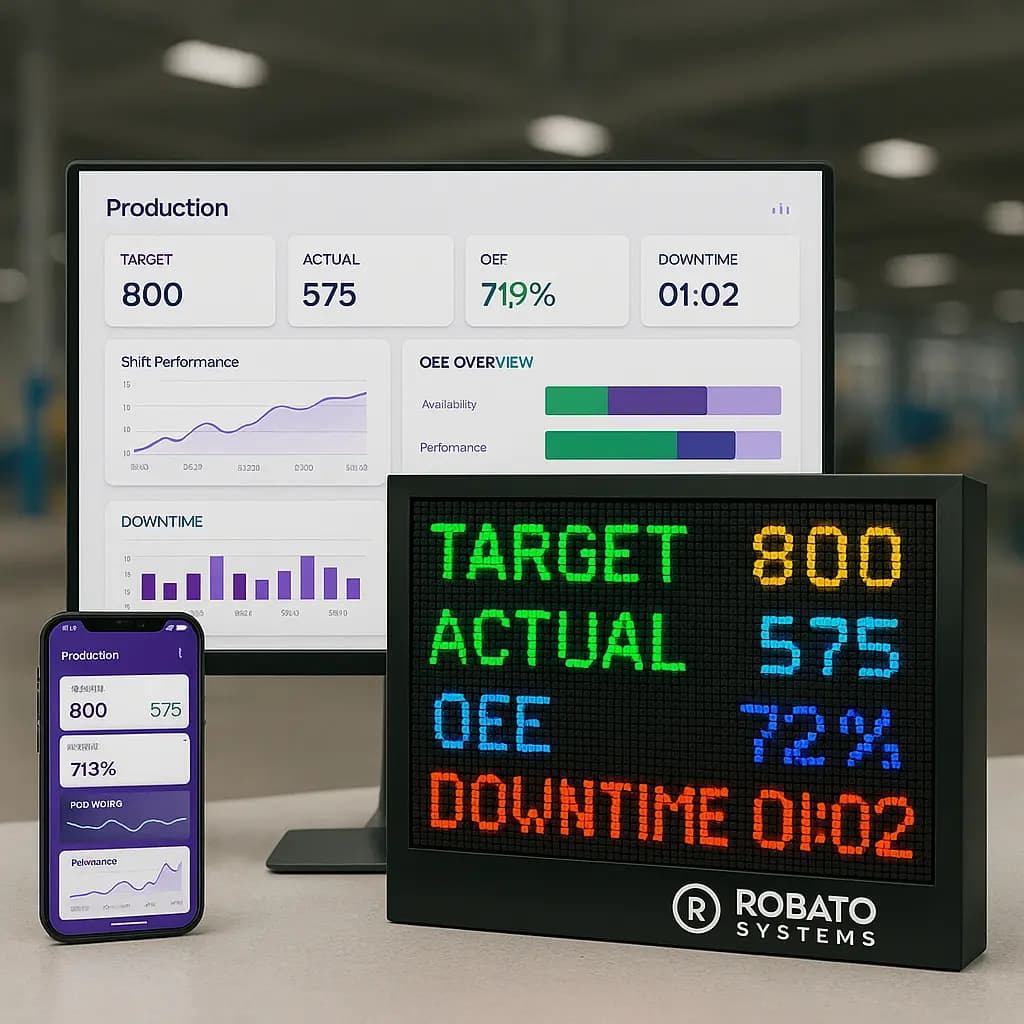
A workforce performance dashboard can centralize important operator and production KPIs.
A practical dashboard may contain several sections.
Workforce Overview
- Total operators
- Available operators
- Active operators
- Operators assigned to machines
- Operators affected by downtime
Productivity Overview
- Production per operator
- Production per operator hour
- Target achievement
- Actual production
- Productivity trends
Utilization Overview
- Operator utilization
- Productive time
- Idle time
- Waiting time
Shift Performance
- Production by shift
- Workforce by shift
- Utilization by shift
- Target achievement by shift
Production Line Performance
- Output by production line
- Operators per line
- Production per operator
- Machine downtime
- Production efficiency
A dashboard should prioritize actionable information rather than displaying every available metric.
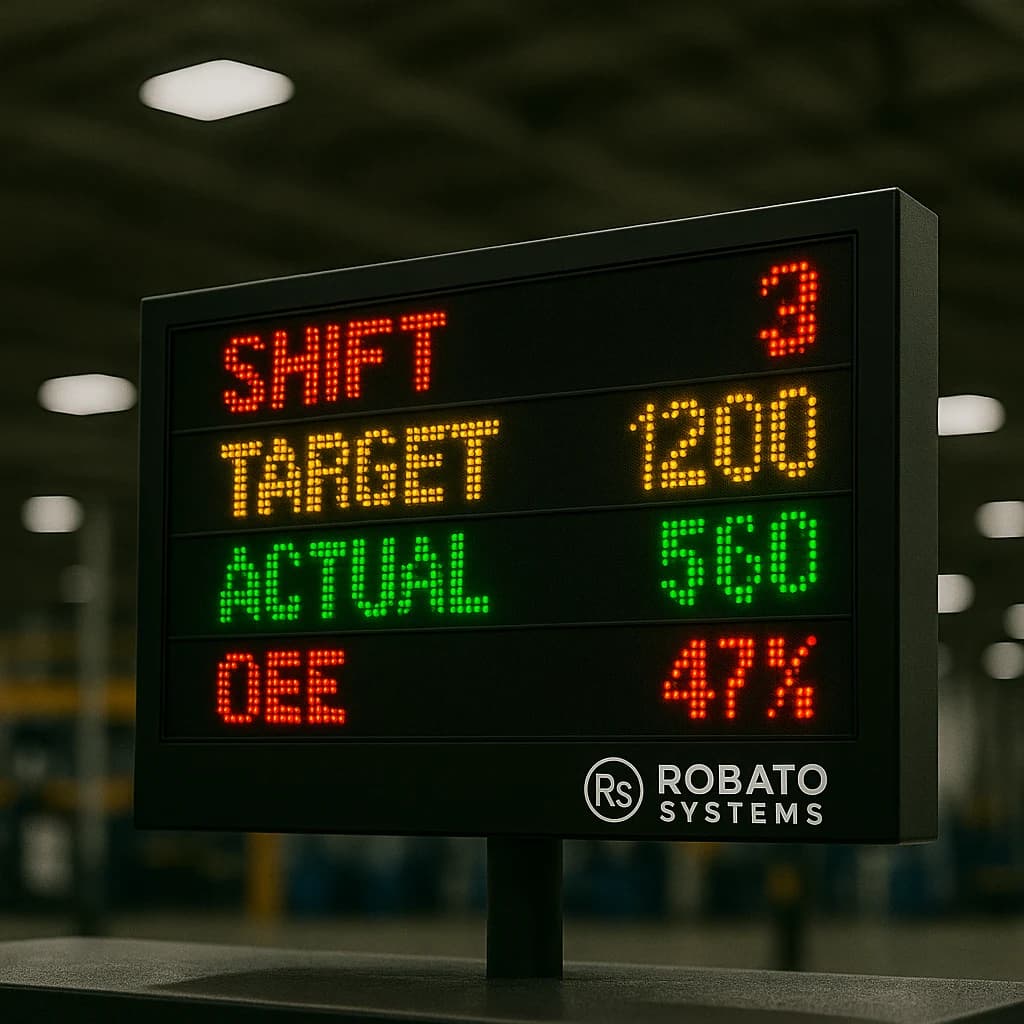
Workforce Performance by Shift
Shift analysis is particularly important in manufacturing.
Plants may operate:
- Two shifts
- Three shifts
- Continuous production
- Weekend shifts
- Rotating shifts
Different shifts may experience different production conditions.
For example, one shift may have:
- More changeovers
- Different product mixes
- More maintenance activity
- Different material availability
- Different staffing levels
Therefore, workforce performance should be analyzed with operational context.
Comparing similar production conditions makes the data more meaningful.
Workforce Performance by Production Line
A manufacturing plant may have multiple production lines with different processes and staffing requirements.
Workforce performance management can provide line-level visibility into:
- Number of operators
- Production output
- Production per operator
- Operator utilization
- Downtime
- Target achievement
This can help managers understand whether workforce resources are appropriately aligned with production requirements.
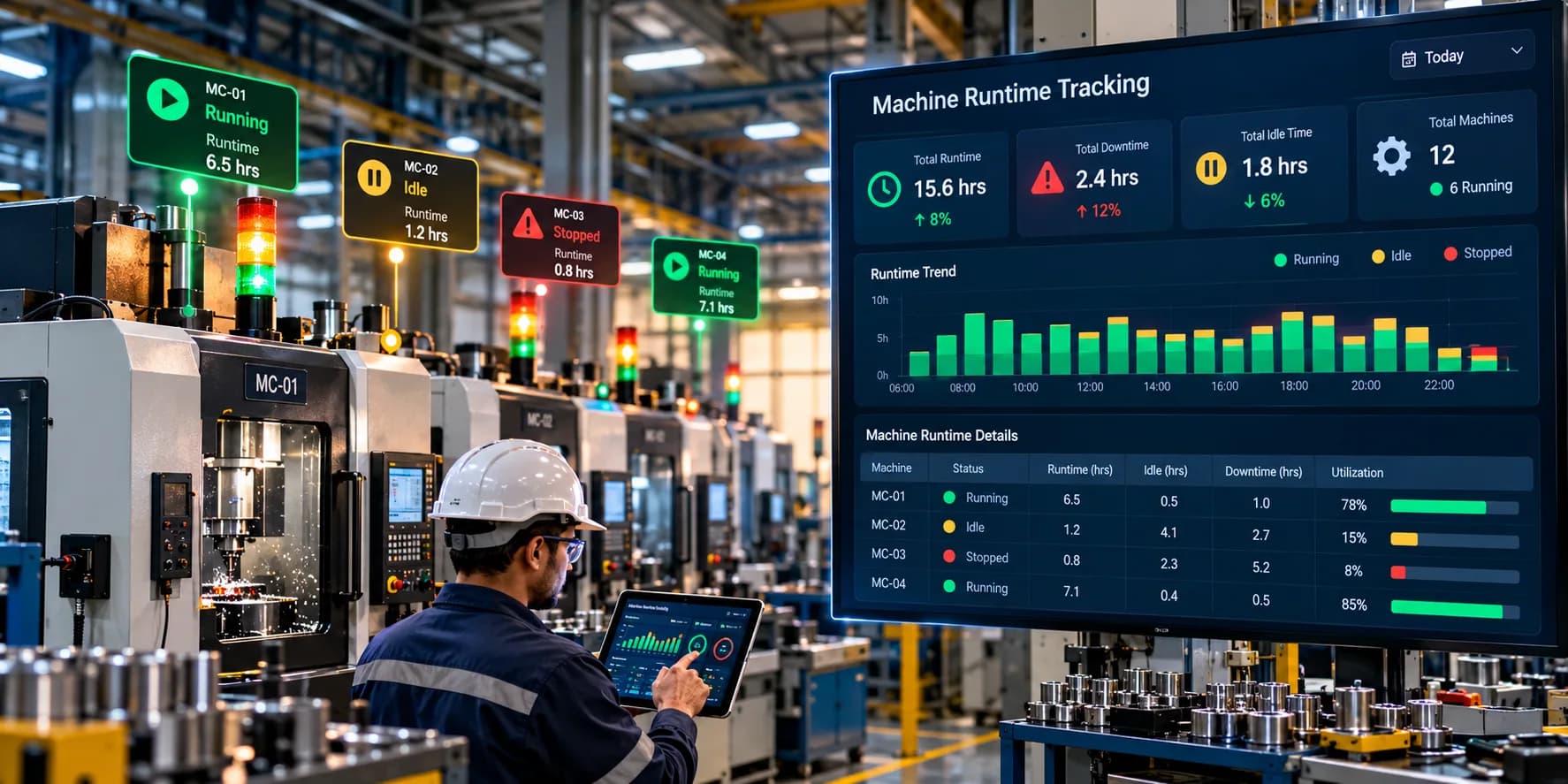
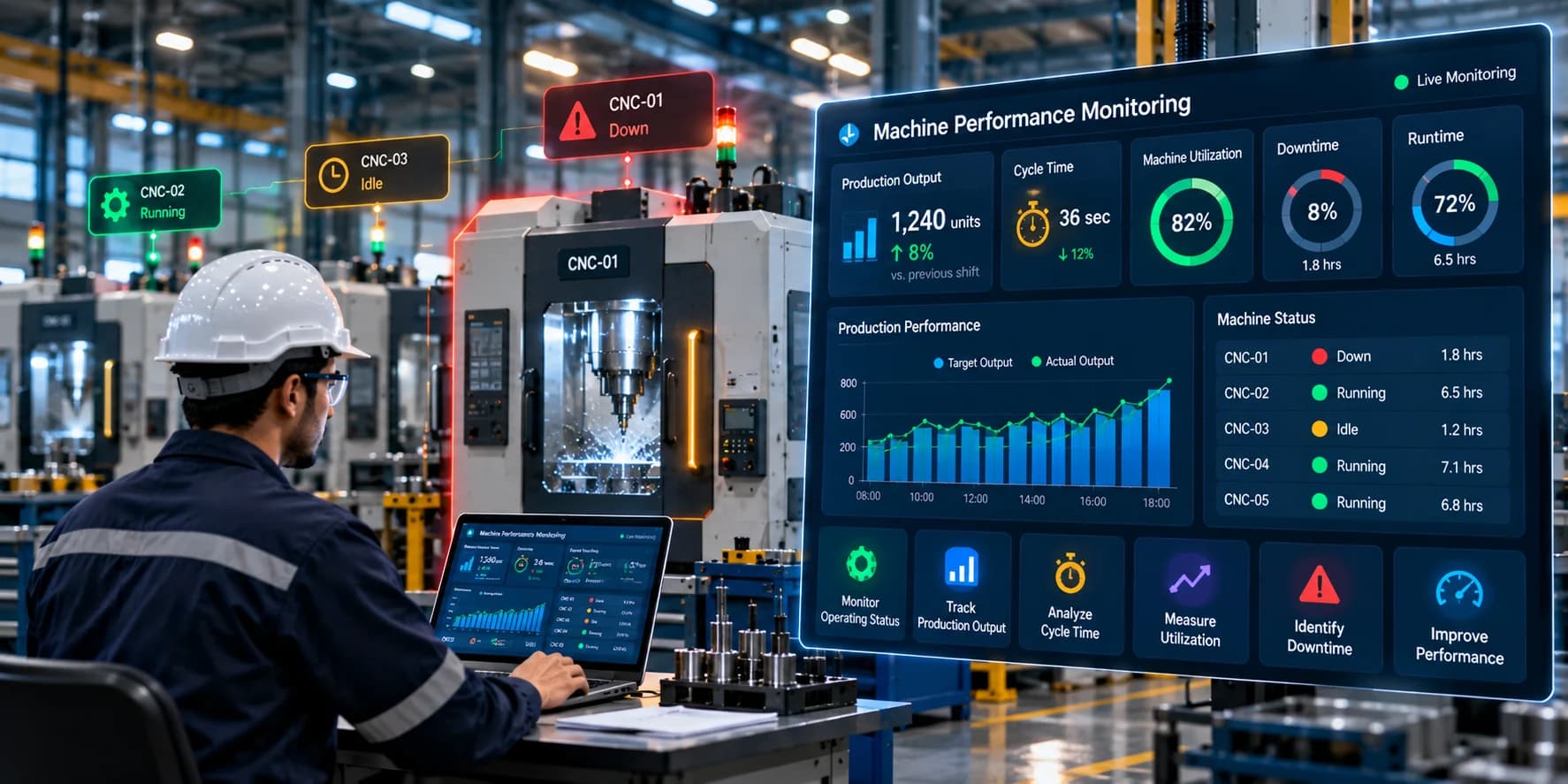
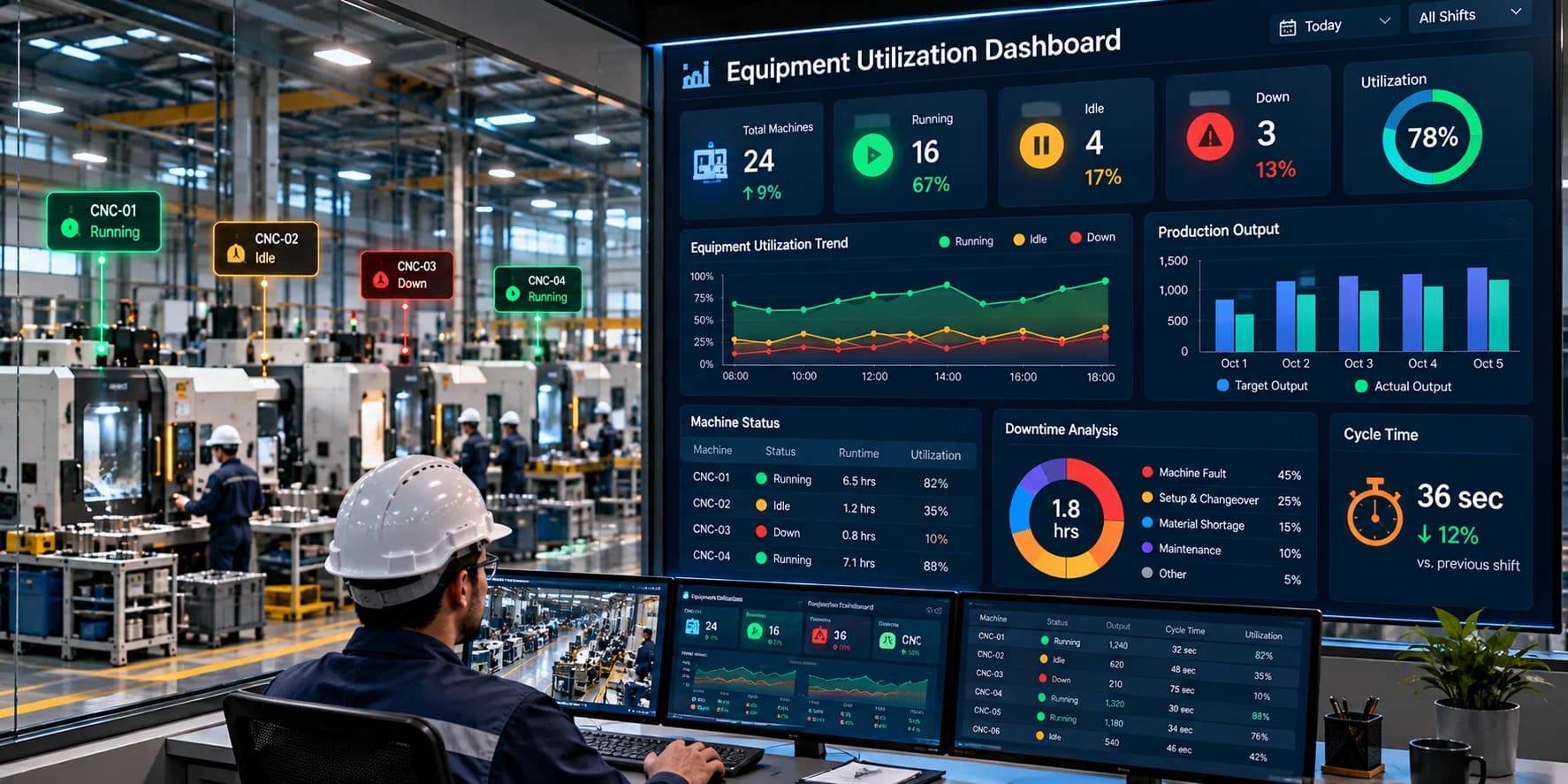
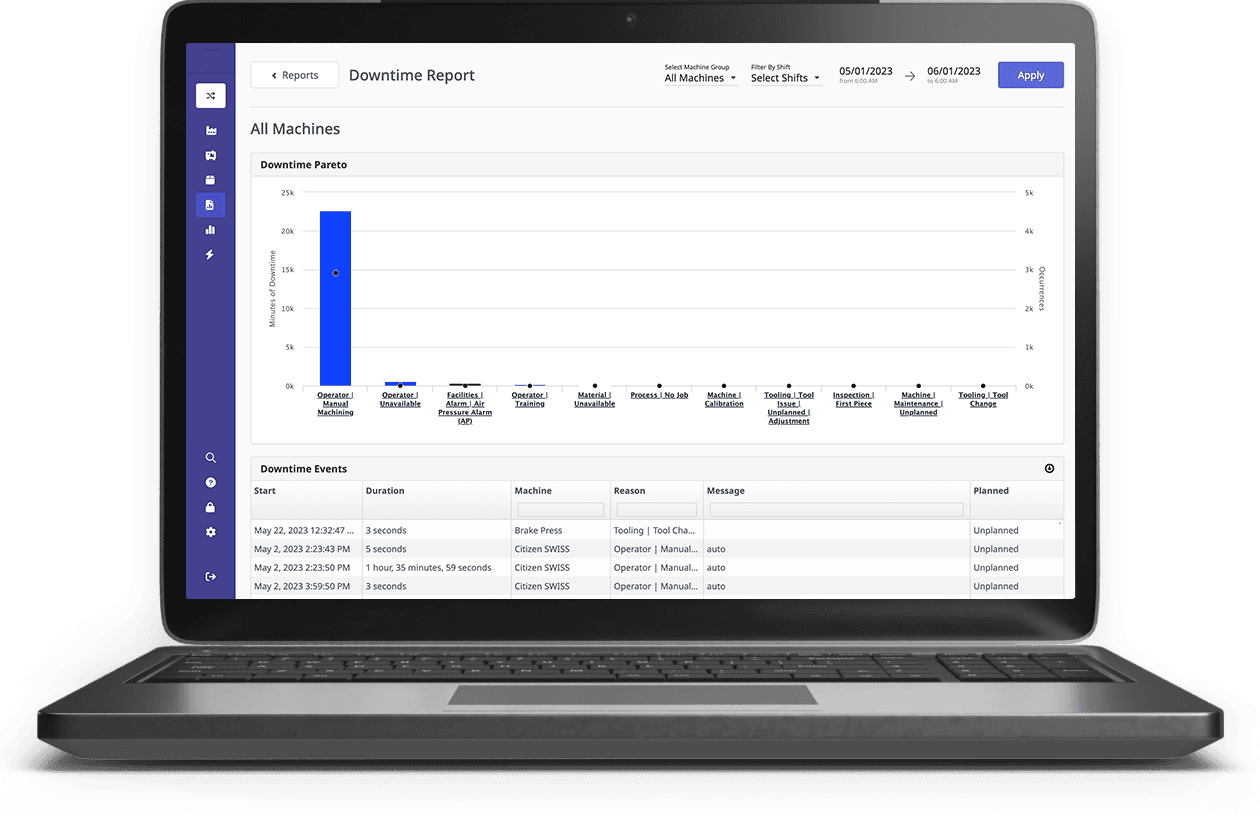
Workforce Performance and Machine Downtime
One of the most important aspects of manufacturing workforce analysis is understanding the relationship between operators and machines.
An operator can be fully available but unable to produce because the assigned machine is stopped.
For example:
Operator available → Machine breakdown → Production stops → Operator utilization affected → Production output decreases
If workforce performance is evaluated without machine context, the resulting analysis may be misleading.
By connecting operator data with machine downtime, managers can identify how equipment problems affect workforce productivity.
Workforce Performance and Material Availability
Material shortages can also affect workforce performance.
An operator may be ready to work but unable to continue production because:
- Raw material is unavailable
- Components have not arrived
- Material movement is delayed
- Incorrect material was supplied
- Material quality is under inspection
Digital production monitoring can help identify these conditions and distinguish material-related delays from workforce-related issues.
Workforce Performance and Production Targets
Production targets provide an important reference point.
A workforce performance dashboard can compare:
Planned Production vs Actual Production
and then connect the result with:
Operators + Machine Performance + Downtime + Utilization
This makes it easier to investigate production gaps.
For example, if actual production is below target, managers can determine whether the difference is associated with:
- Lower operator availability
- Machine downtime
- Material shortages
- Longer cycle times
- Changeovers
- Quality issues
- Production scheduling
Workforce Analytics for Manufacturing
Workforce analytics involves using operational data to identify patterns and trends related to employees and workforce performance.
In manufacturing, workforce analytics can answer questions such as:
- Which shifts have the highest utilization?
- Where is idle time increasing?
- Which production lines have workforce capacity constraints?
- How does downtime affect operator productivity?
- How is production per operator changing?
- Which processes may require additional training?
- How does workforce allocation affect production?
Historical analytics can help identify recurring problems rather than focusing only on individual incidents.
Benefits of Workforce Performance Management
Better Workforce Visibility
Managers gain a clearer view of how workforce resources are being used across the shop floor.
Improved Production Planning
Historical workforce data can support more realistic staffing and production plans.
Better Resource Allocation
Managers can identify where workforce capacity is needed and where it may be underutilized.
Faster Problem Identification
Real-time monitoring can highlight production and utilization issues during the shift.
Improved Productivity
Identifying recurring operational constraints can help organizations improve workforce productivity.
Better Shift Management
Supervisors can monitor current production and workforce conditions rather than relying exclusively on end-of-shift reports.
Data-Driven Decision Making
Digital workforce data provides measurable information for production planning and continuous improvement.
Manual Workforce Management vs Digital Workforce Management
Traditional workforce management can rely heavily on:
- Paper forms
- Spreadsheets
- Manual production reports
- Supervisor observations
- End-of-shift calculations
These approaches can create problems such as:
- Delayed information
- Manual calculation errors
- Inconsistent reporting
- Limited historical visibility
- Difficult cross-analysis
- High administrative effort
Digital workforce performance management can automate much of the data collection and analysis process.
Instead of waiting for reports, managers can access current production and workforce information through centralized dashboards.
How to Improve Workforce Performance in Manufacturing
Improving workforce performance requires understanding the reasons behind productivity losses.
Optimize Operator Allocation
Assign workforce based on production requirements, workload, skills, and process requirements.
Reduce Machine Downtime
Improving machine availability gives operators more opportunity to perform productive work.
Improve Material Flow
Ensuring materials are available when required can reduce operator waiting time.
Reduce Changeover Time
Efficient changeover processes increase available production time.
Improve Operator Training
Training can help operators follow standardized processes and use equipment effectively.
Standardize Work Processes
Clear standard operating procedures can reduce process variation.
Monitor Productivity Trends
Continuous measurement makes it easier to determine whether improvement initiatives are producing measurable results.
Workforce Performance Management and Industry 4.0
Industry 4.0 connects physical manufacturing operations with digital systems.
A modern workforce performance management system can become part of this connected environment.
It can integrate with:
- IIoT systems
- Machine monitoring
- OEE software
- Production monitoring
- Downtime tracking
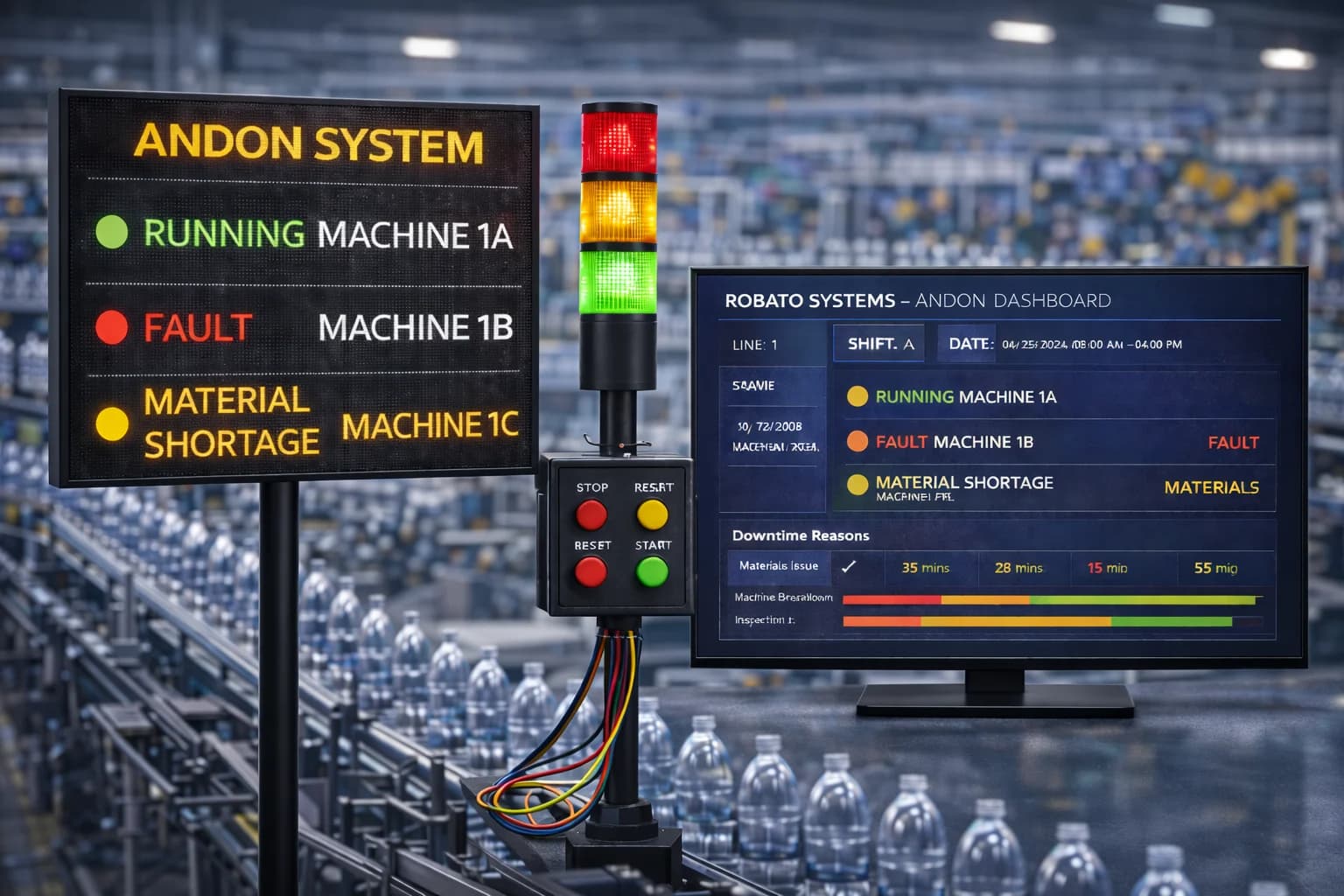
- Digital Andon systems
- Manufacturing dashboards
- Quality monitoring
This creates a more comprehensive digital representation of the shop floor.
Instead of viewing operators, machines, and production as separate systems, manufacturers can analyze how these components interact.
Workforce Performance Management and OEE
OEE measures equipment effectiveness through:
- Availability
- Performance
- Quality
Workforce performance management focuses on the human and operational side of production.
These systems can complement each other.
For example:
Machine downtime → Operator waiting → Lower utilization → Lower production output
Connecting machine and workforce information helps managers understand the relationship between equipment performance and workforce productivity.
OEE and workforce KPIs should therefore be treated as complementary measurements rather than replacements for one another.
Best Practices for Workforce Performance Management
1. Define Clear KPIs
Choose metrics that directly relate to production objectives.
2. Use Real-Time Data
Current information allows supervisors to respond while production is still taking place.
3. Combine Workforce and Machine Data
Operator performance should be analyzed with machine status and downtime.
4. Track Multiple Metrics
Use productivity, utilization, quality, production, and downtime together.
5. Analyze Trends
Look at performance across days, weeks, shifts, and production lines.
6. Consider Operational Context
Product complexity, machine condition, material availability, and production planning can influence workforce performance.
7. Focus on Improvement
Use workforce data to identify process constraints and improvement opportunities.
8. Avoid Isolated Comparisons
Comparing operators without considering machine, product, process, and shift conditions can produce misleading conclusions.
Common Challenges in Workforce Performance Management
Manufacturers may face several challenges when implementing workforce performance monitoring.
Incomplete Data
If operator information is not connected with production data, analysis may be limited.
Manual Data Collection
Manual reporting can delay information and introduce inconsistencies.
Lack of Context
A single productivity metric cannot explain why performance changed.
Poor KPI Definitions
Different departments may calculate productivity differently.
Resistance to Change
Employees and supervisors may need clear communication about the purpose and use of workforce monitoring.
Disconnected Systems
Production, machine, quality, and workforce information may exist in separate systems.
A connected manufacturing platform can help address these challenges.
Workforce Performance Management Software
Workforce performance management software for manufacturing can centralize operator and production information.
Depending on the system, it may provide:
- Operator productivity monitoring
- Operator utilization
- Production per operator
- Shift performance
- Production target monitoring
- Machine assignment
- Downtime analysis
- Workforce analytics
- KPI dashboards
- Historical performance reports
The most effective implementation depends on the specific manufacturing process and the data available within the plant.
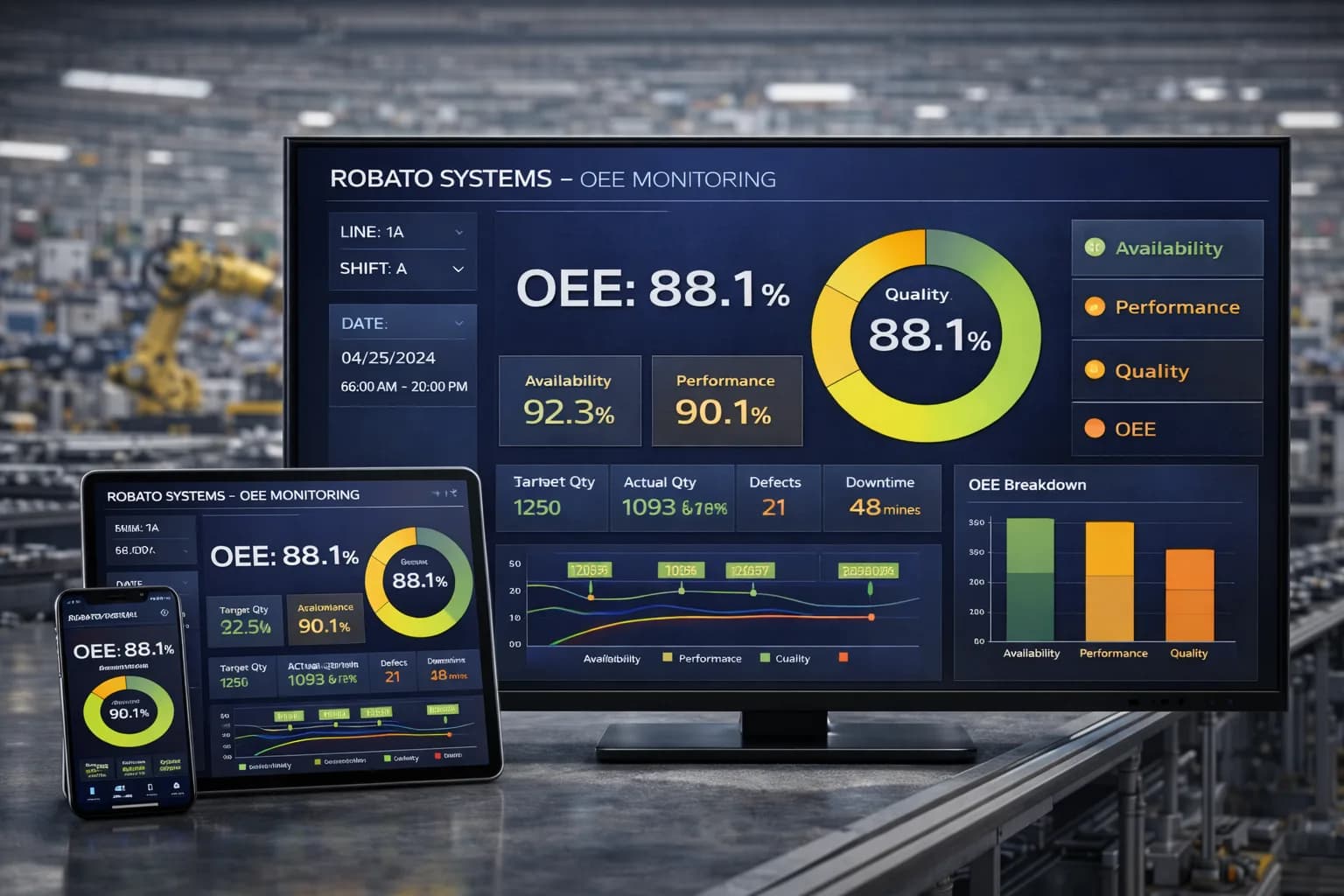
How Robato Systems Supports Manufacturing Workforce Visibility
Robato Systems develops IIoT and manufacturing software solutions designed to improve visibility across production operations.
Its manufacturing solutions can connect areas such as:
- Production monitoring
- OEE monitoring
- Downtime tracking
- Operator efficiency
- Digital Andon
- Manufacturing dashboards
By connecting production and workforce information, manufacturing teams can gain better visibility into operator productivity, utilization, production targets, machine downtime, and shop floor performance.
This helps move workforce management from manual reporting toward a more connected and data-driven manufacturing environment.
Conclusion
Workforce performance management in manufacturing is about more than measuring employee output.
It is about understanding how operators, machines, materials, production processes, and operational conditions work together.
By monitoring metrics such as production per operator, operator utilization, target achievement, quality, idle time, and downtime, manufacturers can gain a clearer picture of workforce productivity.
Real-time dashboards and connected manufacturing systems can make this information available during production rather than only after a shift has ended.
When workforce performance data is combined with OEE, downtime monitoring, production tracking, and IIoT technologies, manufacturers can create a more complete view of factory performance.
The result is a data-driven approach to workforce planning, production management, and continuous improvement.
FAQs
What is workforce performance management in manufacturing?
Workforce performance management in manufacturing is the process of monitoring and improving workforce productivity, utilization, production output, quality, and operational performance across the production floor.
Why is workforce performance management important?
It helps manufacturers understand how workforce capacity is being used and identify factors affecting production efficiency, productivity, and target achievement.
What are the main workforce performance KPIs?
Common KPIs include production per operator, operator utilization, production output, target achievement, productive time, idle time, quality, and production efficiency.
How does workforce performance management improve productivity?
It provides visibility into productivity losses and operational constraints, helping managers identify issues related to downtime, material shortages, workforce allocation, changeovers, and production processes.
Can workforce performance be monitored in real time?
Yes. Digital manufacturing systems can combine operator, production, machine, shift, and downtime information to provide real-time workforce performance visibility.
What is operator utilization?
Operator utilization measures how available operator time is used for defined productive or operational activities. It can help identify productive time, idle time, and waiting time.
How does machine downtime affect workforce performance?
When a machine stops, an assigned operator may be unable to continue production. Connecting machine downtime with operator information helps identify how equipment problems affect workforce utilization and production output.
Can workforce performance management be integrated with OEE?
Yes. OEE focuses on equipment effectiveness, while workforce performance management focuses on workforce and operational performance. Using both can provide a broader view of manufacturing efficiency.
What is workforce analytics in manufacturing?
Workforce analytics uses production and workforce data to identify trends related to operator productivity, utilization, staffing, shift performance, and manufacturing workforce efficiency.
What is workforce performance management software?
It is software that helps manufacturing organizations collect, monitor, analyze, and visualize workforce and production performance data through dashboards, KPIs, and reports.